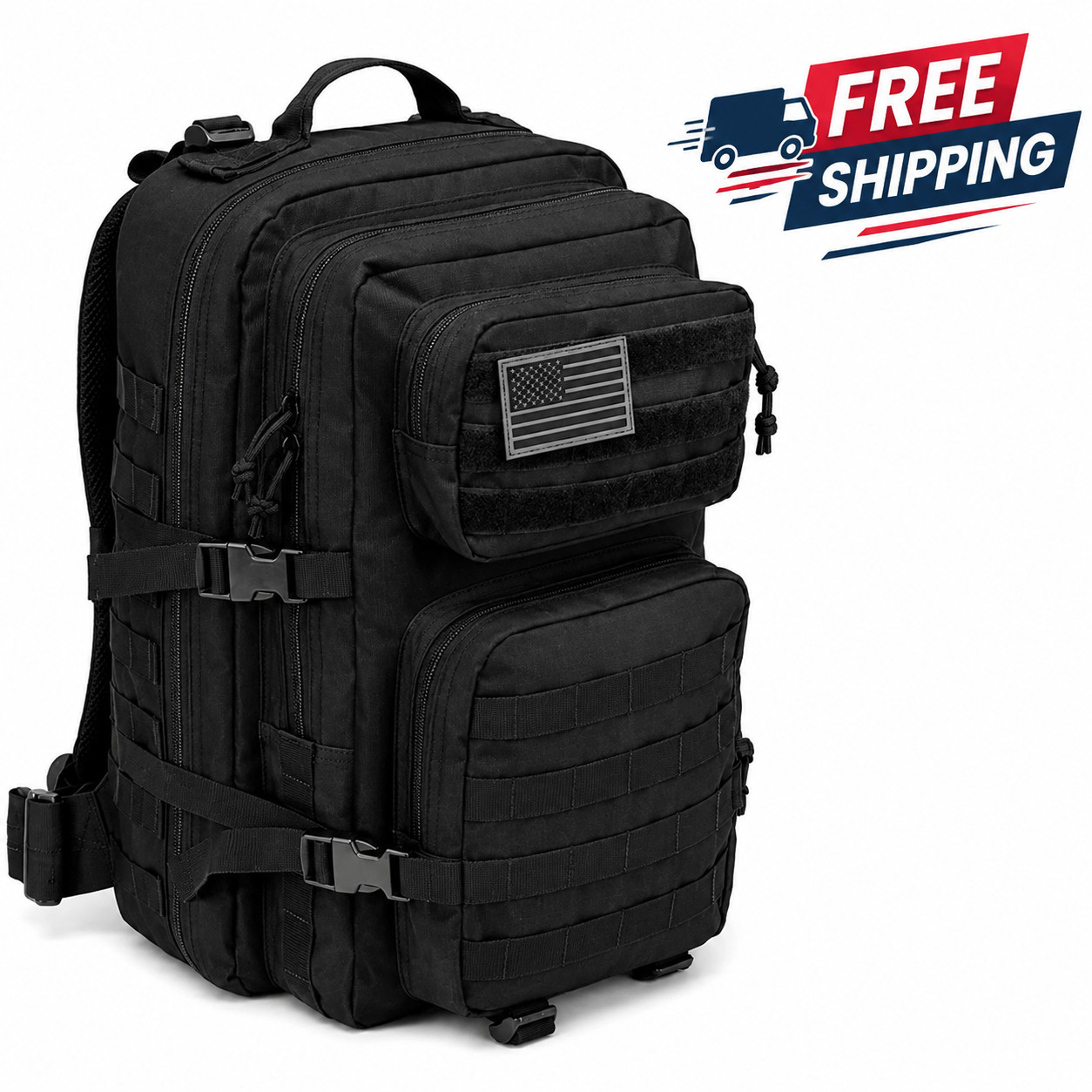

Photos from current listings. Actual item, color, and included accessories may vary.
Day Hiking Backpack Buying Guide
Day hiking backpacks are sub-35L to 45L packs built for single-day carries, where the decisive trade-off is suspension support versus weight and ventilation—framed packs transfer load to the hips, frameless packs save grams but punish you above 15 lbs. Buy framed and hip-belted for loads over 15 lbs or rough terrain; buy frameless ultralight only for fast-and-light sub-15-lb kits; treat tactical 40–45L MOLLE packs as heavy-durable utility carries, not ventilated trail packs.


At a glance
- Category
- Hiking Backpacks & Hydration Packs
- Data updated
- Nov 16, 2026
Current offers
Highlights
- Daypack volume tiers: 15–25L for fast-and-light, 25–35L for 4–8 hour hikes with layers, 35–45L for winter or camera/family loads—capacity beyond 45L is overnight territory.
- Framed packs with internal framesheet plus load-lifter straps transfer weight to the hip belt above 15 lbs; frameless packs above 2 lbs of fabric weight sag and shoulder-load.
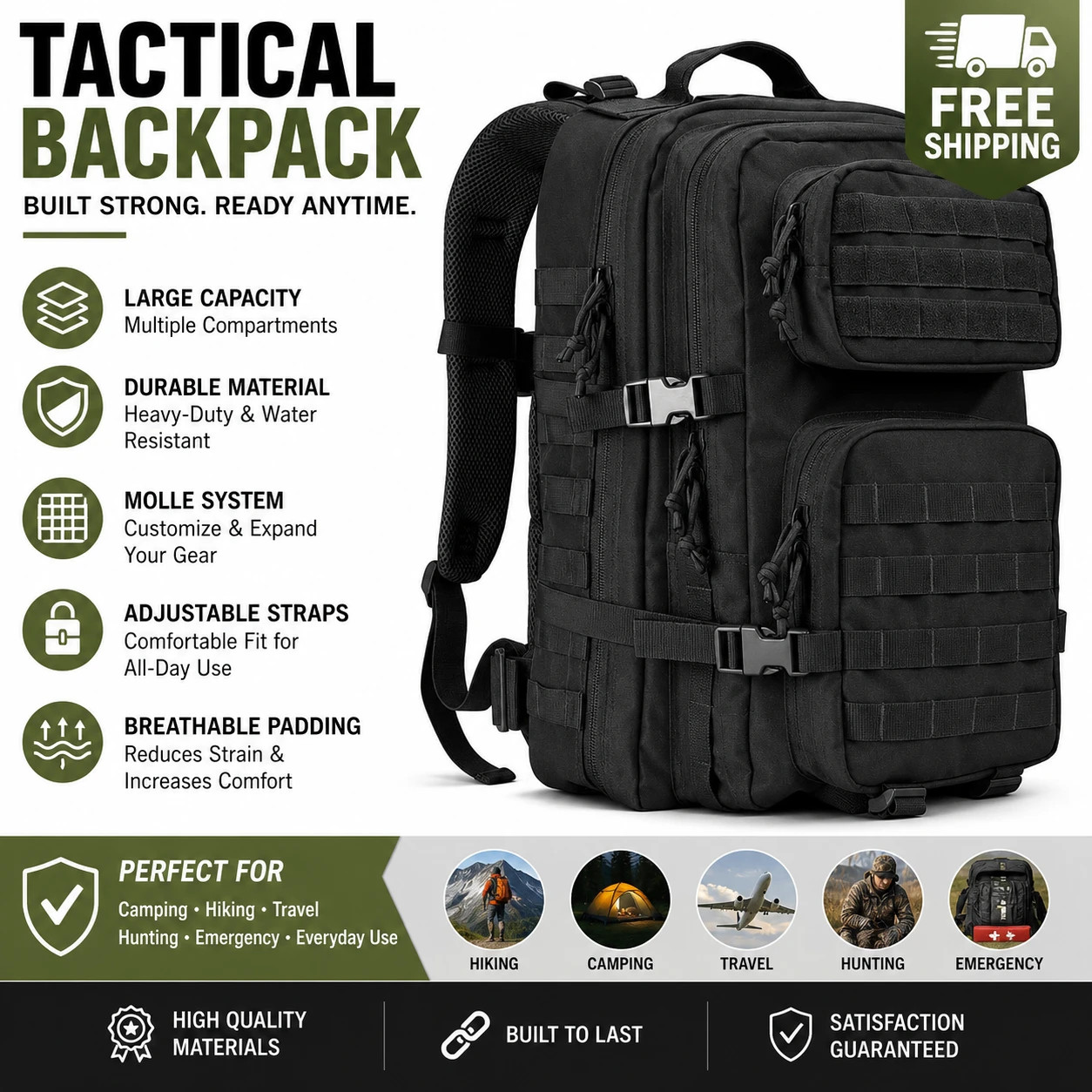
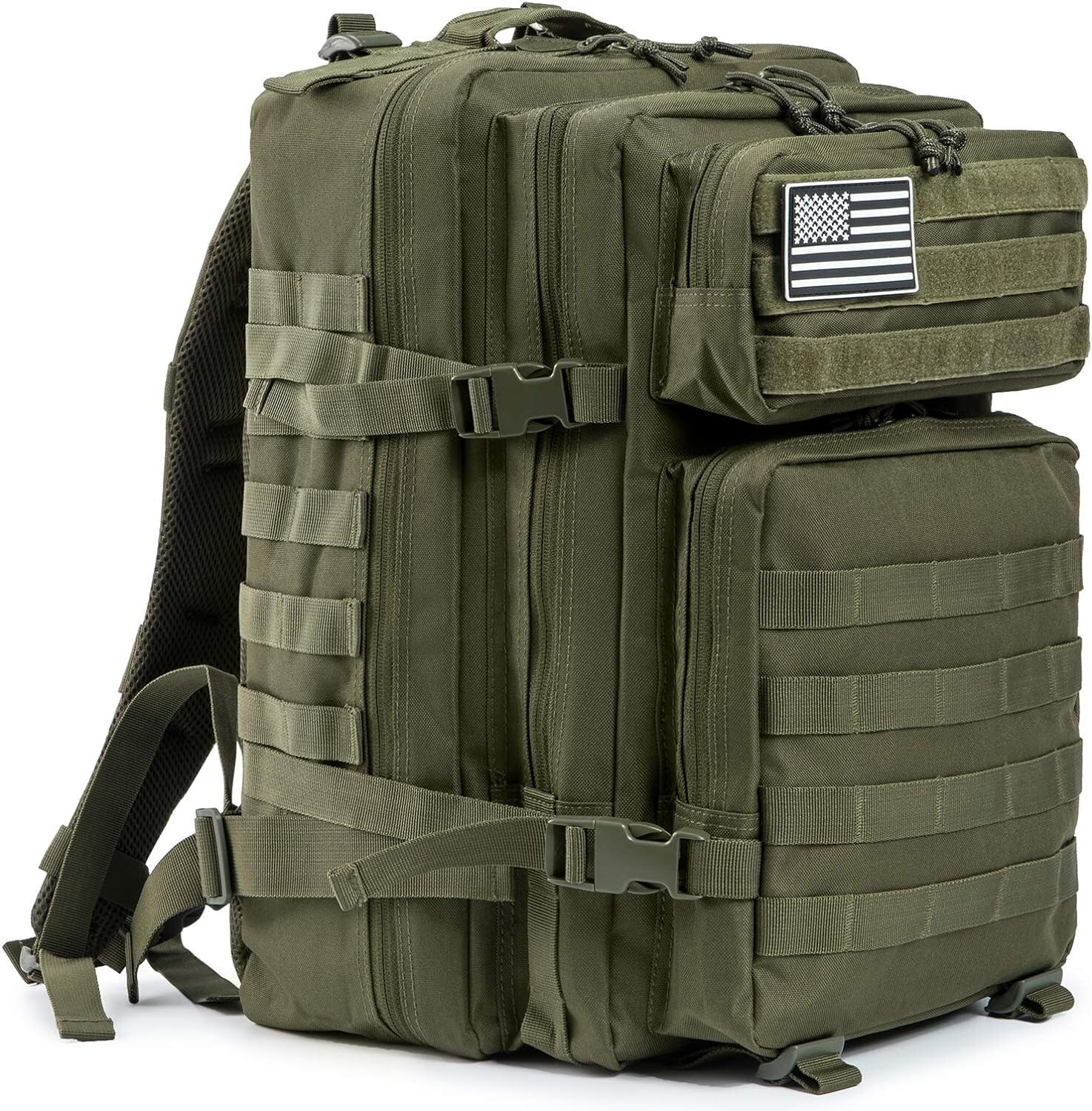
- Tactical 40–45L MOLLE packs use 600–1000D Cordura or polyester with PALS webbing—far more abrasion-resistant but 1.5–2x heavier and near-zero back ventilation.
- Hydration compatibility: most daypacks fit a 2–3L reservoir with a dedicated sleeve and hose port; packs without a port force bladder-in-main-compartment routing.
Best use cases
- Fast day hikes under 4 hours with 10 lbs or less: pick a 15–25L frameless or minimal-framesheet pack with a hip belt and hydration sleeve; skip 40L tactical packs that weigh more empty than your whole kit.
- Full-day mountain hikes carrying 15–25 lbs (layers, food, 3L water): pick a 25–35L internal-frame pack with load-lifter straps, padded hip belt, and back panel channel; skip frameless ultralight sacks that collapse under that load.
- Winter or camera/family day carries needing bulk: pick a 35–45L panel-loading pack with compression straps; a top-loading 45L tactical rucksack works for gear hauling but runs hot and lacks trail-specific organization.
- Women-specific fit: choose packs with shorter torso lengths (14–17 in) and narrower shoulder straps or adjustable unisex suspension; standard 19–21 in torsos will ride high and load the shoulders.
Buying tips
- Measure your torso from C7 vertebra to iliac crest: under 18 in needs a small/short torso pack, 18–20 in medium, over 20 in large—most daypack fit failures are torso-length mismatches.
- Match capacity to load: 20L handles 10 lbs, 30L handles 20 lbs, 40L handles 30 lbs comfortably; exceeding roughly 1 lb per liter of capacity degrades any daypack's carry.
- Check the hip belt: a functional daypack hip belt is at least 2 in wide with padding and cinches snug on the iliac crest—thin 1 in webbing belts do not transfer load.
- For tactical/MOLLE 40–45L packs, expect 3–5 lbs empty weight and 600D+ fabric; they suit bushwhacking and gear hauling but lack trampoline back ventilation for hot climbs.
Specs
| Daypack Volume | 15–45L (day-use tiers) |
|---|---|
| Suspension Type | Frameless / framesheet / internal frame |
| Hydration Fit | 2–3L reservoir sleeve + hose port |
| Fabric Durability | 100–400D nylon vs 600–1000D tactical |
Related searches
What to check before buying
- Measure torso length (C7 to iliac crest) and hip/waist circumference before choosing size—pack sizes are torso-based, not height-based.
- Confirm hydration sleeve dimensions fit your reservoir (2L vs 3L) and that a hose port exists on the correct shoulder side.
- Verify the pack fits your frame: daypack dimensions must clear airline carry-on limits (22 x 14 x 9 in) if you plan to fly with it.
- Check companion gear: hip belt pockets, trekking pole loops, and rain cover compatibility—many daypacks sell rain covers separately.
FAQ
Data sources: eBay / Amazon listings and product attribute feeds Data updated Nov 16, 2026.
Some links on this page are affiliate links. If you buy after clicking one, we may earn a commission at no extra cost to you. This does not change which products appear here or their order. Affiliate disclosure.