Photos from current listings. Actual item, color, and included accessories may vary.
Daypack Backpack Buying Guide
A daypack is a 10–40L frameless or lightly framed backpack for single-day carry, where the core trade-off is weight and packability versus load support and abrasion resistance. Durable options use 200–500D high-tenacity nylon/polyester with bar-tacked stress points and a real hip belt above 25L, while compromises use thin 30–70D shell fabric, single stitching, and no load transfer. Decide by carry weight and distance: under 7 kg on short trips favors ultralight packables, while 7–15 kg on full-day hikes requires a structured harness and hip-belt support.


At a glance
- Category
- Hiking Backpacks & Hydration Packs
- Data updated
- Nov 16, 2026
Current offers
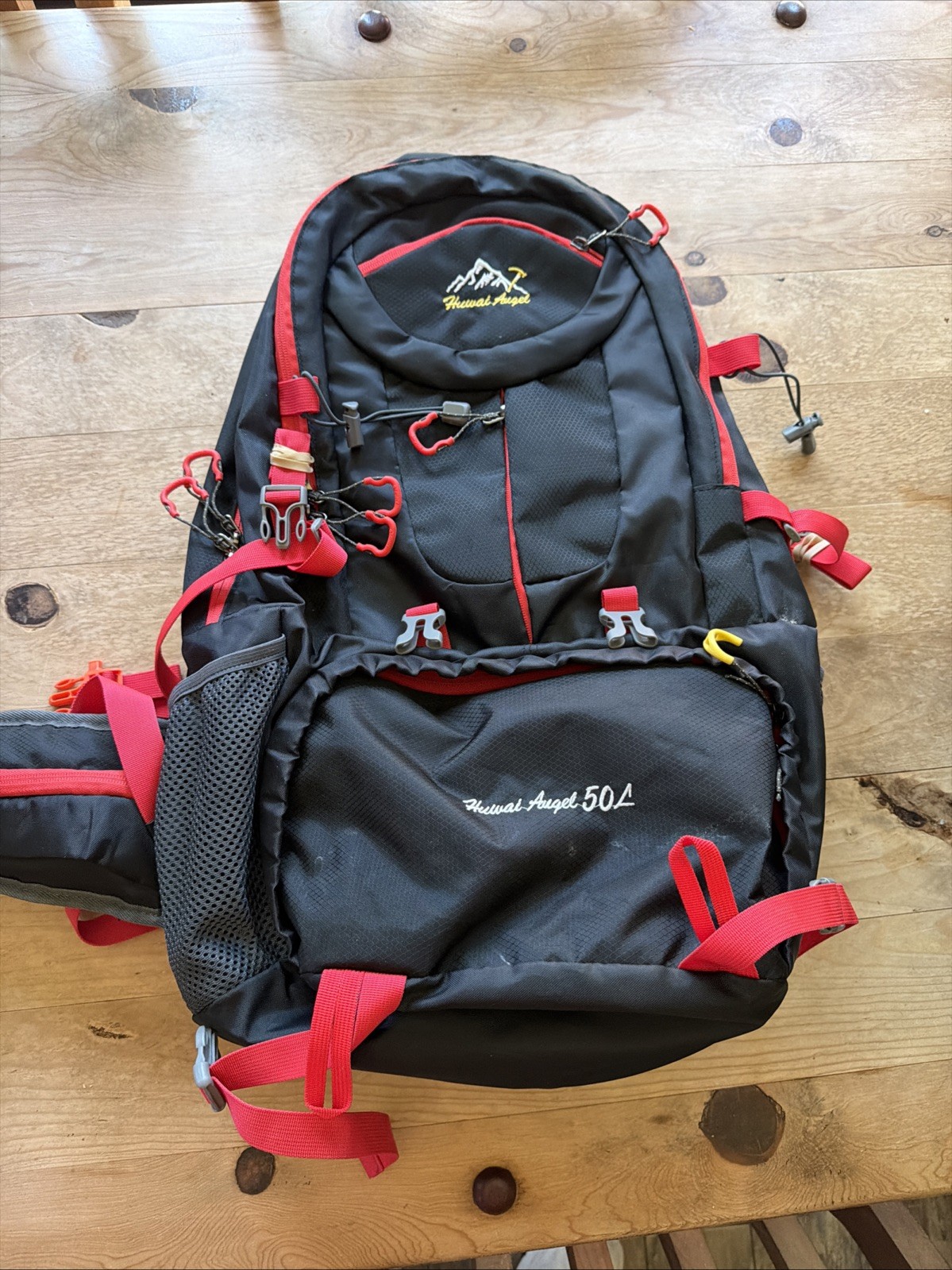 40L Water Resistant Travel Backpack Camping Hiking Laptop Daypack Trekking Climb$29.00
 View on eBay
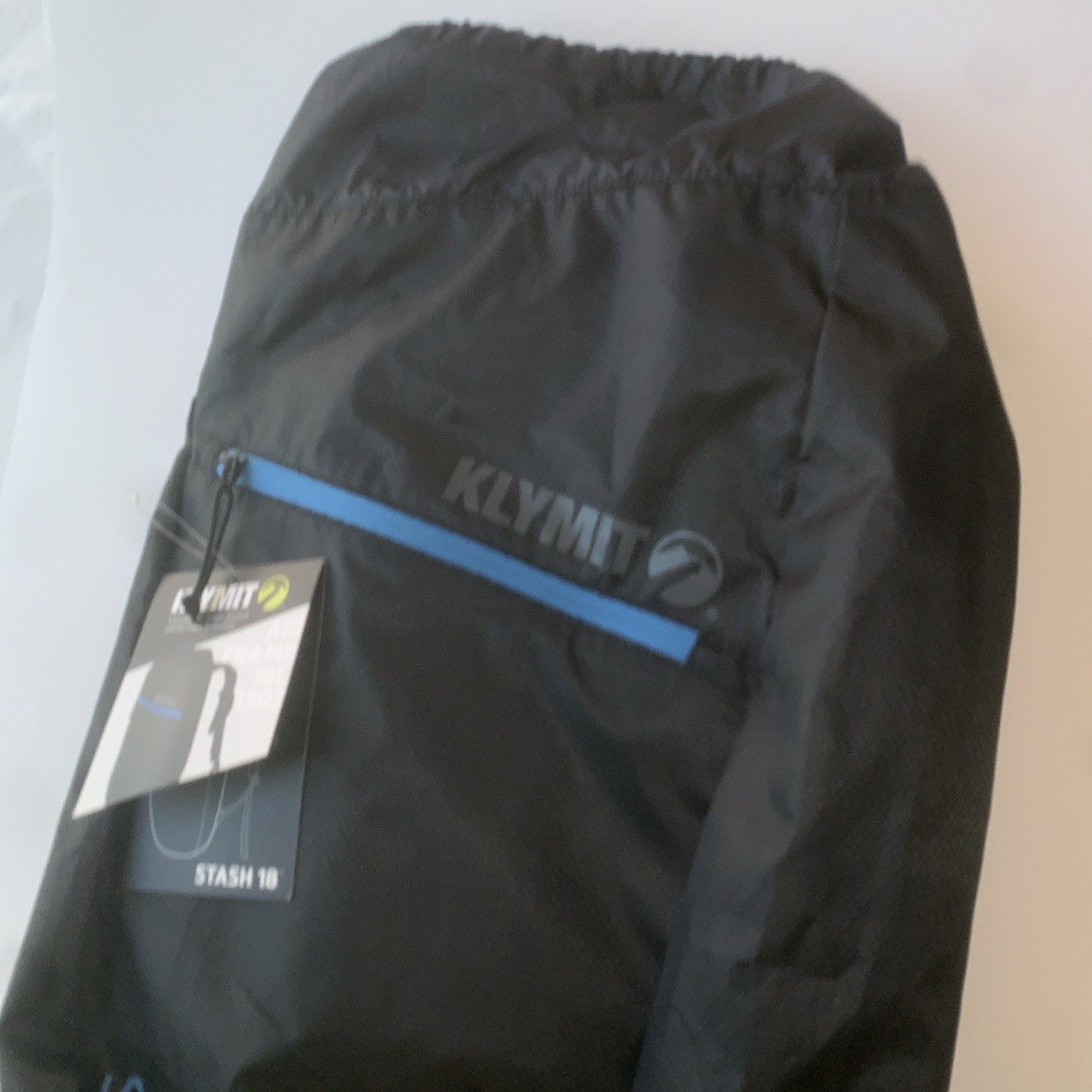 Klymit Stash 18 Daypack Air Frame Lightweight Hiking Backpack Black 18L Nylon$30.00View on eBay
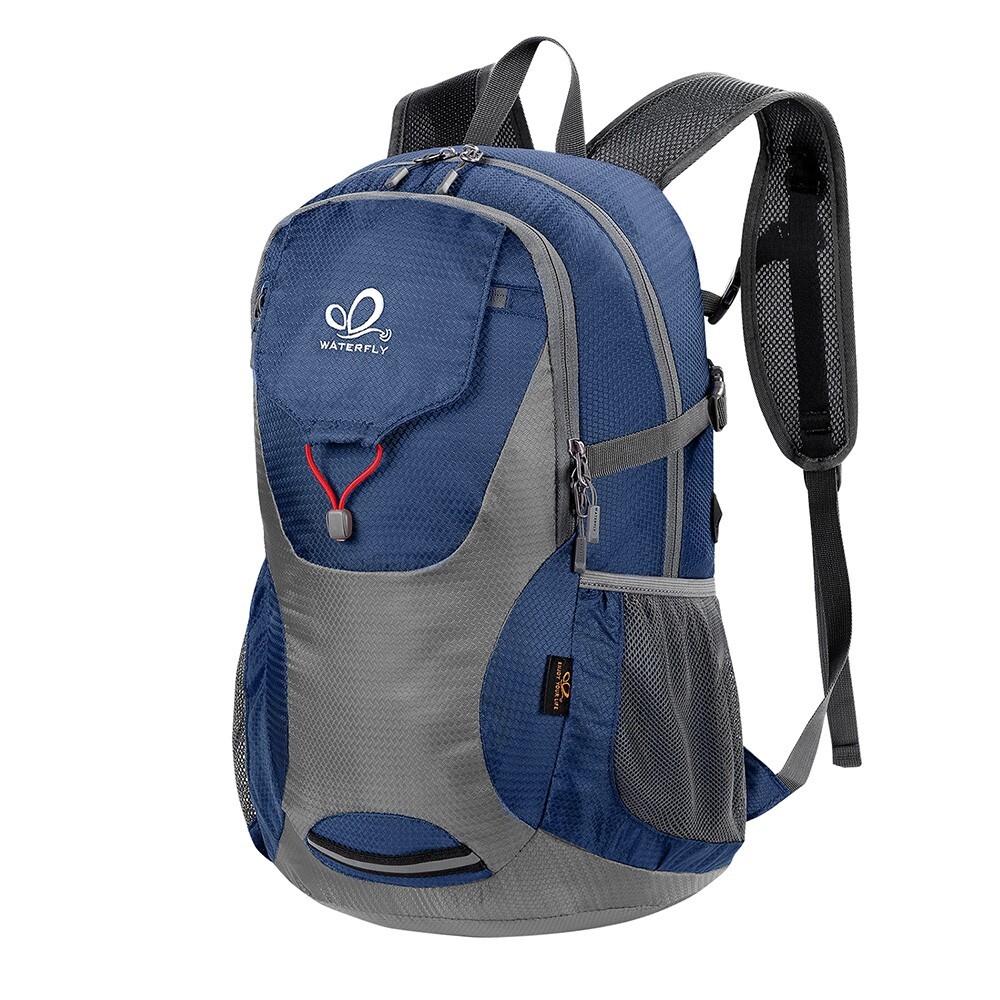 WATERFLY 30L Lightweight Packable Hiking Backpack - Ultralight Foldable Daypack$32.39View on eBay
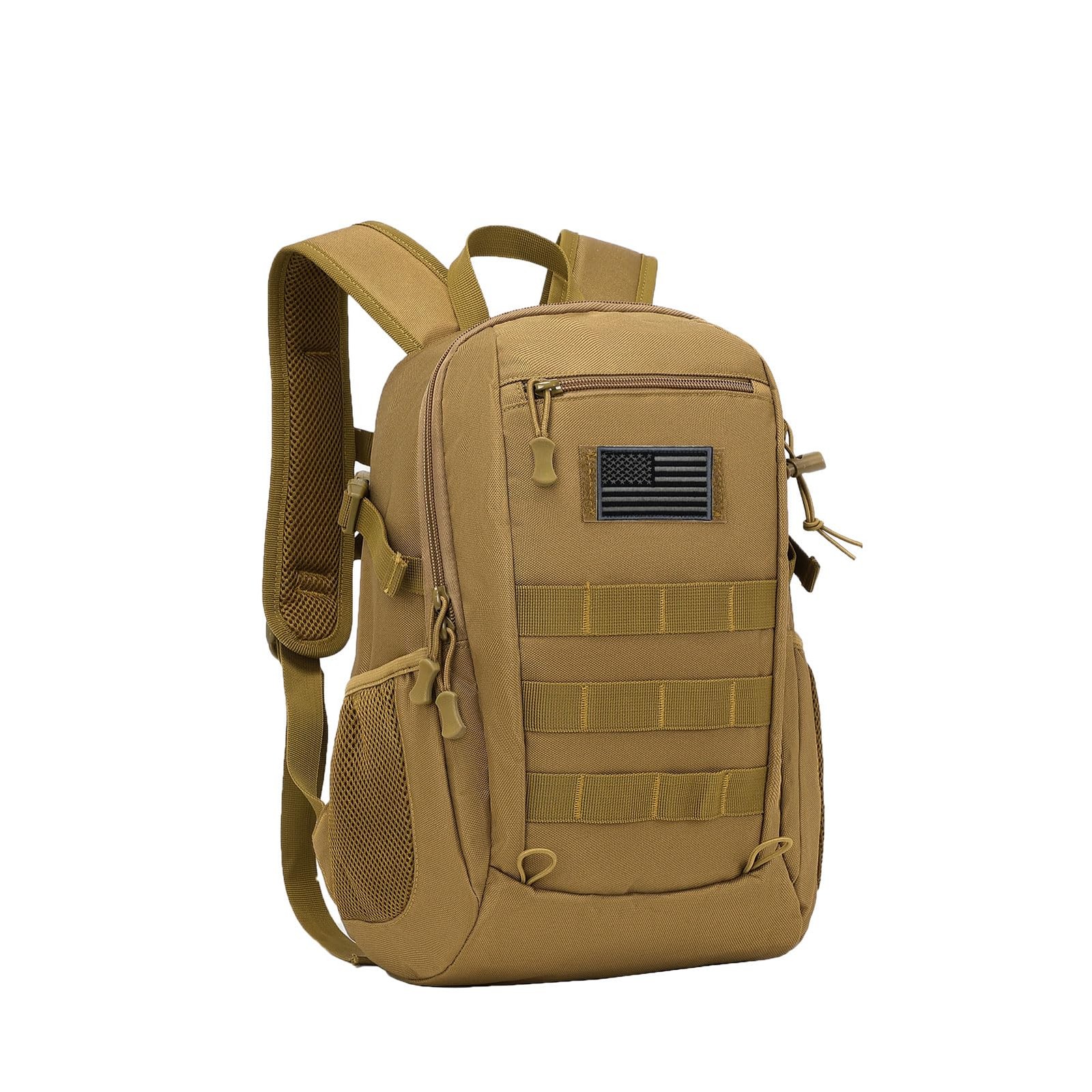 10L mini X-small Tactical Backpack MOLLE Daypack Gear Pack Camping Bag with P$32.68View on eBay
- 10L mini X-small Tactical Backpack MOLLE Daypack Gear Pack Camping Bag with P$32.72View on eBay
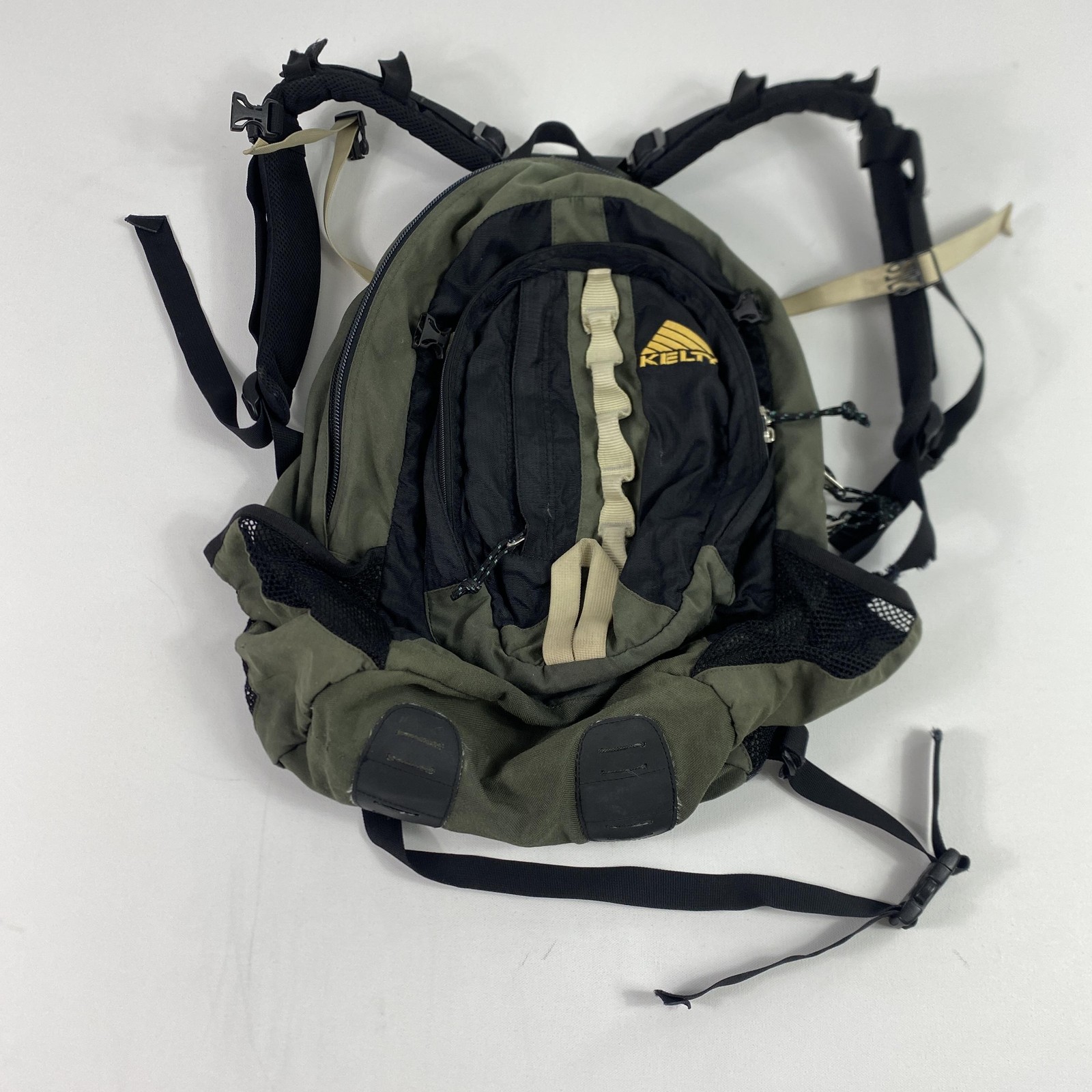 Kelty Hiking Backpack Daypack Green Black Camping Outdoor Gear Mesh Pockets$32.99View on eBay
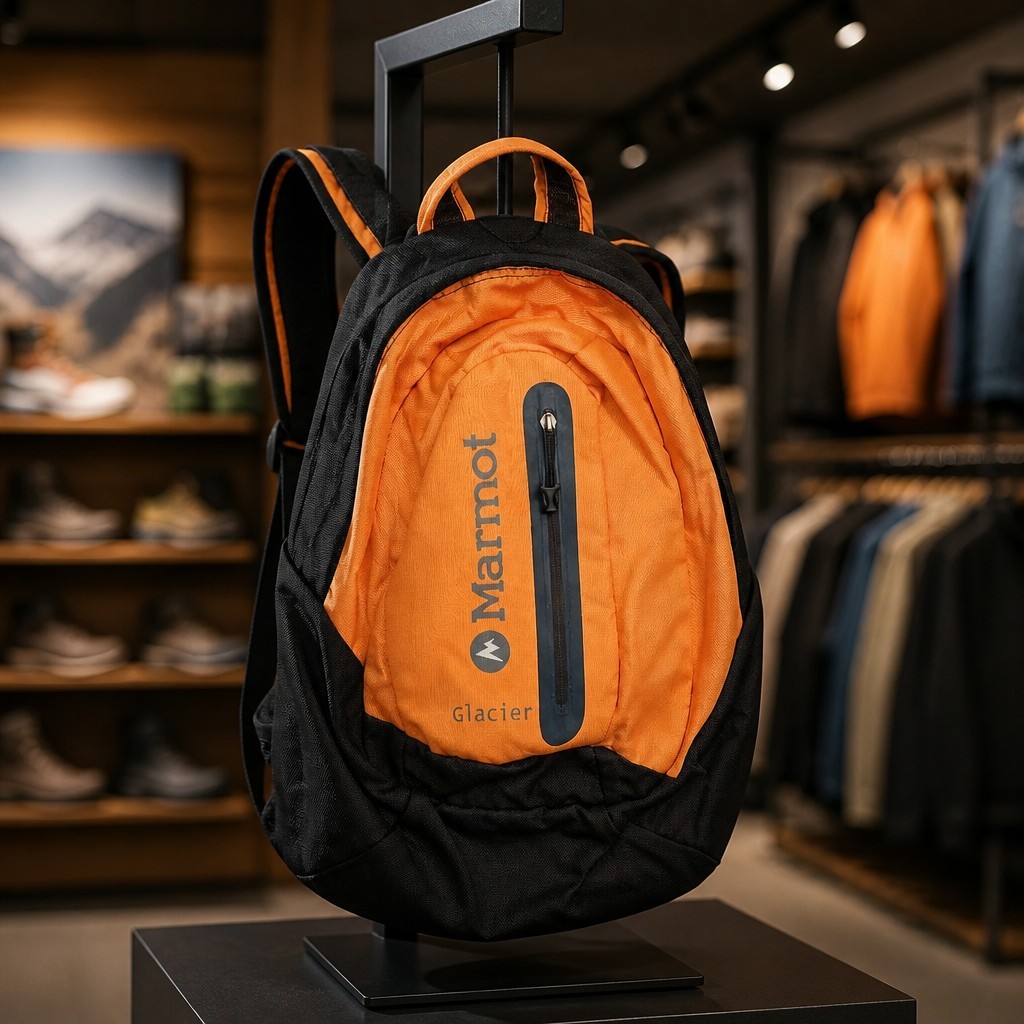 Marmot Glacier Backpack Outdoor Hiking Daypack$35.00View on eBay
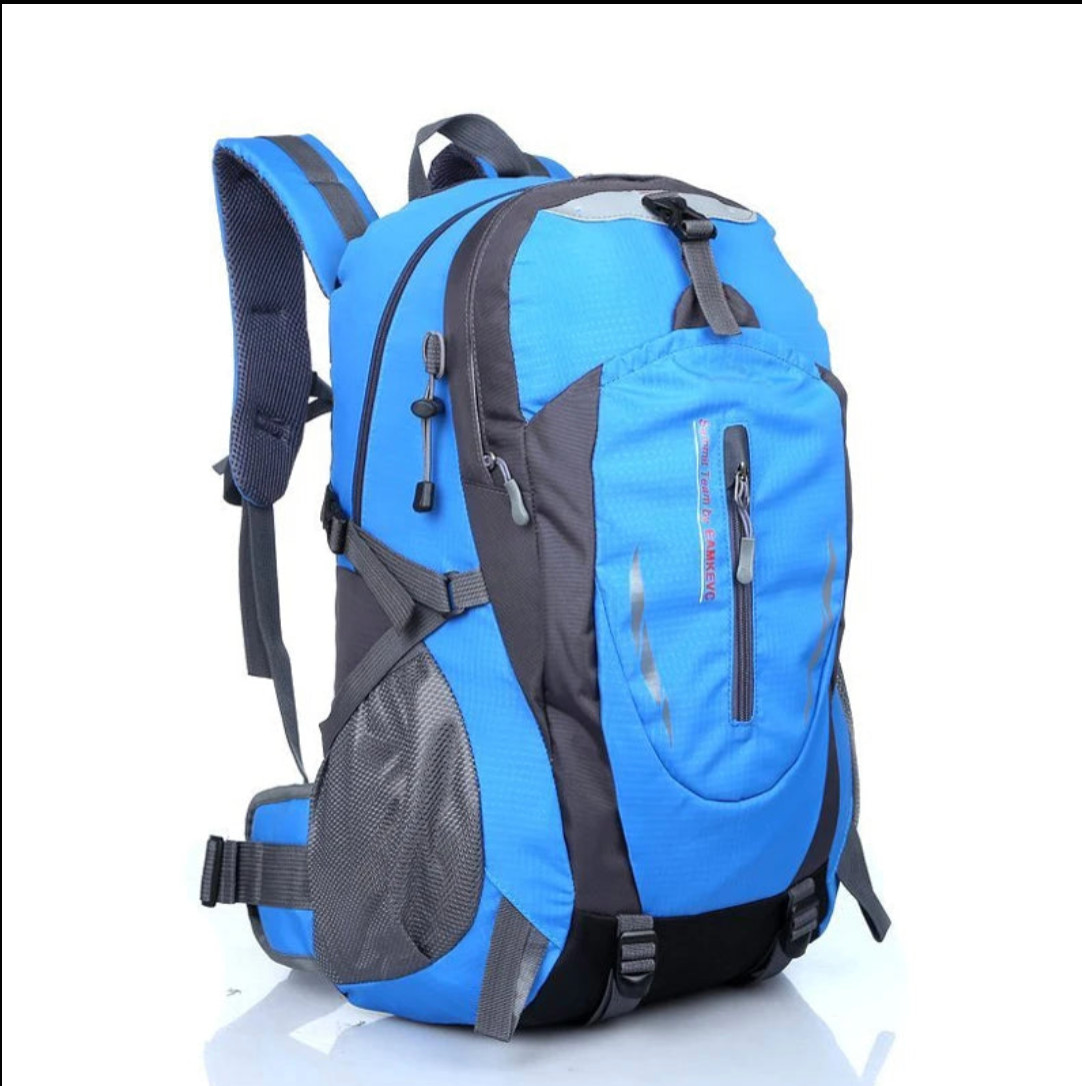 Unisex 40L Waterproof Hiking Backpack – Travel Camping Outdoor Sports Daypack$35.80View on eBay
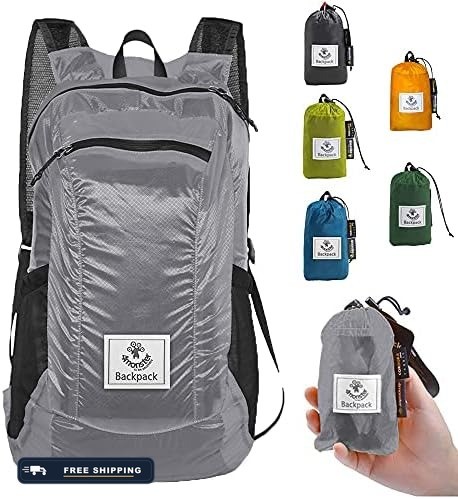 Hiking Daypack,Water Resistant Lightweight Packable Backpack for Travel Camping$36.99View on eBay
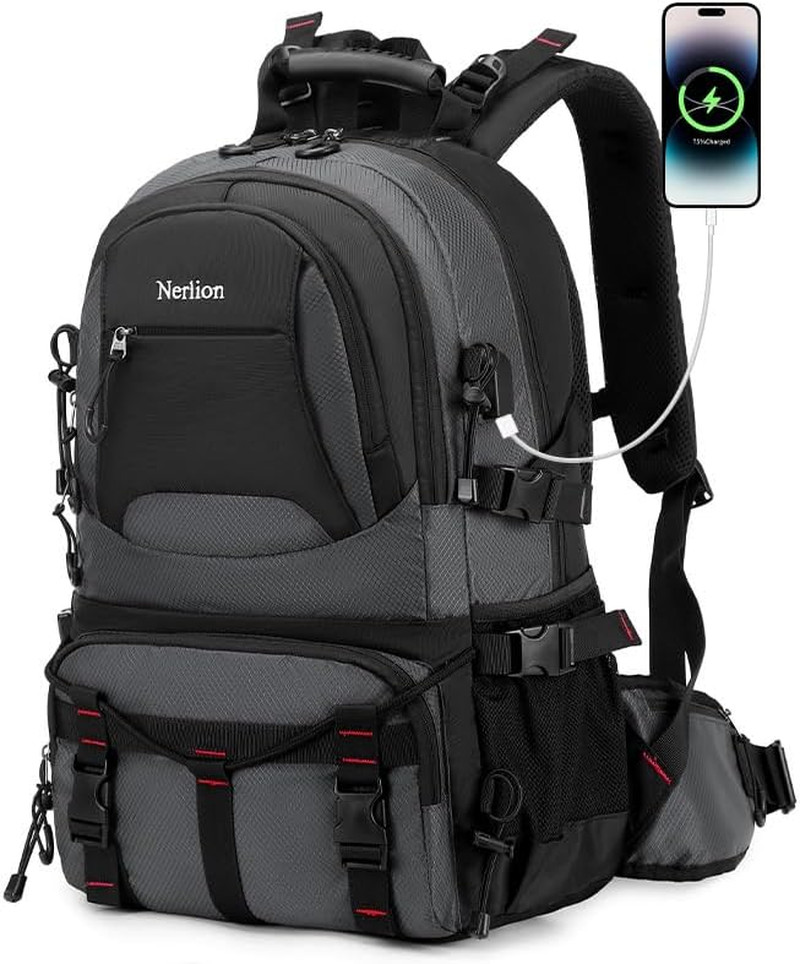 Nerlion 40L Waterproof Hiking Backpack for Men & Women - Lightweight Daypack$37.24View on eBay
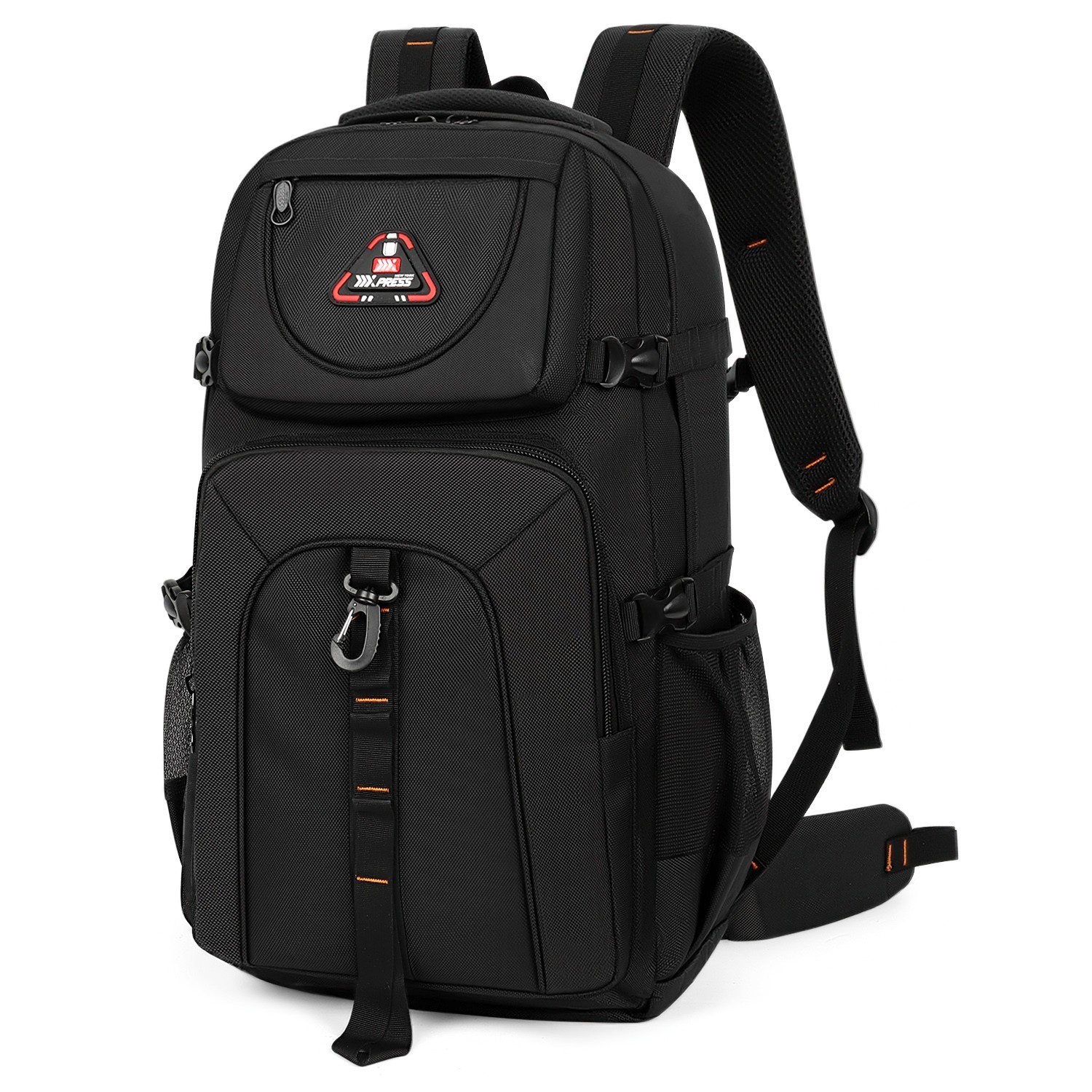 Lightweight Hiking Backpack 40L Large Capacity Water Resistant Backpack Daypack$38.99View on eBay
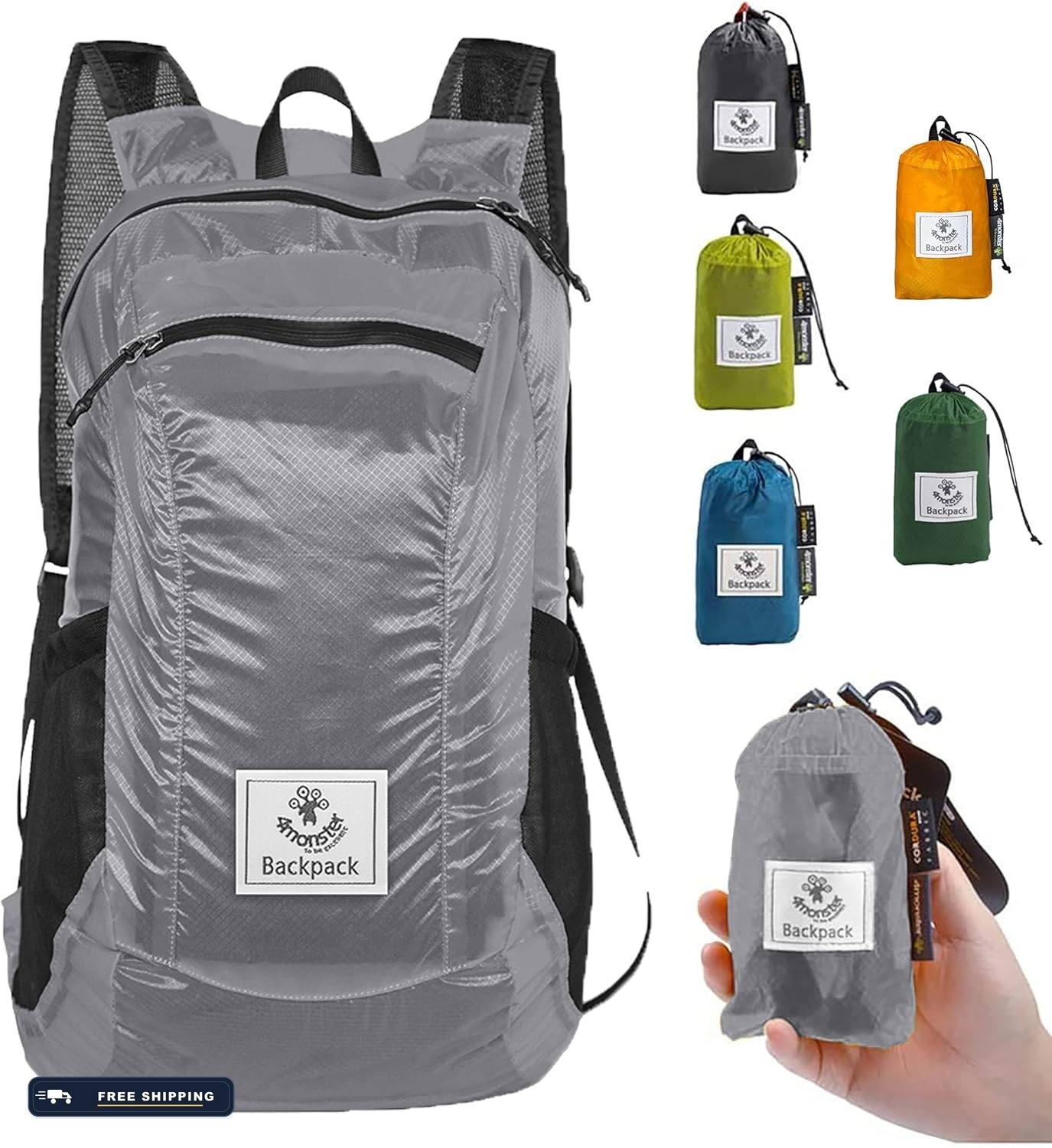 Hiking Daypack,Water Resistant Lightweight Packable Backpack for Travel Camping$38.99View on eBay
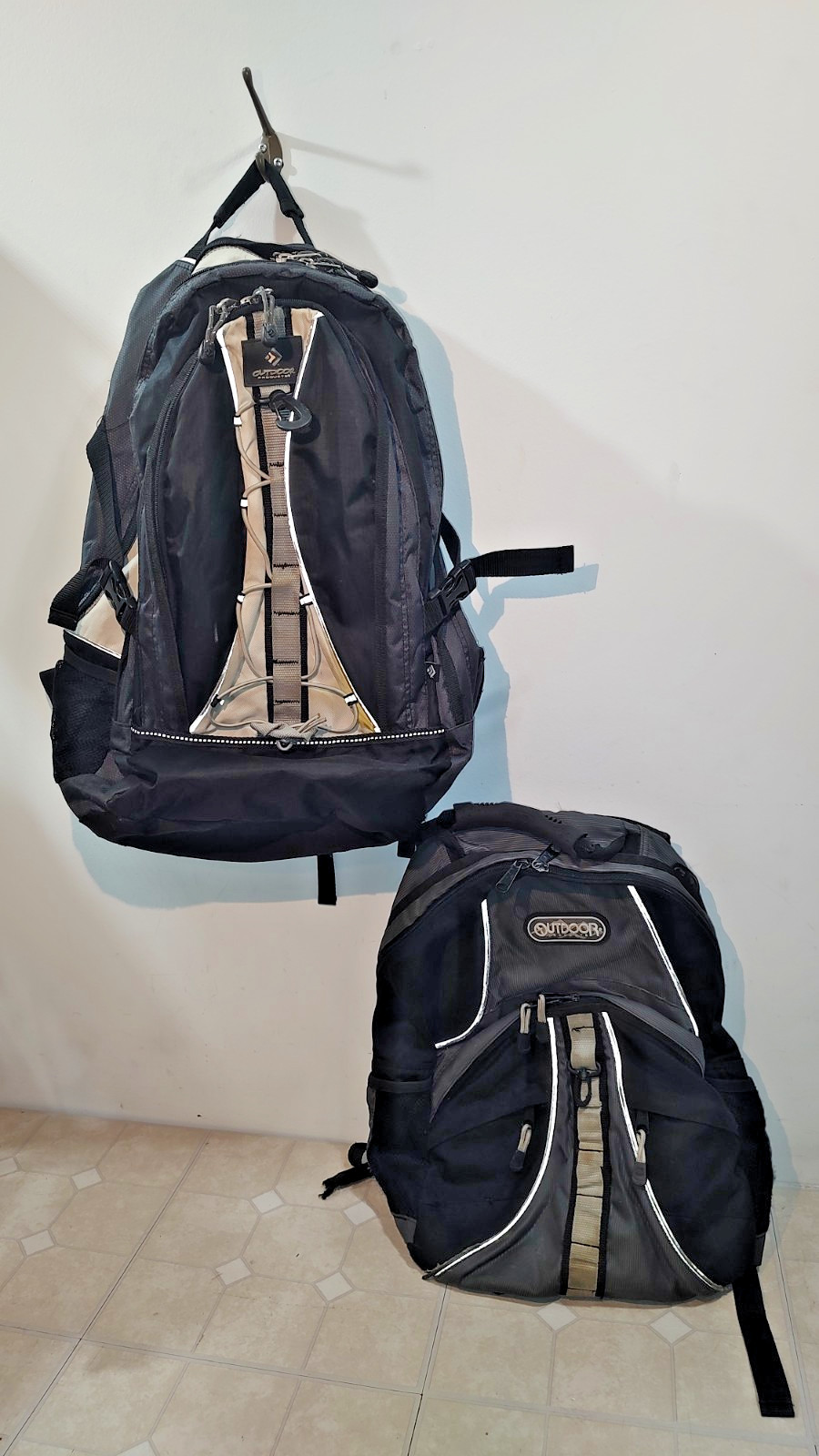 Outdoor Products Vortex 8.0 Backpack Daypack With Extra Bag Set of 2$39.95View on eBay
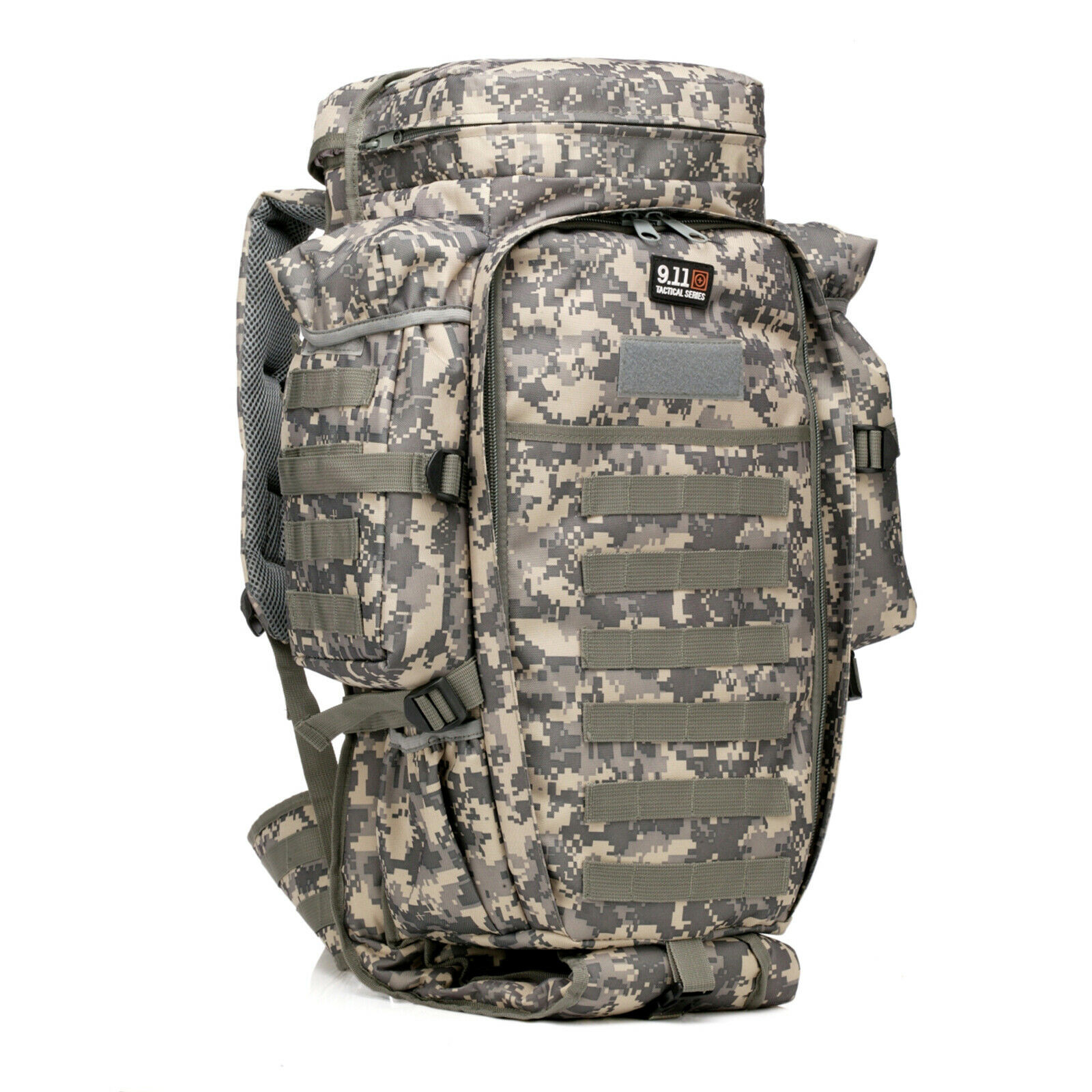 75L Large Camping Hiking Backpack Tactical Rifle Bag Army Molle Bag Daypacks$39.99View on eBay
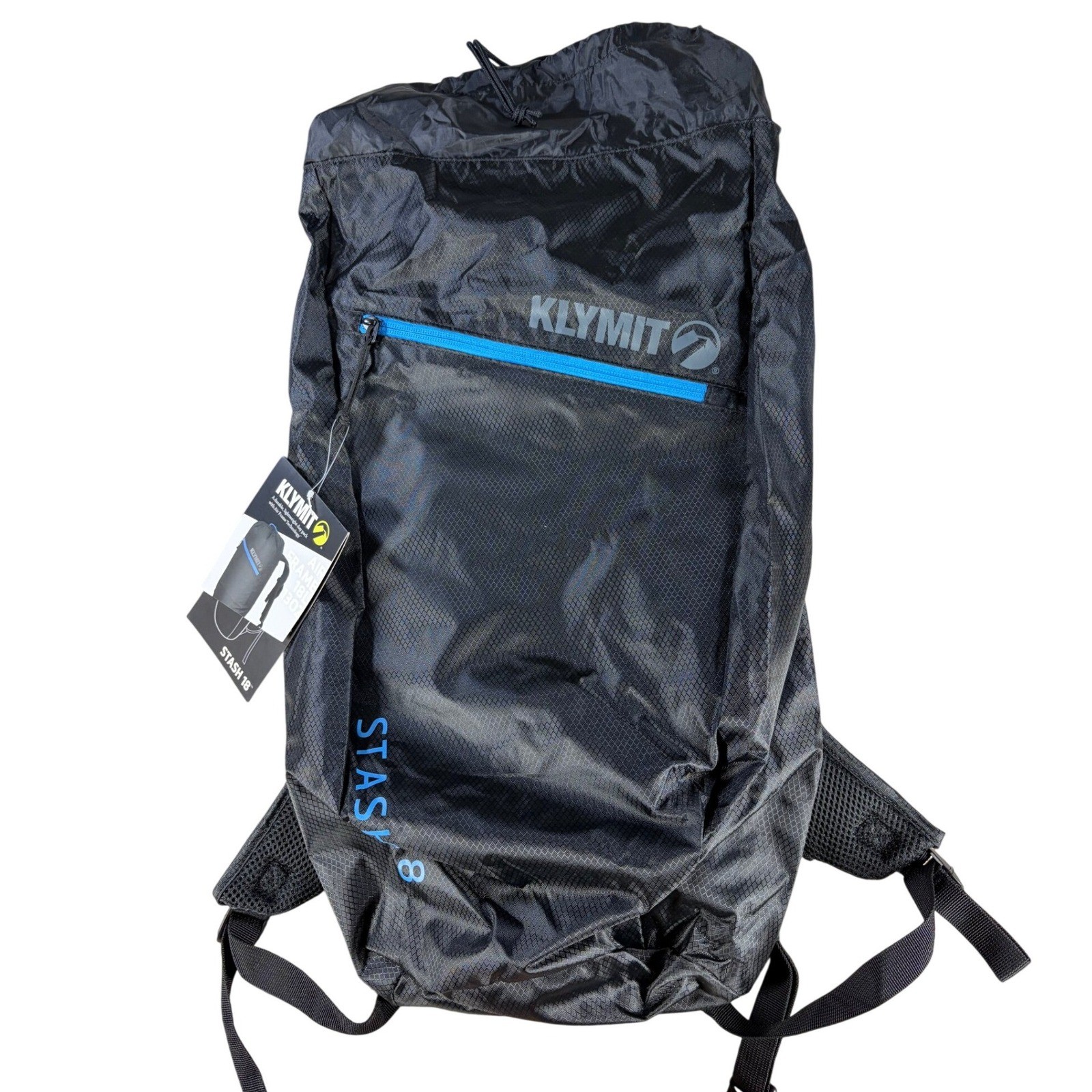 Klymit Stash 18 Daypack Air Frame Lightweight Hiking Backpack Black 18L Nylon$39.99View on eBay
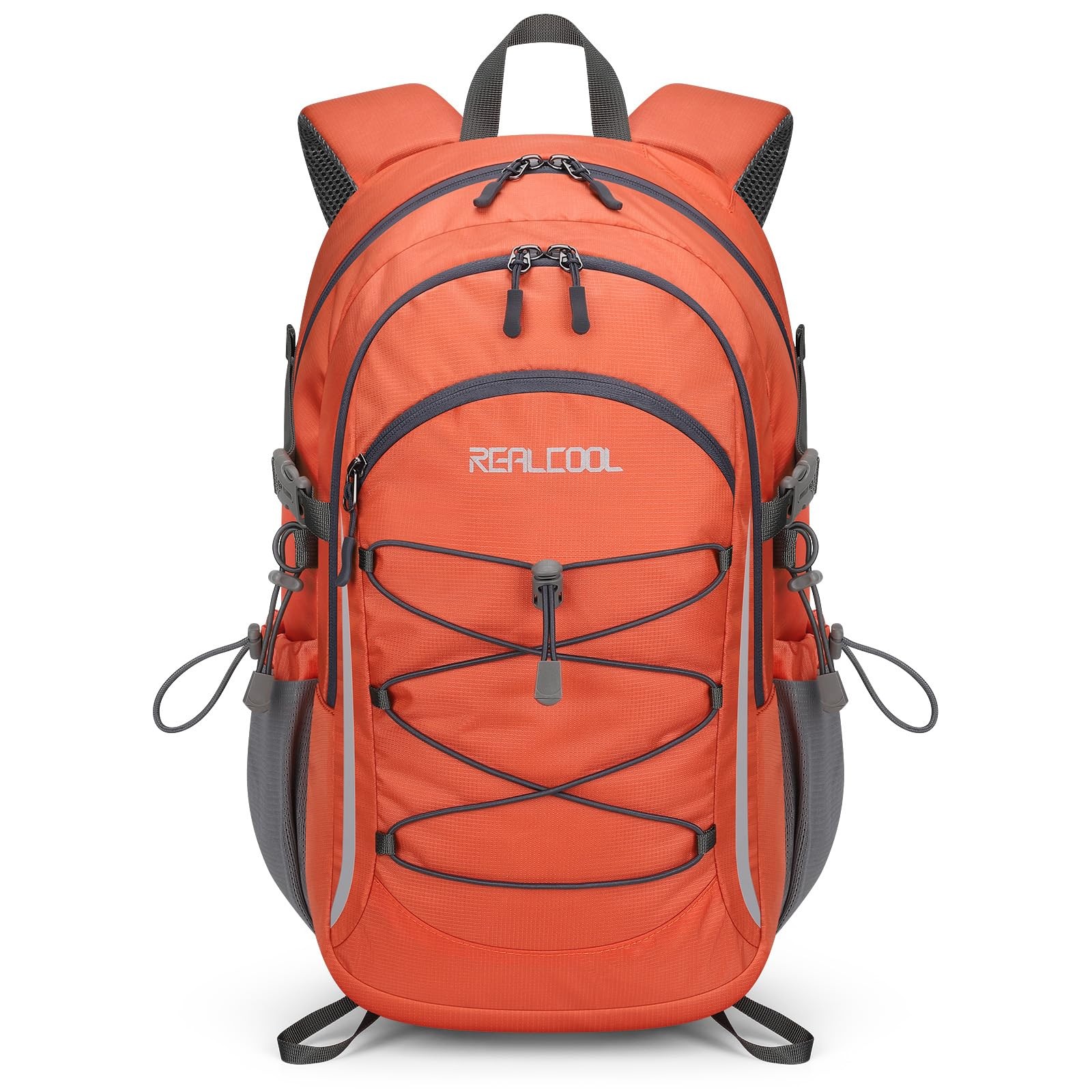 20L Lightweight Hiking Backpack, Waterproof Daypack for Camping$41.48View on eBay
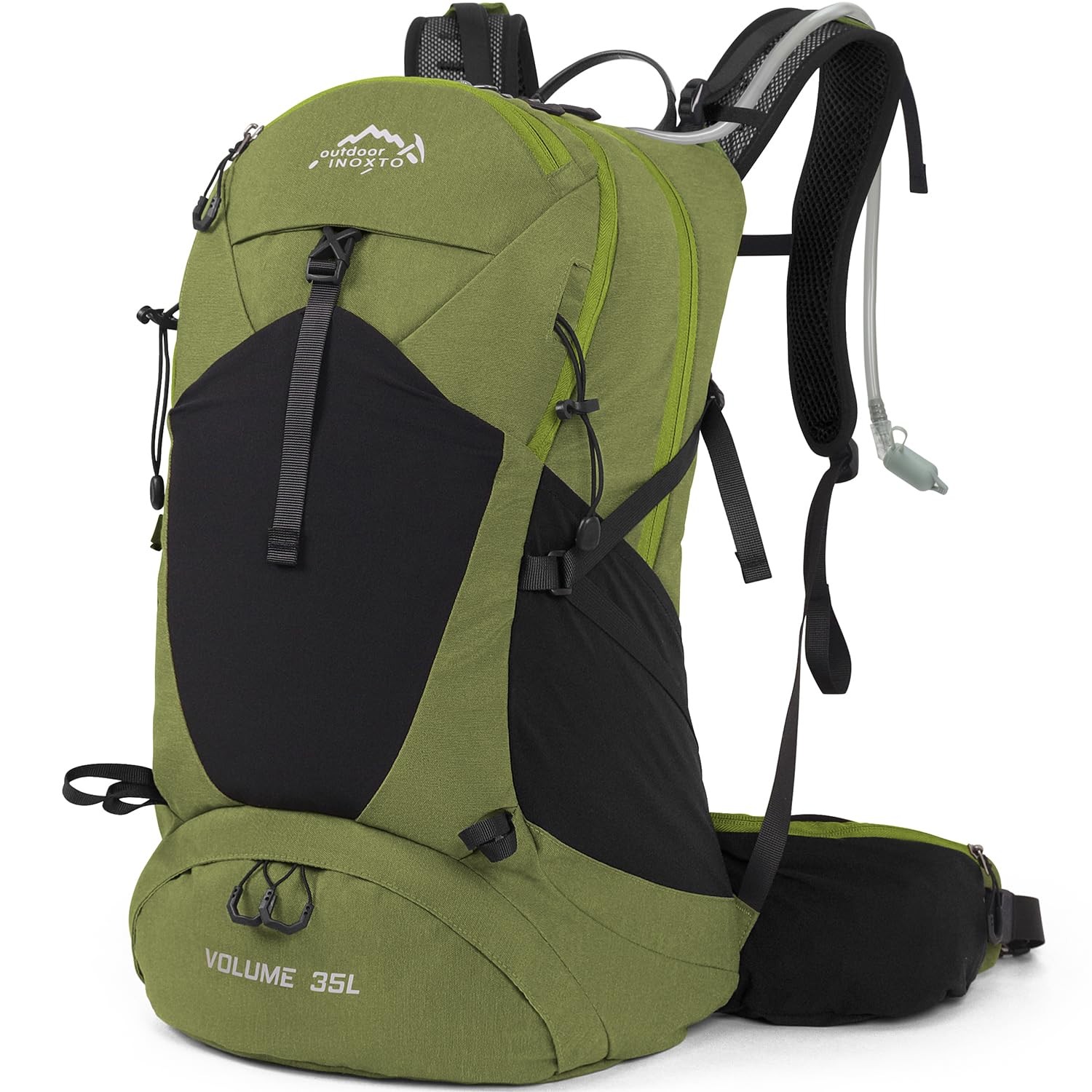 Hiking Backpack,35L Waterproof Hiking Daypack with 3L Water Bladder and Rain ...$55.00View on eBay
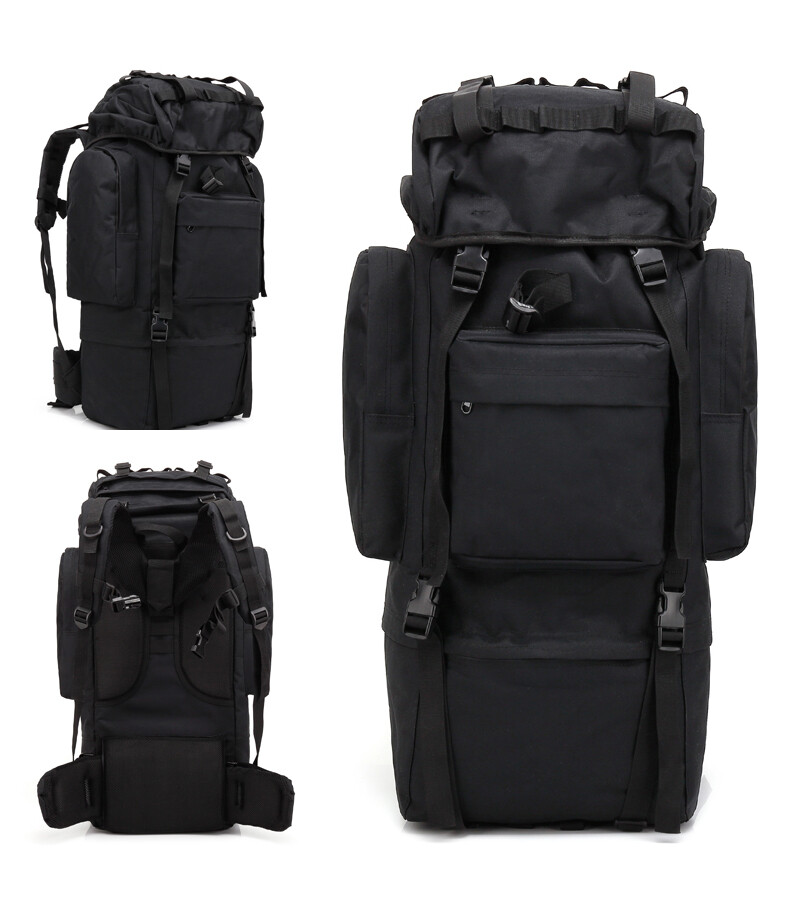 65L Military Tactical Backpack Camping Sport Rucksack Extra Large Hiking Daypack$59.86View on eBay
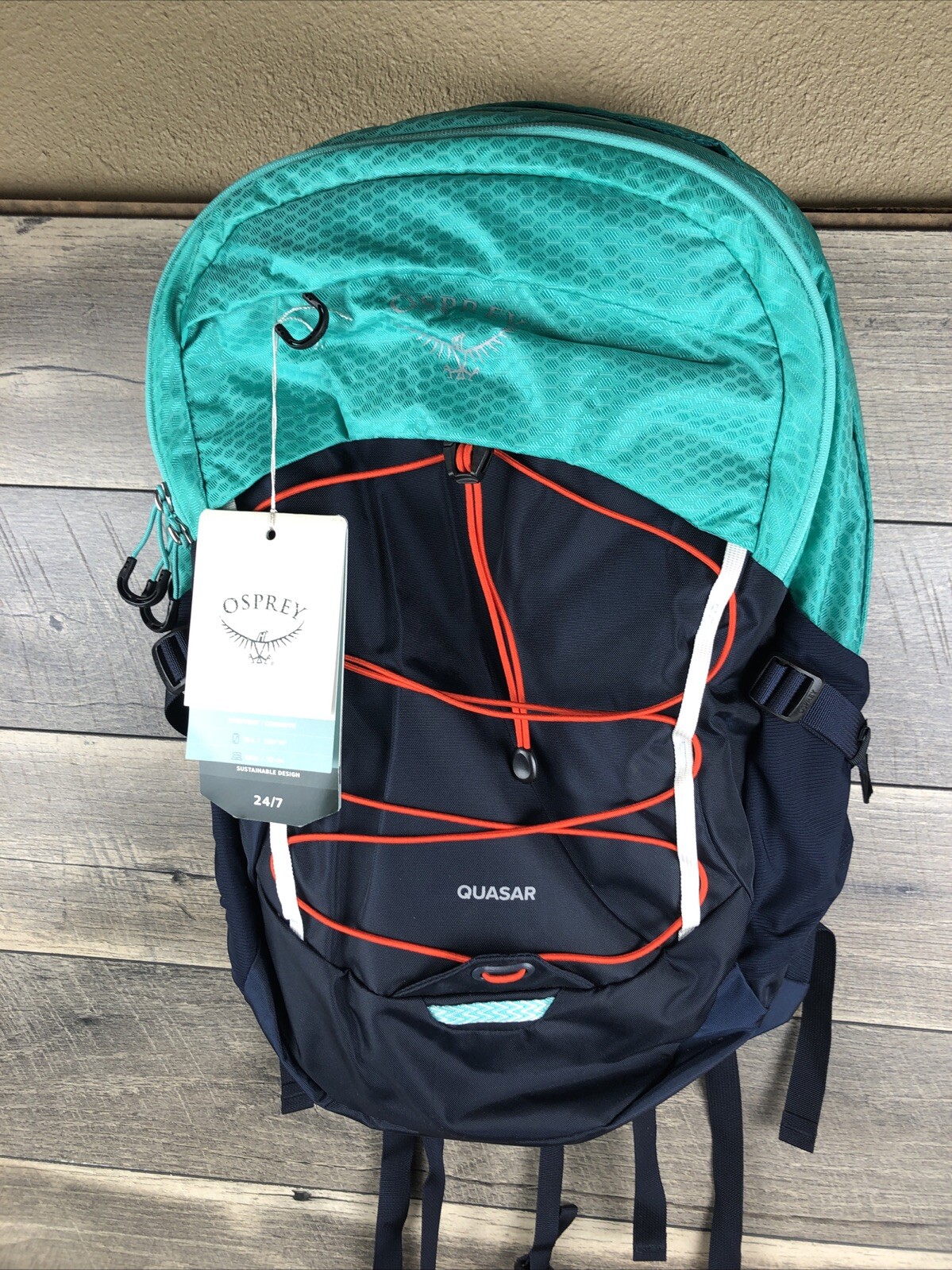 Osprey Quasar 26L Backpack Laptop Hiking Daypack 🔆Brand New🔆$59.99View on eBay
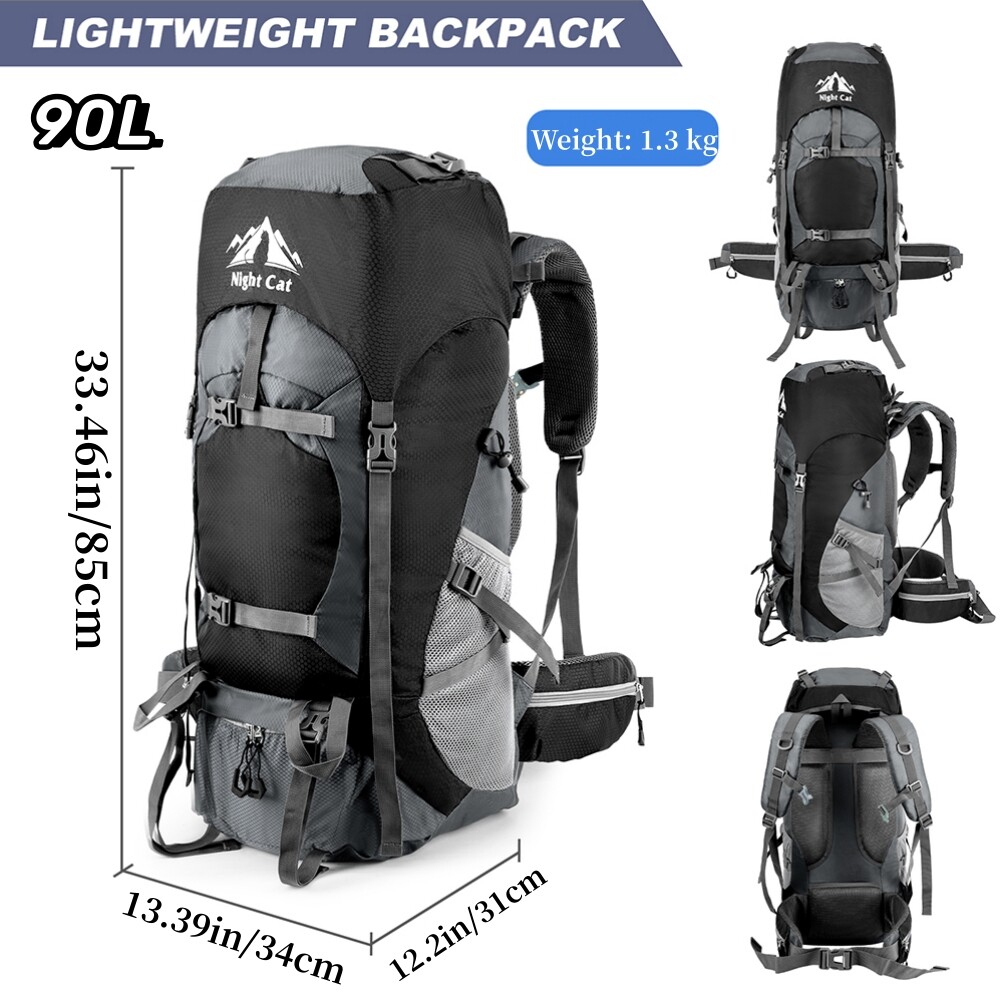 Night Cat Backpack Hiking Camping Cycling Waterproof 70L / 90L Daypacks Bag$60.49View on eBay
Highlights
- Volume tiers: 10–20L for essentials and hydration; 20–30L for full-day hiking; 30–40L for fast overnight or gear-heavy day hikes.
- Load support: frameless packs carry comfortably to ~7 kg; internal frames or framesheets with a padded hip belt handle 10–15 kg.
- Fabric durability: 200–500D high-tenacity nylon or polyester resists abrasion; 30–70D silnylon/ripstop saves weight but sacrifices tear strength.
- Packable daypacks compress into their own pocket but typically omit hip belts, sternum straps on some models, and abrasion-resistant bases.
Best use cases
- Best fit: 20–30L internal-frame daypack with padded hip belt for 4–8 hour hikes carrying 7–12 kg of layers, lunch, and 2–3L water.
- Best fit: 18–22L ultralight packable daypack for travel, summit pushes, and commuting where it must fold into a suitcase or lid pocket.
- Wrong fit: 40L frameless packable for heavy loads — the thin fabric and lack of load transfer cause shoulder fatigue above ~8 kg.
- Wrong fit: 10L tactical MOLLE pack for full-day hiking — insufficient volume for layers and water, and PALS webbing adds weight without hiking function.
Buying tips
- Size torso first: measure C7 vertebra to iliac crest; most daypacks fit 40–51 cm torsos, and an ill-fitting torso shifts load to shoulders.
- Match volume to weight: 1L per 0.3–0.4 kg carried; a 25L pack suits ~8 kg, a 35L pack suits ~12 kg with a framesheet.
- Choose 210–500D nylon or polyester with bar-tacked shoulder and haul-loop attachments; 30–70D fabric is for packable secondary packs only.
- Confirm hydration compatibility: most hiking daypacks fit a 2–3L reservoir with a dedicated sleeve and hose port; packables often lack both.
Specs
| Volume Range | 10-40L (day hiking) |
|---|---|
| Frame Type | Frameless vs internal framesheet |
| Shell Fabric | 30-70D packable / 200-500D durable |
| Load Support | Frameless ~7 kg / framed 10-15 kg |
Related searches
What to check before buying
- Measure your torso length and hip circumference; verify the pack's torso range and hip-belt size before choosing a tier.
- Check whether the pack has a hydration sleeve and hose port sized for your 2–3L reservoir.
- Confirm airline carry-on dimensions (typically 55×40×20 cm) if the daypack doubles as a travel bag.
- Verify shoulder-strap padding and back-panel ventilation for your climate; mesh trampoline panels reduce sweat but add bulk.
FAQ
Data sources: eBay / Amazon listings and product attribute feeds Data updated Nov 16, 2026.
Some links on this page are affiliate links. If you buy after clicking one, we may earn a commission at no extra cost to you. This does not change which products appear here or their order. Affiliate disclosure.