Photos from current listings. Actual item, color, and included accessories may vary.
Water Bladder Buying Guide
A water bladder is a flexible reservoir that slides into a hydration sleeve or dedicated pack, letting you sip through a hose without stopping. The defining trade-off is reservoir construction (TPU vs PEVA, seam-welded vs heat-sealed) against hose and bite-valve hardware quality, which dictates leak risk and flow rate. Buy a welded TPU bladder with a wide-mouth opening and a locking bite valve; skip thin PEVA bladders with press-fit caps if you want multi-season durability.

At a glance
- Category
- Hiking Backpacks & Hydration Packs
- Data updated
- Nov 16, 2026
Current offers
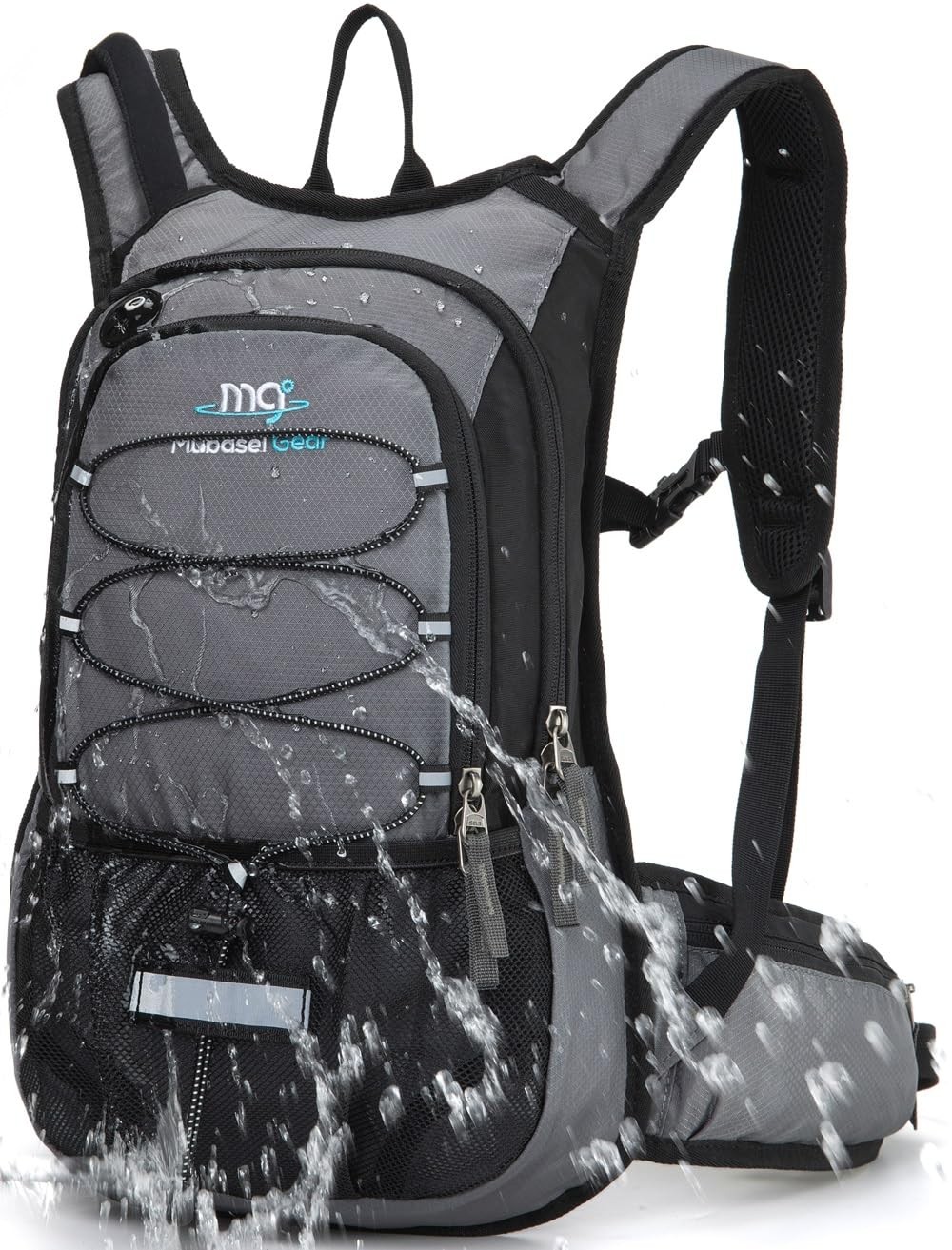 15L Insulated Hydration Backpack Pack with 2L Water Bladder Lightweight Hikin...$41.84
 View on eBay
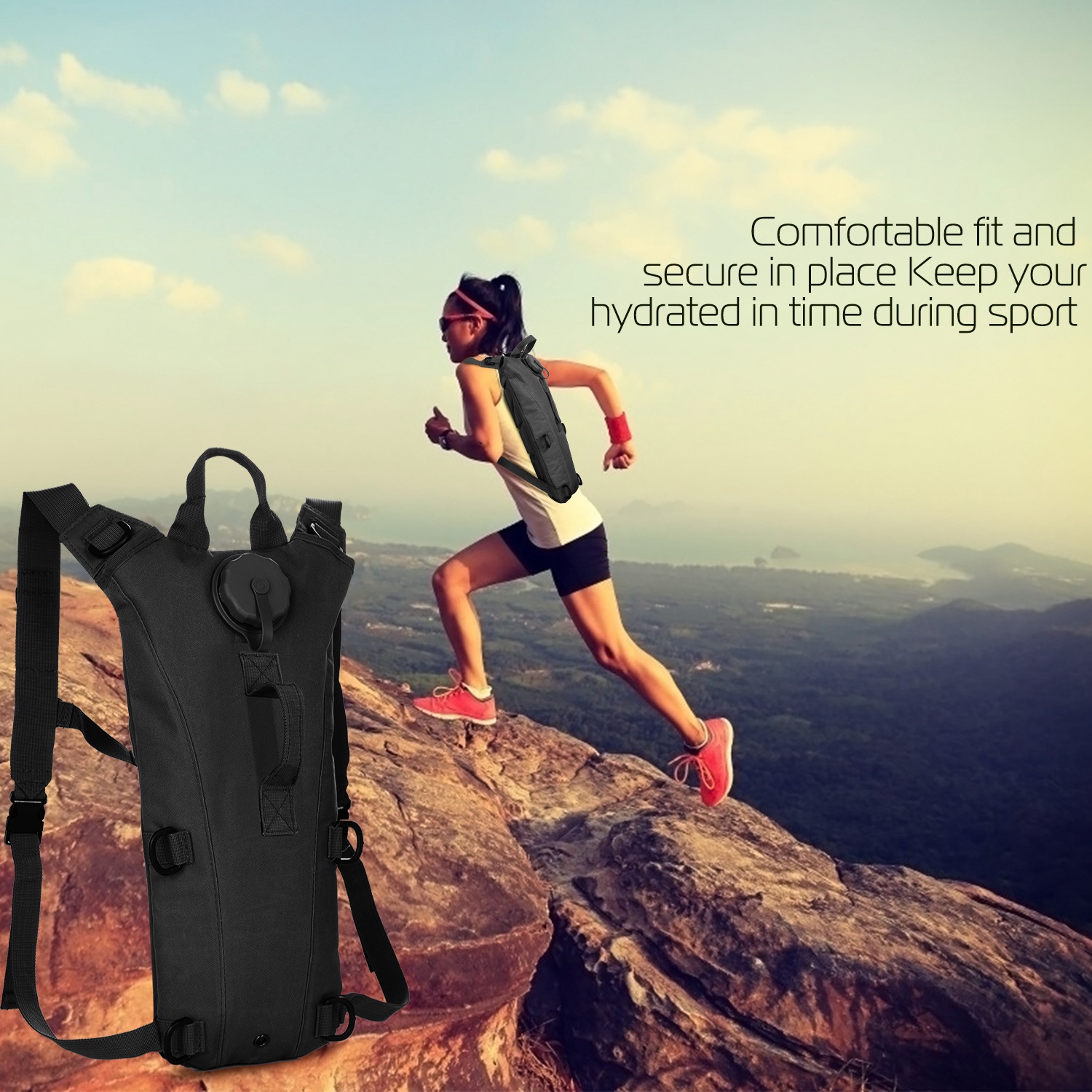 1Pc 3L Tactical Hydration Pack Water Bladder Adjustable Drink Backpack For Hiking Cycling Climbing Running$19.99
 View on Mallflare
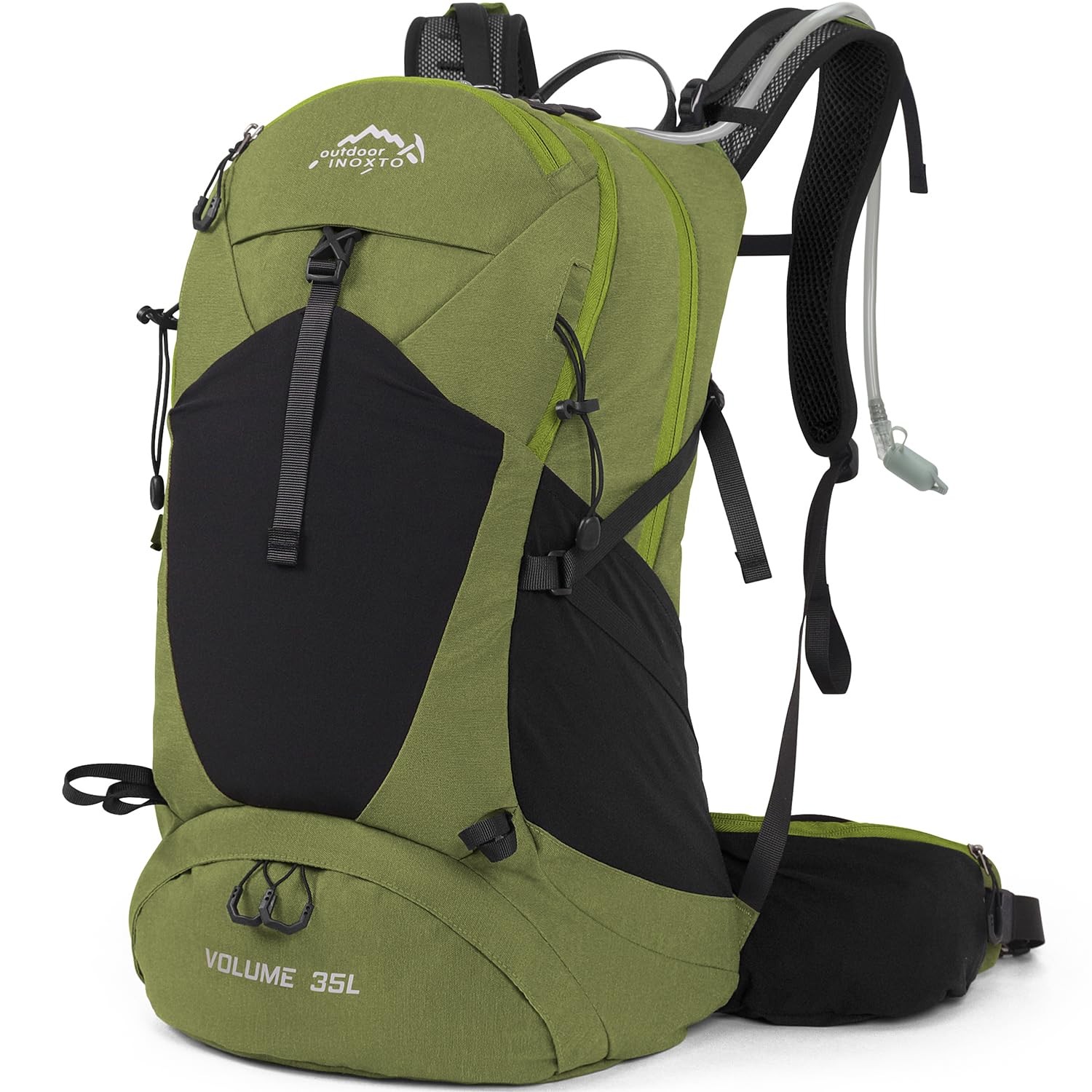 Hiking Backpack,35L Waterproof Hiking Daypack with 3L Water Bladder and Rain ...$55.00View on eBay
Highlights
- Reservoir material: food-grade TPU is puncture- and taste-resistant; PEVA is lighter and cheaper but creases, tastes plasticky, and fails faster at seams.
- Seam construction: RF-welded or heat-sealed seams outperform glued seams, which delaminate under repeated fill-pressure cycles.
- Hose and valve: silicone or TPU hose with a push-pull or twist-lock bite valve prevents accidental drainage; 1/4-inch inner diameter is the flow standard.
- Fill opening: wide-mouth (roughly 2.5–3 inches) accepts ice cubes and brushes; narrow screw caps are harder to clean and dry.
Best use cases
- Best fit: day hikes and trail running with a 2–3 L bladder in a hydration sleeve; pick a 2 L for runs under 3 hours, 3 L for full-day hikes.
- Best fit: insulated hydration packs for cycling and winter use; choose a pack with an insulated hose sleeve to stop the first sip from freezing or overheating.
- Wrong fit: ultralight fastpacking where every gram counts—use soft flasks in chest pockets instead of a full bladder and hose.
- Wrong fit: rugged scrambling or bushwhacking with thin PEVA bladders; upgrade to welded TPU or a hard bottle to survive abrasion.
Buying tips
- Match capacity to effort: 2 L covers 2–3 hours of moderate hiking; 3 L covers 4–6 hours; add a refill filter if sources are scarce.
- Check bladder dimensions against your pack's hydration sleeve height and width; a full 3 L bladder is about 15 x 7 inches and will not fit compact 10 L packs.
- Prefer bladders with a quick-release hose coupling at the bladder so you can refill and route the hose without unthreading the bite valve.
- For winter, insist on an insulated hose cover and a bite valve that seals shut; exposed valves freeze and leak inside the pack.
Specs
| Reservoir Material | TPU vs PEVA (food-grade) |
|---|---|
| Capacity Range | 1.5–3 L (2 L day hikes, 3 L full-day) |
| Fill Opening | Wide-mouth 2.5–3 in vs narrow screw |
| Hose Valve Type | Locking bite valve, 1/4-in ID hose |
Related searches
What to check before buying
- Measure your pack's hydration sleeve height, width, and hang-loop position; confirm the bladder's filled dimensions and top grommet fit.
- Verify the bite valve and hose can route through your pack's hose port or shoulder-strap clip without kinking.
- Confirm the bladder's fill opening fits your water filter (e.g., squeeze or gravity filter threads) or that you carry a separate scoop.
- Check cleaning access: a wide-mouth opening plus a bladder brush and hanging dryer are needed to prevent mold between trips.
FAQ
Data sources: eBay / Amazon listings and product attribute feeds Data updated Nov 16, 2026.
Some links on this page are affiliate links. If you buy after clicking one, we may earn a commission at no extra cost to you. This does not change which products appear here or their order. Affiliate disclosure.