Photos from current listings. Actual item, color, and included accessories may vary.
Canoe Paddle Buying Guide
A canoe paddle is a single-bladed human-powered propulsion tool defined by shaft material and blade geometry, where the core trade-off is weight versus stiffness and durability. Wood delivers warmth and flex but demands maintenance, while aluminum/plastic and composite/fiberglass tiers trade feel for low maintenance and lighter swing weight. The decision rule: match paddle length to your torso and seat height, then pick the blade material that survives your actual launch and bottom conditions.

At a glance
- Category
- Human-Powered Water Sports
- Data updated
- Nov 16, 2026
Current offers
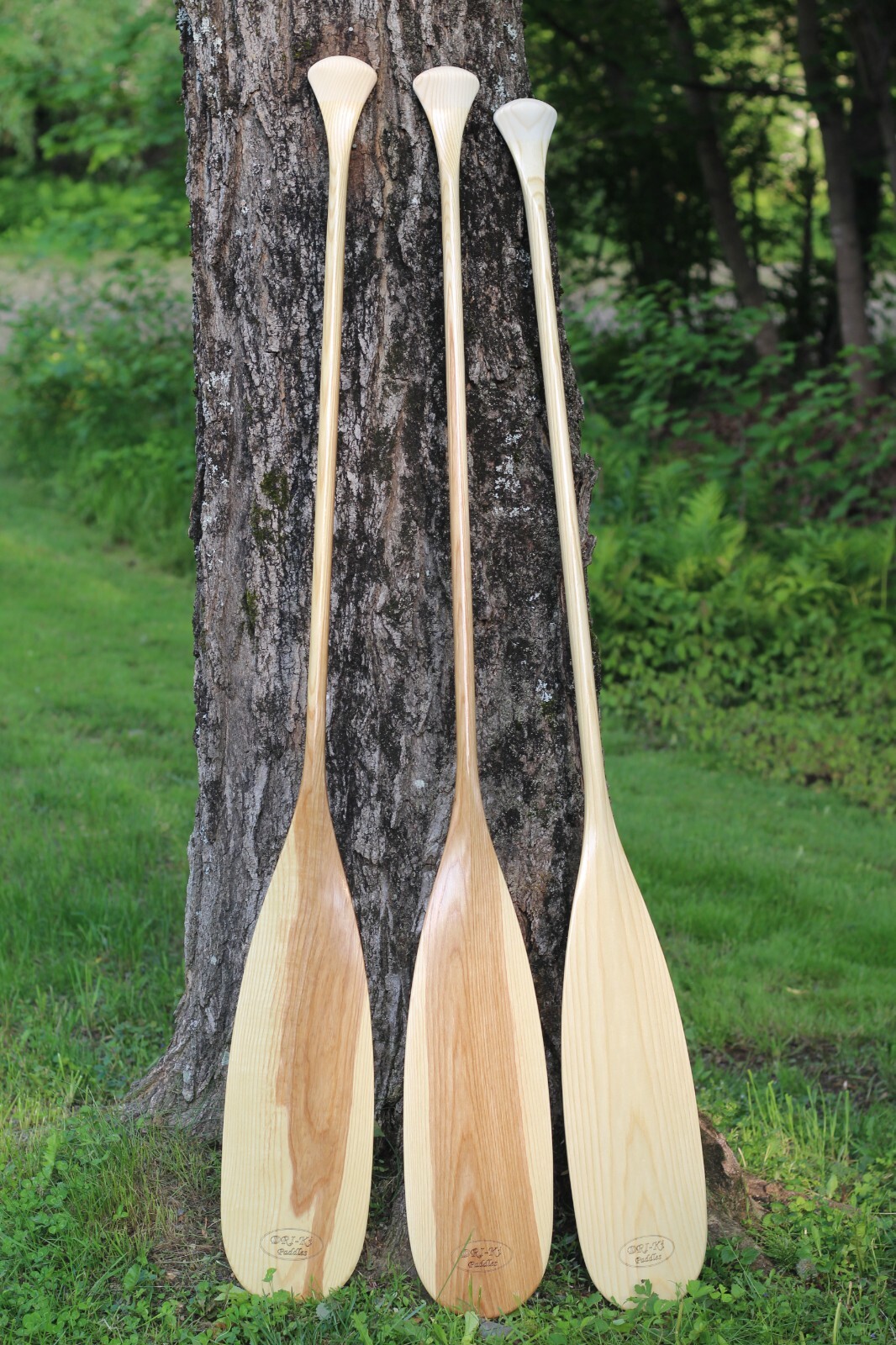 white Ash canoe paddle$79.95
 View on eBay
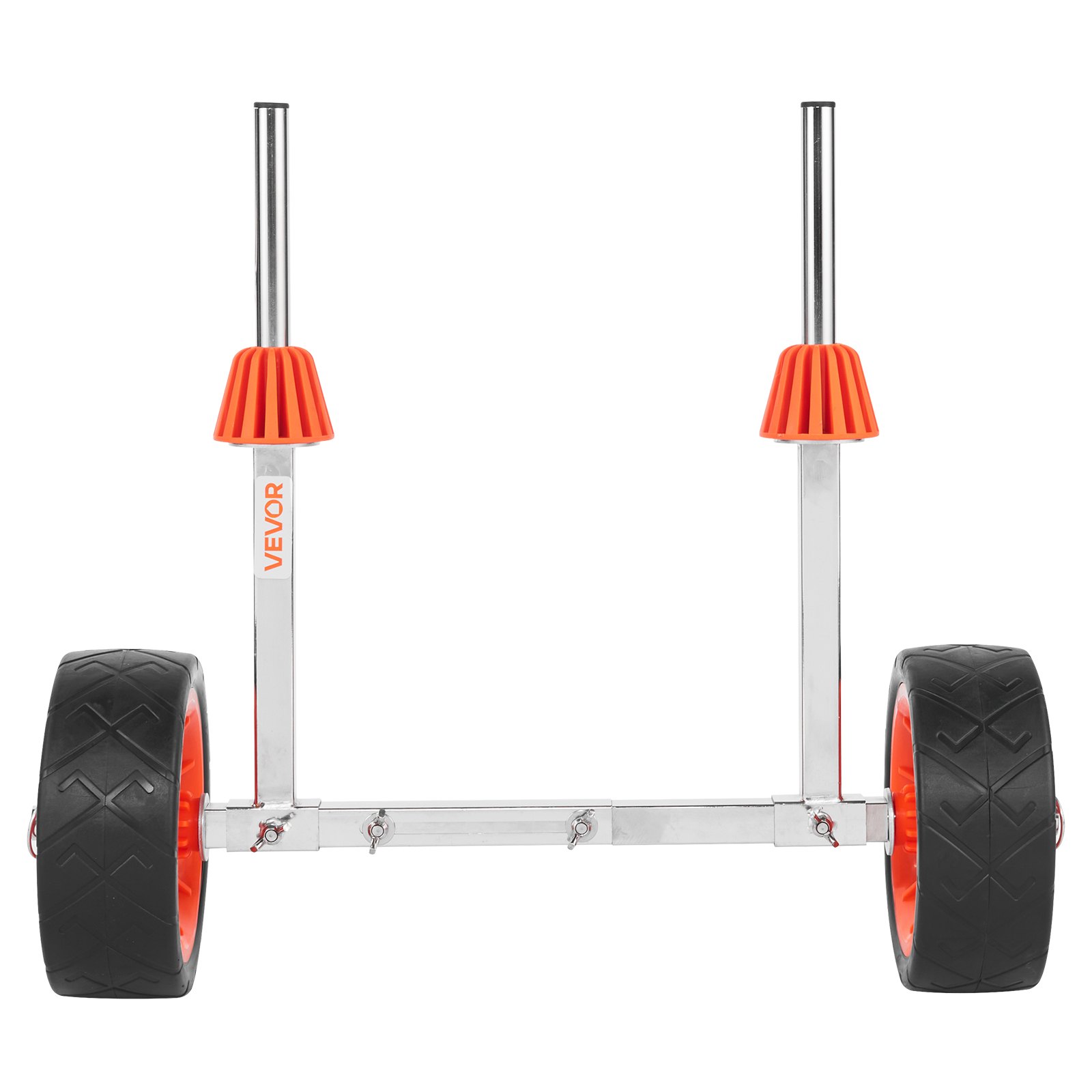 Kayak Cart, 250 Lbs Load Capacity, Canoe Dolly With 7.5-inch Solid Rubber Tires & Kickstand, Assembles & Disassembles Within Seconds, Paddle Board Trolley For Kayaks, Canoes, Paddleboards$47.99
 View on Mallflare
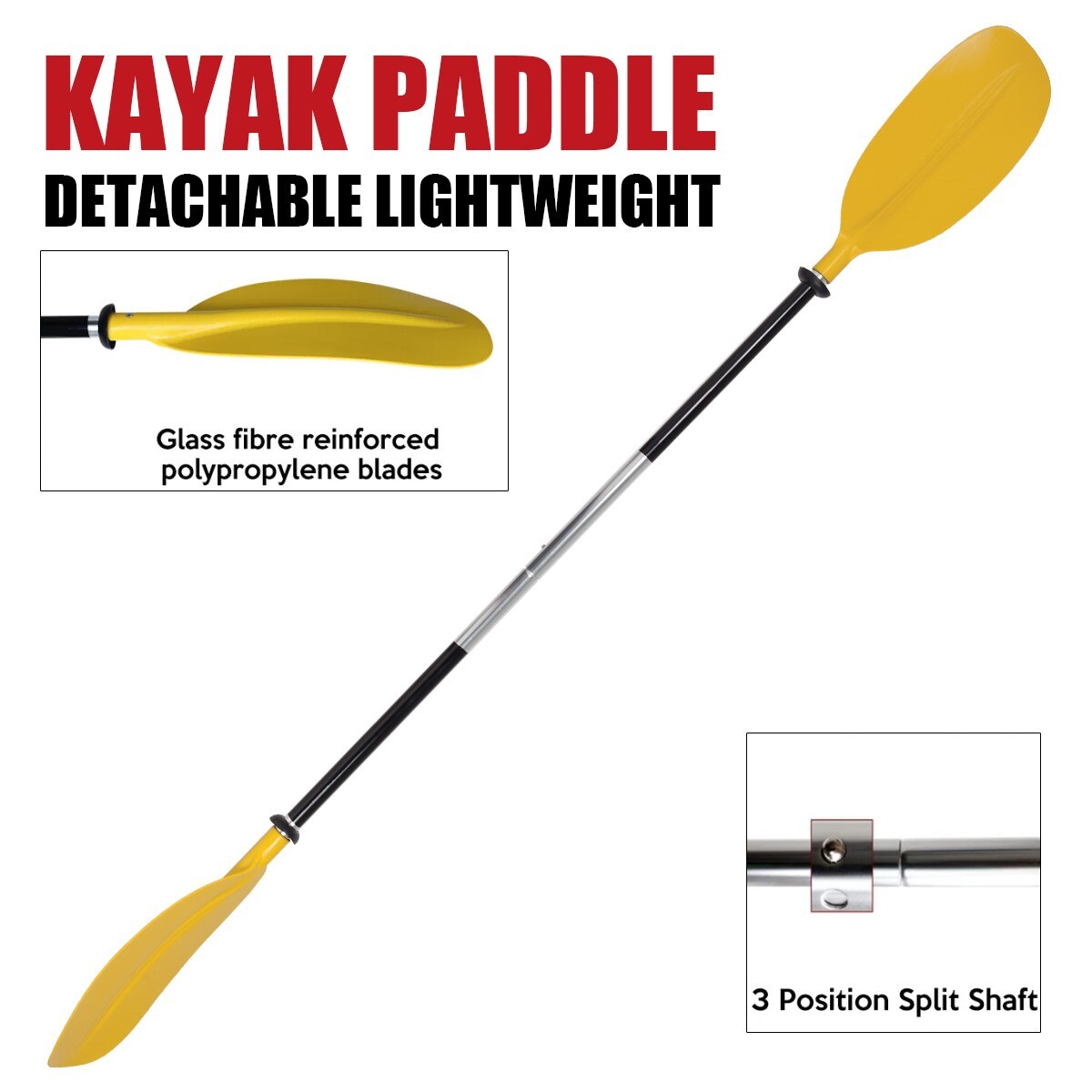 Oceansouth Aluminum Kayak Paddle Yellow Asymmetric Detachable Lightweight Canoe$27.12View on eBay
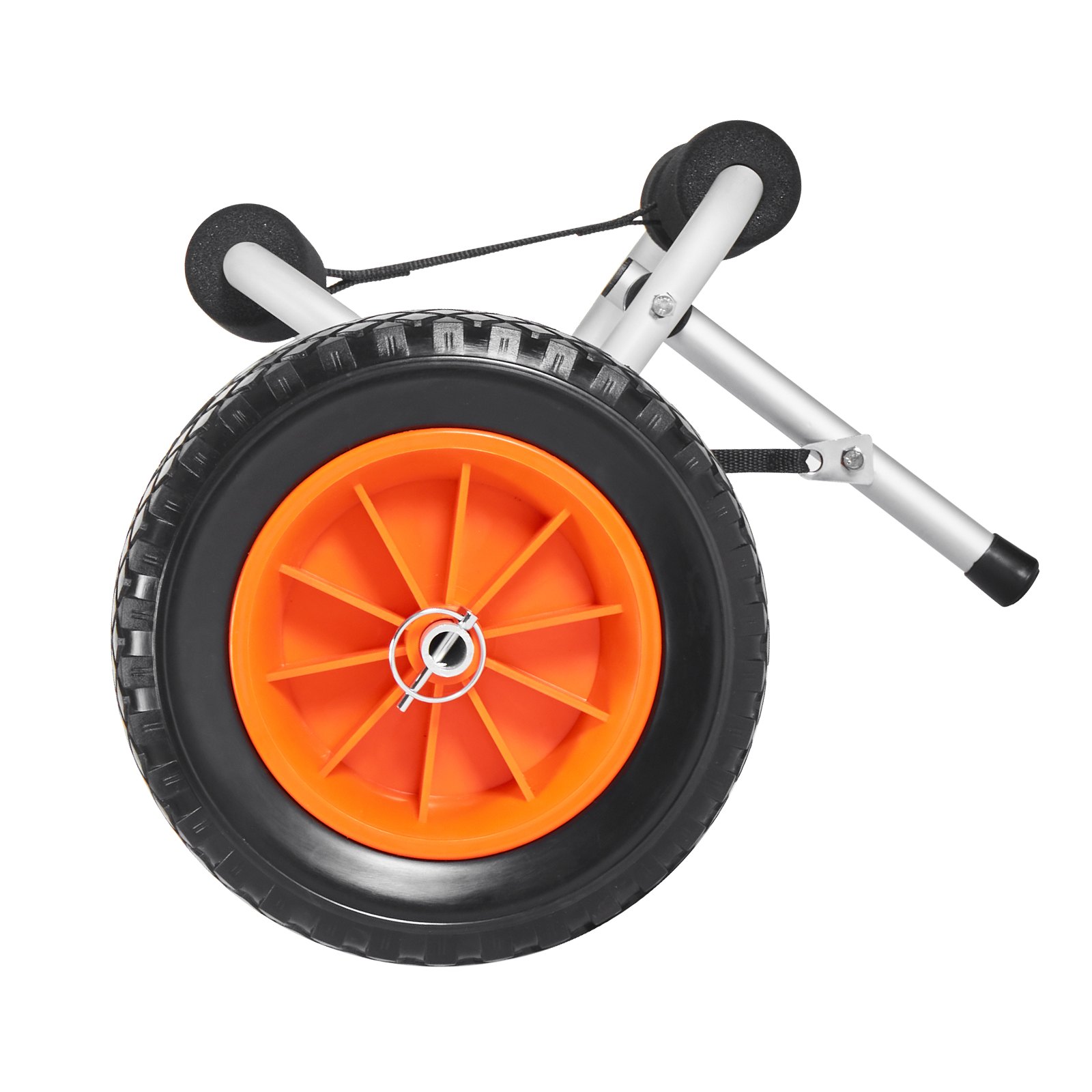 Kayak Cart, 200 Lbs Load Capacity, Foldable Trolley With 10-inch Solid Rubber Tires & 1 Ratchet Strap, Paddle Board For Carrying Kayaks, Canoes, Paddleboards, Float Mats, Jon Boats$57.99View on Mallflare
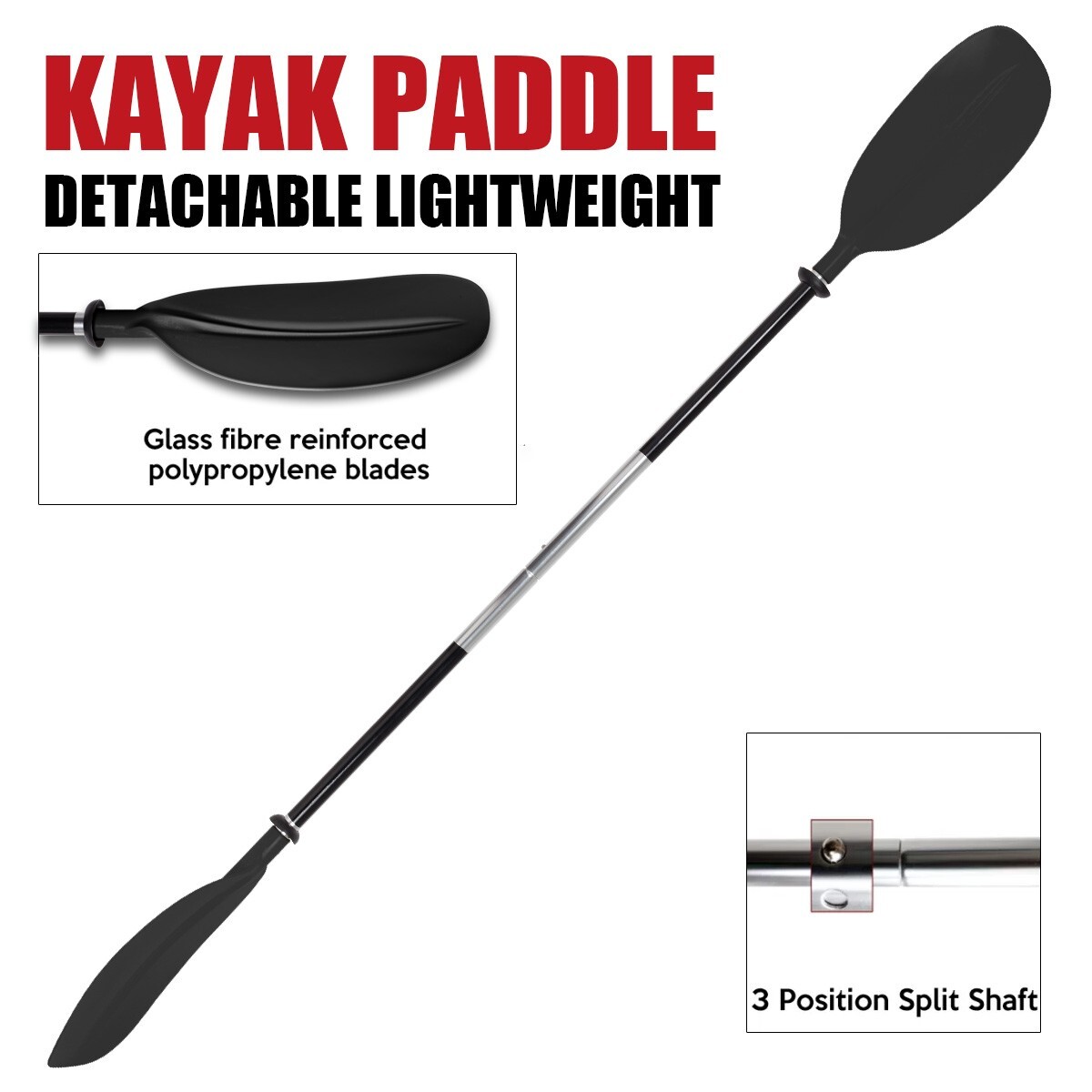 Oceansouth Aluminum Kayak Paddle Black Asymmetric Detachable Lightweight Canoe$27.93View on eBay
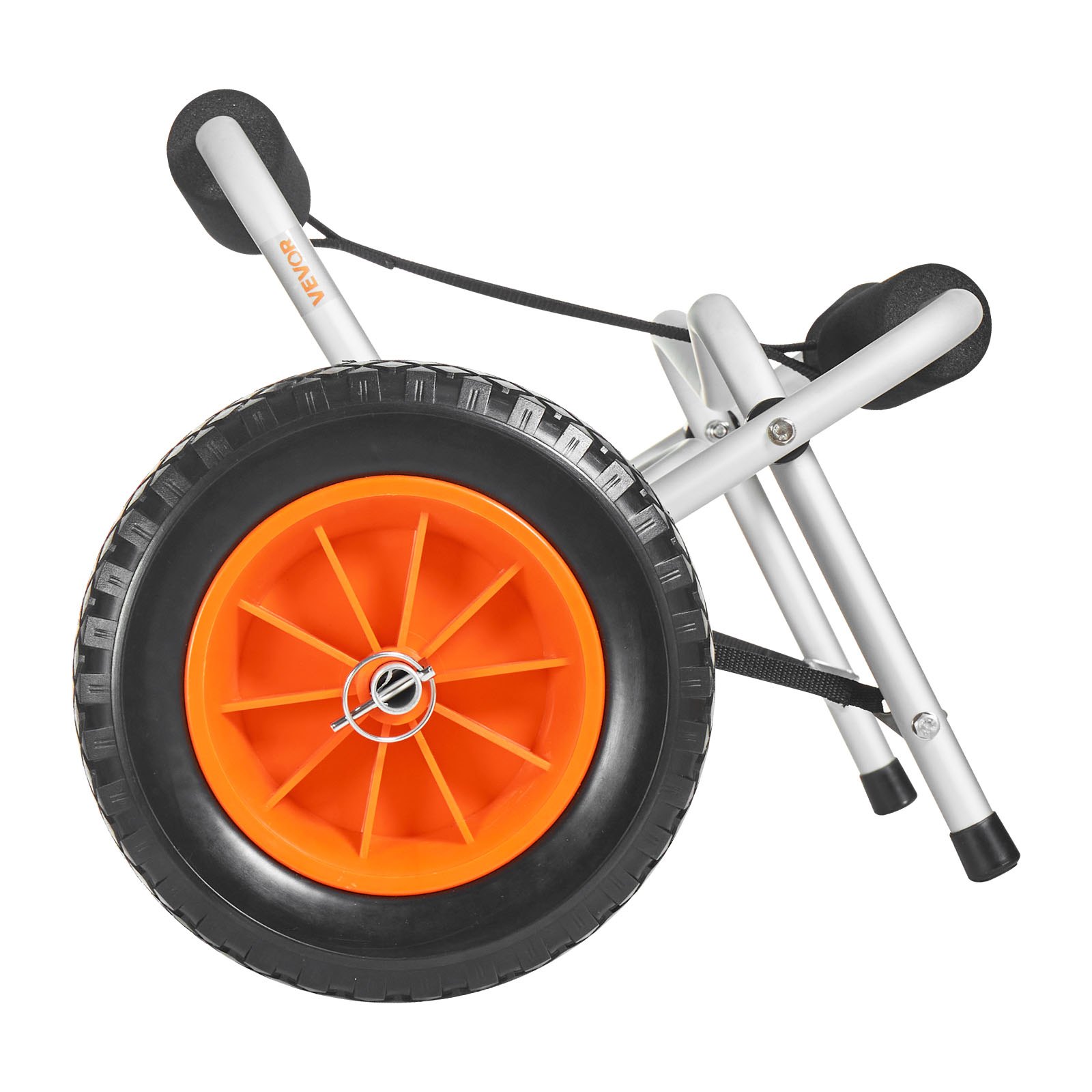 Kayak Cart, 250 Lbs Load Capacity, Foldable Trolley With 10-inch Solid Rubber Tires & 1 Ratchet Strap, Paddle Board For Carrying Kayaks, Canoes, Paddleboards, Float Mats, Jon Boats$66.99View on Mallflare
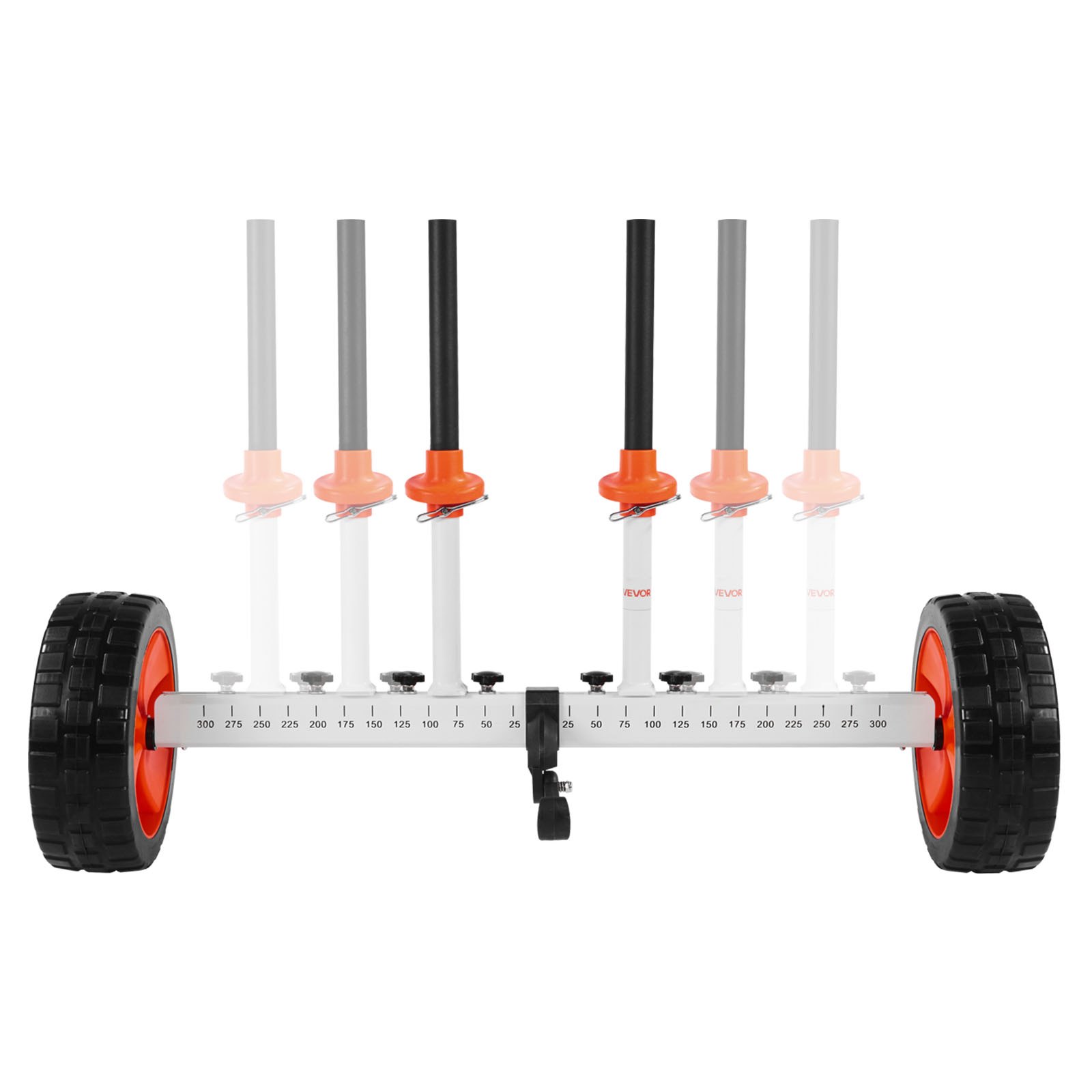 Kayak Cart, 230 Lbs Load Capacity, Canoe Dolly With 10-inch Solid PU Tires & Kickstand, Assembles & Disassembles Within Seconds, Paddle Board Trolley For Kayaks, Canoes, Paddleboards$67.99View on Mallflare
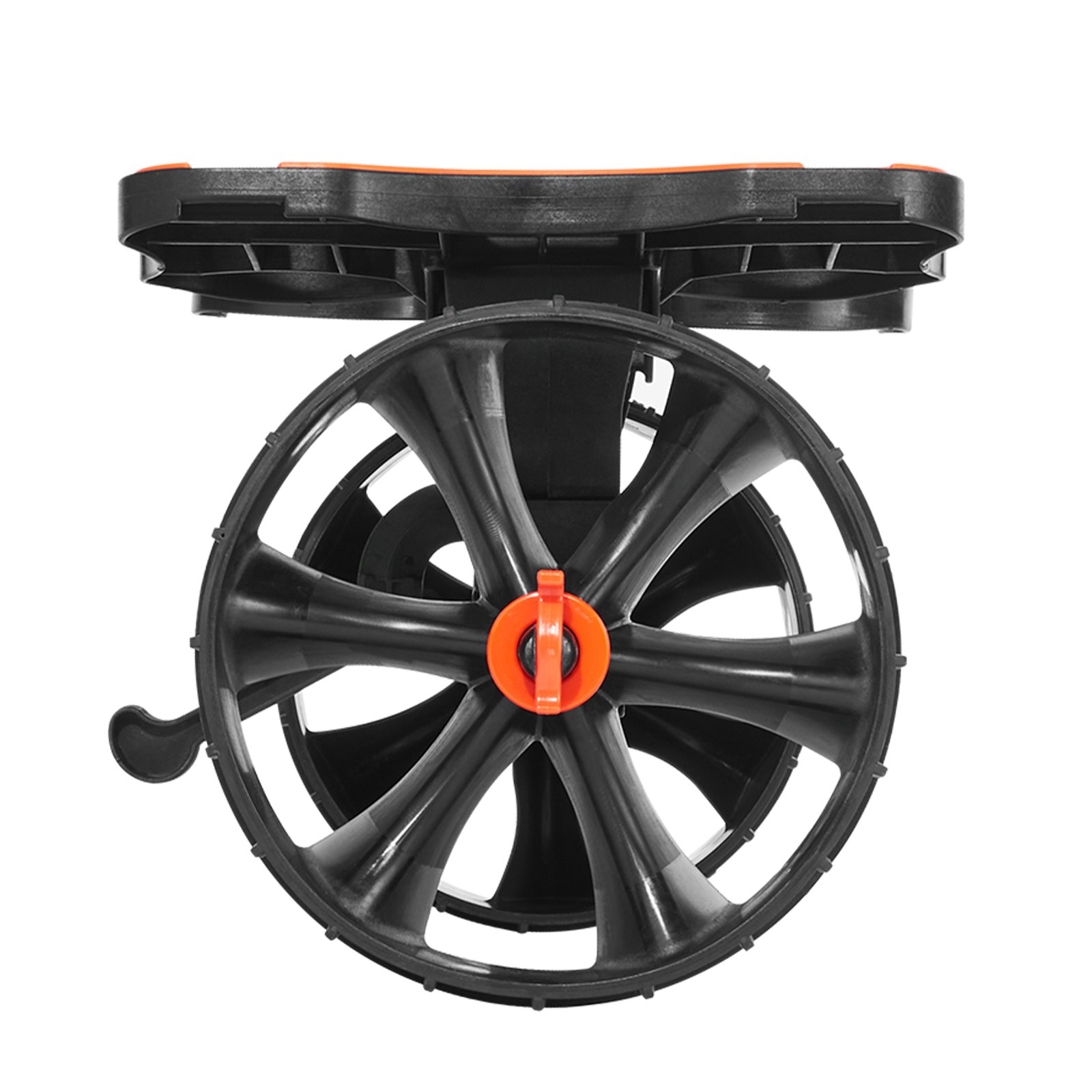 Kayak Cart, 300 Lbs Load Capacity, Foldable Trolley With 10-inch Solid Rubber Tires & 1 Ratchet Strap, Paddle Board For Carrying Kayaks, Canoes, Paddleboards, Float Mats, Jon Boats$103.99View on Mallflare
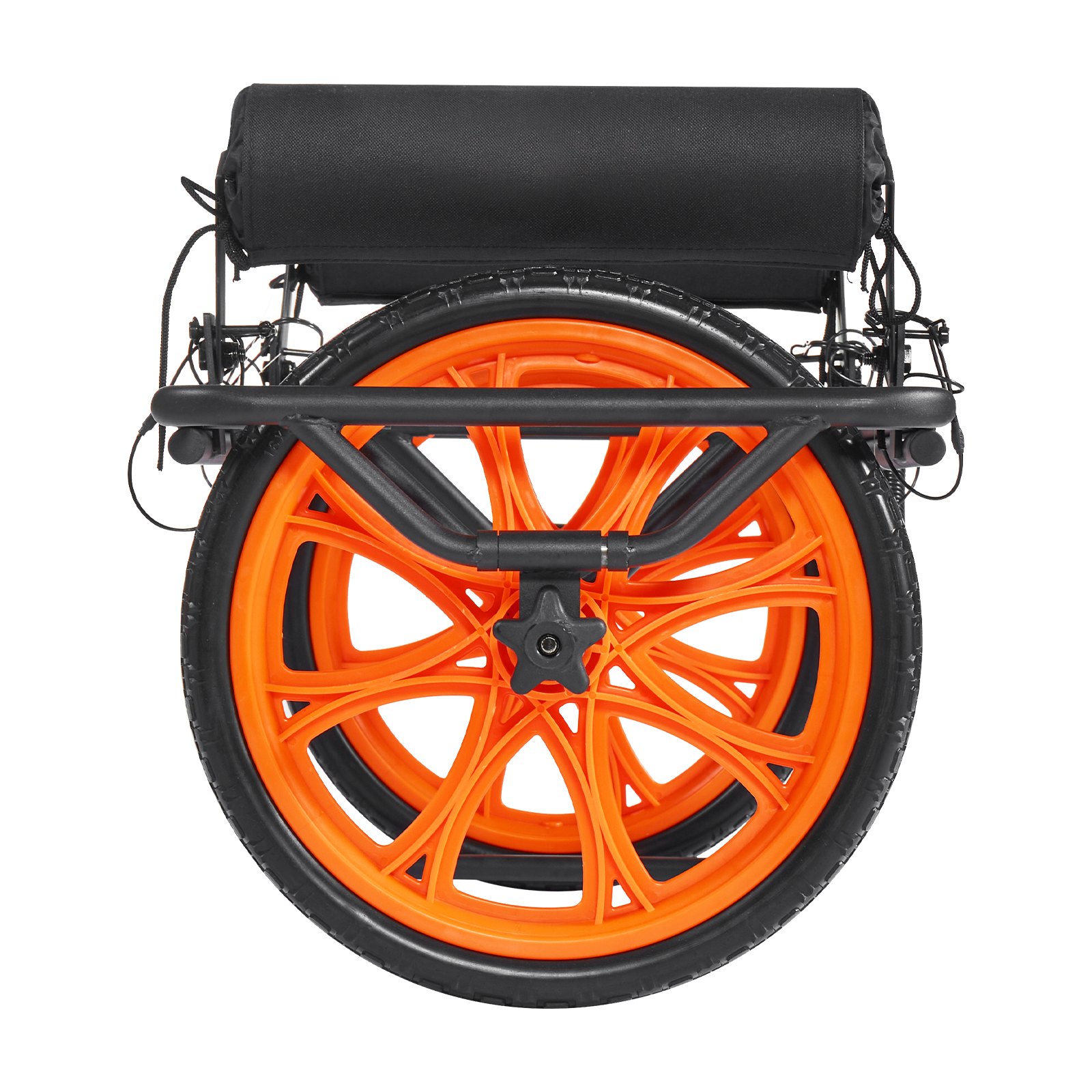 Kayak Cart, 330 Lbs Load Capacity, Canoe Dolly With 15-inch Solid Rubber Tires & Kickstand, Assembles & Disassembles Within Seconds, Paddle Board Trolley For Kayaks, Canoes, Paddleboards$118.99View on Mallflare
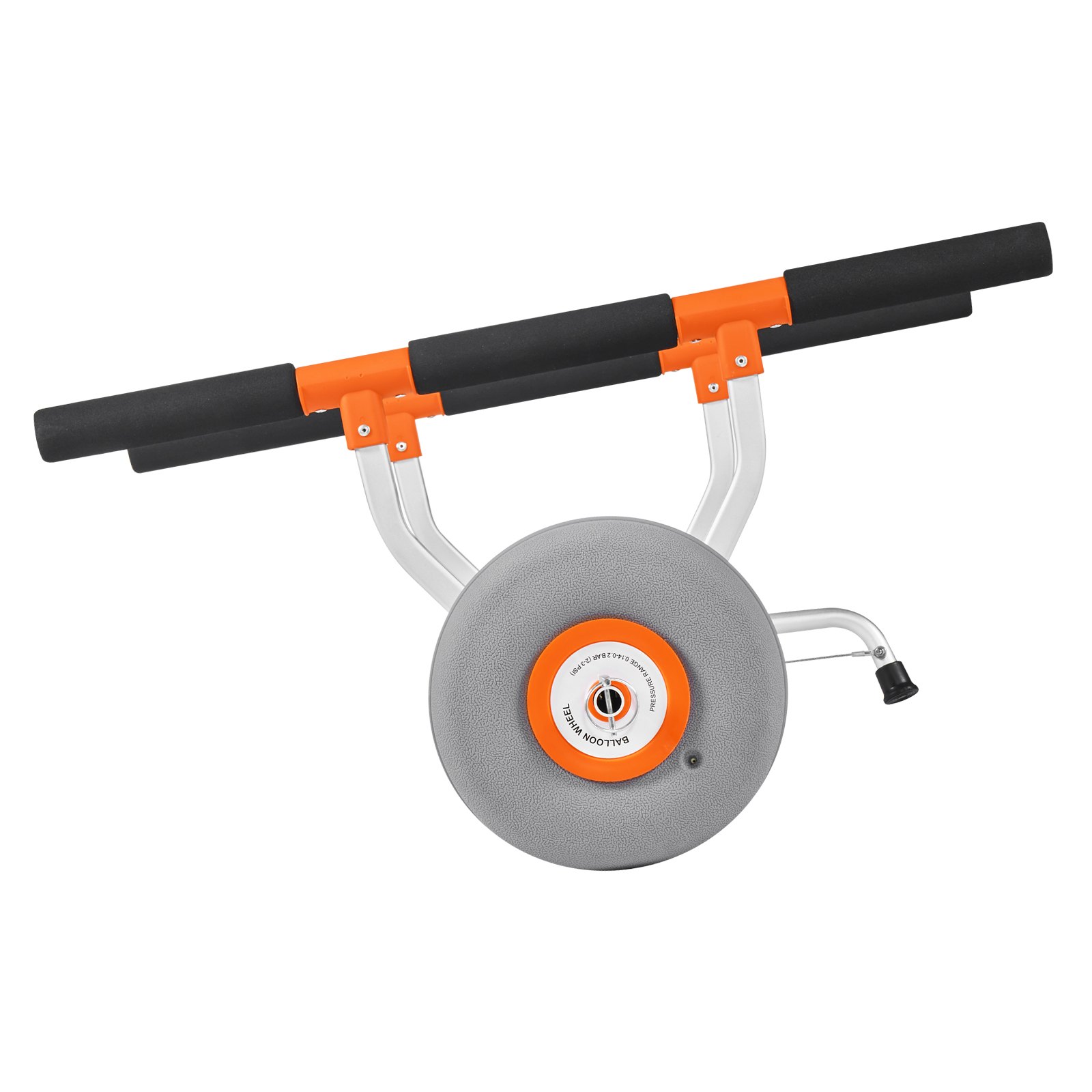 Kayak Cart, 350 Lbs Load Capacity, Trolley With 12-inch Inflatable PU Tires & 2 Straps, Assembles & Disassembles Within Seconds, Paddle Board For Carrying Kayaks And Canoes$152.99View on Mallflare
Highlights
- Shaft material tiers: aluminum alloy (durable, entry weight), fiberglass/plastic (mid weight, low maintenance), wood/carbon (lightest, best feel, highest care)
- Blade surface area drives power per stroke: touring/beavertail shapes track straight, while wider square/ottertail blades deliver more torque in moving water
- Grip options split into T-grip (traditional wood/canoe control) and palm/ergonomic grips (comfort on long flatwater days)
- Two-piece detachable or collapsible shafts allow portage and car transport but add a ferrule joint that must be tight and salt-water rinsed
Best use cases
- Flatwater lakes and slow rivers: choose a 12-14° beavertail or ottertail wood/fiberglass paddle for quiet, low-effort touring; skip wide whitewater blades.
- Moving water and rocky shallows: pick an aluminum or reinforced-nylon blade with a stout T-grip; skip thin carbon blades that chip on gravel.
- Solo canoe day trips with car transport: choose a two-piece detachable shaft and a mid-length 52-56 in paddle; skip fixed one-piece paddles longer than your vehicle cabin.
- Canoe camping and long portages: select the lightest wood or carbon tier you can afford; wrong fit is a heavy aluminum paddle that causes shoulder fatigue over miles.
Buying tips
- Length rule: sit in the seat and measure from seat surface to your nose; add 2-4 in for a bent-shaft or low-angle touring stroke.
- Blade material: high-impact polypropylene/nylon survives gravel launches, fiberglass balances weight and cost, carbon is lightest but fragile on rocks.
- Shaft diameter: choose a grip that fits your hand circumference (typically 1.0-1.25 in diameter); too thick a shaft causes forearm cramping.
- Ferrule check: a two-piece paddle must have a snug, wobble-free joint with a locking button; any play wastes stroke energy and loosens over time.
Specs
| Shaft Material | Aluminum / Fiberglass / Wood / Carbon |
|---|---|
| Blade Shape | Beavertail / Ottertail / Square / Whitewater |
| Grip Style | T-grip / Palm / Ergonomic |
| Shaft Type | One-piece / Two-piece detachable |
Related searches
What to check before buying
- Measure your seated torso height and canoe seat-to-water distance before selecting a length tier.
- Confirm the shaft breaks down short enough to fit your vehicle or roof rack if you plan to portage.
- Check blade clearance for your typical water depth; shallow rocky rivers favor shorter, tougher blades over long beavertails.
- Match grip style to hand size and stroke style: T-grip for traditional canoe control, palm grip for relaxed flatwater touring.
FAQ
Data sources: eBay / Amazon listings and product attribute feeds Data updated Nov 16, 2026.
Some links on this page are affiliate links. If you buy after clicking one, we may earn a commission at no extra cost to you. This does not change which products appear here or their order. Affiliate disclosure.