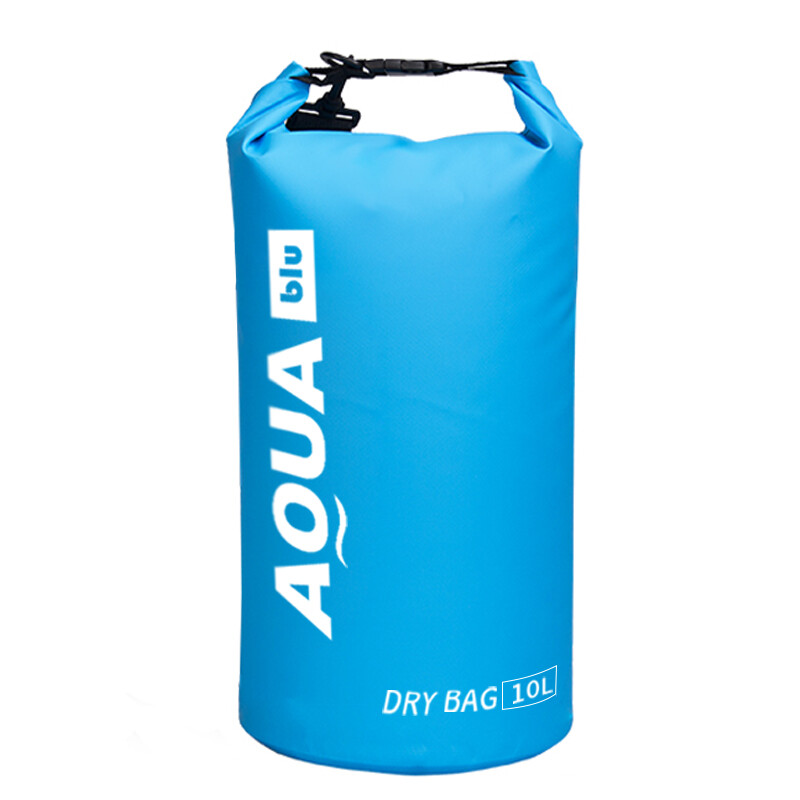

Photos from current listings. Actual item, color, and included accessories may vary.
Dry Kayak Buying Guide
A dry kayak is a human-powered craft paired with sealed, waterproof gear systems that keep you and your equipment dry in spray, surf, or capsize conditions. The core trade-off is between hull volume/stability and sealed-storage reliability: rotomolded polyethylene hulls with watertight bulkheads versus lighter thermoformed or inflatable craft relying on dry bags and spray skirts. The decision rule is simple—only choose a setup with dual watertight bulkheads or a proven dry-suit/dry-top + roll-top dry bag system; anything less is a fair-weather compromise.


At a glance
- Category
- Human-Powered Water Sports
- Data updated
- Nov 16, 2026
Current offers
Highlights
- Rotomolded high-density polyethylene (HDPE) hulls resist impact and UV; thermoformed ABS/acrylic is lighter but more brittle in cold-water impacts below 5°C.
- Dual watertight bulkheads with sealed hatches create unsinkable compartments; single-bulkhead or open-tank designs flood and compromise self-rescue.
- Roll-top dry bags rated IPX6+ with 210D+ TPU-coated fabric and welded seams outperform stitched-and-taped bags in sustained submersion.
- Dry tops with latex gaskets at neck/wrists and fabric socks outlast neoprene gaskets in UV exposure but require careful dressing to avoid tearing.
Best use cases
- Best fit: Coastal touring or open-water crossings — pick a rotomolded kayak with dual bulkheads and a 20–30L roll-top dry bag lashed to deck rigging; skip inflatables without a skeg in wind.
- Best fit: Whitewater or surf zones — choose a dry top with latex gaskets and a spray skirt over a sit-inside hull; avoid sit-on-top open decks that fill and drain slowly in breaking waves.
- Wrong fit: Flatwater lakes and slow rivers — a 10L dry bag plus a basic sit-on-top is sufficient; skip full dry suits and bulkhead hulls that add weight and cost for no benefit.
Buying tips
- Match dry bag volume to trip length: 10L for day essentials (phone, keys, light layer), 20L for overnight gear, 30L+ for multi-day expeditions—never share one bag across incompatible loads.
- Choose hull material by water temperature: HDPE for rocky, cold-water rivers (impact resistance), thermoformed ABS for warm flatwater (weight savings of 15–20%).
- Verify gasket material: latex neck/wrist gaskets seal better but degrade faster in sun; neoprene gaskets tolerate UV but seep in prolonged submersion—replace every 2–3 seasons.
- Confirm dry bag closure: roll-top with at least 3 folds and a buckle closure is the minimum; stitched seams must be welded or taped, never bare.
Specs
| Hull Material | Rotomolded HDPE vs Thermoformed ABS |
|---|---|
| Bulkhead Design | Dual sealed vs single/open |
| Dry Bag Rating | IPX6+ roll-top, welded seams |
| Gasket Type | Latex vs neoprene (neck/wrist) |
Related searches
What to check before buying
- Measure your torso and inseam against the kayak's cockpit dimensions—you need 2–3 cm clearance at hips and knees for wet exits and re-entry.
- Check roof-rack or trailer load rating: a loaded touring kayak plus gear can exceed 30 kg; ensure crossbars and saddles are rated for dynamic loads, not static.
- Confirm dry bag attachment points: deck rigging bungees or D-rings must accept the bag's buckle straps without stretching beyond 10% of their length.
- Test gasket fit before launch: neck gasket should seal without restricting breathing; wrist gaskets must allow full rotation without pinching—trim only if instructed by manufacturer.
FAQ
Data sources: eBay / Amazon listings and product attribute feeds Data updated Nov 16, 2026.
Some links on this page are affiliate links. If you buy after clicking one, we may earn a commission at no extra cost to you. This does not change which products appear here or their order. Affiliate disclosure.