Photos from current listings. Actual item, color, and included accessories may vary.
Fishing Kayak With Pedal Buying Guide
A pedal fishing kayak replaces the paddle with a prop-driven or fin-driven mirage system, freeing both hands for casting and trolling while covering water faster than paddling. The core trade-off is hull weight and pedal-drive complexity versus hands-free propulsion, stability, and standing ability. Buy a rotomolded sit-on-top with a sealed, serviceable pedal unit and a factory rudder; skip inflatables and paddle-only hulls retrofitted with bolt-on drives for serious fishing.


At a glance
- Category
- Human-Powered Water Sports
- Data updated
- Nov 16, 2026
Current offers
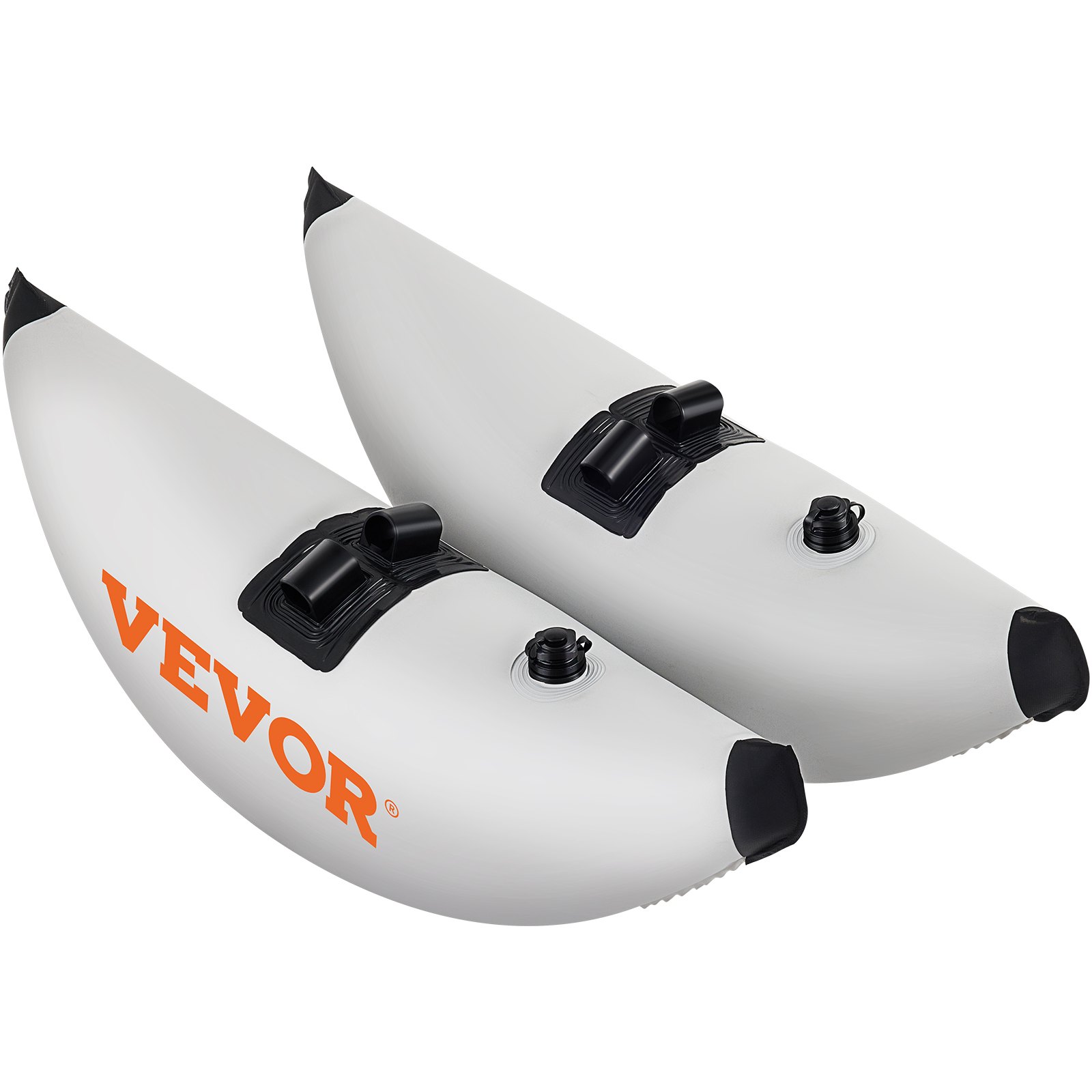 Kayak Outrigger Stabilizers, 2 PCS, PVC Inflatable Float With Sidekick Arms Rod, Standing Stabilizer System Kit For Kayaks, Canoes, Fishing Boats$72.99
 View on Mallflare
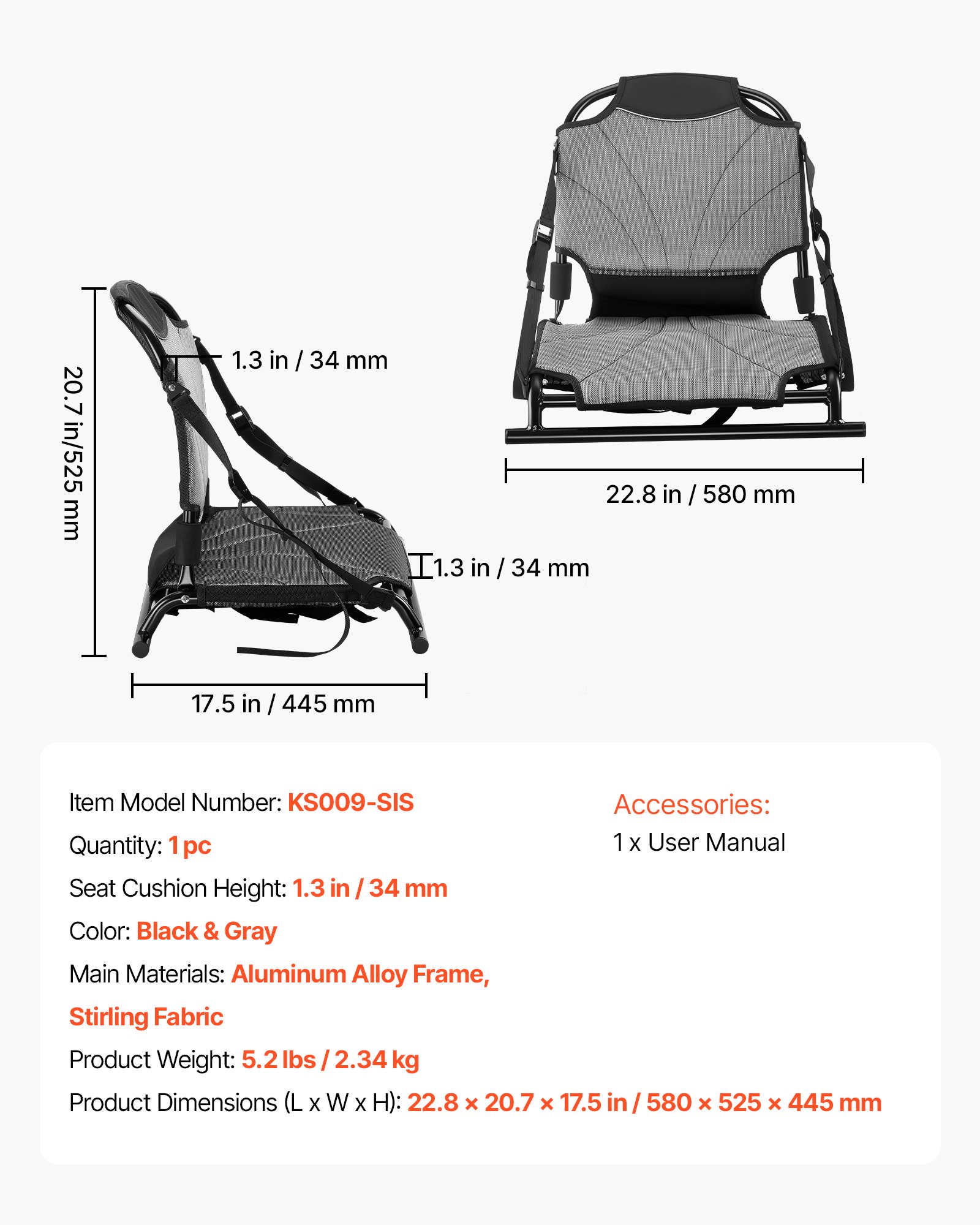 Kayak Seat, 1 Pack 1.3" Raised Height, Universal Foldable Canoe With Adjustable Back Support, Straps, And Aluminum Alloy Frame For Sit-on-Top/Fishing/Inflatable Kayaks & Canoes$87.99View on Mallflare
Highlights
- Prop drives suit shallow flats and reverse instantly; fin/mirage drives power through weeds and shallow water but need more draft.
- Rotomolded High-Density Polyethylene (HDPE) hulls handle cartopping and oyster beds; thermoformed ABS is lighter but dents and cracks sooner.
- Hull width 32-36 in and weight capacity 350-450 lb separate stable standing fishing decks from narrow, tippy touring conversions.
- Factory rudder and sealed pedal housing with replaceable cables define durability; open prop tunnels and glued seams are failure points.
Best use cases
- Best fit: lakes, rivers, and coastal flats with depths over 18 in — pick a prop-drive rotomolded sit-on-top with rudder and a 400 lb capacity for standing casts.
- Best fit: weedy or shallow backwaters under 12 in — choose a fin/mirage drive with kick-up fins and shallow-water mode instead of a prop.
- Wrong fit: cartopping a sub-60 lb hull on a sedan — choose a thermoformed or pedal-ready hull under 70 lb, or a roof-rack loader, not a 100 lb rotomolded tank.
- Wrong fit: open ocean or surf launches — skip pedal kayaks entirely; choose a sealed sit-on-top paddle hull with high bow rocker.
Buying tips
- Match weight capacity to you plus gear: hull capacity minus 150 lb of fishing load should exceed your body weight by at least 50 lb.
- Pick hull width 32-36 in for standing stability; sub-30 in hulls are fast but too tippy for sight-casting and fly fishing.
- Confirm the drive is factory-sealed and serviceable with replacement cables, fins, or props sold as spare parts, not a one-piece glued unit.
- Choose a factory rudder over an add-on: a rudder is required for hands-free steering and must be integrated with the pedal-drive steering lines.
Specs
| Drive Type | Prop / Fin (mirage) / Hybrid |
|---|---|
| Hull Material | Rotomolded HDPE vs Thermoformed ABS |
| Length & Width | 10-14 ft L / 30-38 in W |
| Capacity & Weight | 350-450 lb / 60-100 lb hull |
Related searches
What to check before buying
- Measure your vehicle roof or bed: a 12-13 ft hull at 75-100 lb needs a rated rack and a load-assist system for solo car-topping.
- Verify water depth at your launch: prop drives need 18-24 in; fin drives need 12-18 in with fins kicked up in shallows.
- Confirm your PFD and seat fit: sit-on-top seats are elevated, so choose a PFD sized for seated paddling and a seat with adjustable lumbar support.
- Check pedal-drive draft and stow: the drive must lock up or remove for beach launches; open-water hulls need sealed hatches for gear.
FAQ
Data sources: eBay / Amazon listings and product attribute feeds Data updated Nov 16, 2026.
Some links on this page are affiliate links. If you buy after clicking one, we may earn a commission at no extra cost to you. This does not change which products appear here or their order. Affiliate disclosure.