Photos from current listings. Actual item, color, and included accessories may vary.
Kayak Buying Guide
A kayak is a human-powered hull you sit in or on, and the core trade-off is hull weight versus stability and capacity: heavy rotomolded polyethylene tracks straight and supports big paddlers, while thin thermoformed ABS or inflatable PVC saves weight at the cost of durability and load rating. The decision rule is simple—match hull volume and weight capacity to your body plus gear, and skip anything whose stated capacity leaves under 25% reserve.

At a glance
- Category
- Human-Powered Water Sports
- Data updated
- Nov 16, 2026
Current offers
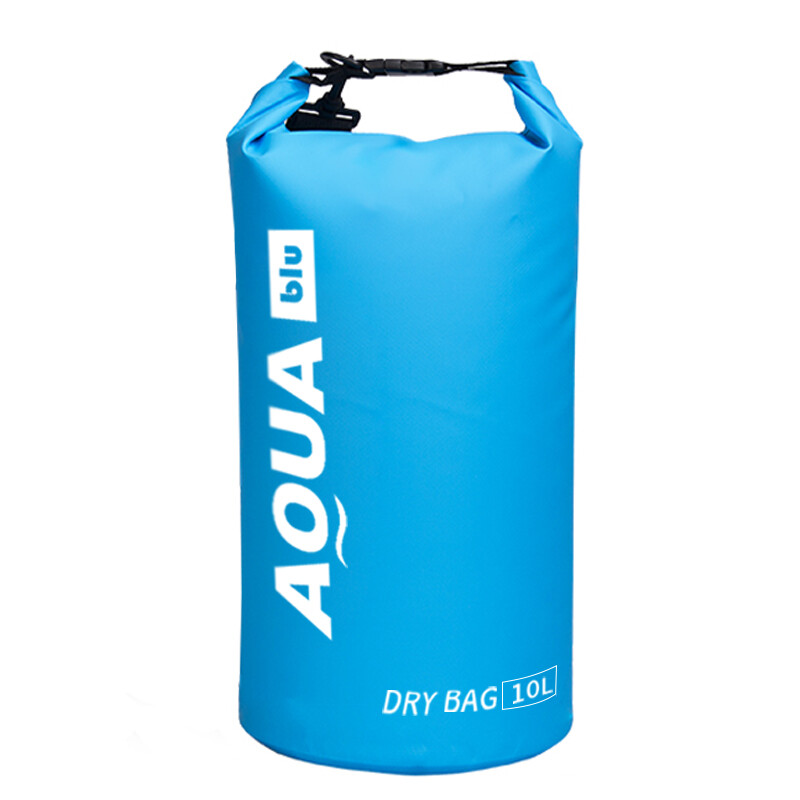 Waterproof Dry Bag Dry Sack 10L 20L 30L Blue Orange Black Rafting Kayak Canoe fl$20.99
 View on eBay
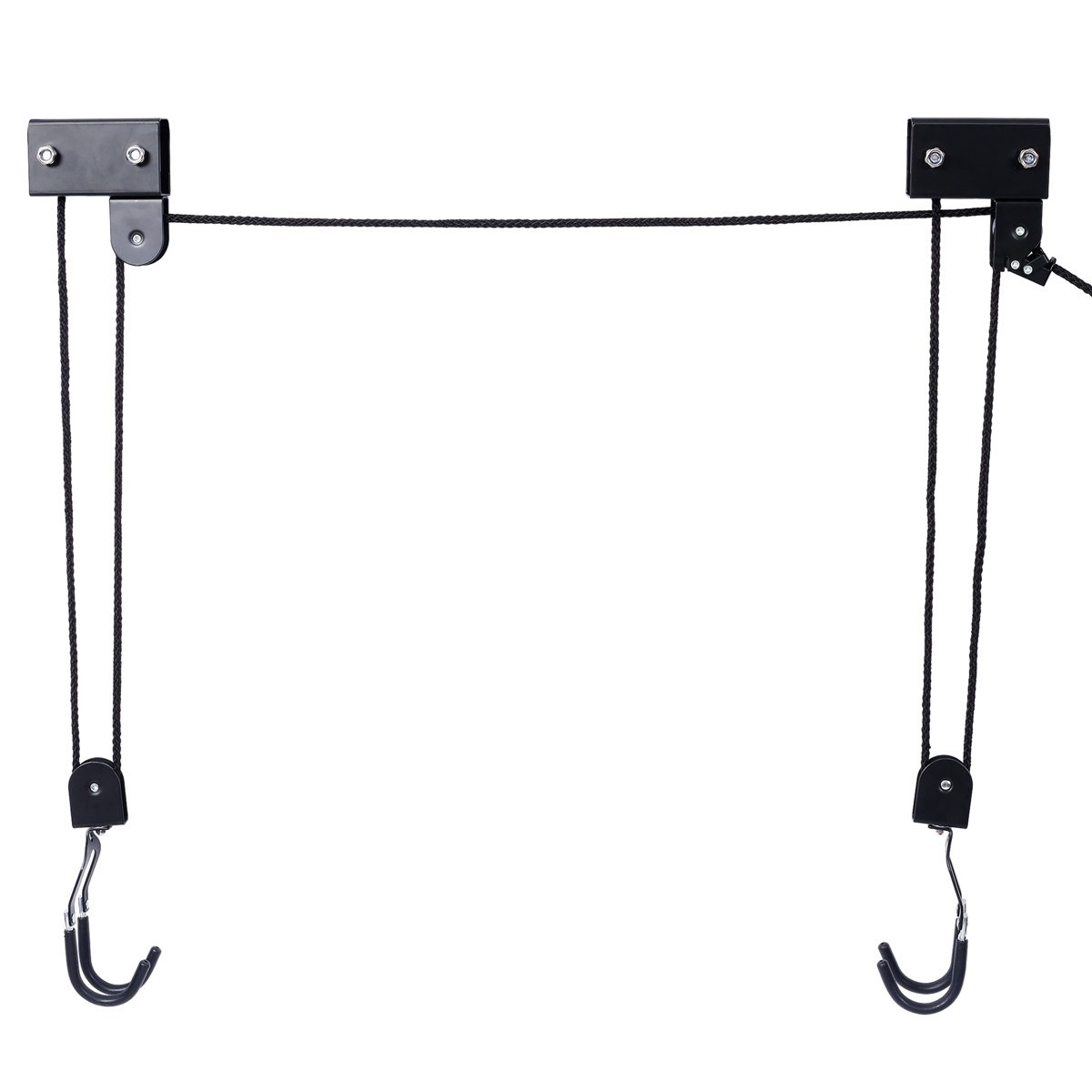 Kayak Hoist Quality Garage Storage Canoe Lift with 125 lb Capacity Even Works as Ladder$61.99
 View on Mallflare
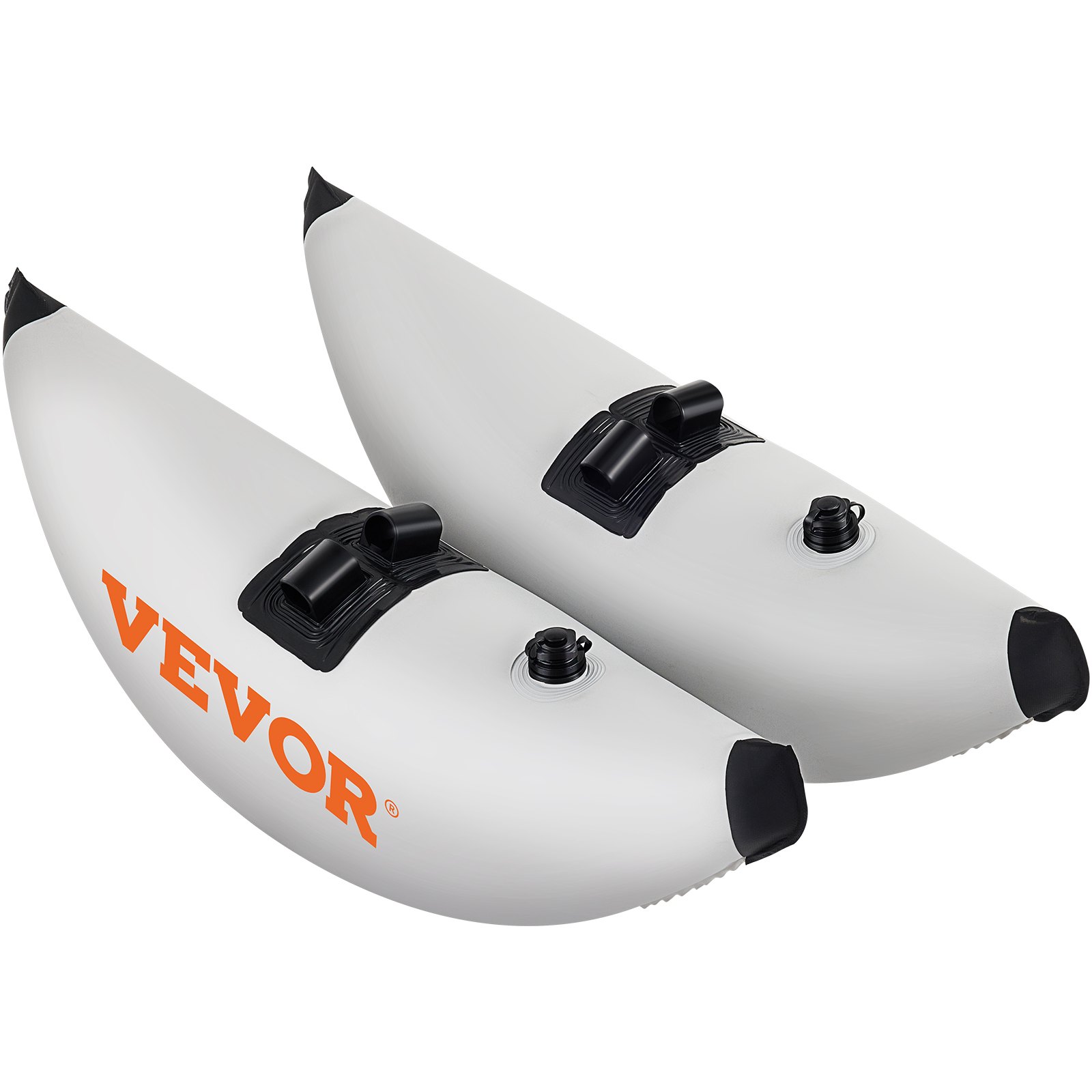 Kayak Outrigger Stabilizers, 2 PCS, PVC Inflatable Float With Sidekick Arms Rod, Standing Stabilizer System Kit For Kayaks, Canoes, Fishing Boats$72.99View on Mallflare
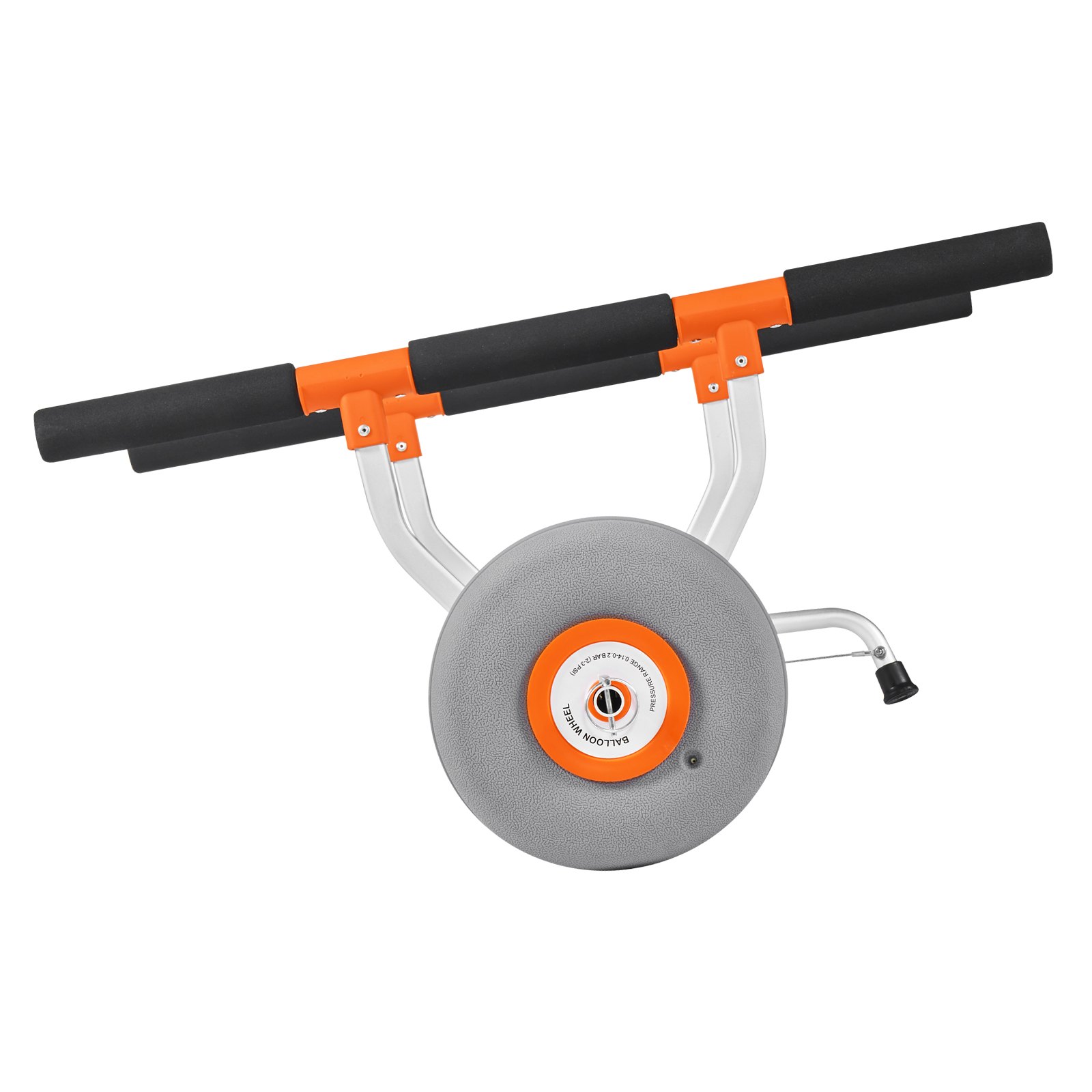 Kayak Cart, 350 Lbs Load Capacity, Trolley With 12-inch Inflatable PU Tires & 2 Straps, Assembles & Disassembles Within Seconds, Paddle Board For Carrying Kayaks And Canoes$152.99View on Mallflare
Highlights
- Rotomolded high-density polyethylene (HDPE) hulls resist impact and UV; single-layer HDPE runs about 5-8 mm thick, dual-layer or 'AirLite' saves 10-15 lb but dents more easily.
- Sit-on-top (SOT) hulls drain via scupper holes and self-rescue easily; sit-inside (SINK) hulls are drier and faster but require a wet exit and spray skirt in chop.
- Weight capacity is rated displacement at the waterline, not safe load: a 350 lb rating means roughly 260-280 lb of paddler plus gear for stable freeboard.
- Inflatable PVC or drop-stitch hulls pack into a duffel and carry 250-400 lb, but puncture resistance and tracking are below hard hulls; pedal-drive models add hands-free fishing at a weight and cost penalty.
Best use cases
- Big or heavy paddlers (250 lb+): pick a 12-14 ft rotomolded SOT with a 400-500 lb capacity and 30-32 in beam; skip 10 ft recreational hulls rated 250 lb, which sit low and swamp.
- Budget first-time buyers on flat water: a 10 ft single-layer HDPE SINK or SOT is the durable floor; skip inflatables under 2 PSI drop-stitch and thin ABS if you paddle rocky shallows.
- Fishing and gear-heavy trips: choose a 12 ft-plus SOT with 350 lb+ capacity, rod holders, and a transducer-ready scupper; skip short 8-10 ft hulls that lack deck space and tracking.
- Storage- or transport-limited buyers: a 10-12 ft inflatable drop-stitch or sectional hull fits a car trunk and closet; skip it if you paddle oyster beds, gravel launches, or surf zones.
Buying tips
- Size by capacity reserve: paddler weight plus gear should not exceed 70-75% of the rated capacity; a 200 lb paddler needs a 300 lb+ rating for stable freeboard.
- Match length to water: 10 ft or less turns tight on creeks but wanders; 12-14 ft tracks straight and carries load; 14 ft+ is touring speed at the cost of car-top weight.
- Check hull material grade: single-layer HDPE is the durable baseline; dual-layer or thermoformed ABS is lighter but less impact-resistant; PVC inflatables need 1,000-denier or drop-stitch construction.
- Confirm cockpit fit: SINK cockpits need thigh braces and a footrest sized to your leg length; SOT buyers should check seat height and scupper placement for a dry ride.
Specs
| Hull Material | Rotomolded HDPE / ABS / PVC |
|---|---|
| Hull Type | Sit-on-top vs sit-inside |
| Length Class | 10 ft rec / 12-14 ft all-around |
| Weight Capacity | 250-500 lb rated displacement |
Related searches
What to check before buying
- Measure your vehicle roof or bed: a 12 ft hull needs a 60 in+ crossbar spread and proper saddles or J-cradles; inflatables need only a trunk.
- Weigh yourself plus planned gear and compare to 70% of the hull's stated capacity, not the headline number.
- Check storage: hard hulls need wall or ceiling racks rated above hull weight; hoists commonly cap at 125-250 lb.
- Confirm launch access: rocky or gravel entries favor thick HDPE; sandy or dock launches suit inflatables and thin hulls.
FAQ
Data sources: eBay / Amazon listings and product attribute feeds Data updated Nov 16, 2026.
Some links on this page are affiliate links. If you buy after clicking one, we may earn a commission at no extra cost to you. This does not change which products appear here or their order. Affiliate disclosure.