
Photos from current listings. Actual item, color, and included accessories may vary.
Kayak Sit Buying Guide
Sit-on-top (SOT) kayaks are rotational-molded, self-draining hulls you sit on rather than in, trading a wet ride and higher center of gravity for easy re-entry, gear access, and no bailing. The core trade-off is hull weight and construction grade versus stability and capacity: single-layer HDPE is light and cheap but flexes and UV-degrades, while multi-layer/foam-core HDPE adds stiffness and buoyancy at a weight and cost premium. Decision rule: buy by hull material tier and cockpit weight capacity against your body + gear load, not by nominal length alone.


At a glance
- Category
- Human-Powered Water Sports
- Data updated
- Nov 16, 2026
Current offers
Highlights
- Single-layer HDPE hulls (typical on budget SOTs) flex under load and chalk from UV; multi-layer or foam-core HDPE holds stiffness and buoyancy years longer.
- SOT length drives tracking and speed: ~10 ft tracks loosely and is best for lakes and short paddles; 12-14 ft holds a line but costs maneuverability in creeks.
- Tank well and hatch layout determine fishing/gear utility — a flat, strap-ready well with scupper drains matters more than seat padding for real use.
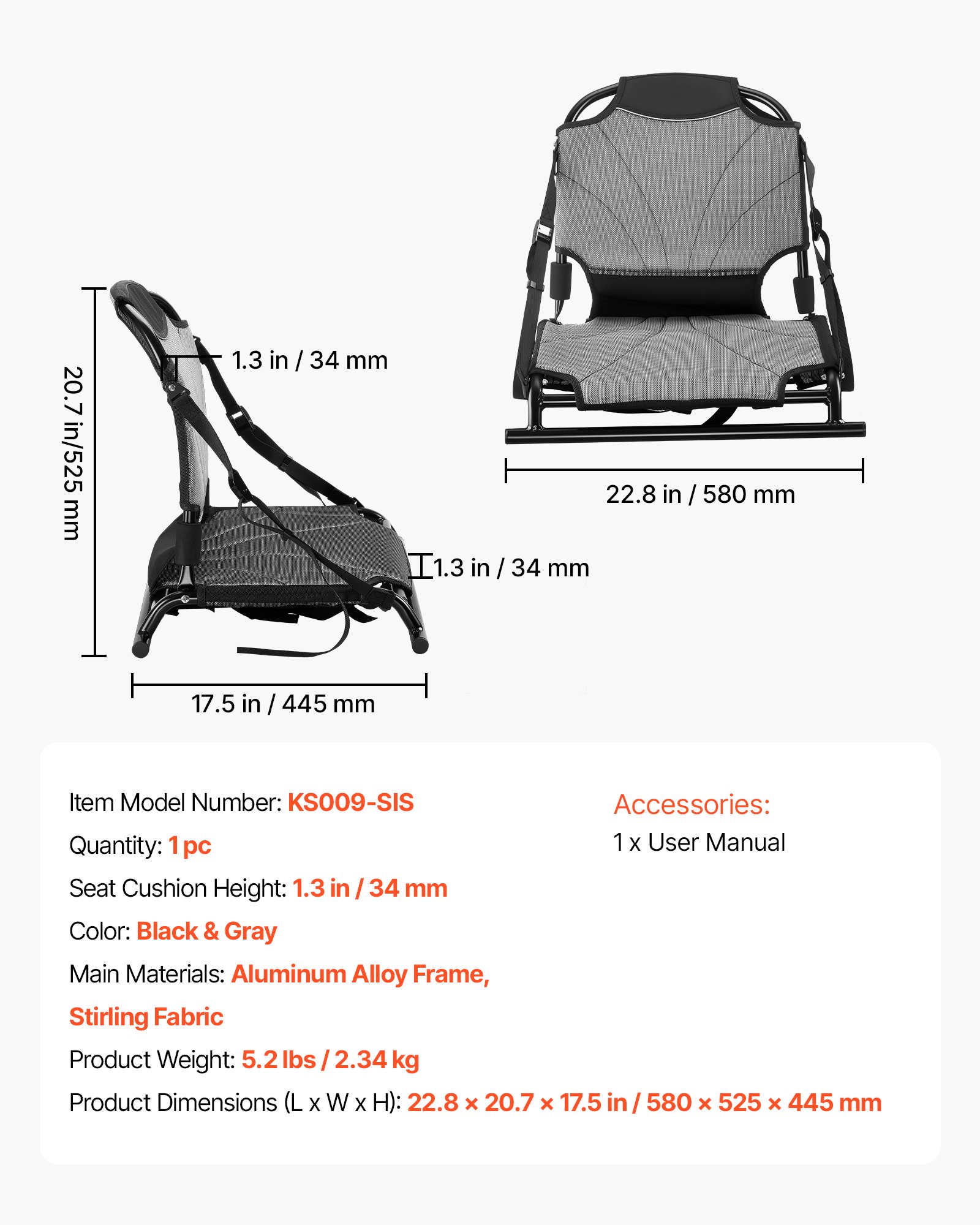
- Replaceable bolt-on aftermarket seats (aluminum or plastic frame, adjustable back) add back support and height but must match the boat's existing strap or pad-eye mount points.
Best use cases
- Best fit: flatwater lakes, slow rivers, and fishing — pick a 10-12 ft SOT with a wide beam (30-32 in) and 350+ lb capacity for stability and standing.
- Best fit: ocean surf launches and rocky shorelines — SOT wins over sit-in because self-draining hulls and easy re-entry matter more than dry storage.
- Wrong fit: long-distance touring or cold-weather paddling — skip SOT and choose a sit-in with bulkheads, deck rigging, and a spray skirt; SOTs ride wet and carry less protected gear.
- Wrong fit: apartment storage or car-top only with a low roof — a 12+ ft SOT can weigh 70-90 lb; a 10 ft SOT or inflatable SOT is the practical ceiling.
Buying tips
- Capacity math: required capacity = your body weight + gear (fishing load ~30-60 lb) + safety margin of 20%; stay at least 25% under the hull's rated capacity for dry, stable performance.
- Length rule: 10 ft for short paddles and tight launches; 12 ft as the all-round lake/river compromise; 13-14 ft only if tracking and speed outweigh portability.
- Hull grade: specify multi-layer or foam-core HDPE for stiffness and abrasion resistance; single-layer HDPE is acceptable only for light, occasional use.
- Seat replacement: buy an aftermarket SOT seat matched to the boat's strap or pad-eye pattern — aluminum-frame seats are firmer, plastic-frame seats flex but cost less.
Specs
| Hull Material | Single-layer vs multi-layer HDPE |
|---|---|
| Typical Length | 10-14 ft (SOT) |
| Weight Capacity | 250-450+ lb rated |
| Seat Type | Bolt-on frame vs strap-on padded |
Related searches
What to check before buying
- Measure your roof rack or truck bed: confirm the hull length plus overhang (10-14 ft) and the boat's weight are within your carry system's rating before choosing length.
- Confirm cockpit/tank-well dimensions accommodate your cooler, crate, or rod holders — flat wells with scupper drains handle gear and self-bailing better.
- Check seat mount compatibility: existing pad eyes or strap channels must align with the aftermarket seat's strap routing for a stable, no-drill fit.
- Match hull to water: wide beam (30-32 in) and 350+ lb capacity for stability and standing; narrower beam for speed and tracking on open water.
FAQ
Data sources: eBay / Amazon listings and product attribute feeds Data updated Nov 16, 2026.
Some links on this page are affiliate links. If you buy after clicking one, we may earn a commission at no extra cost to you. This does not change which products appear here or their order. Affiliate disclosure.