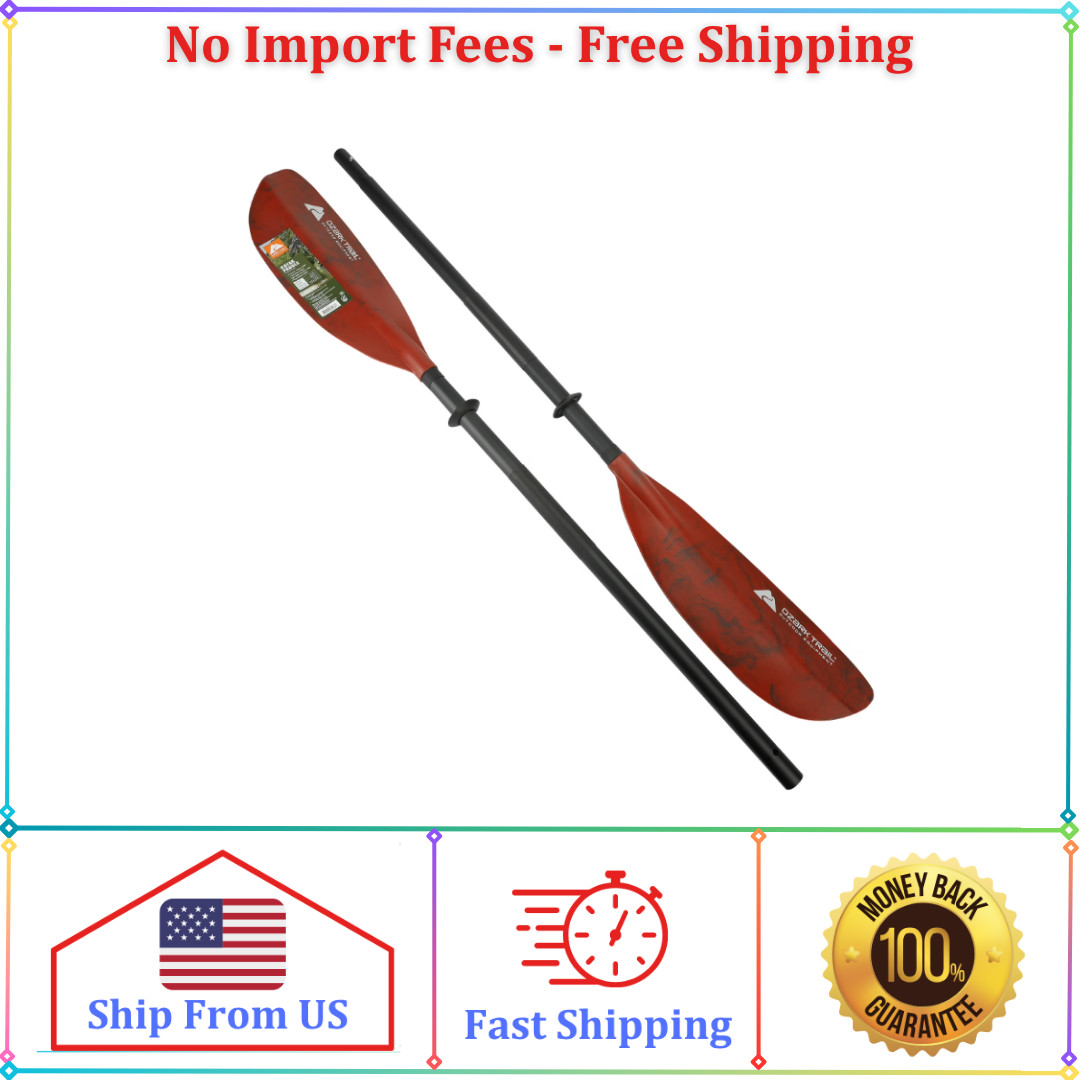

Photos from current listings. Actual item, color, and included accessories may vary.
Ozark Trail Adult Aluminum Kayak Paddle Buying Guide
The Ozark Trail Adult Aluminum Kayak Paddle is a budget recreational paddle built around a straight aluminum shaft and asymmetric polymer blades, sized at 94.5 inches (240 cm) for sit-on-top and wide recreational kayaks. The core trade-off is weight and flex versus low cost: aluminum shafts are heavier and colder than fiberglass or carbon, but survive car doors, gravel launches, and beginner abuse. Buy this paddle if you need a durable spare or a first paddle for a wide recreational hull; step up to fiberglass or carbon if you paddle long distances or want dry, warm hands.


At a glance
- Brand
- Not synced yet
- Model
- Not synced yet
- MPN
- Not synced yet
- Category
- Human-Powered Water Sports
- Status
- Offers available
- Data updated
- Nov 16, 2026
Current offers
Highlights
- 94.5-inch (240 cm) overall length suits kayaks 28-32 inches wide; narrower hulls under 26 inches want 220-230 cm instead.
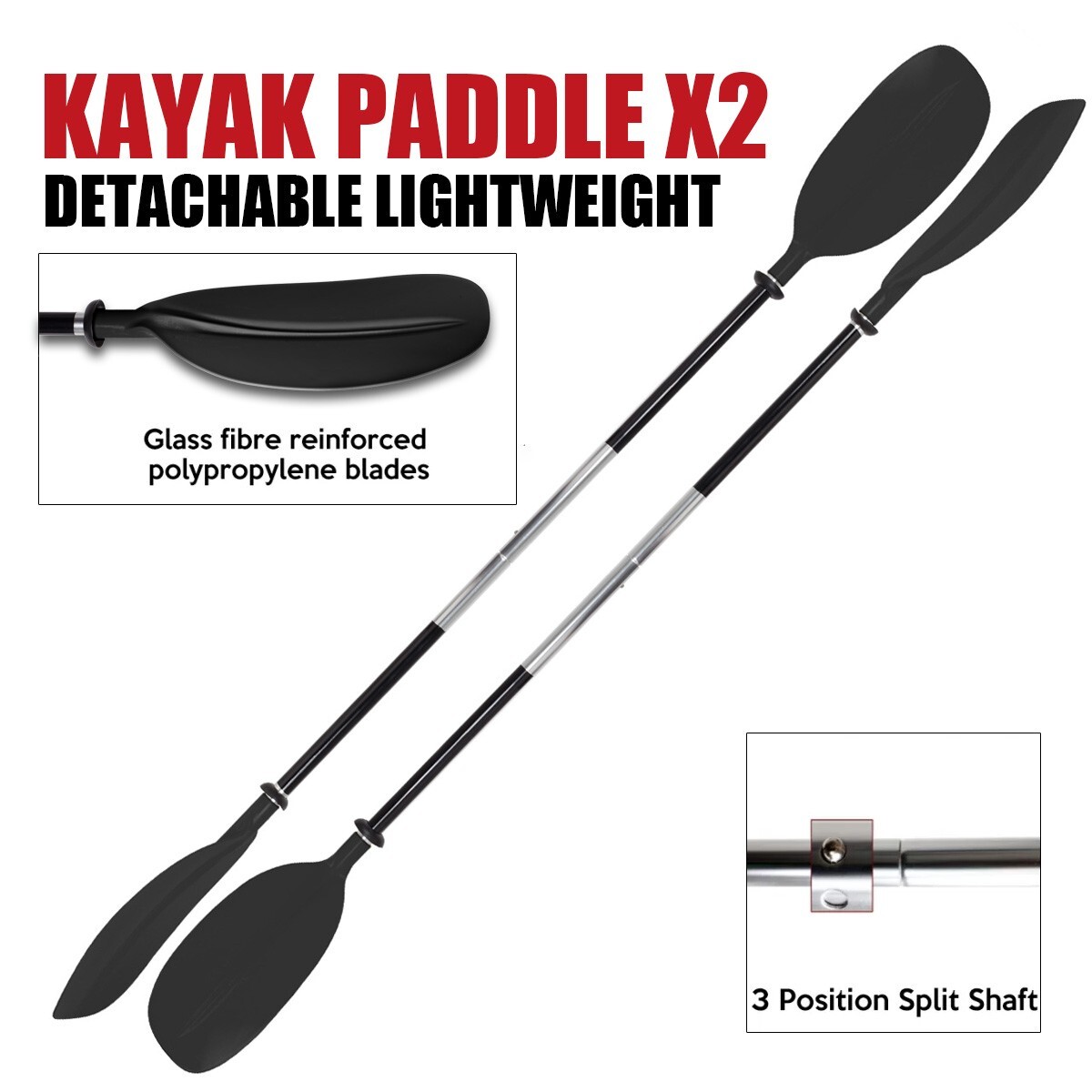
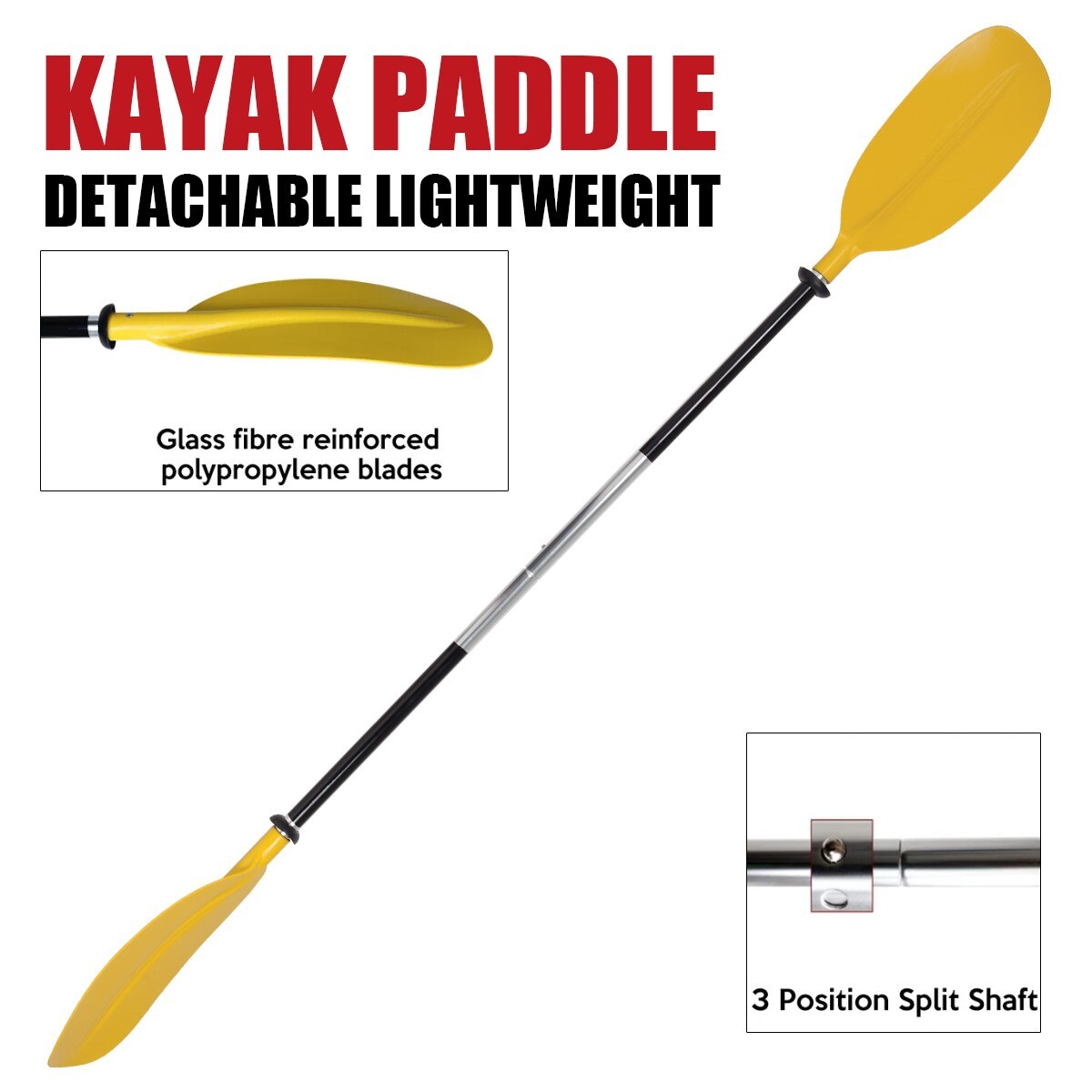
- Two-piece take-apart aluminum shaft with push-button ferrule fits inside most hatch openings and adjusts feather angle for wind.
- Asymmetric dihedral polymer blades reduce flutter on the catch compared with flat budget blades, but flex more than fiberglass.
- Drip rings and a foam-gripped or textured shaft section limit water run-off into the cockpit and improve grip when wet.
Best use cases
- Best fit: recreational sit-on-top or wide rec kayak (28-32 in beam) on flatwater lakes and slow rivers; the 240 cm length and aluminum durability match this use.
- Best fit: a second paddle or guest paddle that lives in the truck bed; low cost and impact-tolerant aluminum make it a sensible spare.
- Wrong fit: touring or sea kayaks under 26 inches wide; the 240 cm length forces a wide, inefficient stroke and should be skipped for 210-220 cm.
- Wrong fit: long-distance paddlers or cold-water users; aluminum's weight and heat loss justify upgrading to fiberglass or carbon.
Buying tips
- Size by kayak beam, not height: 240 cm for 28-32 in beams, 230 cm for 26-28 in, 220 cm for 23-26 in, 210 cm for under 23 in.
- Aluminum shafts are the minimum durable tier; fiberglass cuts swing weight roughly 20-30% and carbon more, at higher cost.
- Confirm the ferrule style: push-button is field-serviceable and simple; lever-lock or snap-button variants hold feather angle better.
- Check blade material grade: polymer/ nylon blades tolerate rock strikes; fiberglass-reinforced nylon adds stiffness without much cost.
Specs
| Shaft Material | Aluminum vs fiberglass vs carbon |
|---|---|
| Paddle Length | 210 / 220 / 230 / 240 / 250 cm |
| Blade Type | Asymmetric dihedral polymer |
| Shaft Split | 2-piece push-button vs 1-piece |
Alternatives to compare
Related searches
What to check before buying
- Measure your kayak's beam at the seat; pick paddle length from that number, not your height.
- Verify the take-apart length fits your hatch or vehicle storage space before committing.
- Confirm you have drip rings and a leash point if paddling cold water or windy exposed lakes.
- Check blade color and shaft grip texture matter for visibility and wet-hand grip on gray or red models.
FAQ
Data sources: eBay / Amazon listings and product attribute feeds Data updated Nov 16, 2026.
Some links on this page are affiliate links. If you buy after clicking one, we may earn a commission at no extra cost to you. This does not change which products appear here or their order. Affiliate disclosure.