Photos from current listings. Actual item, color, and included accessories may vary.
Paddle Board Buying Guide
Paddle boards split into rigid (fiberglass, carbon, or molded plastic) and inflatable (drop-stitch PVC) architectures, and that material choice dictates stiffness, glide, portability, and lifespan more than any badge. Buy rigid for performance and inflatable for transport, and reject any board whose construction spec omits drop-stitch PSI or skin layup.
Board Architecture:Inflatable drop-stitch vs rigidRigid Skin Layup:Carbon / fiberglass / molded plasticInflation Pressure:12-15 PSI drop-stitch targetVolume to Weight:1.5-2.0 L per kg rider
Typical price range$90.00 – $311.99

At a glance
- Category
- Human-Powered Water Sports
- Data updated
- Nov 16, 2026
Current offers
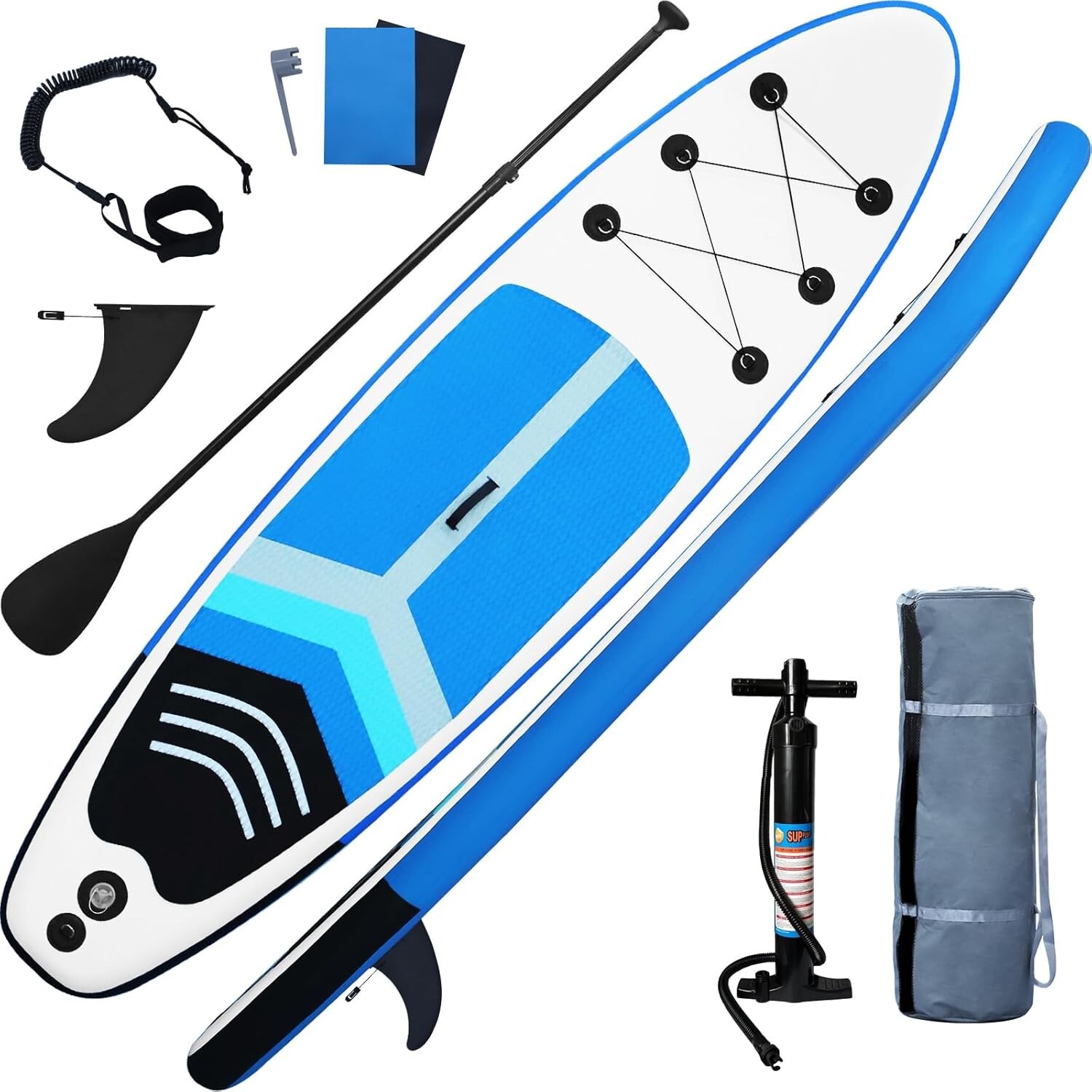 Inflatable Stand Up Paddle Board SUP w/ Bag & Accessories,Surf Control,Non-slip$90.00
 View on eBay
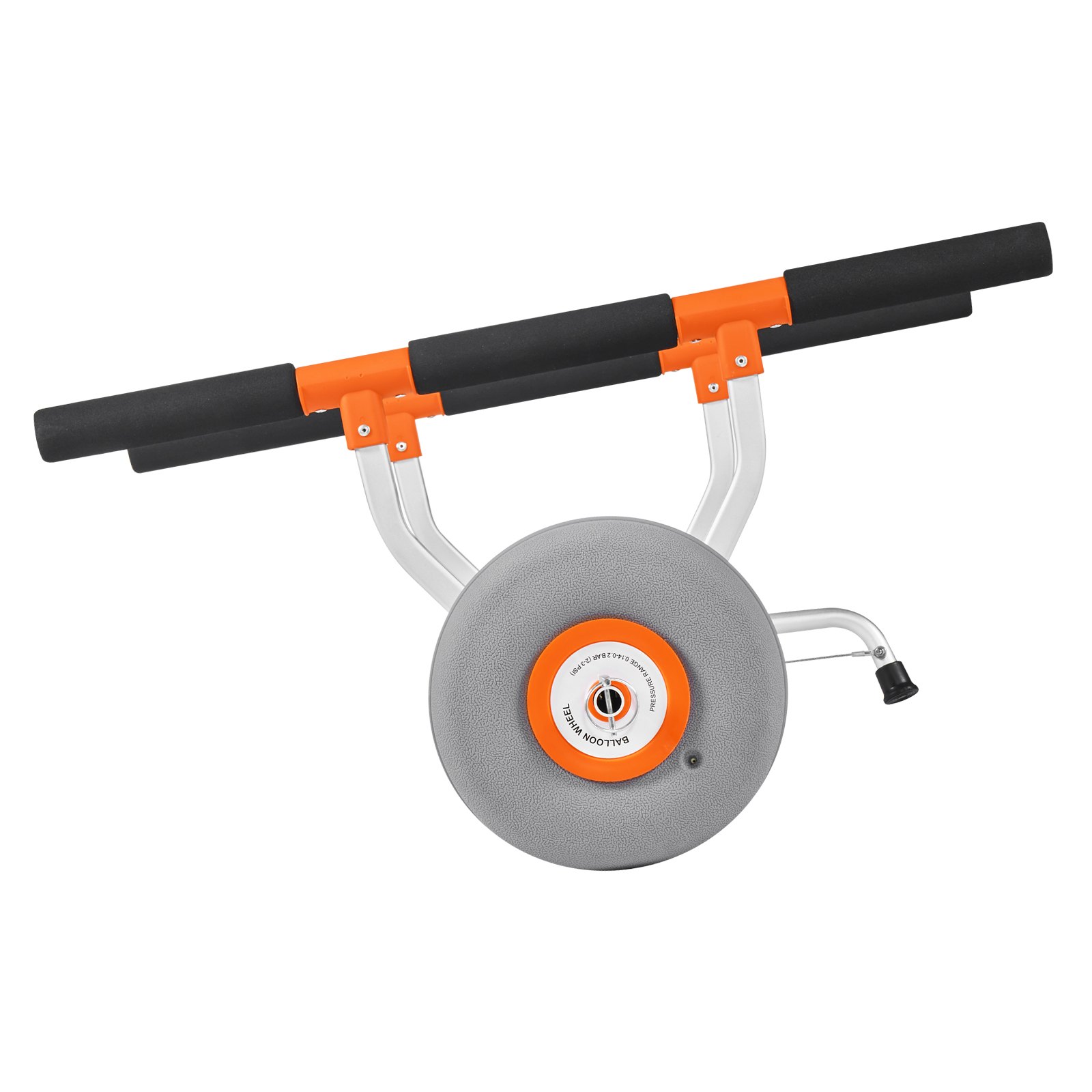 Kayak Cart, 350 Lbs Load Capacity, Trolley With 12-inch Inflatable PU Tires & 2 Straps, Assembles & Disassembles Within Seconds, Paddle Board For Carrying Kayaks And Canoes$152.99
 View on Mallflare
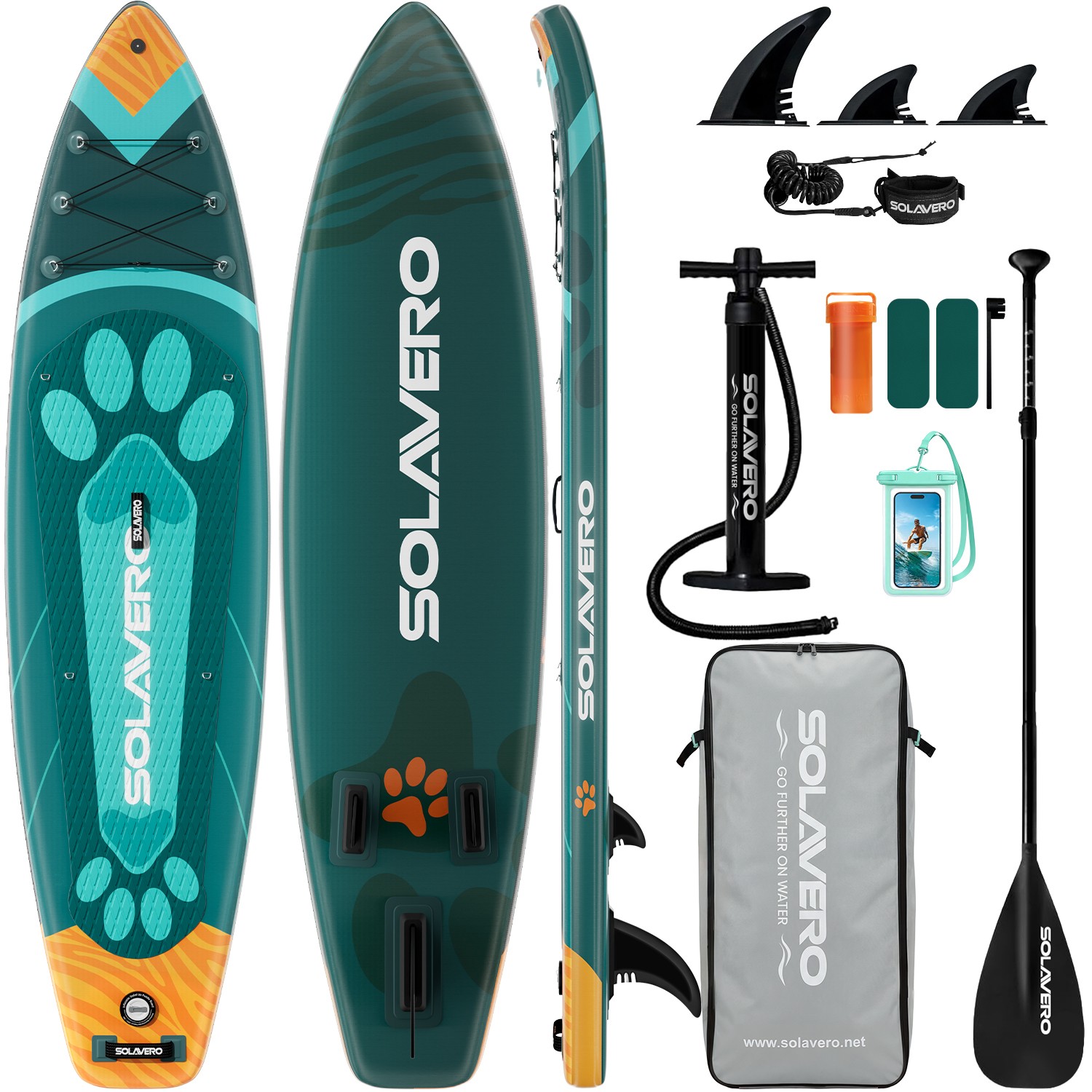 Inflatable Stand Up Paddle Board with SUP Accessories, 10'6" SUP Board or Adults$139.99View on eBay
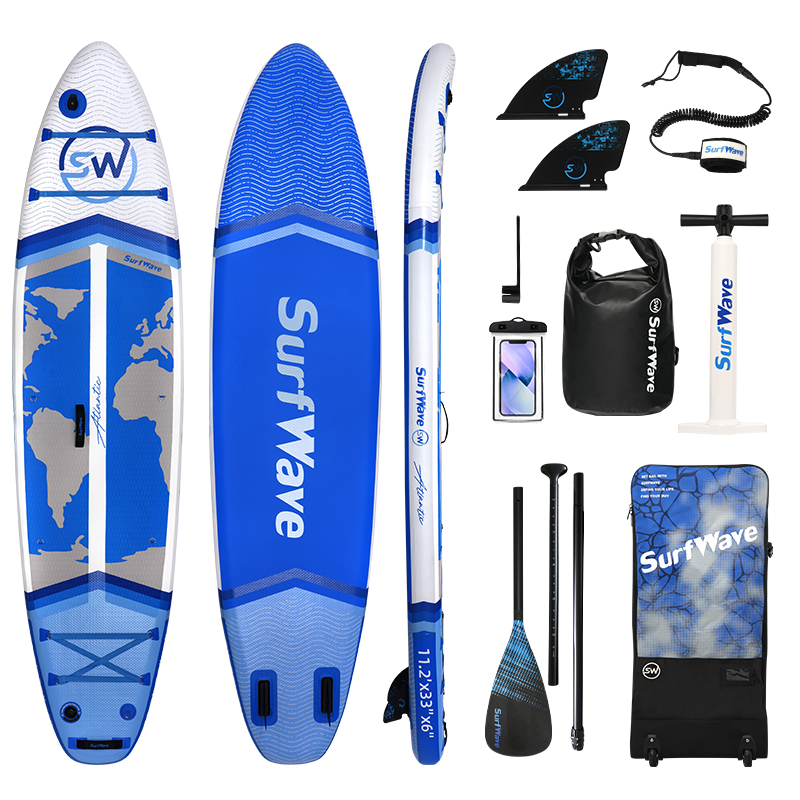 Inflatable Stand Up Paddle Board 11'x34"x6" With Accessories$250.99View on Mallflare
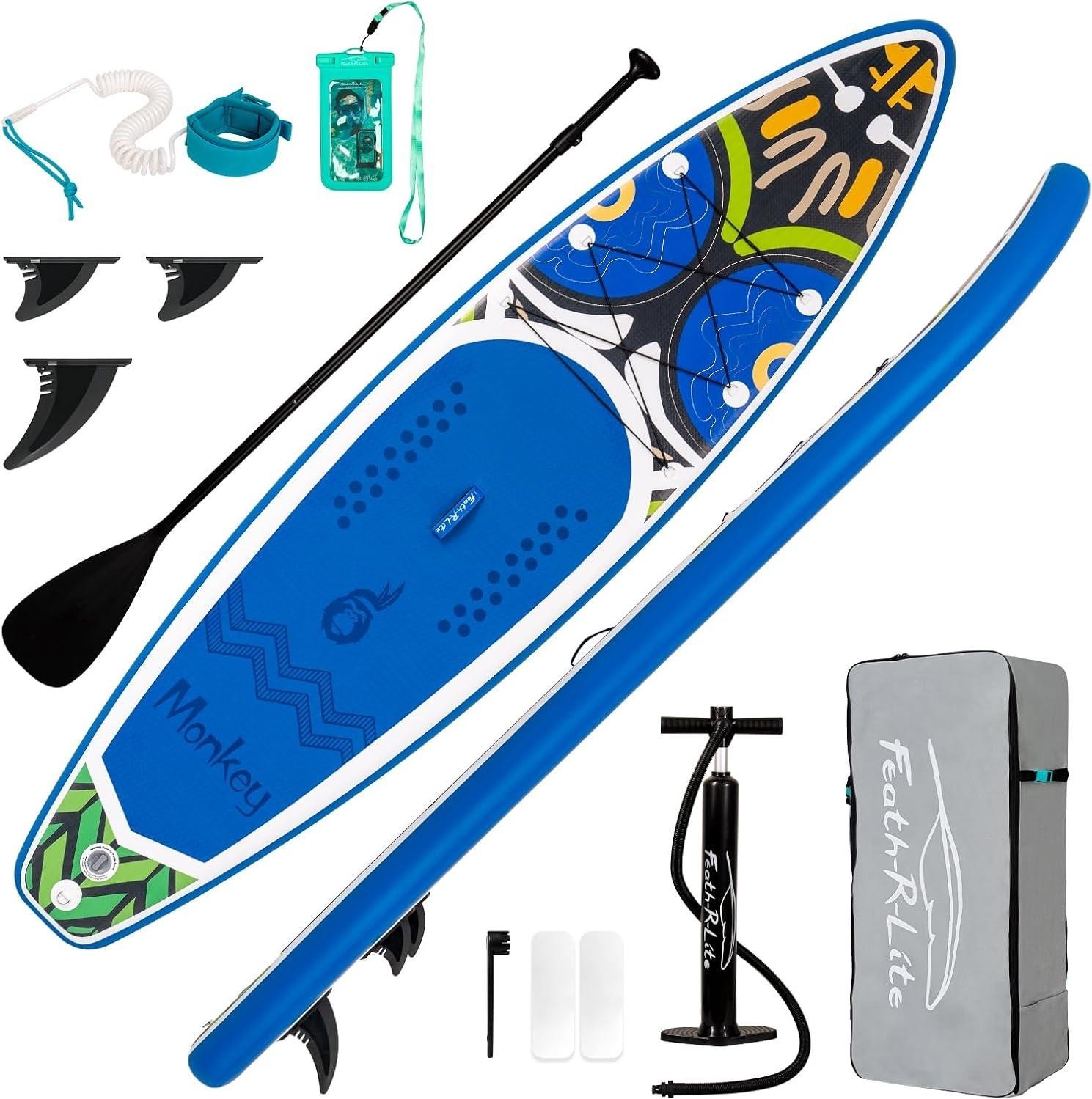 Inflatable Stand Up Paddle Board with Beginner SUP Accessories | 10’6’’/11'$156.58View on eBay
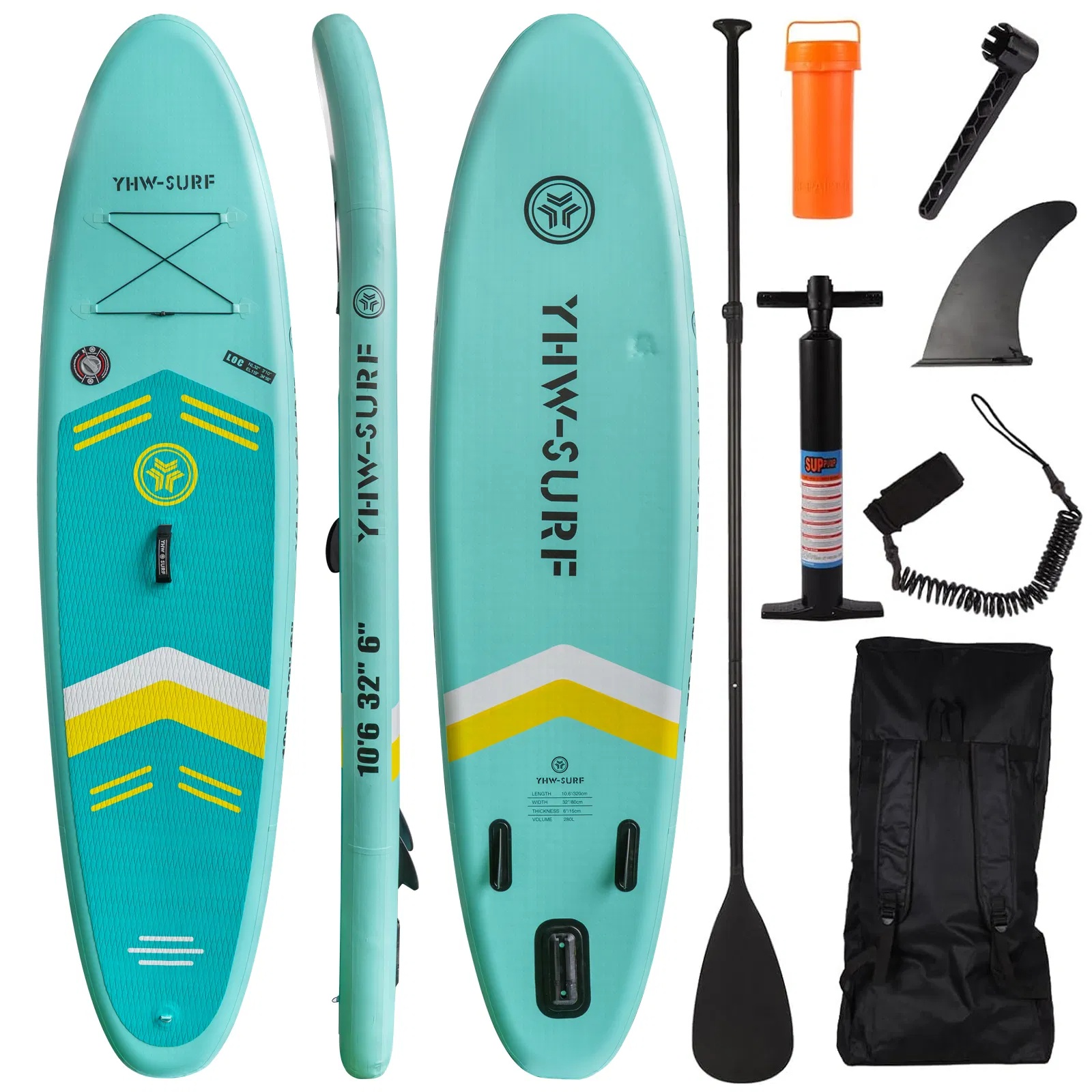 10 6 Inflatable Stand Up Paddle Board With Free Premium SUP Accessories & Backpack$311.99View on Mallflare
Highlights
- Inflatable SUPs rely on drop-stitch core pressure: 12-15 PSI delivers usable stiffness, while boards rated below 10 PSI feel soft and oil-can underfoot.
- Rigid boards are defined by skin layup: carbon fiber and epoxy-over-EPS are light and stiff, fiberglass is durable mid-weight, and molded plastic is heavy but impact-tolerant.
- Board volume in liters must match rider weight: roughly 1.5-2.0 liters per kilogram for beginners, less for advanced surf riders seeking sink and control.
- Surf-oriented SUPs use narrower widths (28-30 in) and rocker profiles for turn response, while all-around and touring boards run 32-34 in wide for stability.
Best use cases
- Pick an inflatable drop-stitch board at 12-15 PSI for apartment storage, car transport, and flatwater cruising; skip rigid boards if you lack roof racks or garage space.
- Pick a rigid carbon or fiberglass board in the 9-10 ft range for surfing small waves; skip long touring shapes that blunt turn response.
- Pick a wide 32-34 in all-around board for beginners, yoga, and family use; skip narrow race shapes until you have consistent balance and stroke technique.
- Pick a 14 ft touring or race board only for open-water distance and speed work; skip it for river rocks and shorebreak where length becomes a liability.
Buying tips
- Match board volume to weight: a 180 lb rider needs roughly 160-200 L for stable flatwater; below 140 L expect a wet, technical ride.
- For inflatables, insist on linear PVC drop-stitch with a pressure gauge and dual-action pump included; a board without a rated PSI figure is a construction red flag.
- Check fin configuration: a single center fin plus two side bites (2+1) suits surf and all-around; a single touring fin tracks straighter for distance.
- Consider board weight against carry distance: rigid carbon boards run lighter than plastic, but inflatables pack into a backpack for anything beyond a short walk.
Specs
| Board Architecture | Inflatable drop-stitch vs rigid |
|---|---|
| Rigid Skin Layup | Carbon / fiberglass / molded plastic |
| Inflation Pressure | 12-15 PSI drop-stitch target |
| Volume to Weight | 1.5-2.0 L per kg rider |
Related searches
What to check before buying
- Measure your storage and vehicle: deflated inflatable rolls to roughly backpack size, while a rigid 10-12 ft board needs roof racks or a truck bed.
- Confirm rider weight against board volume and stated max load; add gear weight for touring or camping setups.
- Check included accessories: pump with gauge, carry bag, leash, and adjustable paddle determine real out-of-box usability.
- Verify fin box standard (US center box vs. Futures side bites) so replacement fins and accessories fit.
FAQ
Data sources: eBay / Amazon listings and product attribute feeds Data updated Nov 16, 2026.
Some links on this page are affiliate links. If you buy after clicking one, we may earn a commission at no extra cost to you. This does not change which products appear here or their order. Affiliate disclosure.