Photos from current listings. Actual item, color, and included accessories may vary.
Paddle Board With Seat Buying Guide
A paddle board with seat is a stand-up paddleboard (SUP) configured for seated paddling via a removable or integrated seat, converting between kayak-style and stand-up use. The primary trade-off is hull stiffness and volume for paddling efficiency versus seat attachment security and stability for seated posture. Durable options use drop-stitch PVC with 15+ PSI inflation or rigid EPS/epoxy construction and reinforced D-ring seat mounts; compromises rely on low-pressure PVC, clip-on seats without backing plates, or undersized volume for the rider's weight.

At a glance
- Category
- Human-Powered Water Sports
- Data updated
- Nov 16, 2026
Current offers
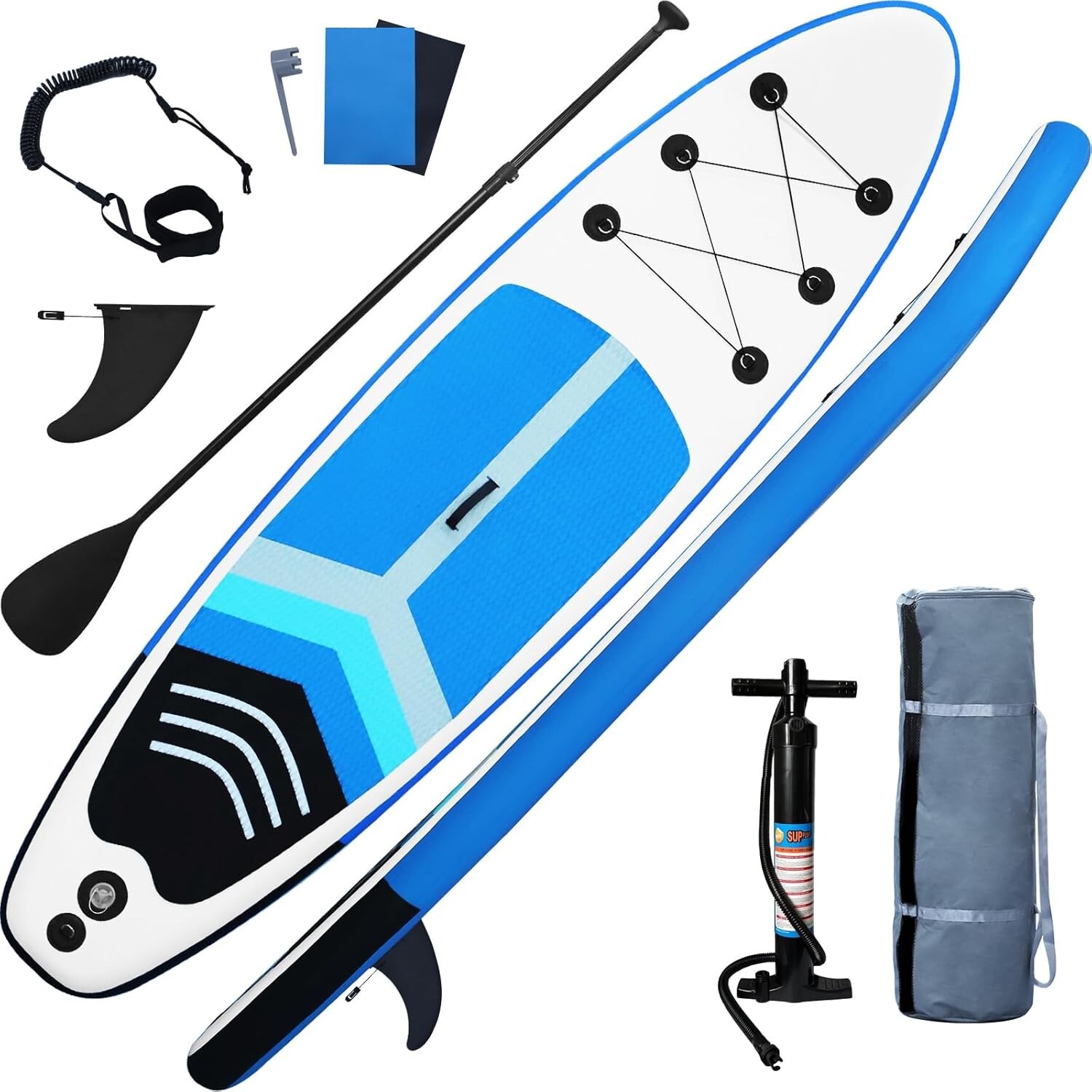 Inflatable Stand Up Paddle Board SUP w/ Bag & Accessories,Surf Control,Non-slip$90.00
 View on eBay
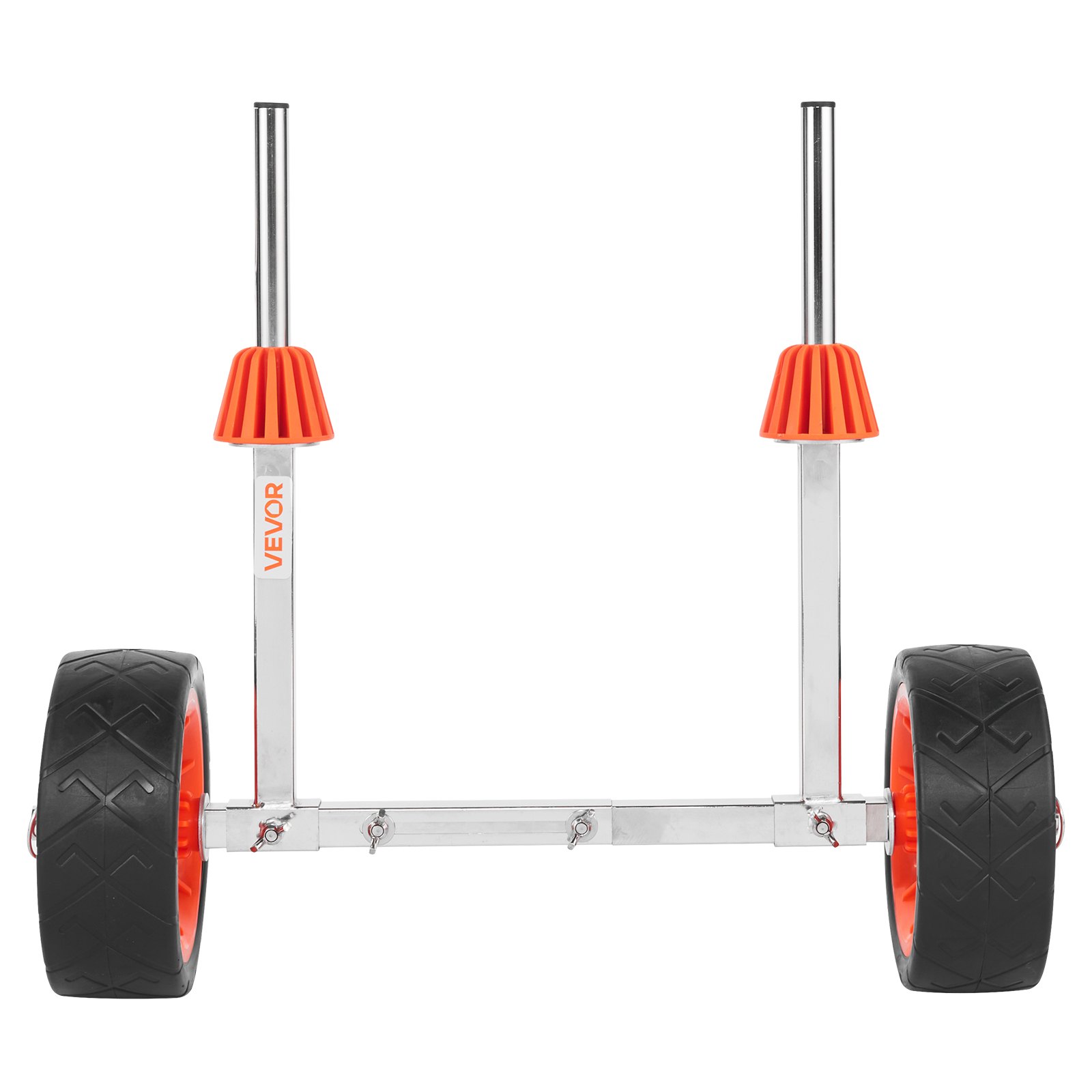 Kayak Cart, 250 Lbs Load Capacity, Canoe Dolly With 7.5-inch Solid Rubber Tires & Kickstand, Assembles & Disassembles Within Seconds, Paddle Board Trolley For Kayaks, Canoes, Paddleboards$47.99
 View on Mallflare
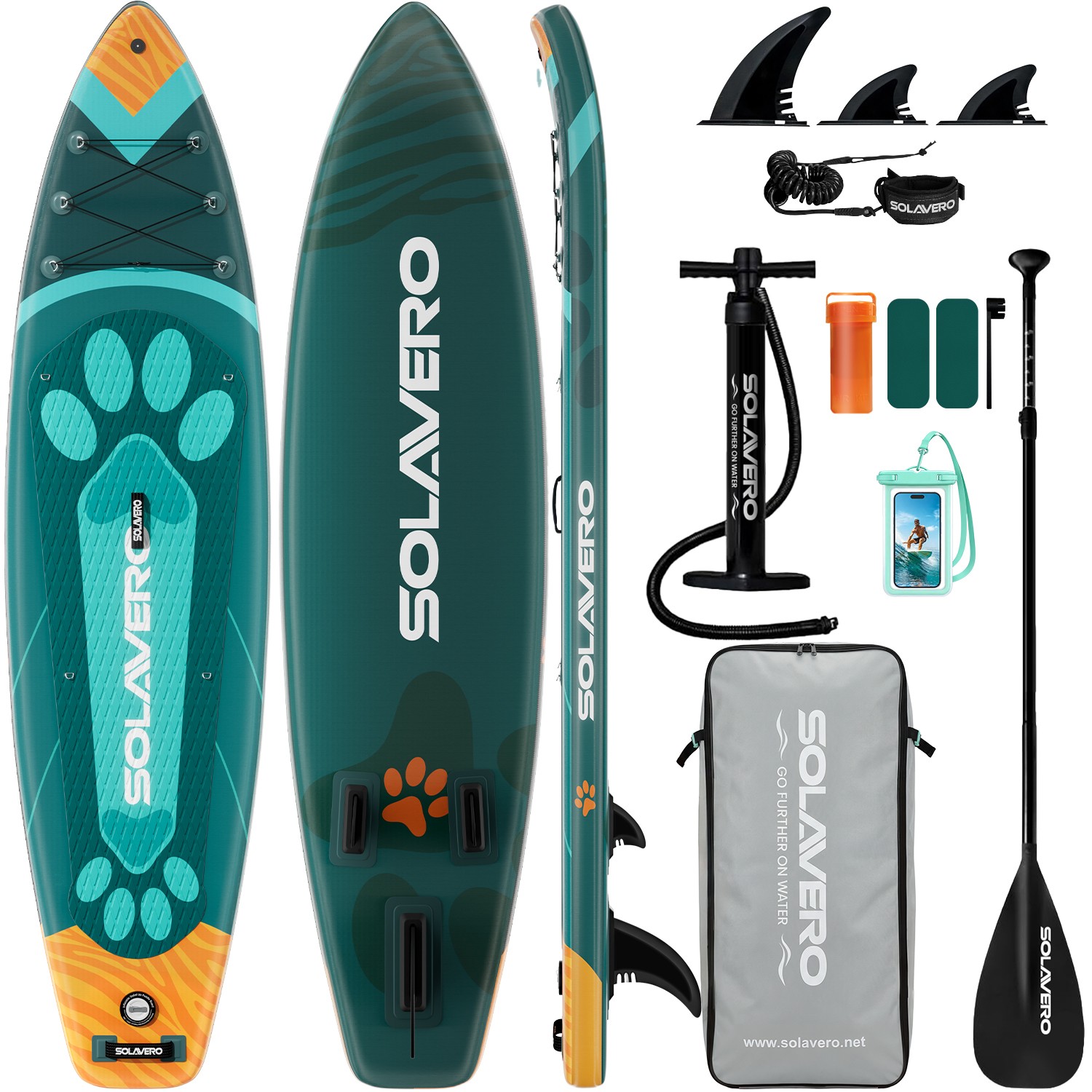 Inflatable Stand Up Paddle Board with SUP Accessories, 10'6" SUP Board or Adults$139.99View on eBay
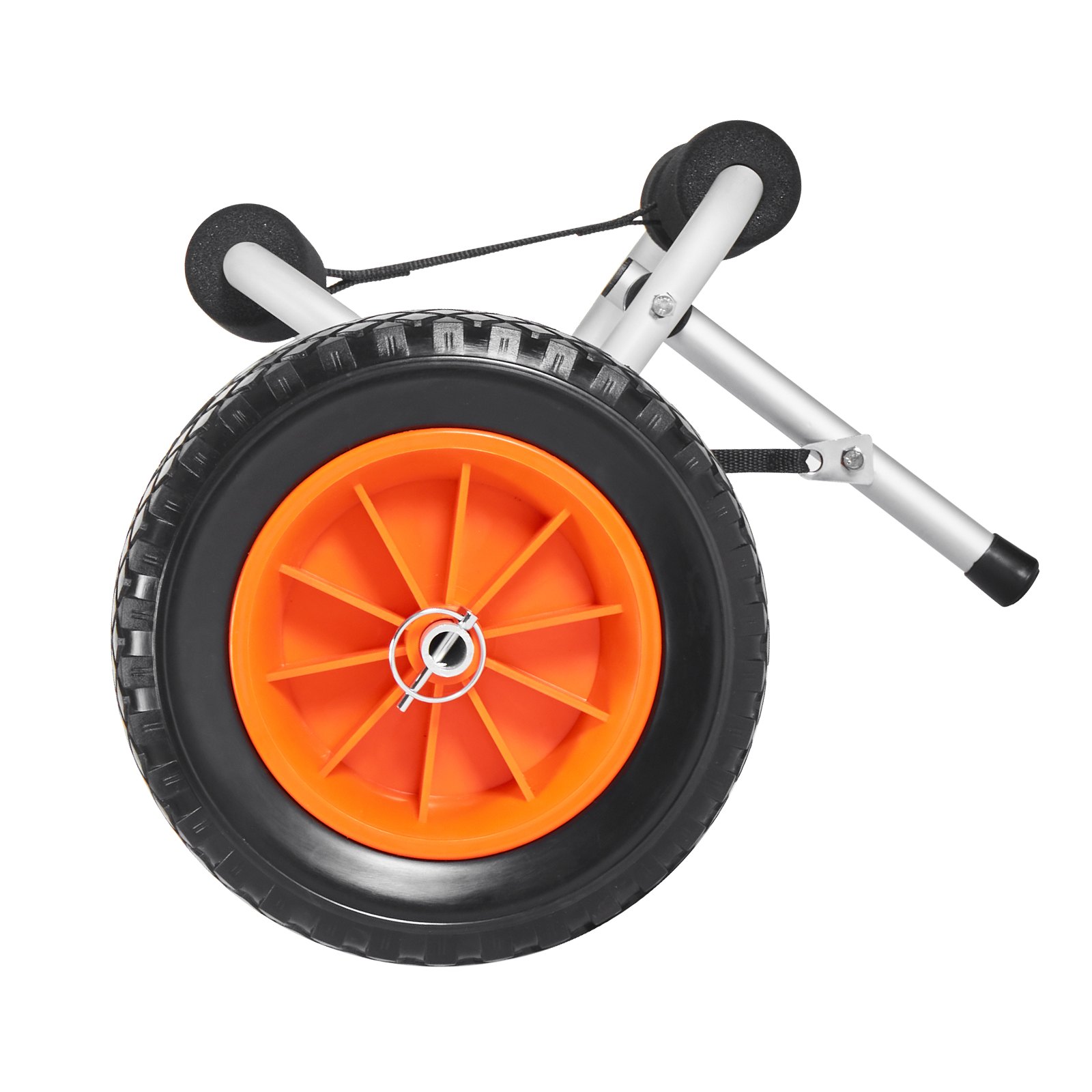 Kayak Cart, 200 Lbs Load Capacity, Foldable Trolley With 10-inch Solid Rubber Tires & 1 Ratchet Strap, Paddle Board For Carrying Kayaks, Canoes, Paddleboards, Float Mats, Jon Boats$57.99View on Mallflare
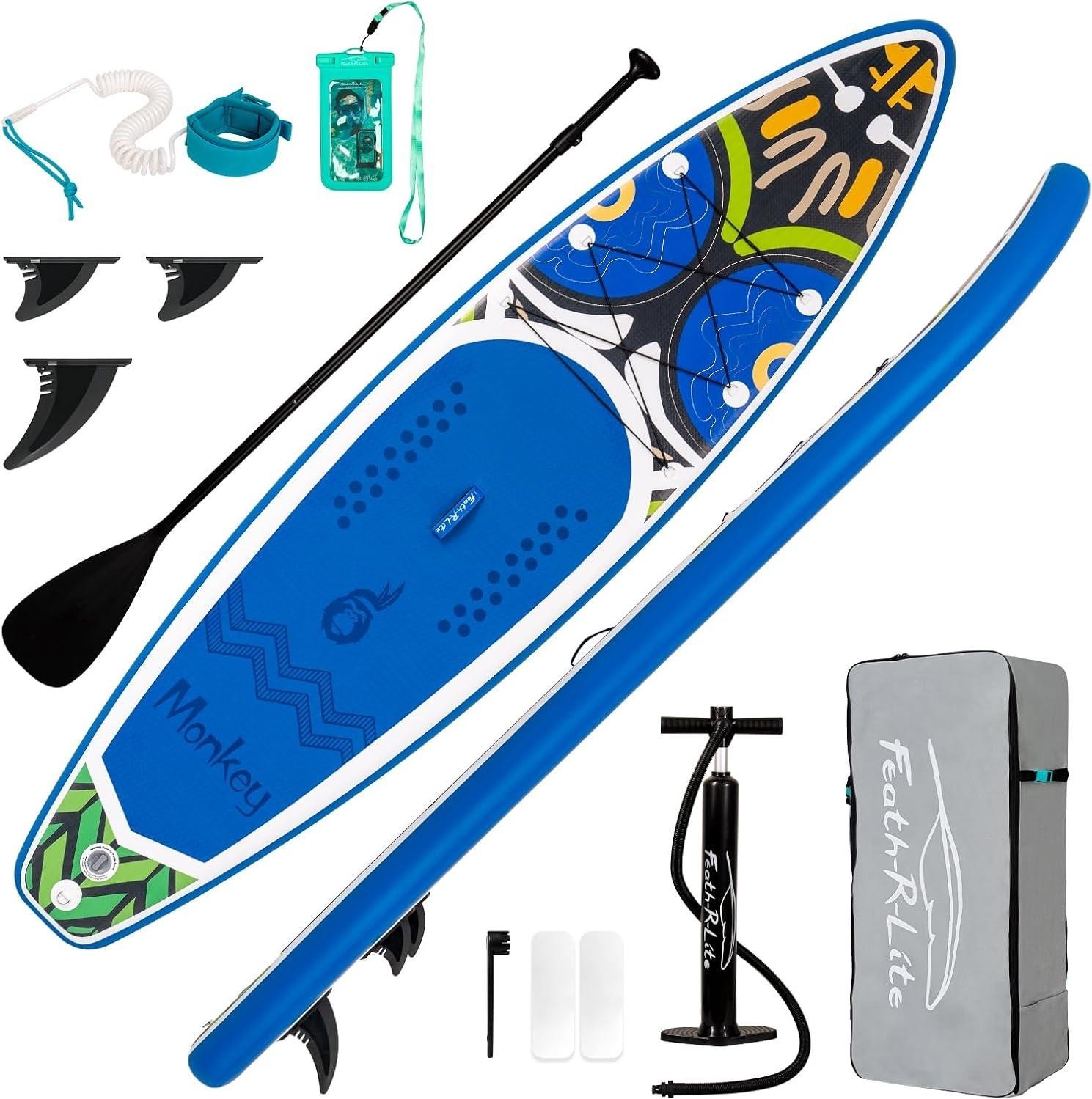 Inflatable Stand Up Paddle Board with Beginner SUP Accessories | 10’6’’/11'$156.58View on eBay
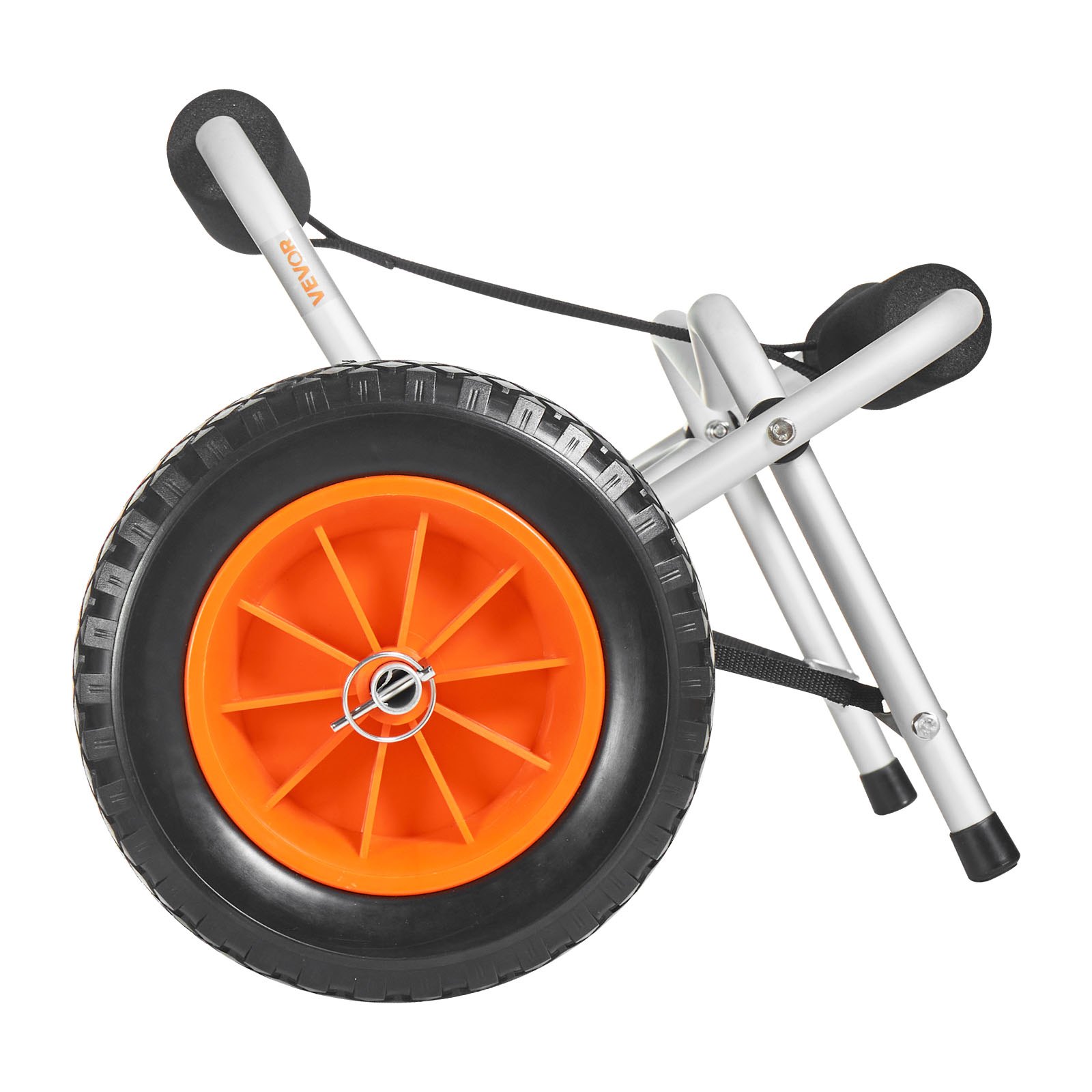 Kayak Cart, 250 Lbs Load Capacity, Foldable Trolley With 10-inch Solid Rubber Tires & 1 Ratchet Strap, Paddle Board For Carrying Kayaks, Canoes, Paddleboards, Float Mats, Jon Boats$66.99View on Mallflare
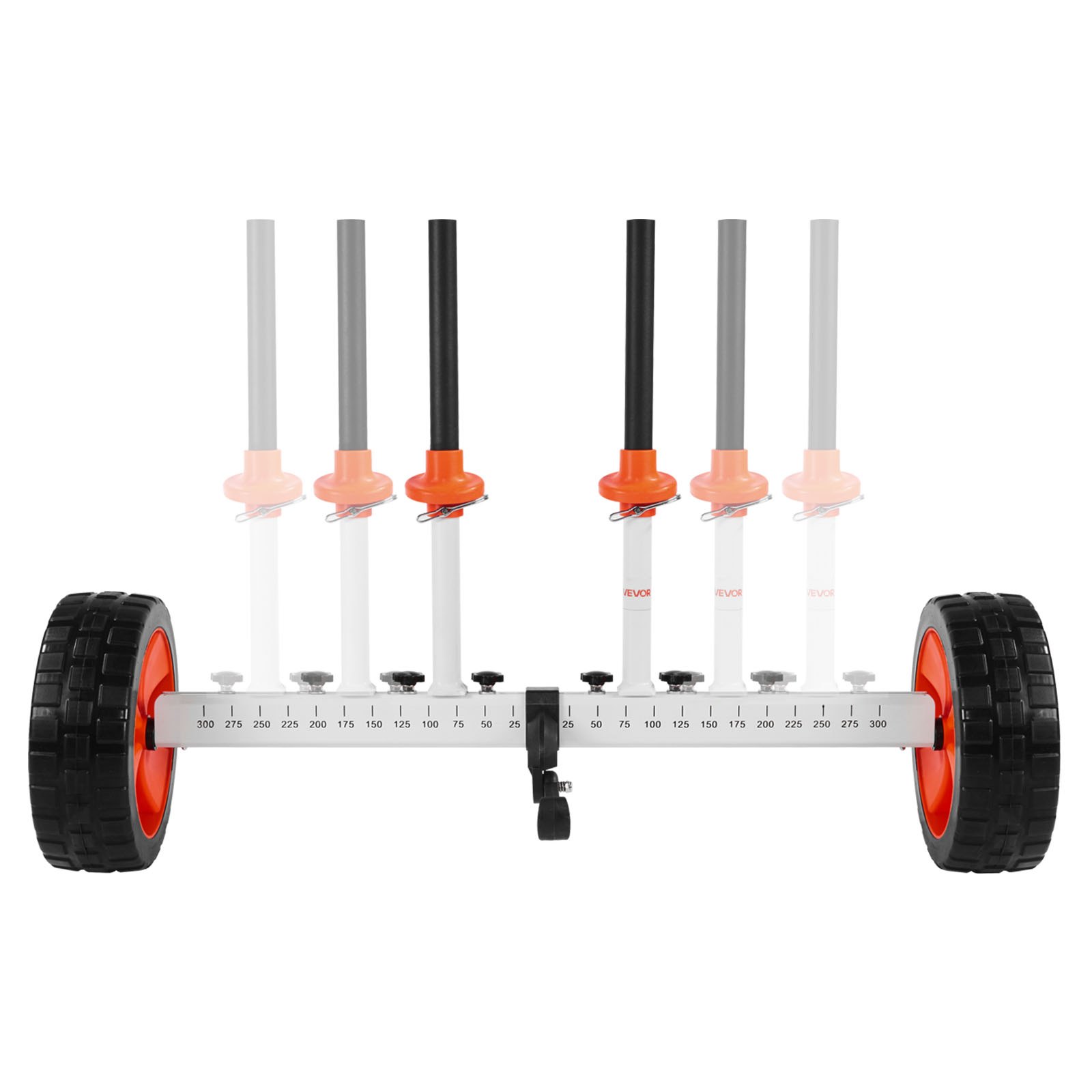 Kayak Cart, 230 Lbs Load Capacity, Canoe Dolly With 10-inch Solid PU Tires & Kickstand, Assembles & Disassembles Within Seconds, Paddle Board Trolley For Kayaks, Canoes, Paddleboards$67.99View on Mallflare
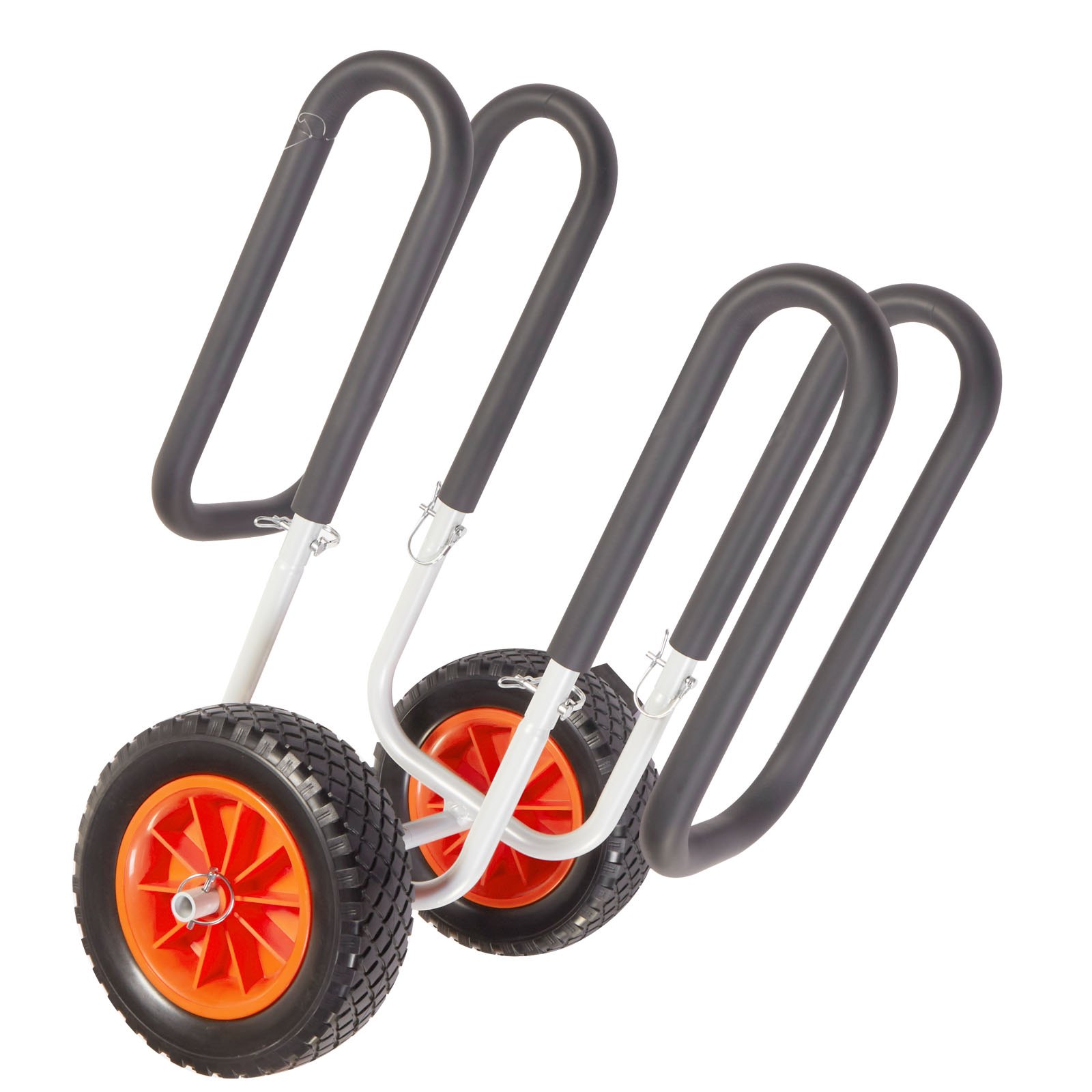 Kayak Cart, 150 Lbs Load Capacity, Stand Up Paddle Board Trolley With 10-inch Solid Rubber Tires & Kickstands, Carrier Ratchet Strap For Paddleboard & Surfboard Transport$86.99View on Mallflare
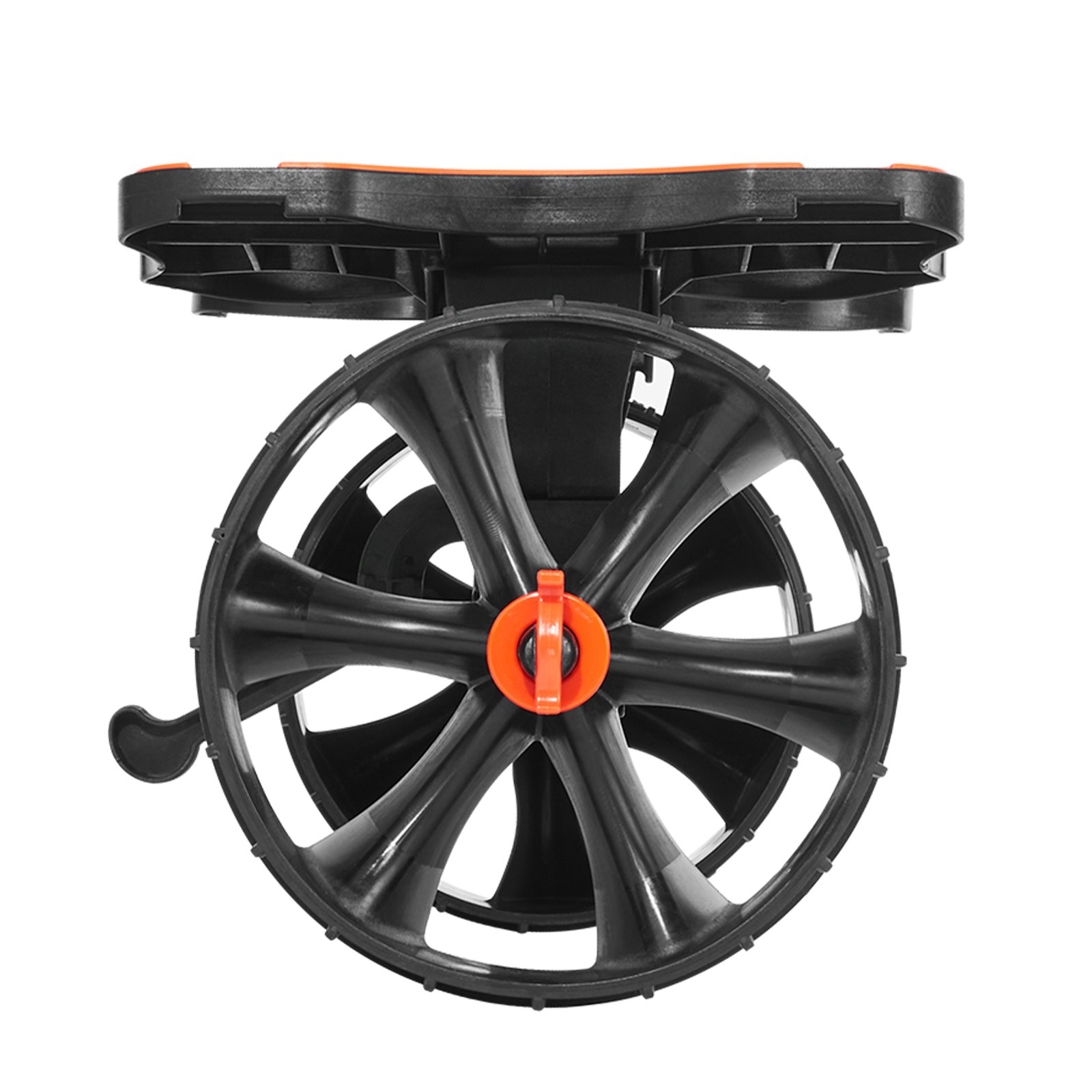 Kayak Cart, 300 Lbs Load Capacity, Foldable Trolley With 10-inch Solid Rubber Tires & 1 Ratchet Strap, Paddle Board For Carrying Kayaks, Canoes, Paddleboards, Float Mats, Jon Boats$103.99View on Mallflare
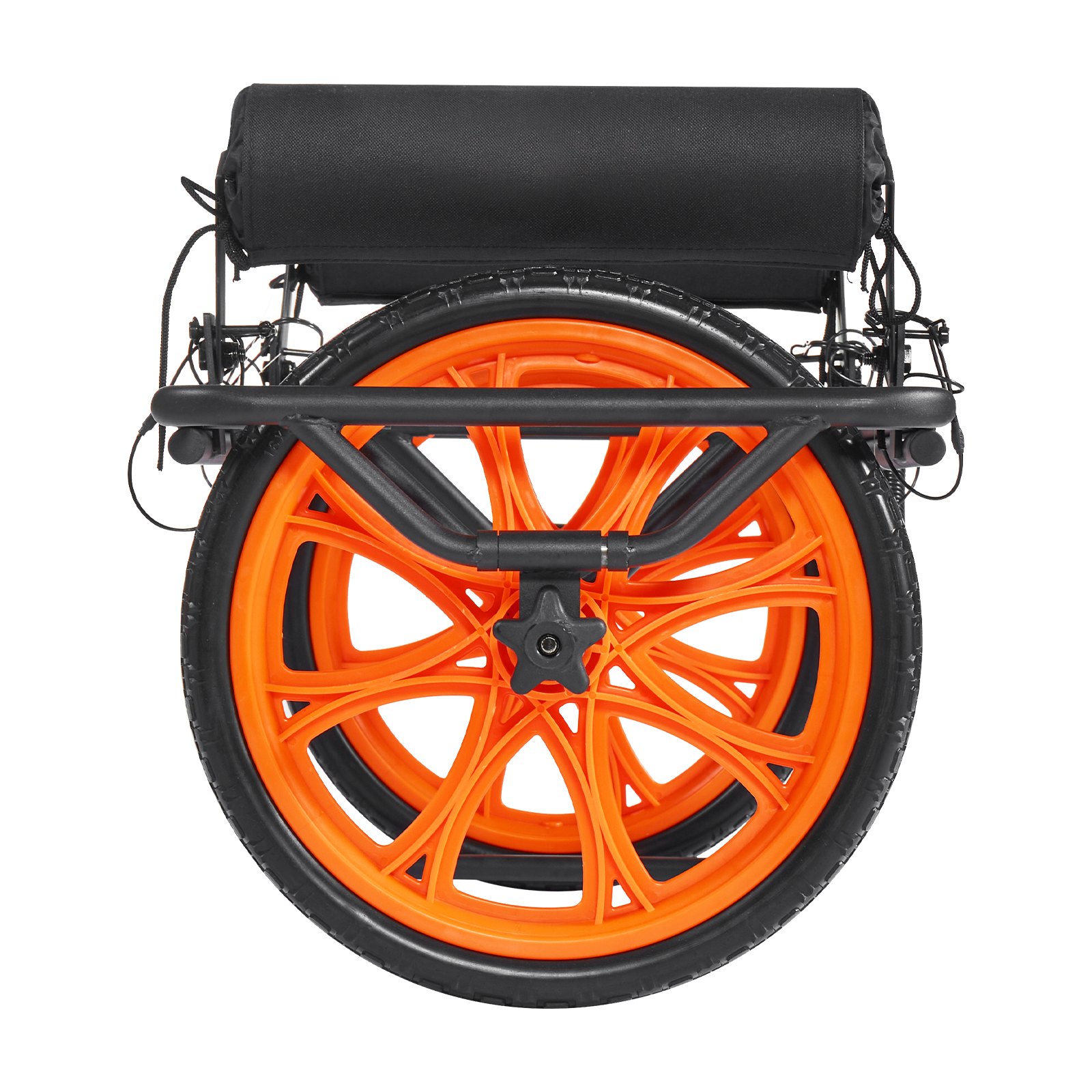 Kayak Cart, 330 Lbs Load Capacity, Canoe Dolly With 15-inch Solid Rubber Tires & Kickstand, Assembles & Disassembles Within Seconds, Paddle Board Trolley For Kayaks, Canoes, Paddleboards$118.99View on Mallflare
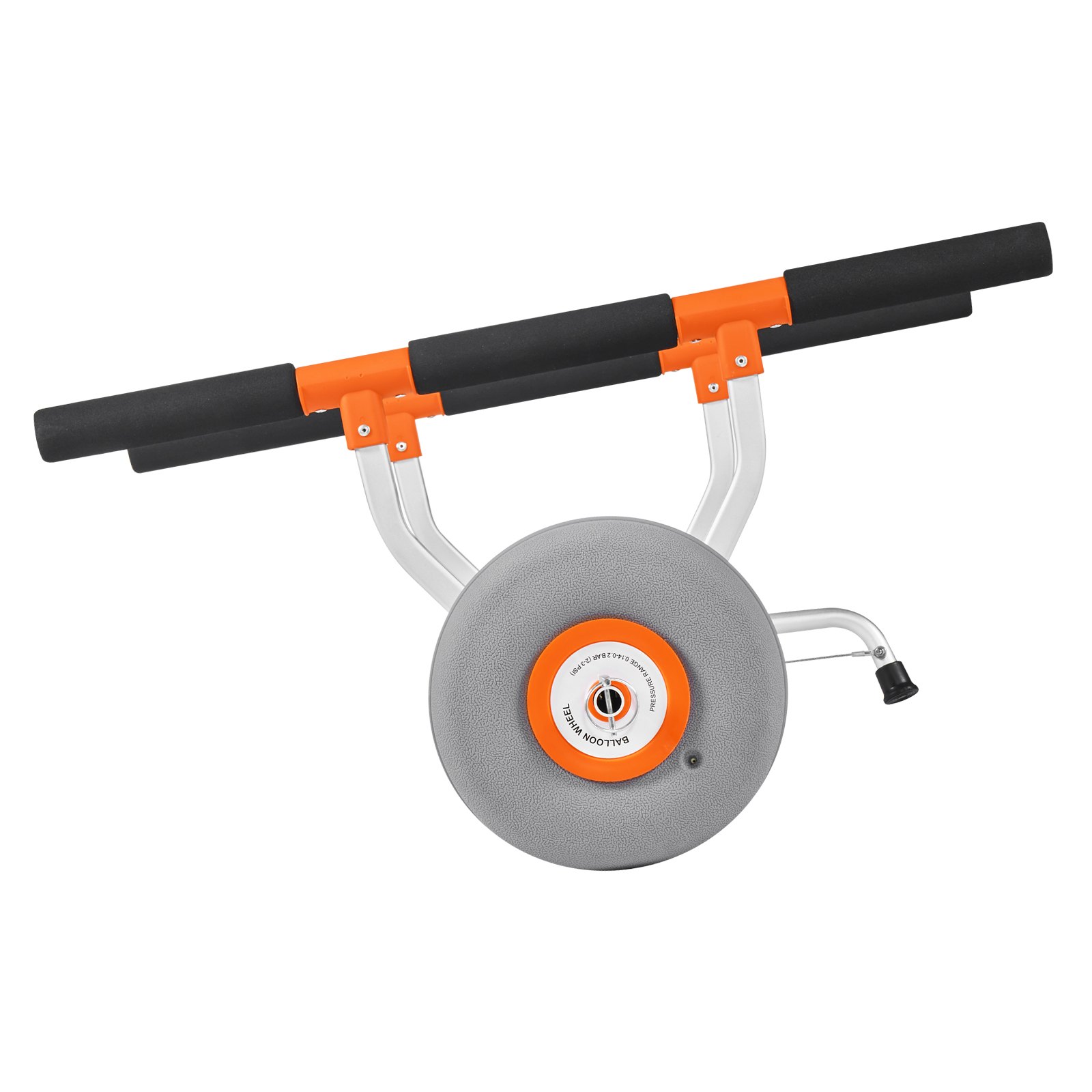 Kayak Cart, 350 Lbs Load Capacity, Trolley With 12-inch Inflatable PU Tires & 2 Straps, Assembles & Disassembles Within Seconds, Paddle Board For Carrying Kayaks And Canoes$152.99View on Mallflare
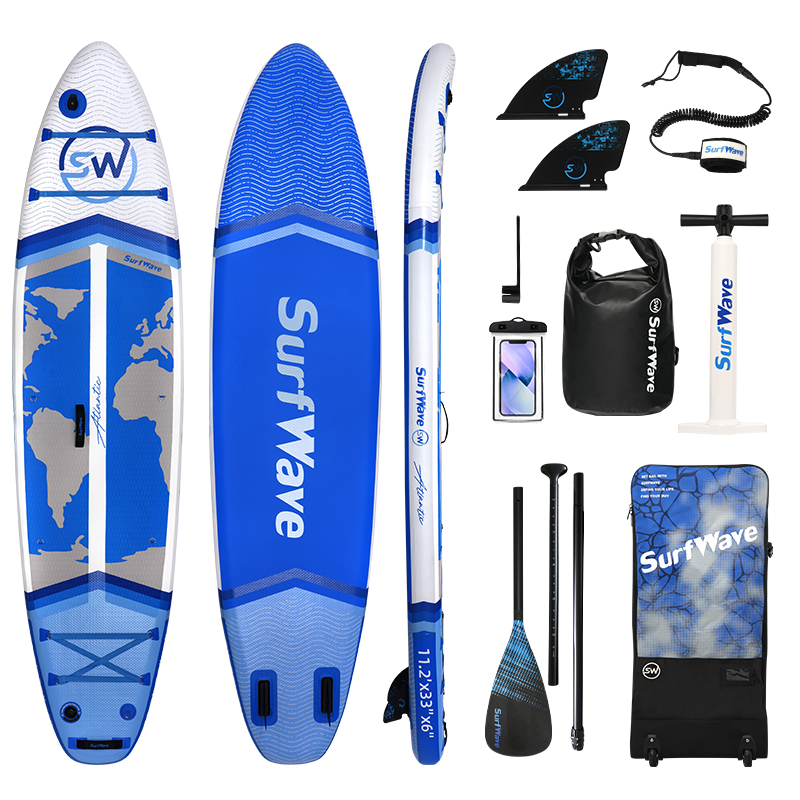 Inflatable Stand Up Paddle Board 11'x34"x6" With Accessories$250.99View on Mallflare
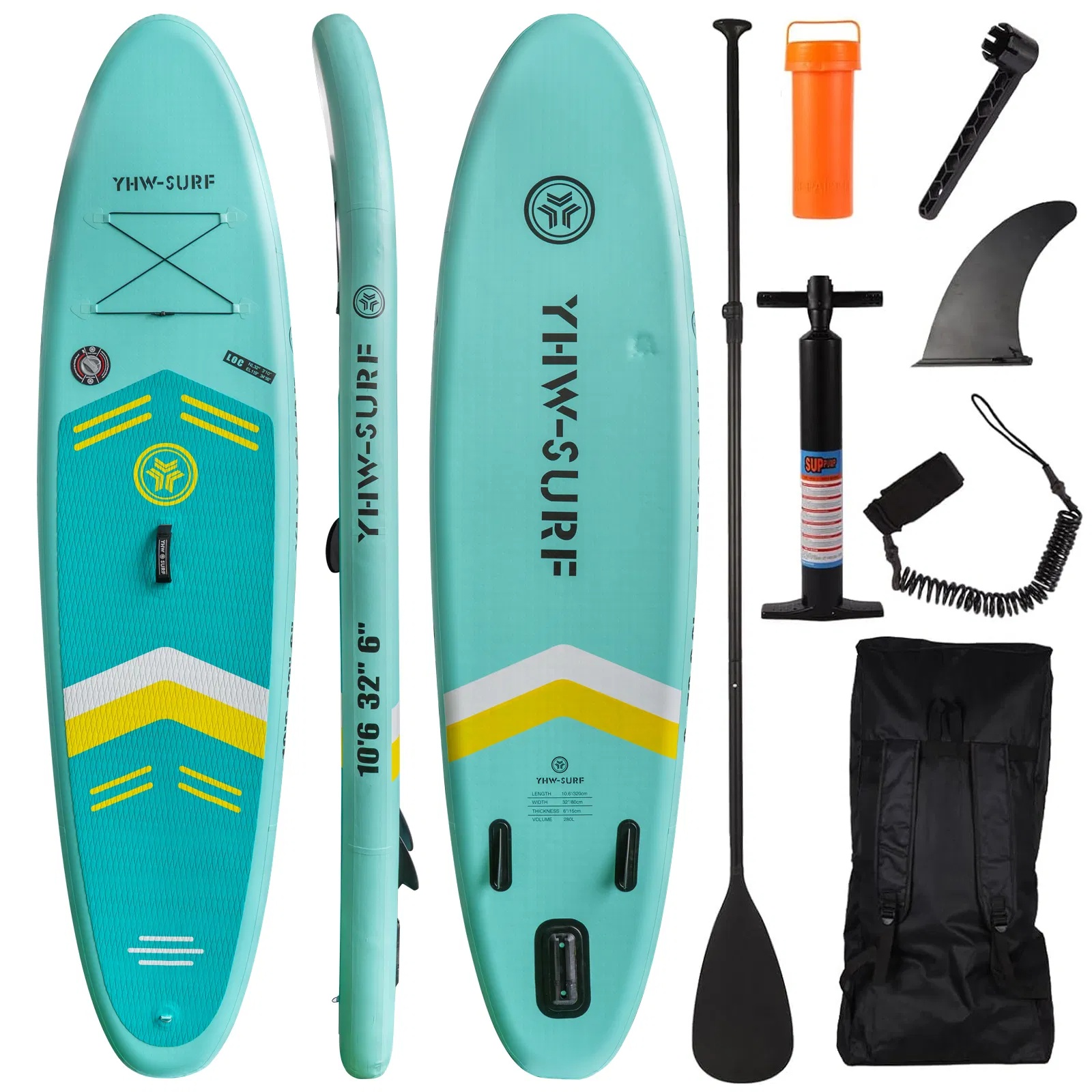 10 6 Inflatable Stand Up Paddle Board With Free Premium SUP Accessories & Backpack$311.99View on Mallflare
Highlights
- Inflatable SUPs use drop-stitch PVC rated 12-15 PSI; boards holding 15 PSI and 6-inch thickness track straighter and flex less than 4-inch, 10 PSI boards.
- Seat attachment uses D-rings bonded to the deck or rail; load-bearing seats need two or four reinforced D-rings with PVC patches, not glued-on loops.
- Rigid boards are EPS foam core with epoxy or PET sandwich skin; they paddle faster but require roof transport and ding repair.
- Kayak-style seats with high backrests and adjustable straps need a board at least 32 inches wide and 300+ lb capacity for stable seated paddling.
Best use cases
- Best fit: anglers and casual paddlers wanting sit-down stability choose a 10'6"–11'6" inflatable, 32–34 inches wide, 6-inch thick, 300+ lb capacity, with four D-ring seat mounts.
- Best fit: fitness paddlers who mostly stand but want occasional seated rest pick a 12'6" touring inflatable or rigid board with a low-profile strap seat to avoid paddle-stroke interference.
- Wrong fit: whitewater or surf use—seat-equipped SUPs are too wide and buoyant; choose a dedicated kayak or surf SUP without a seat.
- Wrong fit: long-distance kayak touring—a paddleboard seat leaves legs unsupported and wet; a sit-on-top kayak is the correct hull.
Buying tips
- Match board volume to weight: rider plus gear weight should be no more than 70% of stated capacity for seated stability and dry deck.
- Choose 6-inch thickness and 15 PSI max for riders over 200 lb; 4-inch boards sink at the tail when seated.
- Seat D-rings must be backed with PVC patches or through-bolted on rigid boards; glued fabric loops pull off under seated load.
- Board width of 32 inches or more is needed for a high-back kayak seat; narrower boards tip when shifting weight seated.
Specs
| Hull Construction | Drop-stitch PVC vs EPS/epoxy |
|---|---|
| Inflation Pressure | 12–15 PSI (6-inch thick) |
| Seat Mount Type | 2–4 reinforced D-rings |
| Board Width | 32–34 in for seated stability |
Related searches
What to check before buying
- Measure your vehicle and storage: deflated inflatable packs to about 3 feet; rigid 11-foot boards need roof racks or a truck bed.
- Confirm rider weight plus gear is under 70% of the board's stated capacity, especially for seated use.
- Check the seat mount type: four D-rings for a kayak-style seat, two for a simple backrest, and ensure patches are reinforced.
- Verify included accessories: pump with pressure gauge, adjustable paddle (longer for seated use), leash, and fin set.
FAQ
Data sources: eBay / Amazon listings and product attribute feeds Data updated Nov 16, 2026.
Some links on this page are affiliate links. If you buy after clicking one, we may earn a commission at no extra cost to you. This does not change which products appear here or their order. Affiliate disclosure.