Photos from current listings. Actual item, color, and included accessories may vary.
Paddle Kayak Buying Guide
Paddle kayaks are human-powered craft where the paddle, not the hull, defines efficiency and fatigue; buyers must choose between lightweight asymmetric blades with stiff shafts and heavy symmetric blades on flexy shafts. The decisive rule: pick a paddle whose length matches your torso and boat beam, whose shaft material matches your stroke power, and whose blade material survives your launch environment; skip one-size-fits-all aluminum recreational paddles if you paddle more than a few hours per season.

At a glance
- Category
- Human-Powered Water Sports
- Data updated
- Nov 16, 2026
Current offers
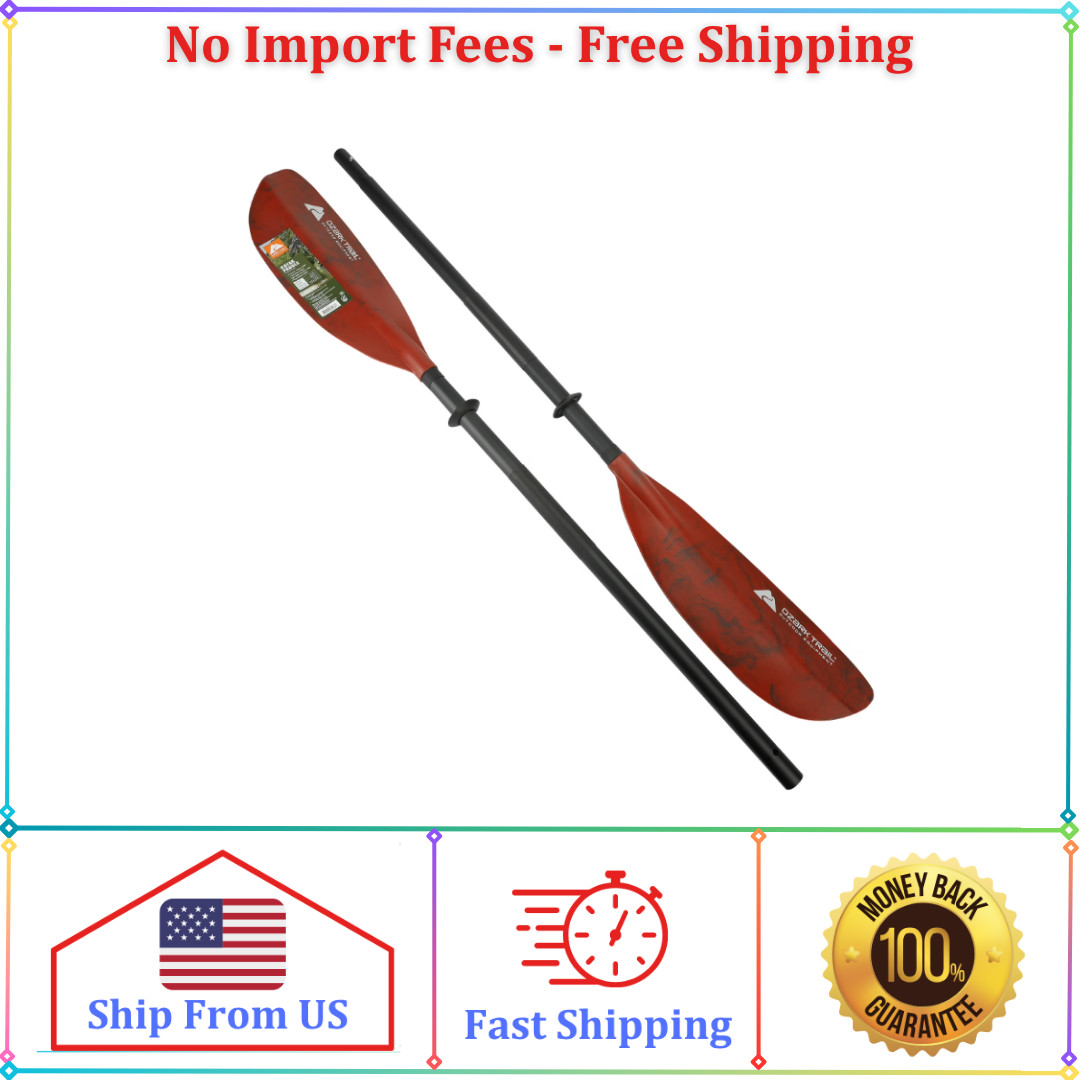 Ozark Trail Adult Aluminum Kayak Paddle, 94.5 inch Red and Gray$22.00
 View on eBay
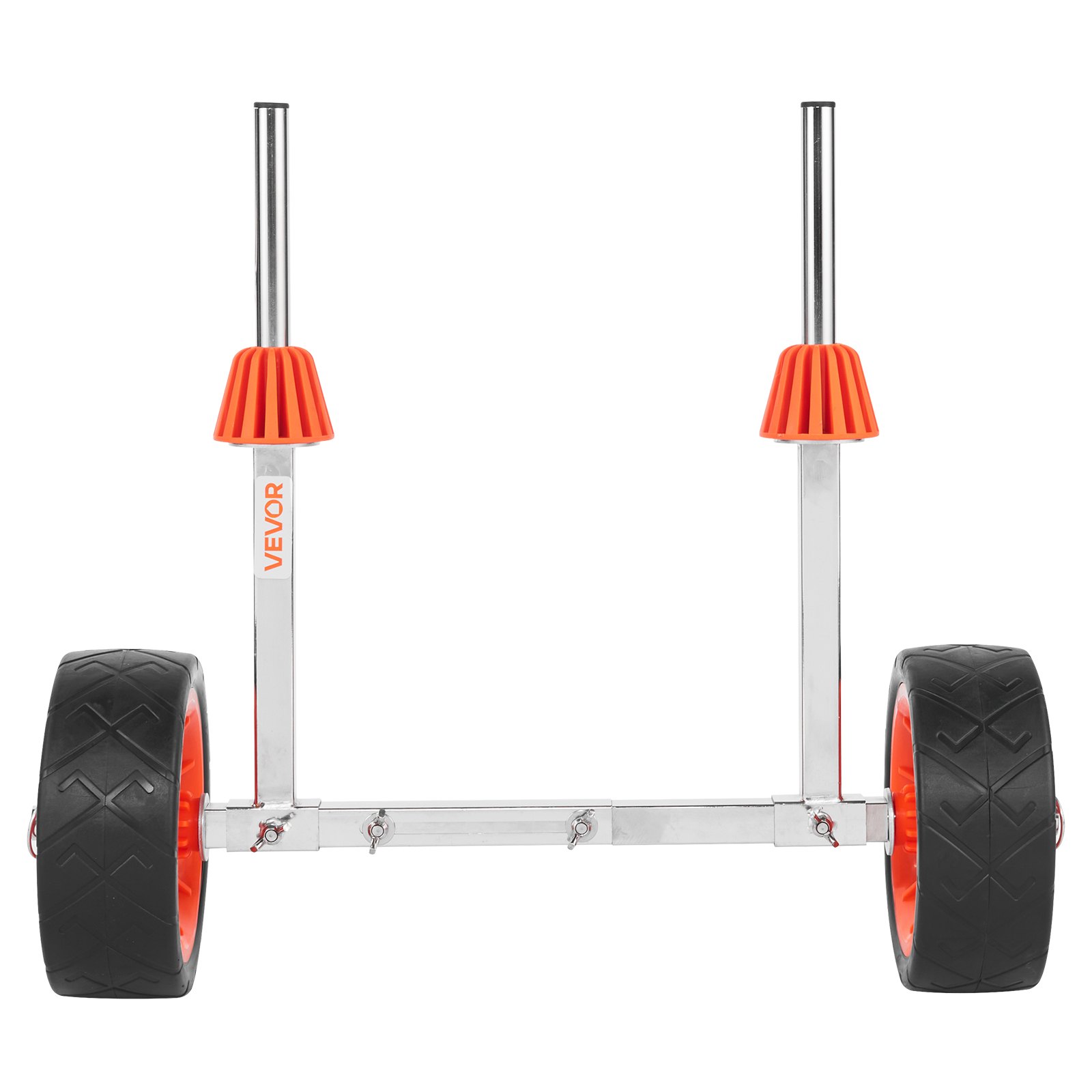 Kayak Cart, 250 Lbs Load Capacity, Canoe Dolly With 7.5-inch Solid Rubber Tires & Kickstand, Assembles & Disassembles Within Seconds, Paddle Board Trolley For Kayaks, Canoes, Paddleboards$47.99
 View on Mallflare
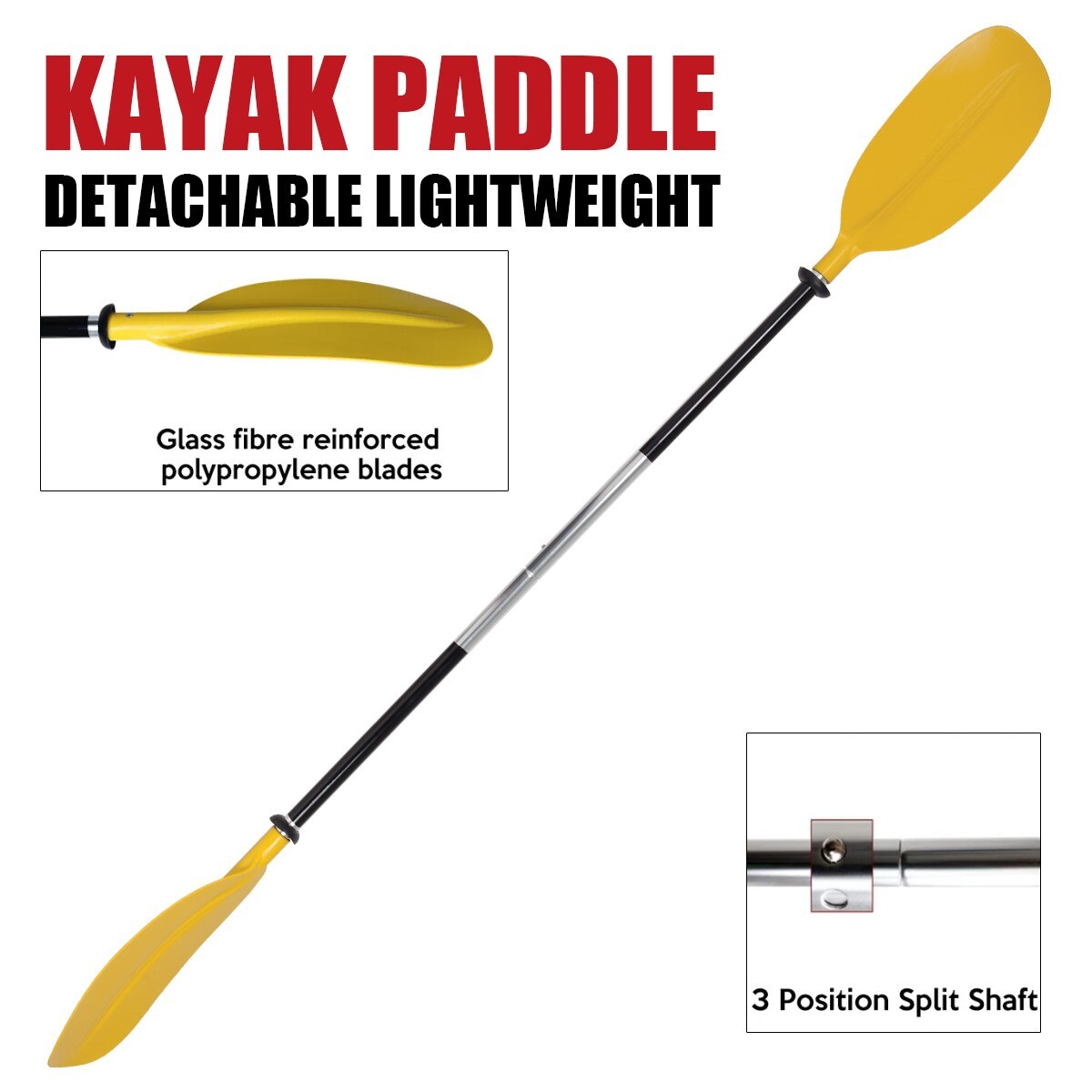 Oceansouth Aluminum Kayak Paddle Yellow Asymmetric Detachable Lightweight Canoe$27.12View on eBay
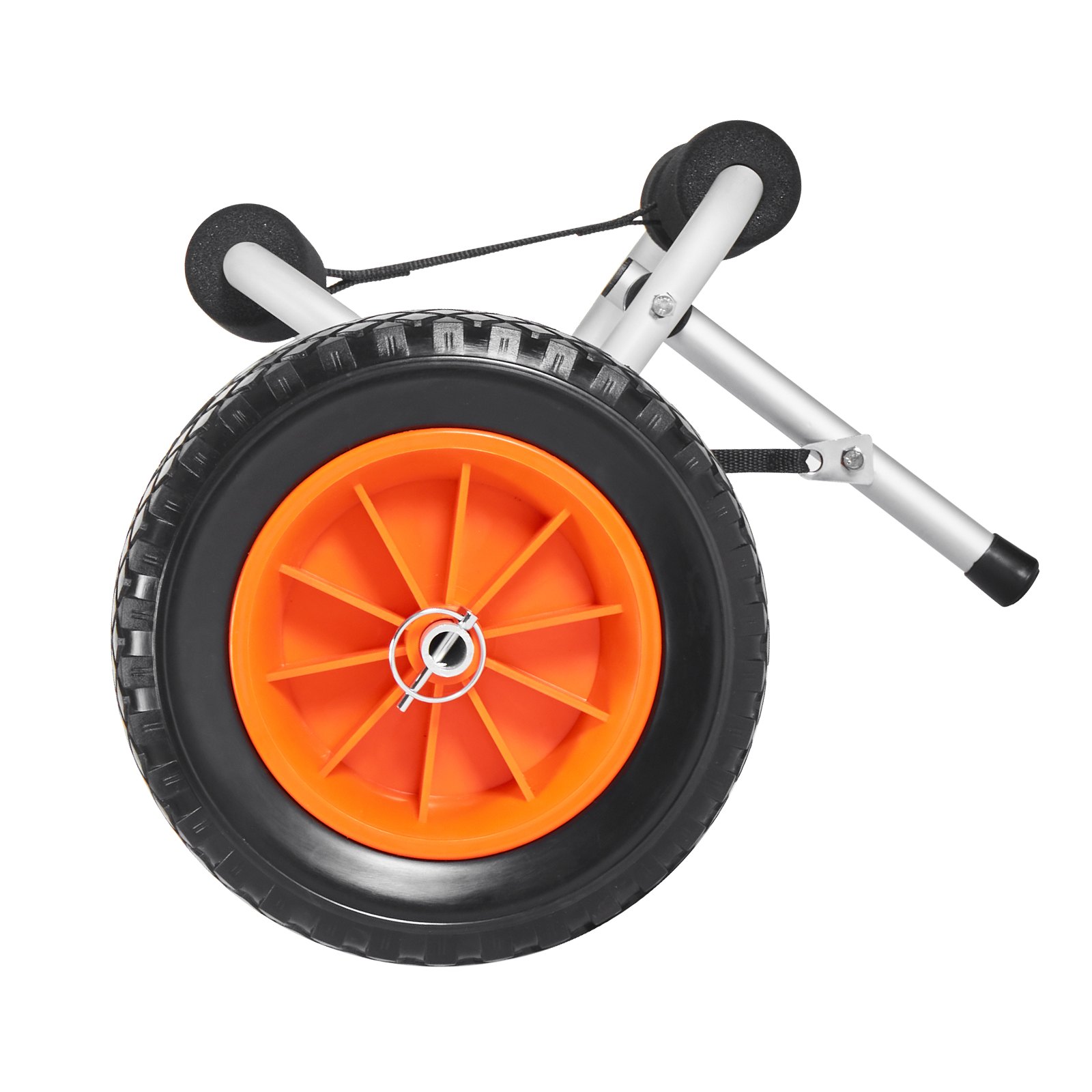 Kayak Cart, 200 Lbs Load Capacity, Foldable Trolley With 10-inch Solid Rubber Tires & 1 Ratchet Strap, Paddle Board For Carrying Kayaks, Canoes, Paddleboards, Float Mats, Jon Boats$57.99View on Mallflare
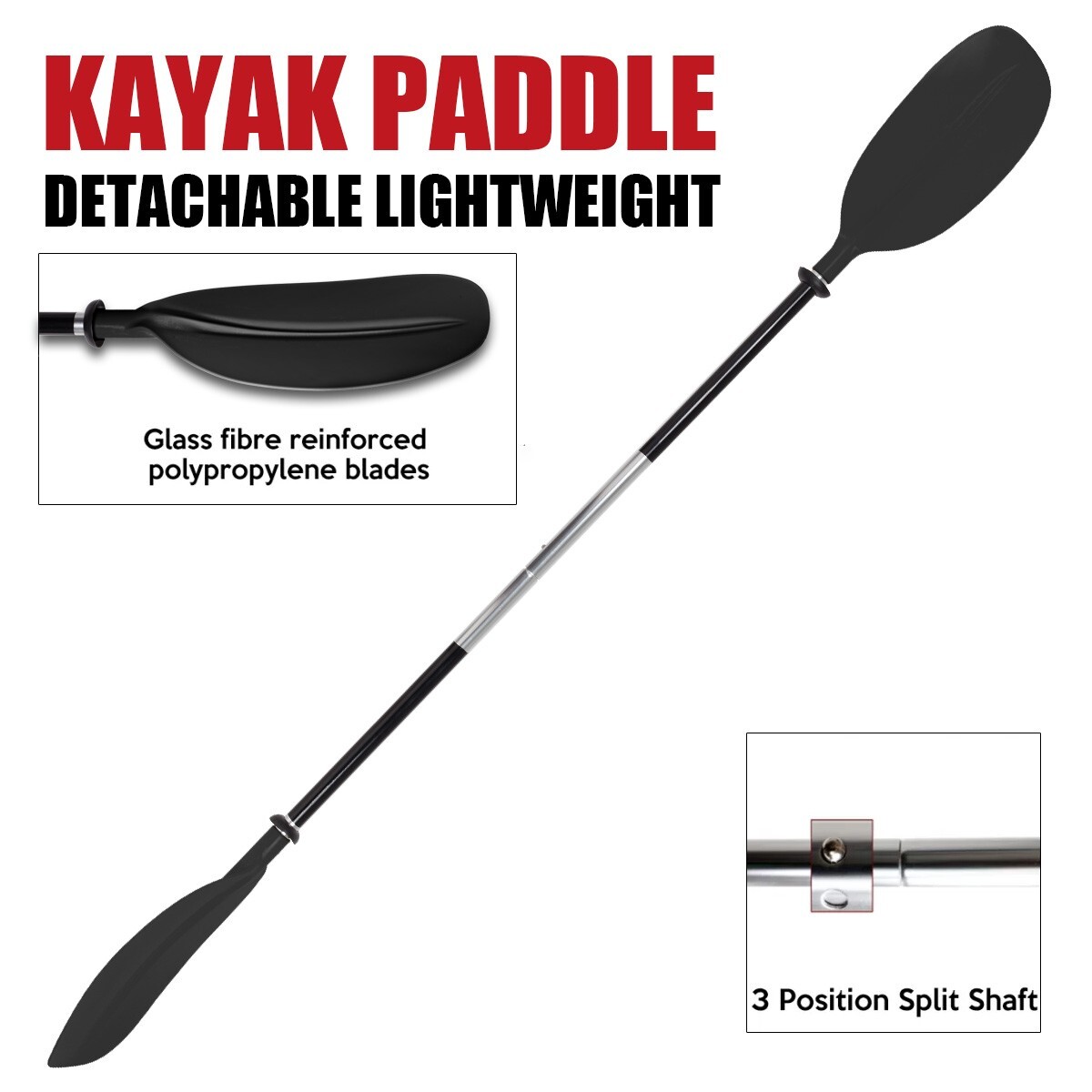 Oceansouth Aluminum Kayak Paddle Black Asymmetric Detachable Lightweight Canoe$27.93View on eBay
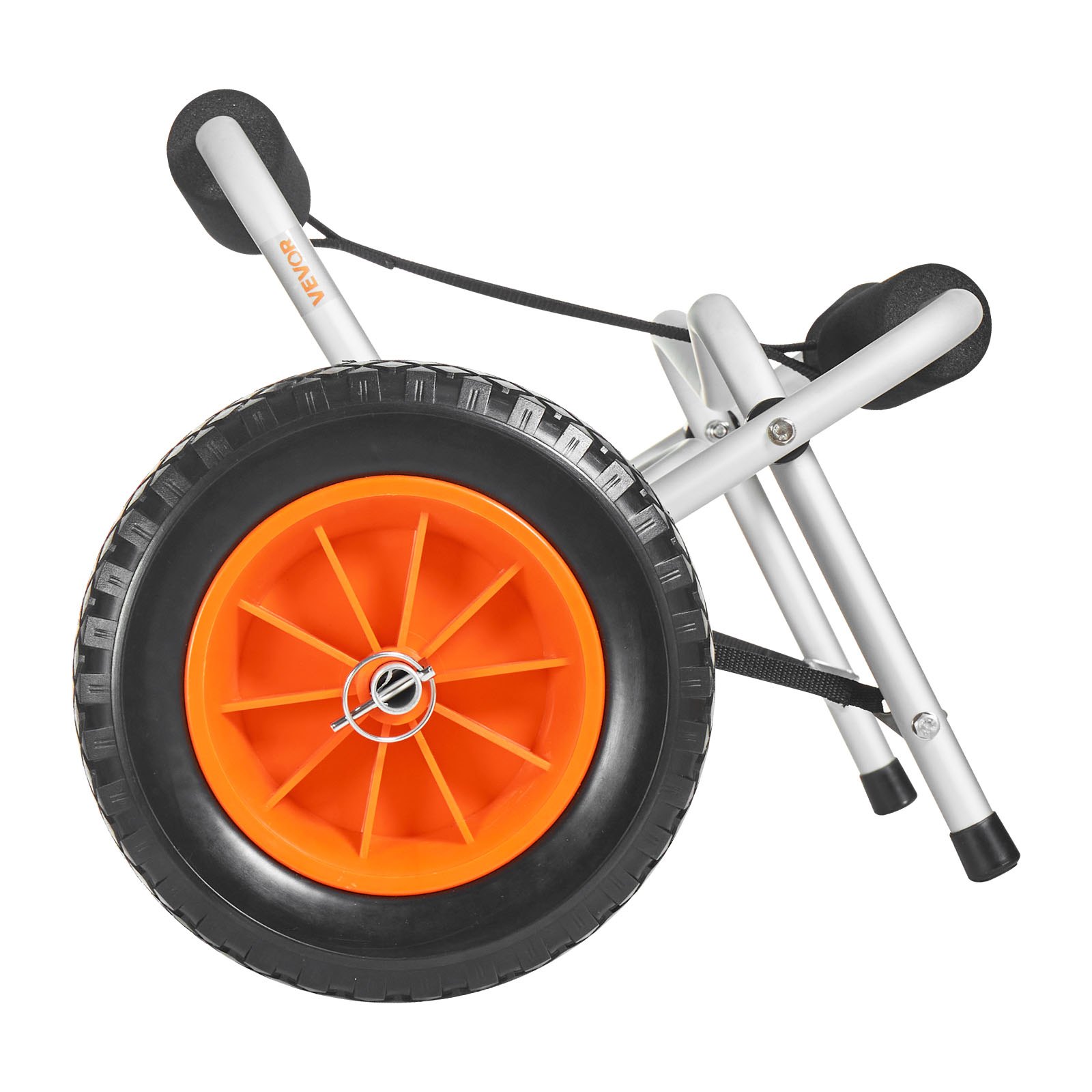 Kayak Cart, 250 Lbs Load Capacity, Foldable Trolley With 10-inch Solid Rubber Tires & 1 Ratchet Strap, Paddle Board For Carrying Kayaks, Canoes, Paddleboards, Float Mats, Jon Boats$66.99View on Mallflare
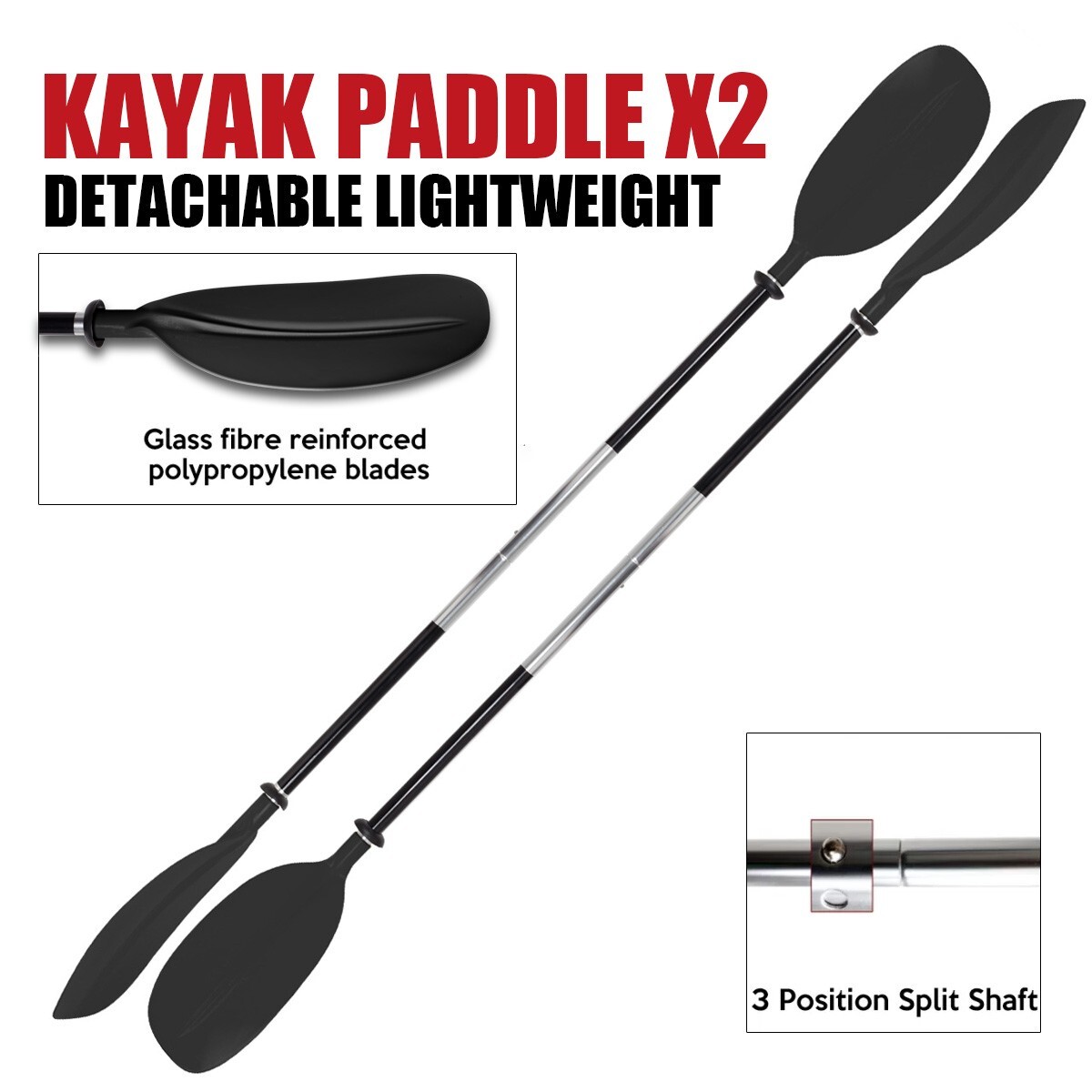 Oceansouth Kayak Paddles Black, Aluminum Asymmetric (Split Shaft) x 2$46.40View on eBay
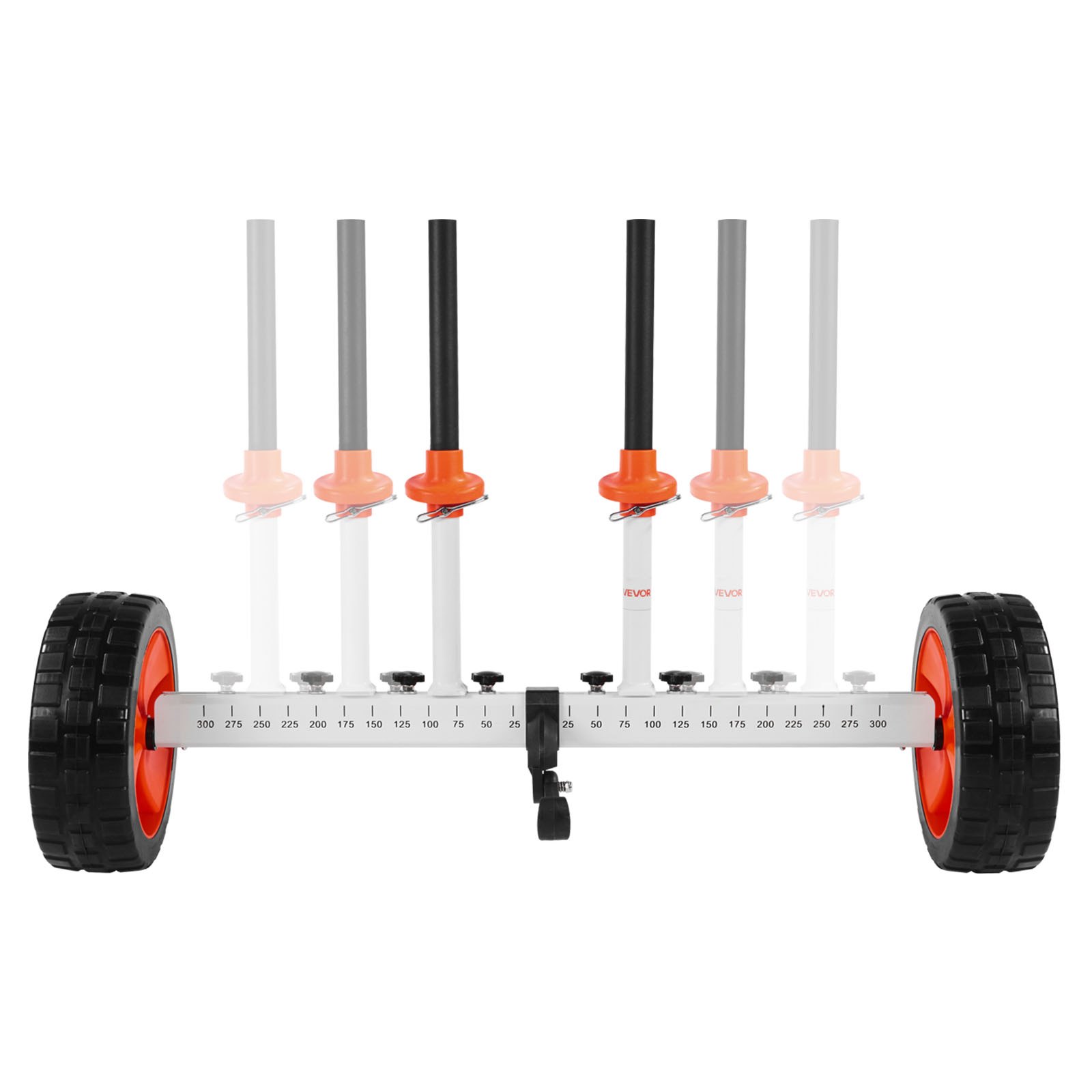 Kayak Cart, 230 Lbs Load Capacity, Canoe Dolly With 10-inch Solid PU Tires & Kickstand, Assembles & Disassembles Within Seconds, Paddle Board Trolley For Kayaks, Canoes, Paddleboards$67.99View on Mallflare
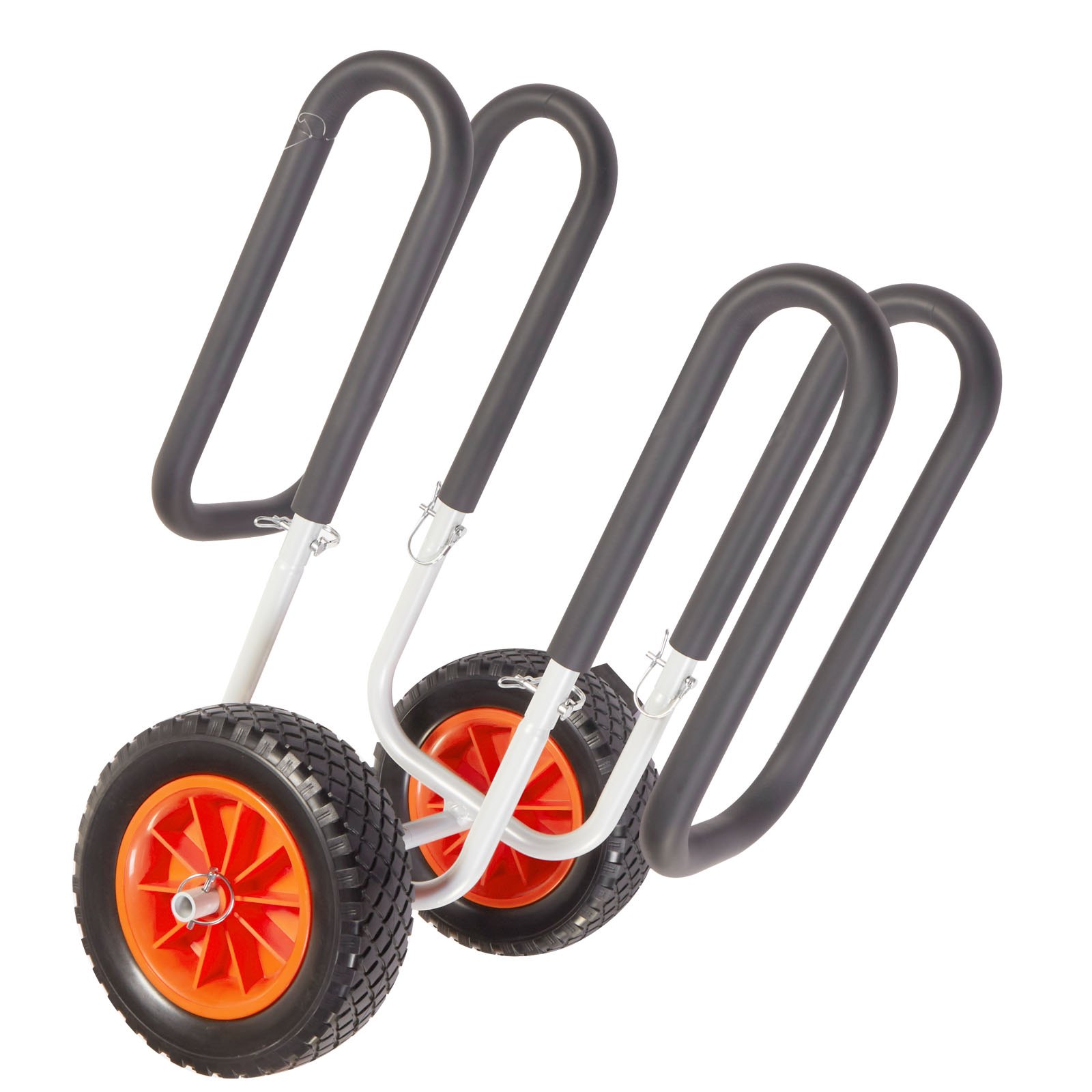 Kayak Cart, 150 Lbs Load Capacity, Stand Up Paddle Board Trolley With 10-inch Solid Rubber Tires & Kickstands, Carrier Ratchet Strap For Paddleboard & Surfboard Transport$86.99View on Mallflare
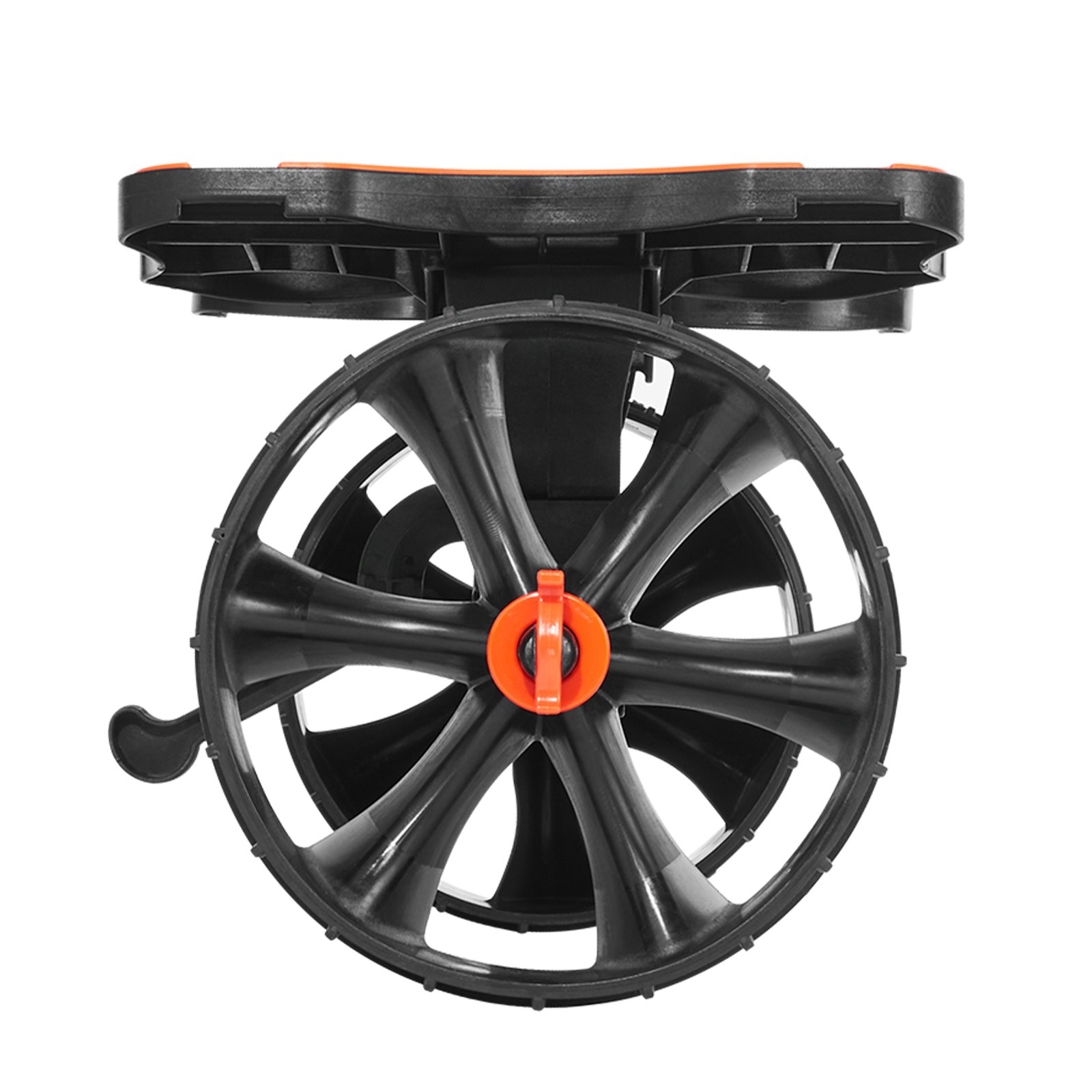 Kayak Cart, 300 Lbs Load Capacity, Foldable Trolley With 10-inch Solid Rubber Tires & 1 Ratchet Strap, Paddle Board For Carrying Kayaks, Canoes, Paddleboards, Float Mats, Jon Boats$103.99View on Mallflare
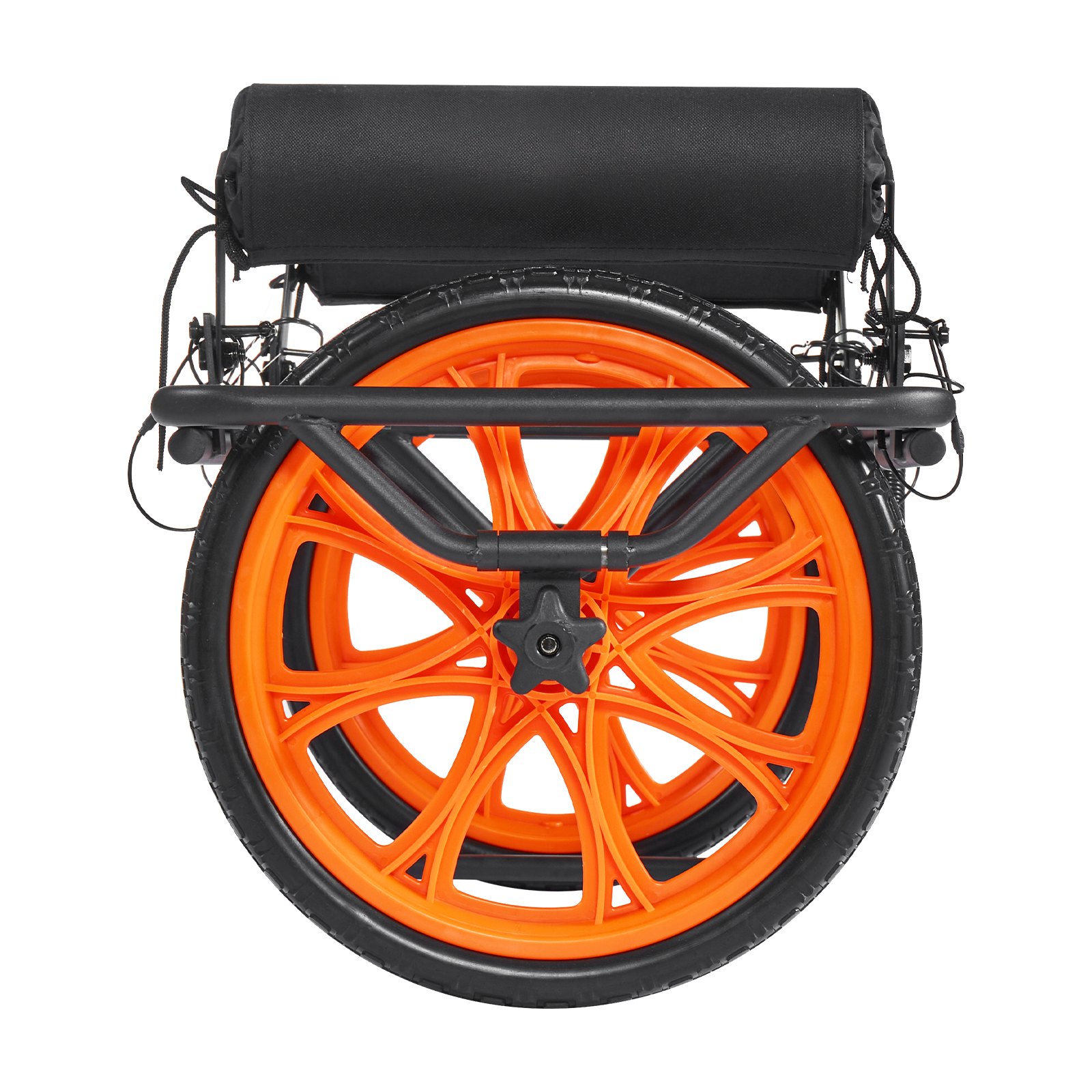 Kayak Cart, 330 Lbs Load Capacity, Canoe Dolly With 15-inch Solid Rubber Tires & Kickstand, Assembles & Disassembles Within Seconds, Paddle Board Trolley For Kayaks, Canoes, Paddleboards$118.99View on Mallflare
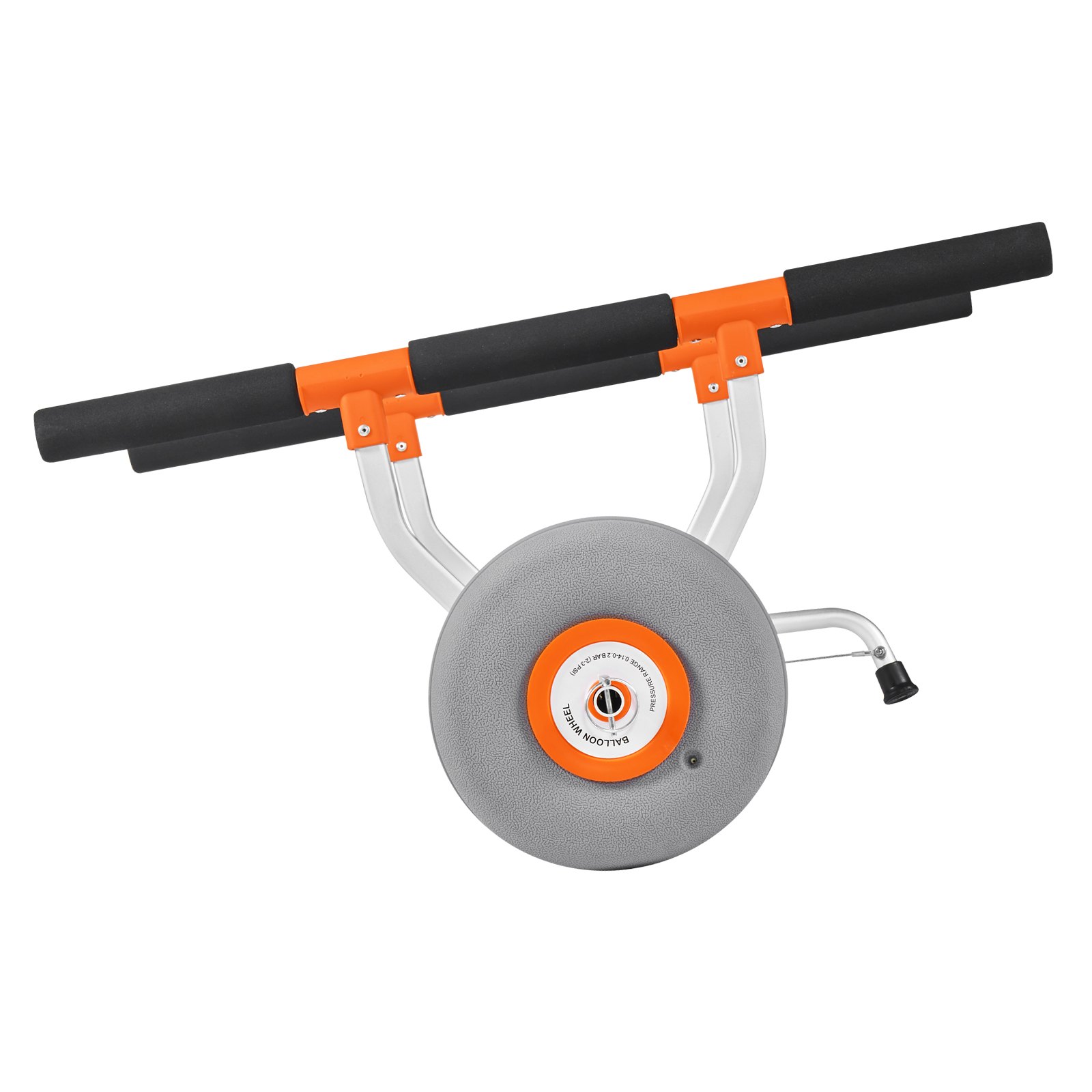 Kayak Cart, 350 Lbs Load Capacity, Trolley With 12-inch Inflatable PU Tires & 2 Straps, Assembles & Disassembles Within Seconds, Paddle Board For Carrying Kayaks And Canoes$152.99View on Mallflare
Highlights
- Shaft material drives fatigue: aluminum is durable and cheap but flexes and corrodes in saltwater; fiberglass and carbon deliver stiffer, lighter strokes at higher cost.
- Blade shape controls cadence: asymmetric dihedral blades track straighter and reduce flutter for touring, while symmetric blades suit lazy rivers and mixed recreational use.
- Feathering and split-shaft adjustability let you set blade offset for wrist comfort and pack the paddle into two pieces for transport and storage.
- Paddle length is torso- and beam-dependent: high-angle paddlers use shorter lengths, low-angle touring paddlers use longer lengths, and wide kayaks demand longer paddles.
Best use cases
- Best fit: recreational flatwater and slow rivers — choose an aluminum or fiberglass asymmetric paddle sized to your torso and beam; skip carbon racing blades that cost more and gain little at low cadence.
- Best fit: touring and distance paddling — pick a longer, lighter fiberglass or carbon paddle with a dihedral asymmetric blade and adjustable feather; skip heavy symmetric aluminum paddles that fatigue shoulders over miles.
- Best fit: fishing and sit-on-top kayaks — choose a durable aluminum or reinforced nylon blade with a leash-ready grip and split shaft; skip ultralight carbon blades that chip on rocky launches.
- Wrong fit: whitewater and surf zones — recreational asymmetric blades and flexy aluminum shafts lack the stiffness and impact resistance; choose purpose-built whitewater paddles instead.
Buying tips
- Size by torso and beam: sit in the boat, measure from your paddling hand to the waterline; add the boat half-beam to set paddle length, and step up a size for wide sit-on-tops.
- Match shaft to power: aluminum flexes under hard strokes and corrodes in salt; fiberglass balances stiffness and cost; carbon is lightest and stiffest for high-angle touring.
- Check blade material and shape: nylon and polypropylene survive rocky launches, fiberglass and carbon are lighter and stiffer but chip; asymmetric dihedral blades track better than flat symmetric blades.
- Confirm split-shaft and feathering: a two-piece adjustable ferrule lets you set blade offset and stow the paddle; fixed one-piece paddles are stronger but harder to transport.
Specs
| Shaft Material | Aluminum / Fiberglass / Carbon |
|---|---|
| Blade Shape | Asymmetric dihedral / Symmetric |
| Paddle Length | 210-260 cm by torso and beam |
| Shaft Type | One-piece / Two-piece split |
Related searches
What to check before buying
- Measure your torso and kayak beam before sizing: paddle length depends on both, and wide sit-on-tops need longer paddles than narrow touring hulls.
- Match shaft and blade material to water: saltwater demands corrosion-resistant shafts and rinse-friendly blades; rocky launches favor nylon or reinforced blades.
- Verify ferrule and grip compatibility: split-shaft paddles need a secure adjustable ferrule, and fishing setups need a leash point on the shaft or grip.
- Plan transport and storage: two-piece paddles fit inside hulls and car trunks; one-piece paddles need roof or cockpit space.
FAQ
Data sources: eBay / Amazon listings and product attribute feeds Data updated Nov 16, 2026.
Some links on this page are affiliate links. If you buy after clicking one, we may earn a commission at no extra cost to you. This does not change which products appear here or their order. Affiliate disclosure.