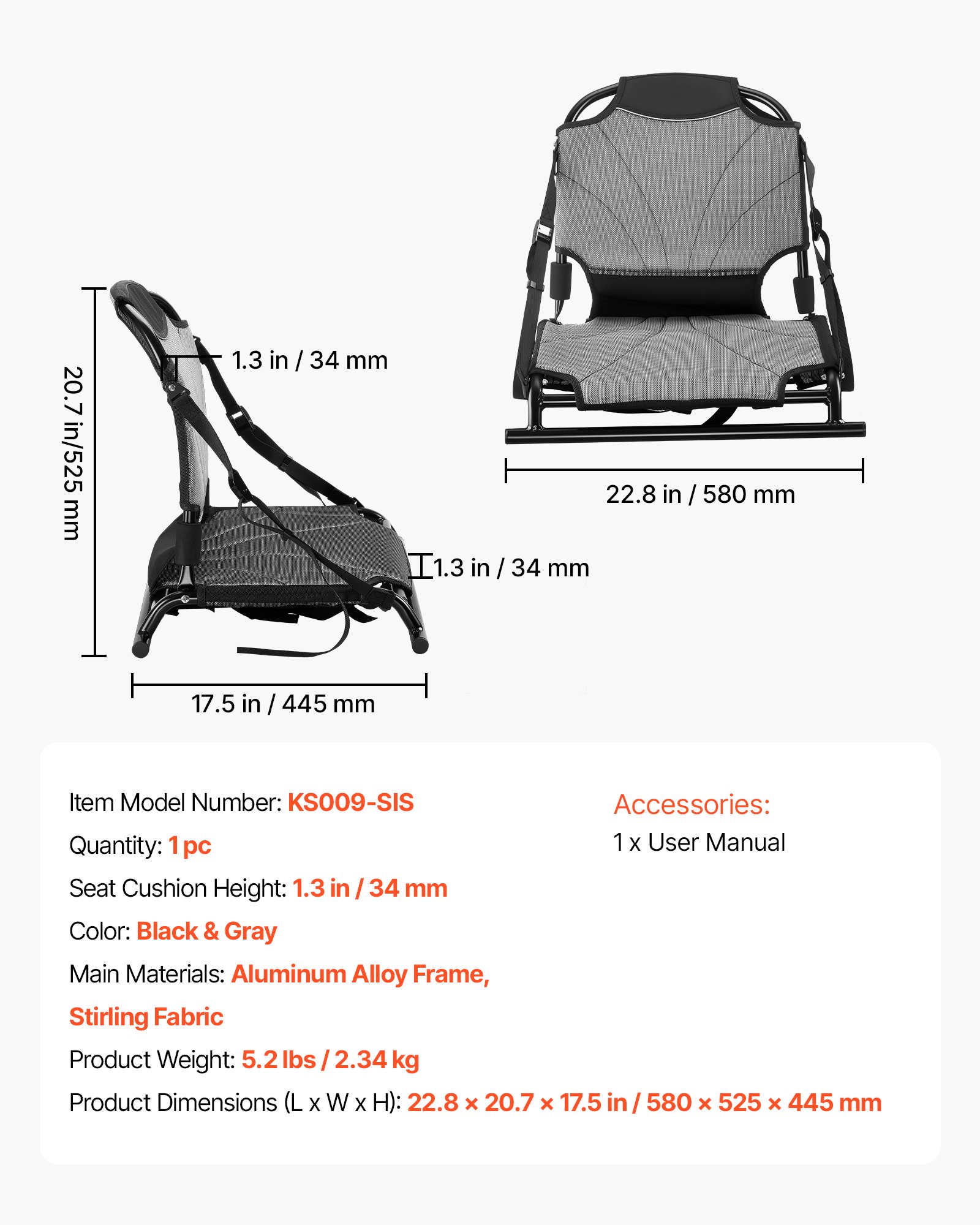

Photos from current listings. Actual item, color, and included accessories may vary.
Sit On Fishing Kayak Buying Guide
A sit-on-top fishing kayak is a self-draining, human-powered paddlecraft with a sealed hull, open cockpit, and molded rod/gear mounts — its performance hinges on hull width-to-length ratio, rocker profile, and rated capacity. The core trade-off is stability vs. paddling efficiency: wide, flat hulls are beginner-stable but slow and wind-prone, while narrower, longer hulls track and glide but demand balance. Buy a hull rated at least 1.5x your loaded weight with a defined weight-capacity plate and scupper drainage; skip any shell lacking a capacity rating or molded foot braces.


At a glance
- Category
- Human-Powered Water Sports
- Data updated
- Nov 16, 2026
Current offers
Highlights
- Hull length/width ratio governs speed vs. stability: 10-12 ft x 30-32 in is stable; 12-14 ft x 28-30 in tracks and glides better.
- Weight capacity is the hard gate: a hull rated 350-400 lb supports a ~200 lb paddler plus 60-80 lb of gear and motor/battery.
- Scupper holes with one-way valves self-drain the cockpit; without them, standing water and swamped decks raise instability.
- Molded foot braces, accessory rails, and flush rod holders are structural — aftermarket bolt-ons weaken thin polyethylene hulls.
Best use cases
- Calm lakes/ponds and short paddles: pick a 10-11 ft, 30-32 in wide hull with 350+ lb capacity; skip long touring hulls that wind-vane in open water.
- Rivers and current: choose a shorter 10-12 ft hull with pronounced rocker and high primary stability; skip flat, long hulls that nose-dive in chop.
- Stand-up fishing and sight casting: require a 32-34 in beam, 400 lb capacity, and a flat standing deck; skip narrow 28-in hulls that demand constant balance.
- Open bays/coastal: select 12-14 ft with a rudder-ready stern and 30-in beam; skip sub-10 ft hulls that cannot track across wind and swell.
Buying tips
- Size the hull to your loaded weight: paddler + gear + motor/battery should stay at or below 70-75% of rated capacity for safe freeboard.
- Match beam to water: 30-32 in for all-around stability, 28-30 in for distance and speed, 33-34 in for standing and big paddlers.
- Confirm the hull is rotomolded high-density polyethylene (HDPE) at 5-8 mm thickness; thin ABS or single-wall shells dent and crack.
- Check the seat system: an aluminum-frame, height-adjustable seat with adjustable back straps vastly improves 4+ hour comfort over molded foam.
Specs
| Hull Length | 10-14 ft (sit-on-top fishing) |
|---|---|
| Beam Width | 28-34 in (stability vs. speed) |
| Weight Capacity | 350-500 lb rated load |
| Hull Material | Rotomolded HDPE, 5-8 mm |
Related searches
What to check before buying
- Measure your vehicle: hulls 12 ft+ need a bed extender or roof rack rated for 60-80 lb; 10 ft hulls fit many SUV cabins.
- Weigh your full kit (paddler, cooler, tackle, battery, motor) and confirm it is under 70-75% of the hull's rated capacity.
- Verify drainage: scupper holes must align with the seat/standing zones and include one-way valves or plugs.
- Confirm accessory compatibility: molded rod holders, gear tracks, and a transducer-ready scupper or mounting plate match your fish finder.
FAQ
Data sources: eBay / Amazon listings and product attribute feeds Data updated Nov 16, 2026.
Some links on this page are affiliate links. If you buy after clicking one, we may earn a commission at no extra cost to you. This does not change which products appear here or their order. Affiliate disclosure.