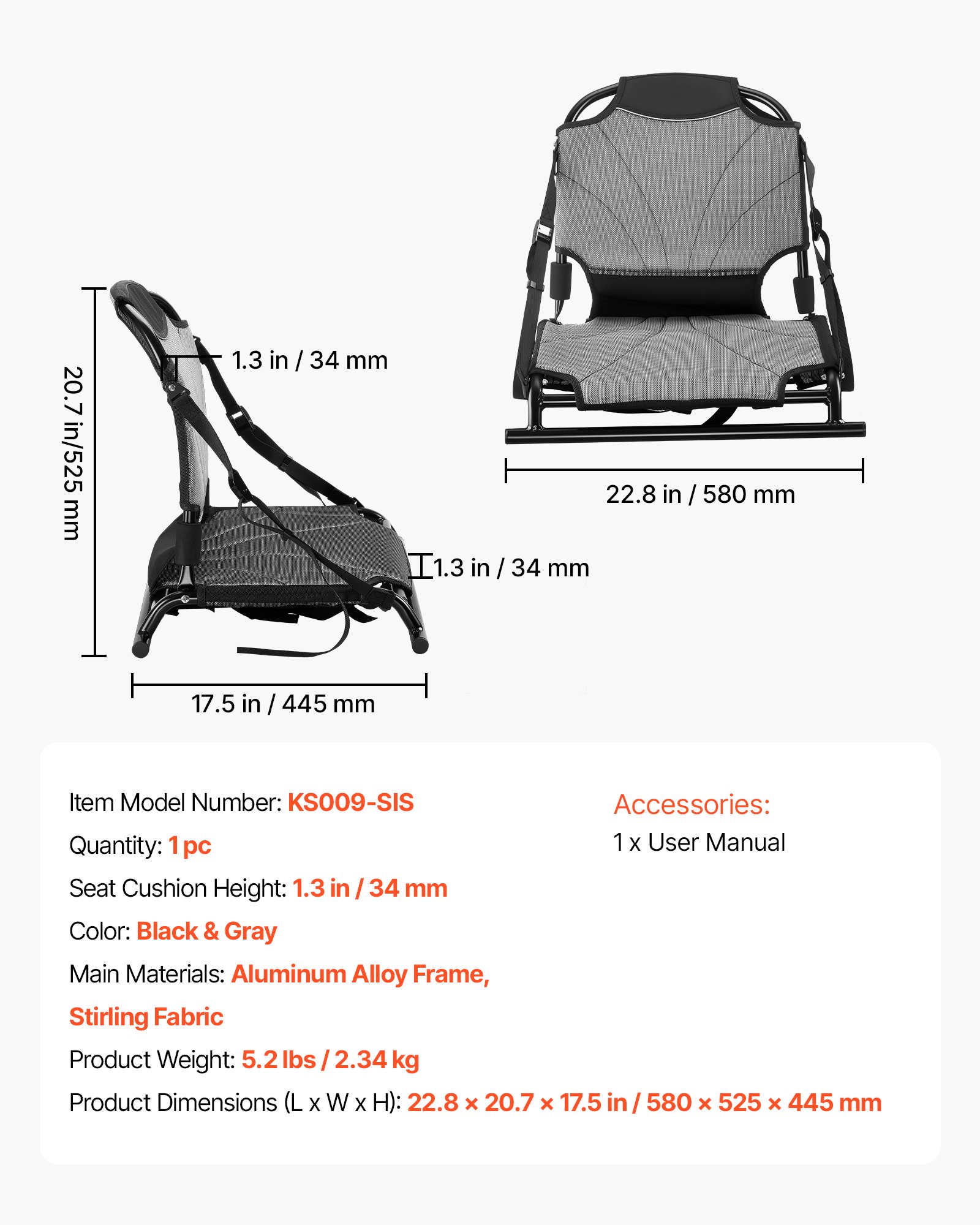

Photos from current listings. Actual item, color, and included accessories may vary.
Sit On Kayak Buying Guide
A sit-on-top kayak is a self-draining, open-cockpit hull designed for paddling, fishing, and casual touring where ease of entry and bail-out safety matter more than dry storage. The primary trade-off is hull rigidity versus weight: rotomolded single-layer polyethylene is durable but heavy, while thermoformed ABS or drop-stitch inflatables cut weight at the cost of impact resistance or tracking. Choose a rotomolded hull for rocky launches and fishing, and a thermoformed or inflatable hull only if you prioritize car-top weight and stowability over abrasion resistance.


At a glance
- Category
- Human-Powered Water Sports
- Data updated
- Nov 16, 2026
Current offers
Highlights
- Rotomolded high-density polyethylene hulls resist impact and UV but typically weigh 28–36 kg (60–80 lb) for a 3.0–3.6 m hull, requiring a cart or two-person carry.
- Thermoformed ABS/acrylic hulls are 20–30% lighter than rotomolded but can crack under sharp impact below 0°C, so avoid them for rocky whitewater or winter storage.
- Drop-stitch inflatable sit-on-tops pack to a duffel and hold 10–15 PSI, but tracking and glide fall short of hard hulls unless a removable skeg is fitted.
- Scupper holes with one-way valves are standard on fishing models; without valves, water backflows when paddling loaded, so check for plugged or valved scuppers.
Best use cases
- Best fit: rotomolded 3.0–3.6 m sit-on-top with tank well and two flush rod holders for coastal fishing and rocky put-ins; skip thermoformed if you launch from gravel or oyster beds.
- Best fit: 2.7–3.0 m lightweight thermoformed or inflatable sit-on-top for flatwater lakes and RV/SUV transport; skip if you need to stand and cast or carry heavy gear.
- Best fit: tandem sit-on-top with adjustable seat positions for family use; skip single-seat hulls if two adults will paddle together regularly, as paddling solo from the rear seat is inefficient.
- Wrong fit: any sit-on-top under 2.4 m for open-water touring or long crossings, because hull speed and tracking drop sharply and wind cocking becomes hard to correct.
Buying tips
- Match hull length to use: 2.7–3.0 m for lakes and surf, 3.0–3.6 m for coastal and fishing, 3.6 m+ for touring; add 0.3 m if you regularly carry fishing gear or a cooler.
- Check weight capacity: subtract hull weight from the stated capacity and keep your loaded gear under 70% of that figure for safe freeboard and dry scuppers.
- Verify scupper design: fishing models need one-way valves or plug kits; recreational hulls with open scuppers drain fast but soak your seat in chop.
- Seat upgrade matters: a raised aluminium-frame seat with adjustable back straps (like the sample 1.3-inch raised seat) improves paddling posture, but confirm the hull has moulded seat wells or D-rings for strap anchoring.
Specs
| Hull Material | Rotomolded PE vs Thermoformed ABS |
|---|---|
| Hull Length | 2.4–4.9 m (8–16 ft) |
| Weight Capacity | 115–250 kg (250–550 lb) |
| Scupper Type | Open vs Valved / Plugged |
Related searches
What to check before buying
- Measure your roof rack or trailer bed: a 3.0–3.6 m hull needs at least 1.2 m of bar spread and a rated load above the hull weight plus racks.
- Confirm storage space: rotomolded hulls need 3.6 m of flat or wall-rack space; inflatables need a dry, rodent-free duffel-sized area.
- Check launch terrain: rocky or oyster-rich shores demand rotomolded polyethylene; sandy or grassy launches tolerate thermoformed or inflatable hulls.
- Verify seat and accessory compatibility: aftermarket seats need D-rings or moulded wells, and rod holders need flush-mount diameter matching your reels.
FAQ
Data sources: eBay / Amazon listings and product attribute feeds Data updated Nov 16, 2026.
Some links on this page are affiliate links. If you buy after clicking one, we may earn a commission at no extra cost to you. This does not change which products appear here or their order. Affiliate disclosure.