
Photos from current listings. Actual item, color, and included accessories may vary.
Sit On Kayak With Pedal Buying Guide
A sit-on-kayak with pedals is a human-powered craft using a fin or propeller drive unit, letting you cover distance hands-free while keeping a stable, self-draining deck. The core trade-off is drive architecture: propeller drives offer instant reverse and shallow-water tolerance, while fin drives are more efficient and weed-shedding but need deeper water and lack reverse. Buy a model with a robust, serviceable drive and a hull rated for your weight plus gear; skip any pedal kayak that uses a fragile plastic drive housing or offers no replacement parts.


At a glance
- Category
- Human-Powered Water Sports
- Data updated
- Nov 16, 2026
Current offers
Highlights
- Propeller drives (e.g., Hobie MirageDrive 180, Native Propel) deliver instant reverse and work in ~1 ft of water; fin drives are more efficient but need ~1.5 ft depth and no reverse unless specified.
- Hull weight capacity typically runs 300–450 lb; keep your body weight plus gear under 70–75% of rated capacity for stable pedaling and dry storage.
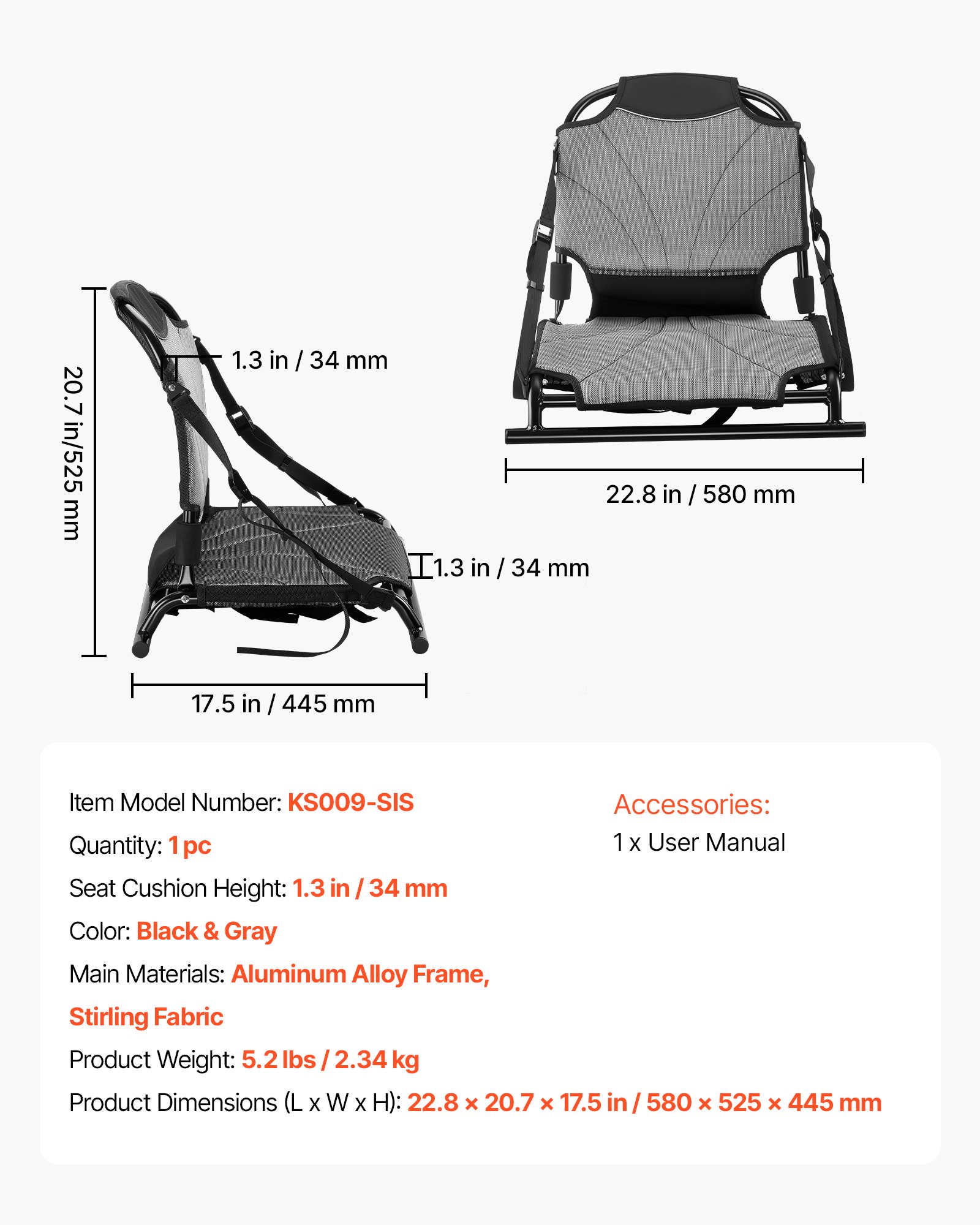
- Adjustable seat height (raised 1–3 in) and aluminum frame improve hip angle for pedaling; flimsy strap-only seats cause fatigue on long pedals.
Best use cases
- Best fit: anglers covering long distances hands-free — choose a propeller drive with instant reverse and a transducer-ready hull; skip fin drives if you fish around docks and stumps.
- Best fit: fitness and touring paddlers on open water — pick a fin drive for efficiency and weed-shedding; skip it in rivers with less than 1.5 ft depth or heavy submerged vegetation.
- Best fit: shallow flats and rivers — a propeller drive with a kick-up or shallow-water mode is the right call; skip any drive that cannot be retracted or flipped up.
- Wrong fit: cartopping a heavy pedal kayak on a small car — choose a hull under ~70 lb or a modular drive you can remove for transport; skip 90+ lb fishing barges.
Buying tips
- Match drive type to water: propeller for reverse and shallow flats, fin for efficiency and weeds; confirm the drive has a kick-up or shallow setting.
- Size the hull by capacity math: keep total load (you + gear) at or below 70% of the rated weight capacity for stable pedaling and dry hatches.
- Check drive serviceability: demand sealed bearings, stainless fasteners, and a published parts diagram; drives without replacement fins/props are disposable.
- Verify seat ergonomics: an adjustable-height aluminum-frame seat with a high back improves pedaling efficiency; strap-only seats sag and fatigue hips.
Specs
| Drive Type | Propeller vs fin (reverse vs efficiency) |
|---|---|
| Weight Capacity | 300–450 lb rated; keep load under 70% |
| Hull Length | 10–14 ft sit-on-top pedal hulls |
| Drive Depth | Prop ~1 ft; fin ~1.5 ft minimum |
Related searches
What to check before buying
- Measure your vehicle roof or bed: pedal hulls run 10–14 ft long and 28–36 in wide; confirm rack or trailer capacity before buying.
- Weigh yourself plus expected gear and compare to 70% of the hull's rated capacity; overloaded pedal kayaks sit low and pedal poorly.
- Confirm water depth at your launch: fin drives need ~1.5 ft, propeller drives ~1 ft; check for weeds, rocks, and submerged hazards.
- Verify the drive is removable for transport and storage, and that replacement fins, props, and cables are sold separately.
FAQ
Data sources: eBay / Amazon listings and product attribute feeds Data updated Nov 16, 2026.
Some links on this page are affiliate links. If you buy after clicking one, we may earn a commission at no extra cost to you. This does not change which products appear here or their order. Affiliate disclosure.