Photos from current listings. Actual item, color, and included accessories may vary.
Diving Mask Buying Guide
A diving mask is the primary optical and sealing interface between your eyes, nose, and the underwater environment, and the core trade-off is lens volume versus field of view and corrective compatibility. Low-volume masks seal easier and clear faster, while high-volume or dual-lens designs offer broader vision and prescription options. The durable decision rule: buy a tempered-glass, silicone-skirt mask with a rigid frame and a proper skirt fit—avoid polycarbonate lenses and PVC skirts, which fog, leak, and degrade.


At a glance
- Category
- Dive Masks, Fins & Snorkels
- Data updated
- Nov 16, 2026
Current offers
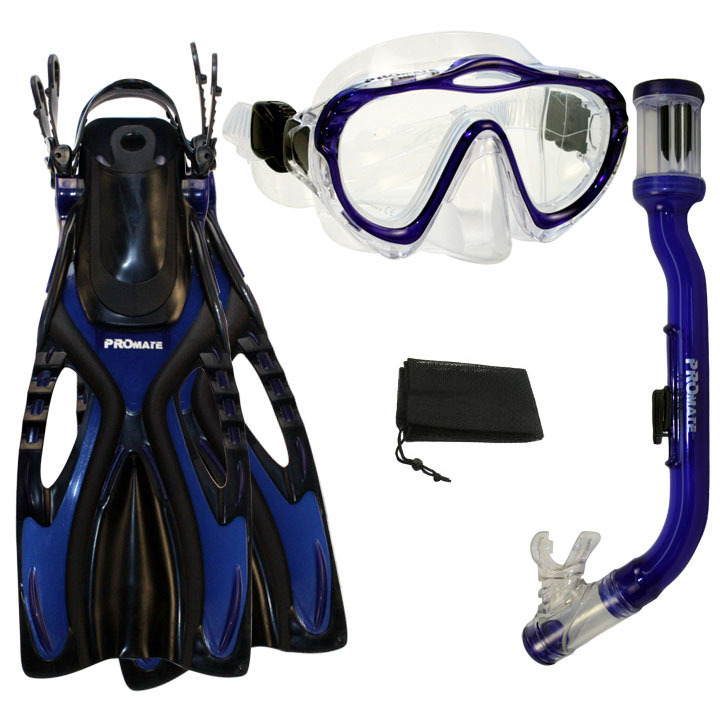 PROMATE Junior Boy Girl Snorkeling Scuba Diving Mask DRY Snorkel Fins Gear Set$39.95
 View on eBay
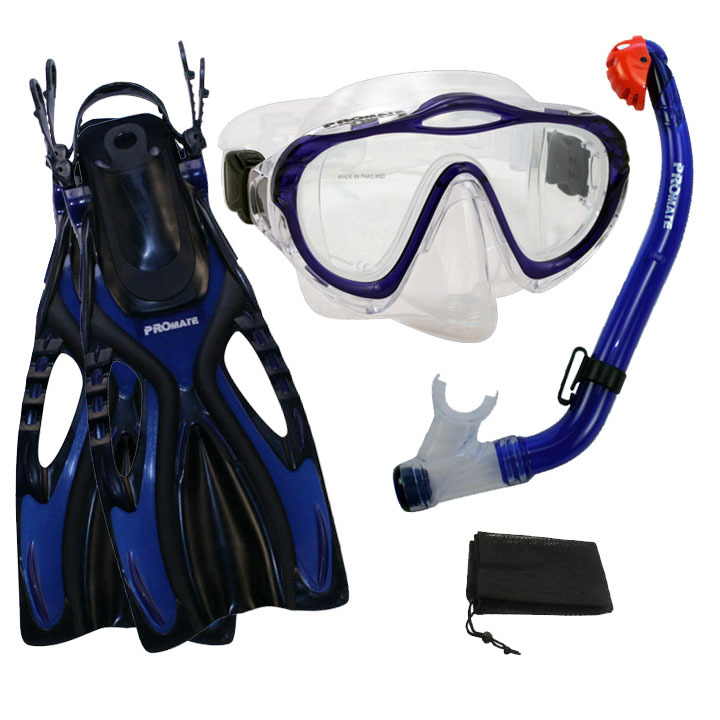 PROMATE Junior Snorkeling Scuba Diving PURGE Mask DRY Snorkel Fins w/ Mesh Bag$42.95View on eBay
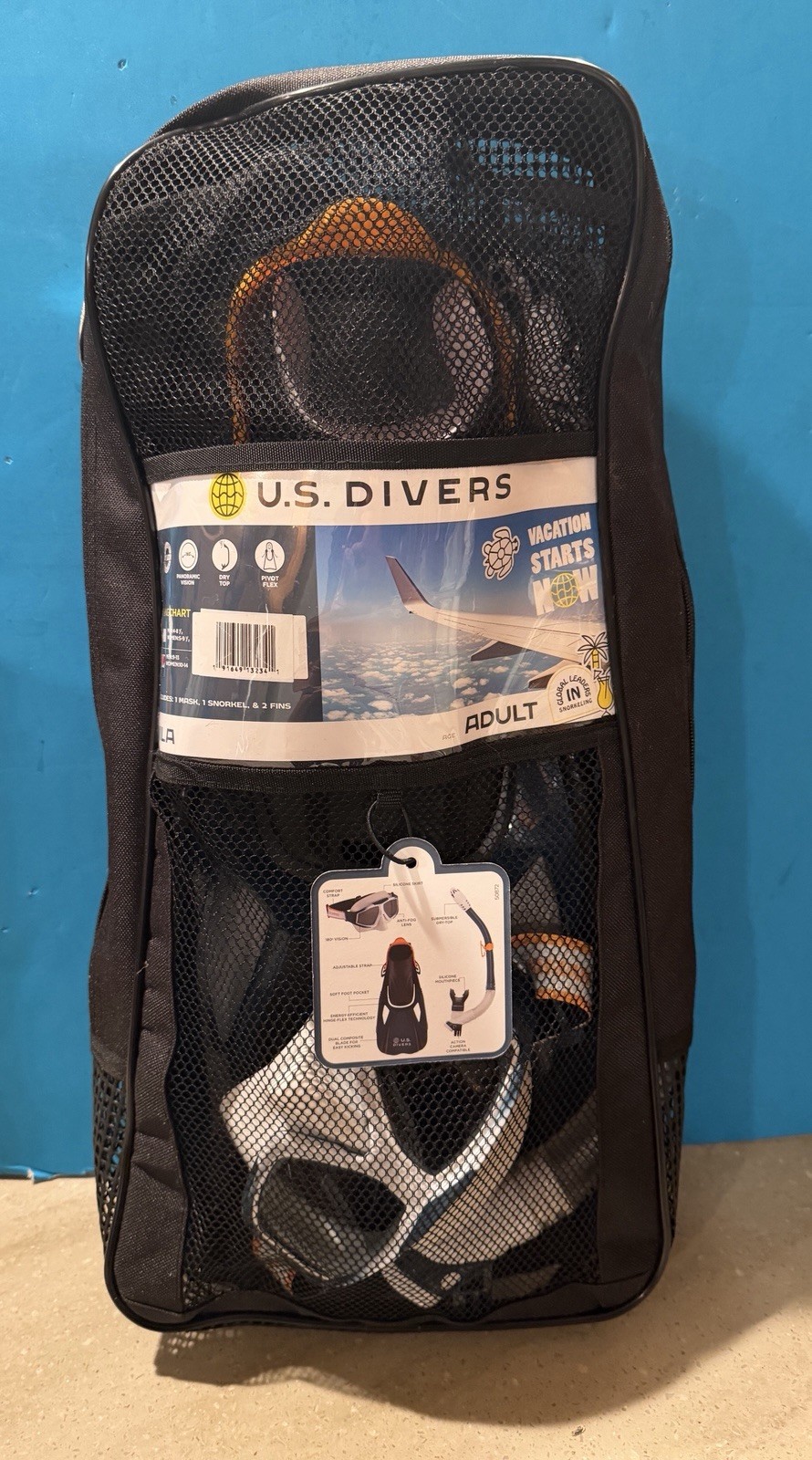 US Divers Snorkel Set Mask Fins GoPro Ready Adult L/XL Scuba Diving Kit$49.99View on eBay
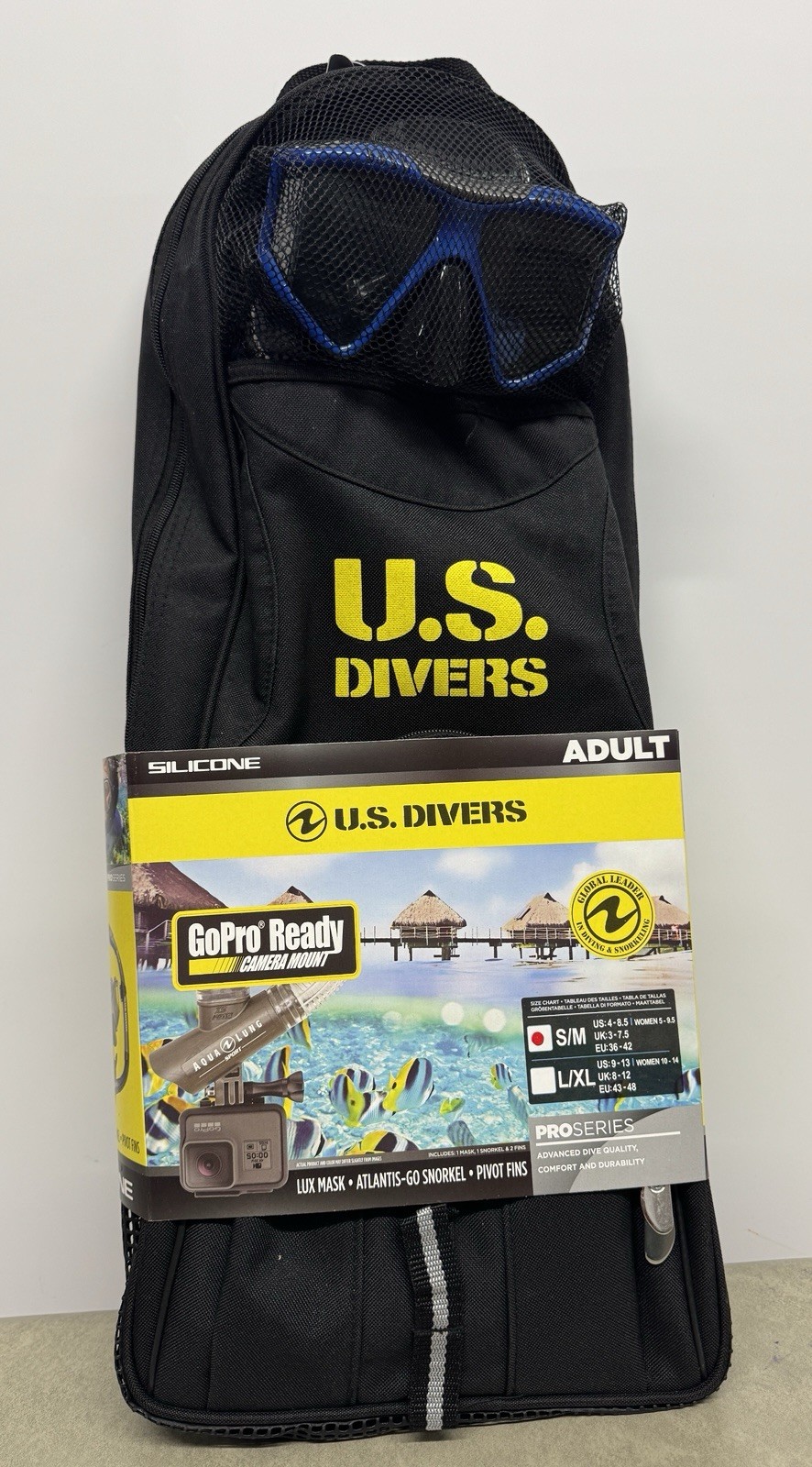 US Divers Snorkel Set Mask Fins GoPro Ready Adult S/M Scuba Diving NEW$59.99View on eBay
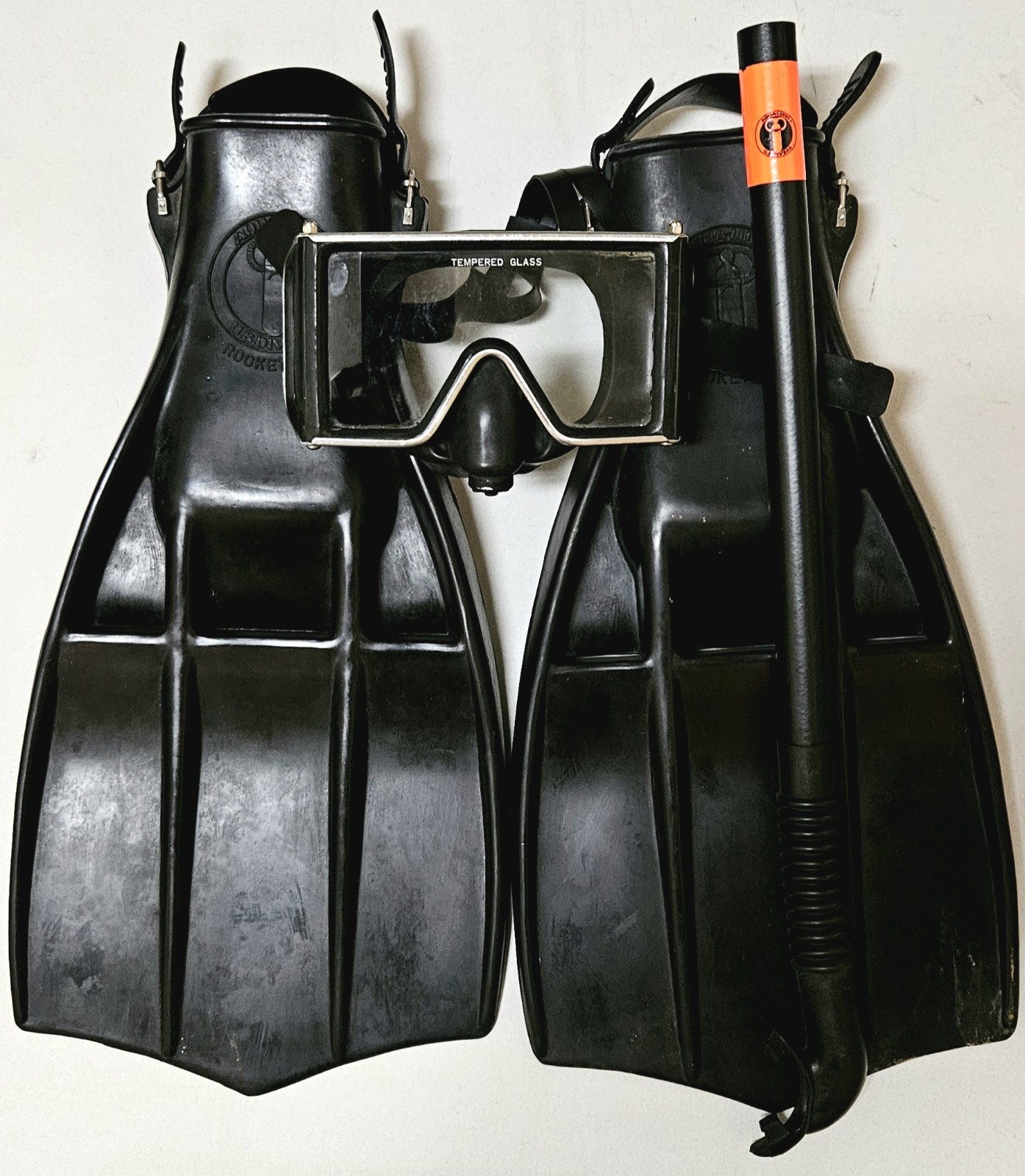 Vintage US Divers Aqua-Lung Scuba Diving Gear Set: Rocket Fins, Wrap-Around Mask$100.00View on eBay
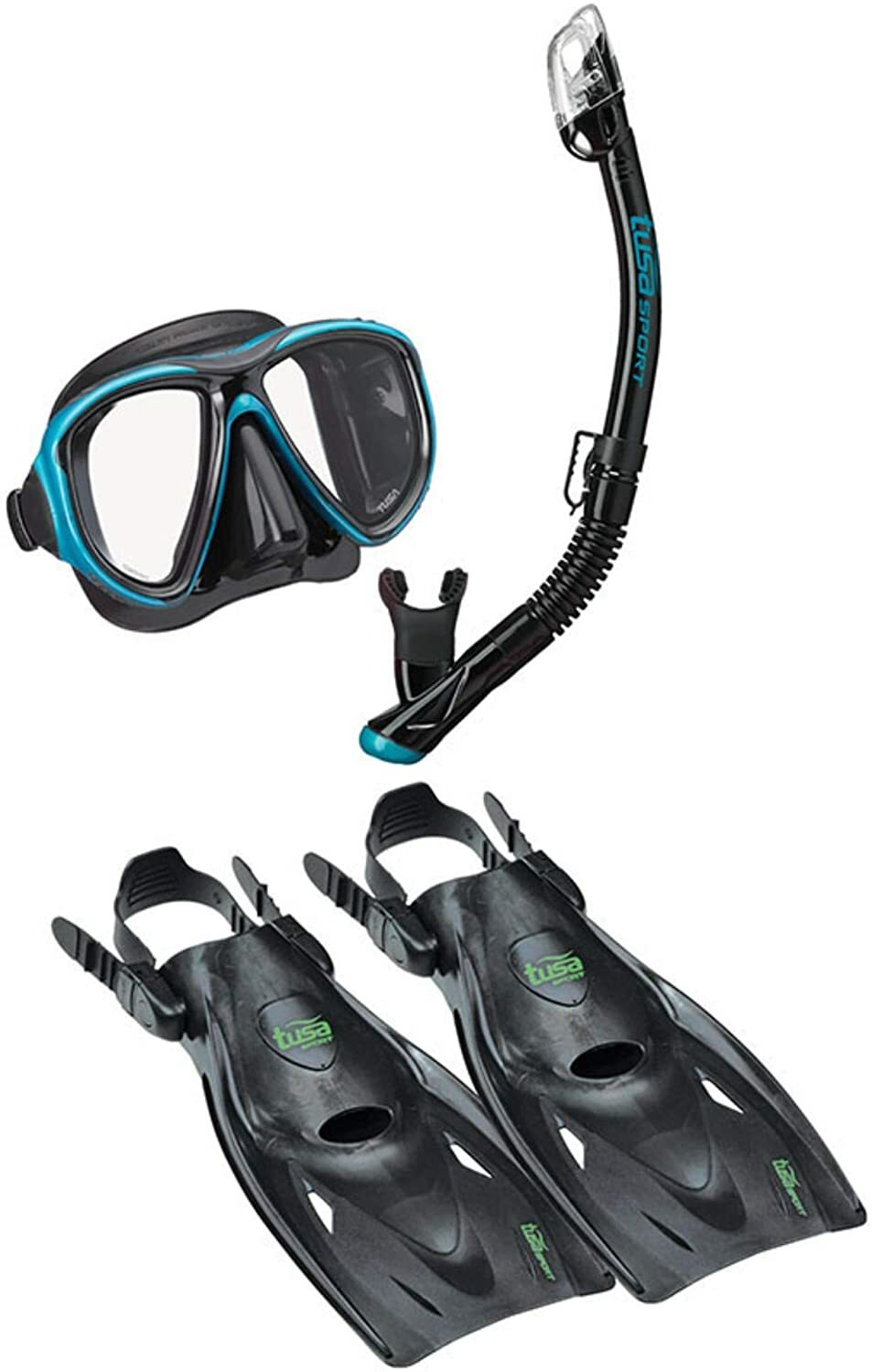 Tusa Powerview Adult Dry Travel Mask Snorkel Fins Set Scuba Diving Snorkeling$103.00View on eBay
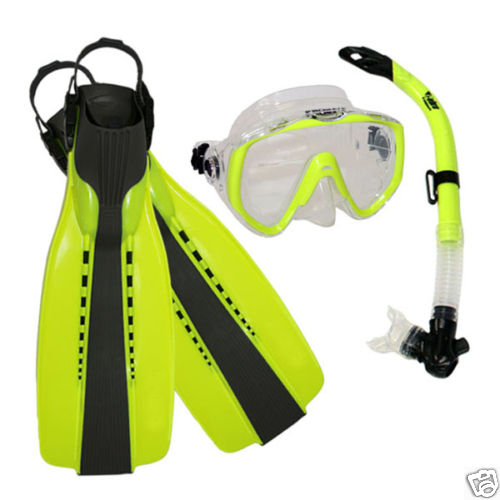 Scuba Diving Silicone Mask Semi-Dry Snorkel Fins Gear Set$109.95View on eBay
Highlights
- Tempered glass lenses are impact-resistant and optically clear; polycarbonate scratches and fogs faster and is the main failure point on budget masks.
- Silicone skirts seal reliably and resist UV/chlorine degradation; PVC or rubber skirts stiffen, leak, and cause pressure points within a season.
- Low-volume single-lens masks clear with one exhale and suit freediving; dual-lens masks accept optical inserts and suit scuba and snorkeling.
- A rigid frame holds lens and skirt geometry; frameless masks save weight but can distort seal on high-cheekbone or narrow faces.
Best use cases
- Glasses wearers: choose a dual-lens mask with a removable lens frame that accepts bonded corrective lenses or optical inserts—skip single-lens freediving masks with no insert path.
- Recreational snorkeling and scuba: pick a low-to-medium volume silicone-skirt mask with tempered glass and a wide split strap; skip high-volume vintage-style masks that need multiple purge breaths.
- Freediving and spearfishing: choose an ultra-low-volume mask with black silicone skirt to cut glare and equalization effort; skip dual-lens masks that hold dead air and slow descent equalization.
- Pool laps and travel: select a compact, frameless or low-profile mask that packs flat and has a quick-adjust buckle; skip oversized masks with rigid frames that hog bag space.
Buying tips
- Fit is measured, not guessed: the skirt should seal from bridge to upper lip with no hair trapped; a mask wider than your interpupillary span leaks at the temples.
- Match skirt size to face width: US M (US-F 5-10) suits narrow-to-medium faces; L/XL suits broad faces—ordering up causes temple leaks, not comfort.
- For prescription use, confirm the mask model lists removable lenses or an insert-compatible frame; sealed one-piece lenses cannot be corrected.
- Check the strap buckle standard: push-button swivel buckles on silicone straps are field-replaceable; glued or proprietary buckles end the mask's life when they snap.
Specs
| Lens Material | Tempered glass vs polycarbonate |
|---|---|
| Skirt Material | Silicone vs PVC/rubber |
| Lens Configuration | Single-lens vs dual-lens |
| Prescription Support | Insert-compatible vs sealed |
Related searches
What to check before buying
- Measure face width temple-to-temple and bridge height; compare against the mask's listed size tier (S/M, M/L, L/XL) before ordering.
- Confirm lens material is tempered glass marked as such, not acrylic or polycarbonate, for any mask used below snorkeling depth.
- Verify the mask frame accepts corrective lenses or inserts if you wear prescription eyewear.
- Check that the skirt and strap are silicone (not PVC/rubber) and that replacement straps or buckles are sold separately for your model.
FAQ
Data sources: eBay / Amazon listings and product attribute feeds Data updated Nov 16, 2026.
Some links on this page are affiliate links. If you buy after clicking one, we may earn a commission at no extra cost to you. This does not change which products appear here or their order. Affiliate disclosure.