Photos from current listings. Actual item, color, and included accessories may vary.
Ball Pickleball Buying Guide
Pickleball balls split into two distinct architectures: injection-molded outdoor balls with 40 holes and rotationally molded indoor balls with 26-32 holes, and the hole count plus wall thickness determines flight stability, durability, and court compatibility. The critical trade-off is outdoor toughness (harder, heavier, drilled for wind) versus indoor bounce consistency (softer, larger holes for true bounce on smooth floors). Buy outdoor 40-hole USAPA-approved balls for asphalt and sport court; buy indoor 26-32 hole balls for wood gym floors and never mix the two.


At a glance
- Category
- Pickleball Balls
- Data updated
- Nov 16, 2026
Current offers
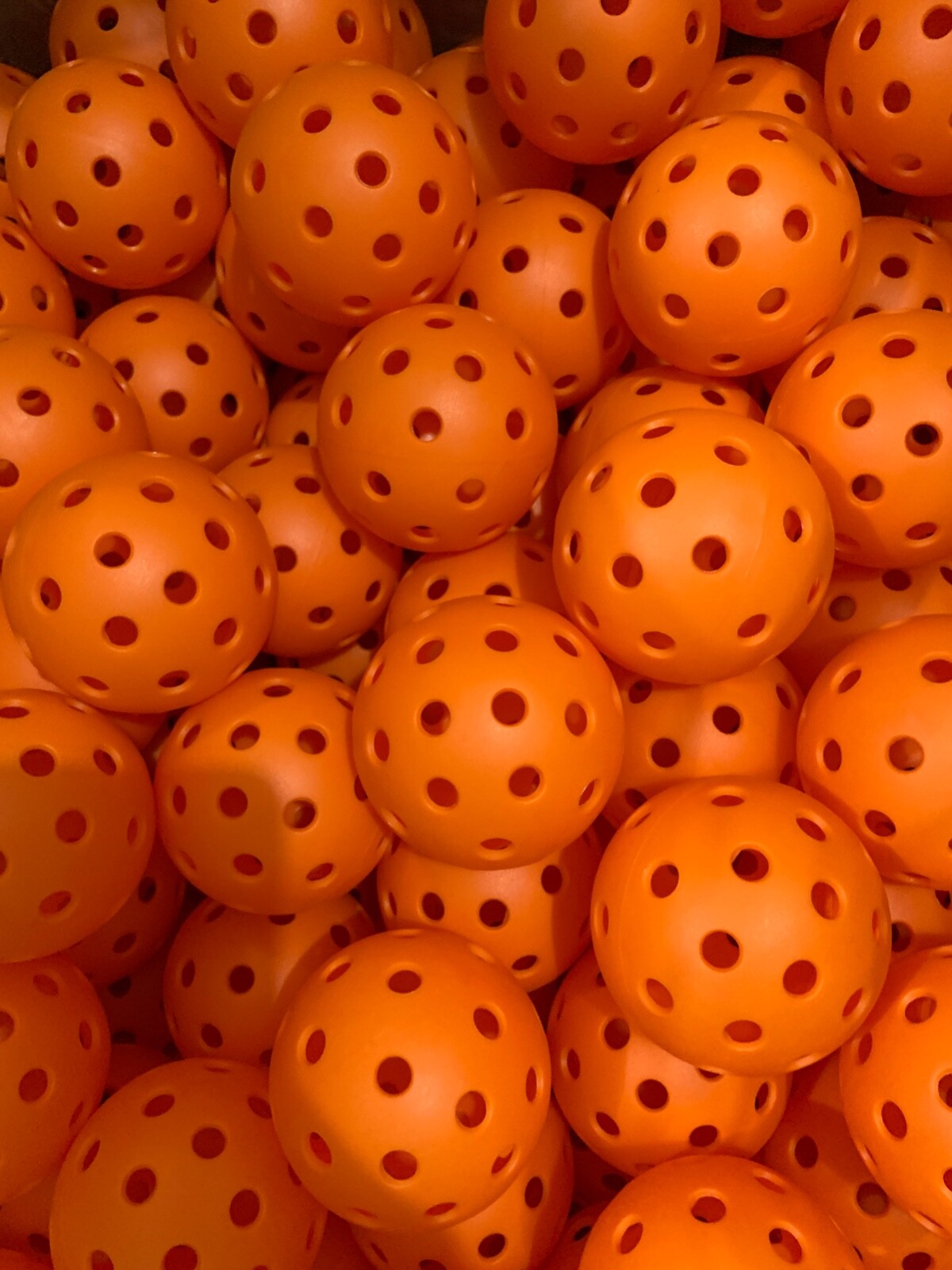 Pack of 15 Quality Pickleball Balls for OUTDOOR/Orange$20.99
 View on eBay
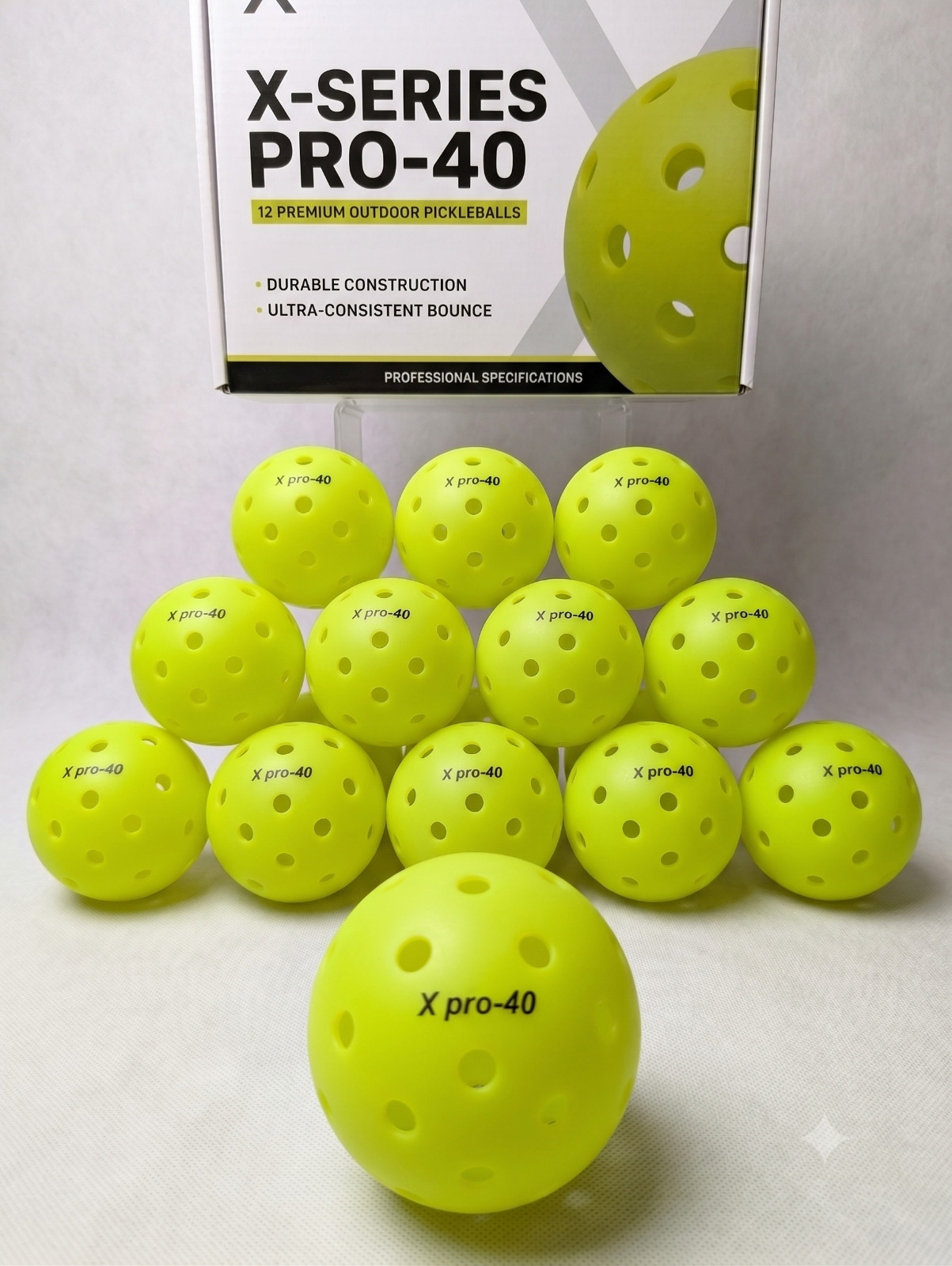 12-Pack Outdoor Pickleball Balls Set. Standard 40 Holes Ball Meet USAPA Standard$23.99View on eBay
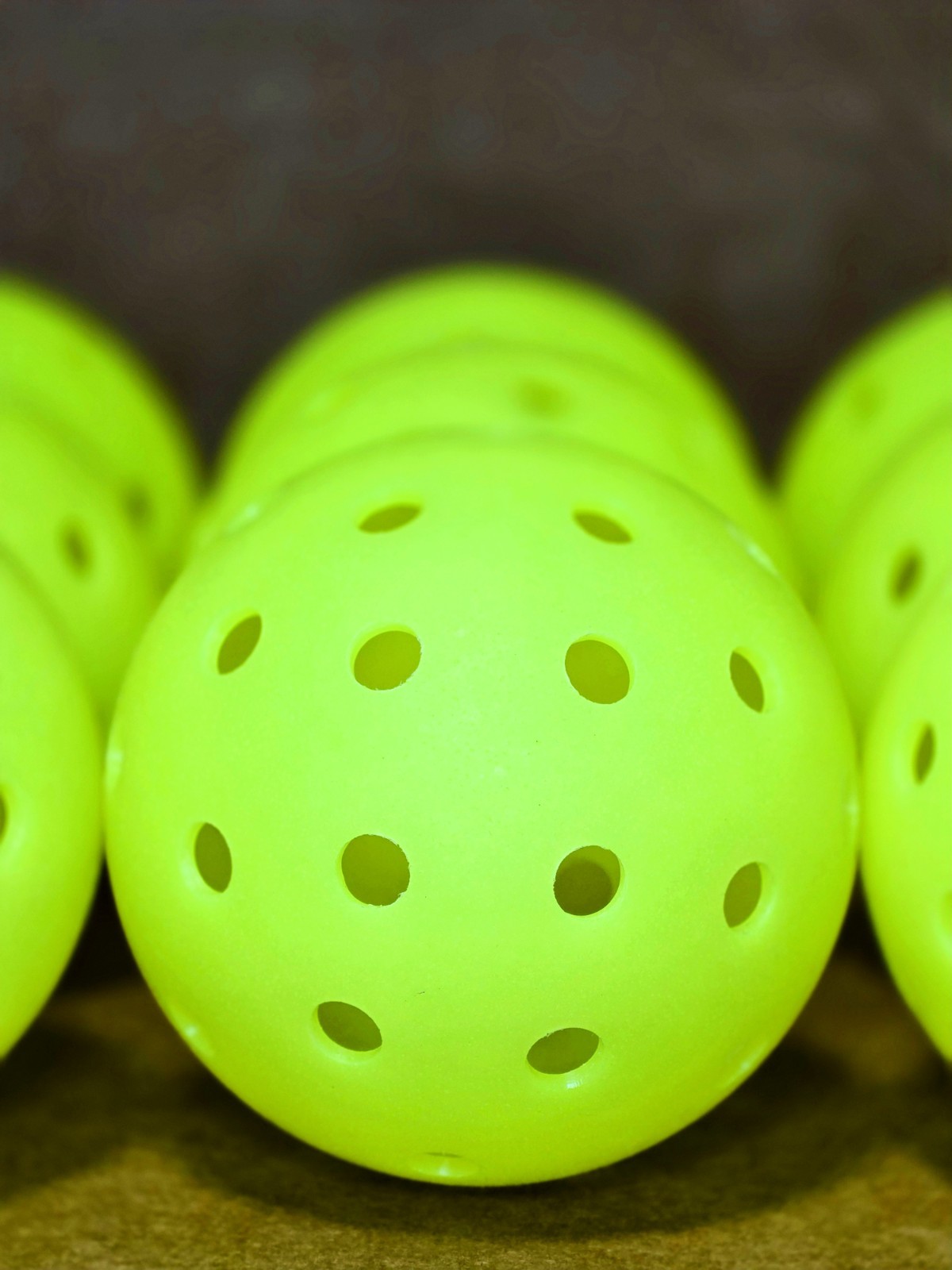 16-Pack Outdoor 40 Holes Pickleball Ball Tournament Grade$25.00View on eBay
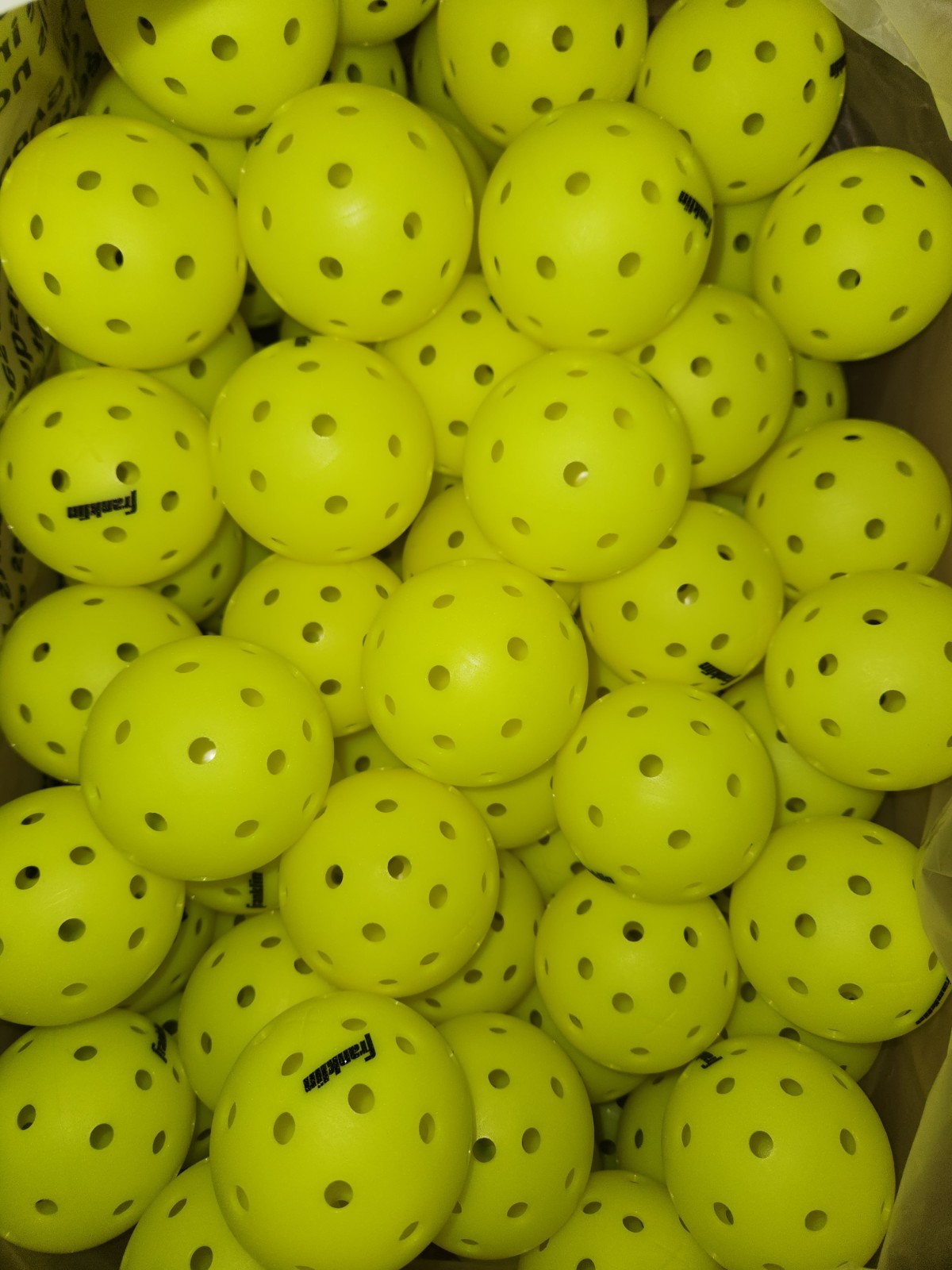 NEW Franklin X-40 Pickleball Outdoor Ball set of 12 Optic Yellow FREE SHIPPING$28.99View on eBay
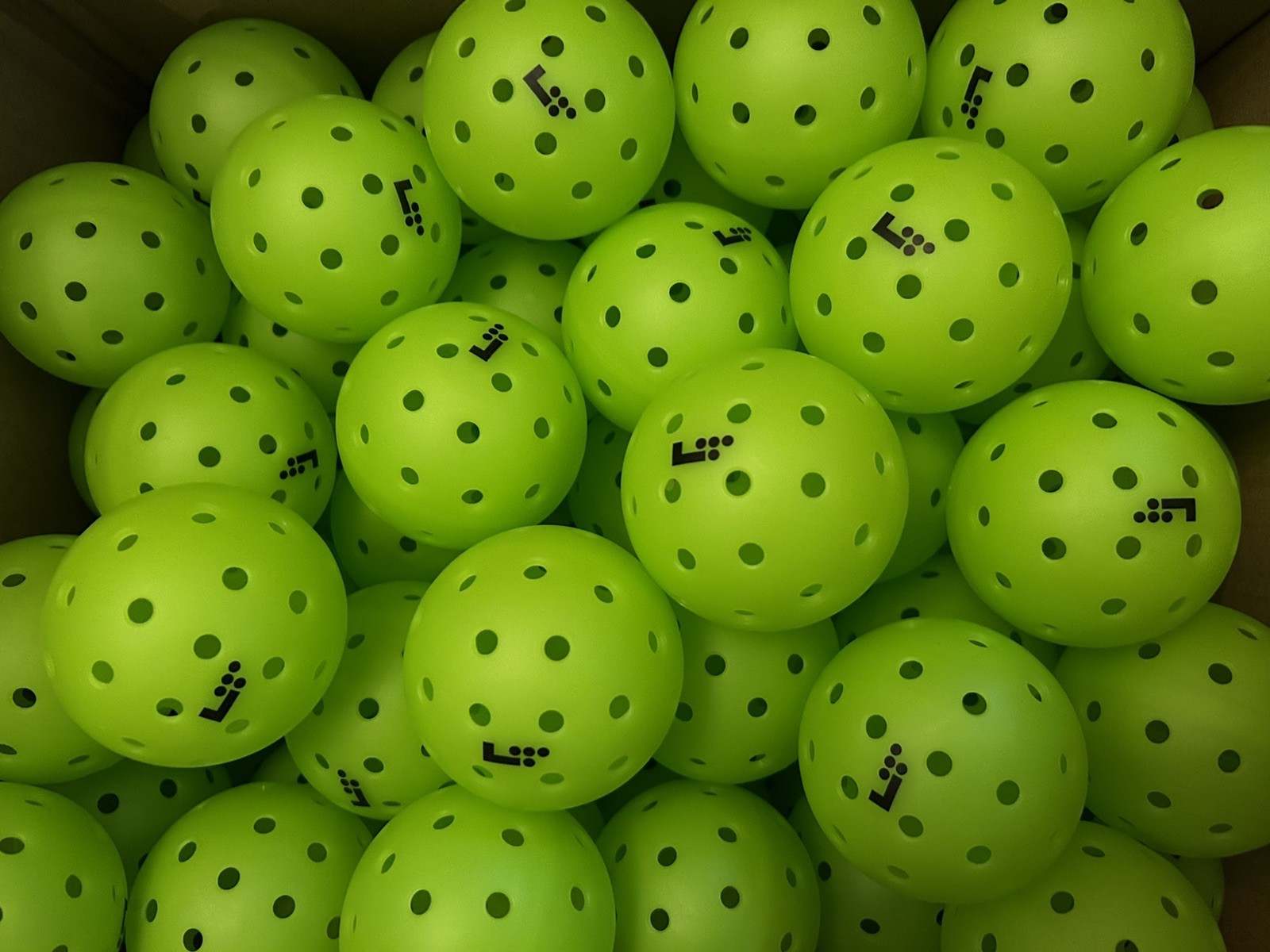 NEW Lifetime LT Pro 48 Performance Pickleball 5 Pack Official Ball of PPA Tour$29.99View on eBay
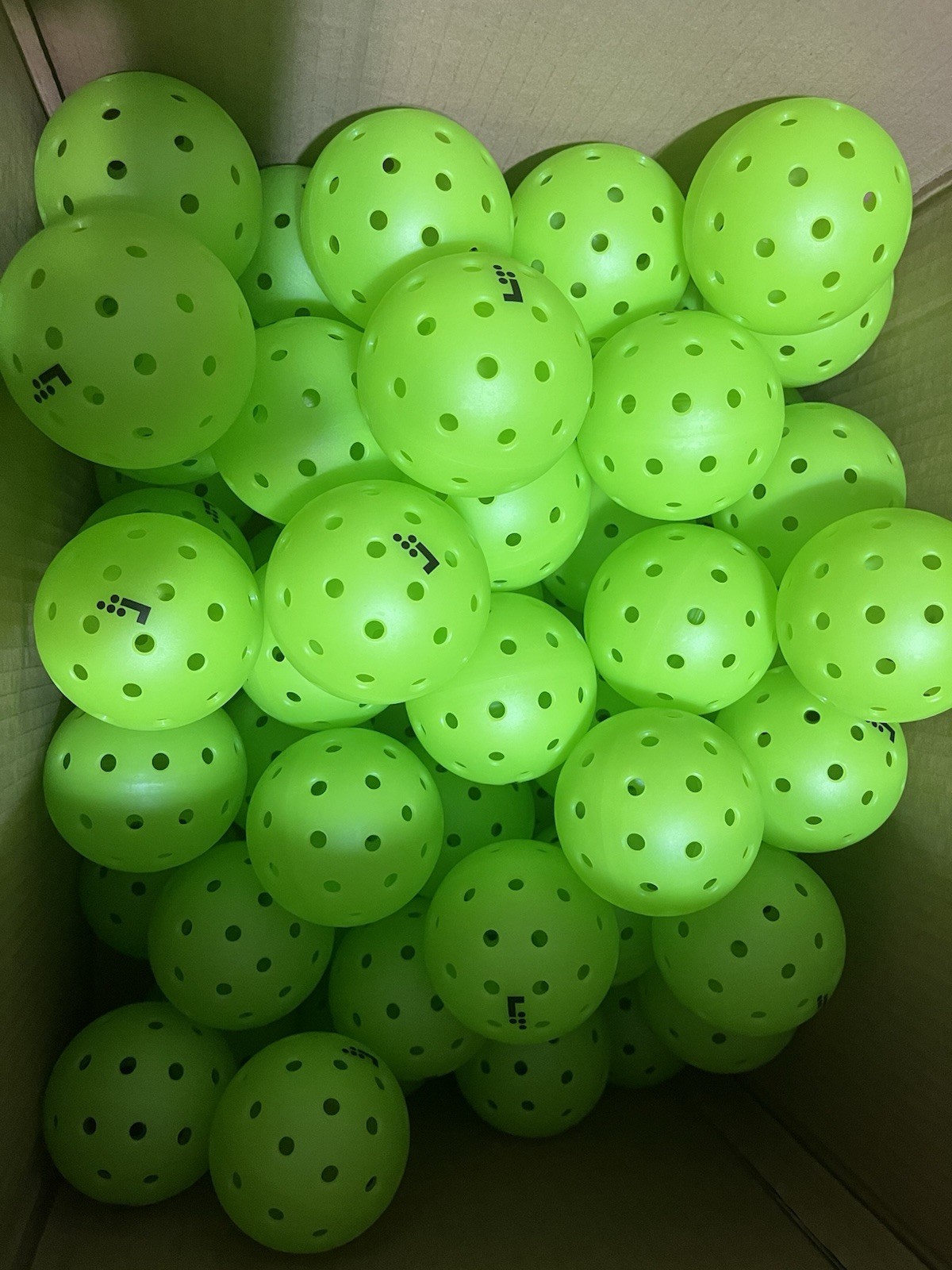 Brand New Pack of 5 Lifetime Fitness LT Pro Pickleballs Balls 48 Holes$29.99View on eBay
- Brand New Pack of 6 Lifetime Fitness LT Pro Pickleballs Balls 48 Holes$31.99View on eBay
Highlights
- Outdoor balls use 40 small holes and a thicker injection-molded wall for wind resistance and durability on rough asphalt; indoor balls use 26-32 larger holes and a softer, thinner wall for true bounce on smooth gym floors.
- USAPA/USA Pickleball approval requires meeting bounce (30-34 in from 78 in drop), weight (0.78-0.935 oz), and hole-pattern specs, so only approved balls are legal for sanctioned tournament play.
- Franchise models like Franklin X-40 (40 holes, outdoor) and Lifetime LT Pro 48 (48 holes, outdoor performance) differ in hole count and wall stiffness, which changes flight speed and durability under hard hitting.
- Pack format drives real cost-per-ball: 5-6 packs suit casual testing, 12-16 packs are the tournament and club standard, and color (optic yellow vs orange) affects visibility on different court surfaces.
Best use cases
- Outdoor asphalt, concrete, or sport-court play: choose 40-hole USAPA-approved outdoor balls in 12- or 16-packs; skip indoor 26-32 hole balls, which crack fast on rough surfaces.
- Indoor wood or synthetic gym floors: choose 26-32 hole indoor balls for true bounce and softer feel; do not use 40-hole outdoor balls indoors because they bounce low and skid.
- Tournament or club play: pick a single USAPA-approved model (e.g., Franklin X-40 or Lifetime LT Pro 48) in 12-16 packs and standardize on it; avoid mixed-brand rotation, which changes feel between games.
- Casual backyard or beginner play: a 5-6 pack of outdoor 40-hole balls is enough to learn; skip premium tournament-grade multi-packs until stroke consistency demands matched balls.
Buying tips
- Match hole count to surface: 40 holes for outdoor wind resistance, 26-32 holes for indoor bounce; using the wrong type shortens ball life and distorts play.
- Buy only balls explicitly marked USAPA/USA Pickleball approved if you play sanctioned events; unapproved balls can fail bounce, weight, or hole-pattern checks.
- Size packs to your group: 5-6 balls for 2-4 casual players, 12-16 balls for clubs and tournaments where balls wear or crack mid-session.
- Choose optic yellow for most courts and orange for low-contrast or blue/green surfaces where yellow blends into the background.
Specs
| Hole Count | 40 outdoor / 26-32 indoor |
|---|---|
| Approval | USAPA/USA Pickleball approved |
| Construction | Injection-molded outdoor / rotational indoor |
| Pack Size | 5-6 casual / 12-16 club & tournament |
Related searches
What to check before buying
- Confirm your playing surface: rough outdoor asphalt/concrete needs 40-hole outdoor balls; smooth indoor wood/synthetic needs 26-32 hole indoor balls.
- Check league or tournament rules for USAPA approval before buying any multi-pack for competitive play.
- Verify ball diameter (2.87-2.97 in) and weight (0.78-0.935 oz) fit your paddle and playing style; oversized or heavy balls feel different off the paddle.
- Plan pack quantity by player count and session length so you have spares when balls crack or go flat.
FAQ
Data sources: eBay / Amazon listings and product attribute feeds Data updated Nov 16, 2026.
Some links on this page are affiliate links. If you buy after clicking one, we may earn a commission at no extra cost to you. This does not change which products appear here or their order. Affiliate disclosure.