Photos from current listings. Actual item, color, and included accessories may vary.
The Pickleball Ball Buying Guide
Pickleball balls are rotational-molded plastic spheres whose hole count, wall thickness, and hardness determine flight stability, bounce consistency, and lifespan. The primary trade-off is indoor vs outdoor construction: indoor balls use fewer, larger holes and softer plastic for controlled play, while outdoor balls use 40 small holes and harder, thicker walls to resist wind and hard court abrasion. Buy outdoor 40-hole balls for asphalt or concrete courts and indoor 26-hole balls for gym floors; any ball labeled 'multi-surface' or with a hole count outside these norms is a compromise that will play inconsistently.


At a glance
- Category
- Pickleball Balls
- Data updated
- Nov 16, 2026
Current offers
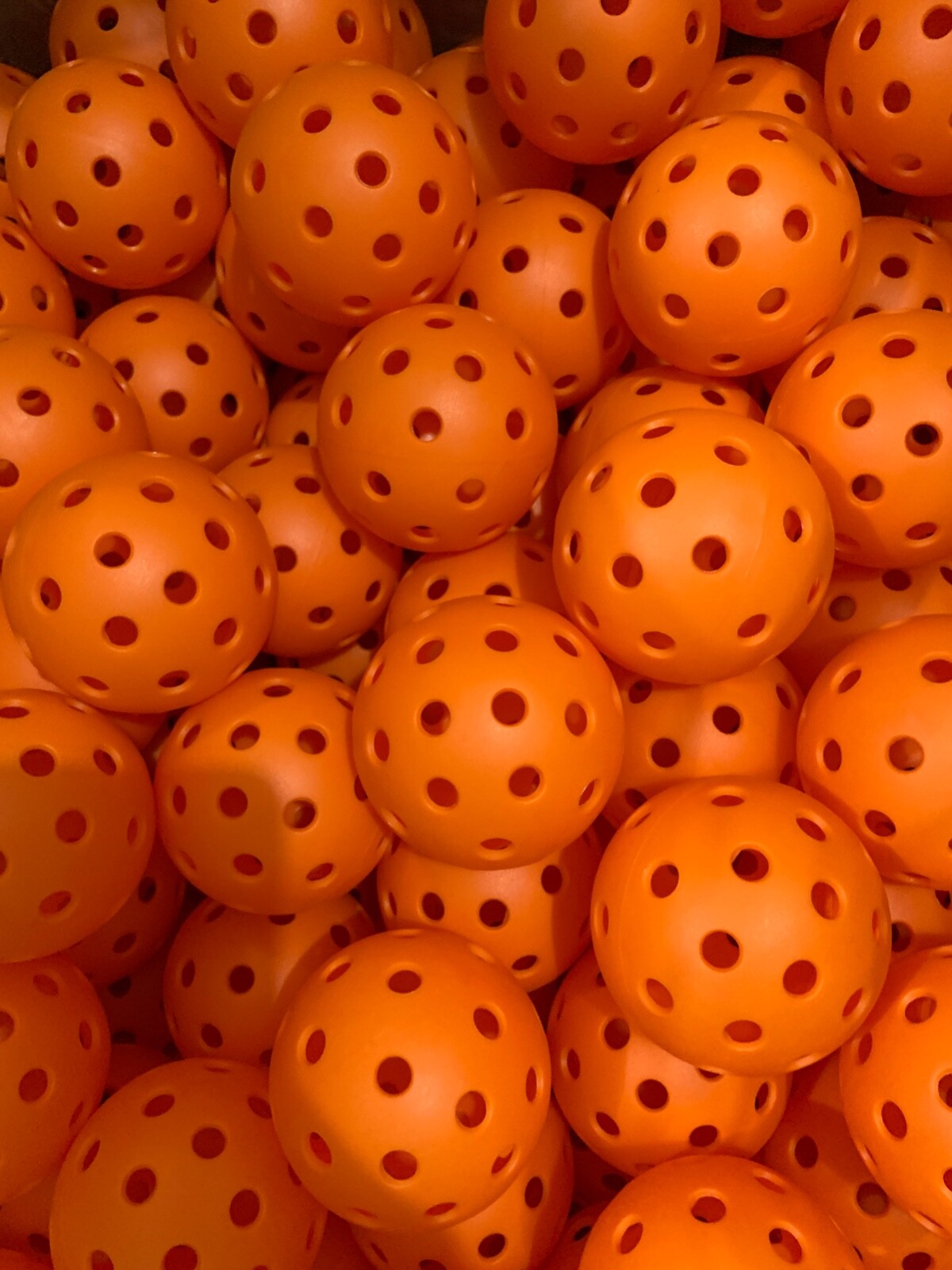 Pack of 15 Quality Pickleball Balls for OUTDOOR/Orange$20.99
 View on eBay
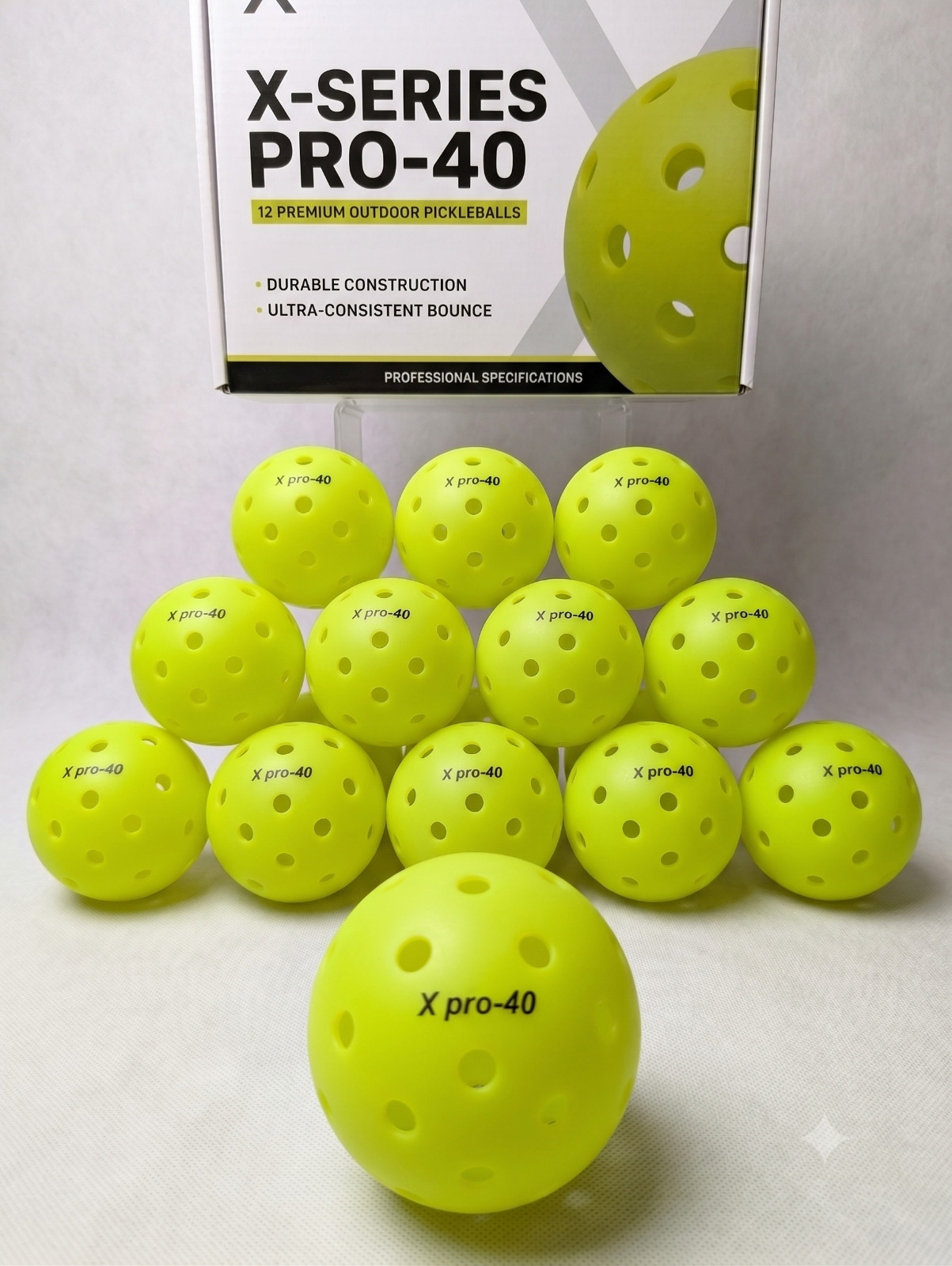 12-Pack Outdoor Pickleball Balls Set. Standard 40 Holes Ball Meet USAPA Standard$23.99View on eBay
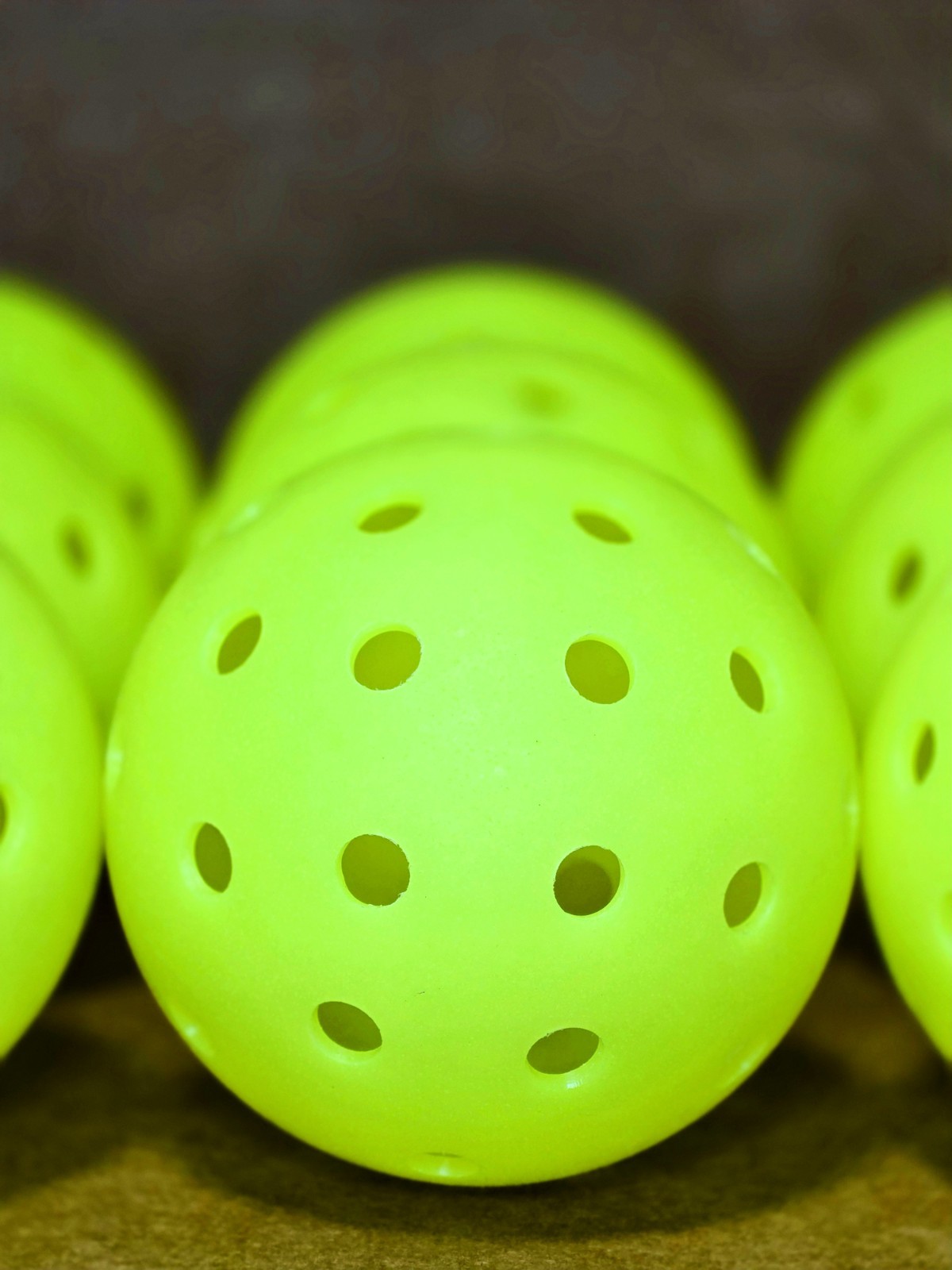 16-Pack Outdoor 40 Holes Pickleball Ball Tournament Grade$25.00View on eBay
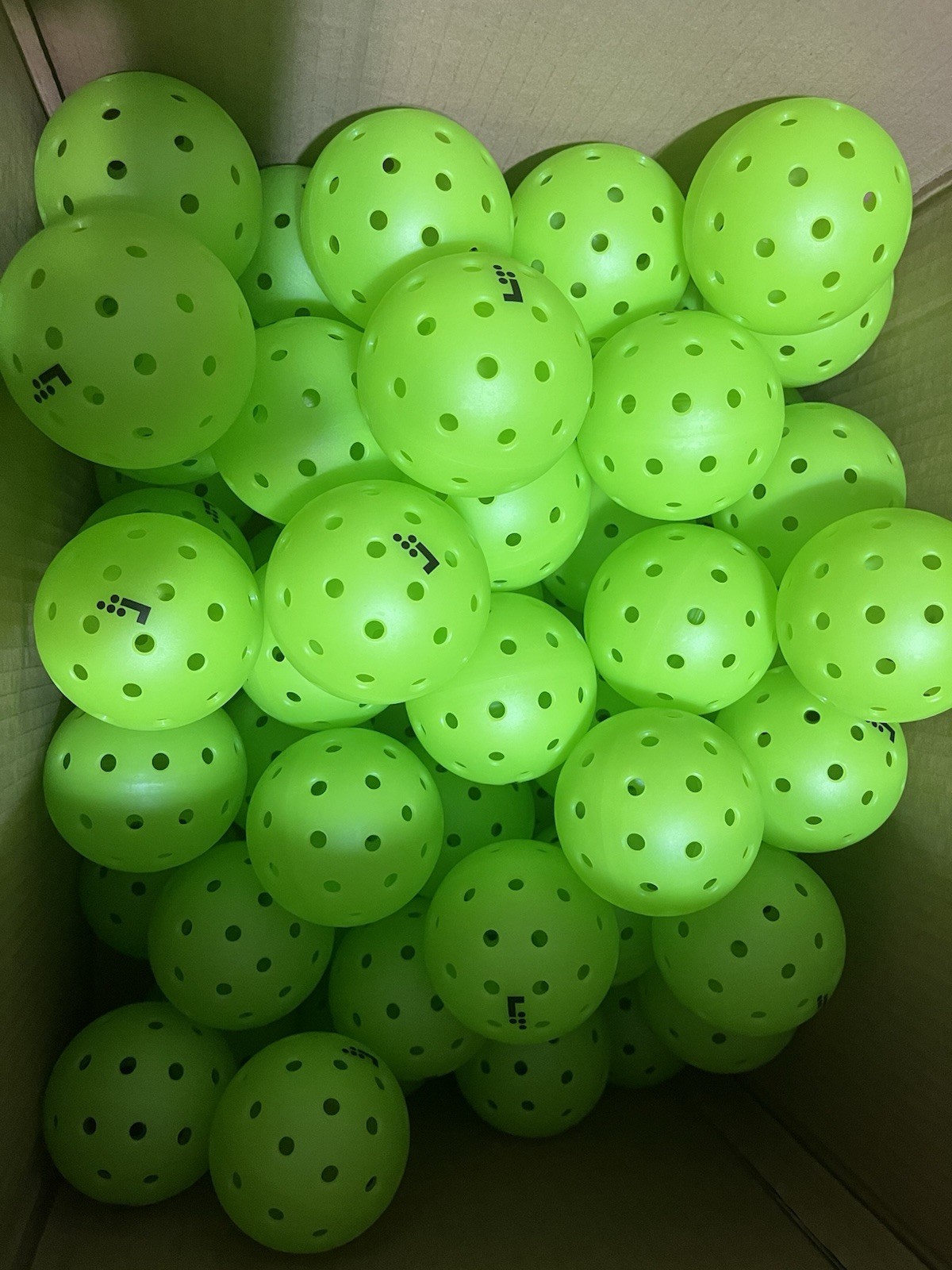 Brand New Pack of 5 Lifetime Fitness LT Pro Pickleballs Balls 48 Holes$29.99View on eBay
- Brand New Pack of 6 Lifetime Fitness LT Pro Pickleballs Balls 48 Holes$31.99View on eBay
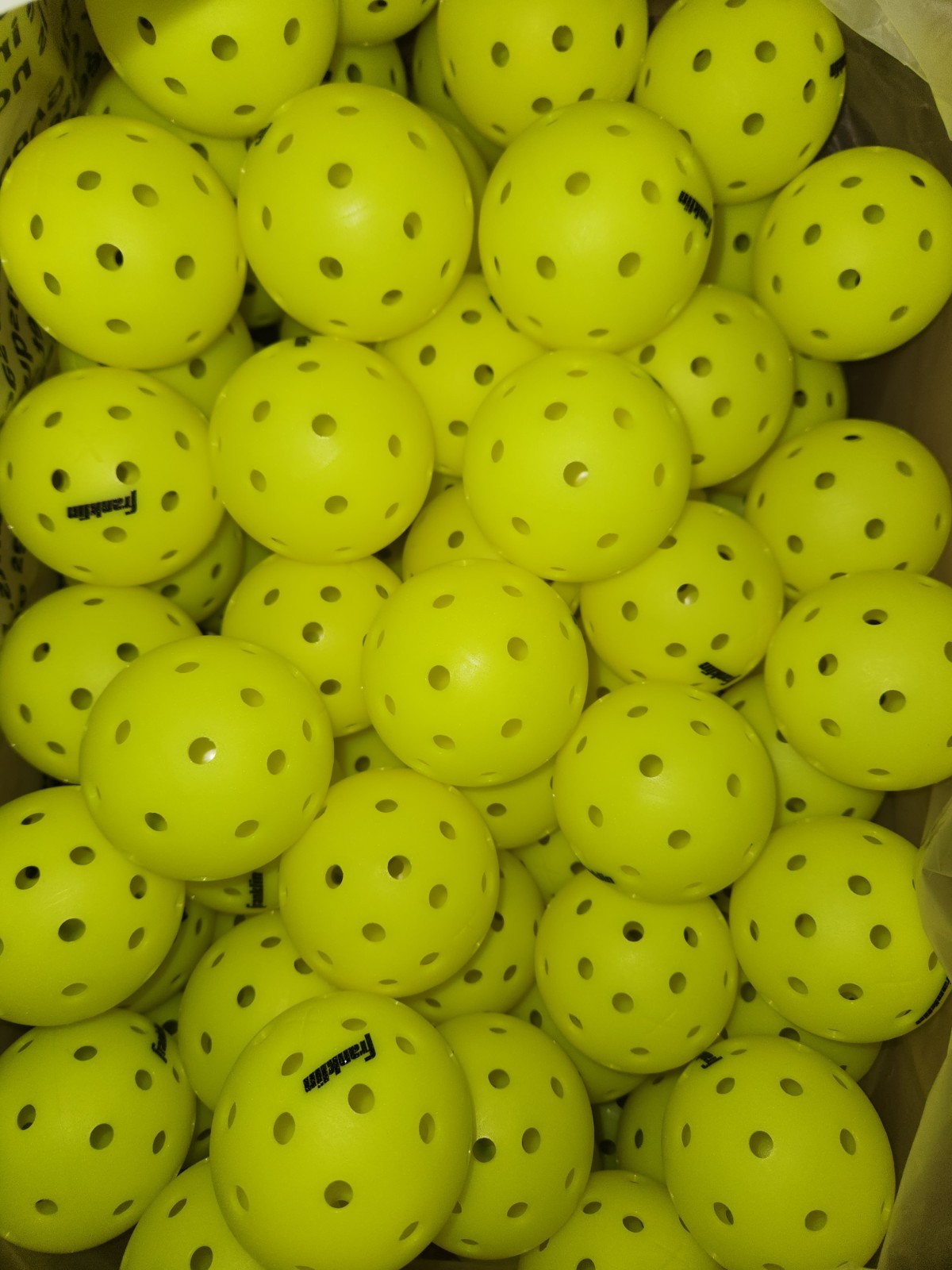 NEW Franklin X-40 Pickleball Outdoor Ball set of 12 Optic Yellow FREE SHIPPING$28.99View on eBay
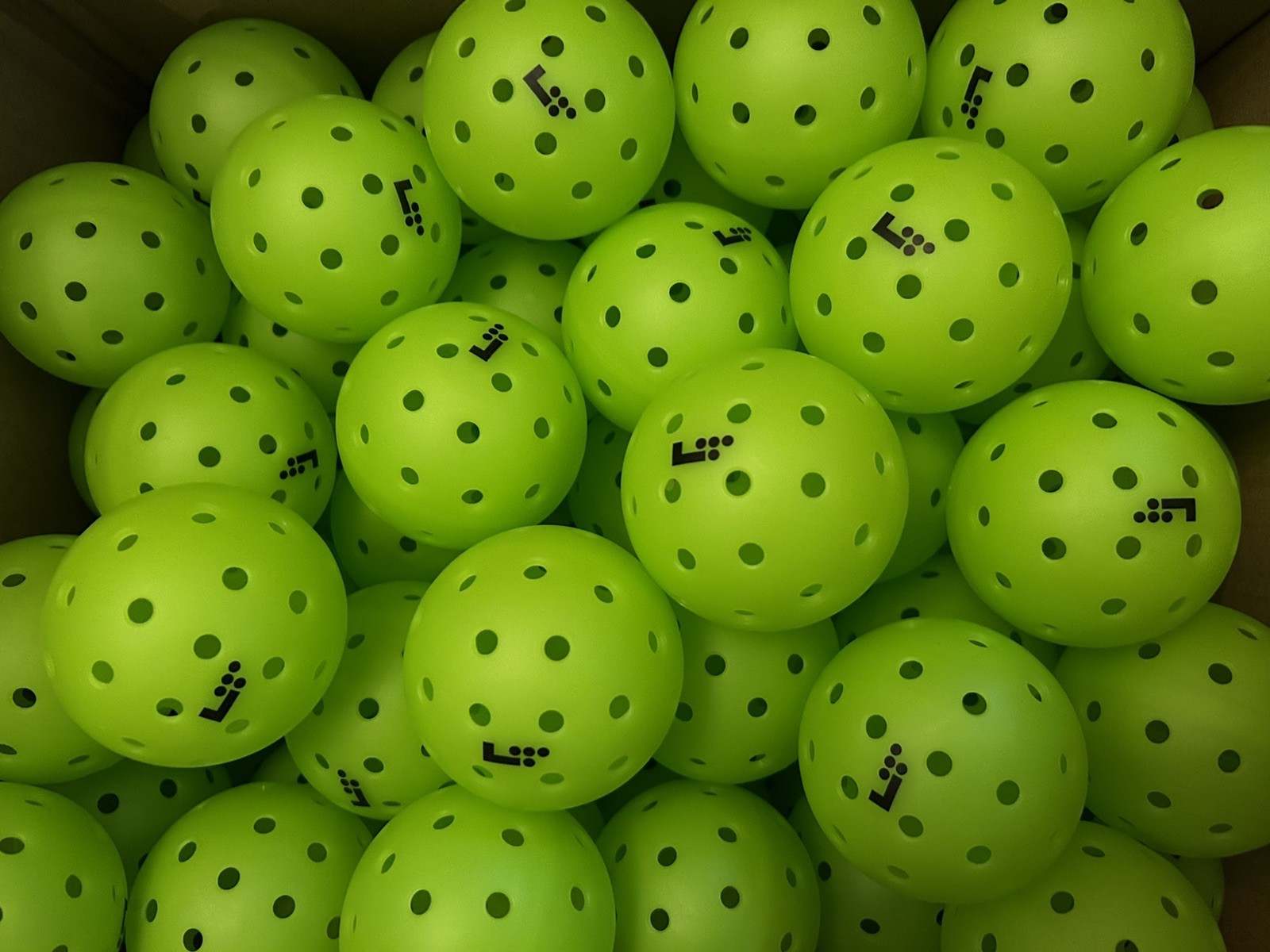 NEW Lifetime LT Pro 48 Performance Pickleball 5 Pack Official Ball of PPA Tour$29.99View on eBay
Highlights
- Outdoor balls use 40 small holes (roughly 0.28 in) and harder, thicker plastic to stabilize flight in wind and survive rough asphalt; indoor balls use 26 larger holes for slower, controlled play on smooth gym floors.
- USA Pickleball (USAPA) approval is the definitive outdoor performance standard, testing bounce, hardness, and wind resistance; tournament-grade balls carry this approval and maintain roundness longer.
- Rotational molding produces seamless, uniform walls; cheap injection-molded balls have weld lines that crack and go out of round within hours of hard play.
- Hole count and pattern are engineered as a set: 40-hole outdoor balls and 26-hole indoor balls are the two established architectures; 48-hole or 32-hole balls are niche or mislabeled and will not match standard flight.
Best use cases
- Choose 40-hole USA Pickleball-approved outdoor balls (e.g., Franklin X-40, Lifetime LT Pro 48) for concrete or asphalt courts, wind, and tournament play; skip 26-hole indoor balls outdoors because they sail and crack.
- Choose 26-hole indoor balls for gymnasium or smooth sport-court play where a slower, more controllable bounce is wanted; skip hard 40-hole outdoor balls indoors as they bounce too lively and scuff floors.
- Choose a 12- or 16-pack of tournament-grade 40-hole balls for club play, ladders, and drilling where durability matters; skip bargain multi-packs with no approval or hole-count spec for any competitive use.
- Choose softer, lower-durometer balls for beginners, juniors, or cold-weather play to reduce sting and cracking; skip them for advanced tournament play where consistent hard-ball response is required.
Buying tips
- Match hole count to surface: 40 small holes for outdoor hard courts, 26 large holes for indoor gym floors; any other count is a performance compromise.
- Prioritize USA Pickleball-approved outdoor balls for league or tournament play; approval is the only verifiable third-party durability and flight standard.
- Buy rotational-molded balls with seamless walls; injection-molded balls develop weld-line cracks and go out of round quickly.
- For cold weather below about 50°F, use softer or indoor-grade balls; standard hard outdoor balls crack faster in cold, and store balls indoors between sessions.
Specs
| Hole Count | 40 outdoor / 26 indoor |
|---|---|
| Approval Standard | USA Pickleball (USAPA) |
| Molding Type | Rotational vs injection |
| Ball Hardness | Firm outdoor / softer indoor |
Related searches
What to check before buying
- Confirm your playing surface: concrete/asphalt needs 40-hole outdoor balls; wood or synthetic gym floor needs 26-hole indoor balls.
- Verify the ball is USA Pickleball-approved if you play leagues or tournaments; unapproved balls may have inconsistent bounce.
- Check the pack quantity against your group size and drilling volume; 6- to 12-packs suit casual play, 12- to 16-packs suit clubs.
- Inspect wall thickness and hardness feel: outdoor balls should feel firm and rigid, indoor balls slightly softer and more forgiving.
FAQ
Data sources: eBay / Amazon listings and product attribute feeds Data updated Nov 16, 2026.
Some links on this page are affiliate links. If you buy after clicking one, we may earn a commission at no extra cost to you. This does not change which products appear here or their order. Affiliate disclosure.