Photos from current listings. Actual item, color, and included accessories may vary.
Workout Bench Buying Guide
A workout bench is the adjustable or flat platform that supports bench press, dumbbell work, and core training; the core trade-off is frame gauge and pad density versus folding convenience. Durable benches use 2x2-inch 11-14 gauge steel, a 3-inch high-density pad, and welded or bolted gussets rated for 600 lb or more, while budget benches rely on thinner 1.5-inch tubing and soft foam that compresses under load. Buy a bench rated at least 25% above your bodyweight plus working load if you press heavy; choose a flat bench for pure pressing, an FID (flat/incline/decline) for full-body variety, and avoid any bench whose pad sits above 18 inches if you are under 5-foot-8.


At a glance
- Category
- Power Racks, Benches & Platforms
- Data updated
- Nov 16, 2026
Current offers
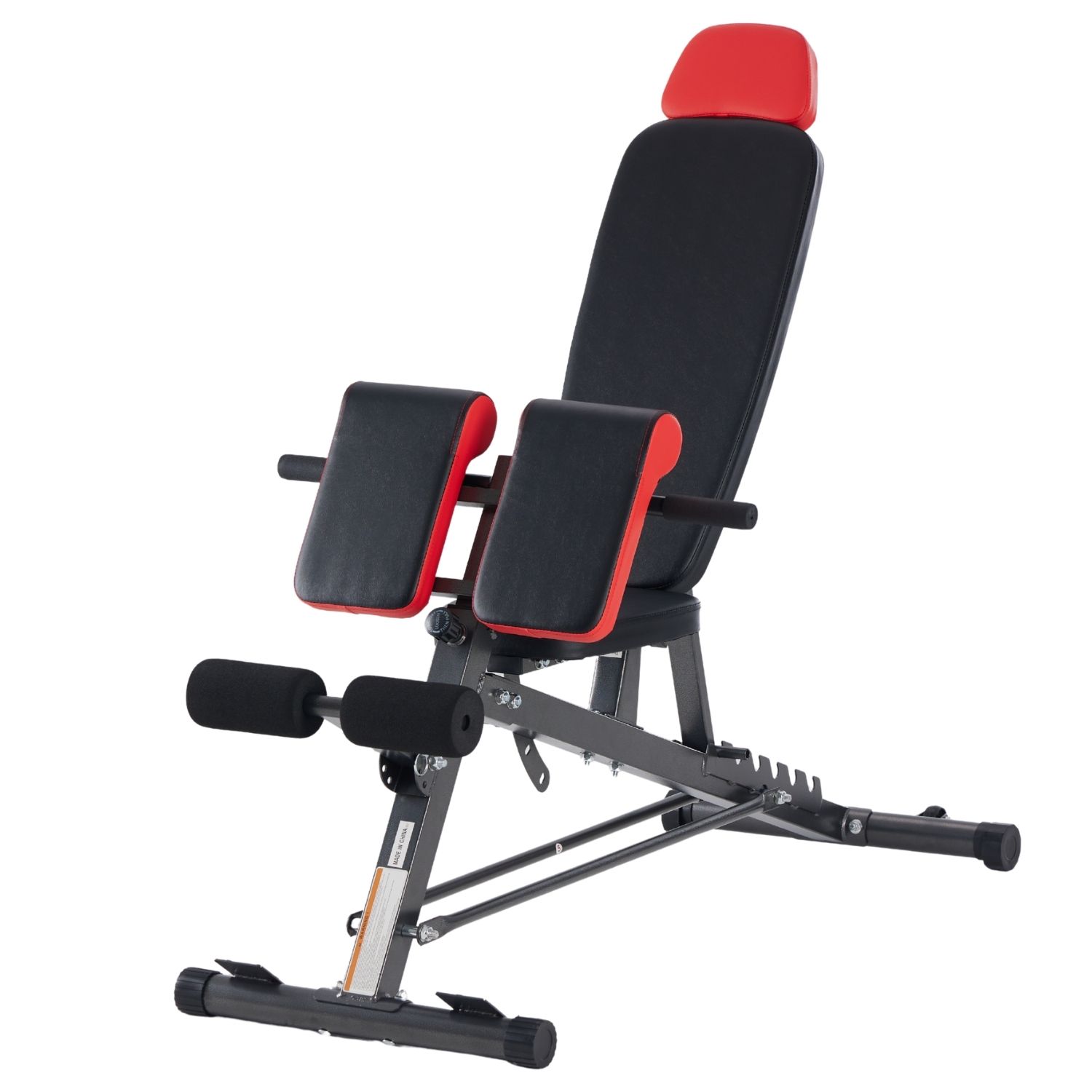 FID Multi-Functional Workout Bench, Roman Chair And Ab Sit-up Adjustable Incline Decline Flat For Full Body Training$155.99
 View on Mallflare
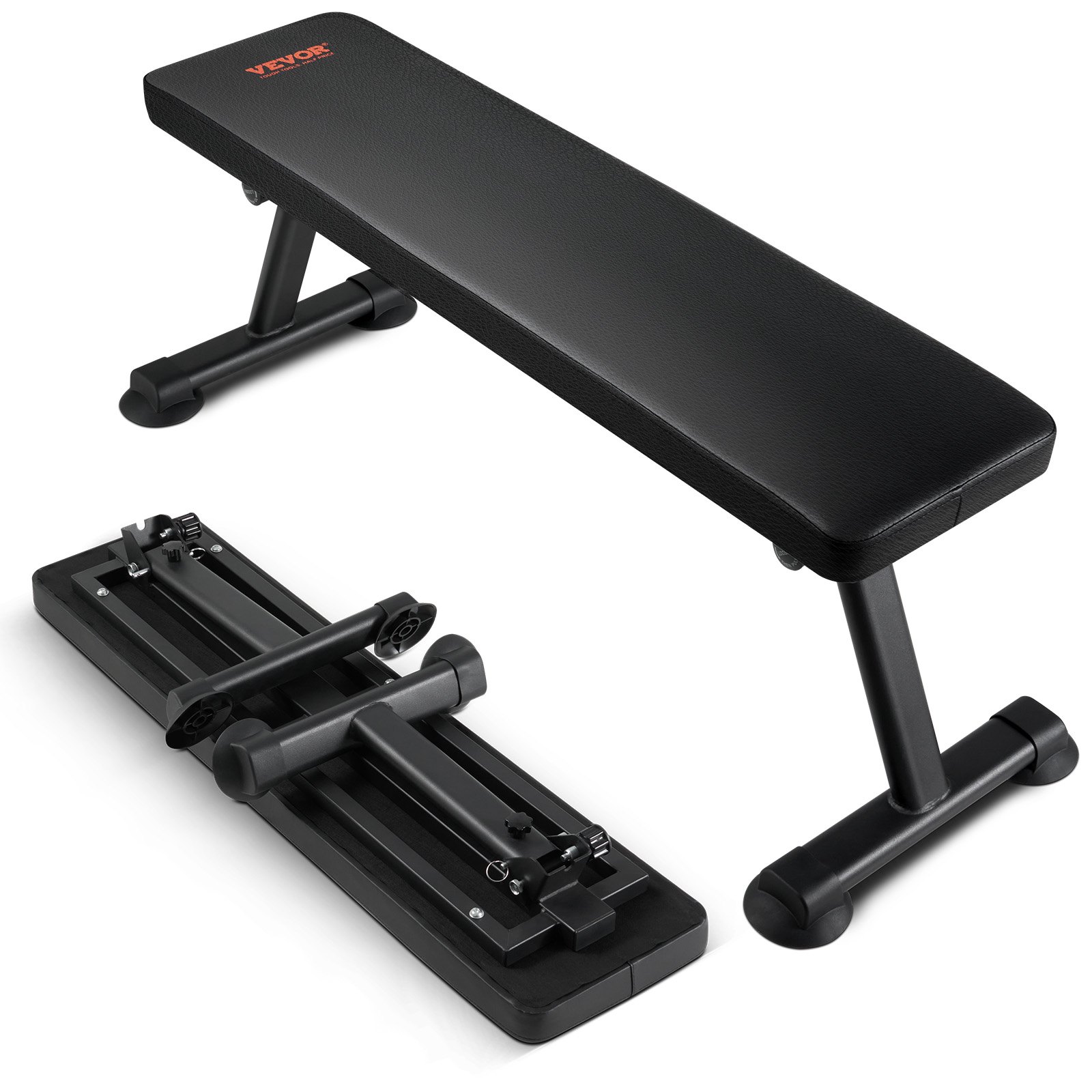 Flat Weight Bench, Foldable Strength Training Utility Workout For Full Body 1000 LBS Press For Home Gym Exercise, For Multi-Purpose And Ab Exercises$79.99View on Mallflare
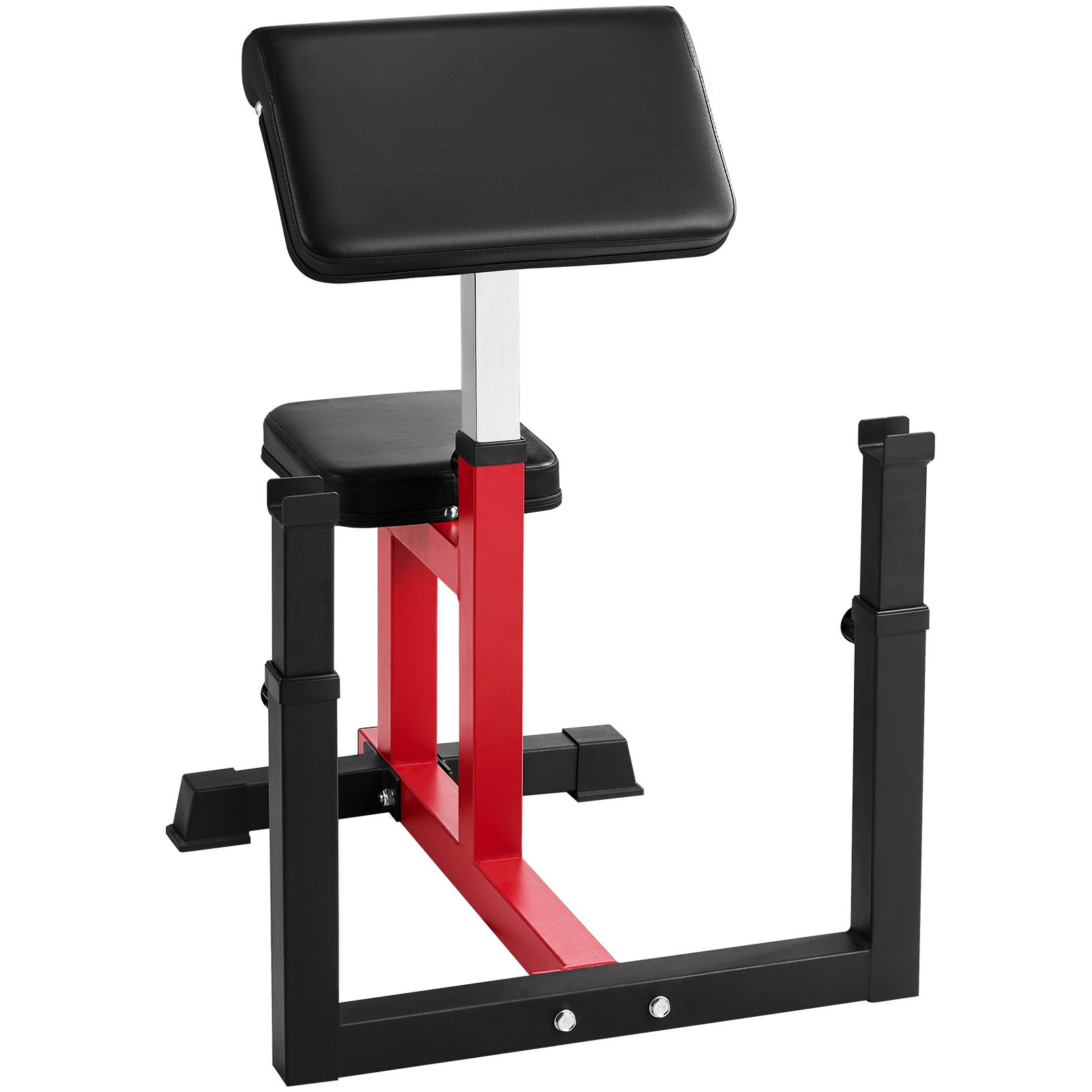 Weight Bench With Leg Extension, Strength Training Benches, Max Load 440 LBS Home Gym Fitness Equipment, Seated Arm Isolated Barbell Dumbbell Bicep Station, Workout For Gym$92.99View on Mallflare
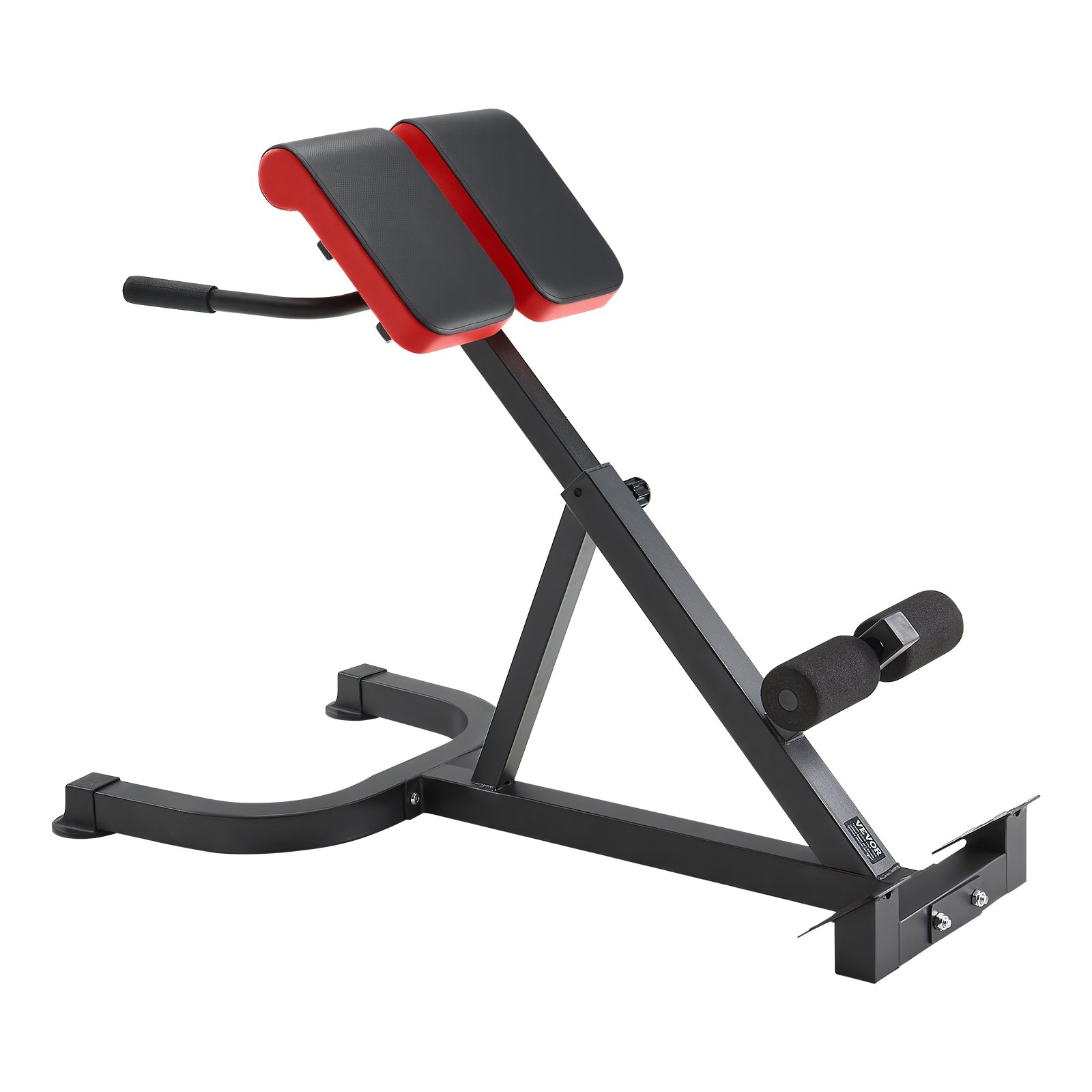 Roman Chair Hyperextension Bench, 300 Lbs Adjustable Extension Machine, Multi-Function Exercise Equipment For Glute, Hamstring, Lower Back, And Ab Workout, Fitness Weight For Home Gym$99.99View on Mallflare
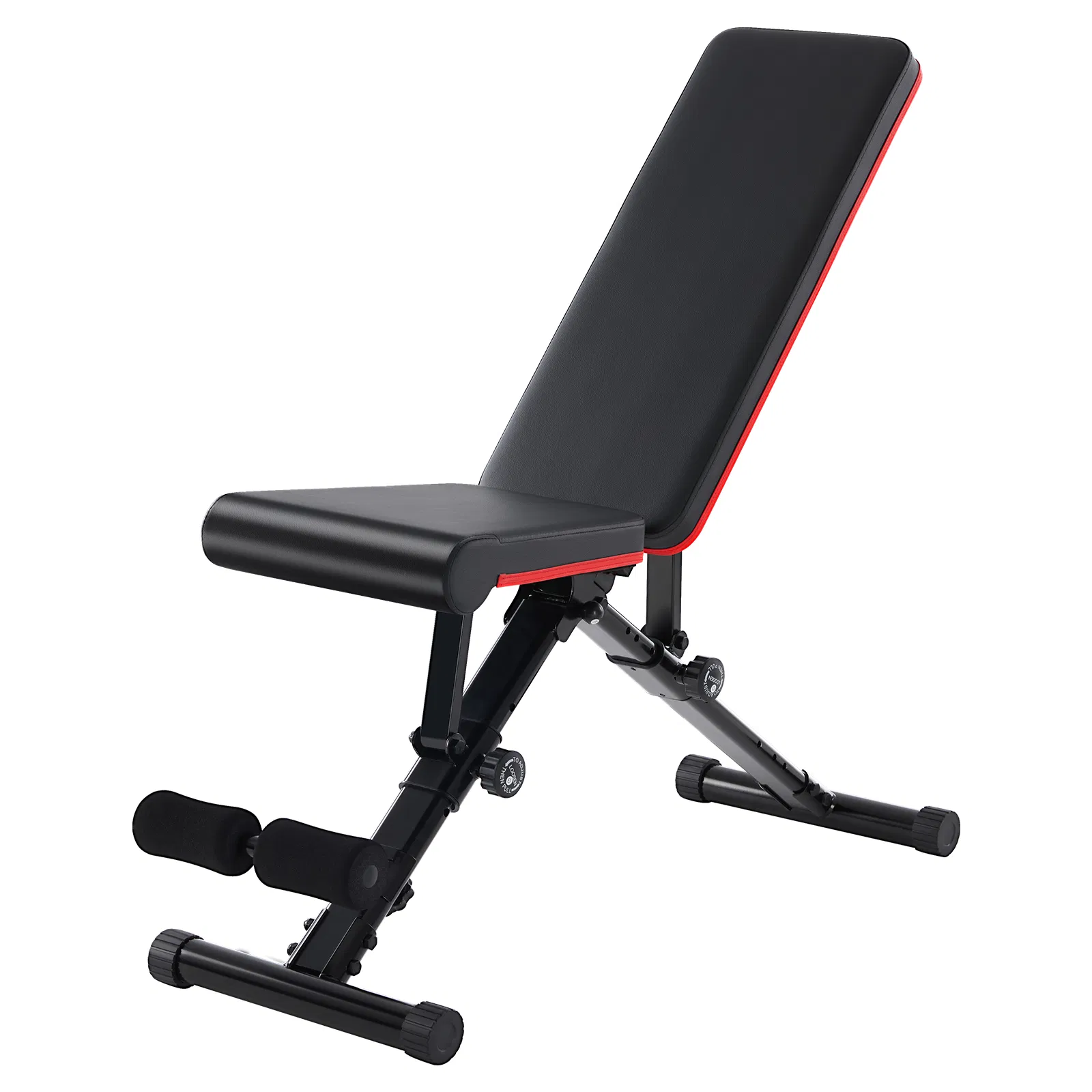 Weight Bench Adjustable Workout for Home Gym, Foldable Press for Full Body Exercise and Strength Training for Gym, for$99.99View on Mallflare
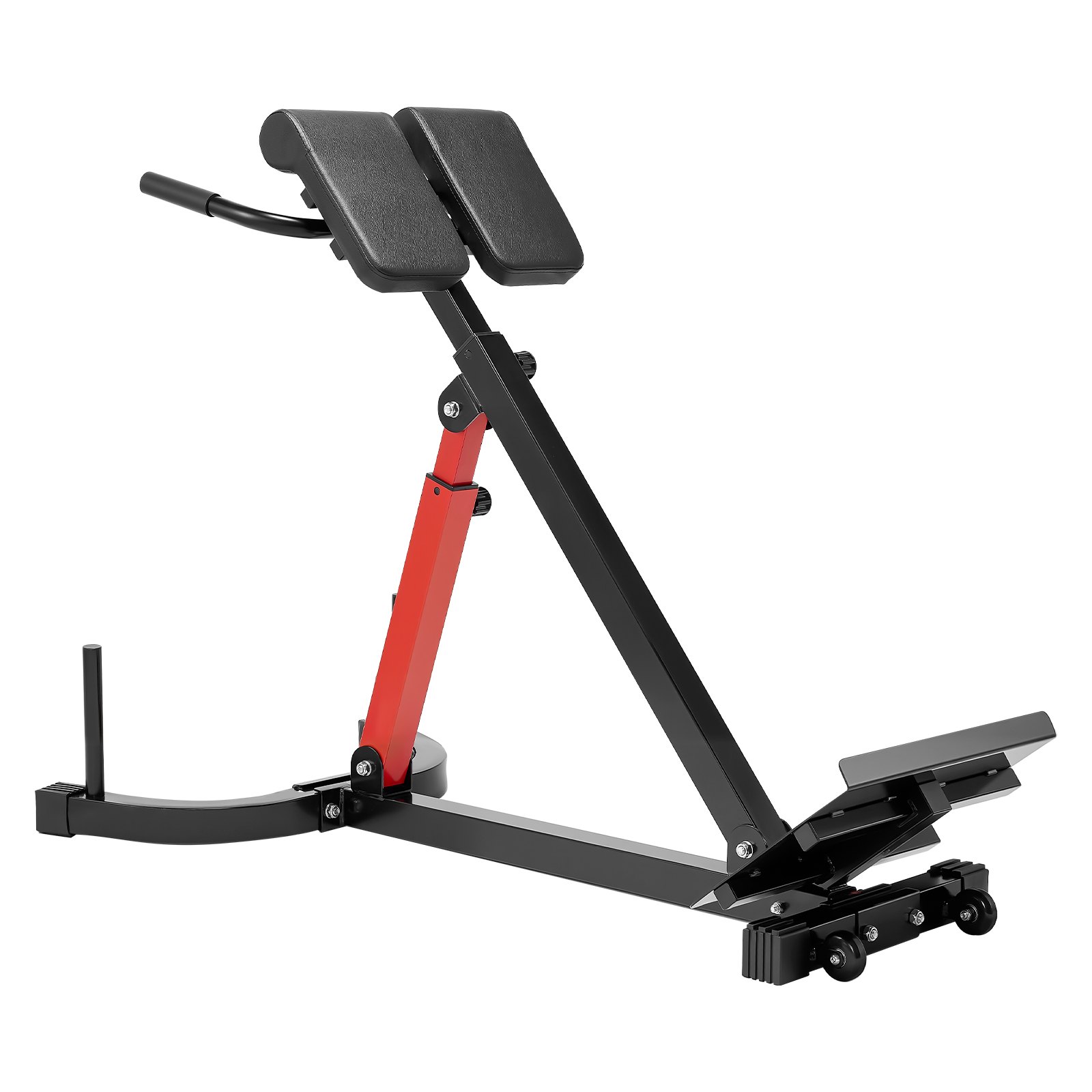 Roman Chair Hyperextension Bench, 350 Lbs Adjustable Extension Machine, Multi-Function Exercise Equipment For Glute, Hamstring, Lower Back, And Ab Workout, Fitness Weight For Home Gym$110.99View on Mallflare
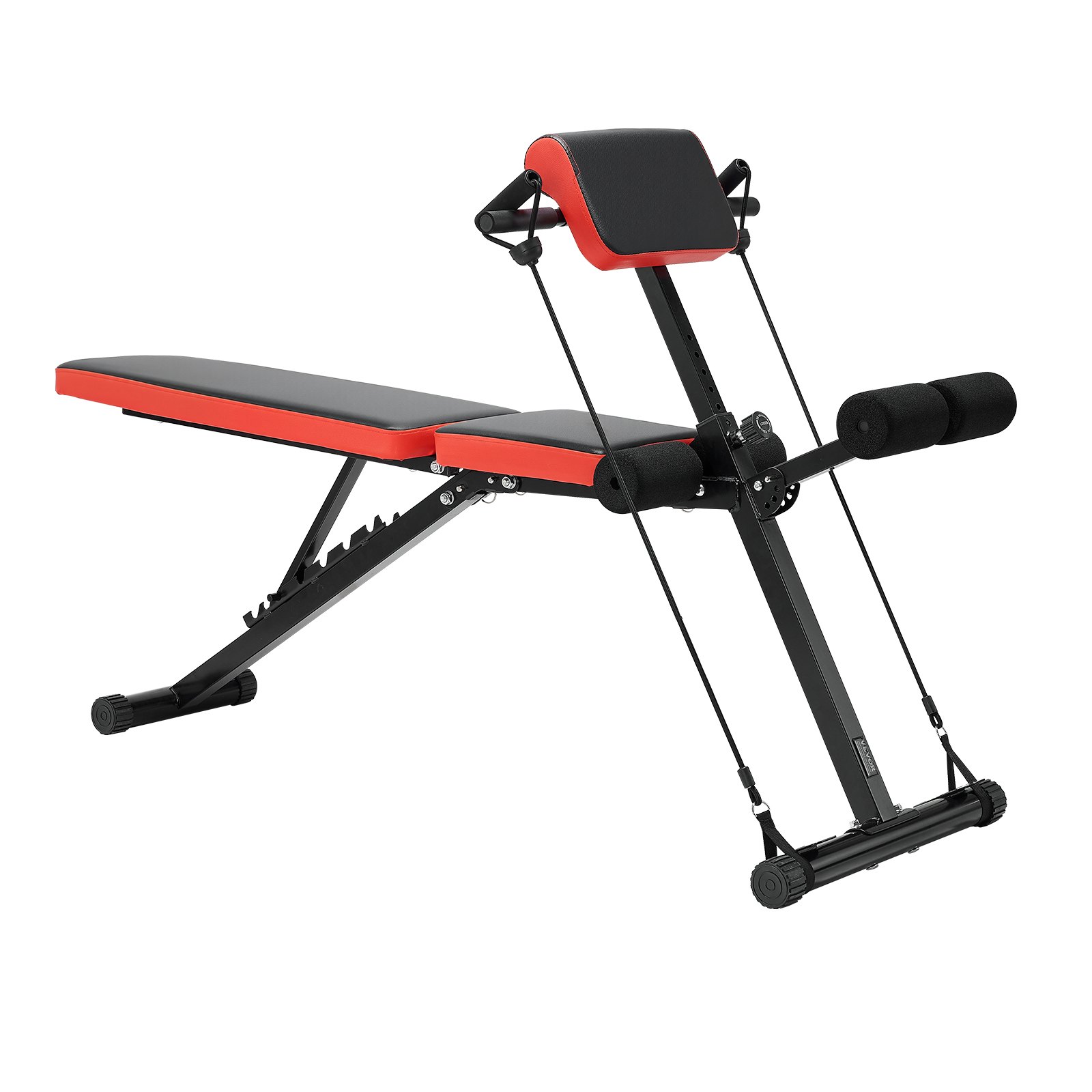 Multi-Functional Weight Bench For Full Body Workout, Roman Chair Hyperextension 770 Lbs Adjustable & Foldable Equipment For Back Arm Core Ab Sit Up Exercise Machine For Home Gym$110.99View on Mallflare
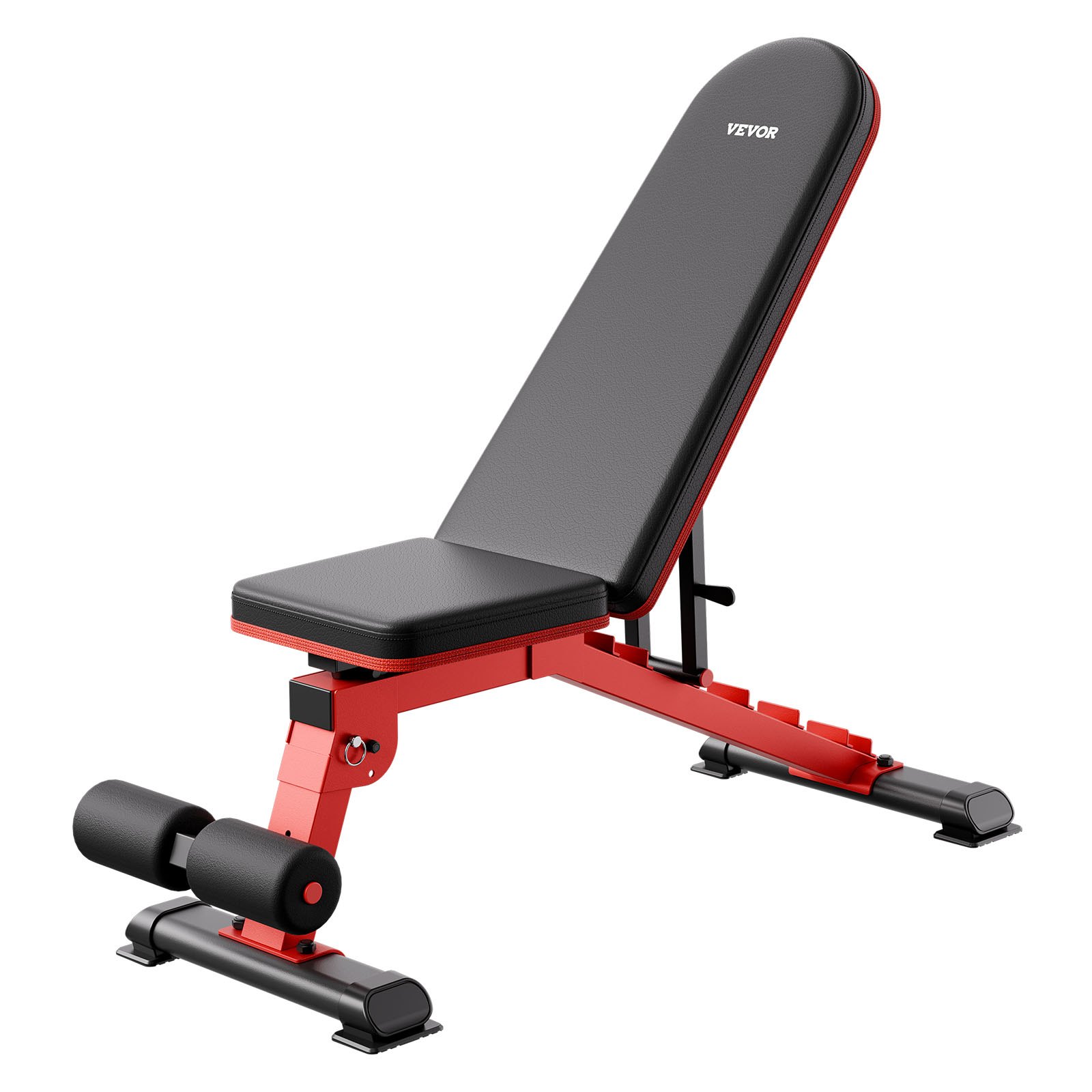 Weight Bench, 1200lbs Heavy Duty Stable Press For Full Body Workout, Adjustable Exercise Sit Up For Home Gym Strength Training, Flat With Quick Folding & Fast Adjustment$115.99View on Mallflare
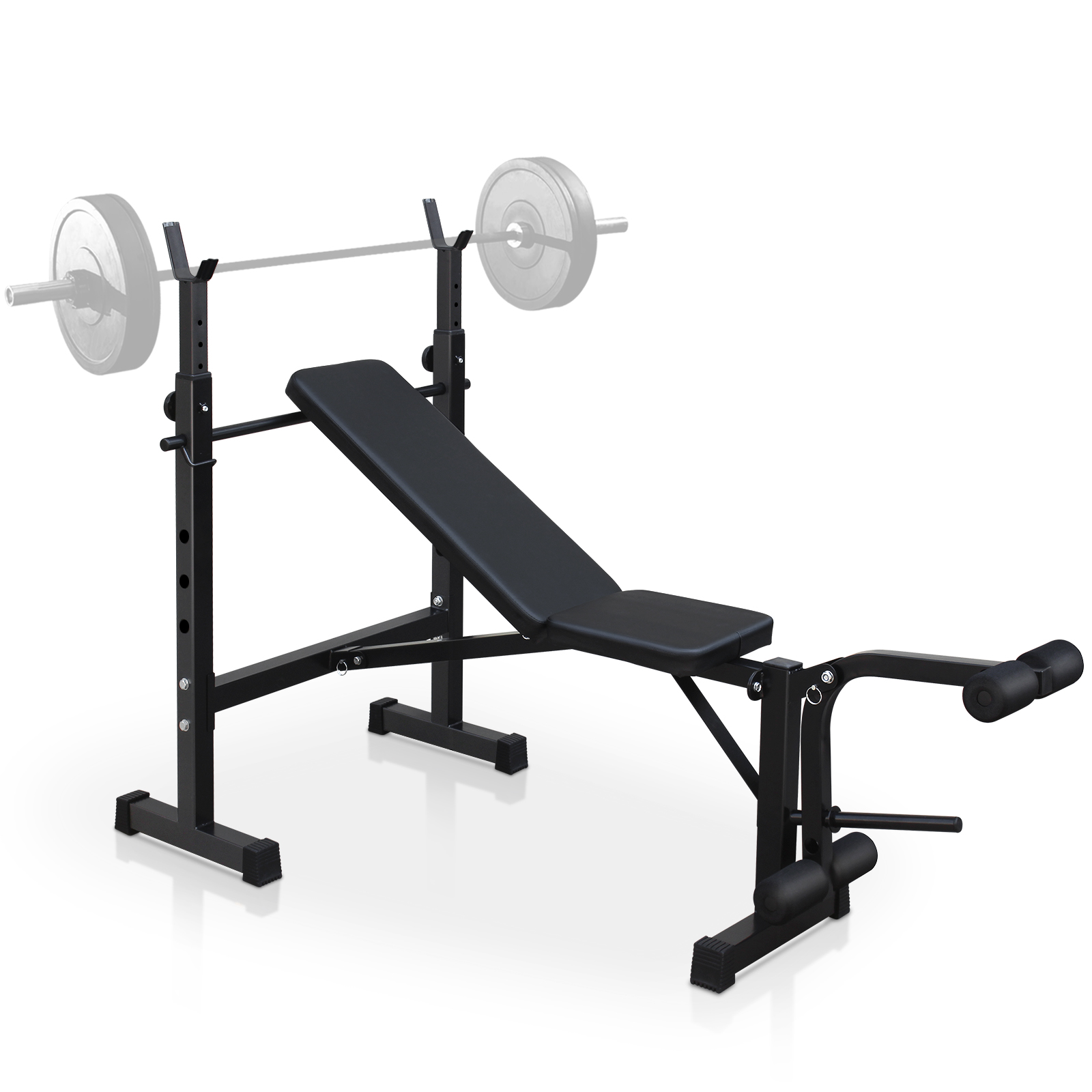 Olympic Weight Bench, Press Set With Squat Rack And For Home Gym Full-Body Workout$132.99View on Mallflare
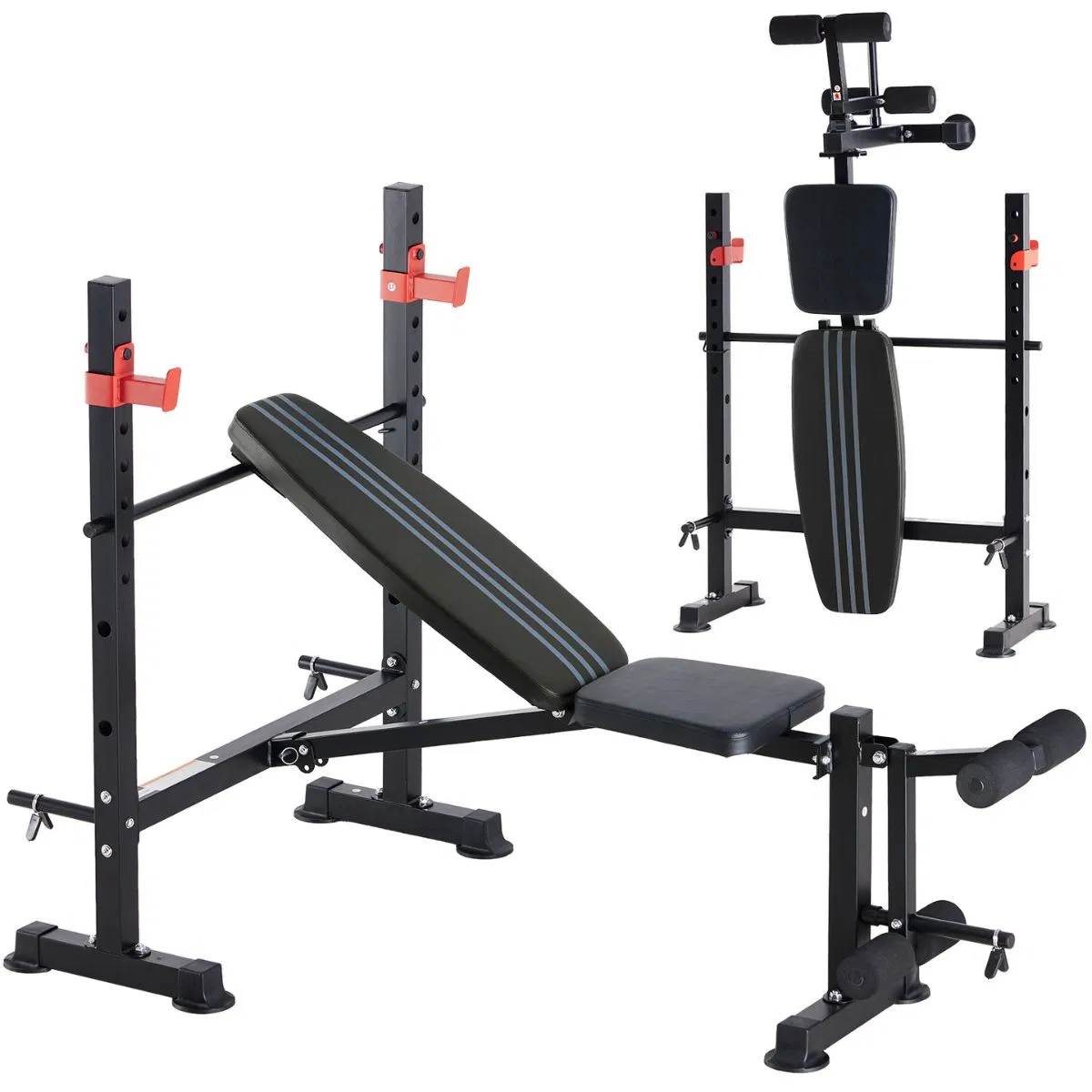 650LBS Adjustable Weight Bench with Rack & Leg Developer, Foldable Press Set for Home Gym, Heavy Duty Strength Training Station for Full Body Workout$138.99View on Mallflare
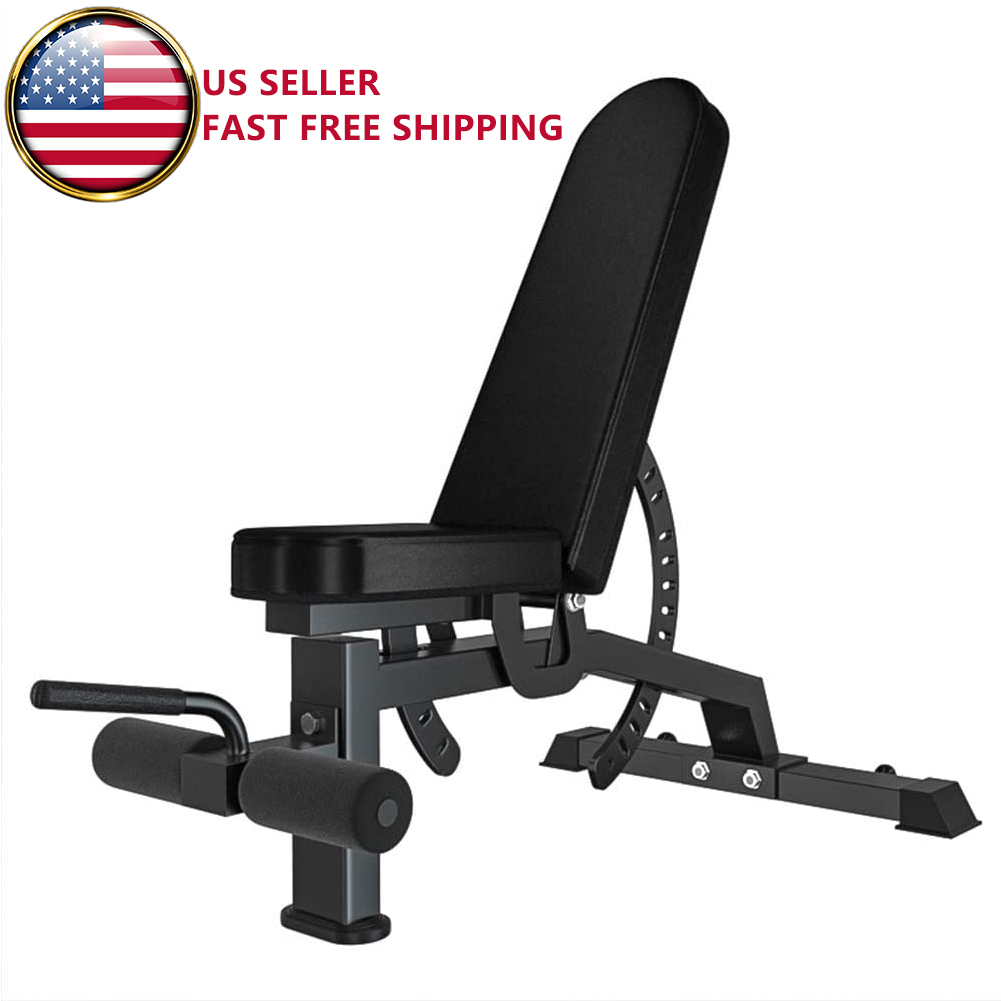 Adjustable Strength Training Bench Press Home Full Body Workout Foldable Weight Benches Gym Multi-functional Fitness Dumbbell Chair$158.99View on Mallflare
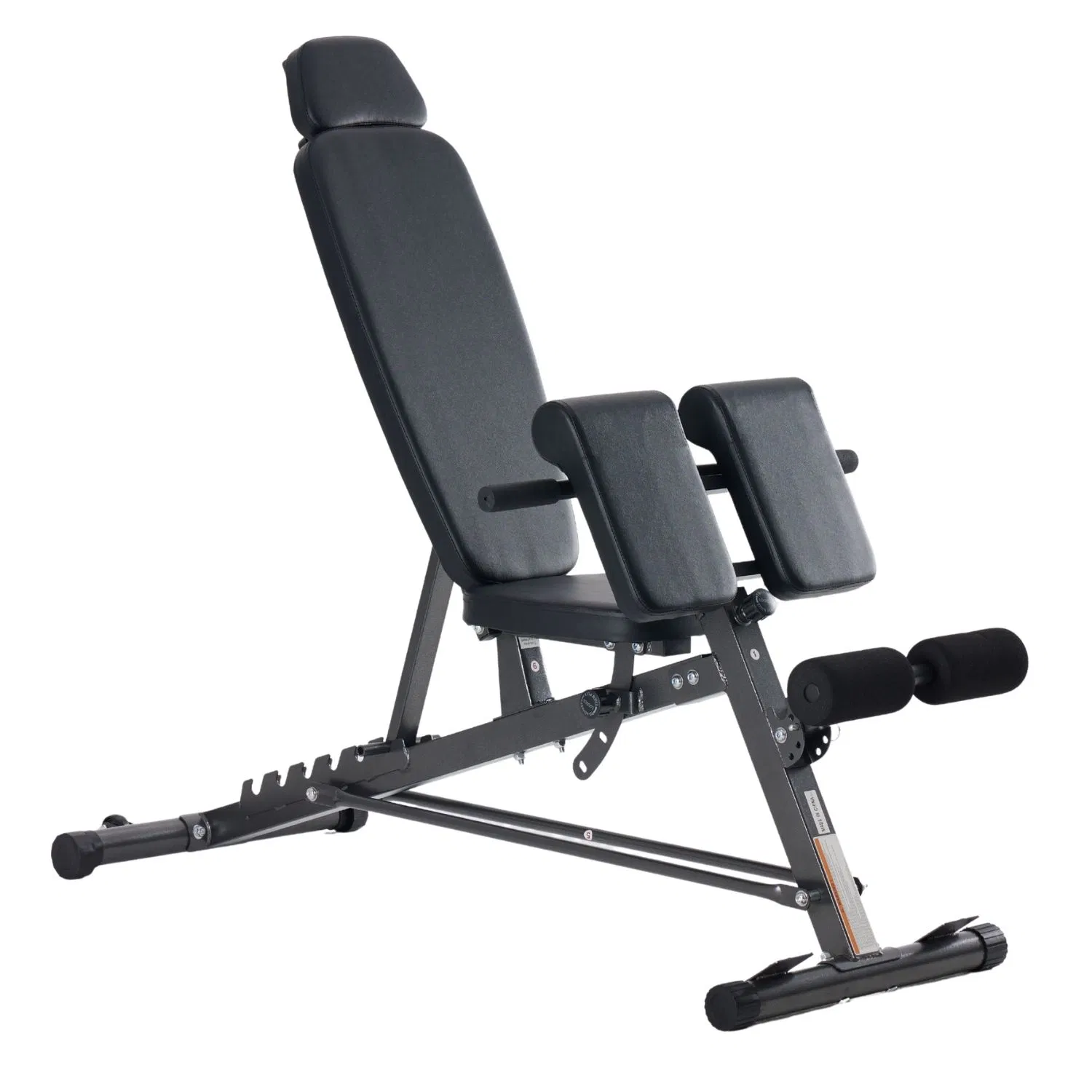 Multifunctional Bench Press Adjustable for Supine, Prone, And Flat Positions, High-Intensity Back Extension Roman Chair, Foldable Sit-Up All-In-One Full-Body Workout Equipment for$160.99View on Mallflare
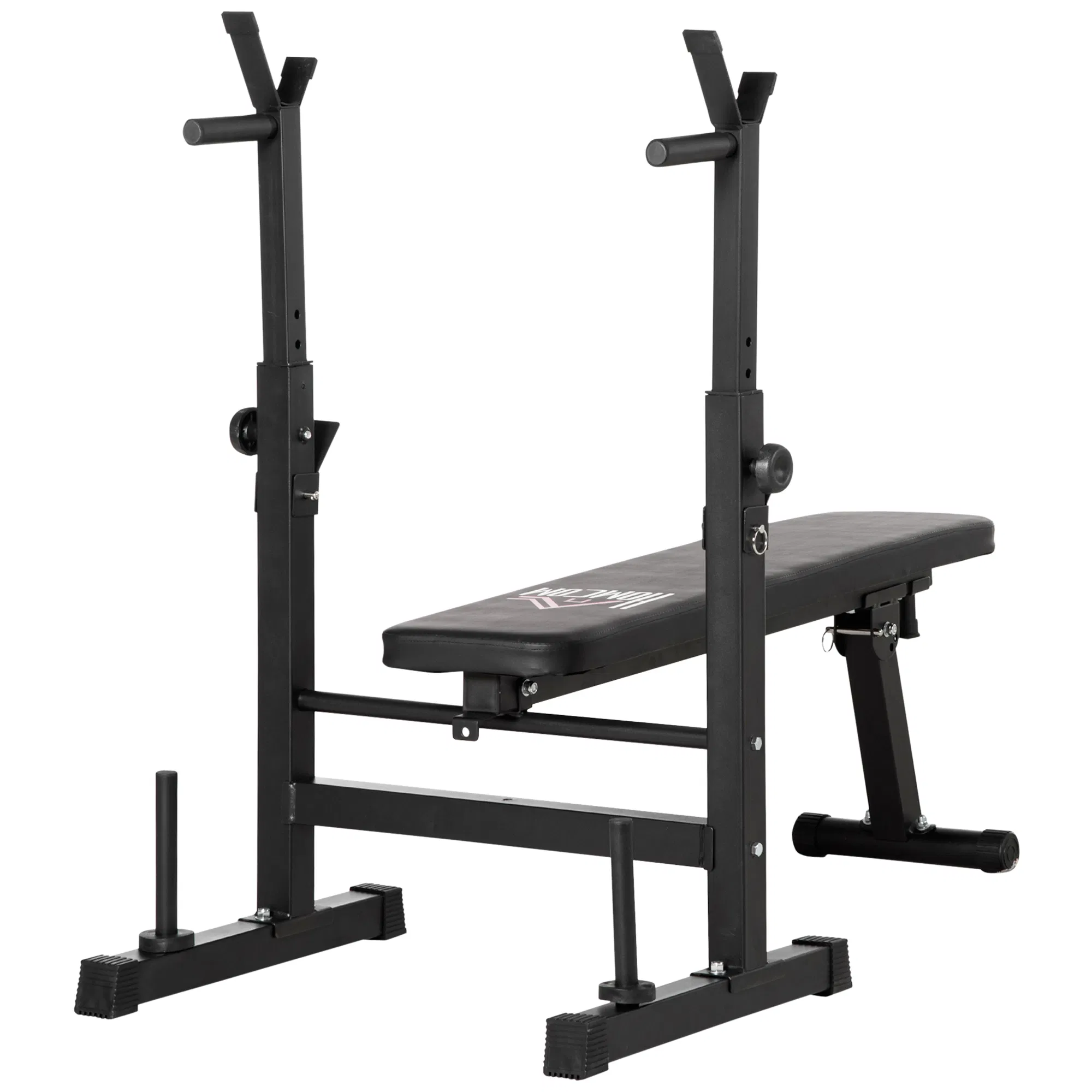 Adjustable Weight Bench, Foldable Press with Barbell Rack and Dip Station for Home Gym, Strength Training Multiuse Workout Black$171.99View on Mallflare
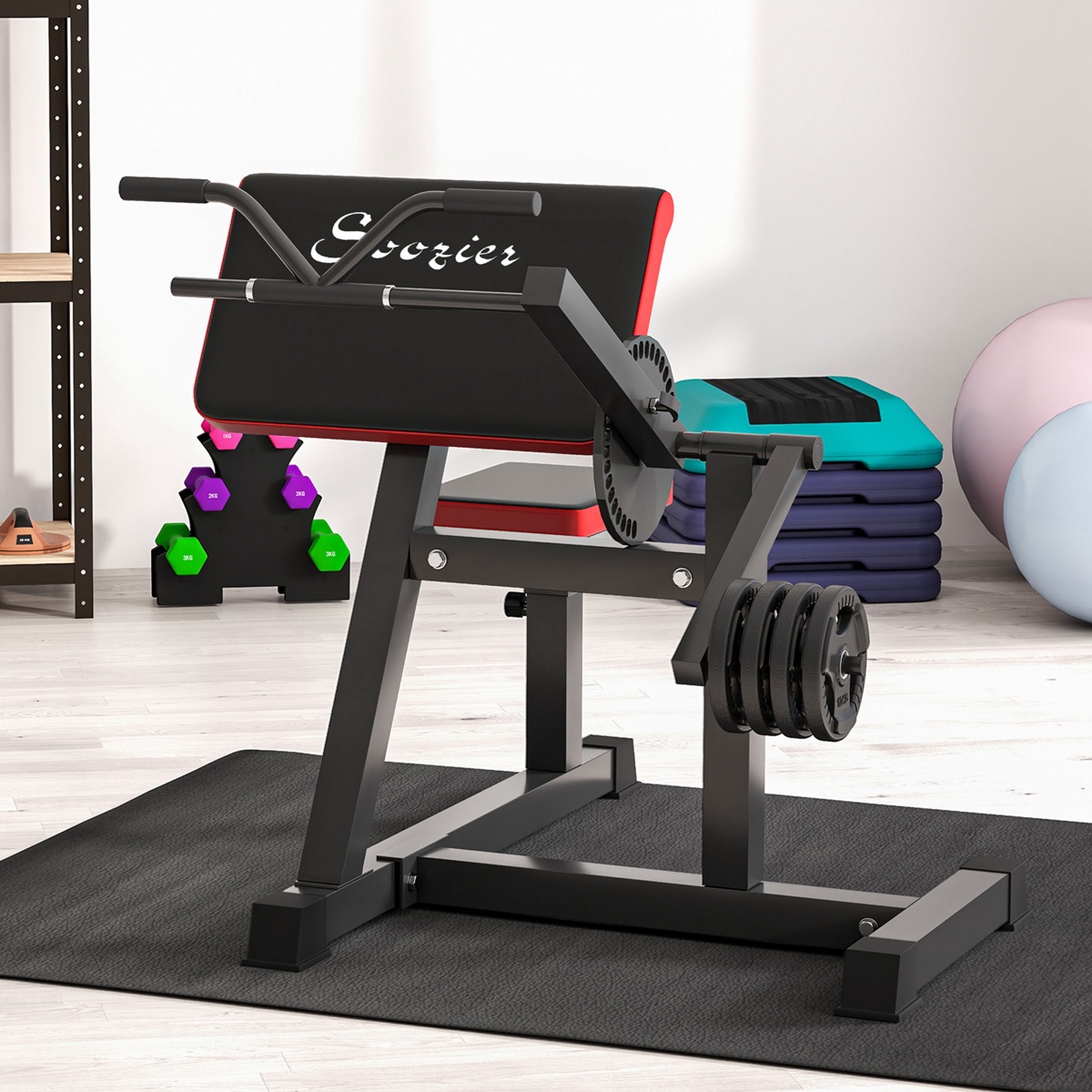 2-In-1 Bicep Preacher Curl Bench Machine with Adjustable Seat and Elbow Cushion, for Home Gym Workout$173.99View on Mallflare
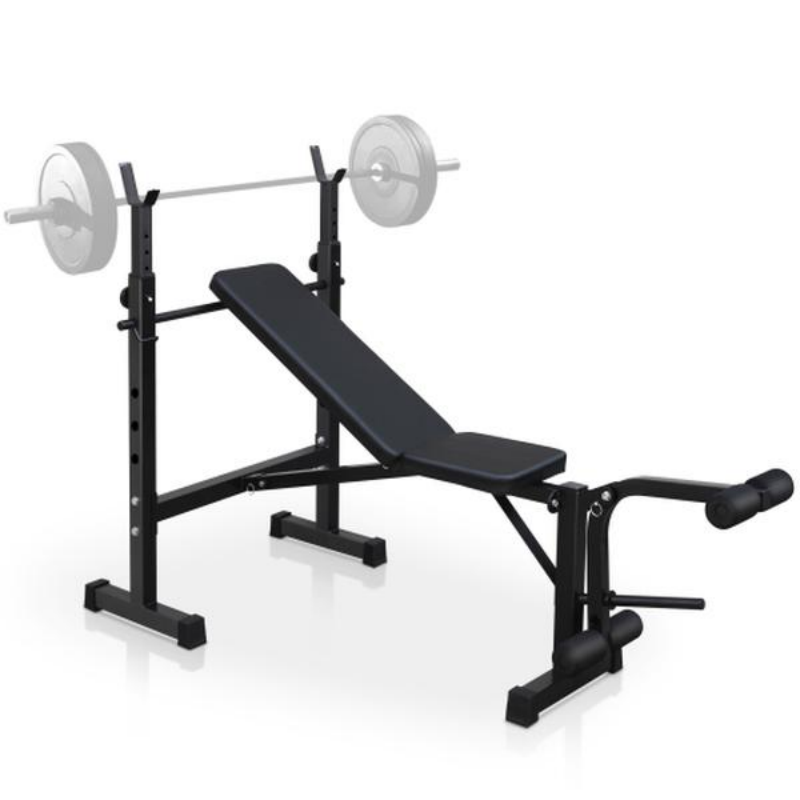 Olympic Weight Bench Full Body Workout For Your Home Gym With Squat Rack And Press$182.99View on Mallflare
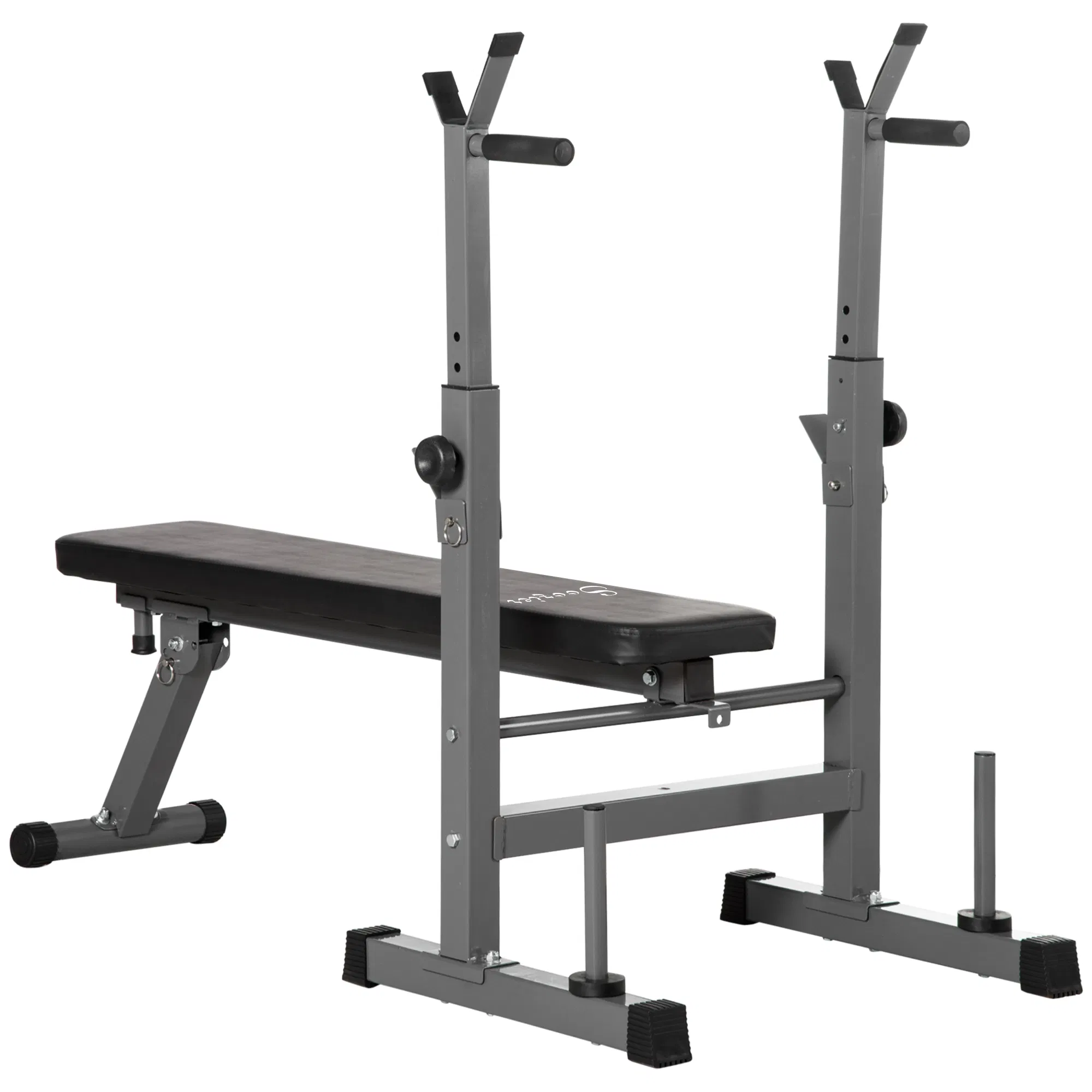 Adjustable Weight Bench, Foldable Press with Barbell Rack and Dip Station for Home Gym, Strength Training Multiuse Workout Black and Grey$184.99View on Mallflare
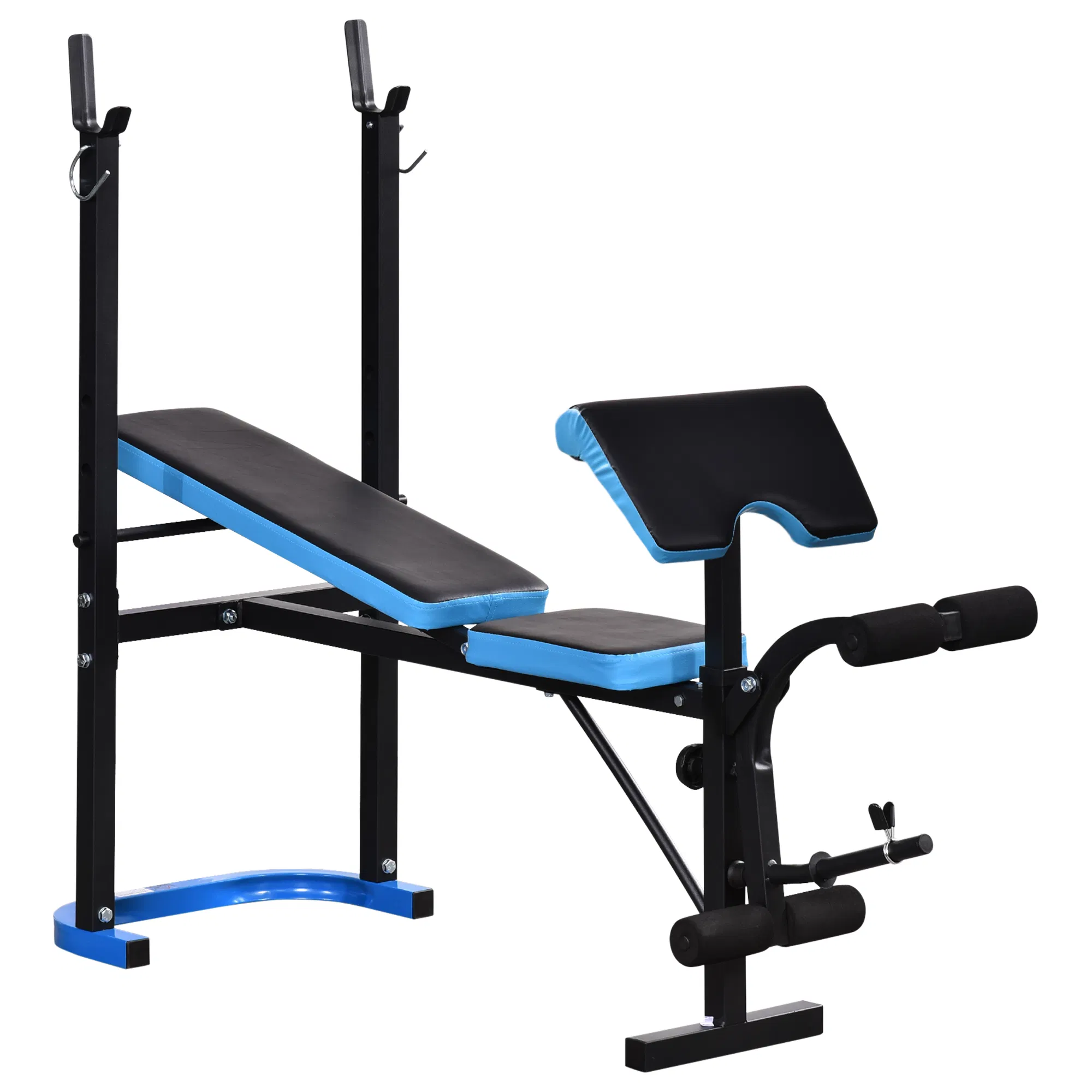 Adjustable Weight Bench with Barbell Rack and Leg Developer for Lifting and Strength Training Multifunctional Workout Station for Home Gym Fitness, Black$221.99View on Mallflare
Highlights
- Frame strength tracks steel gauge and tube size: 11-14 gauge 2x2-inch steel supports 600-1,000 lb ratings, while 16-gauge 1.5-inch tubing caps out near 300-400 lb.
- Pad density matters more than thickness: 2.5-3 inch high-density foam or vinyl-wrapped plywood resists compression, while soft 4-inch foam bottoms out under dumbbell press loads.
- Adjustment mechanism separates tiers: pop-pin ladders with 6-7 incline positions and a flat-to-decline range beat friction-lock or hook-and-loop systems that slip under load.
- Folding benches trade rigidity for storage: hinge-and-pin folders work for light dumbbell work but flex under barbell loads above roughly 70% of the bench's rated capacity.
Best use cases
- Best fit: barbell bench press in a power rack — pick a flat or FID bench with a 600 lb+ rating, 17-18 inch pad height, and a pad width of 11-12 inches to fit between rack uprights; skip folding benches here.
- Best fit: dumbbell-only home training in a small room — a foldable FID bench with a 400-500 lb rating and 6+ incline positions stores upright and handles seated press and rows; skip dedicated flat benches if you need decline work.
- Wrong fit: Roman-chair or sit-up benches marketed as all-in-one — these have a fixed 45-degree pad and cannot substitute for a flat pressing surface; buy a separate hyperextension bench only if lower-back and glute work is your priority.
Buying tips
- Size the rating to your load: add your bodyweight to the heaviest barbell or dumbbell weight you press and buy a bench rated at least 25% higher — a 200 lb lifter pressing 225 lb needs a 550 lb+ bench.
- Match pad height to your inseam: a 17-18 inch pad height lets most lifters plant both feet flat; if you are under 5-foot-8, look for a 16-17 inch pad or you will press with heels raised.
- Check pad width against your rack: standard racks have 44-48 inch between uprights, so an 11-12 inch pad leaves clearance; pads wider than 12 inches can bind on rack j-hooks.
- Prefer pop-pin or ladder adjustments over friction locks: pinned positions hold under load, while friction and hook systems slip when you shift weight on incline presses.
Specs
| Frame Steel | 11-14 ga vs 16 ga tube |
|---|---|
| Weight Rating | 300-1,000 lb capacity tiers |
| Pad Height | 16-18 in (flat-foot contact) |
| Adjustment | Pop-pin ladder vs friction lock |
Related searches
What to check before buying
- Measure your room and storage path: a folded FID bench still occupies roughly 2 feet by 1.5 feet upright, and a fixed flat bench needs 4-5 feet of clear length plus bar clearance.
- Confirm your rack's interior width and j-hook height: the bench pad must roll under the bar at your press height, so compare pad height plus bench frame to the rack's lowest j-hook setting.
- Check floor and climate: rubber or vinyl pads mark hardwood under heavy leg drive, and unsealed foam degrades in humid garages — choose vinyl-wrapped pads for garages and basements.
- Verify companion parts: barbell benches need a rack or spotter arms at your press height, and FID benches with leg developers require clearance behind the bench for the roller assembly.
FAQ
Data sources: eBay / Amazon listings and product attribute feeds Data updated Nov 16, 2026.
Some links on this page are affiliate links. If you buy after clicking one, we may earn a commission at no extra cost to you. This does not change which products appear here or their order. Affiliate disclosure.