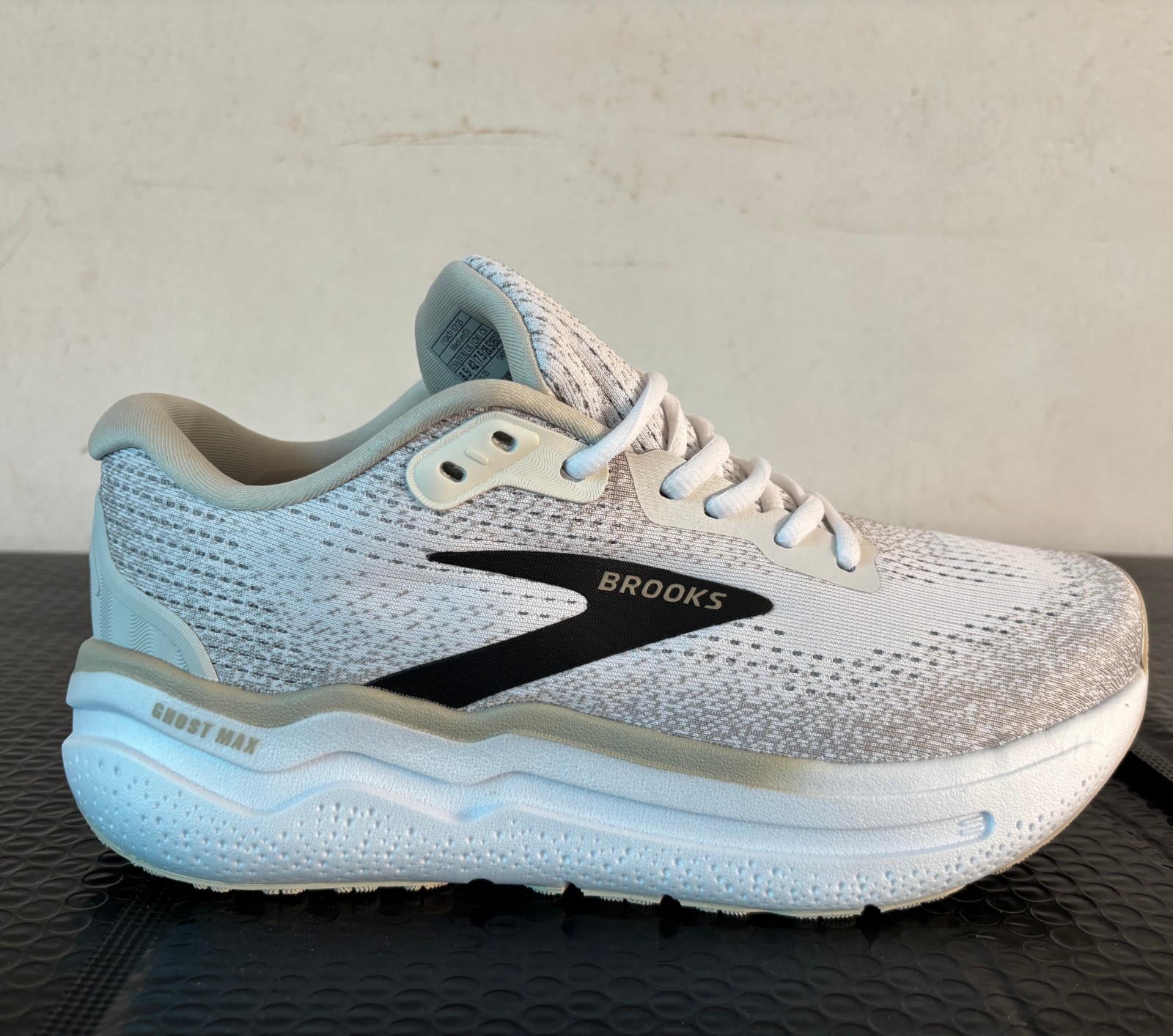

Photos from current listings. Actual item, color, and included accessories may vary.
Men Road Running Shoe Buying Guide
Men's road running shoes are engineered for repetitive impact on pavement, where the midsole foam and outsole rubber — not upper cosmetics — decide durability and injury risk. The core trade-off is cushioning softness versus energy return and stability: soft EVA and high-stack rocker shoes protect joints but wear faster, while firmer foams and denser rubber last longer with less plush. The decision rule: buy a shoe with a named foam generation and a 3–5 mm rubber outsole layer if you run 20+ miles weekly; skip generic 'air cushion' soles with no foam spec for anything beyond casual walking.


At a glance
- Category
- Road Running Shoes
- Data updated
- Nov 17, 2026
Current offers
Highlights
- Midsole foam generation is the primary durability and ride differentiator: supercritical EVA/PEBA foams (e.g., DNA Loft v3, PWRRUN+, FF Blast+) return more energy and resist packing out better than basic injection EVA.
- Outsole rubber coverage matters: segmented blown-rubber crash pads on lateral heel and forefoot last longer than full-length solid rubber on heavy trainers, which adds weight and stiffness.
- Heel-to-toe drop (usually 8–12 mm in daily trainers, 4–8 mm in tempo shoes) changes loading: higher drop shifts strain toward knees, lower drop loads the Achilles and calf — pick by injury history, not brand marketing.
- Shoe category tiers differ by geometry, not price: neutral daily trainers (Ghost, Pegasus, Cumulus), max-cushion (Ghost Max, Bondi, More), and stability (Adrenaline GTS, Arahi, Guide) use guide rails or medial posts to control pronation.
Best use cases
- Best fit for a neutral runner logging 15–30 weekly miles on asphalt: a daily trainer with 8–10 mm drop, 30–36 mm stack, and supercritical EVA — skip max-cushion 40 mm+ shoes, which feel vague at tempo.
- Best fit for a heavier runner (over 190 lb) or long-run specialist: max-cushion neutral shoe with wide platform and 3–5 mm outsole rubber — skip lightweight racing flats with exposed foam, which compress and wear through fast.
- Best fit for an overpronator: stability shoe with guide rails or a medial post and firm heel counter — skip neutral shoes with soft, tall stack, which amplify rearfoot roll and destabilize the ankle.
- Best fit for treadmill and gym-cross use: lower-stack, firmer daily trainer with full rubber outsole — skip carbon-plated race shoes, whose stiff plate and exposed foam are fragile and harsh at walking speeds.
Buying tips
- Size with a thumb's width (about 10 mm) between longest toe and shoe end, and measure feet late in the day: road shoes should have 8–10 mm toe clearance, and most men go up half a size from dress-shoe size.
- Match stack height to body weight and weekly volume: under 150 lb and under 20 miles weekly suits 28–32 mm stack; over 180 lb or 30+ miles weekly warrants 34–40 mm with denser foam.
- Treat foam naming as the spec sheet: a named supercritical foam (DNA Loft v3, PWRRUN PB, FF Blast+) signals better durability than 'EVA foam' or 'air cushion' claims with no generation label.
- Replace shoes at 300–500 miles or when the outsole rubber wears through to the midsole foam; rotate two pairs to extend foam life, since foam recovers over 24–48 hours between runs.
Specs
| Midsole Foam | Supercritical EVA/PEBA vs basic EVA |
|---|---|
| Heel-Toe Drop | 8–12 mm daily / 4–8 mm tempo |
| Stack Height | 28–34 mm daily / 34–40 mm max |
| Outsole Rubber | Blown rubber crash pads / full coverage |
Related searches
What to check before buying
- Measure both feet standing on a Brannock device or trace-and-ruler: choose the larger foot's length plus 8–10 mm, and verify width — most men's road shoes run medium (D), with wide (2E) available in core models.
- Confirm your pronation type via wet-footprint test or a gait check: neutral arch selects neutral trainers; flat footprint with inward ankle roll selects stability models with guide rails or posts.
- Check the running surface and climate: hot pavement and high mileage demand abrasion-resistant carbon rubber on the heel; wet climates favor deep outsole lugs or siped rubber for grip.
- Verify the shoe's intended use matches the build: daily trainers have full rubber coverage and 8–12 mm drop; race-day shoes have exposed foam, 4–8 mm drop, and a stiff plate — do not cross-purpose them.
FAQ
Data sources: eBay / Amazon listings and product attribute feeds Data updated Nov 17, 2026.
Some links on this page are affiliate links. If you buy after clicking one, we may earn a commission at no extra cost to you. This does not change which products appear here or their order. Affiliate disclosure.