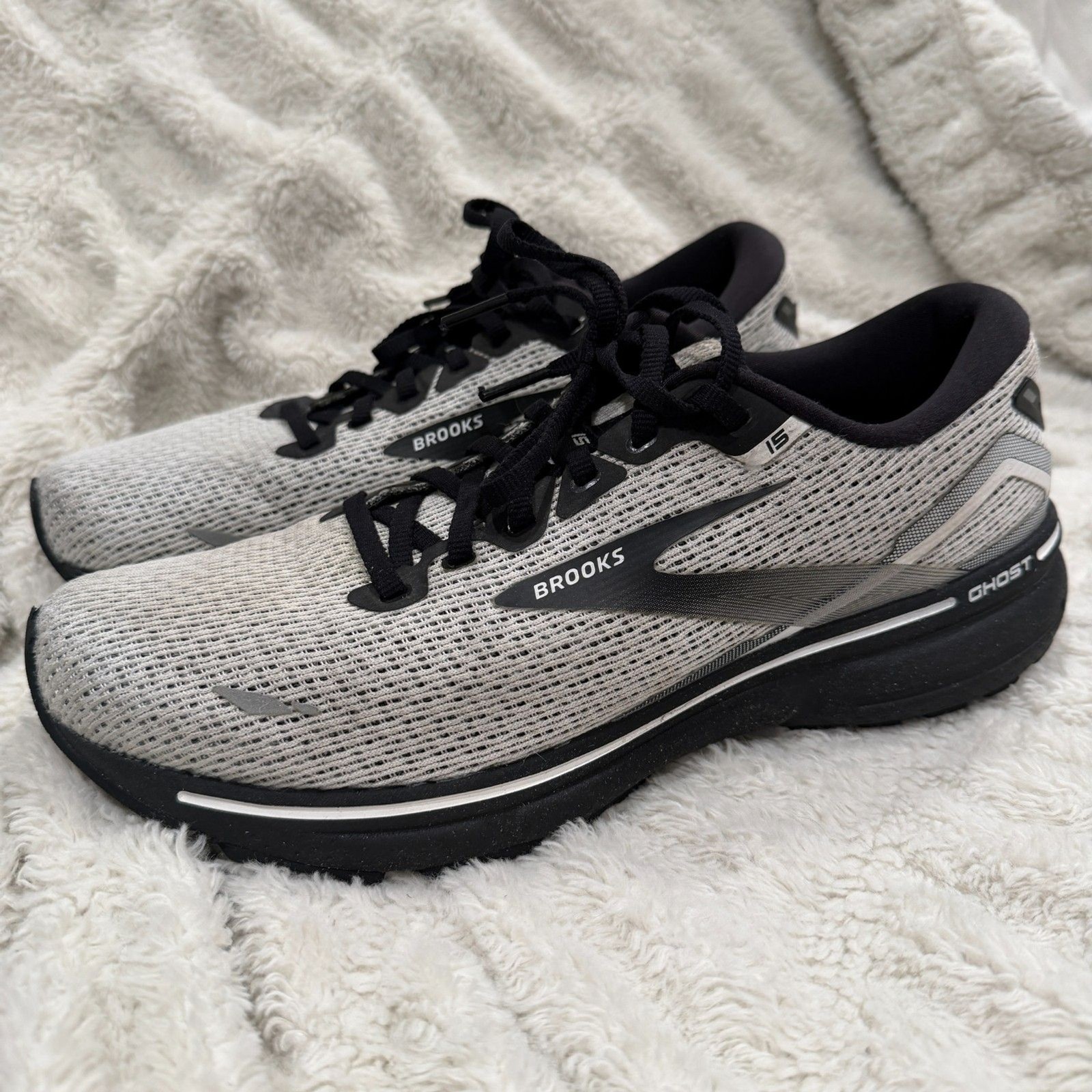
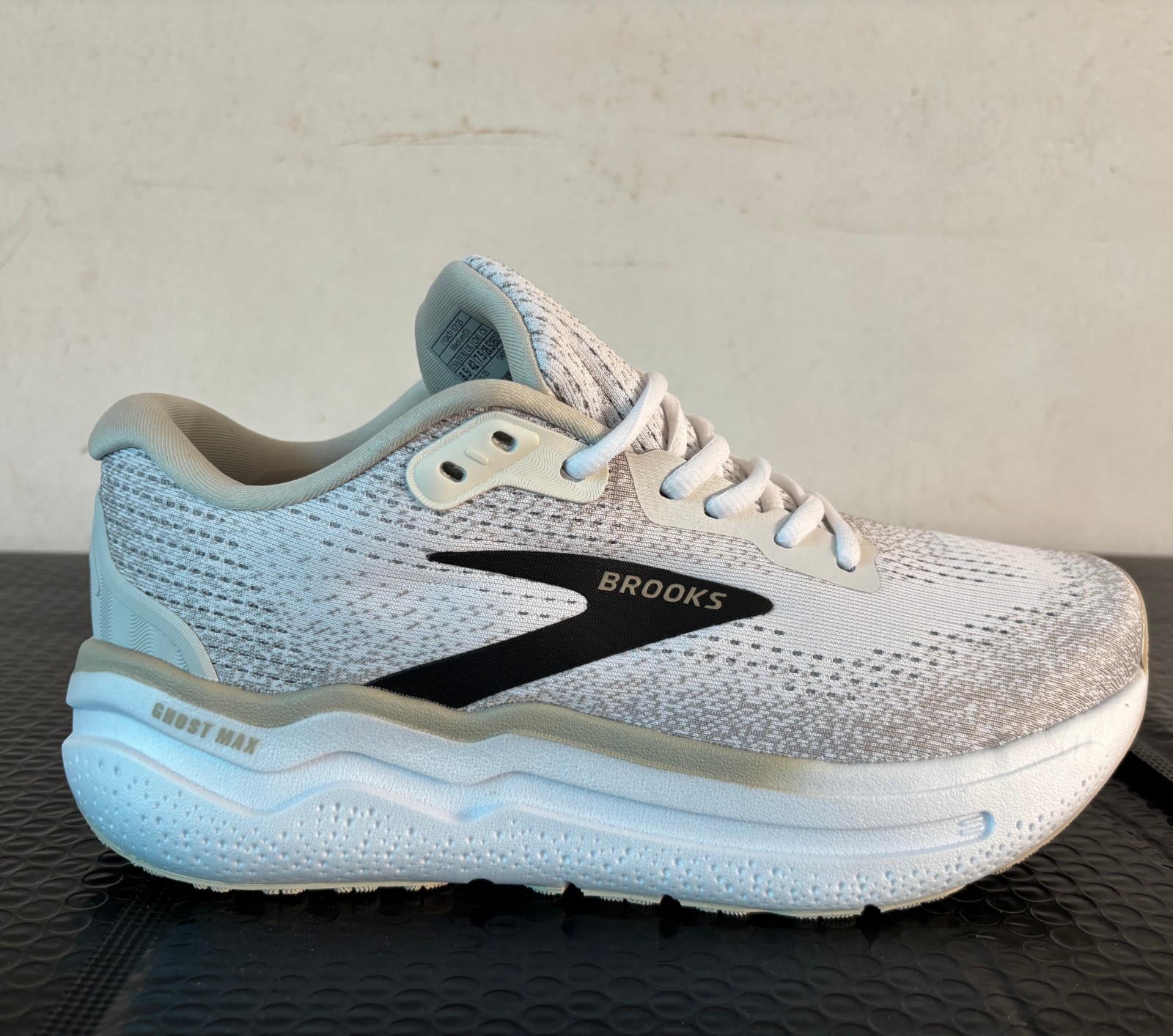
Photos from current listings. Actual item, color, and included accessories may vary.
Running Shoe Buying Guide
Road running shoes are engineered for repeated impact on pavement, where the midsole foam, heel-to-toe drop, and stability geometry decide comfort and injury risk. The core trade-off is cushioning versus ground feel and stability versus neutral flex. Durable picks use compression-molded EVA or PEBA foams with 8–12 mm drops and reinforced rubber outsoles; compromises use soft, low-density foam with thin or missing rubber that wears through in weeks.


At a glance
- Category
- Road Running Shoes
- Data updated
- Nov 16, 2026
Current offers
Highlights
- Midsole foam tiers: compression-molded EVA (durable, 400–500 km) vs PEBA/supercritical foam (lighter, bouncier, 250–350 km lifespan)
- Heel-to-toe drop tiers: 0–4 mm (low, calf-loading), 6–8 mm (moderate, versatile), 10–12 mm (high, Achilles-friendly)
- Stability construction: neutral (no medial post) vs stability (medial post or guide rail) vs motion control (firm dual-density midsole)
- Outsole rubber coverage: full-coverage blown rubber or carbon rubber (durable) vs exposed foam or minimal pods (fast wear)
Best use cases
- Daily training on asphalt or treadmill: pick a neutral shoe with 8–12 mm drop and full rubber outsole (e.g., Brooks Ghost 15) — skip carbon-plated racers for everyday volume.
- High arches or underpronation: choose neutral cushioned shoes with soft heel and flexible forefoot; skip motion-control or firm medial-post shoes that increase supination.
- Wide feet or forefoot pain: select wide (2E/4E) or extra-wide widths with roomy toe box; skip narrow performance lasts and knit uppers that stretch poorly.
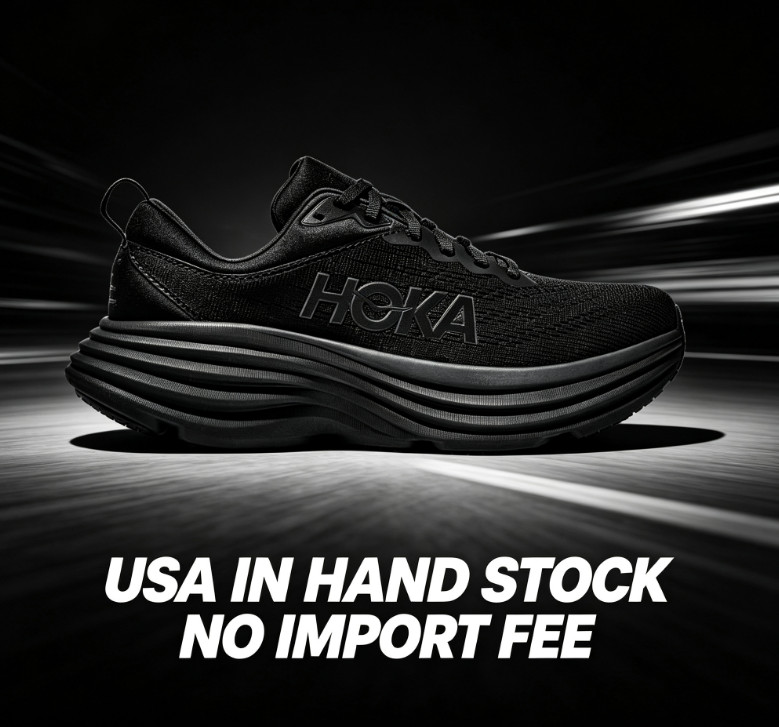
- Bad knees or joint sensitivity: use max-cushion shoes (e.g., Hoka Bondi 8) with 4–6 mm drop for impact damping; skip minimal or low-drop racing flats.
Buying tips
- Measure foot length heel-to-toe standing and add 0.5–1 cm toe splay; running shoes should have a thumb's width at the toe.
- Match drop to calf tolerance: 10–12 mm for tight Achilles or heel strikers, 6–8 mm for midfoot strikers, 0–4 mm only after gradual adaptation.
- Stability needs: if you overpronate or have flat feet, choose a stability shoe with medial post; neutral runners should skip posts to avoid forced supination.
- Replace shoes at 500–800 km or when midsole creases feel flat; rotate two pairs to extend foam life by roughly 30%.
Specs
| Midsole Foam | EVA / PEBA / supercritical foam |
|---|---|
| Heel-Toe Drop | 0–4 / 6–8 / 10–12 mm |
| Stability Type | Neutral / Stability / Motion control |
| Outsole Rubber | Full carbon rubber / blown / exposed foam |
Related searches
 best nike running shoes for menbest running shoes for wide feetbest cheap running shoesbest running shoes for high archesbest budget running shoesbest nike running shoes for womenbest running shoes for arch supportbest running shoes for bad kneesbest affordable running shoesbest running shoes for tracktop running shoes for womenbest running trainers for womenbest wide running shoes for menthe best running shoes for womenthe best running shoes for menbrooks athletic
What to check before buying
- Measure both feet standing (longer foot governs size) and try shoes with running socks; allow 0.5–1 cm toe gap.
- Confirm arch type via wet-foot test: high arch = neutral cushioned; flat arch + overpronation = stability or motion control.
- Match surface: road/pavement = carbon rubber outsole; treadmill = blown rubber is fine; trail shoes are overbuilt for road.
- Check width availability (standard D, wide 2E/4E) and lacing system before choosing a performance last.
FAQ
Data sources: eBay / Amazon listings and product attribute feeds Data updated Nov 16, 2026.
Some links on this page are affiliate links. If you buy after clicking one, we may earn a commission at no extra cost to you. This does not change which products appear here or their order. Affiliate disclosure.