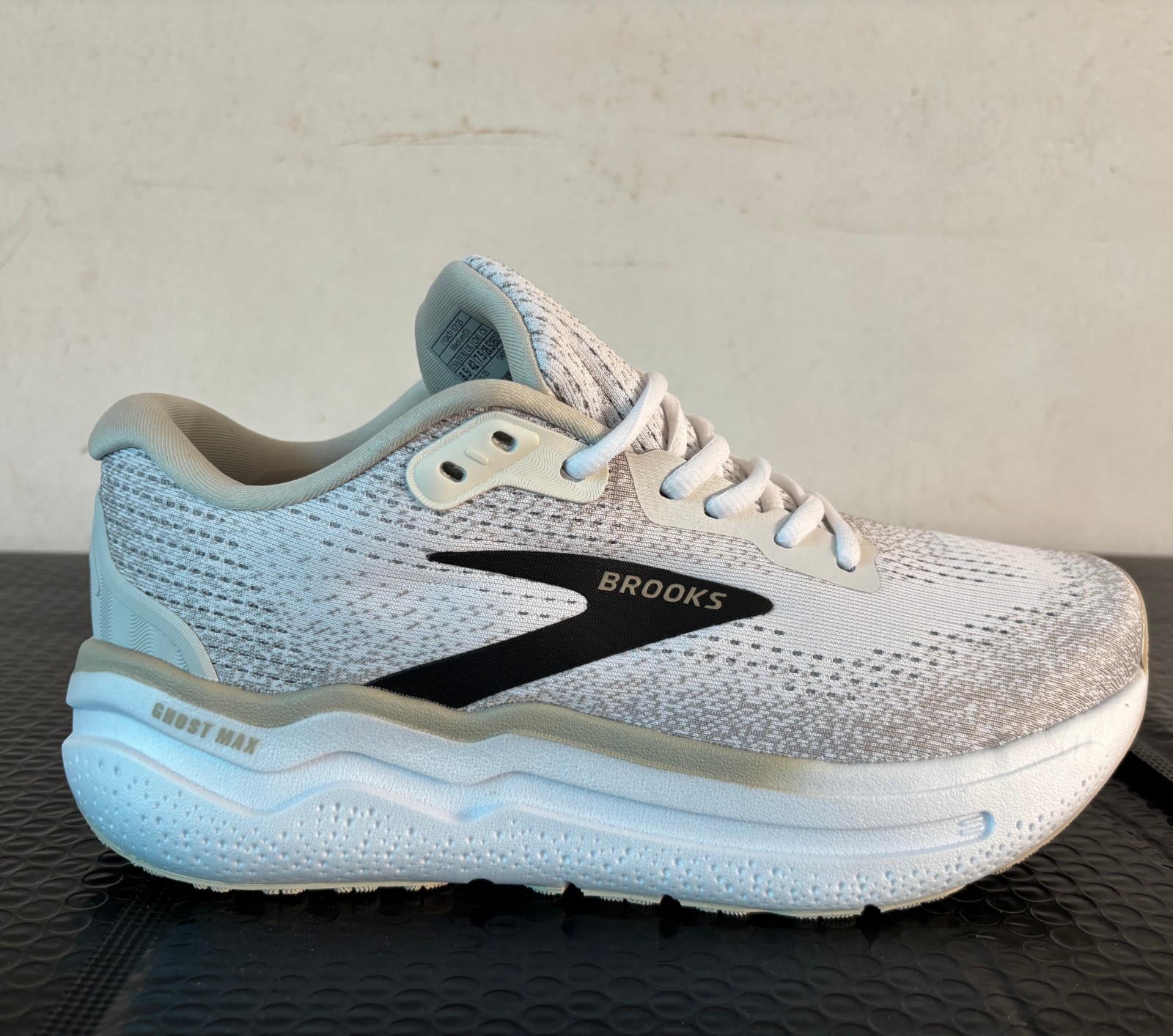

Photos from current listings. Actual item, color, and included accessories may vary.
Road Running Shoe Buying Guide
Road running shoes are engineered for repetitive impact on paved surfaces, where the core trade-off is cushioning versus responsiveness—max-stack shoes absorb force but mute ground feel, while lower, firmer midsoles return energy faster at the cost of protection. The decisive rule: match heel-to-toe drop and stack height to your weekly mileage and gait, and insist on a true running-specific outsole and midsole foam, not a lifestyle sneaker.


At a glance
- Category
- Road Running Shoes
- Data updated
- Nov 16, 2026
Current offers
Highlights
- Midsole stack and drop split the category: 0–4 mm for tempo, 8–12 mm for daily training, and 6–8 mm for race day—Brooks Ghost Max 2 uses a 6 mm drop and high-stack DNA Loft v2.
- Foam chemistry defines ride: EVA is durable and firm, TPU (Boost) is bouncy and heavy, PEBA (FuelCell, ZoomX) is light and springy but less abrasion-resistant.
- Outsole rubber coverage: full-length blown rubber grips wet pavement; exposed midsole foam under forefoot saves weight but wears through in 200–300 miles.
- Upper construction: engineered knit breathes and conforms, but reinforced toe caps and heel counters prevent blowouts in high-mileage training.
Best use cases
- Daily training (20–50 miles/week): pick an 8–12 mm drop shoe with 28–36 mm heel stack and full rubber outsole—skip carbon-plated racers that wear fast and cost more per mile.
- Race day or tempo: choose a 4–8 mm drop, PEBA or supercritical foam shoe with a stiff plate—skip max-cushion trainers that feel sluggish at threshold pace.
- Heavy or beginner runners: select a max-stack (38–40 mm heel) neutral trainer with wide platform and 6–8 mm drop—skip minimal 0–4 mm shoes that demand calf strength.
Buying tips
- Size up 0.5 US from your casual shoe; running feet swell, and most uppers have minimal stretch—try on with the socks you race in.
- Rotate two pairs if running 30+ miles/week: foam compresses permanently after 300–500 miles, and alternating extends midsole life.
- Check heel-to-toe drop against your calf flexibility: runners with tight Achilles should stay at 8–12 mm, not 0–4 mm.
- For wet climates, prioritize full-coverage carbon rubber outsoles; exposed foam midsoles hydroplane and chunk on wet asphalt.
Specs
| Heel-Toe Drop | 0–12 mm (daily: 8–12 mm) |
|---|---|
| Midsole Stack | 20–40 mm heel (max: 38+ mm) |
| Midsole Foam | EVA / TPU / PEBA (supercritical) |
| Outsole Coverage | Full rubber vs exposed forefoot |
Related searches
What to check before buying
- Measure your foot length and width at the end of the day; running shoes need a thumb's width (about 1 cm) ahead of the longest toe.
- Match shoe volume to your foot: high instep needs a roomier upper, wide forefoot needs a 2E/4E width option, not just a larger size.
- Confirm your gait pattern: neutral runners can use any drop, but overpronators need a stability post or guide rail—don't buy neutral shoes if you've had medial knee pain.
- Check outsole rubber coverage and midsole foam type before buying; full rubber and EVA last longer than exposed PEBA on daily pavement.
FAQ
Data sources: eBay / Amazon listings and product attribute feeds Data updated Nov 16, 2026.
Some links on this page are affiliate links. If you buy after clicking one, we may earn a commission at no extra cost to you. This does not change which products appear here or their order. Affiliate disclosure.