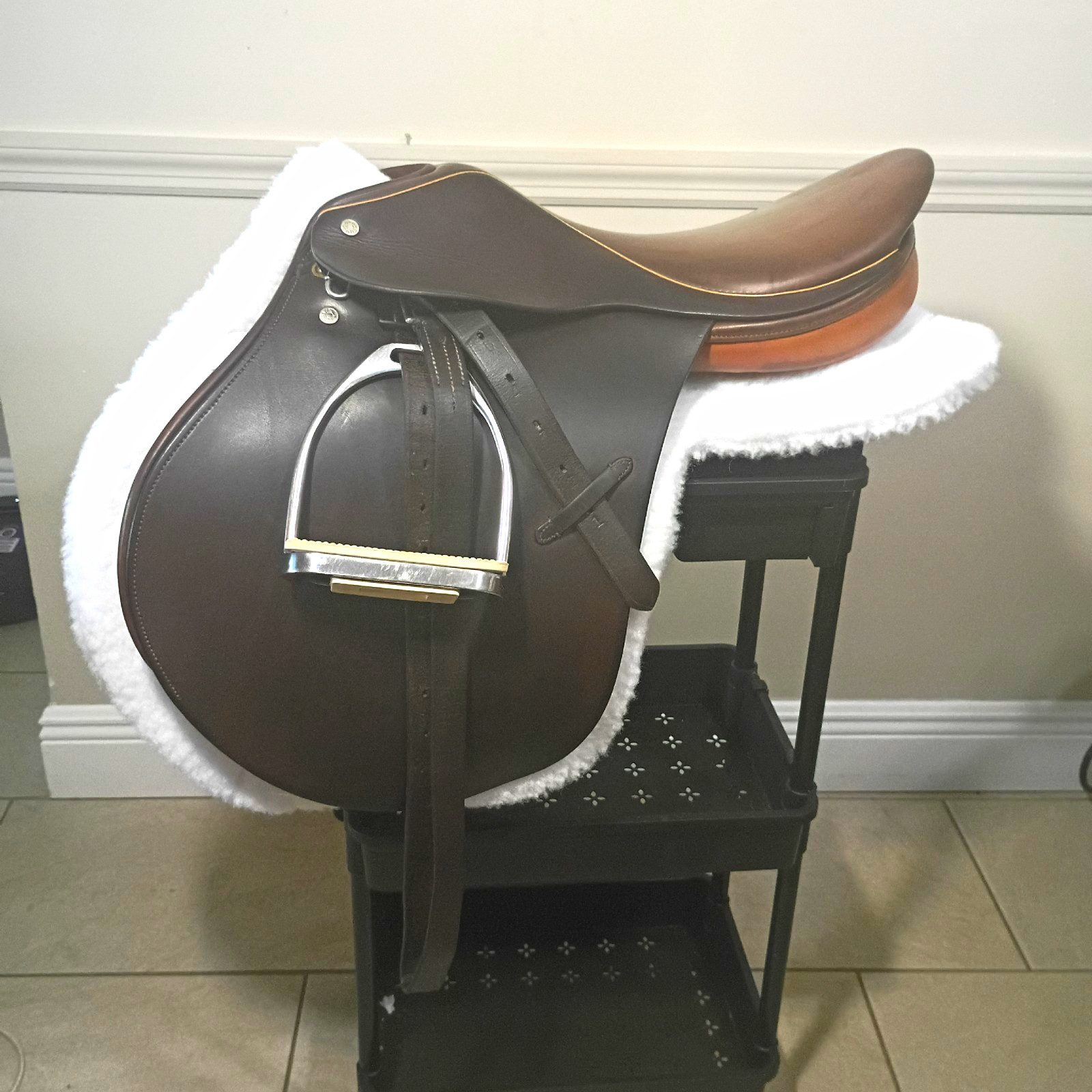

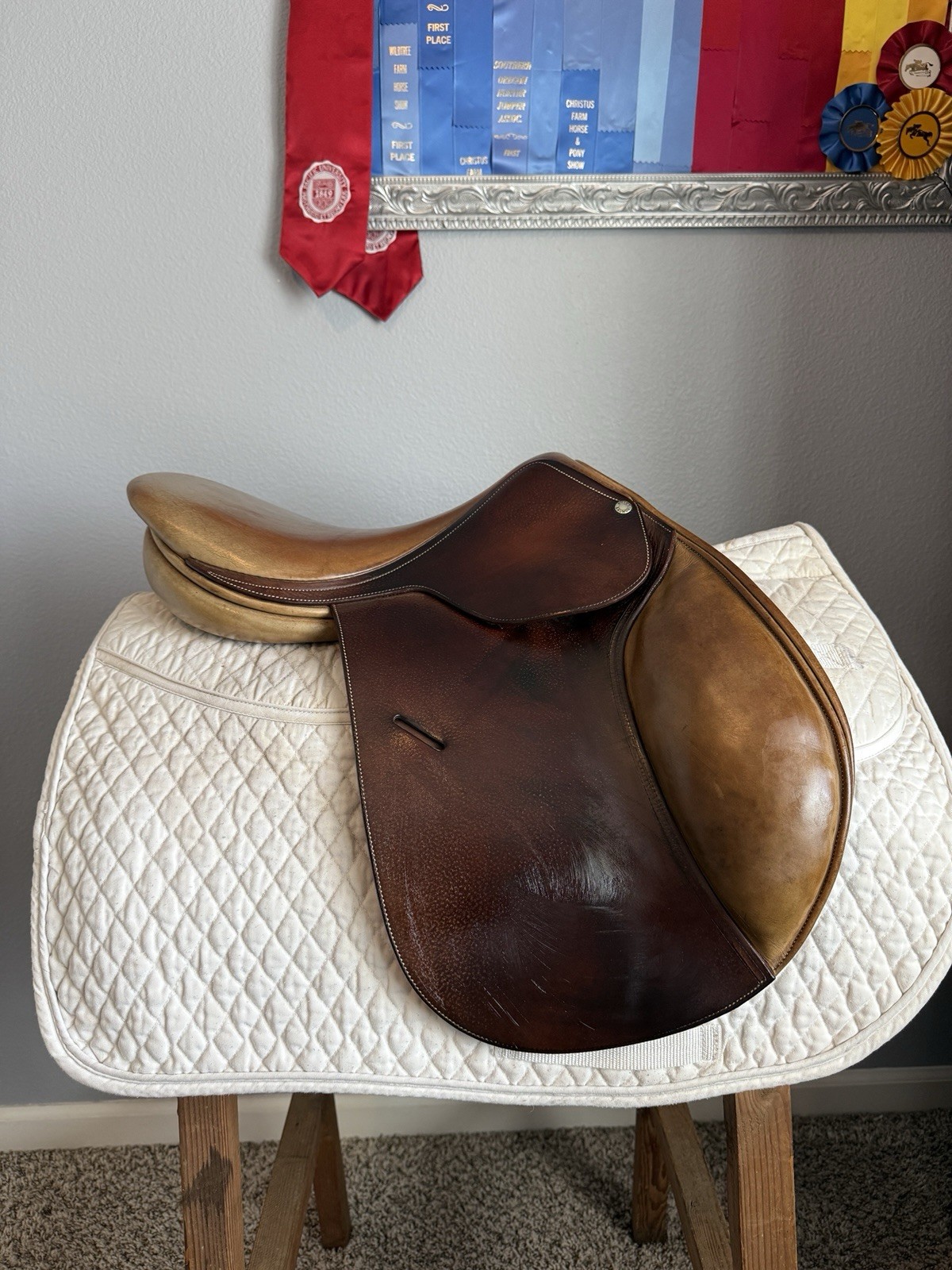
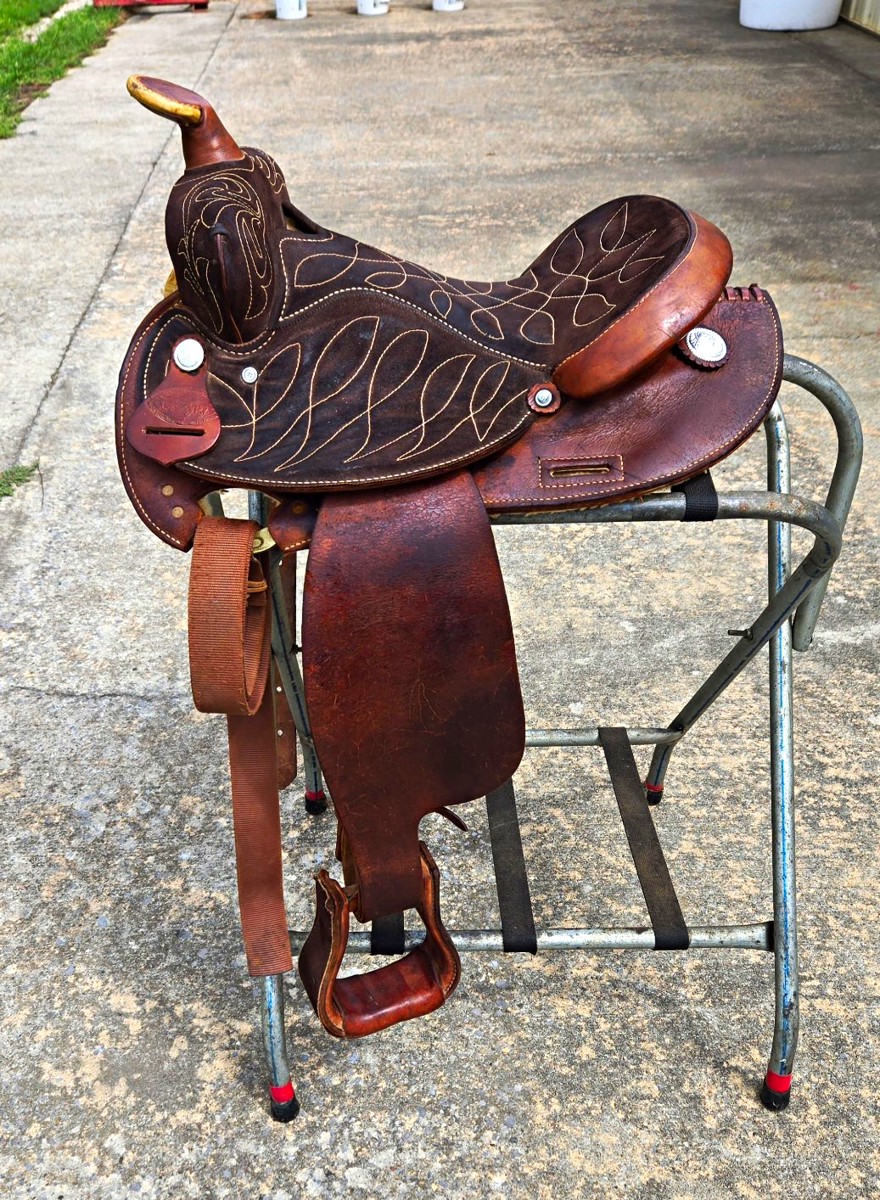
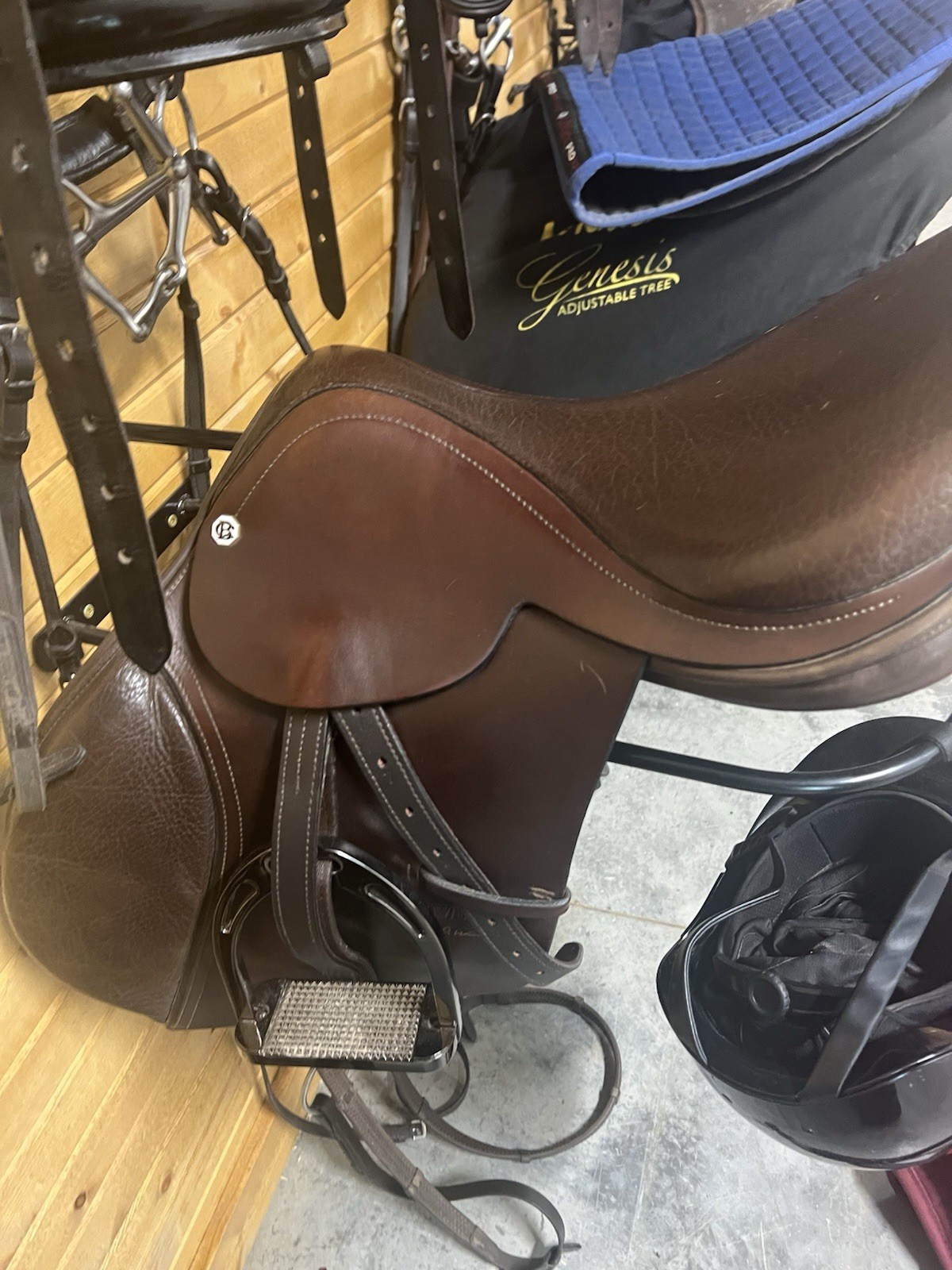
Photos from current listings. Actual item, color, and included accessories may vary.
Crosby Mark VI Buying Guide
The Crosby Mark VI is a traditional English all-purpose saddle built on a spring-steel tree with a padded spring seat, designed for balanced flatwork and low jumping. The key trade-off is age and condition versus price: older Mark VIs use standard-gauge leather and conventional wool-flock panels, while well-maintained examples remain durable for schooling. The decision rule is simple—buy only if the tree is sound and the panels are even; skip any saddle with a cracked tree, dried leather, or uneven flocking.


At a glance
- Brand
- Not synced yet
- Model
- Not synced yet
- MPN
- Not synced yet
- Category
- Equestrian Saddles & Pads
- Status
- Offers available
- Data updated
- Nov 16, 2026
Current offers
Highlights
- Spring-steel tree construction with a padded spring seat provides shock absorption for all-purpose riding but adds weight versus modern synthetic trees.
- Standard-gauge calfskin leather requires regular conditioning; dried-out panels and skirts are the primary failure point on older Mark VI examples.
- Wool-flock panels can be re-stuffed by a saddler, extending service life, but uneven flocking causes pressure points and requires professional adjustment.
- Mark VI uses traditional billet straps and stirrup leather bars; compatibility with standard English irons and leathers is universal, but worn billets must be replaced before use.
Best use cases
- Best fit: adult or teen riders at 18-inch seat for schooling, flatwork, and low jumps up to 2'6"—pair with a medallion pad and standard stirrup leathers.
- Wrong fit: riders needing a close-contact or jumping-specific saddle—the Mark VI's deeper seat and forward-flap compromise are not ideal for high-performance jumping.
- Best fit: budget-conscious buyers who can inspect tree soundness and panel evenness in person—skip online purchases without a trial or return option for used leather goods.
Buying tips
- Measure your thigh length and seat size: an 18-inch seat suits riders roughly 5'6" to 5'10"; smaller riders should downsize to 16–17 inches for correct leg position.
- Inspect the tree by grasping the pommel and cantle and flexing gently—any creaking, popping, or asymmetry indicates a cracked or broken tree; walk away.
- Check panel evenness by running a hand under both sides; hard spots or lumpy flocking mean re-flocking is needed, which adds cost and downtime.
- Verify billet straps for cracking or stretching at the stitch lines—worn billets are a safety risk and replacement requires a saddler's stitch work.
Specs
| Saddle Type | English all-purpose / spring seat |
|---|---|
| Tree Material | Spring-steel / traditional |
| Seat Sizes | 16–18 in (18 in most common) |
| Panel Type | Wool-flock / re-stuffable |
Alternatives to compare
Related searches
What to check before buying
- Confirm your horse's wither tracing and back width: the Mark VI's standard gullet suits medium to medium-wide withers; narrow or extra-wide horses need a different tree.
- Measure your current saddle's seat size and flap length against the Mark VI's 18-inch seat and forward flap to ensure leg position matches your riding discipline.
- Check that your existing stirrup leathers and irons fit standard English bars—Mark VI accepts conventional 1-inch leathers and fillis irons.
- Inspect the leather condition in person or via detailed photos: look for cracks at the skirt bends, stretched billets, and dried panels before committing.
FAQ
Data sources: eBay / Amazon listings and product attribute feeds Data updated Nov 16, 2026.
Some links on this page are affiliate links. If you buy after clicking one, we may earn a commission at no extra cost to you. This does not change which products appear here or their order. Affiliate disclosure.