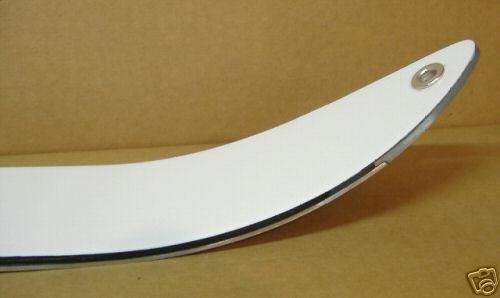

Photos from current listings. Actual item, color, and included accessories may vary.
Backcountry Ski Buying Guide
Backcountry skis are purpose-built boards for human-powered uphill travel and ungroomed descent, where low swing weight and reliable skin attachment matter more than groomer edge grip. The core trade-off is width and rocker profile: narrower, lighter skis tour efficiently but demand strong technique in deep snow, while wider skis float better at the cost of uphill effort. Choose a ski whose waist matches your snowpack and whose construction uses a paulownia or carbon core for climbing, not a heavy resort-oriented laminate.


At a glance
- Category
- Skis & Snowboards
- Data updated
- Nov 16, 2026
Current offers
Highlights
- Waist width drives the decision: 85–95mm tours efficiently on firm snow, 100–110mm is the all-mountain backcountry standard, and 115mm+ is a dedicated powder touring tool.
- Core material governs uphill effort: paulownia and carbon save 300–600g per ski versus maple or dense poplar, directly reducing fatigue on long skin tracks.
- Titanal metal laminates add dampness and edge hold but add weight; full-metal skis exceed 2000g per ski and suit short tours or aggressive descents, not long approaches.
- Skin compatibility is a hard spec: look for a notched tail and a flat, sealed topsheet, or a factory skin-clip system, since older straight skis lack attachment points.
Best use cases
- Best fit: day tours with variable snow and firm skin tracks — pick a 95–105mm waist, sub-1600g ski with moderate tip rocker and flat tail for skin security.
- Best fit: deep winter powder touring — choose 110–120mm waist with generous tip and tail rocker, accepting 1700–2000g per ski for float and smear.
- Wrong fit: lift-served resort skiing — a lightweight backcountry ski with thin edges and soft flex will chatter and wear fast on groomers; use a dedicated resort ski instead.
- Wrong fit: multi-day alpine traverses with heavy packs — ultralight 1300g skis skimp on torsional rigidity; step up to a 1600–1800g construction with partial metal.
Buying tips
- Match waist to snow: 90mm or less for spring corn and firm snow, 100–108mm as a one-ski backcountry quiver, 115mm+ only if powder days dominate your season.
- Size by surface area, not height: a 170cm ski at 105mm waist floats like a much longer narrow ski; shorter skiers should prioritize width over length for float.
- Check skin attachment before buying: a flat tail with a notch accepts standard tail clips; rounded or twin-tip tails require specific skin hardware that adds cost and fiddle.
- Weight threshold rule: under 1500g per ski is race/traverse territory, 1500–1800g is the touring sweet spot, and over 2000g is resort-adjacent and best kept for short approaches.
Specs
| Waist Width | 85–120mm (100–108mm all-mountain) |
|---|---|
| Ski Weight | 1400–2000g per ski (touring 1500–1800g) |
| Core Material | Paulownia/carbon vs poplar/metal laminate |
| Skin Attachment | Flat notched tail + sealed topsheet |
Related searches
What to check before buying
- Boot and binding standard: confirm your boots use tech inserts (ISO 9523) and that the ski's waist accepts your binding brake width — a 105mm brake will not fit a 120mm ski.
- Skin system fit: measure ski length and tail shape against your skin brand's clip options; trim-to-fit skins need a flat tail and sealed topsheet to stay attached.
- Terrain and snowpack: a 100mm waist handles most North American and European backcountry days; go wider only if your local snow is consistently deep and dry.
- Storage and travel: longer skis with rocker measure shorter on the ground but still need roof racks or splitboard-style bags sized to full tip-to-tail length.
FAQ
Data sources: eBay / Amazon listings and product attribute feeds Data updated Nov 16, 2026.
Some links on this page are affiliate links. If you buy after clicking one, we may earn a commission at no extra cost to you. This does not change which products appear here or their order. Affiliate disclosure.