Photos from current listings. Actual item, color, and included accessories may vary.
Ski Binding Buying Guide
Ski bindings are the critical safety interface that transfers your energy to the ski and releases predictably in a fall. The primary trade-off is DIN range and construction material: lightweight tech bindings for touring save grams but sacrifice release consistency, while heavy metal alpine bindings deliver elastic travel and reliable retention for resort charging. Choose a binding whose DIN window brackets your boot sole length and ability, and skip anything that requires cranking the release setting to its limit.


At a glance
- Category
- Skis & Snowboards
- Data updated
- Nov 16, 2026
Current offers
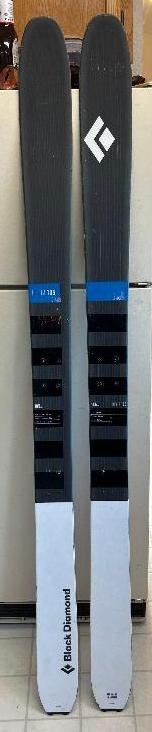 Pair of Black Diamond HELIO 105 Snow Skis 185cm (no bindings)$99.99
 View on eBay
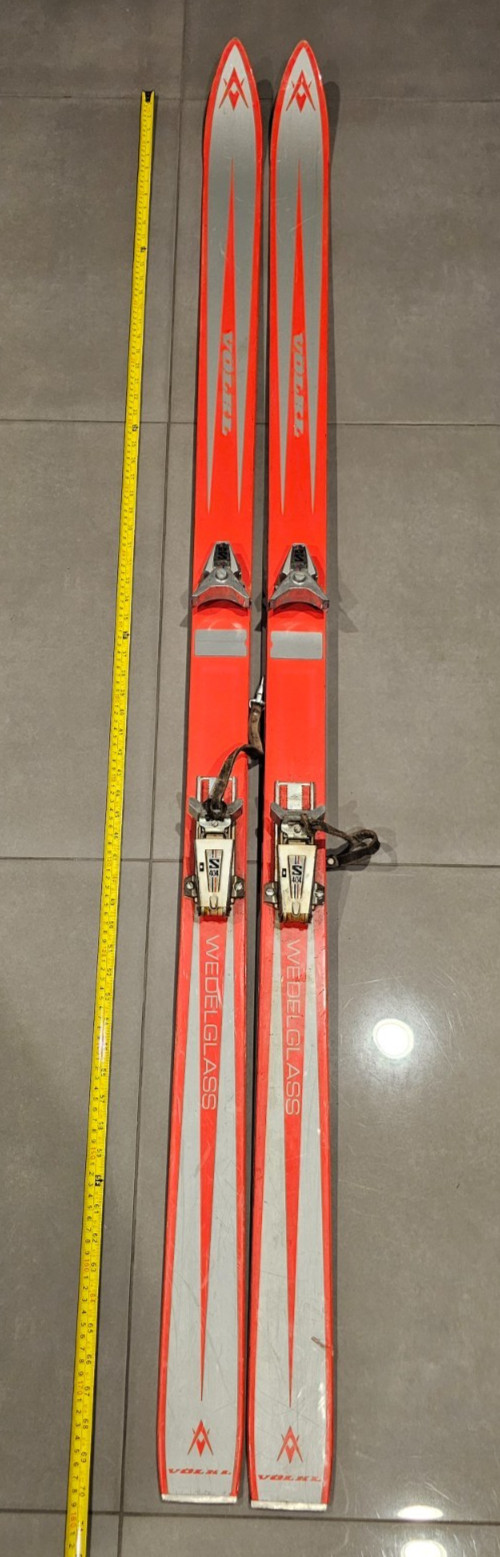 Volkl Wedel Glass 70" Adult Complete Skis Setup w/ Bindings Winter Sports Gear$123.48View on eBay
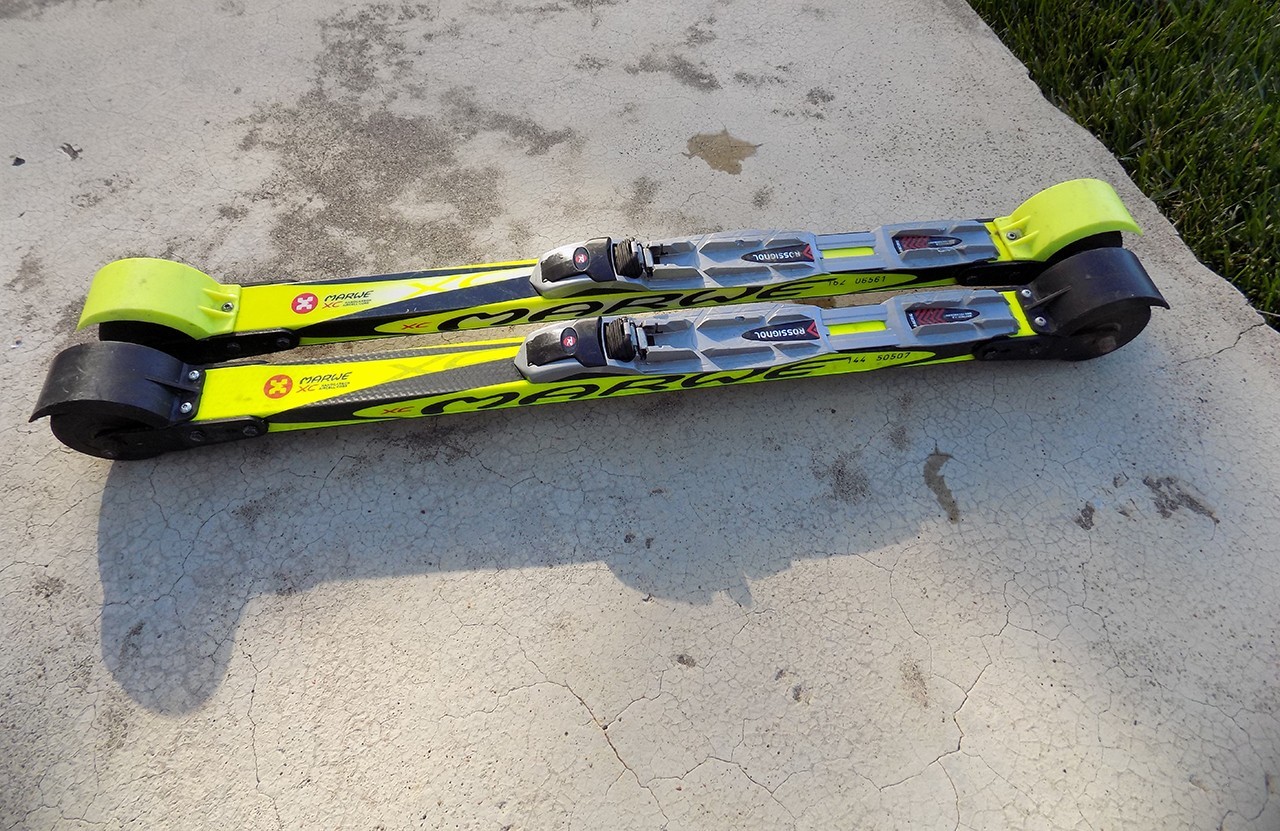 Marwe 620XC Nanocarbon Aircell Skate Roller Skis NNN Bindings$149.00View on eBay
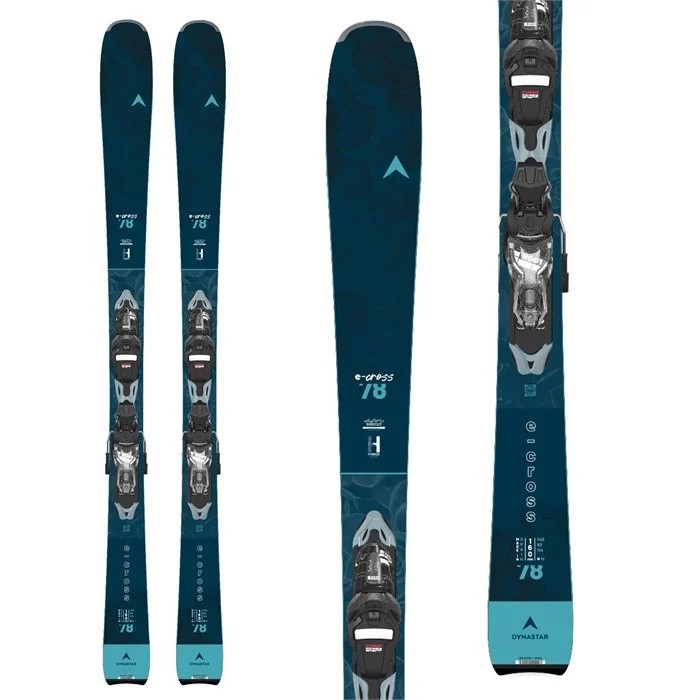 Dynastar Women's E-Cross 78 Xpress Skis + XP Bindings 2025 - Size 164 cm$229.95View on eBay
Highlights
- Alpine bindings use a stepped DIN release scale (typically 3-10, 4-13, or 6-16); your weight and ability must land in the middle third of that window, never at the max.
- Tech/pin bindings save 300-600 g per pair versus alpine bindings but have limited elastic travel, so they suit touring uphill more than aggressive descending.
- Boot sole compatibility is standardized: ISO 5355 (alpine), ISO 9523 (touring), and GripWalk soles each require a matching AFD or toe height adjustment.
- Brake width must be 5-15 mm wider than your ski waist; a 78 mm ski needs an 85-90 mm brake, while a 105 mm ski needs 110-115 mm.
Best use cases
- Resort frontside carving on narrow skis (under 85 mm waist): pick an alpine binding with a 4-13 DIN and metal toe/heel for elastic travel and quick step-in.
- Backcountry touring with uphill skinning: choose a tech/pin binding under 400 g per foot with a walk mode and brake or leash, and accept reduced release elasticity.
- Park and pipe freestyle: select a binding with a wide, flat mounting platform and a DIN top end of at least 13 to handle hard landings and switch riding.
- Wrong fit: mounting a lightweight tech binding on a 105 mm powder ski for in-resort charging will feel vague and release inconsistently; step up to a hybrid or full alpine binding instead.
Buying tips
- Calculate your DIN from boot sole length (mm), weight (kg), and skier type (I-III); a 300 mm boot at 75 kg type II lands near DIN 7-8, so a 3-10 binding fits while a 6-16 is overkill.
- Match brake width to ski waist: measure the widest point of the ski tail and add 5-15 mm; bending a brake more than 15 mm weakens its retraction spring.
- Check boot sole standard before buying: GripWalk soles need a GripWalk-compatible AFD or the toe height will sit too high and pre-release.
- For skis over 100 mm waist used in powder, choose a binding with a wider mounting pattern or a dedicated powder brake to prevent brake dive in deep snow.
Specs
| Binding Type | Alpine / Tech / Hybrid / Telemark |
|---|---|
| DIN Range | 3-10 / 4-13 / 6-16 / 8-18 |
| Brake Width | 75-135 mm (match ski waist +5-15 mm) |
| Boot Standard | ISO 5355 / ISO 9523 / GripWalk |
Related searches
What to check before buying
- Measure your boot sole length in millimeters (stamped on the heel) and confirm the binding's adjustment range covers it without exceeding the track ends.
- Verify your boot sole type (ISO 5355 alpine, ISO 9523 touring, or GripWalk) matches the binding's AFD and toe-height specification.
- Measure ski waist width at the narrowest point and confirm the brake width is 5-15 mm wider.
- Check that your ski has a mounting plate or flat topsheet; system skis (like Dynastar Xpress) require their proprietary integrated binding, not a drill-mount.
FAQ
Data sources: eBay / Amazon listings and product attribute feeds Data updated Nov 16, 2026.
Some links on this page are affiliate links. If you buy after clicking one, we may earn a commission at no extra cost to you. This does not change which products appear here or their order. Affiliate disclosure.