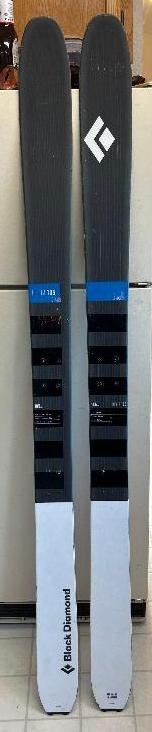

Photos from current listings. Actual item, color, and included accessories may vary.
Snow Ski Buying Guide
Snow skis are length- and waist-specific tools where camber profile, core material, and binding compatibility dictate performance more than graphics or brand. The primary trade-off is between frontside carving stability (narrow waist, metal laminates) and backcountry float (wide waist, lightweight cores), so match waist width to your snowpack and length to your height and ability. Durable skis use full sidewalls, titanal or poplar cores, and sintered bases; avoid cap-construction foam cores for anything beyond entry-level groomer use.


At a glance
- Category
- Skis & Snowboards
- Data updated
- Nov 16, 2026
Current offers
Highlights
- Waist width drives ski category: 65–75mm for hardpack carving, 85–100mm for all-mountain, 105–120mm for powder and backcountry touring.
- Core construction separates tiers: poplar/beech wood cores with titanal laminates damp vibration and hold edge grip; foam or air-core constructions are lighter but degrade faster.
- Camber profile: traditional camber maximizes edge contact on groomers; rocker in tip and tail (or full rocker) improves float and pivot in soft snow and trees.
- Binding mount standard: most adult skis use flat 4.1mm/5.5mm mounting plates for drilling; system skis include integrated demo or rail bindings that limit boot-sole compatibility.
Best use cases
- Best fit: resort frontside carving and hardpack — choose a 70–80mm waist ski with traditional camber, metal laminate, and a 160–175cm length for intermediate to advanced skiers.
- Best fit: all-mountain daily driver across mixed conditions — pick an 88–98mm waist with tip/tail rocker and wood core, sized to chin-to-forehead height.
- Best fit: backcountry touring and telemark — select a 100–115mm waist ski with lightweight core (paulownia or carbon stringers) and flat tail for skin attachments; pair with tech or telemark bindings.
- Wrong fit to skip: buying a 105mm+ powder ski as a first or only ski for icy East Coast or Midwest hardpack — the wide waist slows edge-to-edge transitions and lacks grip on firm snow.
Buying tips
- Length rule: stand skis upright — beginner/intermediate length lands between chin and nose; advanced/expert between nose and forehead; add 5–10cm for powder-specific skis.
- Waist width by region: 70–85mm for ice/hardpack regions, 85–100mm for mixed Western resorts, 100–120mm for Utah/Colorado powder and backcountry touring.
- Construction grade: full sidewall + wood core + sintered base = durable; cap construction + foam core + extruded base = entry-level only and prone to delamination.
- Binding compatibility: flat skis require separate drill-mount bindings matched to boot sole length (BSL); system skis accept only specific binding models — confirm boot BSL range before buying.
Specs
| Waist Width | 65–120mm by category |
|---|---|
| Camber Profile | Traditional / Rocker / Flat |
| Core Material | Wood / Foam / Metal laminate |
| Binding Mount | Flat drill-mount vs system |
Related searches
What to check before buying
- Measure your boot sole length (BSL in mm) and verify the binding or system ski accepts that range before purchase.
- Match ski length to your height and ability using the chin-to-forehead rule, then adjust ±5cm for terrain preference.
- Confirm waist width against your primary snow conditions — narrow for hardpack, wide for powder — and check that your boot width fits the ski's intended use.
- Verify the ski is flat-mount (no included binding) or system-integrated, and that replacement brakes width matches the ski waist.
FAQ
Data sources: eBay / Amazon listings and product attribute feeds Data updated Nov 16, 2026.
Some links on this page are affiliate links. If you buy after clicking one, we may earn a commission at no extra cost to you. This does not change which products appear here or their order. Affiliate disclosure.