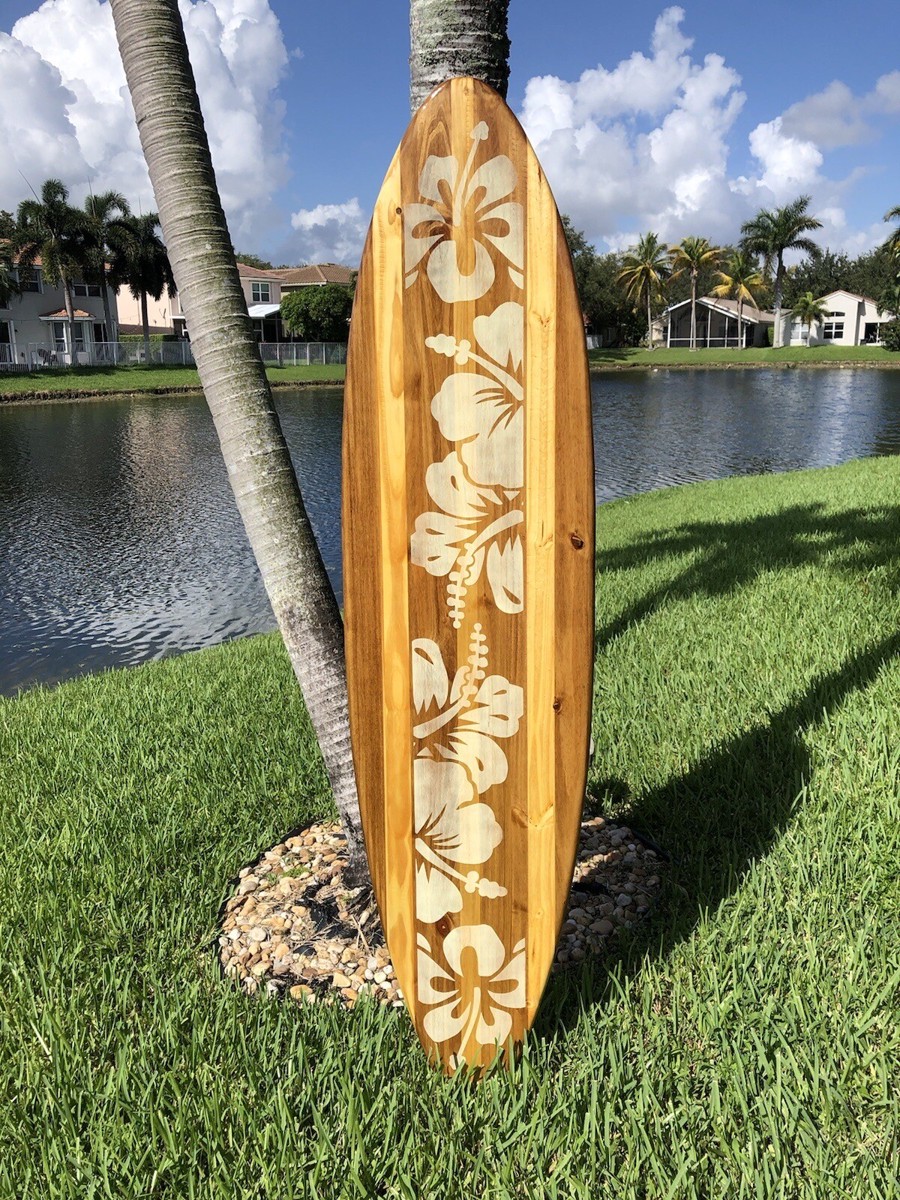

Photos from current listings. Actual item, color, and included accessories may vary.
Longboard Surfboard Buying Guide
Longboard surfboards are typically 8'0" to 10'0" with generous volume and a single-fin or 2+1 setup, built for easy paddling, early wave entry, and stable noseriding. The core trade-off is between soft-top foam durability for beginners and hard epoxy or PU construction for performance and longevity. Buy a soft-top or molded epoxy for learning and rocky breaks; choose a PU or EPS hard board with a proper fin system only once you can consistently pop up and trim.


At a glance
- Category
- Surfboards
- Data updated
- Nov 16, 2026
Current offers
Highlights
- Construction tiers: soft-top (PE deck + EPS core) is impact-tolerant but heavy; epoxy/EPS is lighter and stiffer; PU/polyester offers classic flex but dings more easily.
- Length and volume rule: 9'0"-10'0" at 80-100L suits adult beginners; 8'0"-9'0" at 60-75L suits intermediate riders; noseriders run 9'6"+ with wide noses and pivot fins.
- Fin setups: single-fin for classic trim and noseriding; 2+1 (single plus side bites) for versatility; thruster or quad longboards sacrifice glide for turn speed.
- Bottom contours and rails: soft 50/50 rails and flat-to-slight-concave bottoms track straight and paddle easily; hard down rails and vee bottoms turn faster but demand skill.
Best use cases
- Best fit: adult beginners and casual weekend surfers at mushy reef or beach breaks — pick a 9'0"-10'0" soft-top or molded epoxy with a single fin and soft rails.
- Best fit: intermediate riders wanting one board for small-to-medium waves — choose an 8'6"-9'2" epoxy 2+1 with moderate rocker and a pulled-in nose.
- Wrong fit: advanced shortboarders seeking critical vertical maneuvers — skip longboards entirely and choose a performance shortboard or step-up.
- Wrong fit: storing a board outdoors in direct sun — PU and epoxy both degrade; choose a board bag and shade, or accept rapid yellowing and delamination.
Buying tips
- Match length to body weight: under 150 lb start at 8'6"-9'0"; 150-200 lb choose 9'0"-9'6"; over 200 lb go 9'6"-10'0" for stable float and paddle speed.
- Check fin box standard: single-fin longboards use a 10.5" or 9" center box; 2+1 setups add FCS or Futures side bite plugs — confirm replacement fins are readily available.
- Prefer EPS/epoxy or molded soft-top for durability in rocky or crowded lineups; PU/polyester is lighter and flexier but requires more ding repair discipline.
- Verify leash plug and rail construction: a through-box leash plug and wrapped rails resist pull-through; thin 4oz glass schedules ding faster than 6oz+6oz deck layups.
Specs
| Construction | Soft-top / EPS epoxy / PU polyester |
|---|---|
| Length Range | 8'0"-10'0" (beginner 9'0"+) |
| Fin Setup | Single / 2+1 / Thruster / Quad |
| Volume Tier | 60-100L (weight-matched) |
Related searches
What to check before buying
- Measure your vehicle and storage space: a 9'6" board needs at least 10' of clear length; roof racks must span the board width with cam straps, not bungee cords.
- Confirm your local break type and bottom: rocky reefs and shallow sand demand soft-top or epoxy; clean sand breaks tolerate PU and polished gloss finishes.
- Check wetsuit and climate tier: cold-water surfing requires thicker neoprene and often more volume to compensate for restricted paddling mobility.
- Ensure you have a compatible leash (calf or ankle) rated for board length and a fin key; longboards need 8'-10' leashes to avoid snap-back injuries.
FAQ
Data sources: eBay / Amazon listings and product attribute feeds Data updated Nov 16, 2026.
Some links on this page are affiliate links. If you buy after clicking one, we may earn a commission at no extra cost to you. This does not change which products appear here or their order. Affiliate disclosure.