Photos from current listings. Actual item, color, and included accessories may vary.
Surfboard Buying Guide
Surfboards span soft-top foamies for beginners to glassed fiberglass or epoxy performance shapes for advanced riders. The primary trade-off is durability and safety versus responsiveness: foam-core soft-tops forgive mistakes and resist dings, while hard-shell boards deliver speed and turn control at the cost of fragile, repair-prone finishes. The decision rule is simple: match the board's construction and volume to your skill level and wave type—soft-top for learning and small surf, hard-shell for committed riding and larger waves.


At a glance
- Category
- Surfboards
- Data updated
- Nov 16, 2026
Current offers
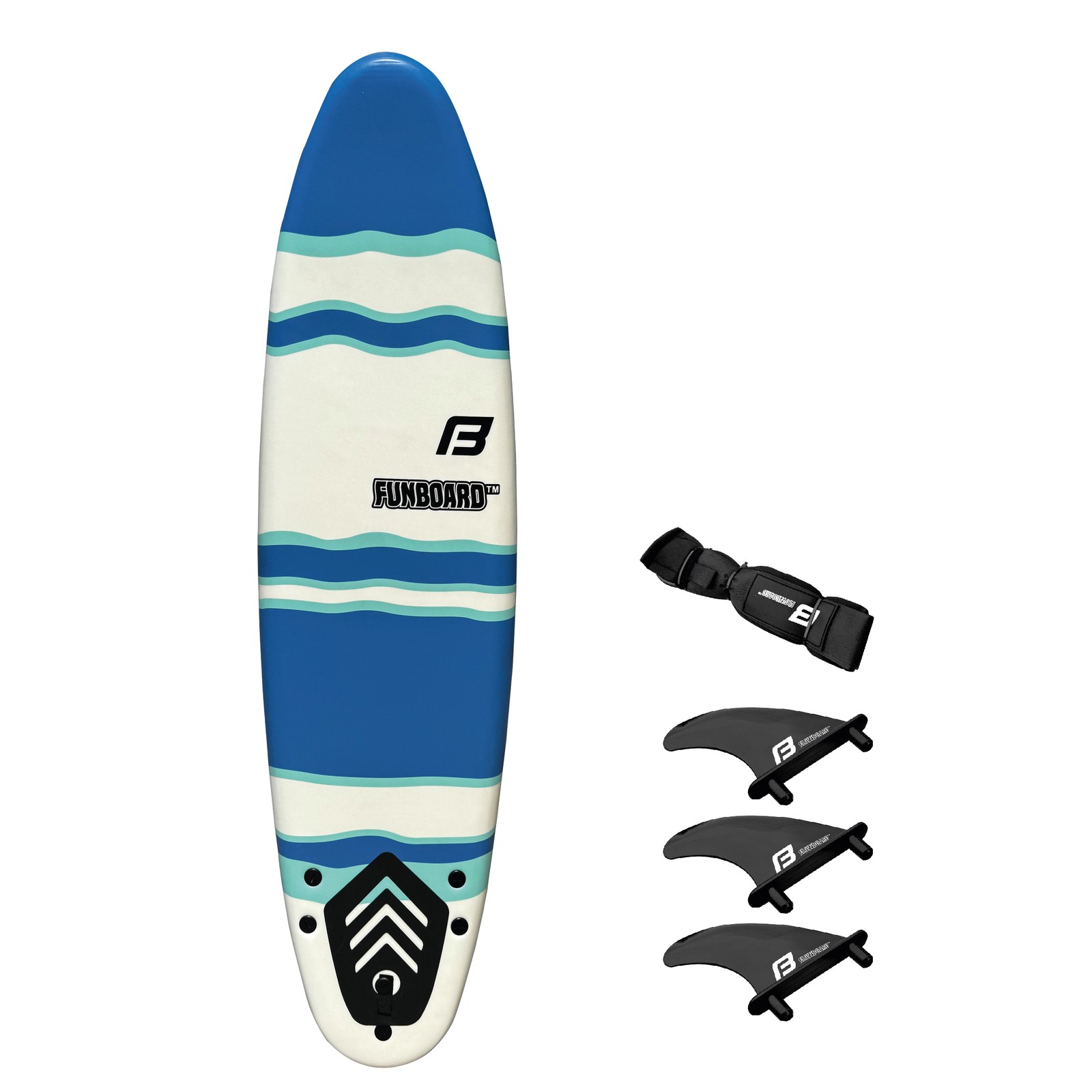 6’ FLOWBOARD Surfboard Foam - Include 3 Fins 6 Foot Leash and (2) Wood Stringers$89.10
 View on eBay
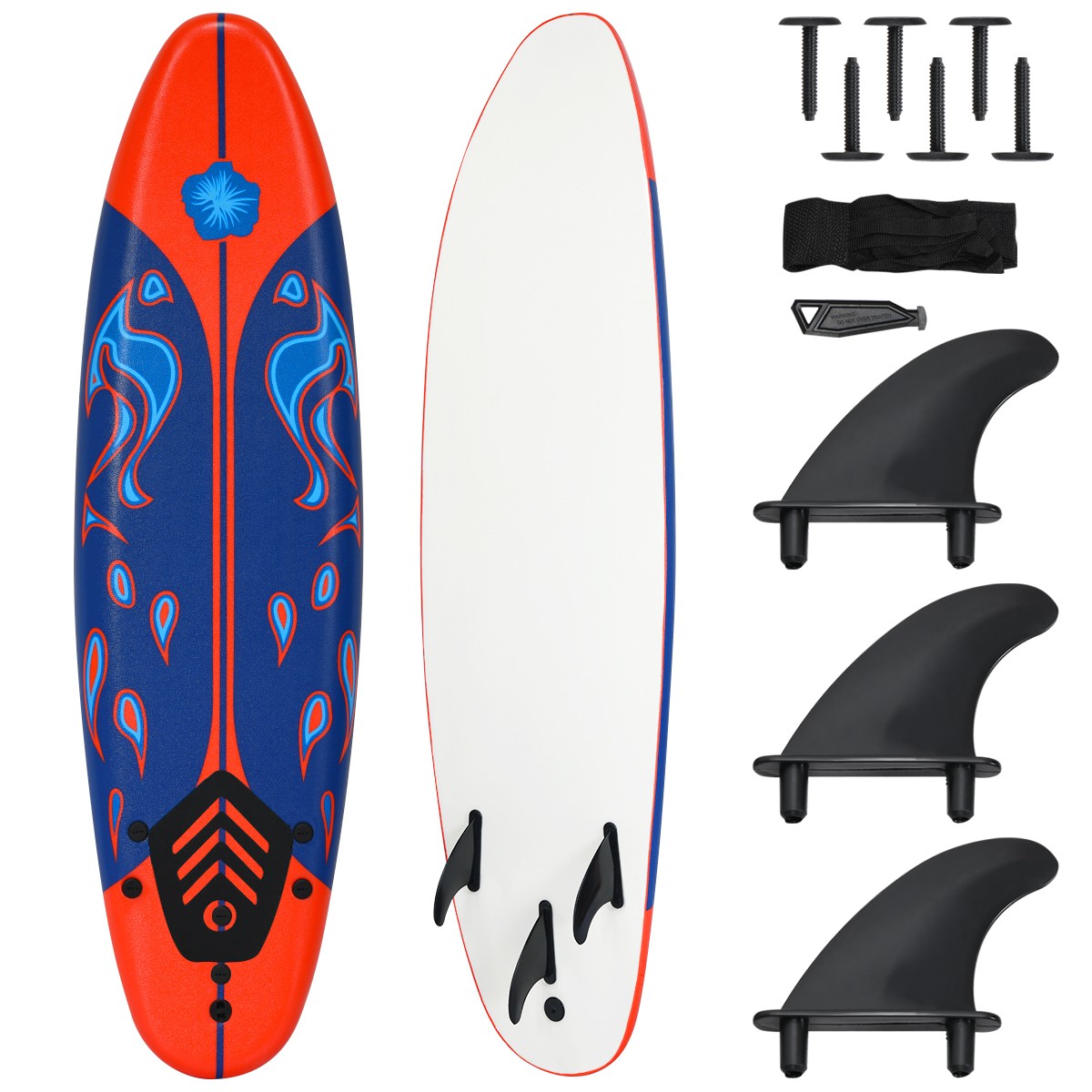 6' Surfboard Foamie Body Surfing Board W/3 Fins Leash for Kids Adults Red$95.99View on eBay
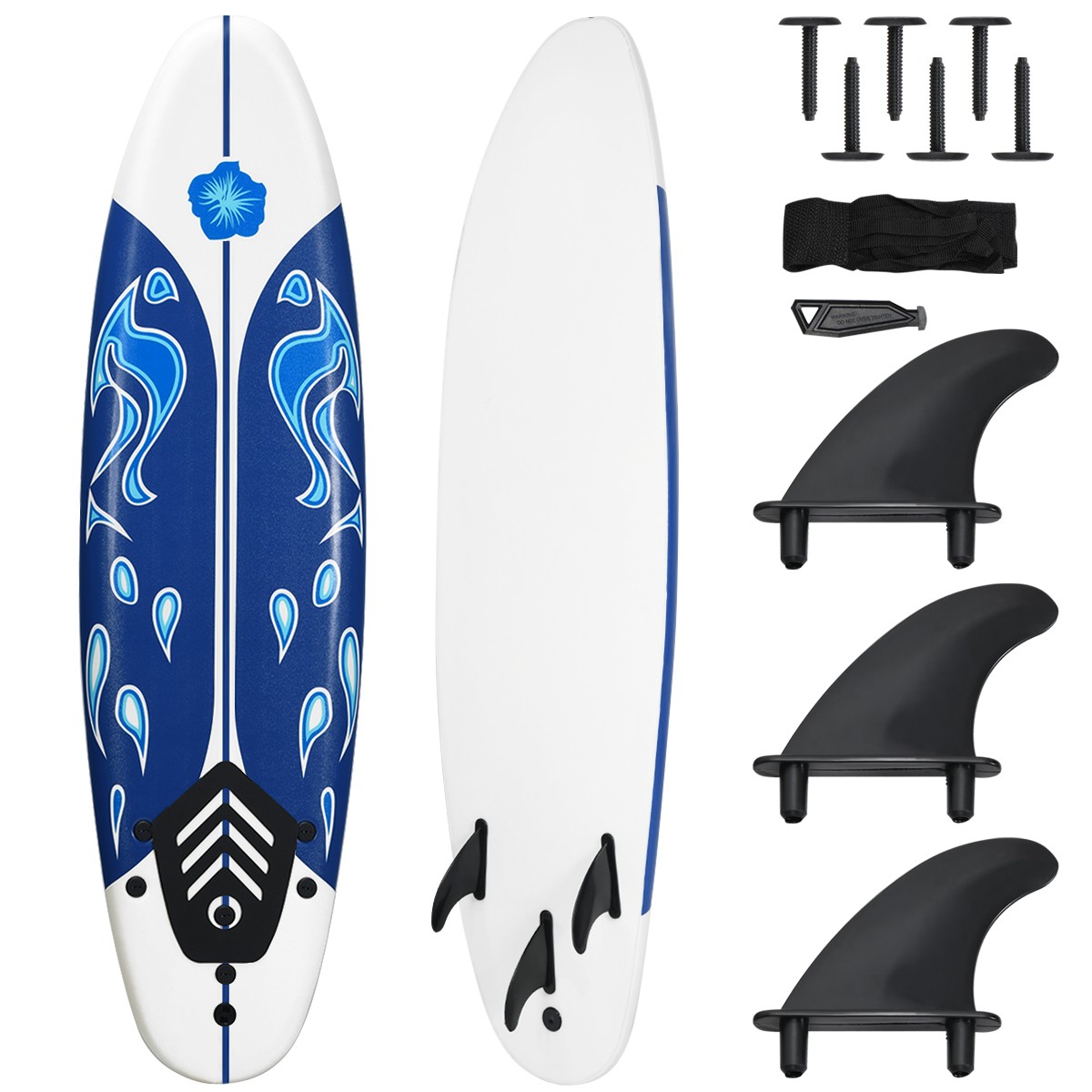 6' Surfboard Foamie Body Surfing Board W/3 Fins & Leash for Kids Adults White$95.99View on eBay
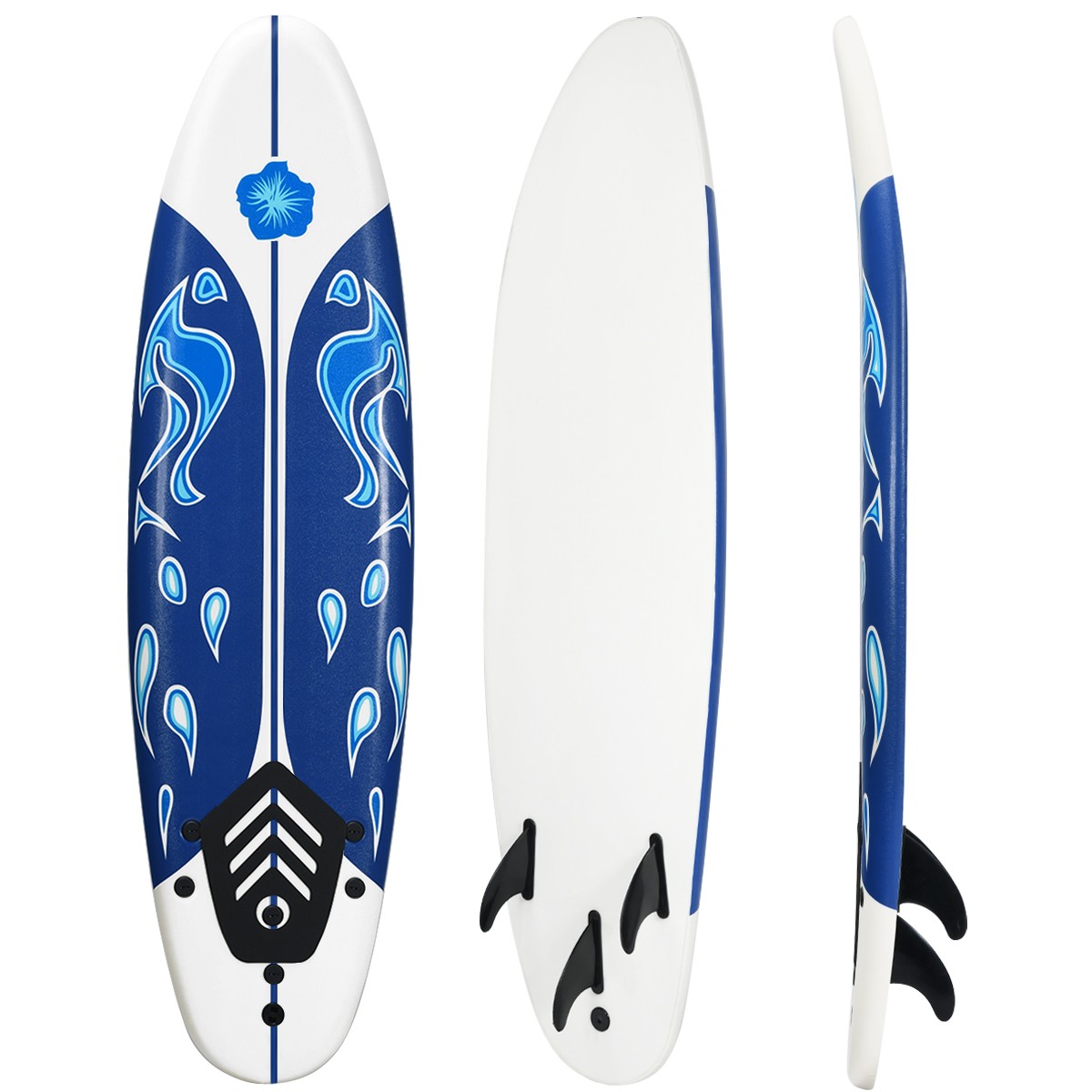 6ft Surfboard Stand Up Surfing Paddle Board SUP Ocean Beach Kid Adult White$95.99View on eBay
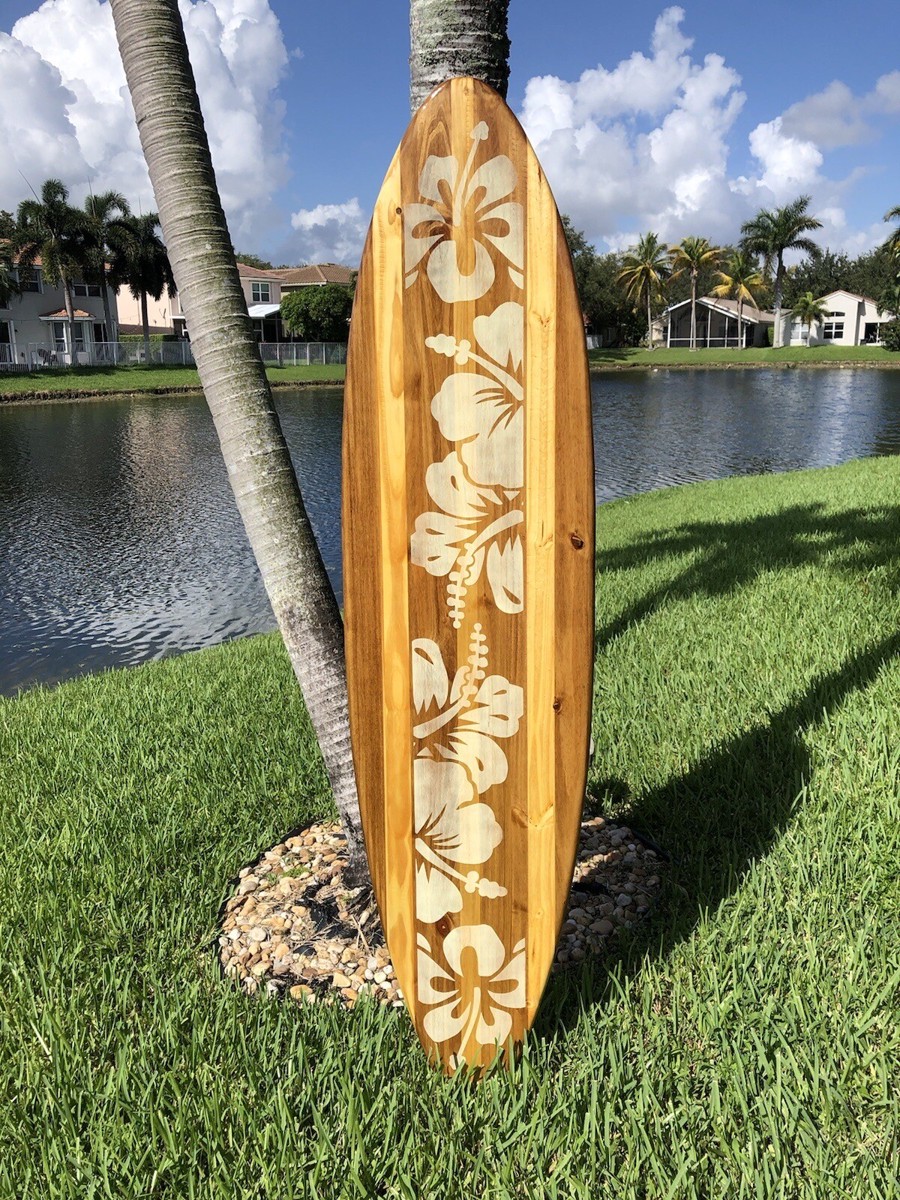 Vintage Natural Style Original 6 foot Longboard Wooden Surfboard Surf Decor$449.00View on eBay
Highlights
- Soft-top foamies use a EPS foam core with slick or textured polyethylene deck skin; hard boards use PU or EPS foam with fiberglass/epoxy laminate.
- Wood stringers (one or two) add longitudinal stiffness and snap resistance; foamies without stringers flex more and suit small, weak waves.
- Fin systems differ: soft boards use thruster (3-fin) or single-fin setups with molded or screw-in fins; hard boards use FCS, Futures, or longboard single-fin boxes.
- Volume in liters (or foam thickness) determines float and paddling ease; beginners need higher volume relative to weight, advanced riders prefer lower volume for maneuverability.
Best use cases
- Best fit: first-time or occasional surfers in small-to-medium waves should pick a 6-foot soft-top foamie with 2 wood stringers and a 3-fin setup for stability and safety.
- Wrong fit: advanced riders seeking speed and carve control should skip foamies and choose a PU or EPS hard-shell shortboard with a performance fin system.
- Best fit: family or multi-user households should choose a durable foamie with leash included and rounded nose for safe, low-maintenance sessions.
- Wrong fit: paddleboarding or SUP use requires a dedicated stand-up paddleboard with higher volume and displacement—do not substitute a standard surfboard.
Buying tips
- Match length to rider: 6 ft foamie suits riders up to roughly 150–170 lb; heavier riders need 7–8 ft or higher volume for adequate float.
- Choose two wood stringers over none for better stiffness and longevity, especially if the board will be used by kids or in shorebreak.
- Confirm fin compatibility: soft-top boards often use molded thruster fins; replacement fins must match the box type (screw-in vs. click-in).
- For hard boards, PU construction offers classic flex but dings easily; EPS/epoxy is lighter and more ding-resistant but stiffer and pricier.
Specs
| Construction | Foam soft-top vs fiberglass/epoxy |
|---|---|
| Stringer | Single, dual wood, or stringerless |
| Fin System | Thruster (3-fin) / Single / FCS / Futures |
| Volume Range | 30–70+ L by rider weight |
Related searches
What to check before buying
- Measure your height and weight: board length should reach roughly chest-to-head height for beginners; weight determines required volume.
- Check storage and transport: 6 ft boards fit most cars with folded seats; 8 ft+ needs roof racks or a truck bed.
- Confirm leash plug and included leash: a leash is essential for safety and board retention; ensure the plug is secure and compatible.
- Verify fin setup and box type before purchase: thruster (3-fin) is standard for foamies; single-fin or FCS/Futures for hard boards.
FAQ
Data sources: eBay / Amazon listings and product attribute feeds Data updated Nov 16, 2026.
Some links on this page are affiliate links. If you buy after clicking one, we may earn a commission at no extra cost to you. This does not change which products appear here or their order. Affiliate disclosure.