Photos from current listings. Actual item, color, and included accessories may vary.
Football Training Ball Buying Guide
A football training ball is a dedicated practice ball engineered for repeated striking, passing, and touch work rather than match-day cosmetics. The core trade-off is cover durability and bladder/stitch construction against pure feel: cheap PVC-molded balls suit light backyard use, while machine-stitched PU or hand-stitched balls with a butyl bladder survive sustained training. The decision rule is simple: buy a stitched PU or hybrid ball rated 300+ grams with a butyl bladder for regular training, and only accept molded PVC for occasional recreational kickabouts.

At a glance
- Category
- Team Sports
- Data updated
- Nov 16, 2026
Current offers
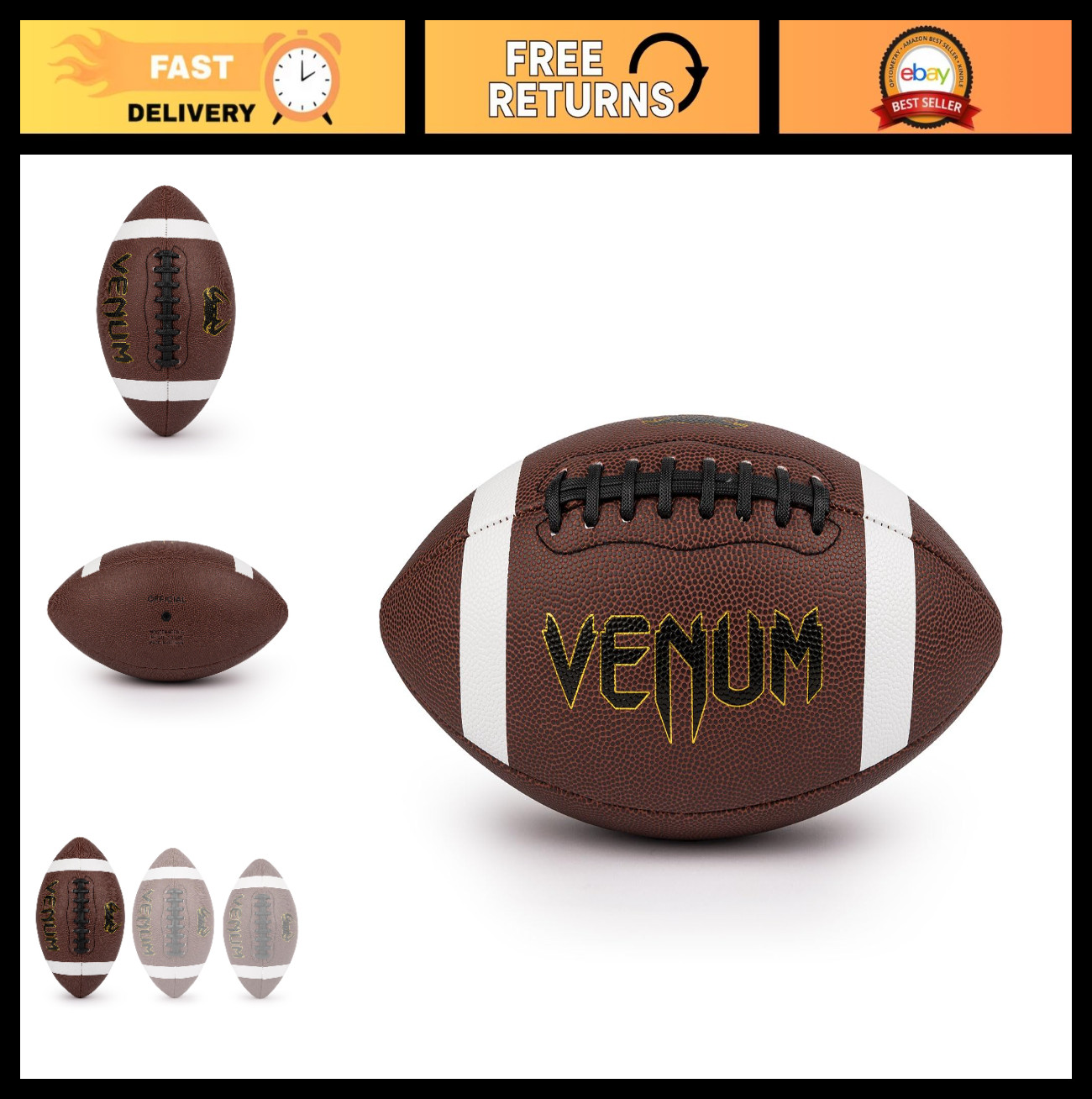 Football Training Gear - High-Performance Lineup for Athletes & Coaches$59.99
 View on eBay
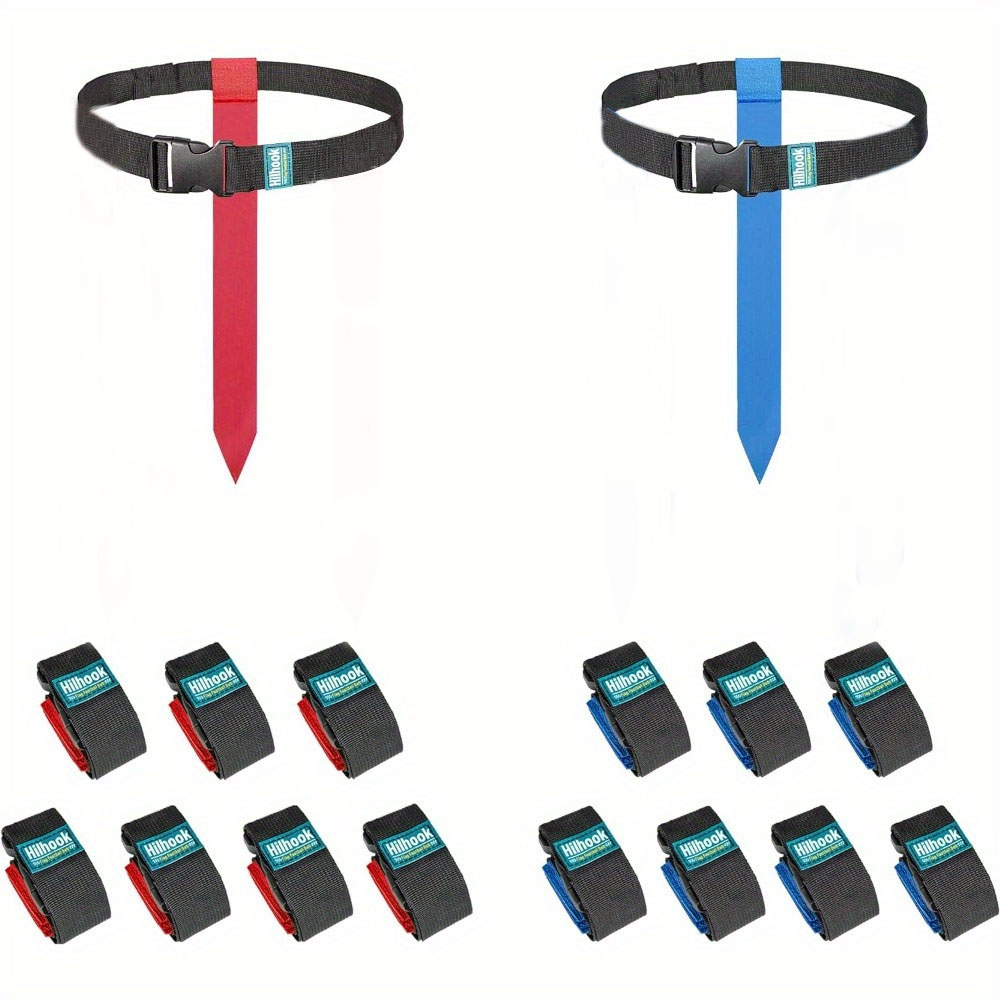 YQ-14PCS set Flag Football Belts, Player Set with 14 Flags for Youth and Adults Training Equipment$19.99
 View on Mallflare
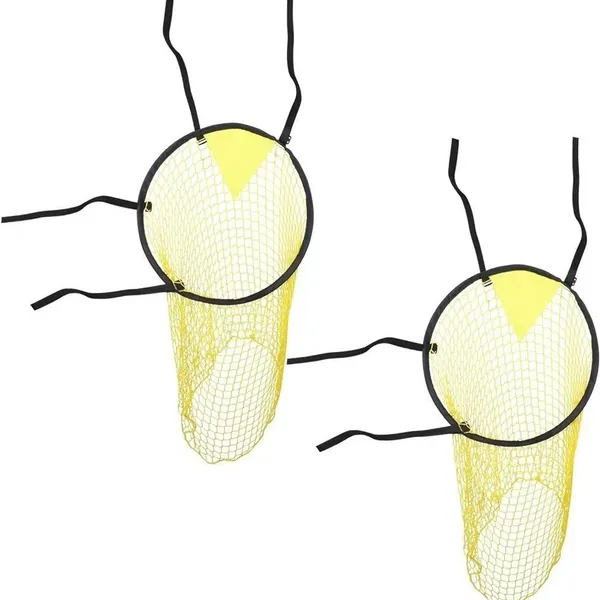 2-Pack Top Bins Football Target Net, Foldable Soccer Training Net With Goal, Easy To Install And Disassemble, Suitable For Practice$32.99View on Mallflare
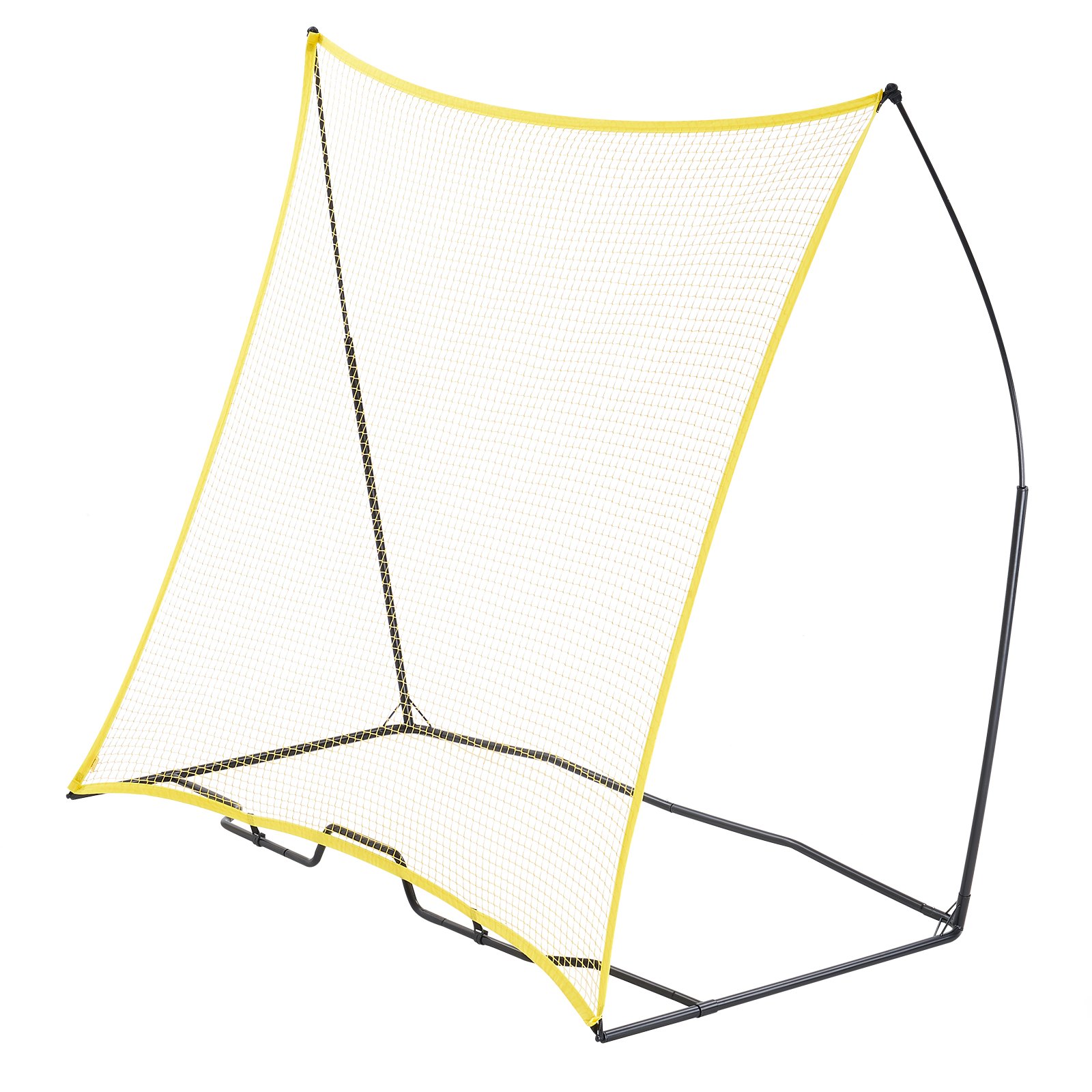 Soccer Rebounder, Portable Trainer, 7x7FT Iron & Polyester Practice Equipment, Sports Football Wall With Bag, Perfect For Team Solo Training, Passing, Volley$69.99View on Mallflare
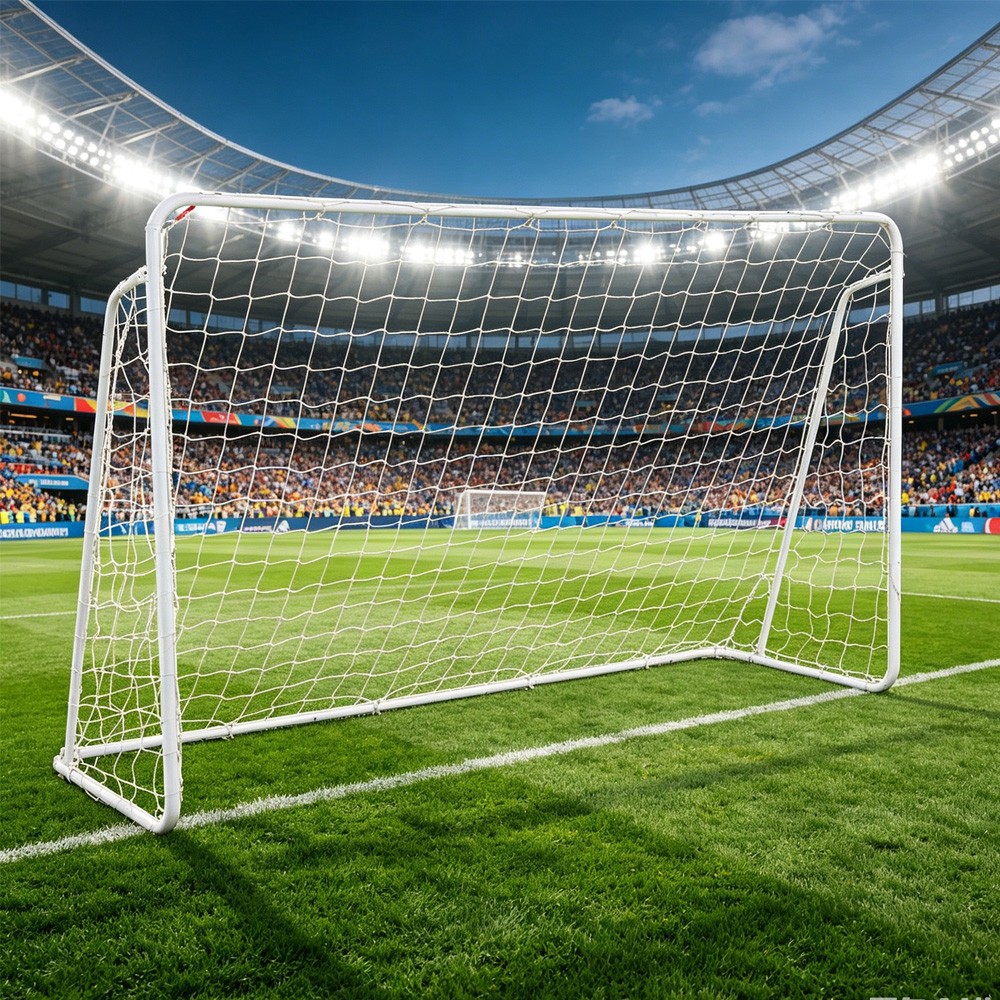 8X5ft Soccer Goal Training Set With Net Buckles Ground Nail Football Sports For Teens & Adults$78.99View on Mallflare
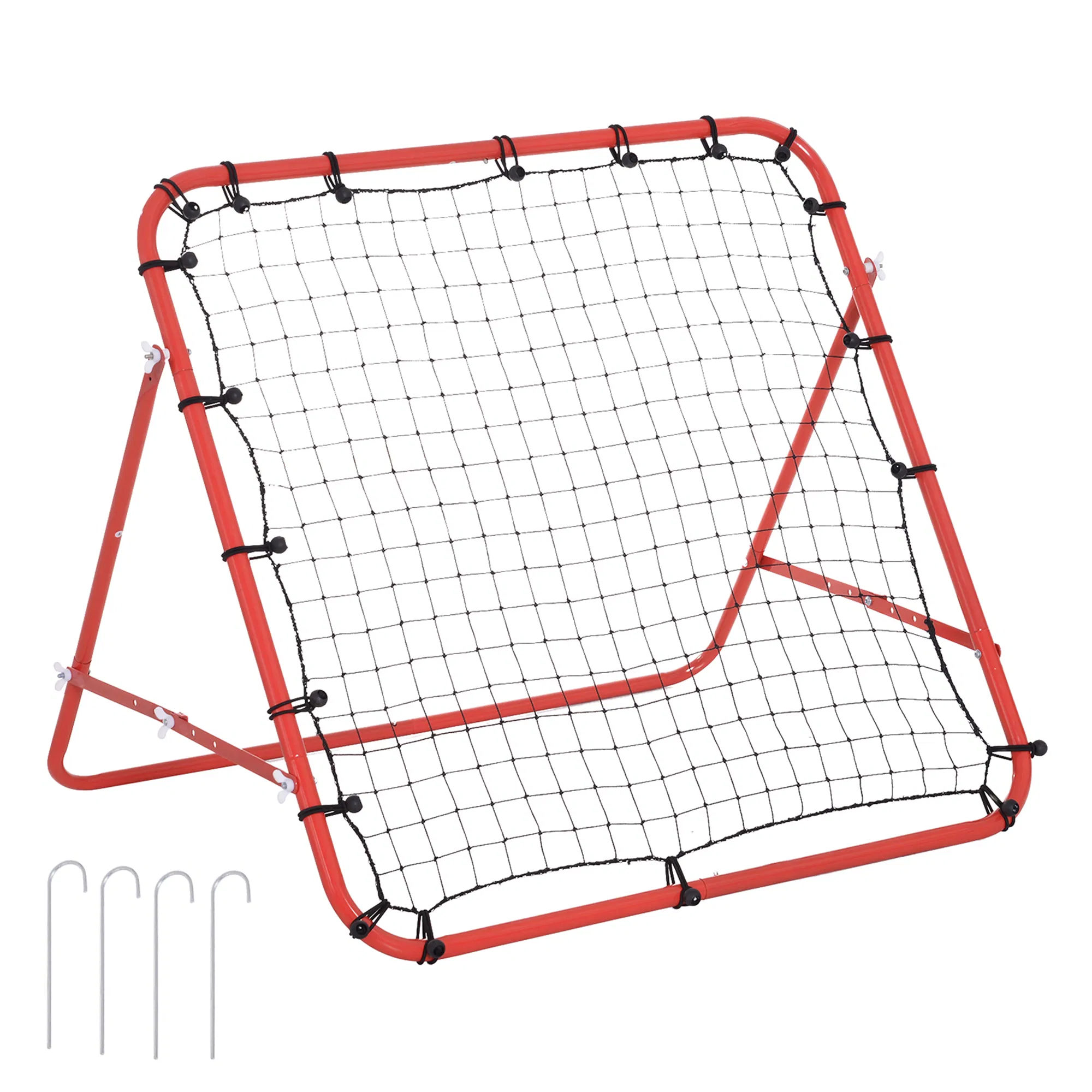 Volleyball Rebounder Net - Football Training Aid Kickback Target Practice Equipment for Sports Play$103.99View on Mallflare
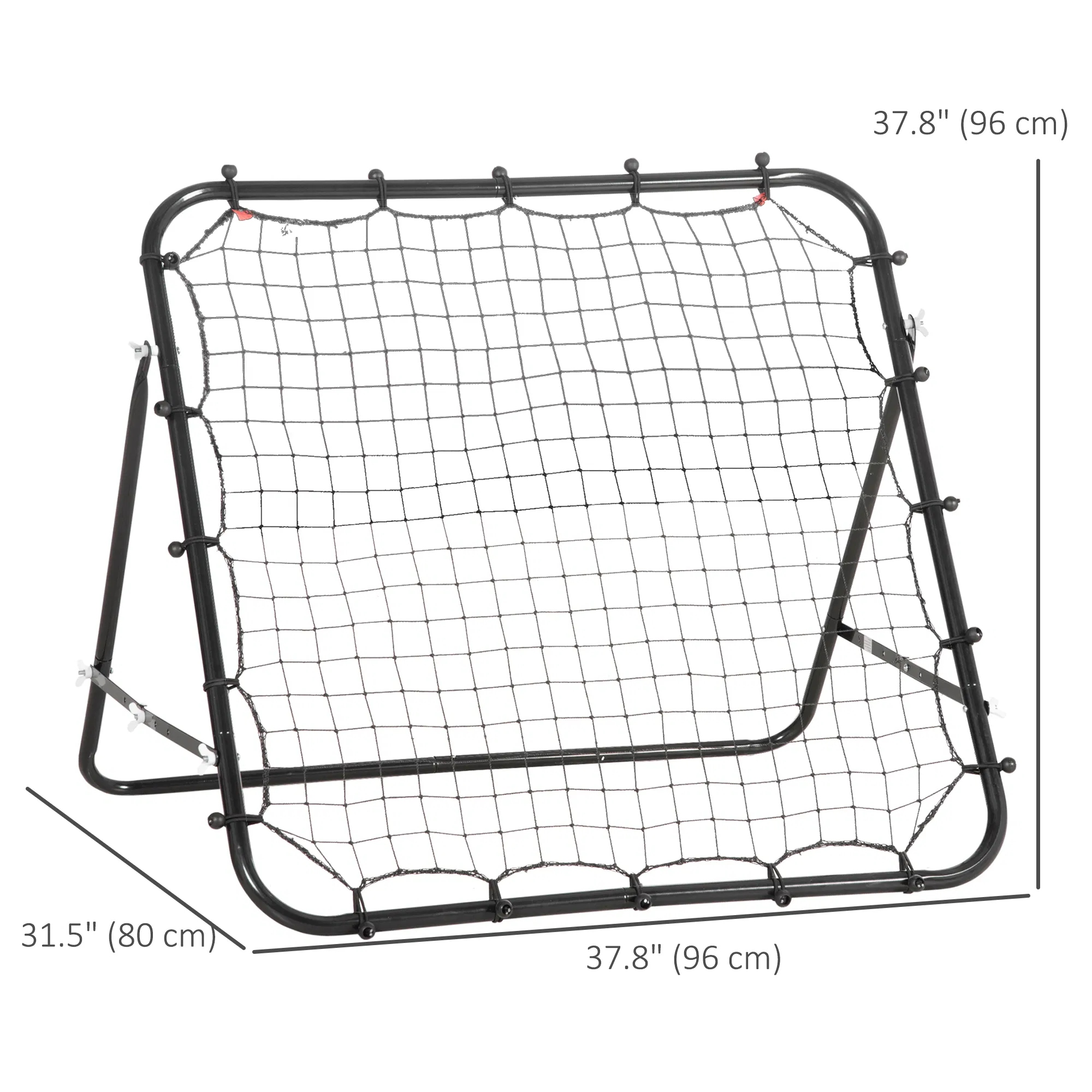 Black Volleyball Rebounder Net Football Training Aid Kickback Target Practice Equipment for Sports Play$119.99View on Mallflare
Highlights
- Cover material drives lifespan: PU or hybrid PU/PVC resists abrasion and moisture far better than single-layer molded PVC, which hardens and cracks with sun and cold.
- Stitching type matters most: machine-stitched and hand-stitched panels hold shape and weight through thousands of strikes, while glued/molded seams are the first failure point.
- Bladder grade controls air retention: butyl bladders hold pressure for weeks; latex bladders feel livelier but need frequent re-inflation and lose pressure faster.
- Size and weight tiers are standard: Size 5 for ages 12+ at 410-450 g, Size 4 for ages 8-12 at 350-390 g, Size 3 for ages 5-8 at 300-320 g; match the tier to the player.
Best use cases
- Team drills and repeated striking: pick a hand-stitched or machine-stitched PU Size 5 ball with a butyl bladder; skip molded PVC promotional balls that deform under hard contact.
- Youth development and small-sided games: buy a Size 4 stitched ball (ages 8-12) rather than an adult Size 5, so weight and circumference match developing leg strength and touch.
- Backyard and street practice: a hybrid PU/PVC machine-stitched ball balances durability against rough surfaces; a pure leather match ball is the wrong fit and wears fast on concrete.
- Coaching multisport sessions: a rebound net or target set complements the training ball but does not replace a properly sized stitched ball; skip rebounders as a substitute for ball quality.
Buying tips
- Match the size tier to the player: Size 5 (410-450 g) for ages 12+, Size 4 (350-390 g) for 8-12, Size 3 (300-320 g) for 5-8; a heavier ball than the age tier causes poor technique.
- Choose a butyl bladder for training and a latex bladder only if you want maximum feel and will re-inflate regularly; butyl retains pressure far longer between sessions.
- Prefer machine-stitched or hand-stitched panels over glued/molded seams; stitched construction keeps the ball round and weight-consistent through repeated training.
- For damp or artificial surfaces, select a PU or hybrid cover with a textured finish; single-layer PVC becomes slick and hard in cold and wears quickly on abrasive turf.
Specs
| Cover Material | PU / Hybrid PU-PVC / PVC |
|---|---|
| Stitching Type | Hand-stitched / Machine-stitched / Molded |
| Bladder Type | Butyl (durable) vs Latex (feel) |
| Size & Weight | Sz 3 300-320g / Sz 4 350-390g / Sz 5 410-450g |
Related searches
What to check before buying
- Confirm the ball's size and weight tier matches the player's age group before buying; a Size 5 for a young child is too heavy and too large.
- Check inflation requirements: most training balls ship deflated and need a hand pump with the correct needle; confirm a pump is included or available.
- Verify surface compatibility: street and concrete use favors hybrid PU/PVC; grass and turf allow PU or leather but leather wears fast on abrasive ground.
- Ensure storage and climate fit: avoid leaving PVC balls in direct sun or freezing conditions, which harden and crack the cover; store inflated at moderate pressure.
FAQ
Data sources: eBay / Amazon listings and product attribute feeds Data updated Nov 16, 2026.
Some links on this page are affiliate links. If you buy after clicking one, we may earn a commission at no extra cost to you. This does not change which products appear here or their order. Affiliate disclosure.