Photos from current listings. Actual item, color, and included accessories may vary.
Soccer Training Ball Buying Guide
Soccer training balls are built for repetitive practice, not match play: they trade premium match-legal cover materials for thicker, more abrasion-resistant shells and higher-durability bladders. The key trade-off is cover grade and bladder type versus touch fidelity, while stitched panels and butyl bladders separate durable trainers from cheap PVC disposables. Buy a stitched ball with a butyl bladder for outdoor grass or abrasive surfaces; choose a thermally bonded ball only when match-like touch is the priority on clean turf.


At a glance
- Category
- Team Sports
- Data updated
- Nov 16, 2026
Current offers
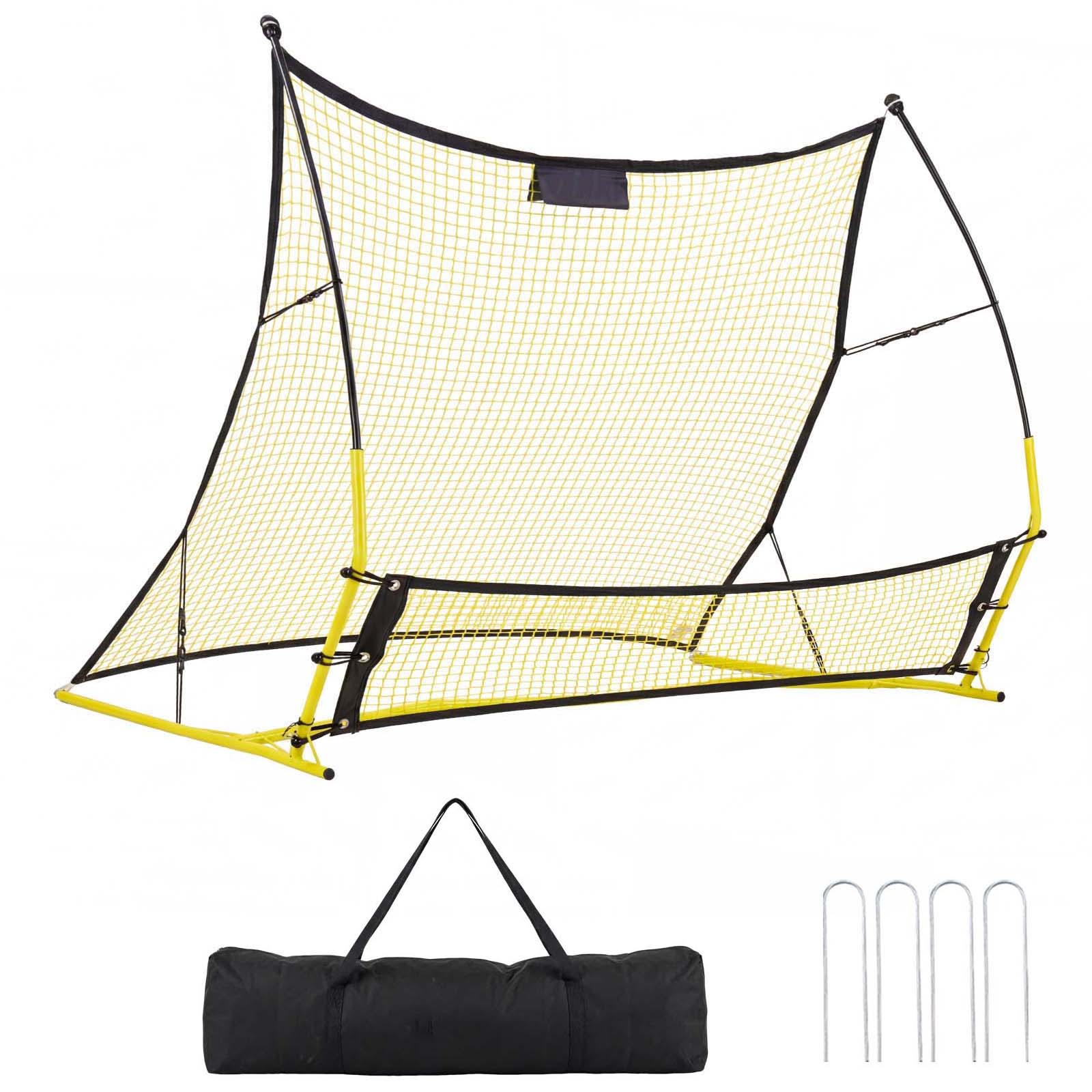 Soccer Rebounder Net, 2-in-1 Goal Thickened Fiberglass Poles Iron Pipe For Team Solo Control, Passing Practice, Easy Setup Ball Training Equipment For Teens & Adults, 72" X 43"$62.99
 View on Mallflare
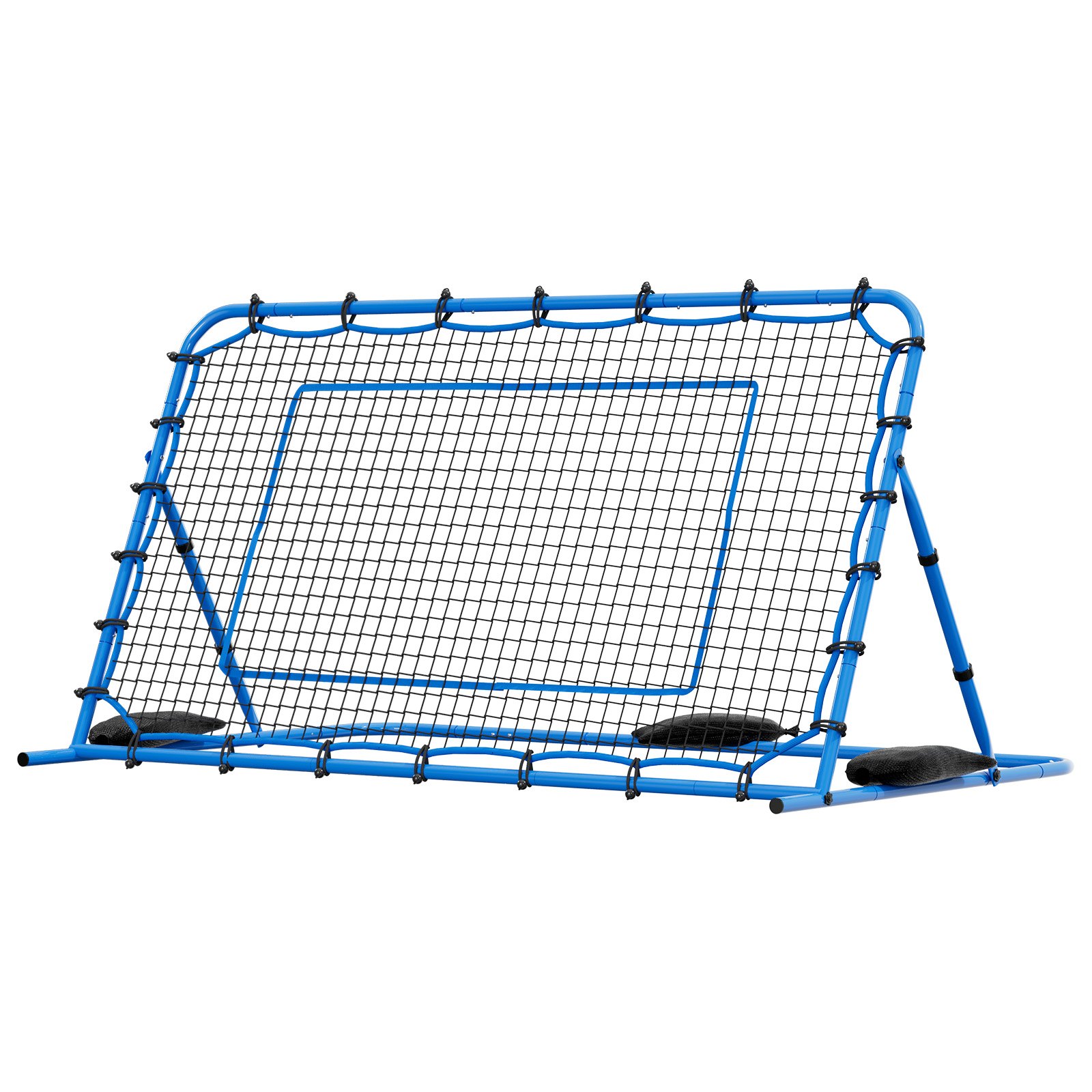 Soccer Rebounder Net, Quick-Switch Angle Goal For Control, Passing Practice, Heavy-Duty Iron Frame & PE Net, Easy Setup Ball Training Aids & Equipment For Teens&Adults,7 X 4 Ft$85.99View on Mallflare
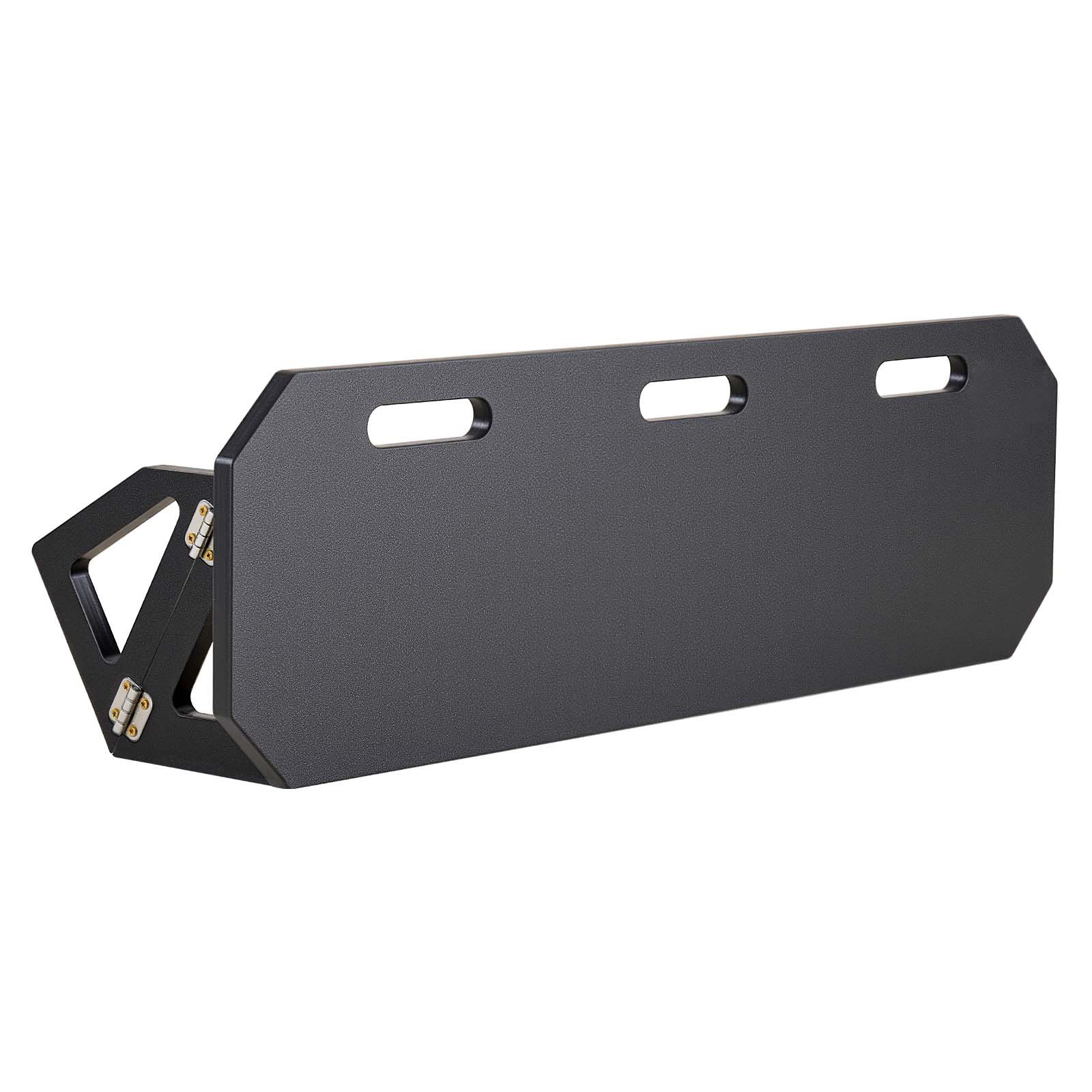 Soccer Rebounder Board, 40 X 12 In Portable Rebound Wall, HDPE Sports Kick Back Trainer, 3 Adjustable Angles, Easy Setup Ball Practice Training Equipment For Passing & Reaction Skills$91.99View on Mallflare
Highlights
- Stitched panel construction outlasts glued or machine-bonded seams under repeated striking; 32-panel stitched designs are the durability baseline for training balls.
- Butyl bladders hold air far longer than latex, so training balls keep consistent pressure across weeks; latex suits match feel but needs frequent inflation.
- PU (polyurethane) covers resist scuffing and water uptake better than PVC, which hardens in cold and cracks on abrasive concrete or dry grass.
- Training balls ship in size 3 (ages 8 and under), size 4 (ages 8-12), and size 5 (ages 12+); using the wrong size skews touch and striking mechanics.
Best use cases
- Pick a size 5 stitched PU ball with a butyl bladder for teen and adult outdoor grass or turf sessions; skip soft PVC balls that scuff and lose pressure quickly.
- Choose a size 3 or 4 lightweight ball for youth players learning control and passing; skip adult size 5 balls that are too heavy and hard for small feet.
- For futsal or hardcourt training, select a low-bounce futsal-specific ball with a durable PU cover; skip standard grass balls that bounce unpredictably on concrete.
- For wall or rebounder work, use a scuff-resistant stitched trainer; skip premium match balls whose thin covers wear fast against abrasive rebound surfaces.
Buying tips
- Match ball size to age: size 3 for under-8, size 4 for ages 8-12, size 5 for ages 12 and up. Circumference runs roughly 23-24 in (size 3), 25-26 in (size 4), and 27-28 in (size 5).
- Prioritize stitched seams over glued panels for training volume; stitching survives hundreds of strikes, while bonded seams split under repeated impacts.
- Choose a butyl bladder for air retention and a PU cover for abrasion resistance; latex bladders and PVC covers are for match feel or light indoor use only.
- Check inflation guidance: most size 5 training balls spec 8-9 psi (0.55-0.62 bar); overinflation hardens the ball and stresses seams, underinflation ruins rebound.
Specs
| Panel Construction | Stitched vs glued/bonded |
|---|---|
| Bladder Type | Butyl vs latex |
| Cover Material | PU vs PVC |
| Ball Size | Size 3 / 4 / 5 |
Related searches
What to check before buying
- Confirm the player's age and foot size to lock size 3, 4, or 5 before comparing cover materials.
- Match the cover to the surface: PU for grass and turf, scuff-resistant PU or futsal-specific covers for concrete and hardwood.
- Verify you own a pump and the correct needle; balls ship deflated and need inflation to the spec psi before first use.
- For rebounder or wall training, confirm the ball's cover grade tolerates repeated abrasive contact without premature wear.
FAQ
Data sources: eBay / Amazon listings and product attribute feeds Data updated Nov 16, 2026.
Some links on this page are affiliate links. If you buy after clicking one, we may earn a commission at no extra cost to you. This does not change which products appear here or their order. Affiliate disclosure.