Photos from current listings. Actual item, color, and included accessories may vary.
Soccer Training Equipment Buying Guide
Soccer training equipment spans rebounders, passing walls, mini goals, and agility kits that convert any yard or wall into a repeatable practice station. The core trade-off is frame rigidity and rebound consistency versus portability: iron and fiberglass poles hold angle and pace under repeated ball strikes, while thin plastic and HDPE boards flex and drift. Buy iron or fiberglass frames for daily striking, HDPE boards for angle-varied close control, and skip lightweight plastic nets for serious repetition.


At a glance
- Category
- Team Sports
- Data updated
- Nov 16, 2026
Current offers
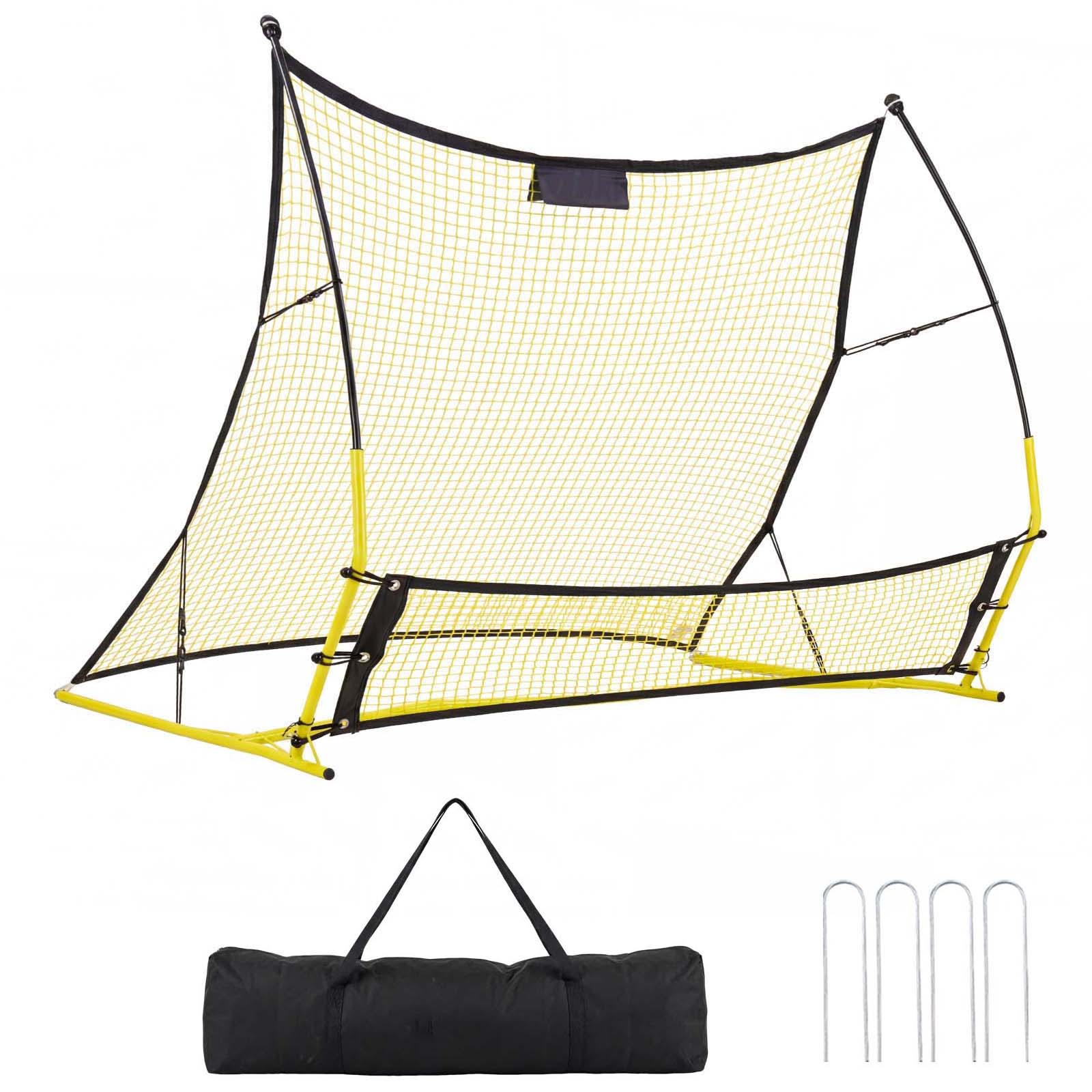 Soccer Rebounder Net, 2-in-1 Goal Thickened Fiberglass Poles Iron Pipe For Team Solo Control, Passing Practice, Easy Setup Ball Training Equipment For Teens & Adults, 72" X 43"$62.99
 View on Mallflare
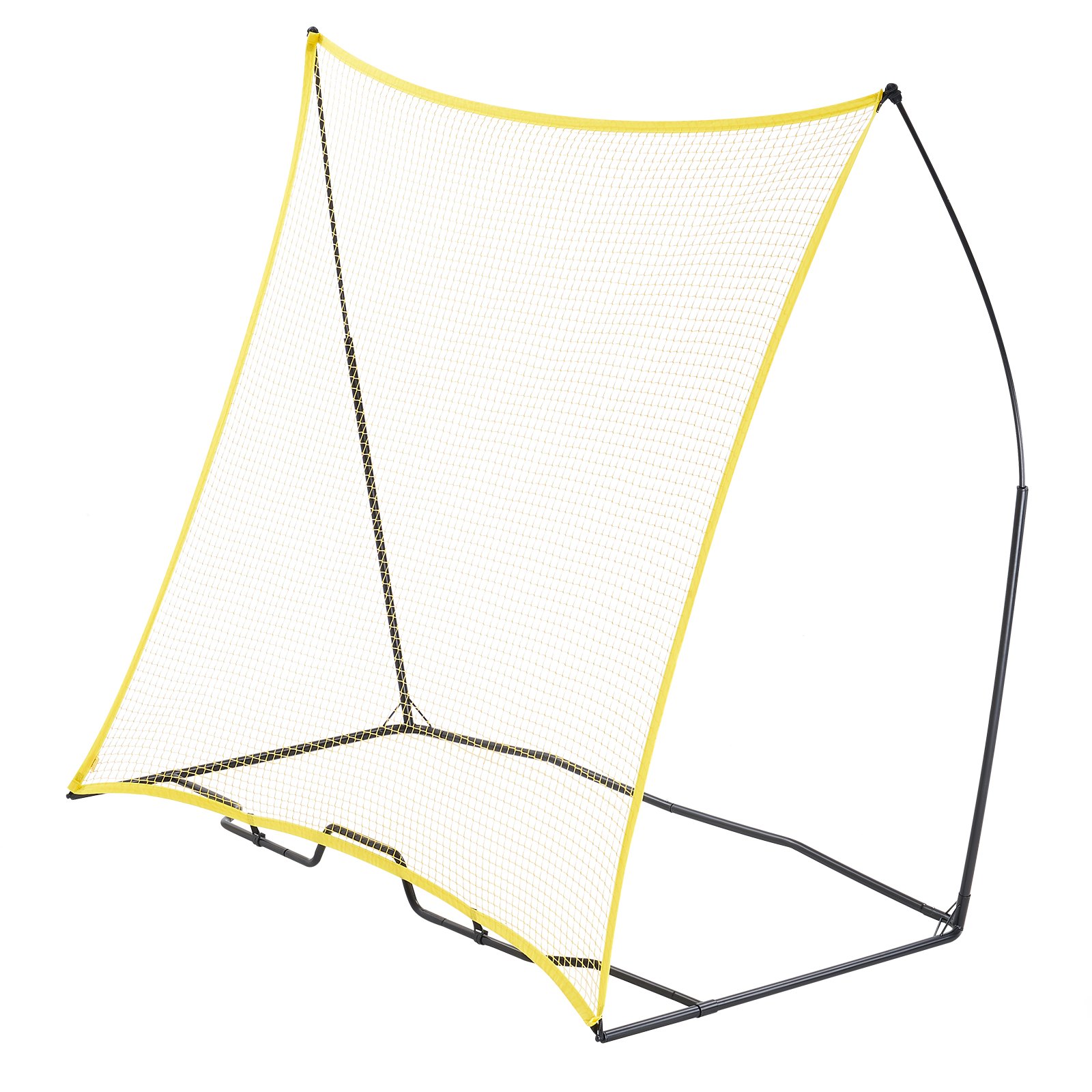 Soccer Rebounder, Portable Trainer, 7x7FT Iron & Polyester Practice Equipment, Sports Football Wall With Bag, Perfect For Team Solo Training, Passing, Volley$69.99View on Mallflare
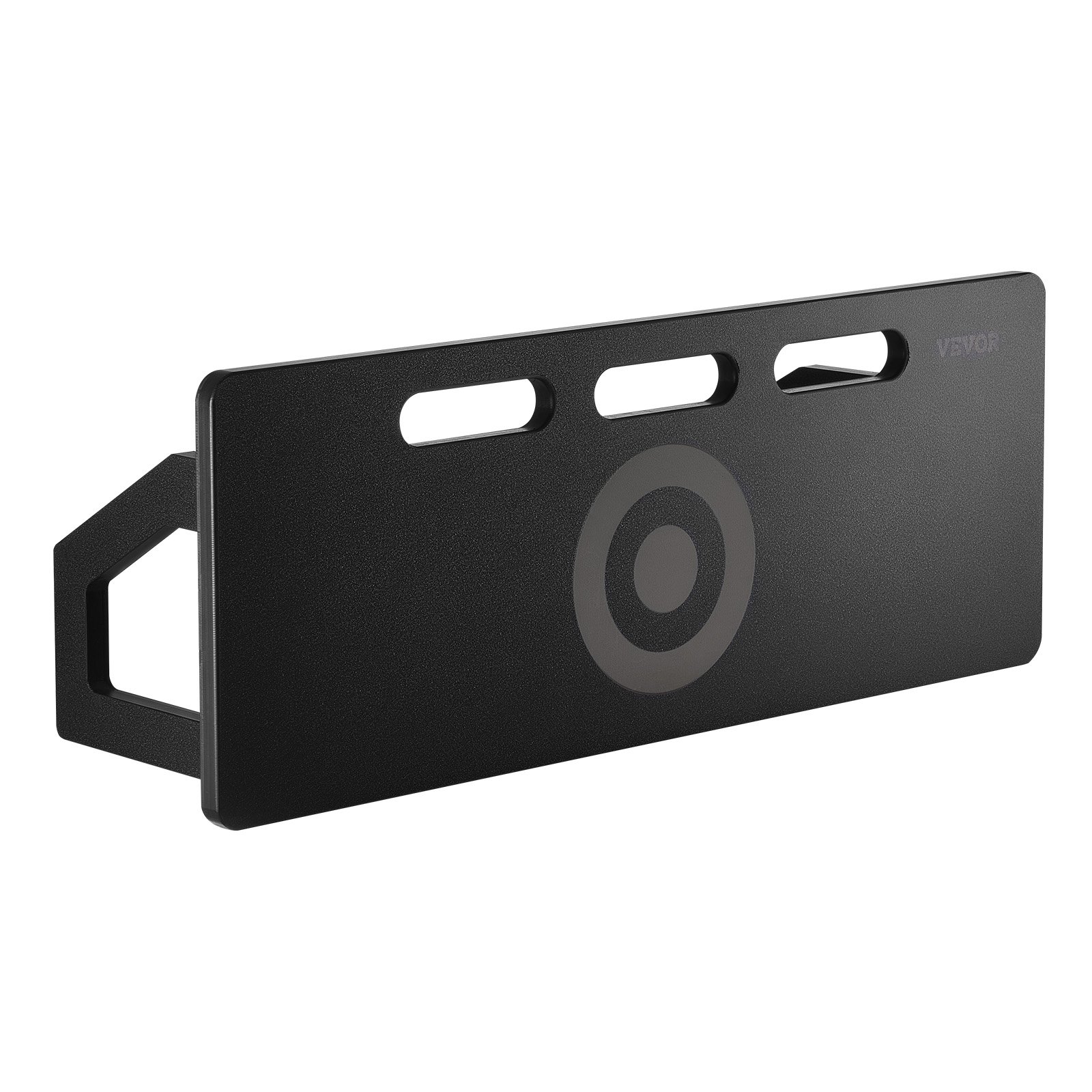 Soccer Rebounder Board, 32"X12" Portable Wall With 2 Angles Rebound, Foldable HDPE Kickback Training Equipment For Kids And Adults, Passing & Shooting Practice$69.99View on Mallflare
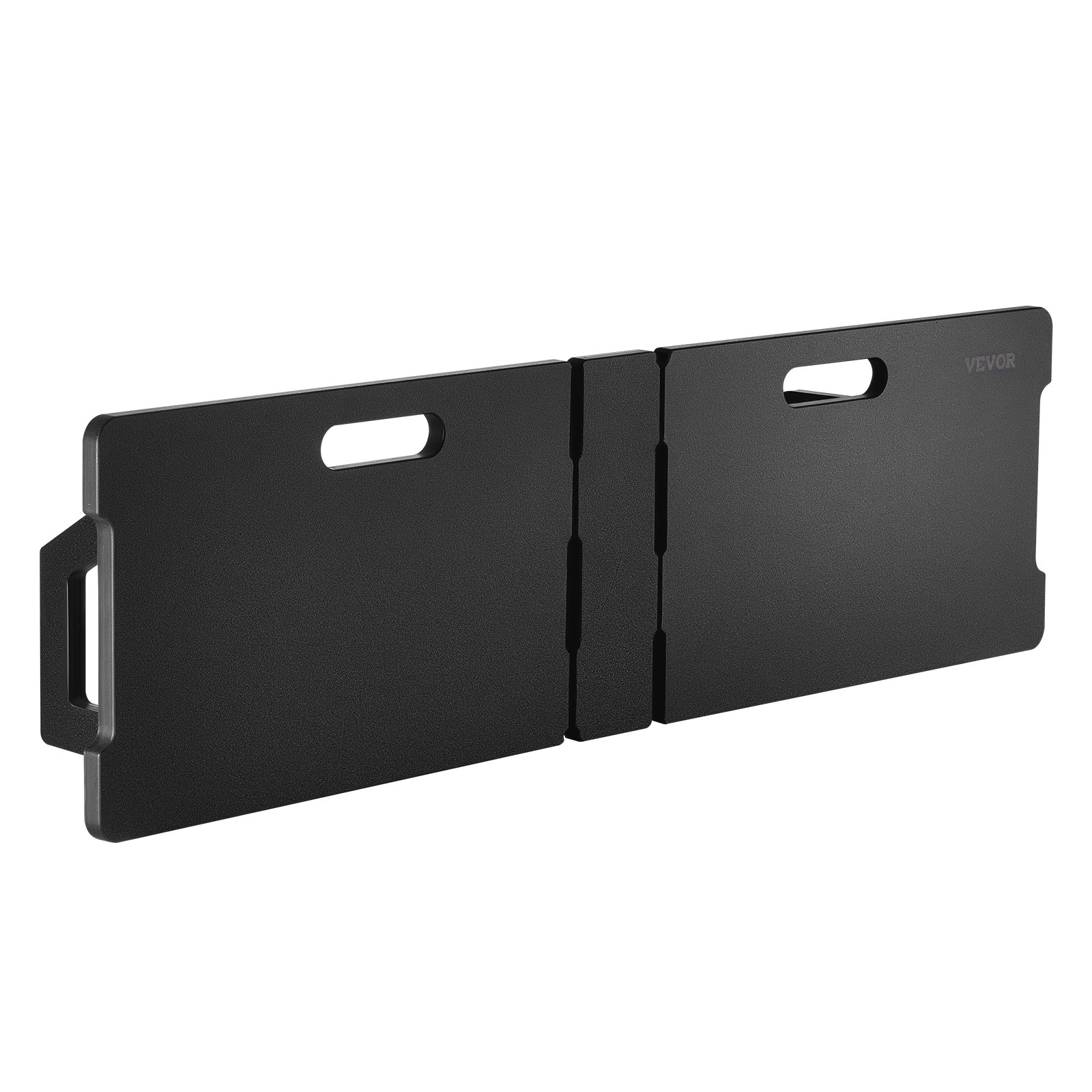 Soccer Rebounder Board, 45"X13" Portable Wall With 2 Angles Rebound, Foldable HDPE Kickback Training Equipment For Kids And Adults, Passing & Shooting Practice$79.99View on Mallflare
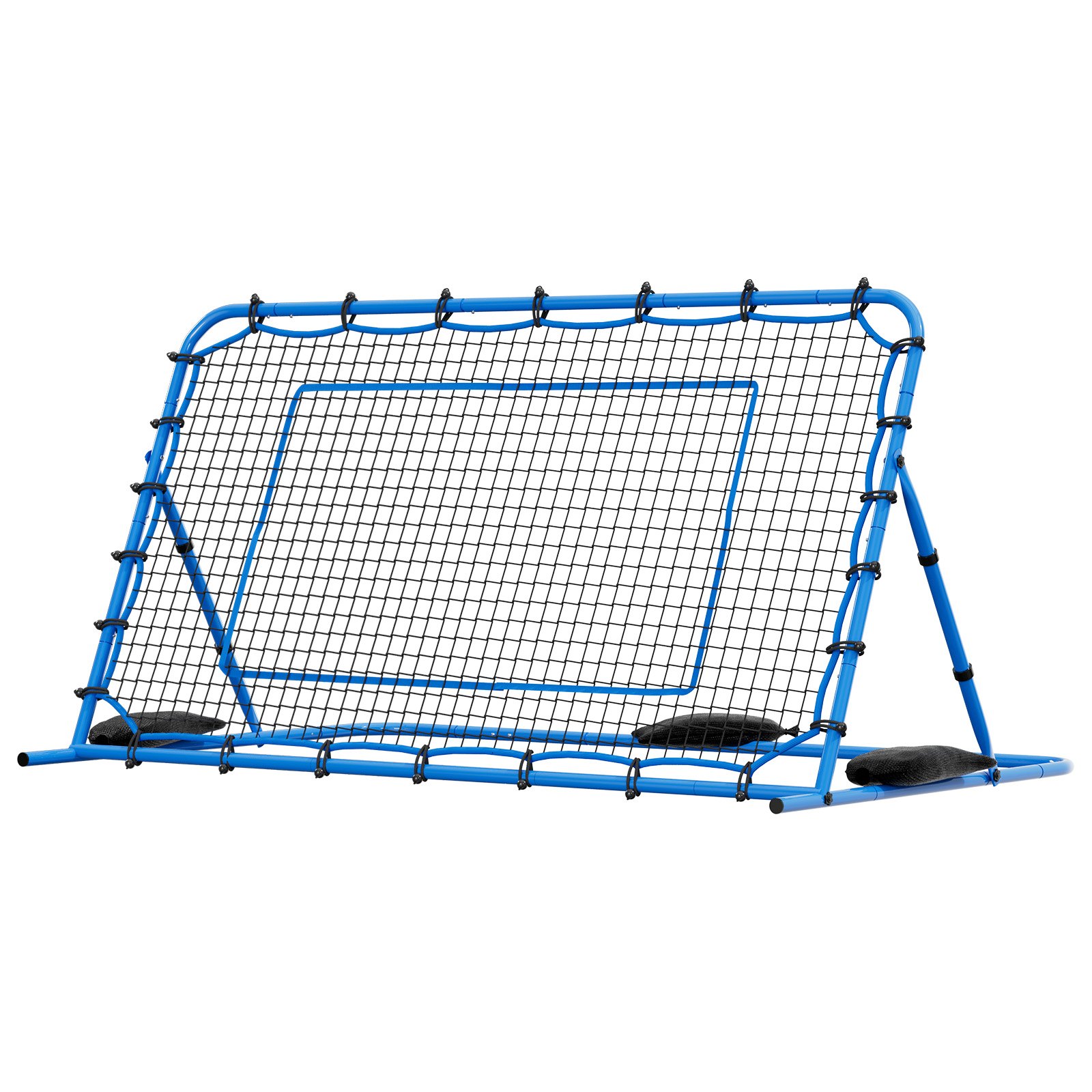 Soccer Rebounder Net, Quick-Switch Angle Goal For Control, Passing Practice, Heavy-Duty Iron Frame & PE Net, Easy Setup Ball Training Aids & Equipment For Teens&Adults,7 X 4 Ft$85.99View on Mallflare
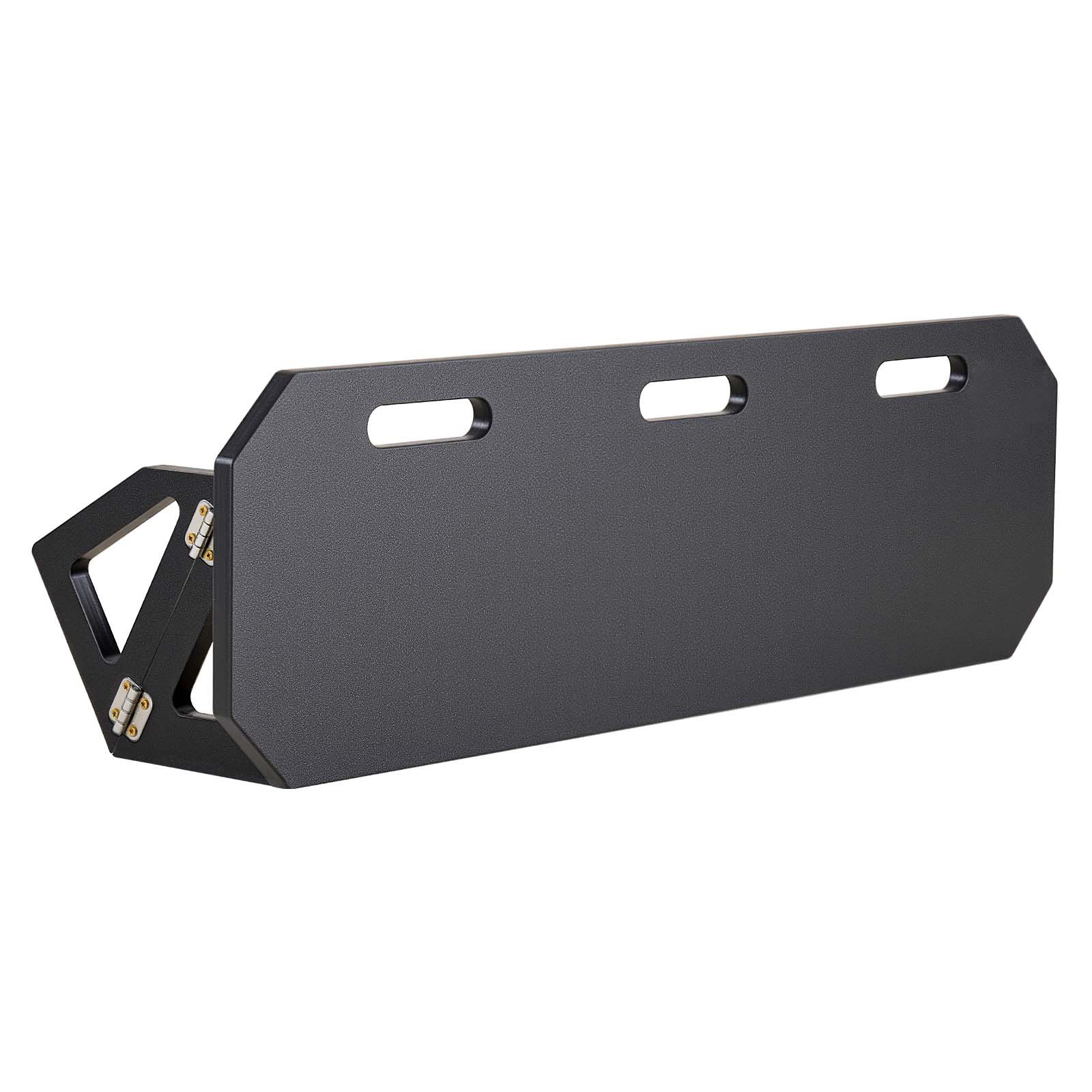 Soccer Rebounder Board, 40 X 12 In Portable Rebound Wall, HDPE Sports Kick Back Trainer, 3 Adjustable Angles, Easy Setup Ball Practice Training Equipment For Passing & Reaction Skills$91.99View on Mallflare
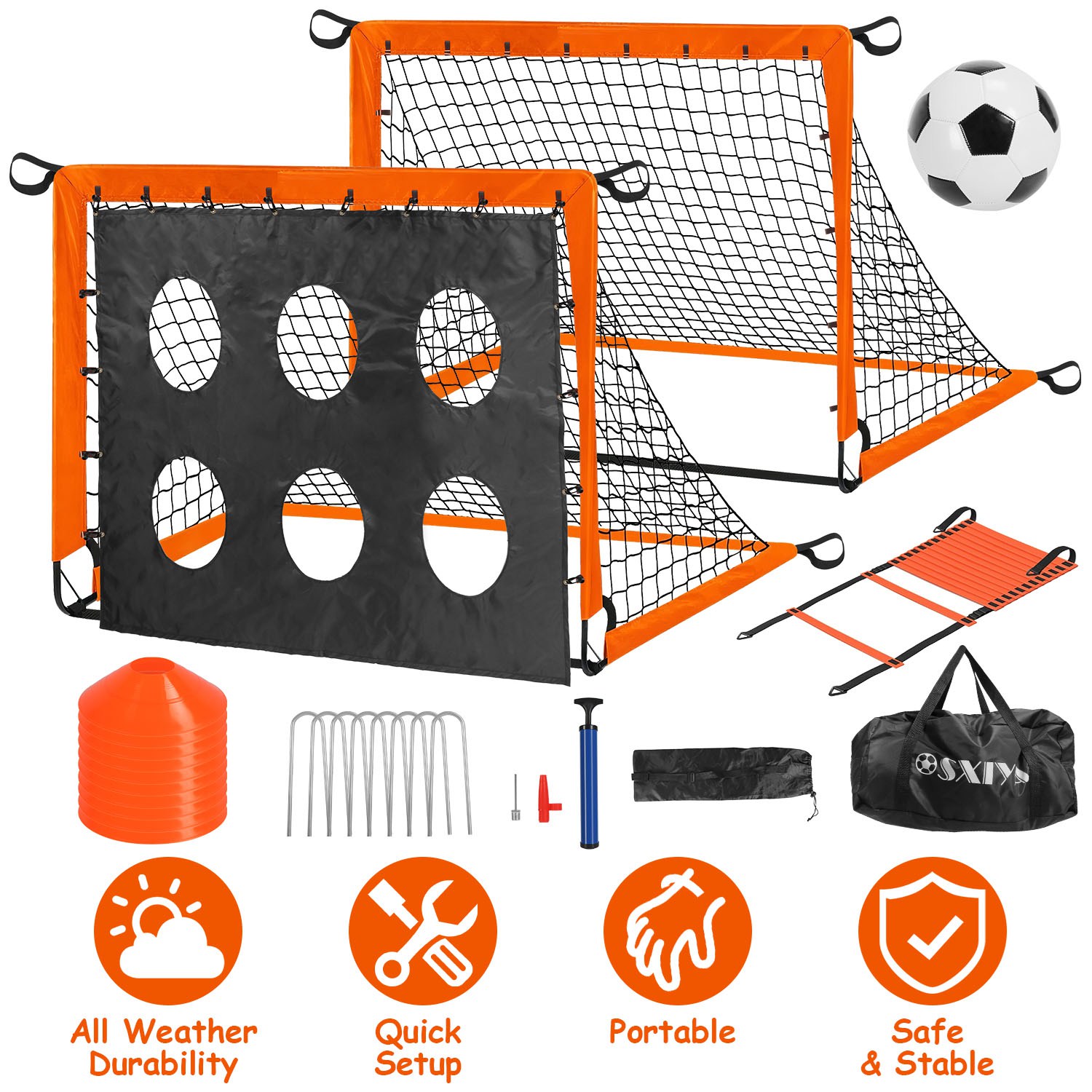 1Set Kids Soccer Goals Set For Yard Portable Training Equipment With Cones Agility Ladder Target Carry Bag For Toddler Outdoor Sport Play$102.99View on Mallflare
Highlights
- Rebounder frames split into iron/steel tube (rigid, holds angle under hard shots) and fiberglass or plastic poles (lighter, flexes and drifts with repeat strikes).
- Net rebounders typically run 7x4 ft to 7x7 ft with PE netting; larger faces suit volley and driven passing, smaller 71x40 in frames suit solo control.
- HDPE rebound boards run 32-45 in wide with 2-3 adjustable angles; the flat board returns pace low and fast, training first touch and reaction.
- Mini goal sets pair PVC or plastic goals with cones, agility ladders, and target pockets; these build coordination for ages roughly 3-8, not striking durability.
Best use cases
- Pick an iron-frame 7x4 ft or 7x7 ft net rebounder for solo passing, volley, and first-touch reps against driven balls; skip flex-prone plastic poles if you train daily.
- Pick a 40-45 in HDPE rebound board with 2-3 angles for tight-space close control and reaction work; skip it if you need to practice lofted or long-range passing.
- Pick a kids goal-and-agility set with cones and ladder for toddlers and ages 3-8 in the yard; skip it for teens and adults, who need a full-size rebounder or regulation goal.
- Pick a 2-in-1 rebounder that converts between net and goal face for team drills and scrimmage warm-ups; skip multi-angle gimmicks if you only need straight-line pass return.
Buying tips
- Match rebounder face to skill: 7x7 ft for volleys and driven balls, 7x4 ft for passing and control, 71x40 in for solo close-range touch work.
- Choose iron or steel tube frames over fiberglass or plastic poles when the rebounder takes daily shots; flexing poles lose rebound angle and pace over time.
- For board trainers, pick HDPE over thin plastic: HDPE resists cracking and holds a true bounce surface through repeated ball impact.
- For youth under 8, size goals to roughly 4-6 ft wide with light PVC or plastic frames; above age 8, move to iron-frame rebounders and full-size training goals.
Specs
| Frame Material | Iron/steel vs fiberglass vs HDPE |
|---|---|
| Rebounder Face Size | 71x40 in to 7x7 ft |
| Rebound Angles | Fixed net vs 2-3 position board |
| Youth Age Fit | Ages 3-8 mini sets / 8+ rebounders |
Related searches
What to check before buying
- Measure your practice space: a 7x7 ft rebounder needs roughly 10 ft of clear depth and width for ball return and recovery.
- Confirm ground surface: stake or sandbag iron-frame rebounders on grass or turf; HDPE boards need a flat, stable base to hold rebound angles.
- Check assembly and storage: folding boards and quick-setup nets suit small yards; fixed iron frames need semi-permanent space.
- Verify included accessories: nets, target pockets, carry bags, and ground stakes are often separate; confirm ball pump and pegs are in the box.
FAQ
Data sources: eBay / Amazon listings and product attribute feeds Data updated Nov 16, 2026.
Some links on this page are affiliate links. If you buy after clicking one, we may earn a commission at no extra cost to you. This does not change which products appear here or their order. Affiliate disclosure.