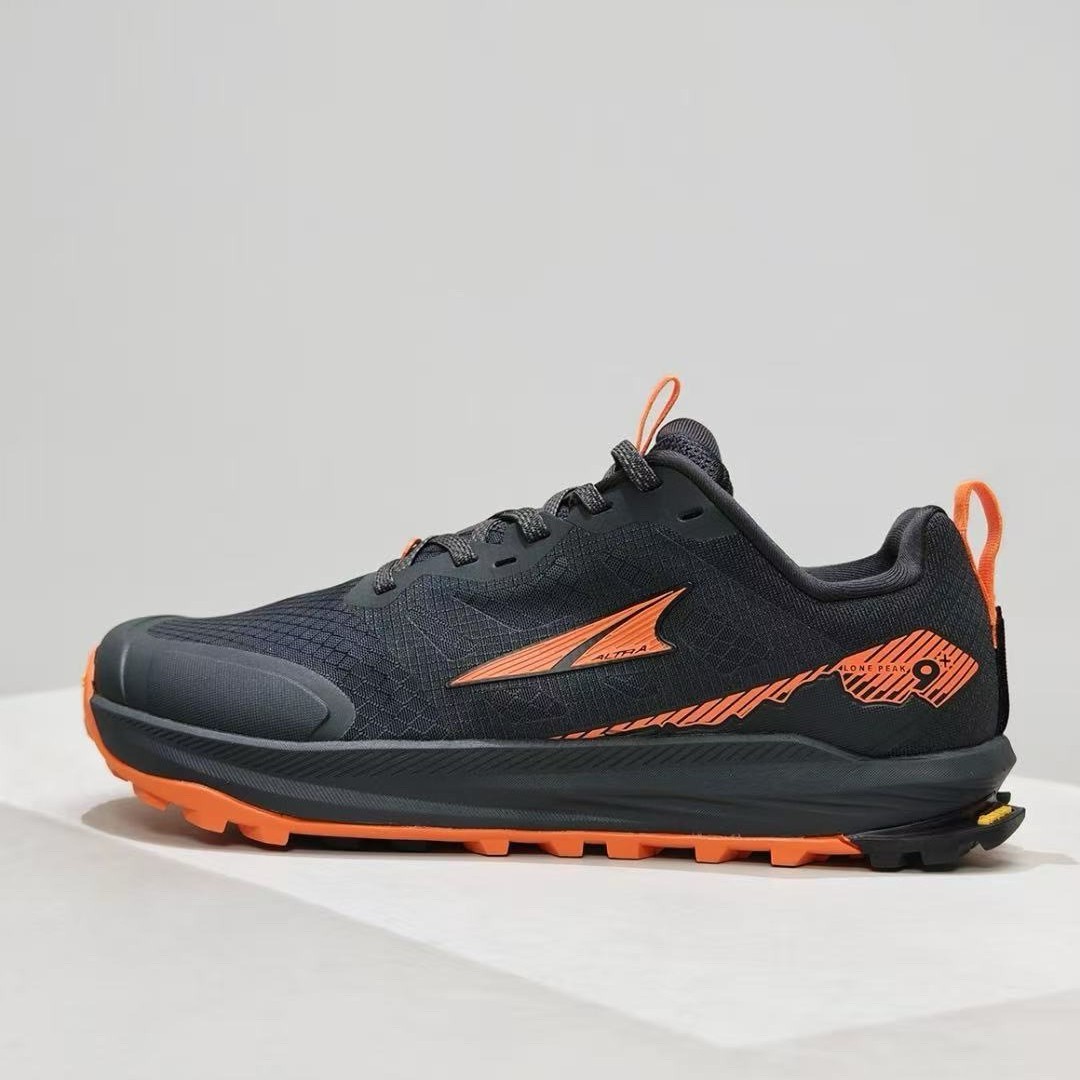

Photos from current listings. Actual item, color, and included accessories may vary.
Athletic Buying Guide
Trail running shoes are off-road athletic footwear built for grip, protection, and stability on dirt, rock, and mud. The core trade-off is lug depth and rock-plate stiffness versus weight and ground feel: deeper lugs and plates add grip and protection but reduce flexibility and trail feel. The decision rule is simple—match lug depth to your terrain and fit to your foot volume; skip any shoe that compromises either for a lower weight claim.


At a glance
- Category
- Trail Running Shoes
- Data updated
- Nov 16, 2026
Current offers
Highlights
- Lug depth determines terrain suitability: 3–4 mm for hardpack and road-to-trail, 5–6 mm for mixed dirt and roots, 7–8 mm for mud and loose scree.
- Rock plates (full-length or forefoot-only) protect against stone bruising but stiffen flex; zero-drop shoes rely on foot strength and demand gradual adaptation.
- Foot shape tiers separate brands: Altra and Topo use wide toe boxes with low drop; Salomon and La Sportiva run narrow and precise for technical descents.
- Upper durability tracks material: TPU overlays and ripstop mesh resist abrasion better than single-layer engineered mesh on rocky terrain.
Best use cases
- Best fit: mixed dirt, roots, and hardpack—pick 4–5 mm lugs with a forefoot rock plate and moderate drop (4–8 mm) for all-day comfort; skip 7–8 mm mud lugs that feel clunky on firm ground.
- Best fit: technical rocky alpine descents—choose a precise, narrow fit with a full-length rock plate and 5–6 mm lugs; skip zero-drop wide models unless your ankles and calves are already conditioned.
- Best fit: road-to-trail commuting runs—select 3–4 mm lugs with a smoother outsole and lighter build; skip aggressive 7–8 mm lugs that wear fast on pavement.
- Wrong fit: wide-footed runners buying narrow race-fit uppers—prioritize Altra or Topo wide toe boxes; skip Salomon S/Lab or La Sportiva unless you size up and accept a performance fit.
Buying tips
- Measure your foot length in millimeters and add 8–12 mm for toe splay and descent slide; trail shoes should not lock your toes against the front.
- Match drop to your calf and Achilles tolerance: 0–4 mm requires gradual buildup, 6–10 mm suits most runners transitioning from road shoes.
- Check outsole compound: softer sticky rubber grips wet rock but wears faster; harder carbon rubber lasts longer on abrasive dirt and gravel.
- Verify the shoe's intended terrain rating on the outsole pattern—bidirectional chevron lugs shed mud, flat lugs suit hardpack and pavement connectors.
Specs
| Lug Depth | 3–8 mm by terrain |
|---|---|
| Drop | 0–10 mm (zero to moderate) |
| Rock Plate | Full, forefoot-only, or none |
| Fit Profile | Wide toe box vs narrow precision |
Related searches
What to check before buying
- Measure both feet at the end of the day; trail shoes need 8–12 mm toe clearance and a heel that locks without pressure points.
- Confirm your terrain mix: mud and loose soil need 6–8 mm lugs; hardpack and road connectors need 3–5 mm with a smoother outsole.
- Check whether you need a rock plate for sharp stone protection—full-length for rocky technical trails, forefoot-only for mixed terrain.
- Confirm the drop and stack height match your current shoe to avoid sudden Achilles or calf strain when switching to zero-drop.
FAQ
Data sources: eBay / Amazon listings and product attribute feeds Data updated Nov 16, 2026.
Some links on this page are affiliate links. If you buy after clicking one, we may earn a commission at no extra cost to you. This does not change which products appear here or their order. Affiliate disclosure.