Choosing an RV solar, batteries & power setup means deciding between two very different jobs: keeping a portable power box beside your gear, or charging a secondary battery as part of the vehicle system. The Portable Power Station 300W 280Wh and Premium 20A DC to DC Battery Charger sit on opposite sides of that decision. The useful question is whether your campervan electrical system needs device-ready power or a defined battery-charging path.
Quick verdict
Choose the Portable Power Station 300W 280Wh 110V AC DC Solar Generator For Camping CPAP RV for camping electronics, CPAP use, or a flexible backup unit that can sit outside the vehicle. Choose the Premium 20A DC to DC Battery Charger MPPT 12V Dual Battery System Kit Caravan RV when the priority is charging a secondary battery within a caravan or RV system.
Both use MPPT-related charging, so that feature alone does not settle the comparison. The deciding difference is the format: one is a portable power station, while the other is a dedicated DC-to-DC charger.
At a glance
| Product | Listed price | Best fit | Core format |
|---|---|---|---|
| Portable Power Station 300W 280Wh | USD 119.99 | Camping, CPAP, and portable RV power | Portable power station |
| Premium 20A DC to DC Battery Charger | USD 138.72 | Caravan or RV dual-battery systems | DC-to-DC battery charger |
The absolute listed-price spread is USD 18.73.
Where each product wins
- Portable Power Station 300W 280Wh: It wins on immediate outlet variety. The description lists seven output ports, including 110V AC, DC, USB, and USB QC 3.0 connections, plus recharge routes through solar, an AC wall adapter, and a car charger.
- Premium 20A DC to DC Battery Charger: It wins for battery-system specialization. Its listed charging profiles cover Lead Acid, AGM, Gel, calcium, and Li-ion batteries, and the feature list includes over-temperature, reverse-connection, over- and under-voltage, and spark-free protection.
Product notes
Portable Power Station 300W 280Wh 110V AC DC Solar Generator For Camping CPAP RV
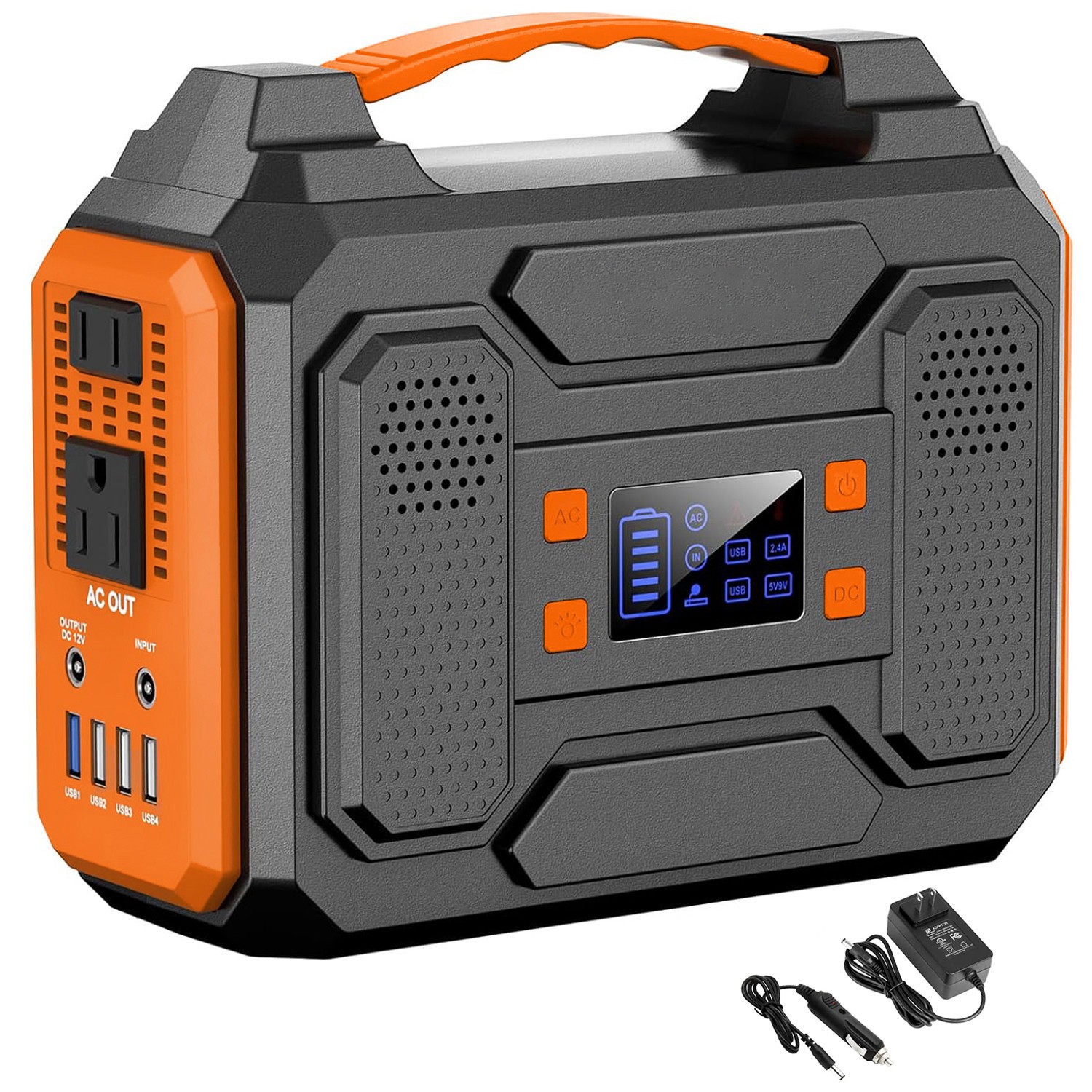
Choose the Portable Power Station 300W 280Wh when the priority is a moveable power hub for camping electronics, a CPAP setup, or mixed RV accessories. Its 280Wh capacity and collection of AC, DC, USB, and QC 3.0 connections suit the portable-outlet use named in the title. The unit also lists seven output ports and three recharge routes: solar, an AC wall adapter, or a car charger. The clear limitation is that a solar panel is not included, so solar use requires separate hardware. It is a portable station rather than a dedicated DC-to-DC charger for a dual-battery arrangement. Choose it for flexible device access and portability, not for an integrated vehicle-battery charging path.
Premium 20A DC to DC Battery Charger MPPT 12V Dual Battery System Kit Caravan RV
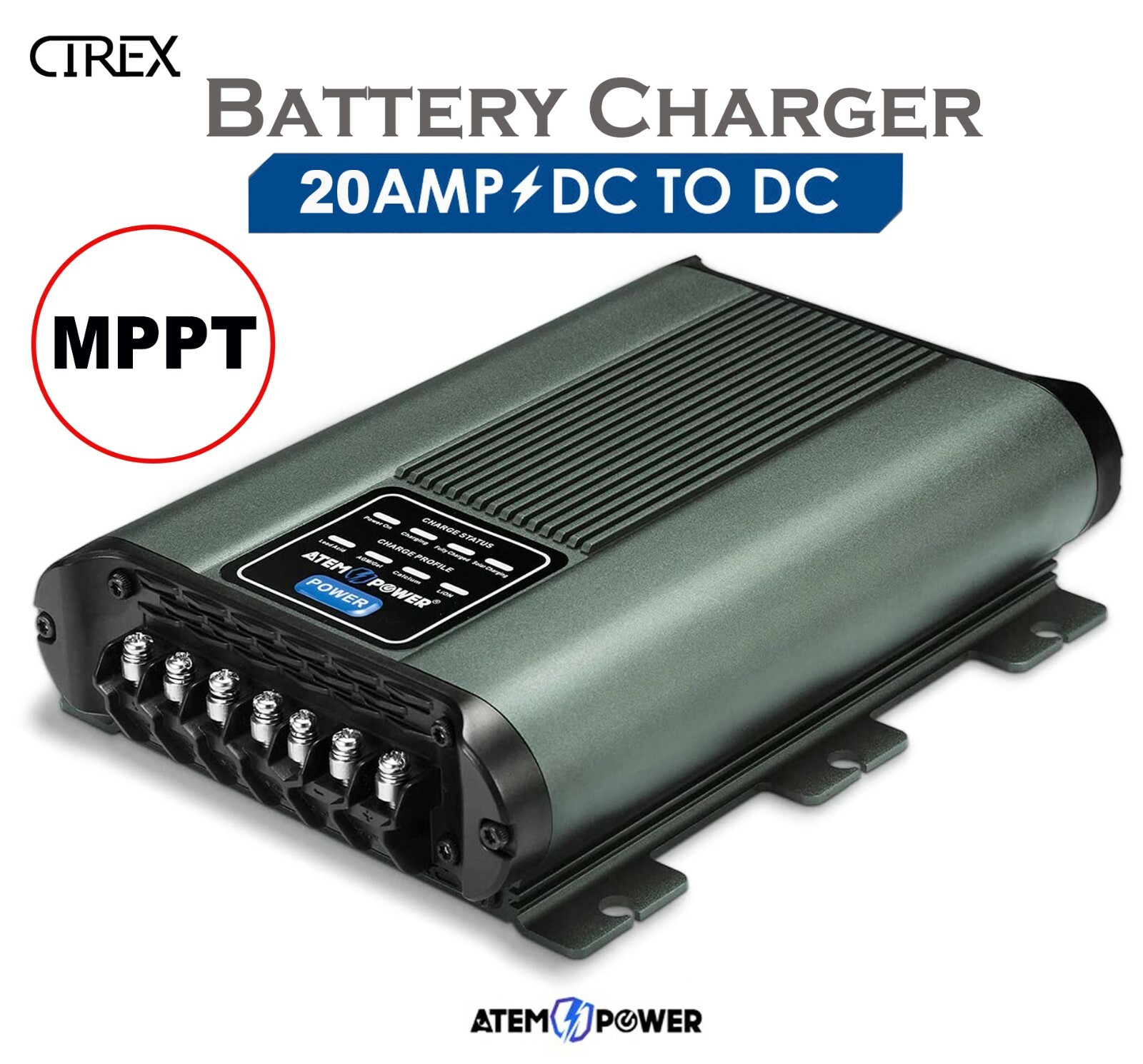
Choose the Premium 20A DC to DC Battery Charger when your RV or caravan plan centers on a dual-battery system. The 20A charger format, dual input, multi-stage charging, and built-in MPPT regulator point to a defined charging role rather than general-purpose portable power. The description says it can charge from driving or solar and lets the user select a suitable profile for several battery types. The limitation is specialization: its stated role is charging a secondary battery, not serving as a portable outlet hub. At USD 138.72, it also sits USD 18.73 above the power station, so the price difference is tied to battery-system features rather than a broader collection of AC or USB outputs.
Final choice by use case
For a portable campsite power station connected to camping gear, CPAP equipment, or an RV backup setup, choose the Portable Power Station 300W 280Wh 110V AC DC Solar Generator For Camping CPAP RV. Its product title and portable format match a device-first use case.
For a campervan electrical system built around a secondary battery, choose the Premium 20A DC to DC Battery Charger MPPT 12V Dual Battery System Kit Caravan RV. The dual-battery wording, charger format, and battery-profile approach make it the more relevant fit for that architecture.
In short, pick the power station when the thing you need is portable power access; pick the charger when the thing you need is dedicated charging for a dual-battery system.