For running apparel & recovery, the key decision is format: do you want a shaped foam roller you position with your body, or a portable massage gun with adjustable settings and interchangeable heads? Rollga and Percussion Massage Gun take distinctly different approaches to post-run muscle care, so the better fit depends on how you want to use recovery gear.
Here is the useful split: Rollga suits a roller-led routine with grooved contact, bumps, and wall positioning. The Percussion Massage Gun suits shoppers who want a handheld device with five speed settings, five interchangeable heads, and battery operation. The listed prices are USD 62.00 apart, making the format decision especially important.
Quick verdict
Choose Rollga - The Better Foam Roller for Back Pain, Flexibility, & Muscle Recovery if a foam roller with a shaped massage surface is the priority. Choose Percussion Massage Gun Deep Tissue, 12mm Portable Muscle Massager if handheld operation, adjustable speeds, and interchangeable heads fit your routine better.
At a glance
| Choice | Listed price | Key format and attributes |
|---|---|---|
| Rollga Foam Roller | USD 39.88 | Foam roller; Blue; Body Fit and Massage Grid |
| Percussion Massage Gun | USD 101.88 | Massage gun; Sleek Black; batteries included and required |
Where each product wins
Where Rollga wins
Rollga wins for a roller-led session where shaped contact matters. Its rounded ends can be used against a wall, and its spinal channel is a specific design detail for someone who wants a defined area for back-focused rolling. The grooves and bumps also give the roller a more structured surface than a plain cylindrical description would suggest.
Where Percussion Massage Gun wins
The Percussion Massage Gun wins for a portable handheld routine. Its five interchangeable heads and five adjustable speed settings give the user several listed ways to vary the session, while the 12 mm amplitude identifies the massage format clearly. It is the more direct match for someone who prefers a powered handheld device over body-positioned rolling.
Product notes
Rollga - The Better Foam Roller for Back Pain, Flexibility, & Muscle Recovery
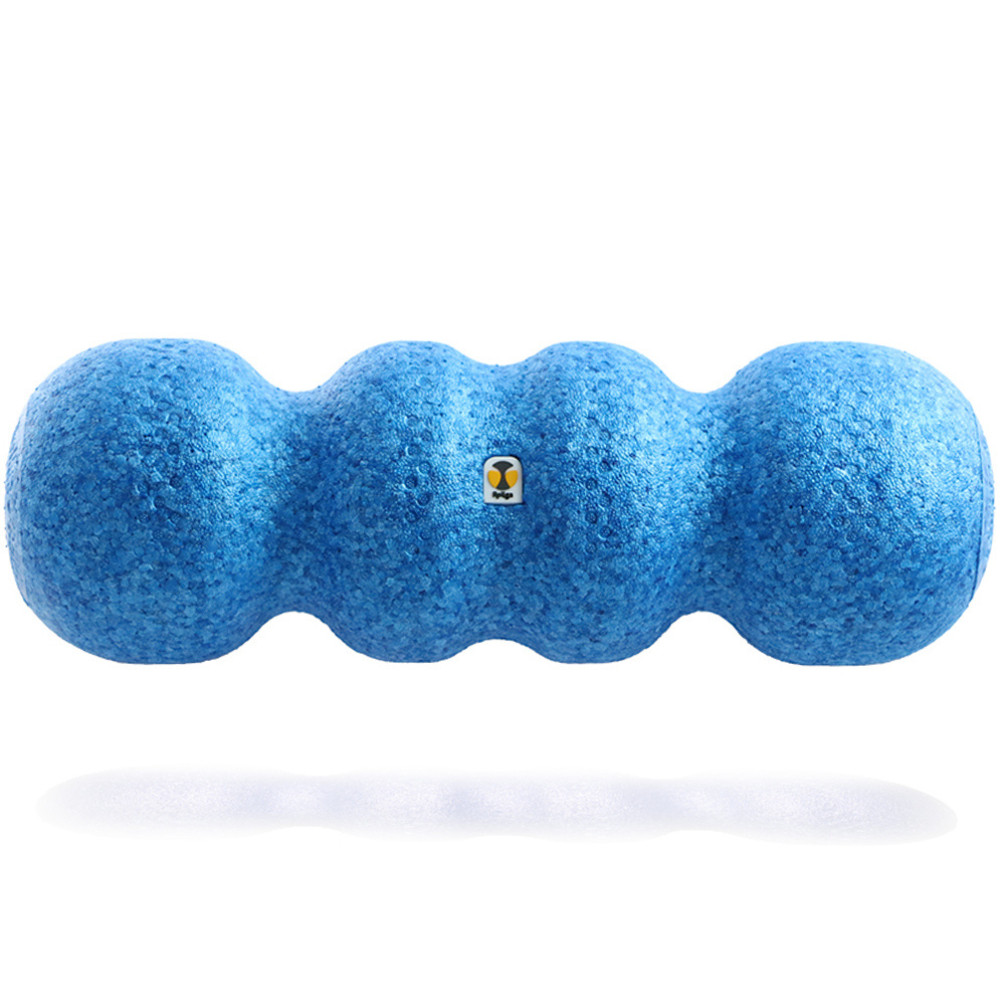
Rollga is built around shaped contact rather than a handheld motor. Its grooves create channels for the spine, bones, and tendons, while the bumps mimic palms and elbows for targeted muscle release. That design is a concrete reason to choose it if a runner wants a roller that separates the spinal area from raised massage surfaces. The rounded ends can also be used against a wall, adding a specific positioning option. The limitation is the format: Rollga is a foam roller with Body Fit and Massage Grid attributes, so it suits a hands-on rolling routine rather than a battery-operated massage-gun routine. Its Blue color is the listed finish.
Percussion Massage Gun Deep Tissue, 12mm Portable Muscle Massager
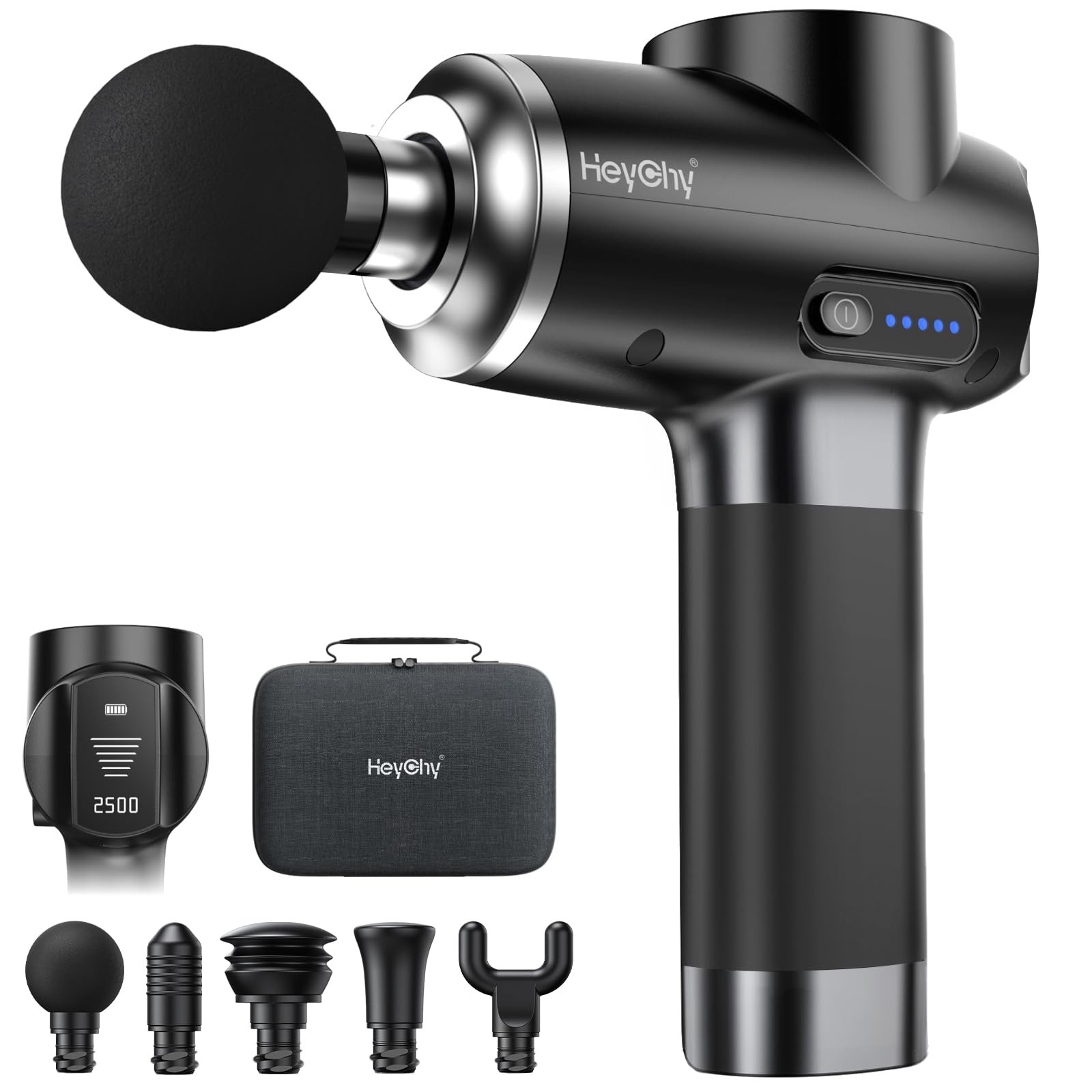
The Percussion Massage Gun takes the handheld route. Its 12 mm amplitude is a concrete reason to choose it if that listed specification matters, while dynamic balance technology is intended to reduce hand vibration. Five interchangeable heads and five adjustable speeds support the massage needs named for large muscle groups, trigger points, spine areas, and targeted use. The tradeoff is the battery setup: batteries are included and required, the listed average battery life is 3.0, and charge time is 1.5. Charging therefore belongs in the routine. The Sleek Black finish and portable format keep the choice specific, but the battery requirements make it less suitable for someone who wants a roller-only session.
Final choice by use case
- Choose Rollga for a roller-led running recovery routine, especially when wall positioning, grooved contact, and the foam-roller format are the deciding details.
- Choose Percussion Massage Gun for portable, handheld recovery when a battery-powered device and adjustable-session format fit the routine.
- If the decision is still close, let the listed formats settle it: Rollga is the shaped foam roller, while Percussion Massage Gun is the portable massager with handheld operation. Both address muscle recovery, but they ask for different styles of use.