Choosing running apparel & recovery often comes down to one practical question: do you want support you can wear during a run, or a dedicated tool for working on tired muscles afterward? The 30-40 mmHg knee-high compression socks and Rollga foam roller address different parts of that routine, so the better choice depends more on use than on a simple feature count.
Quick verdict
Choose the compression socks if your priority is knee-high leg and foot support for running, sports, travel, or long periods of sitting. Choose Rollga if you want hands-on recovery work for the back, neck, and specific muscle areas. The socks are priced $13.89 below the roller, making the decision a choice between wearable support and a more specialized massage format rather than a direct feature-for-feature contest.
Compact comparison
| Product | Listed price | Primary use | Notable details |
|---|---|---|---|
| 30-40 mmHg Knee-High Compression Socks | $25.99 | Running, sports, travel, and leg support | Breathable, lightweight, non-slip, high elasticity |
| Rollga Foam Roller | $39.88 | Back, neck, flexibility, and muscle recovery | Body Fit, Massage Grid, spinal channel, rounded ends |
Where each product wins
- The compression socks win for wearable support. The knee-high running and sports design, ankle and calf coverage, and breathable, lightweight attributes suit shoppers who want leg-focused gear that stays part of an outfit or travel routine.
- Rollga wins for targeted recovery work. Its grooves, bumps, rounded ends, and spinal channel give it a clear role when the goal is to work on particular areas rather than wear support on the legs.
Product notes
30-40 mmHg Knee-High Compression Socks
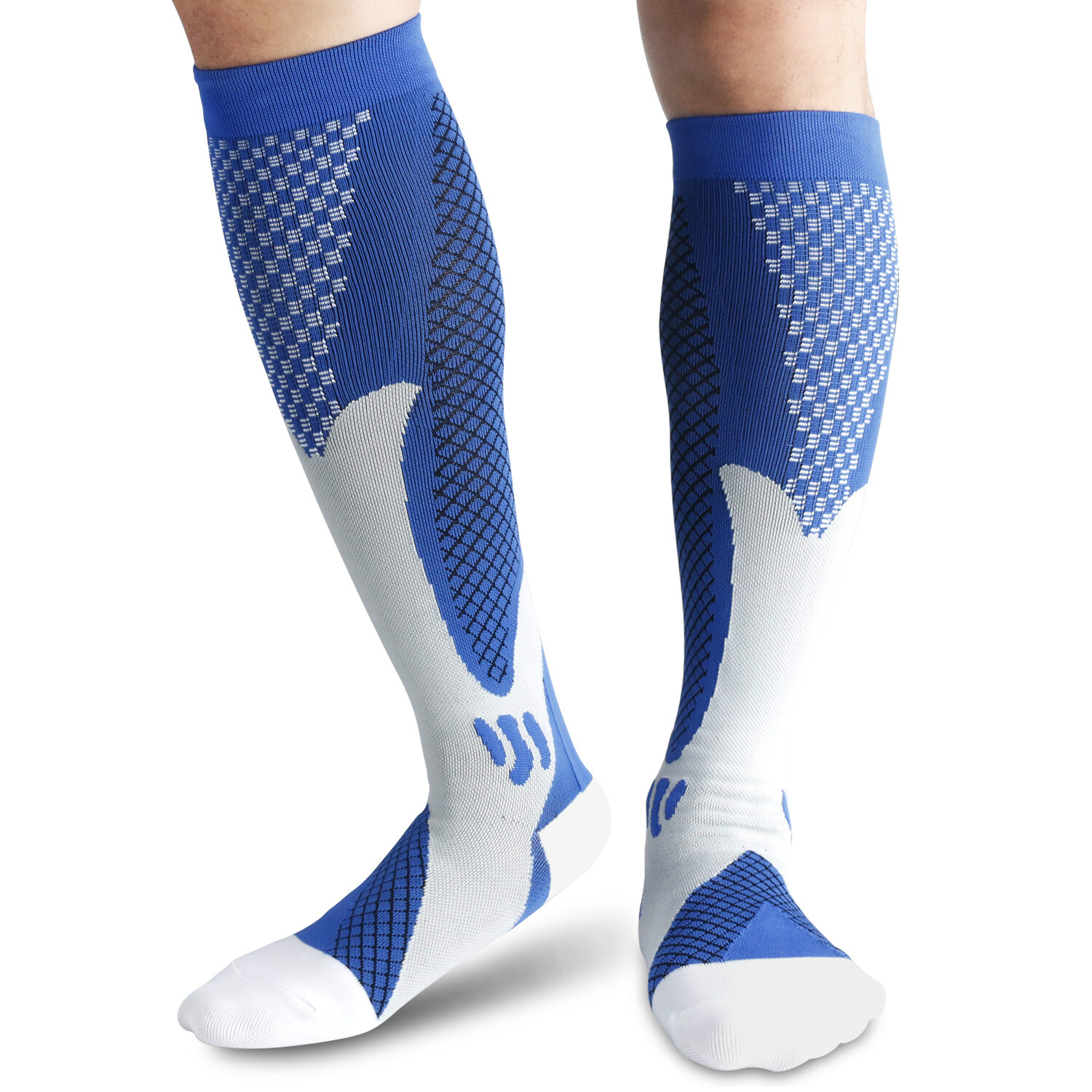
These socks make the clearest case for runners who want legwear rather than a separate recovery session. The title specifies knee-high support for running and sports, while the description covers ankle, calf, and leg use and names adult size groupings of S/M, L/XL, and XXL. Breathable, lightweight, non-slip, high-elasticity, and adjustable attributes reinforce a practical wearable brief. The description also positions the socks for travel and long periods of sitting, so they can fit beyond exercise. The limitation is scope: knee-high compression wear is focused on the legs and feet, not on back, neck, or pinpoint muscle work. Pick these when wearable support and the $13.89 lower price matter more than rolling access to individual muscle areas.
Rollga Foam Roller
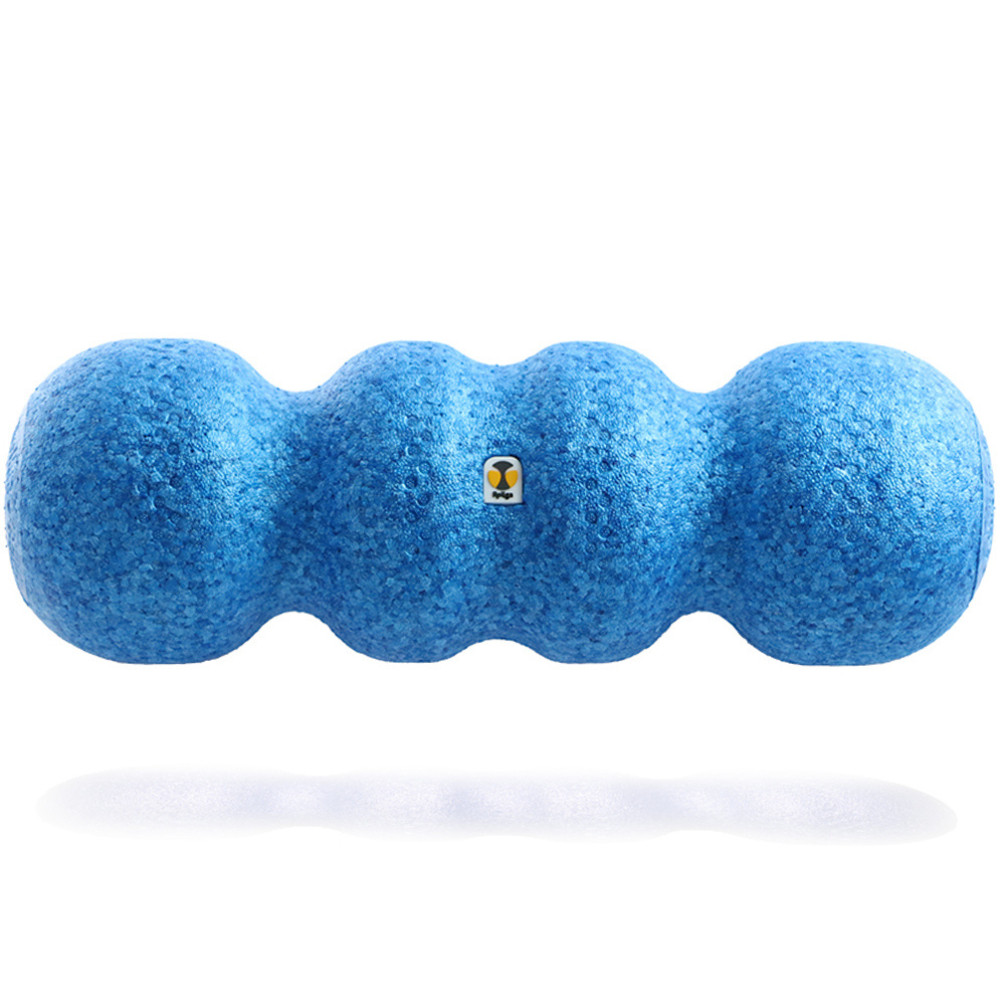
Rollga is the more specialized choice for a post-run recovery routine. The description gives it a spinal channel intended to cradle the spine, grooves shaped to mimic a thumb, bumps designed around palms and elbows, and rounded ends for wall use with more control and less pressure. Those details make the format relevant to shoppers who want to target back, neck, or specific trigger points during a hands-on session. Its Body Fit and Massage Grid attributes support that focused identity, while the 18-inch length and 6-inch width define it as a substantial dedicated tool. The trade-off is format: Rollga is not knee-high compression wear, so it cannot replace running socks when wearable leg support is the main requirement.
Final choice by use case
- For running apparel and support during travel or long sitting: choose the 30-40 mmHg Knee-High Compression Socks. The running-and-sports title, leg coverage, and breathable, lightweight attributes align directly with that use.
- For back, neck, and trigger-point work after running: choose Rollga. Its spinal channel, massage grid, thumb-like grooves, palm- and elbow-like bumps, and wall-use rounded ends are concrete reasons to favor it.
- For the lower listed price: choose the compression socks at $25.99.
- For a dedicated recovery tool: choose Rollga at $39.88 and accept that it serves a different role from wearable support.