Photos from current listings. Actual item, color, and included accessories may vary.
Lifting Belt With Chain Buying Guide
A lifting belt with chain is a heavy-duty powerlifting belt that uses a steel chain-and-snap-hook closure instead of a traditional prong or lever buckle, so the lifter can adjust tightness in seconds between attempts. The core trade-off is chain gauge and hook metallurgy versus the padded leather body: cheap braided chain stretches and hooks deform under load, while welded or solid-link chain with forged snap hooks holds tension. Choose a chain belt only if you need fast micro-adjustments for near-maximal squats and deadlifts; otherwise a prong or lever belt is more secure and standards-compliant for competition.


At a glance
- Category
- Lifting Belts, Wraps & Protection
- Data updated
- Nov 16, 2026
Current offers
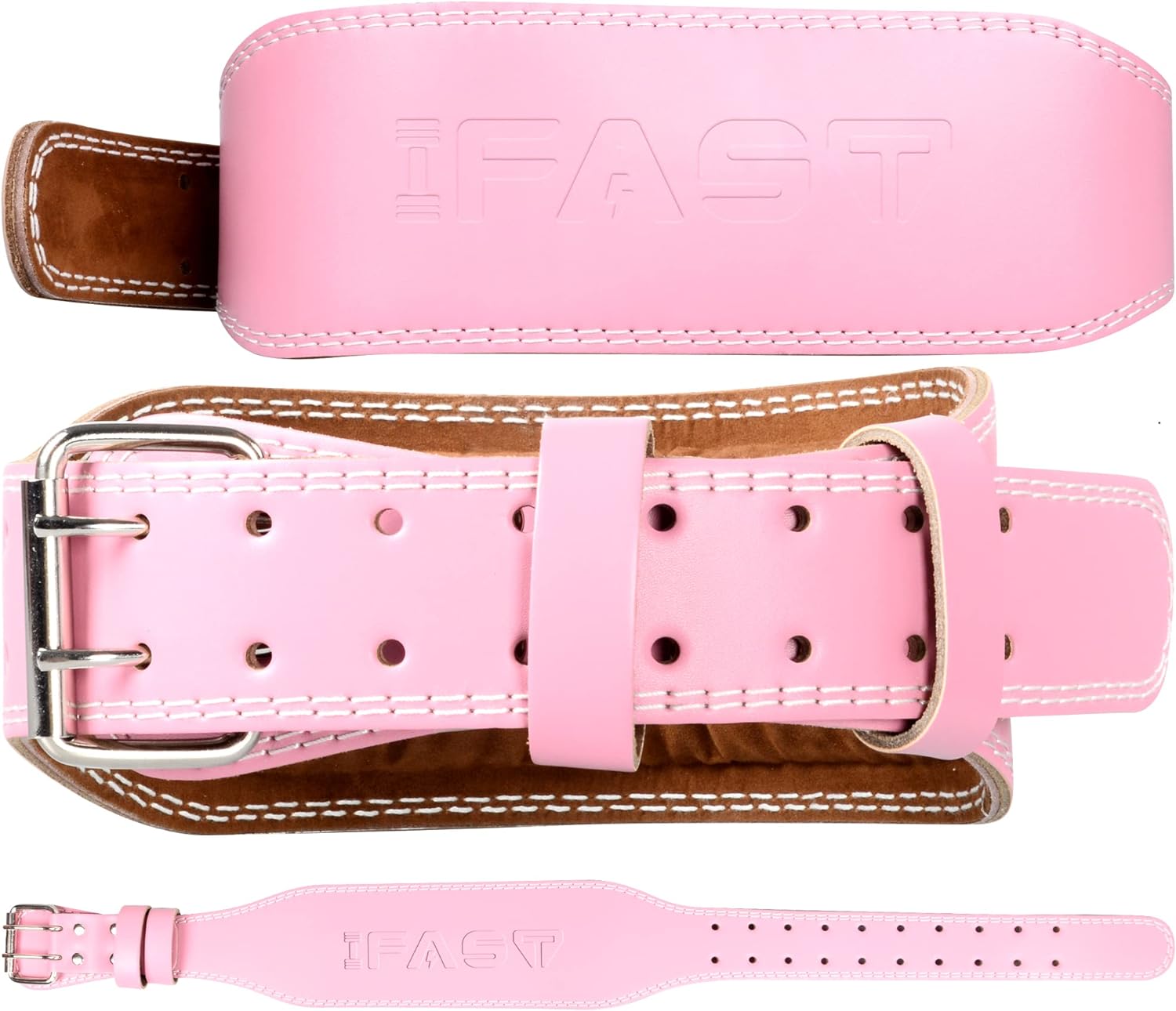 M Size Weight Lifting Belt, Leather for Men and Women with 4 inch Padded Lumbar Support for Weightlifting Deadlift, Cross Training, Power Workout & Squats Exercise$56.99
 View on Mallflare
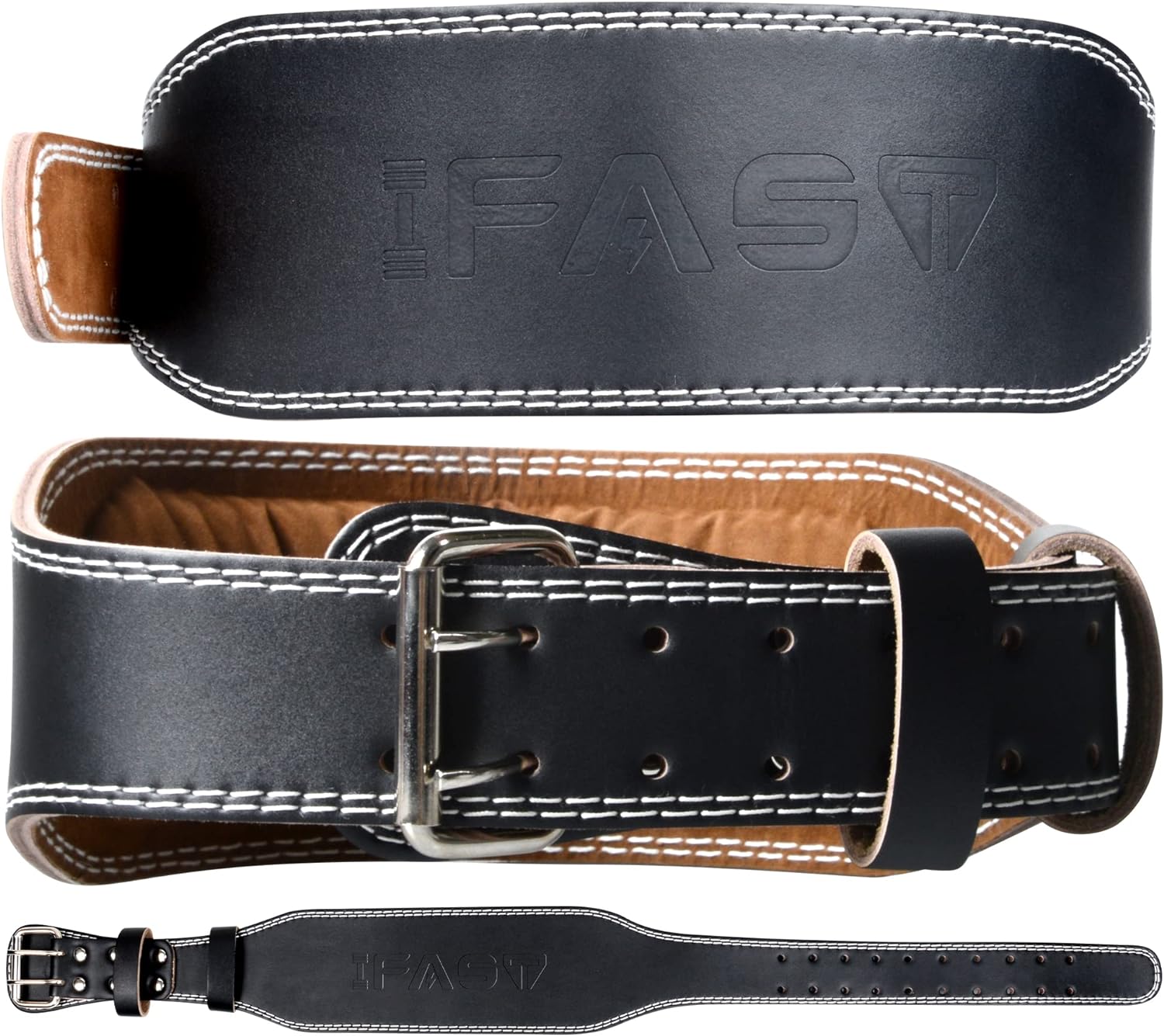 XL Size Weight Lifting Belt, Leather for Men and Women with 4 inch Padded Lumbar Support for Weightlifting Deadlift, Cross Training, Power Workout & Squats Exercise$56.99View on Mallflare
Highlights
- Chain closure uses a steel chain threaded through two D-rings and secured with a snap hook, giving infinite tightness adjustment versus fixed prong holes.
- Competition legality: IPF and most federations ban chain closures, so chain belts are training tools, not meet-day belts.
- Belt body is typically 4-inch (10 cm) wide, 10-13 mm thick leather; chain gauge below 6 mm and non-welded links stretch and fail first.
- Snap hooks should be forged steel with a rated working load; stamped sheet-metal hooks bend open under near-maximal intra-abdominal pressure.
Best use cases
- Best fit: powerlifters and strength athletes doing heavy squats and deadlifts who want to tighten the belt one link between warm-up and top set without re-racking.
- Best fit: lifters with fluctuating bodyweight or clothing layers who need infinite adjustment that prong-hole belts cannot provide.
- Wrong fit: competitive powerlifters who need IPF/CPU/USAPL legality — buy a 10-13 mm prong or lever belt instead.
- Wrong fit: beginners or general gym-goers under moderate loads — a nylon Velcro belt or 6-inch tapered leather belt is cheaper and sufficient.
Buying tips
- Match belt width to lift: 4-inch (10 cm) uniform width for squats and deadlifts; 6-inch tapered belts for general lifting but they dig into ribs on deadlifts.
- Require 10-13 mm full-grain or suede-lined leather; 6-8 mm belts fold and provide little bracing at loads above bodyweight.
- Demand welded or solid (not hollow-braided) chain of at least 6 mm wire diameter and forged snap hooks; braided chain elongates permanently under repeated heavy use.
- Size by waist measurement over clothing, not pant size: measure around the navel and add 2-3 inches for the chain take-up and hook overlap.
Specs
| Closure Type | Chain + snap hook vs prong / lever |
|---|---|
| Belt Width | 4 in (10 cm) vs 6 in tapered |
| Belt Thickness | 10-13 mm vs 6-8 mm |
| Chain & Hook Grade | Welded steel 6 mm+ / forged hooks |
Related searches
What to check before buying
- Measure waist at navel over a shirt; confirm the belt's stated size range covers that measurement plus 2-3 inches of chain overlap.
- Check gym rules and federation legality: chain closures are banned in IPF-affiliated and most raw competitions.
- Verify the chain and hooks are rated for your top-set load; inspect hooks for bending or chain for elongation every few months.
- Confirm the belt width clears your ribcage and hip bone when seated in the bottom of a squat, especially for shorter torsos.
FAQ
Data sources: eBay / Amazon listings and product attribute feeds Data updated Nov 16, 2026.
Some links on this page are affiliate links. If you buy after clicking one, we may earn a commission at no extra cost to you. This does not change which products appear here or their order. Affiliate disclosure.