Photos from current listings. Actual item, color, and included accessories may vary.
Weightlifting Belt Buying Guide
A weightlifting belt is a rigid torso brace that increases intra-abdominal pressure to stabilize the spine under heavy axial loads. The core trade-off is stiffness versus mobility: thick 10–13 mm leather belts maximize support for maximal lifts, while 4–6 inch nylon or hybrid belts prioritize speed and comfort for CrossFit-style metcons. Buy leather for static barbell strength work and nylon for mixed-modal conditioning—anything marketed as both without stating width and thickness is a compromise.


At a glance
- Category
- Lifting Belts, Wraps & Protection
- Data updated
- Nov 16, 2026
Current offers
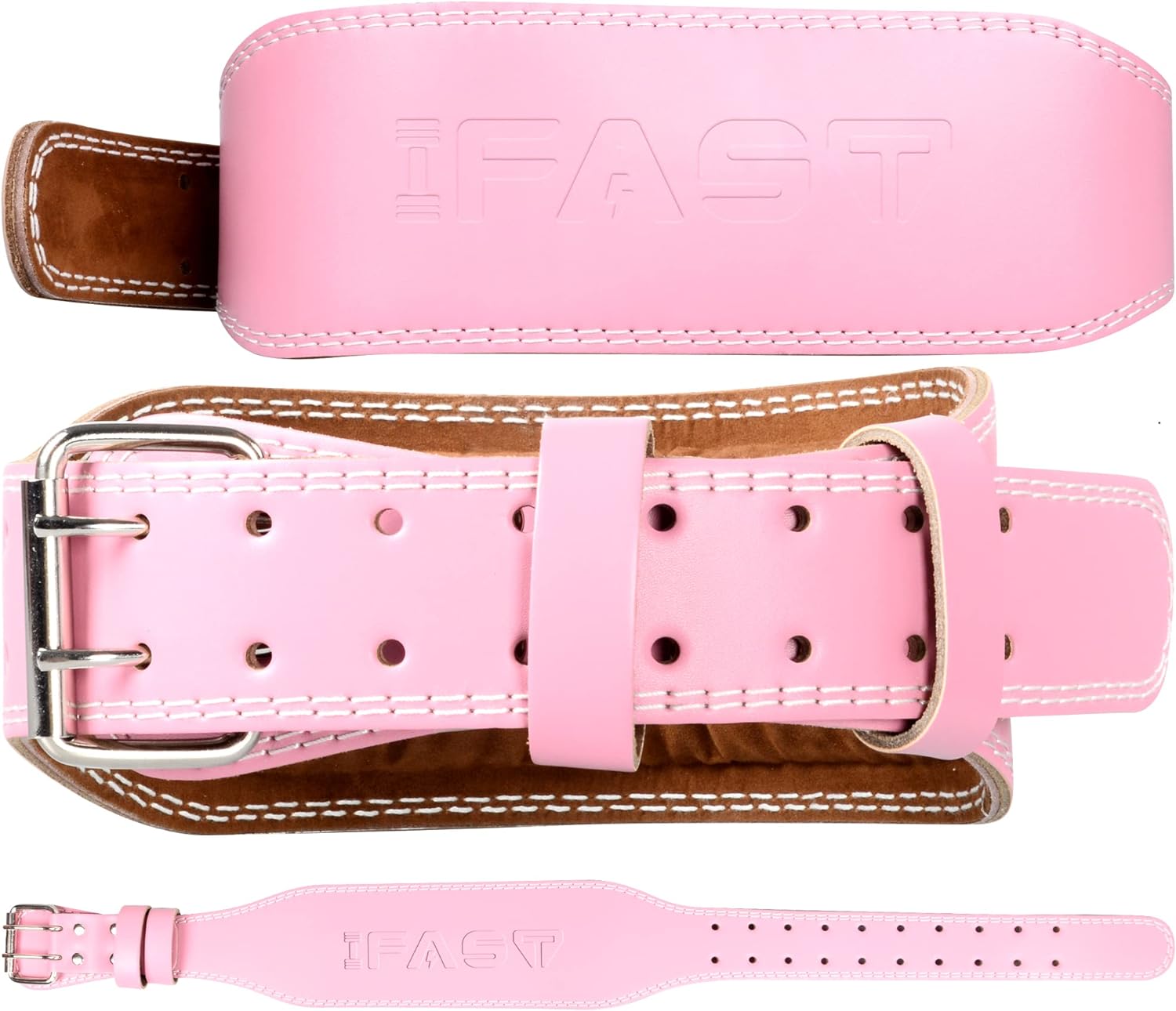 M Size Weight Lifting Belt, Leather for Men and Women with 4 inch Padded Lumbar Support for Weightlifting Deadlift, Cross Training, Power Workout & Squats Exercise$56.99
 View on Mallflare
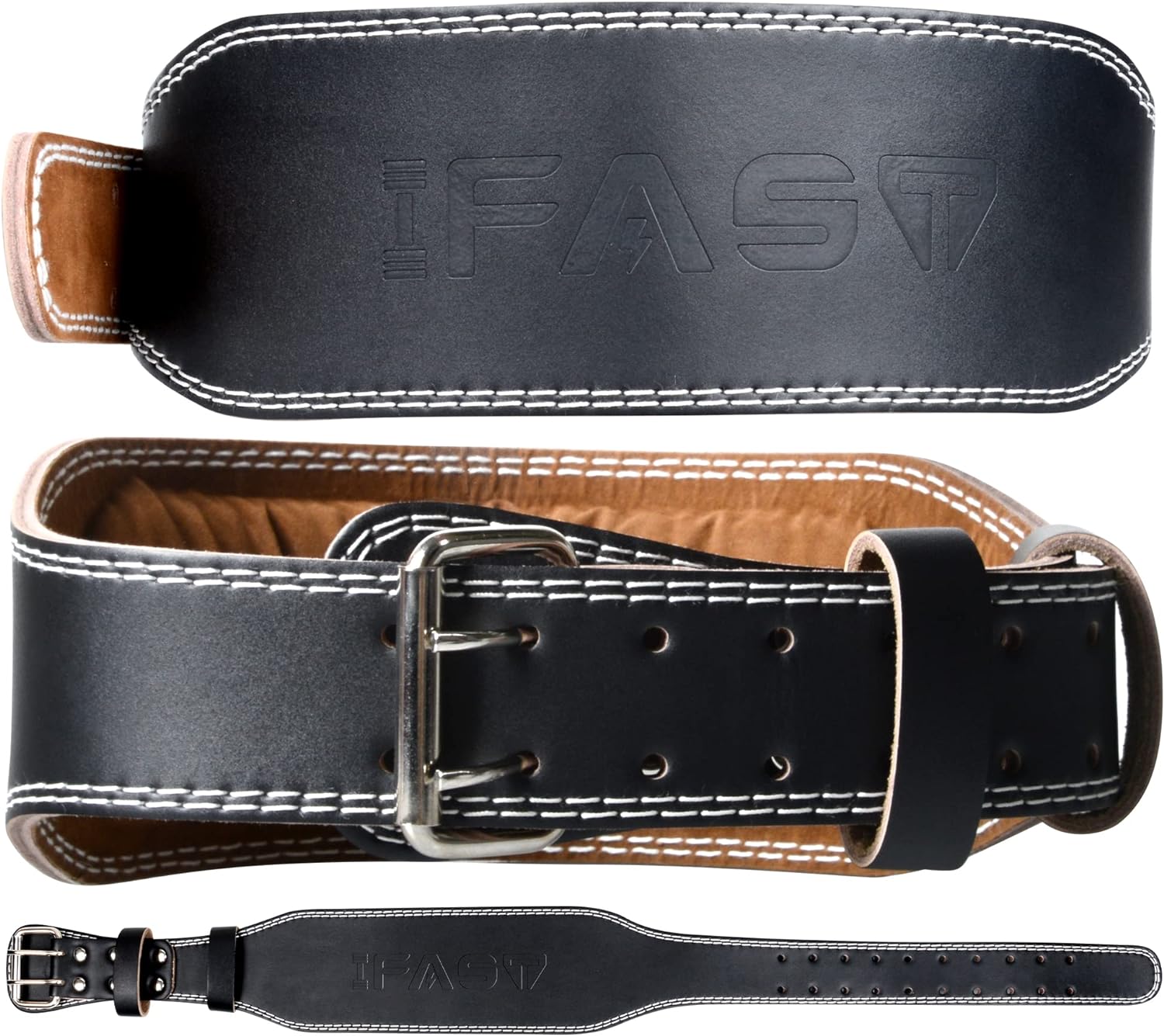 XL Size Weight Lifting Belt, Leather for Men and Women with 4 inch Padded Lumbar Support for Weightlifting Deadlift, Cross Training, Power Workout & Squats Exercise$56.99View on Mallflare
Highlights
- Leather belts are graded by thickness: 10 mm suits general lifting, 13 mm is the IPF-style powerlifting standard, and 6–8 mm is a break-in-friendly entry tier.
- Belt width matters: 4-inch belts cover the full torso for squats and deadlifts; 3-inch or tapered 4-to-2-inch belts suit shorter torsos and Olympic lifts.
- Closure type dictates fit: single-prong is fastest and most secure, double-prong is redundant, lever buckles give repeatable tension but need tools to adjust.
- Nylon and hybrid belts (4–6 inches, hook-and-loop) flex under load and are built for CrossFit WODs, not maximal singles.
Best use cases
- Powerlifting and heavy squat/deadlift blocks: choose a 13 mm single-prong 4-inch leather belt—skip nylon, which deflects under near-max loads.
- CrossFit and functional fitness: pick a 4-inch nylon or hybrid hook-and-loop belt for burpees, cleans, and quick transitions; a stiff 13 mm leather belt will chafe and slow you down.
- Women and shorter-torso lifters: a 3-inch or tapered leather belt prevents rib and hip bruising that a 4-inch straight belt causes; men over 5'10" generally fit 4-inch belts cleanly.
- General gym goers and beginners: a 6–8 mm leather or 4-inch padded leather belt provides lumbar cueing without the break-in period of competition leather.
Buying tips
- Match thickness to load: 13 mm for 1RM powerlifting, 10 mm for general strength training, 6–8 mm for beginners and accessory work.
- Measure waist at navel, not pants size: belts are sized by torso circumference, and a belt should fit snug on the loosest or second hole.
- Choose single-prong over double-prong: double-prong takes roughly twice as long to fasten and offers no meaningful additional security.
- For Olympic lifts, use a 3-inch or tapered belt so the belt clears the bar path and does not dig into the ribs at the catch.
Specs
| Belt Material | Leather / Nylon / Hybrid |
|---|---|
| Belt Thickness | 6–13 mm (13 mm powerlifting) |
| Belt Width | 3 in / 4 in / Tapered 4-to-2 in |
| Closure Type | Single-prong / Double-prong / Lever |
Related searches
What to check before buying
- Measure torso circumference at navel height and cross-reference the belt maker's size chart—do not order by pants waist size.
- Confirm belt width clears your ribcage and hip bones when seated; a 4-inch straight belt bruises shorter torsos.
- Check that your gym bag or rack accommodates a 10–13 mm leather belt, which does not roll up like nylon.
- For lever belts, confirm the buckle is adjustable with the included tool or choose a prong belt if you share the belt between lifters.
FAQ
Data sources: eBay / Amazon listings and product attribute feeds Data updated Nov 16, 2026.
Some links on this page are affiliate links. If you buy after clicking one, we may earn a commission at no extra cost to you. This does not change which products appear here or their order. Affiliate disclosure.