Photos from current listings. Actual item, color, and included accessories may vary.
Weight Lifting Belt Buying Guide
A weight lifting belt is a rigid torso brace that increases intra-abdominal pressure to stabilize the spine under heavy loads, and its primary trade-off is between 10–13 mm powerlifting stiffness and 4–6 inch self-locking nylon comfort. Choose a 10–13 mm single-prong or lever leather belt for loads above ~80% 1RM, and a 4-inch velcro nylon belt for cross-training, metcons, and sub-maximal work where speed and airflow matter.


At a glance
- Category
- Lifting Belts, Wraps & Protection
- Data updated
- Nov 16, 2026
Current offers
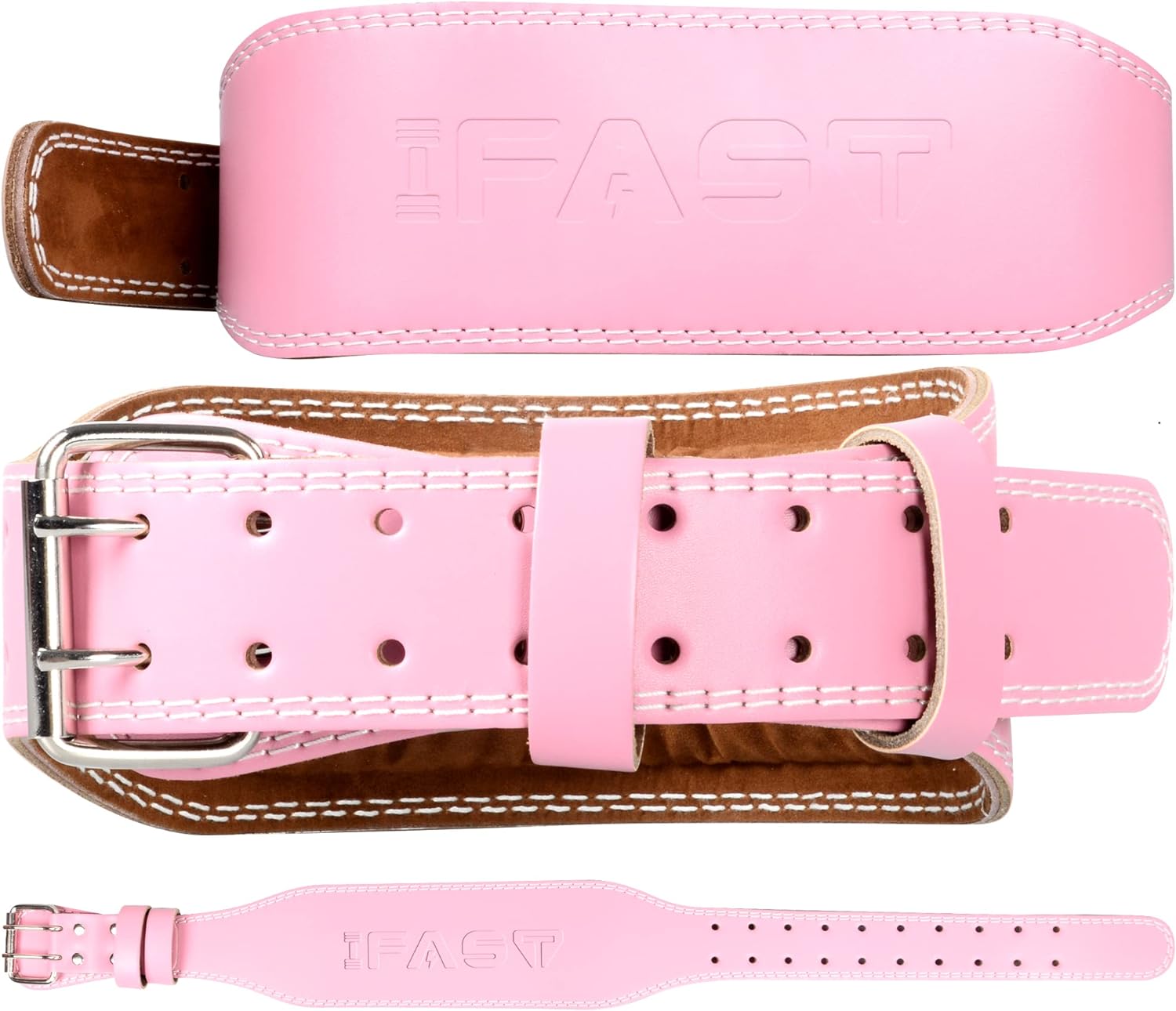 M Size Weight Lifting Belt, Leather for Men and Women with 4 inch Padded Lumbar Support for Weightlifting Deadlift, Cross Training, Power Workout & Squats Exercise$56.99
 View on Mallflare
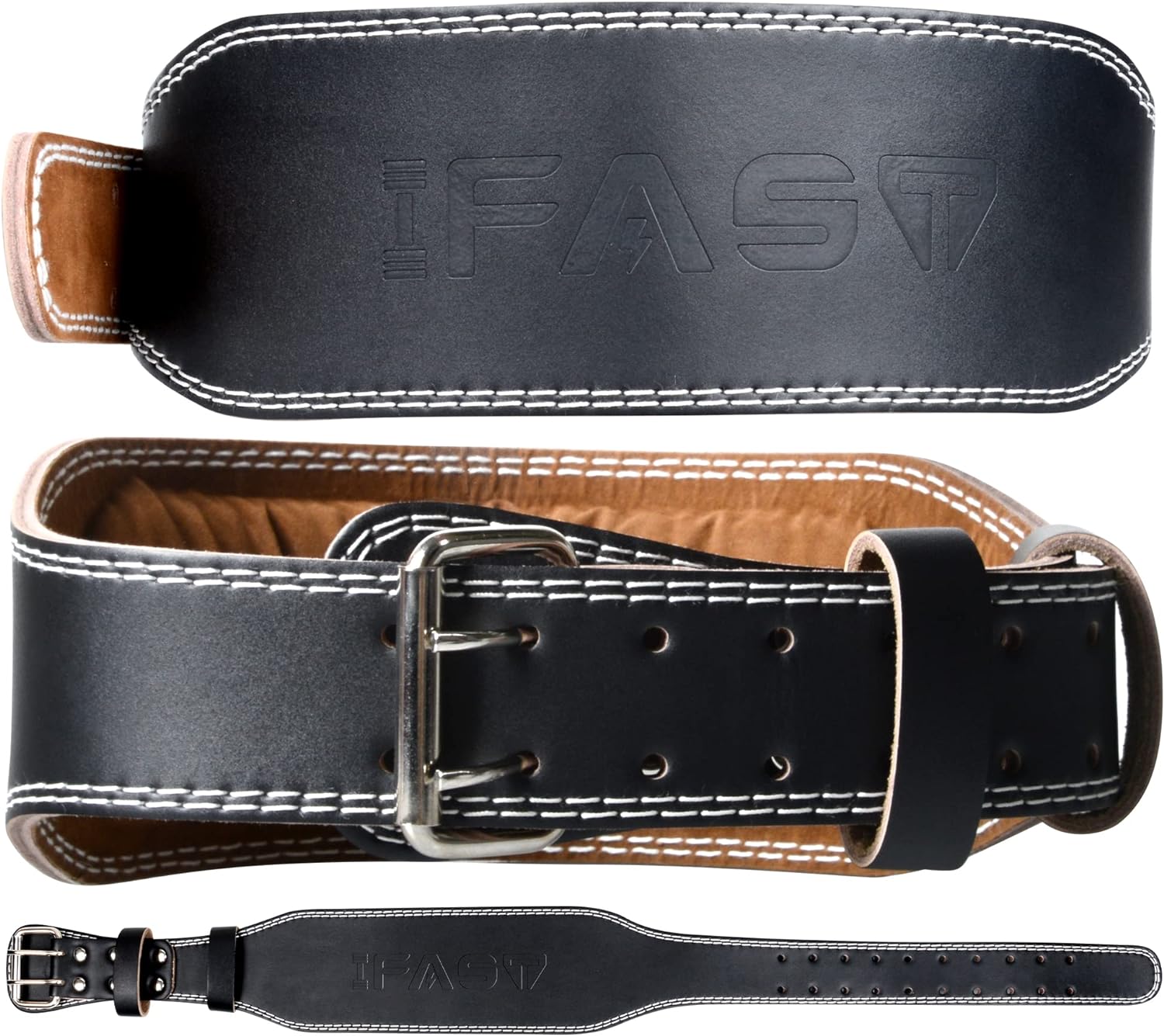 XL Size Weight Lifting Belt, Leather for Men and Women with 4 inch Padded Lumbar Support for Weightlifting Deadlift, Cross Training, Power Workout & Squats Exercise$56.99View on Mallflare
Highlights
- Powerlifting belts use 10–13 mm full-grain or suede-lined leather; 13 mm is IPF-legal maximum stiffness, 10 mm suits lighter lifters and deadlift start positions.
- 4-inch width is the standard for deadlift and squat support; 6-inch belts suit strongman and overhead work but dig into ribs on deadlifts.
- Lever closures (10–13 mm steel lever) give repeatable tension in one click; single/double-prong buckles allow micro-adjustment but are slower to don.
- Nylon 4-inch velcro belts (often 6–8 mm equivalent) are not powerlifting belts: they suit CrossFit, kettlebell, and bodyweight circuits where a leather belt restricts range.
Best use cases
- Powerlifting squat/deadlift at 80%+ 1RM: pick a 10–13 mm single-prong or lever leather belt, 4-inch width, IPF-legal; skip nylon velcro.
- CrossFit, HIIT, and metcons: pick a 4-inch nylon self-locking velcro belt for airflow and speed; skip 13 mm leather, which limits hip flexion and breathing.
- Olympic weightlifting: pick a 10 mm leather belt with tapered front or a 4-inch velcro belt; skip 6-inch strongman belts that block the catch position.
- General gym-goers under 60% 1RM with no back issues: a belt adds little; invest in bracing technique first instead of a 13 mm competition belt.
Buying tips
- Sizing is by waist circumference over clothing, not pants size: measure at navel level; most belts cover 26–32 in (S), 32–38 in (M), 38–44 in (L), 44–50 in (XL).
- For deadlift, a 10 mm belt is easier to get into position than 13 mm; for squat, 13 mm gives maximum brace—choose by lift, not by brand.
- Confirm closure hardware: lever belts need a screwdriver to adjust and are competition-legal; prong belts adjust in 1-inch increments and suit shared use.
- Leather grade matters: full-grain or suede-lined 10–13 mm outlast bonded leather, which delaminates at buckle stress points within months of heavy use.
Specs
| Belt Thickness | 10 mm vs 13 mm leather |
|---|---|
| Belt Width | 4 in standard / 6 in strongman |
| Closure Type | Lever vs single/double prong |
| Material Grade | Full-grain leather vs nylon velcro |
Related searches
What to check before buying
- Measure waist at navel over a t-shirt; add 2 inches for comfort fit before mapping to S/M/L/XL.
- Check your federation rulebook: IPF limits belt width to 4 in and thickness to 13 mm; some federations ban lever belts.
- Confirm belt width clears your rib cage and hip bone when seated—6-inch belts often collide with the iliac crest on deadlift setup.
- For lever belts, verify you own a flathead screwdriver and can re-adjust lever tension as bodyweight fluctuates.
FAQ
Data sources: eBay / Amazon listings and product attribute feeds Data updated Nov 16, 2026.
Some links on this page are affiliate links. If you buy after clicking one, we may earn a commission at no extra cost to you. This does not change which products appear here or their order. Affiliate disclosure.