Photos from current listings. Actual item, color, and included accessories may vary.
Weight Belt Buying Guide
A weight belt is a rigid torso brace that increases intra-abdominal pressure to stabilize the spine under heavy loads. The core trade-off is stiffness versus mobility: thick leather belts maximize bracing for maximal lifts, while nylon or 4-inch padded belts balance support and flexibility for CrossFit-style mixed training. Buy leather for squats and deadlifts above 80% effort, nylon for functional fitness and Olympic lifts.


At a glance
- Category
- Lifting Belts, Wraps & Protection
- Data updated
- Nov 16, 2026
Current offers
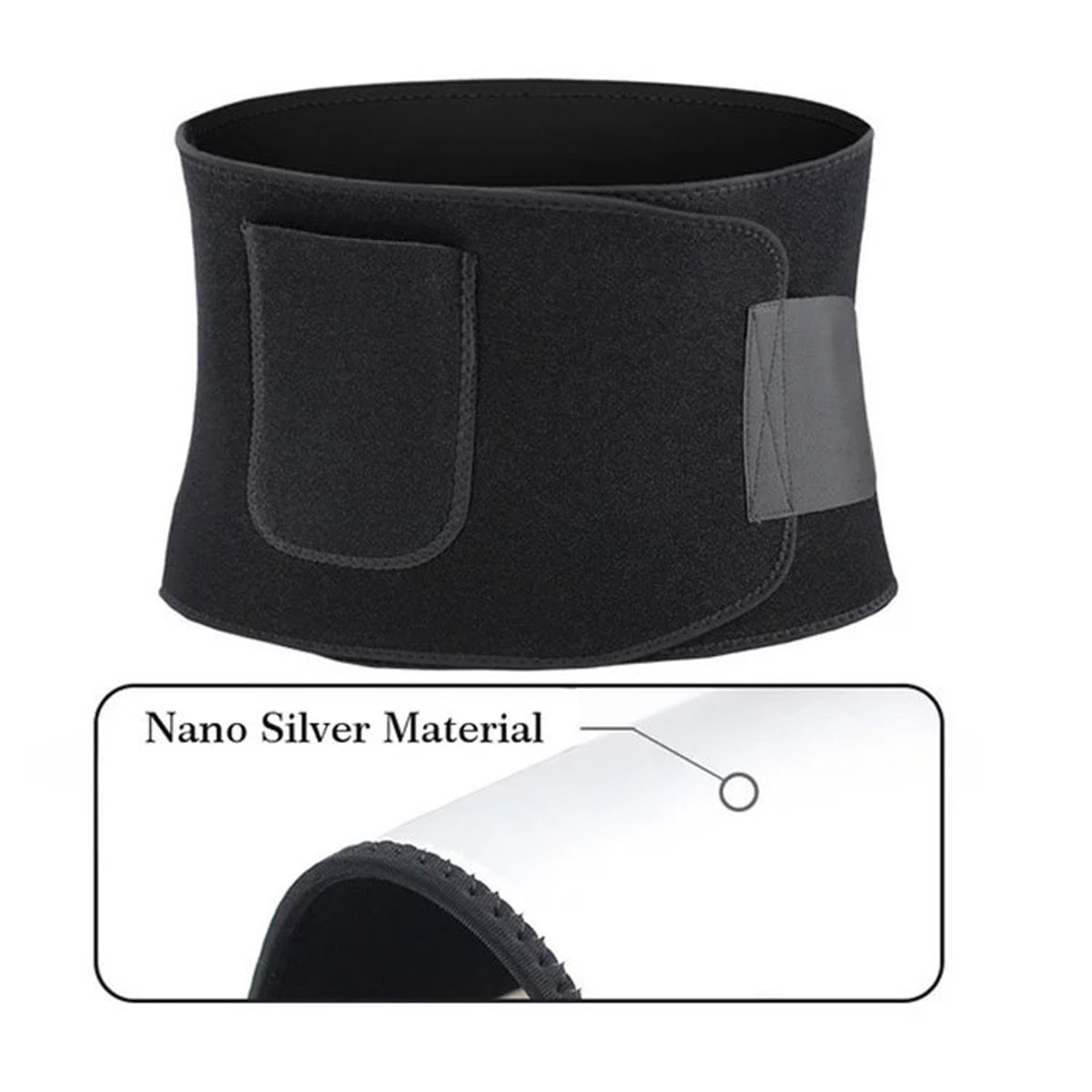 Men Women Waist Trimmer Belt Hot Sweat Wrap Tummy Stomach Weight Loss Fat Burner$15.99
 View on Mallflare
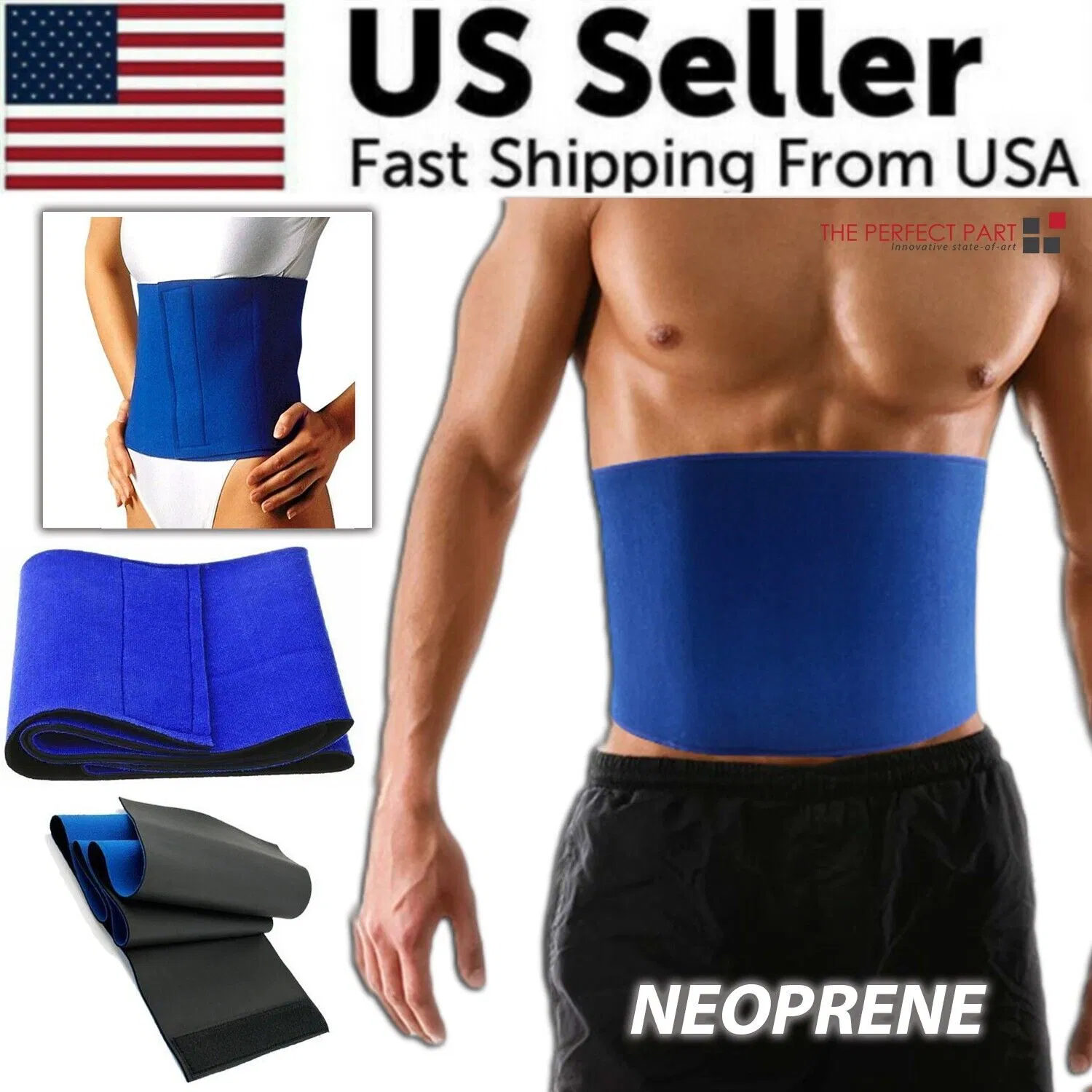 Waist Trimmer Belt Sweat Band Wrap Ab Stomach Weight Loss Fat Burner Slimming$20.99View on Mallflare
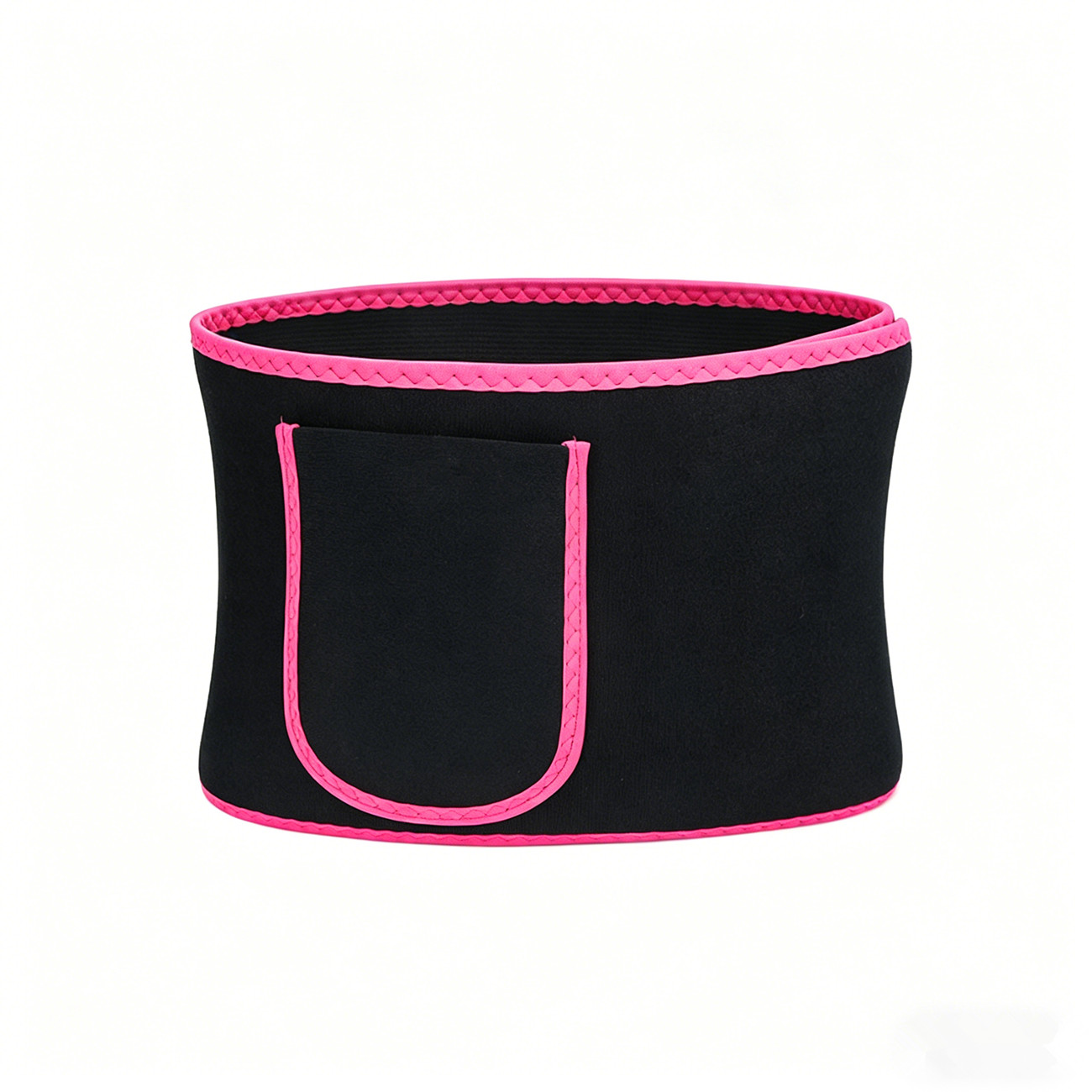 Men&Women Waist Trimmer Belt Burn Fat Sweat Body Shaper Weight Loss Girdle Gym$25.99View on Mallflare
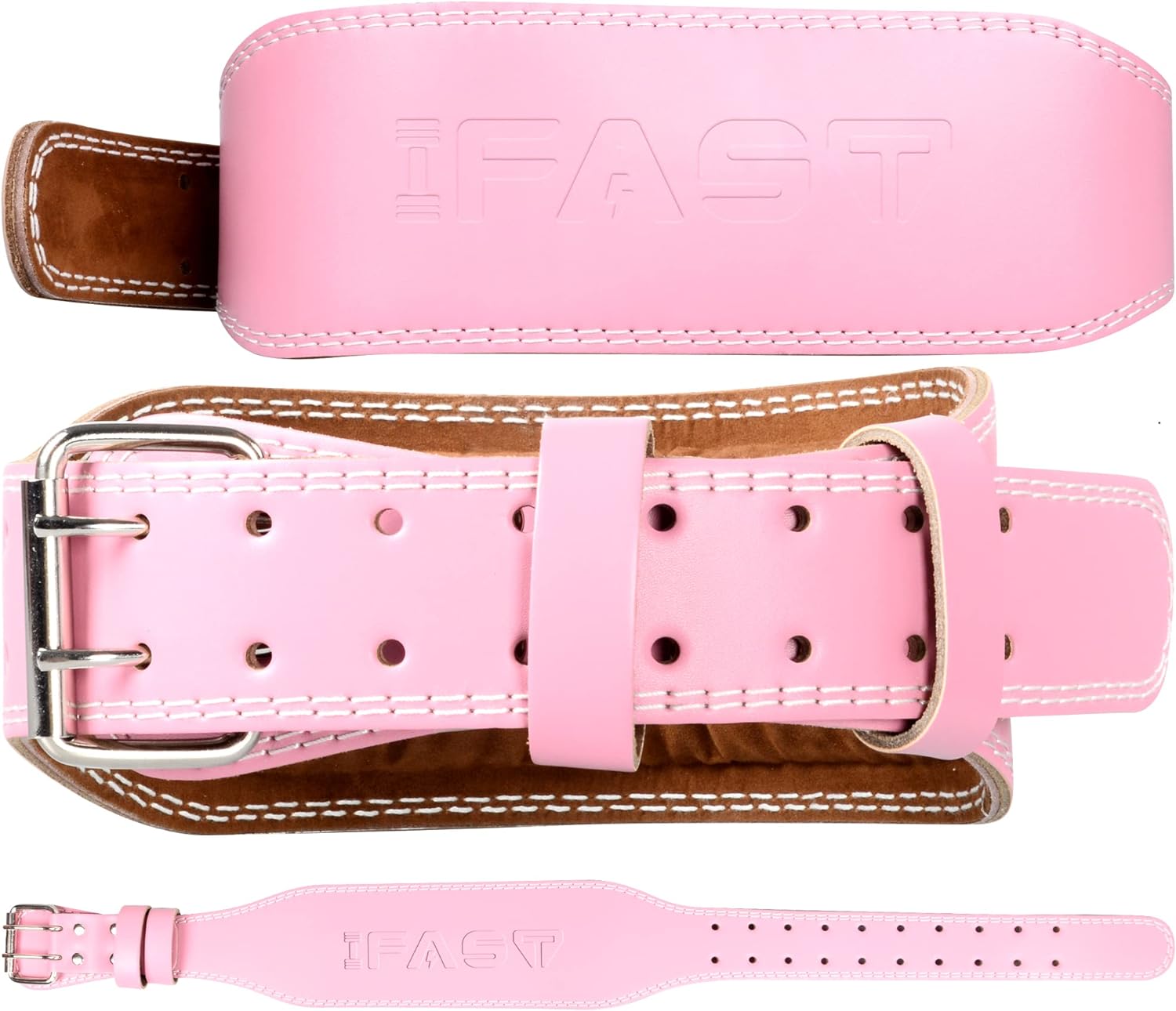 M Size Weight Lifting Belt, Leather for Men and Women with 4 inch Padded Lumbar Support for Weightlifting Deadlift, Cross Training, Power Workout & Squats Exercise$56.99View on Mallflare
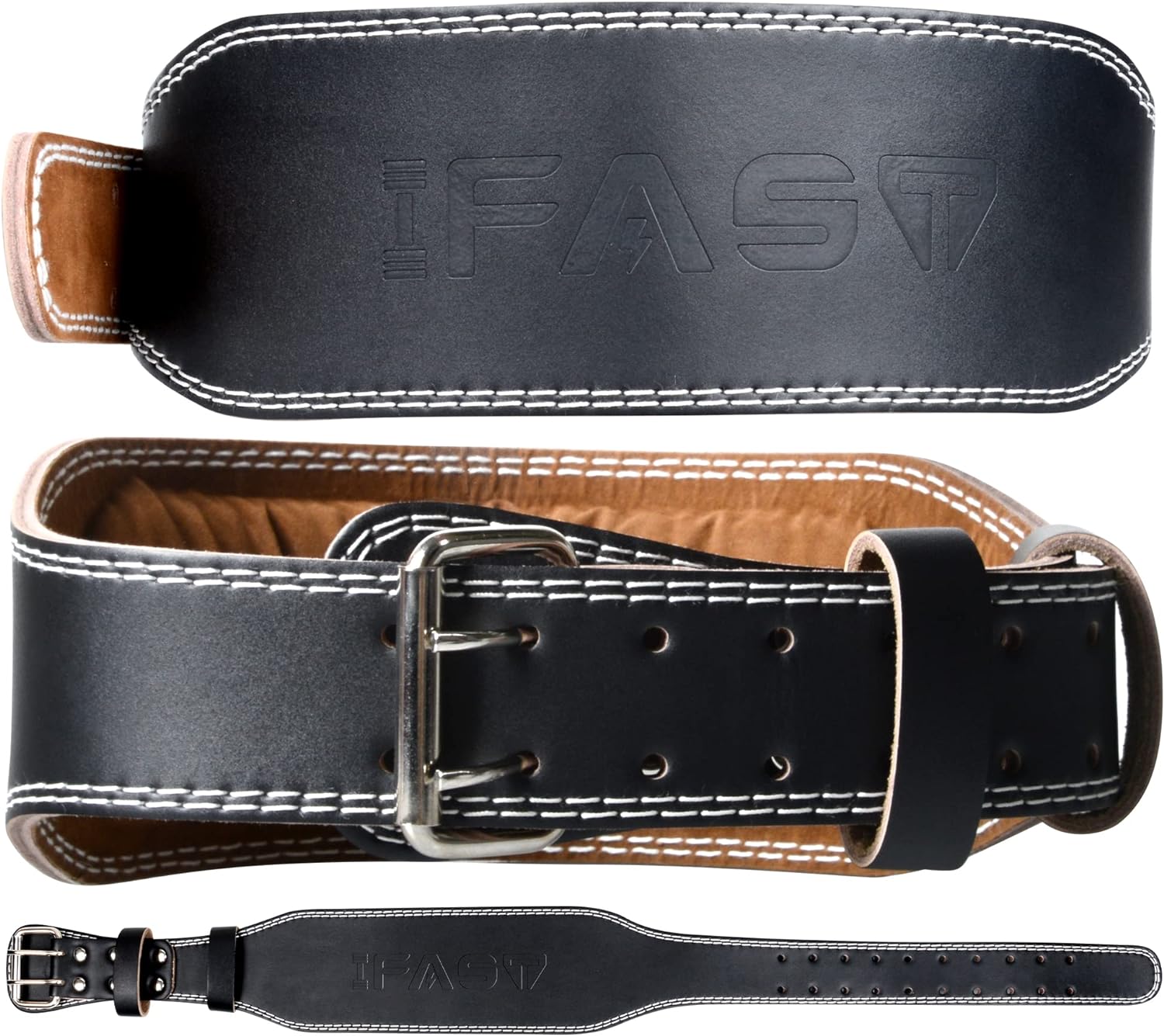 XL Size Weight Lifting Belt, Leather for Men and Women with 4 inch Padded Lumbar Support for Weightlifting Deadlift, Cross Training, Power Workout & Squats Exercise$56.99View on Mallflare
Highlights
- Leather belts use 10-13 mm full-grain hide; 13 mm belts are competition-grade stiffness, 10 mm suits general lifting and smaller frames.
- Nylon belts are 4-6 inches wide with hook-and-loop closure; 4-inch uniform width is required for powerlifting meet legality, tapered 6-inch belts favor deadlift comfort.
- Steel lever buckles lock at a fixed, repeatable tightness; prong buckles allow micro-adjustment but are slower to release under load.
- 4-inch padded lumbar belts with contoured foam are entry-tier support; they compress over time and cannot match a broken-in 10 mm single-prong leather belt.
Best use cases
- Pick a 10 mm single-prong leather belt for general strength training: squats, deadlifts, and overhead presses at 70-90% 1RM.
- Pick a 13 mm lever belt for powerlifting meets and maximal singles where repeatable tightness and maximum bracing matter most.
- Pick a 4-inch nylon hook-and-loop belt for CrossFit WODs, kettlebell work, and Olympic lifts where a stiff leather edge digs into the ribs.
- Skip waist-trimmer sweat wraps and fabric girdles entirely; they provide zero spinal bracing and do not qualify as lifting belts.
Buying tips
- Measure waist at navel level and size to the belt's middle hole range; leather belts break in and stretch roughly one hole over time.
- Match belt width to torso length: 4-inch belts suit most lifters; shorter torsos under 5'6" should use 3-inch belts to avoid rib and hip bruising.
- Choose 10 mm leather for all-purpose lifting and 13 mm only if you compete or squat/deadlift weekly at near-maximal loads.
- Verify lever belts ship with a matching buckle and included mounting screws; lever replacement buckles are sized to belt width and thickness.
Specs
| Belt Material | Full-grain leather / nylon / neoprene |
|---|---|
| Belt Thickness | 10 mm general / 13 mm competition |
| Belt Width | 3 in / 4 in / 6 in tapered |
| Closure Type | Steel lever / single prong / hook-and-loop |
Related searches
What to check before buying
- Measure navel-level waist circumference and torso length from hip bone to lowest rib before selecting width and size.
- Confirm the belt fits over your typical training layer: bare skin, t-shirt, or singlet changes effective sizing by roughly one inch.
- Check that a 4-inch belt clears your rib cage and hip bones when seated; if it overlaps either, drop to a 3-inch width.
- For lever belts, confirm the lever tension is adjustable with a screwdriver so you can tune tightness as the belt breaks in.
FAQ
Data sources: eBay / Amazon listings and product attribute feeds Data updated Nov 16, 2026.
Some links on this page are affiliate links. If you buy after clicking one, we may earn a commission at no extra cost to you. This does not change which products appear here or their order. Affiliate disclosure.