Photos from current listings. Actual item, color, and included accessories may vary.
Ski Buying Guide
Ski boots are the critical link between your foot and ski, where flex index, last width, and shell material determine control, comfort, and warmth. The primary trade-off is stiffness versus forgiveness: higher flex (110–130+) delivers precision for aggressive skiing but demands strong technique, while softer flex (80–100) suits intermediates and all-day comfort. Choose boots with a last that matches your foot width and a flex that matches your ability and terrain—anything else is a compromise.


At a glance
- Category
- Ski & Snowboard Bindings and Boots
- Data updated
- Nov 16, 2026
Current offers
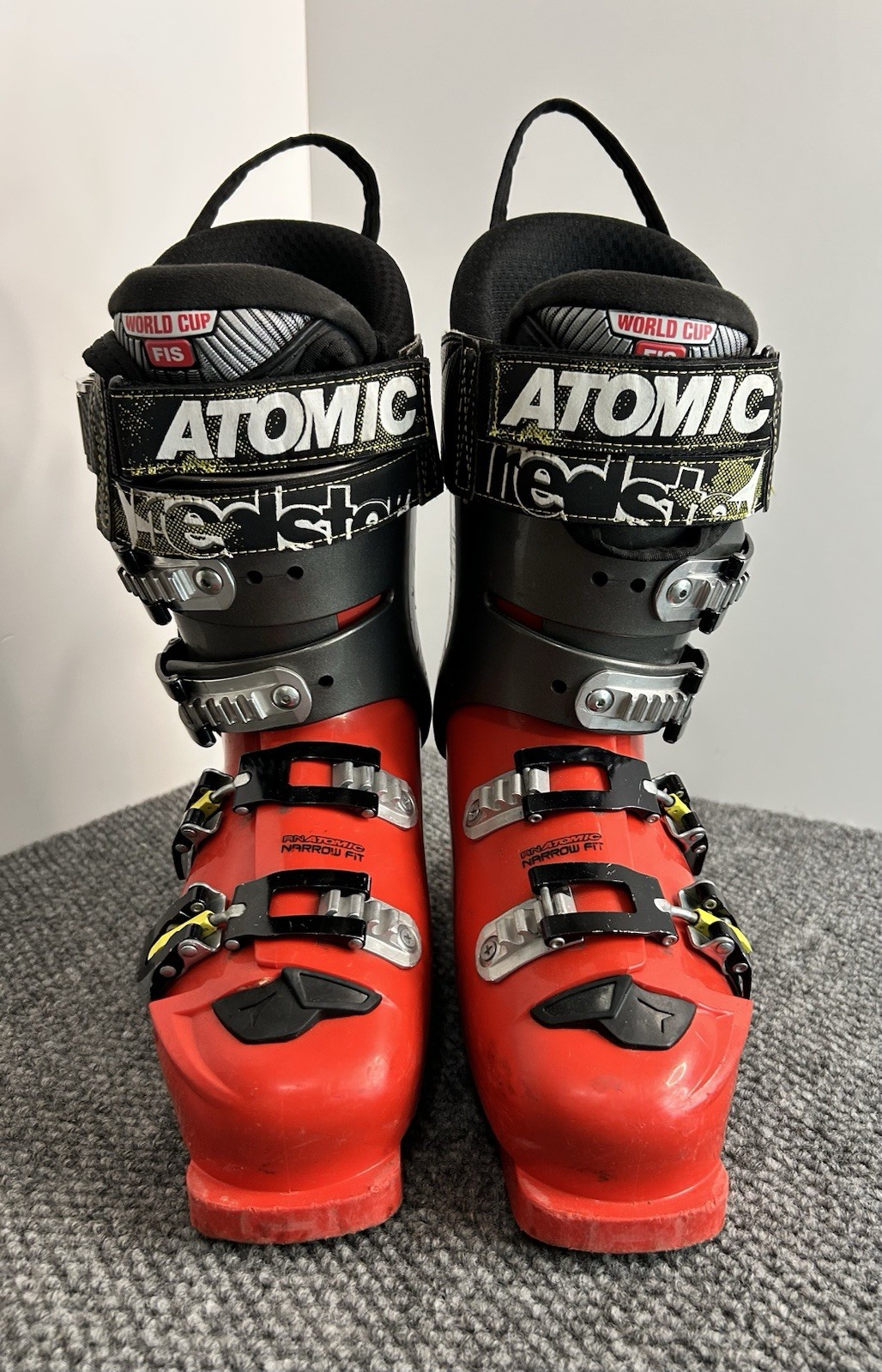 Atomic Redster FIS World Cup 130, Size: 26.5 Ski Boots$100.00
 View on eBay
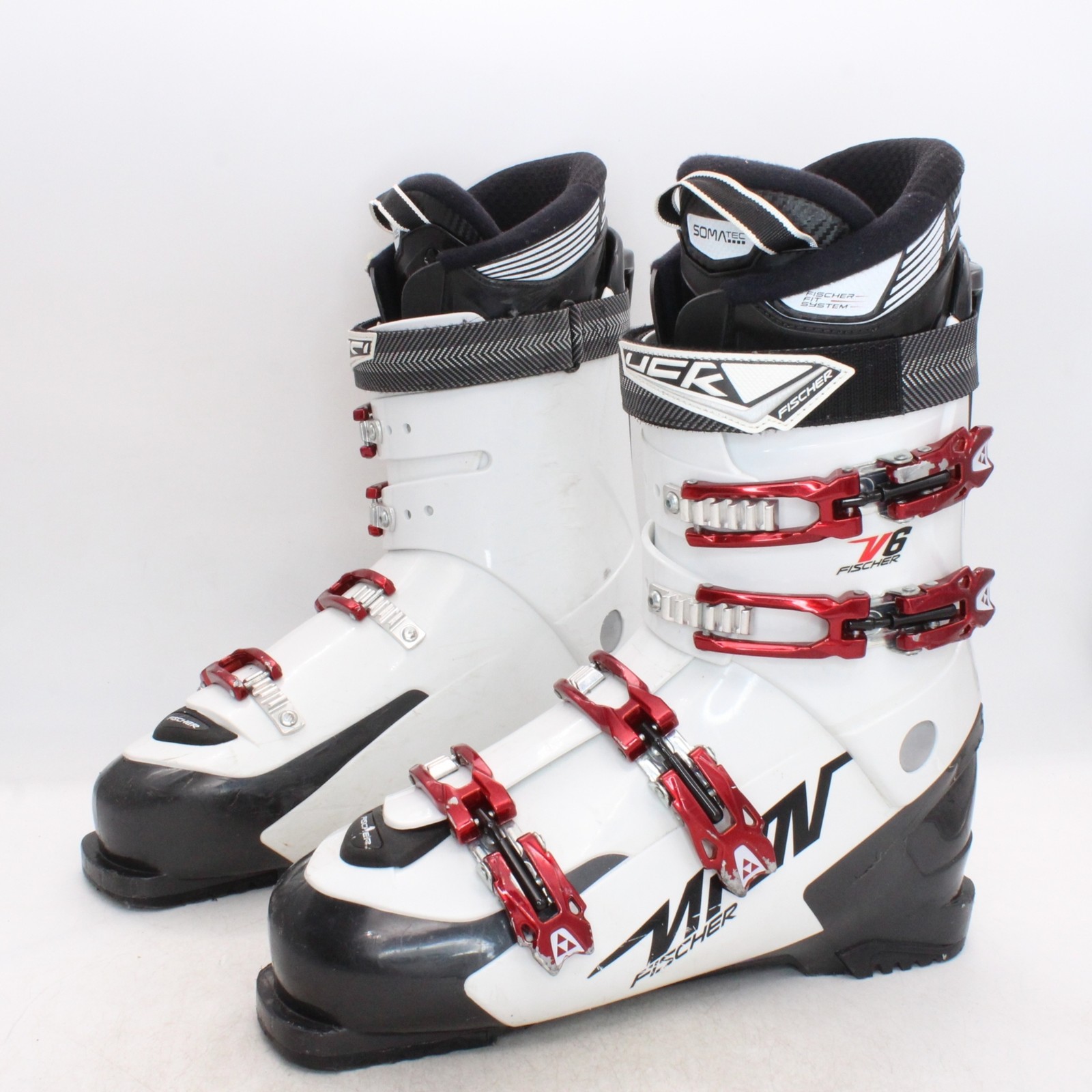 Fischer Viron V6 Ski Boots - Size 12.5 / Mondo 30.5 Used$109.99View on eBay
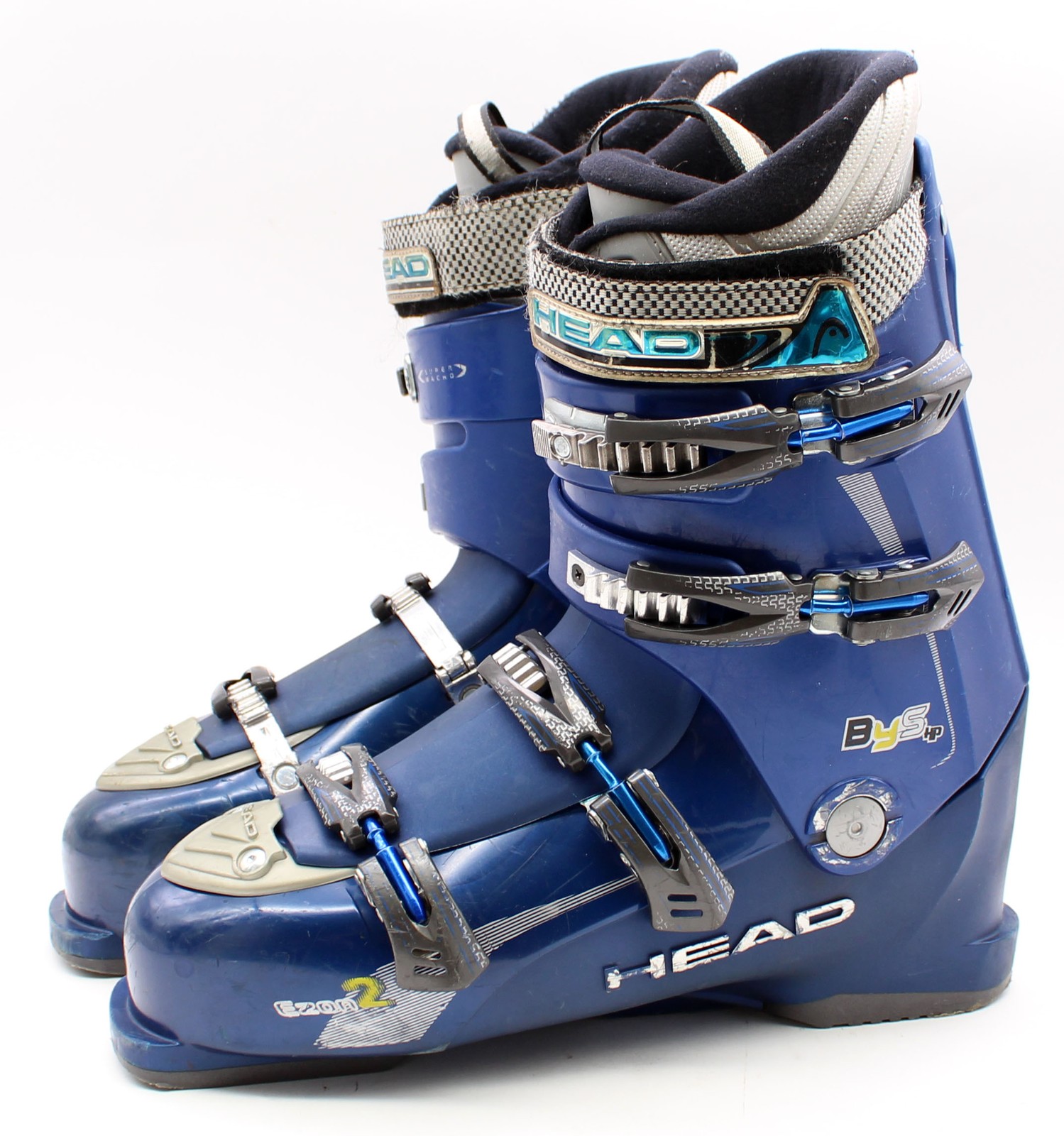 Head BYS HP Ski Boots - Size 16 / Mondo 34 Used$139.99View on eBay
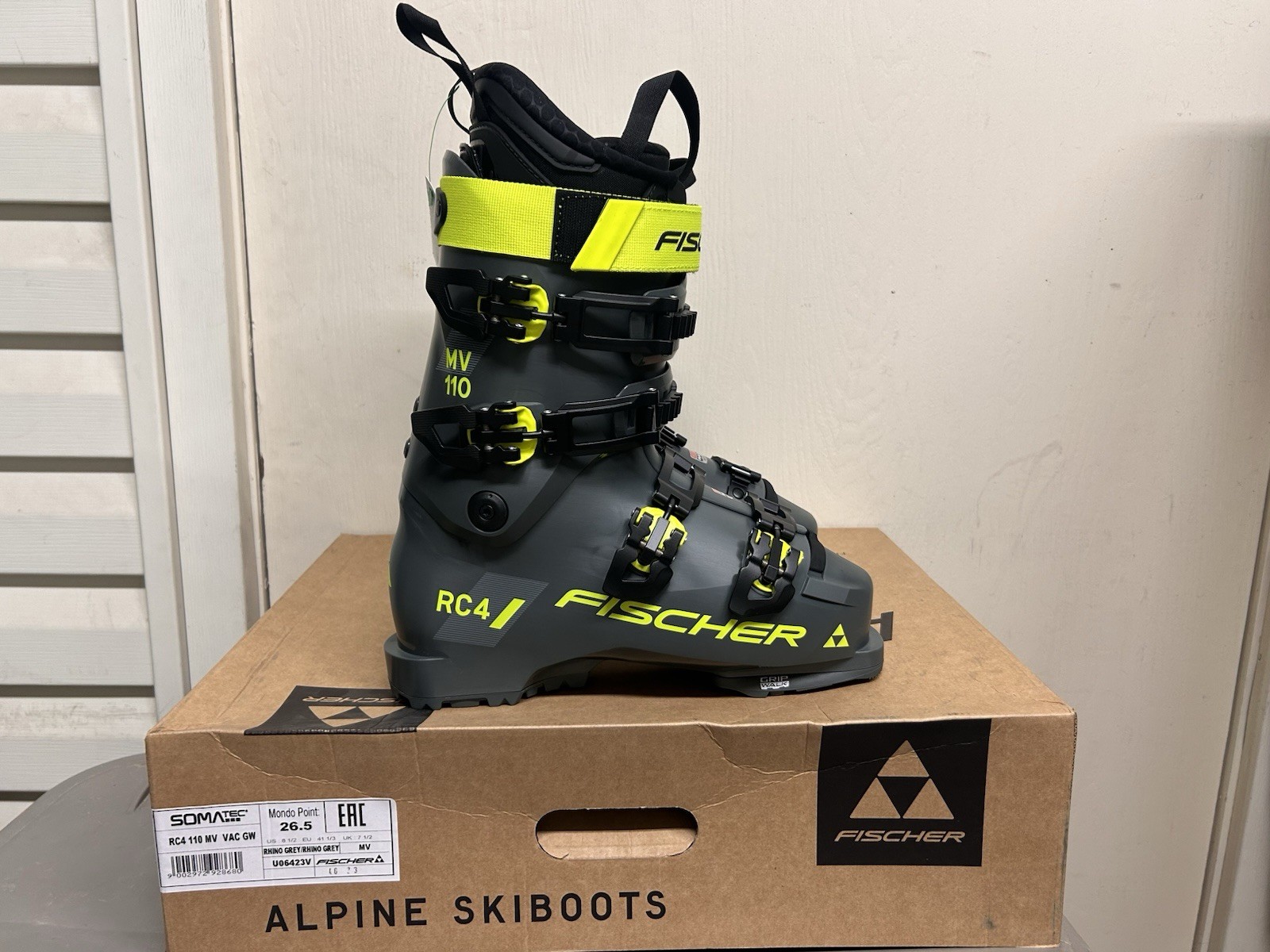 NEW 2025 FISCHER RC4 115 MV GW SKI BOOTS (26.5)$229.99View on eBay
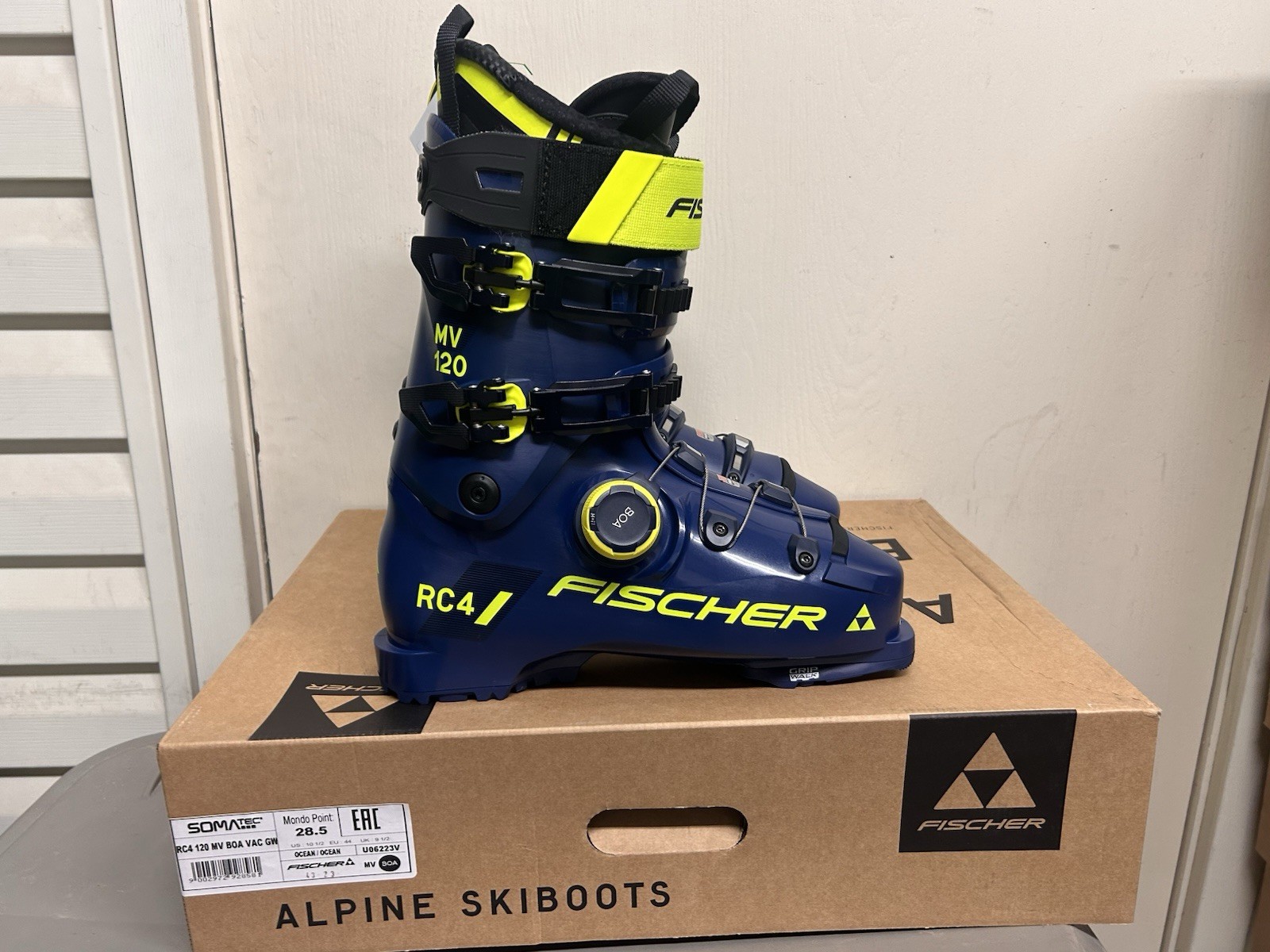 NEW 2025 FISCHER RC4 120 MV BOA GW SKI BOOTS (28.5)$289.99View on eBay
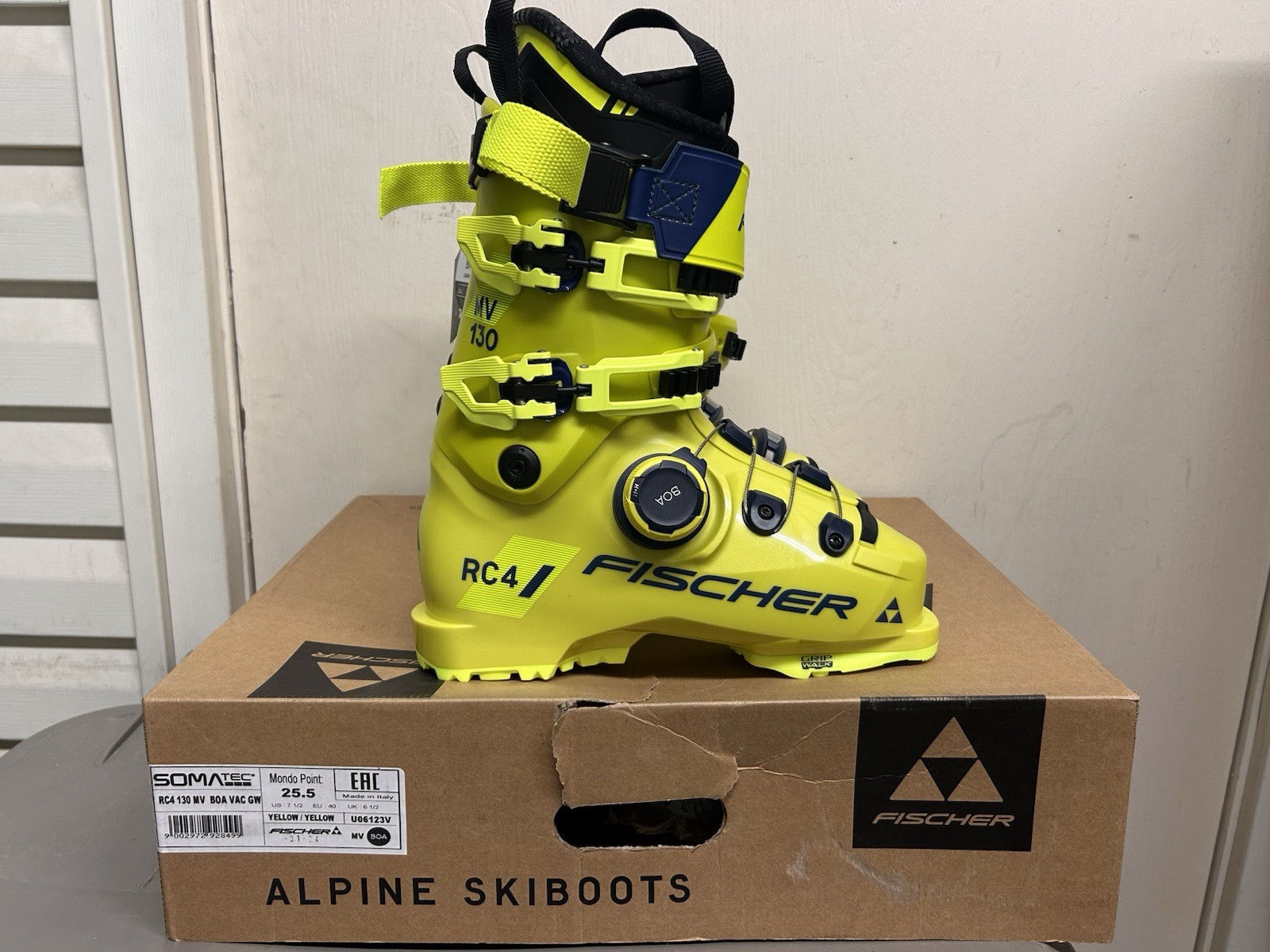 NEW 2025 FISCHER RC4 130 BOA MV GW SKI BOOTS (25.5)$289.99View on eBay
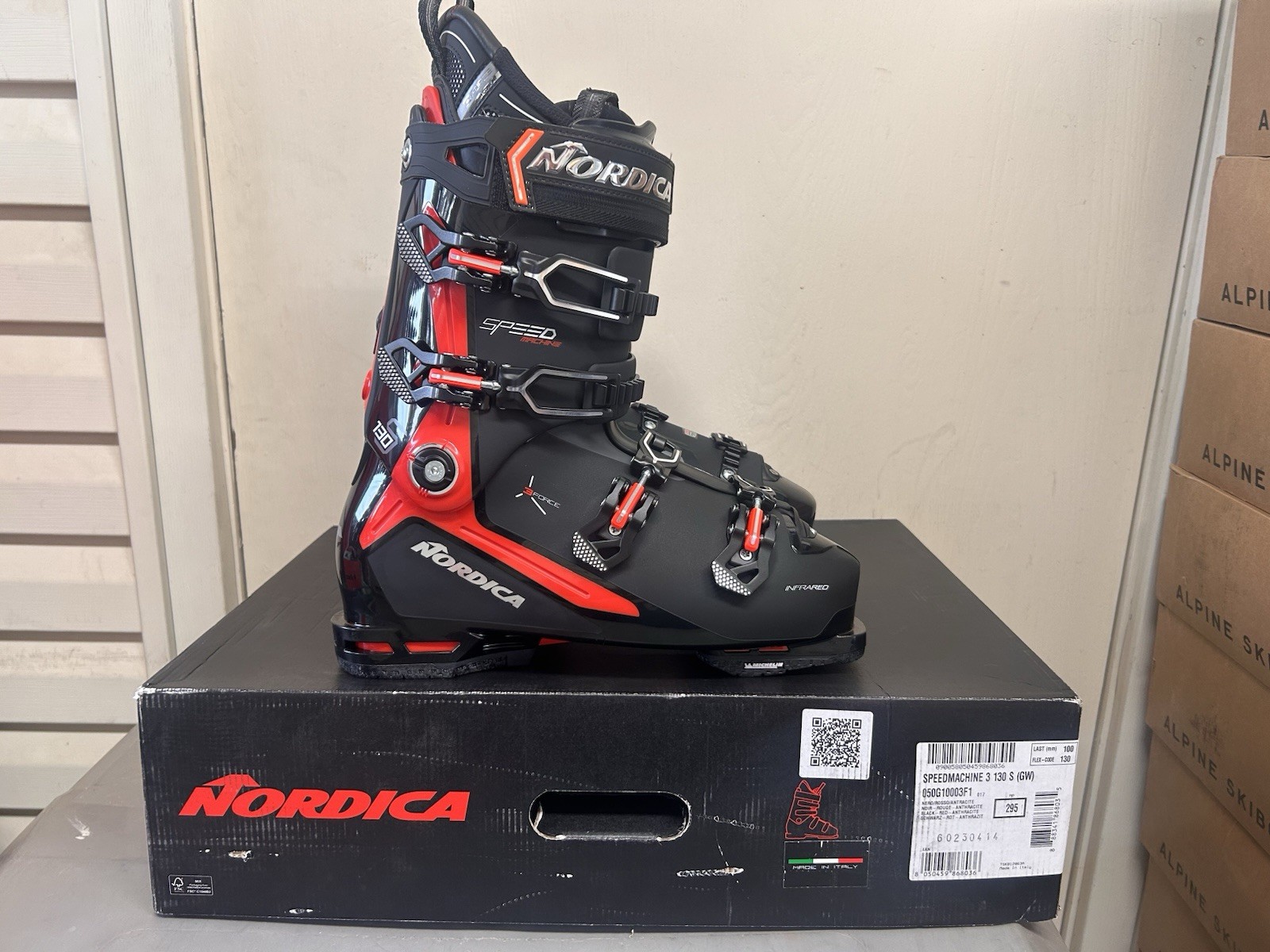 NEW 2025 NORDICA SPEEDMACHINE 130 S SKI BOOTS (29.5)$429.99View on eBay
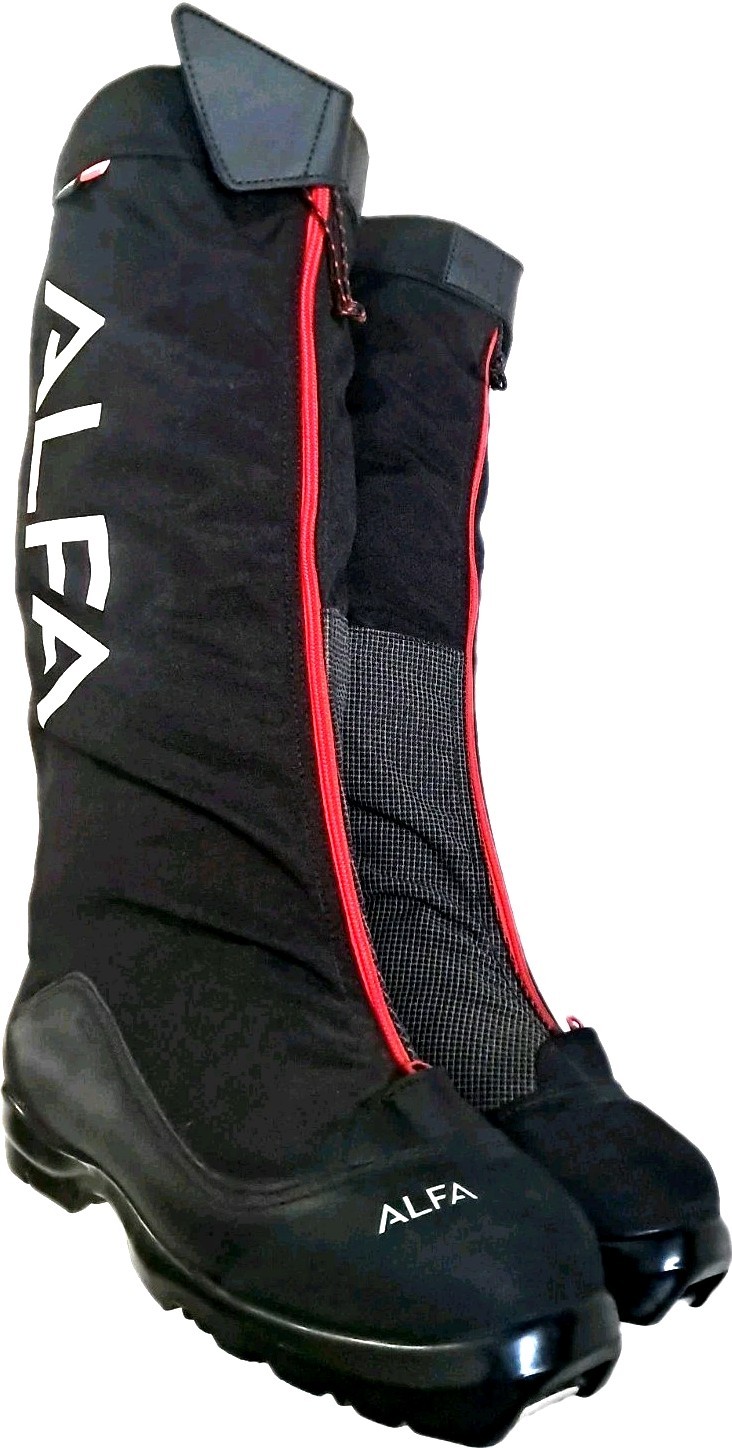 Alfa Outback 2.0 A/P/S GTX M Back Country Ski Boot W Gaiter Gortex Recco Rescue$549.99View on eBay
Highlights
- Flex index ranges 60–80 (beginner/comfort), 90–100 (intermediate), 110–120 (advanced), 130–140 (expert/race); higher flex transmits more edge pressure but punishes poor form.
- Last width (forefoot) typically 98–100 mm (narrow/race), 100–102 mm (medium), 102–104+ mm (wide); shell heat-molding can adjust 2–4 mm but cannot fix a fundamentally wrong last.
- Shell materials: polyurethane (PU) is durable and damp; polyamide (PA) is lighter and stiffer; Pebax is light and temperature-stable; carbon-reinforced shells are stiffest and priciest.
- Boot sole standards: Alpine (ISO 5355) for standard DIN bindings; GripWalk (ISO 23223) for walkable soles requiring compatible bindings; touring (ISO 9523) for tech/pin bindings—mismatched soles are unsafe.
Best use cases
- Best fit: aggressive piste skiers choosing a 120–130 flex boot with a 98–100 mm last and PU shell for precise edge control; skip 100–110 flex unless you prioritize comfort over performance.
- Best fit: intermediates and all-mountain skiers picking 90–100 flex with a 100–102 mm last and GripWalk soles for easier walking; avoid race-fit 130+ boots that cause pain and fatigue.
- Best fit: backcountry/touring skiers selecting a tech-compatible boot (ISO 9523) with walk mode and pin inserts; wrong fit is any standard alpine boot without tech fittings—it won't work with pin bindings.
- Best fit: wide-footed or comfort-focused skiers choosing a 102–104+ mm last with heat-moldable liner; skip narrow race lasts (98 mm) that cause pressure points.
Buying tips
- Match flex to ability and terrain: 60–80 for beginners, 90–100 for intermediates, 110–120 for advanced, 130+ for experts/racers; stiffer is not better if you can’t flex it.
- Measure your foot width in mm and compare to boot last: if your foot is 102 mm wide, a 98 mm last will likely require aggressive stretching or cause pain—start with 100–102 mm.
- Use Mondo sizing (cm) as the primary reference; US sizes vary by brand. A performance fit has toes lightly brushing the front when standing, with heel locked down.
- Check sole compatibility: standard ISO 5355 soles work with all DIN bindings; GripWalk soles require GripWalk-compatible bindings; tech soles (ISO 9523) need pin bindings—never force a mismatch.
Specs
| Flex Index | 60–140 (soft to race-stiff) |
|---|---|
| Last Width | 98–104+ mm forefoot |
| Shell Material | PU / PA / Pebax / Carbon |
| Sole Standard | ISO 5355 / GripWalk / ISO 9523 |
Related searches
What to check before buying
- Measure both feet (length and width) in the evening; use the larger foot’s Mondo size and width to select the starting last range.
- Confirm your binding compatibility: standard DIN, GripWalk, or tech/pin—buy boots with the matching sole standard to avoid unsafe mismatches.
- Decide liner type: heat-moldable liners improve fit but add cost; stock liners are fine for comfort-focused skiers but pack out faster.
- Verify buckle count and type: 2–3 buckles for comfort/rear-entry, 4 buckles for performance; BOA closures offer even pressure but fewer micro-adjustments.
FAQ
Data sources: eBay / Amazon listings and product attribute feeds Data updated Nov 16, 2026.
Some links on this page are affiliate links. If you buy after clicking one, we may earn a commission at no extra cost to you. This does not change which products appear here or their order. Affiliate disclosure.