Photos from current listings. Actual item, color, and included accessories may vary.
Snowboard Boot Buying Guide
Snowboard boots are the critical interface between your body and the board, and their stiffness, lacing system, and liner quality determine control, comfort, and durability. The core trade-off is between soft, forgiving flex for park and beginner use versus stiff, responsive support for freeride and aggressive carving. The decision rule: prioritize boots with a heat-moldable liner and a proven closure system (BOA or quality speed lace) from a dedicated snow-sports brand, and avoid generic or non-moldable liners that pack out and kill performance.


At a glance
- Category
- Ski & Snowboard Bindings and Boots
- Data updated
- Nov 16, 2026
Current offers
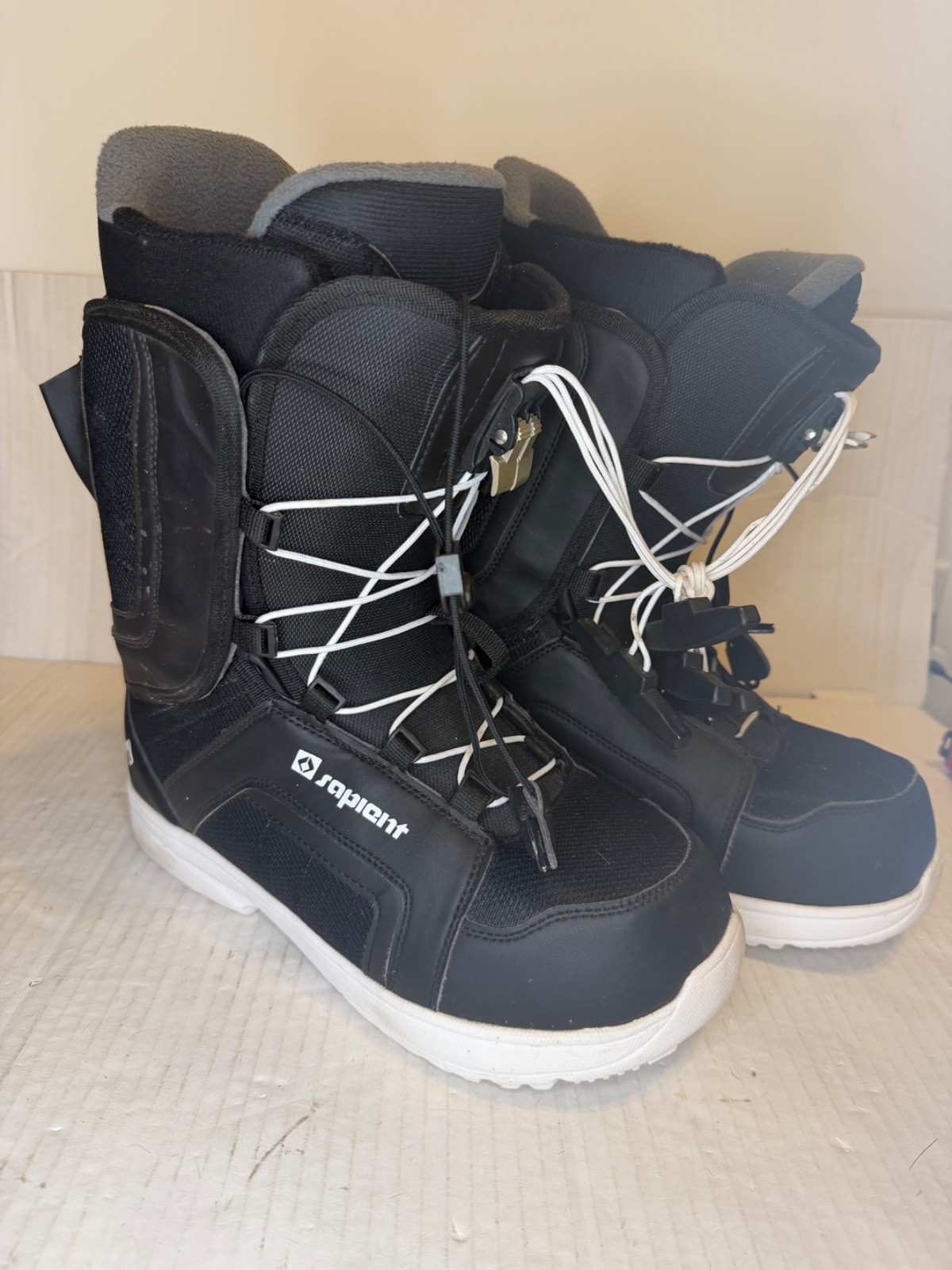 Sapient Method Men’s Snowboard Boots Size 10.5 Black White$65.99
 View on eBay
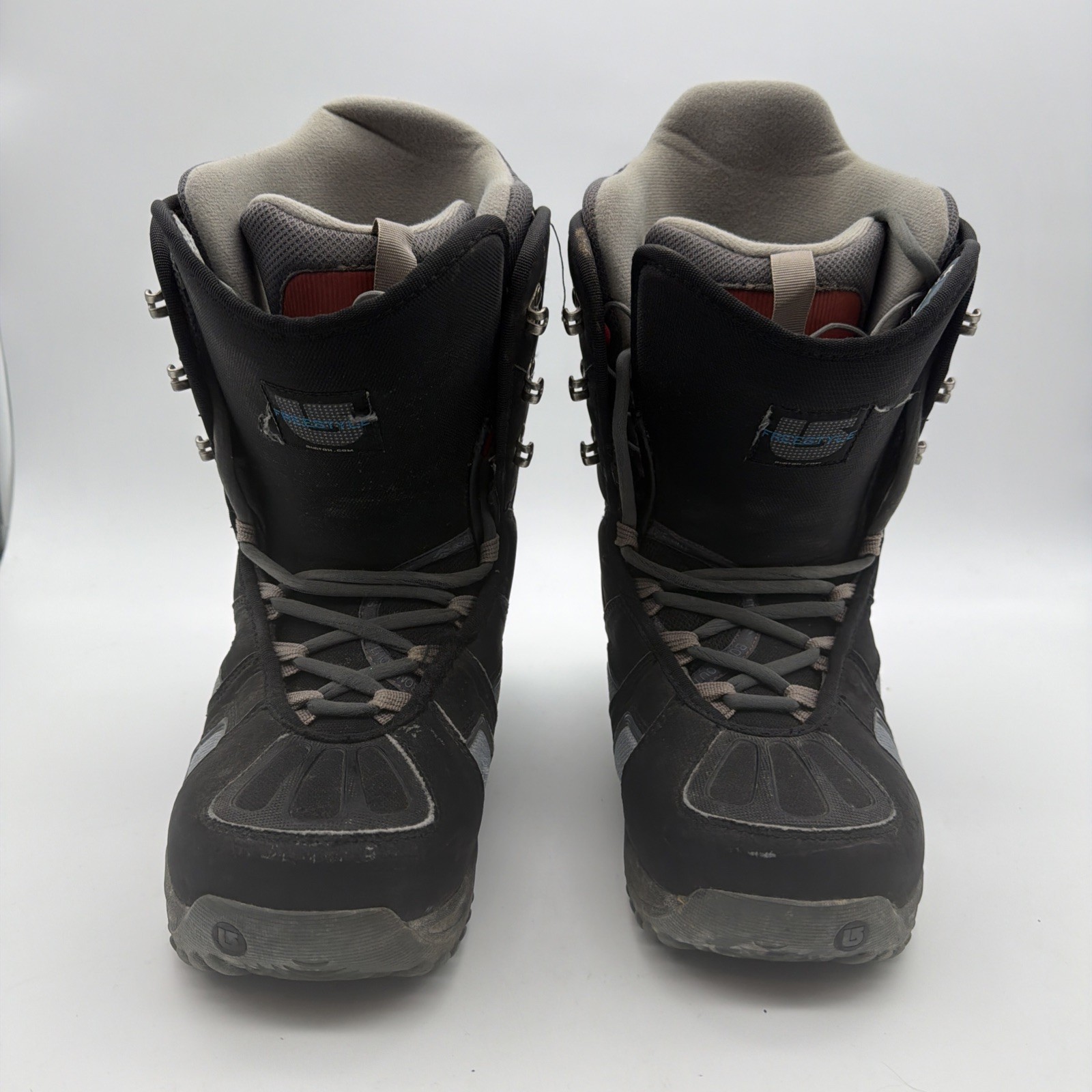 Burton Freestyle Snowboard Boots Mens US 9.5 Black Winter Sports Good Condition$69.96View on eBay
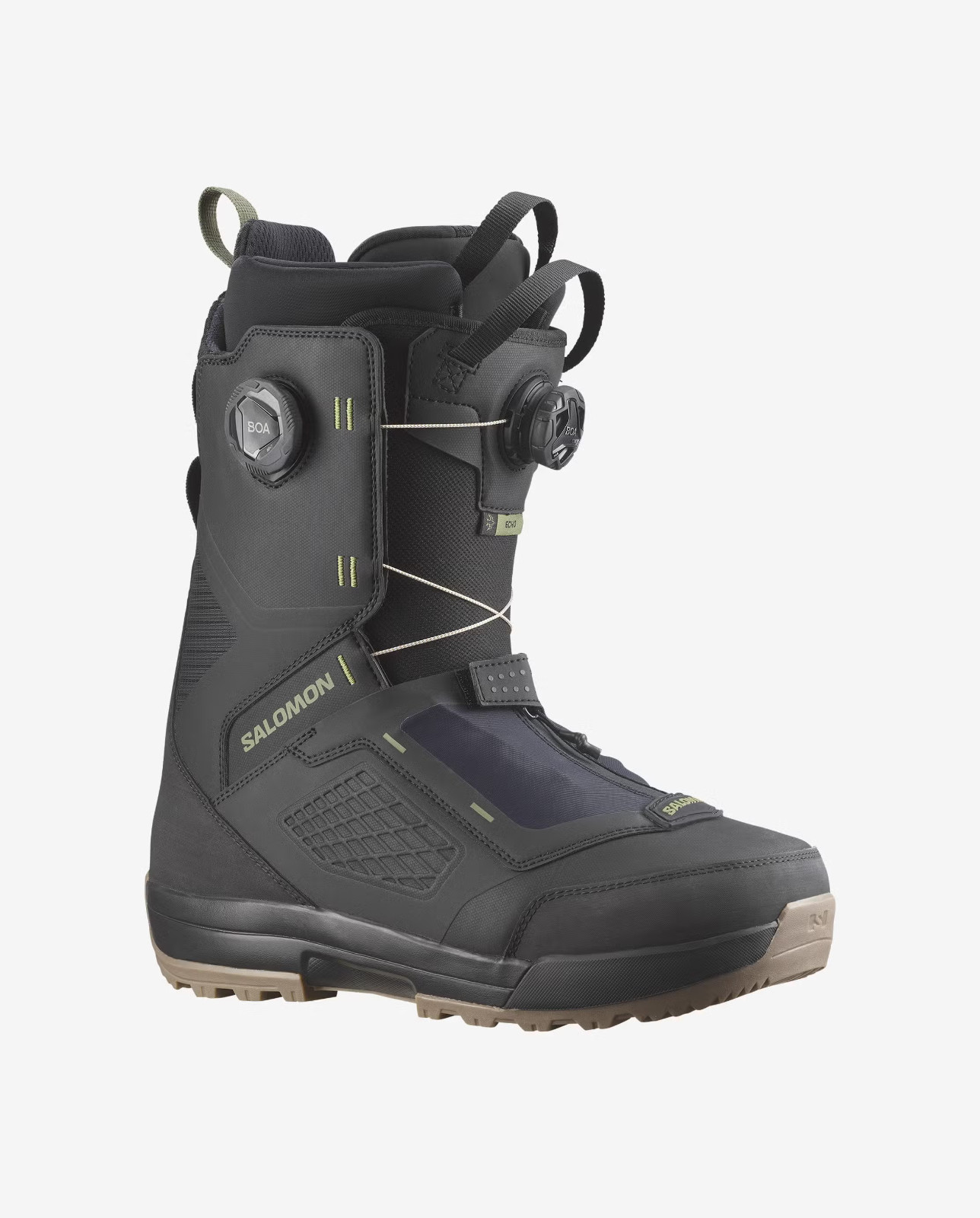 NEW!! 2026 Mens Salomon Echo Double Boa Snowboard Boots-Black-27.5$279.99View on eBay
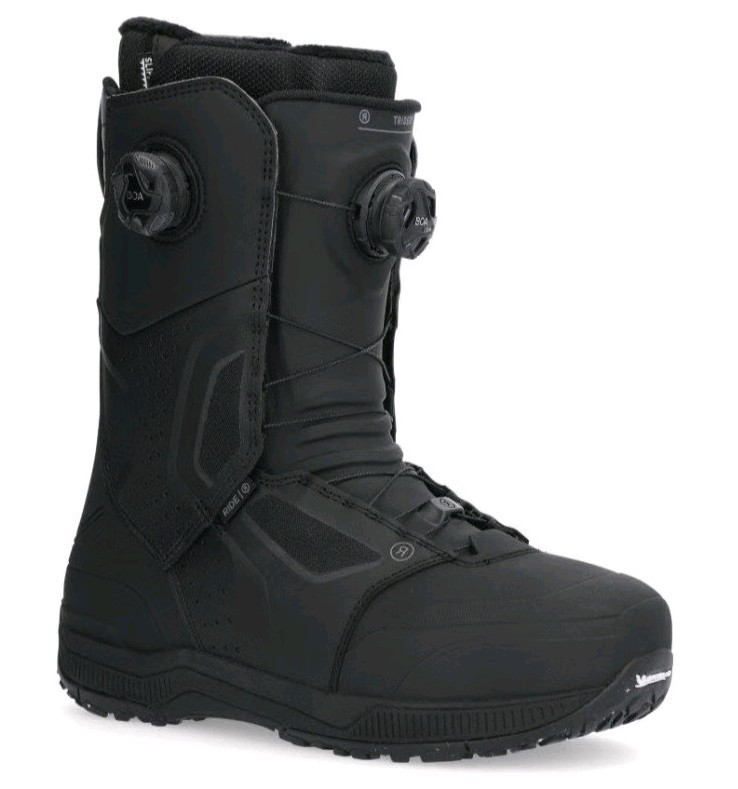 Ride Trident Snowboard Boots - Color: Black - Size: 9 *BRAND NEW*$335.00View on eBay
Highlights
- Boot flex is rated on a 1-10 scale: soft (1-4) for beginners and park, medium (5-7) for all-mountain, stiff (8-10) for freeride and hard charging.
- BOA closure systems (single or double) offer micro-adjustable, even tension; double BOA independently tightens upper and lower zones for better heel hold and calf fit.
- Heat-moldable liners conform to your foot shape when heated, improving fit and reducing break-in time; non-moldable liners rely on packing out and often become loose after 20-30 days.
- Boot soles must match binding compatibility: traditional 4x4 and 2x4 inserts work with most bindings, while Burton's EST system requires Burton EST bindings; check sole length for binding adjustment range.
Best use cases
- Best fit: All-mountain riders wanting versatility should choose a medium-flex boot (5-7) with a dual BOA or speed-lace system and heat-moldable liner; skip ultra-stiff park boots that feel unforgiving on varied terrain.
- Best fit: Park and freestyle riders need soft-flex boots (1-4) with articulated cuffs for tweakability and reduced shin pressure; skip stiff freeride boots that limit ankle mobility and board feel.
- Wrong fit: Budget shoppers should avoid entry-level boots with non-moldable liners and single-zone lacing if they ride more than a few days per season—they pack out quickly and offer poor heel hold; instead pick previous-season models from reputable brands with moldable liners.
Buying tips
- Match boot flex to riding style: soft (1-4) for park/beginner, medium (5-7) for all-mountain, stiff (8-10) for freeride/carving; stiffer boots transfer energy faster but demand stronger legs.
- Prioritize heat-moldable liners over non-moldable ones; moldable liners adapt to your foot and resist packing out, extending boot life and improving comfort.
- Check sole length against your binding's adjustment range—boots with bulky soles may not fit smaller bindings; also confirm binding compatibility (e.g., Burton EST boots need EST bindings).
- Choose double BOA or quality speed lace for even tension and quick adjustments; single BOA is simpler but less customizable, while traditional laces offer durability but slower fine-tuning.
Specs
| Flex Rating | Soft 1-4 / Medium 5-7 / Stiff 8-10 |
|---|---|
| Lacing System | Traditional / Speed / Single or Double BOA |
| Liner Type | Heat-moldable vs Non-moldable |
| Binding Compatibility | 4x4/2x4 standard; Burton EST specific |
Related searches
What to check before buying
- Measure both feet in the afternoon (feet swell) and match to brand-specific size charts; snowboard boots should fit snug with toes lightly touching the front—half sizes may require choosing the larger size.
- Confirm your binding's mounting system (4x4, 2x4, or Burton Channel) and ensure boot sole shape fits without overhang or pressure points.
- Check boot sole length and binding adjustment range—boots that are too long may not fit small bindings, while too-short boots can cause heel lift.
- Verify closure system replacement parts availability (BOA dials, laces) and liner moldability; heat molding requires an oven or professional fitter.
FAQ
Data sources: eBay / Amazon listings and product attribute feeds Data updated Nov 16, 2026.
Some links on this page are affiliate links. If you buy after clicking one, we may earn a commission at no extra cost to you. This does not change which products appear here or their order. Affiliate disclosure.