Photos from current listings. Actual item, color, and included accessories may vary.
Ski Boot Buying Guide
Ski boots are the primary interface between your foot and the ski, transferring edging and pressure through a rigid shell and adjustable buckles. The core trade-off is flex index versus fit volume: stiffer boots (110–130+) demand strong technique and precise shell work, while softer or high-volume boots forgive but limit control. The decision rule is simple—match last width and flex to your measured foot and ability, and never buy a boot that requires more than minor shell modification to fit.


At a glance
- Category
- Ski & Snowboard Bindings and Boots
- Data updated
- Nov 16, 2026
Current offers
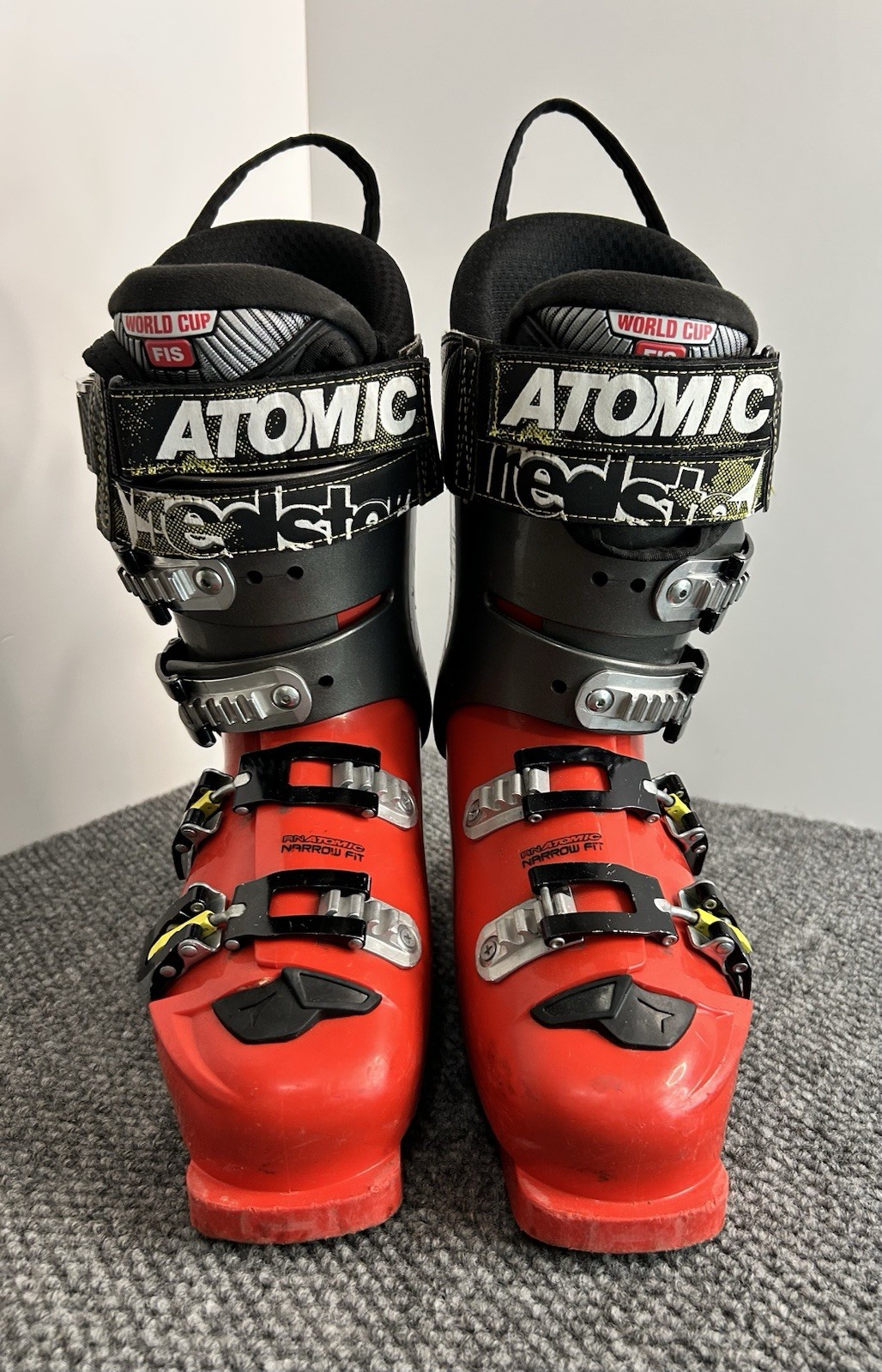 Atomic Redster FIS World Cup 130, Size: 26.5 Ski Boots$100.00
 View on eBay
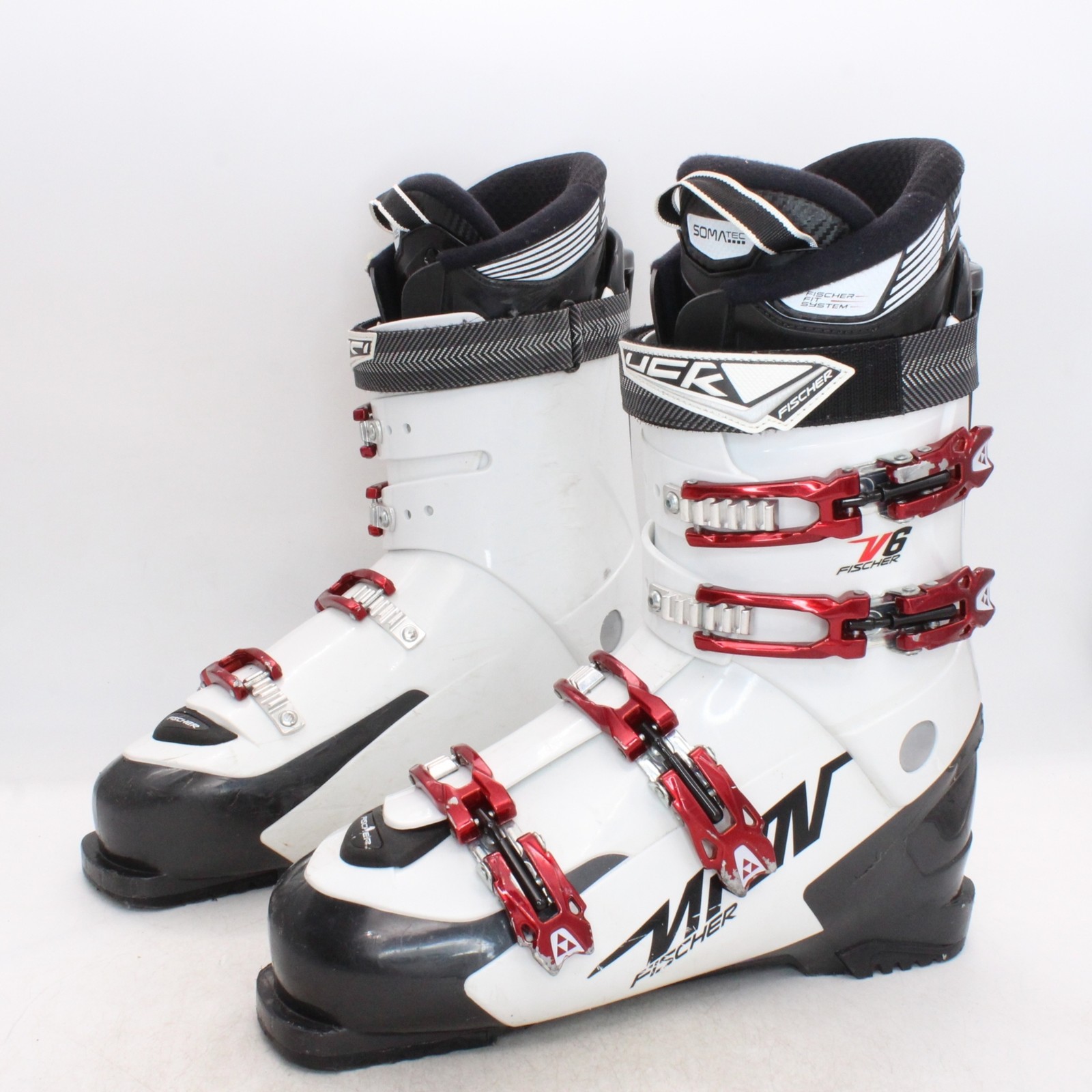 Fischer Viron V6 Ski Boots - Size 12.5 / Mondo 30.5 Used$109.99View on eBay
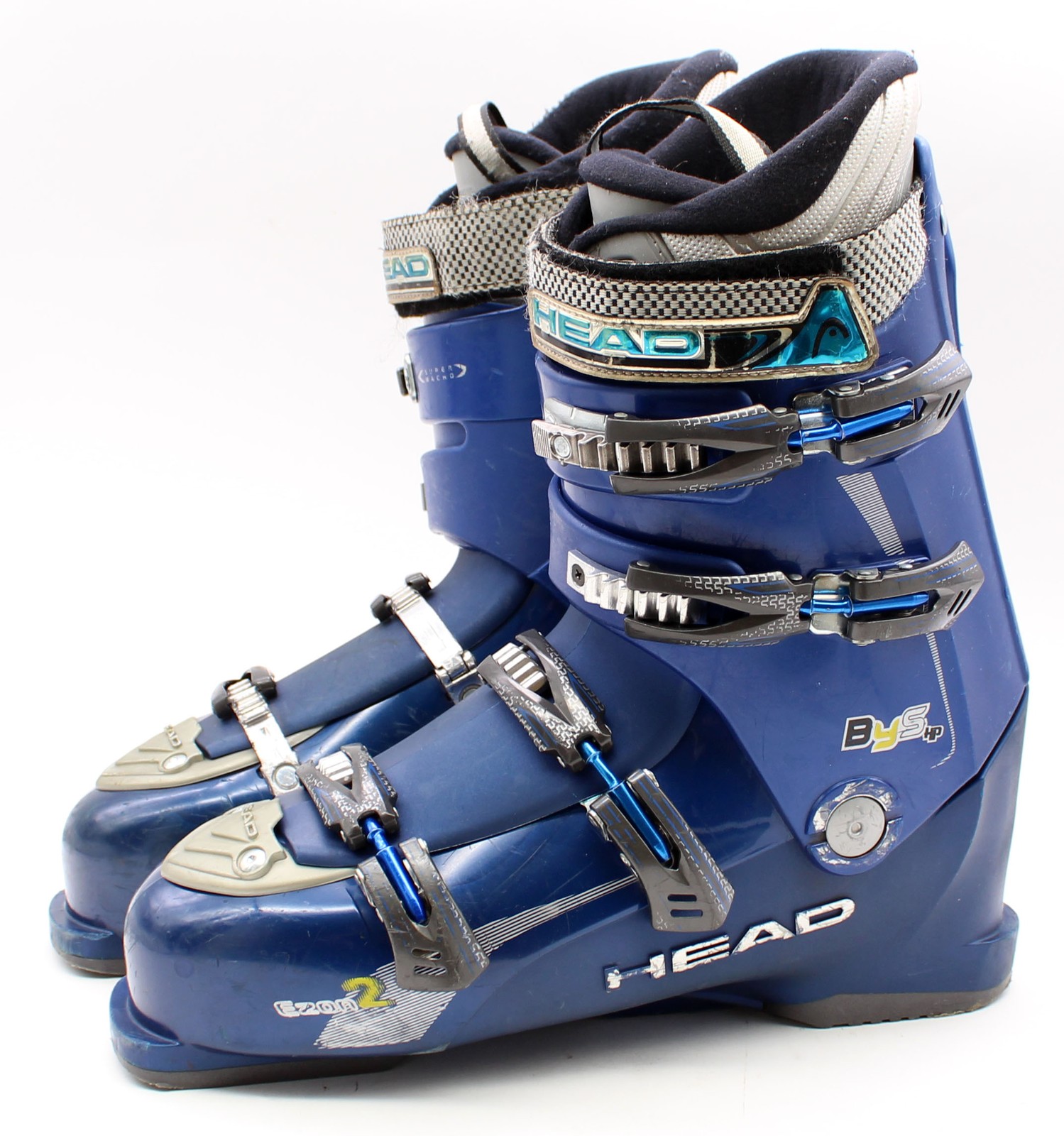 Head BYS HP Ski Boots - Size 16 / Mondo 34 Used$139.99View on eBay
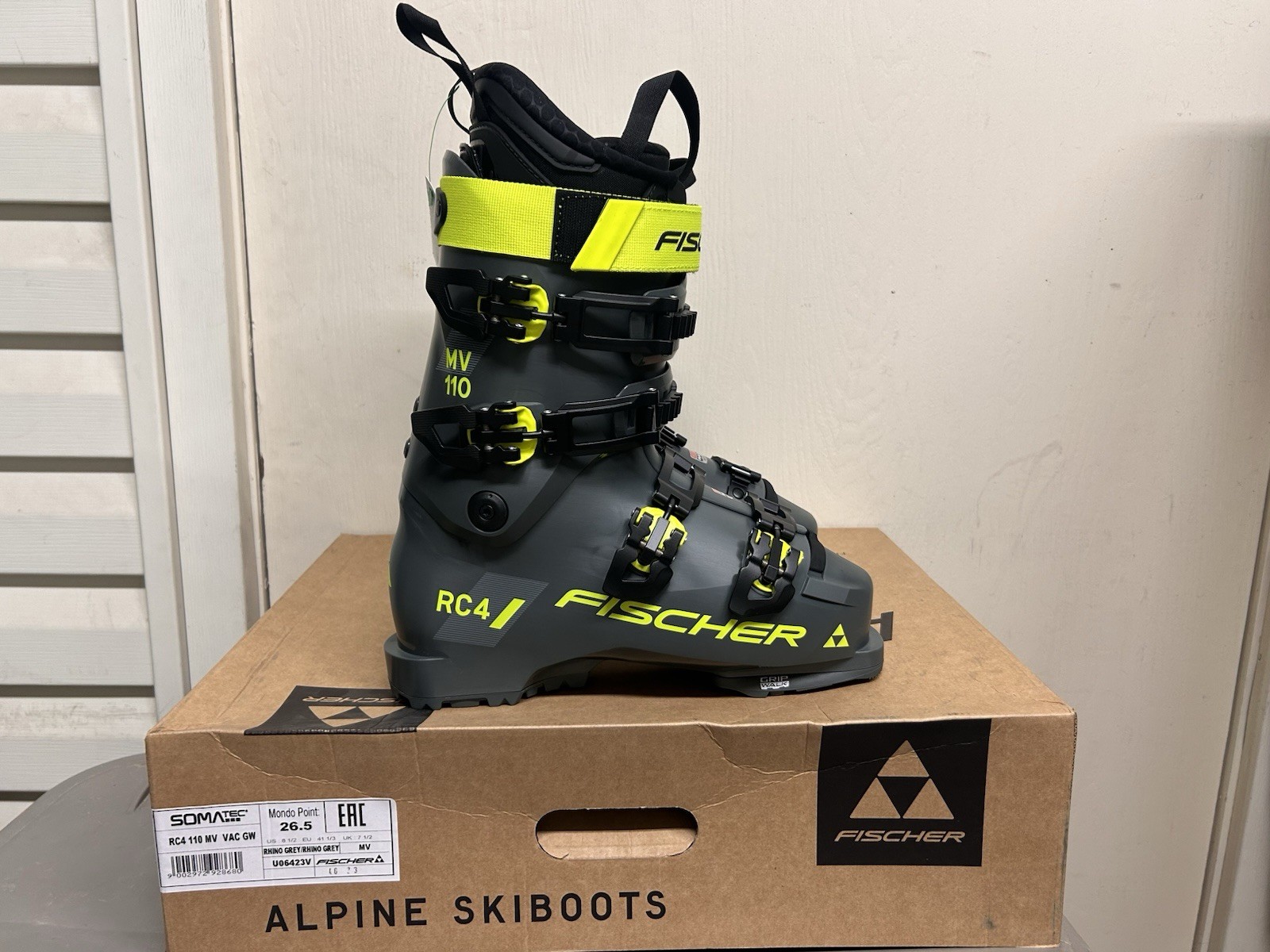 NEW 2025 FISCHER RC4 115 MV GW SKI BOOTS (26.5)$229.99View on eBay
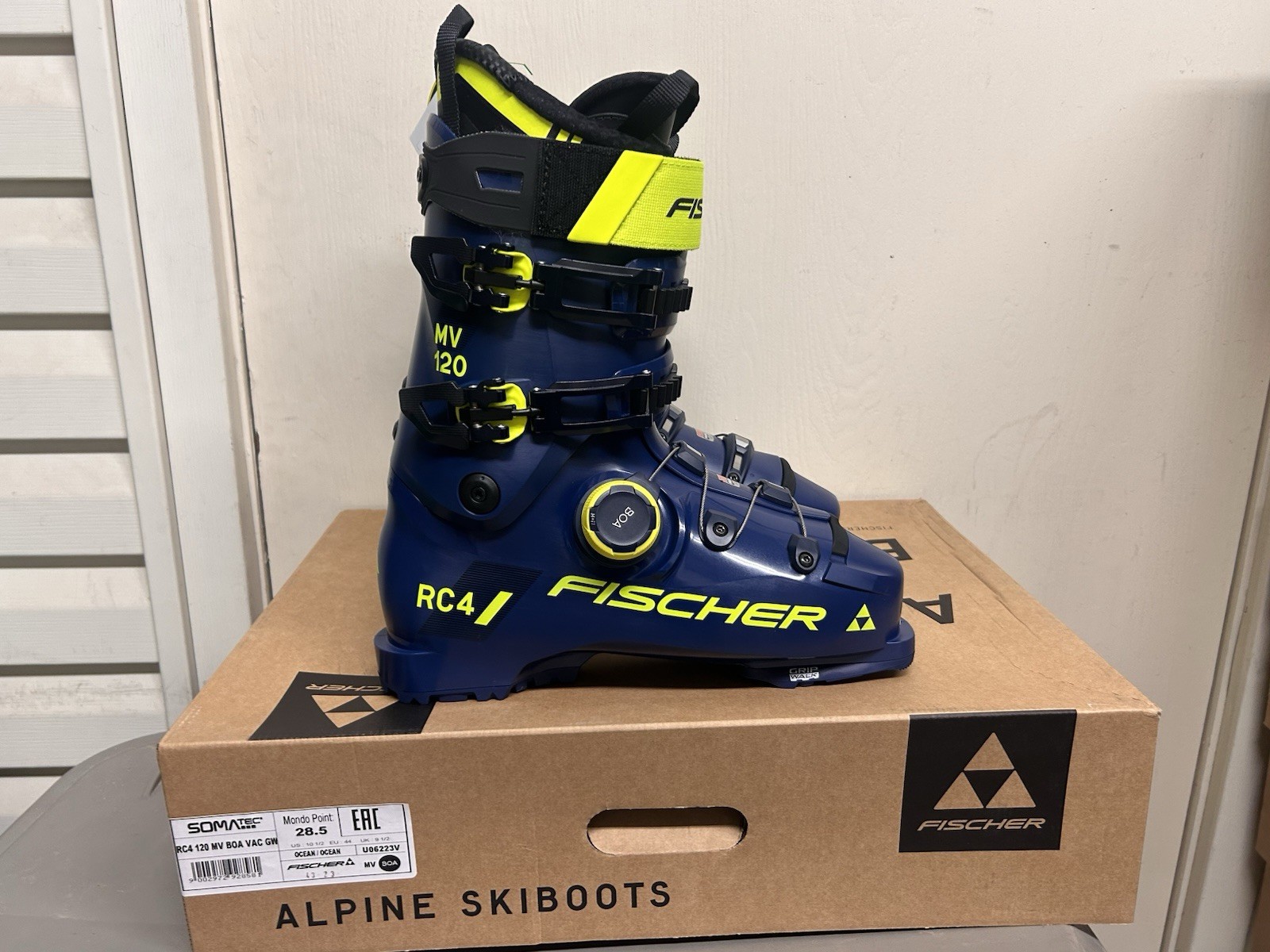 NEW 2025 FISCHER RC4 120 MV BOA GW SKI BOOTS (28.5)$289.99View on eBay
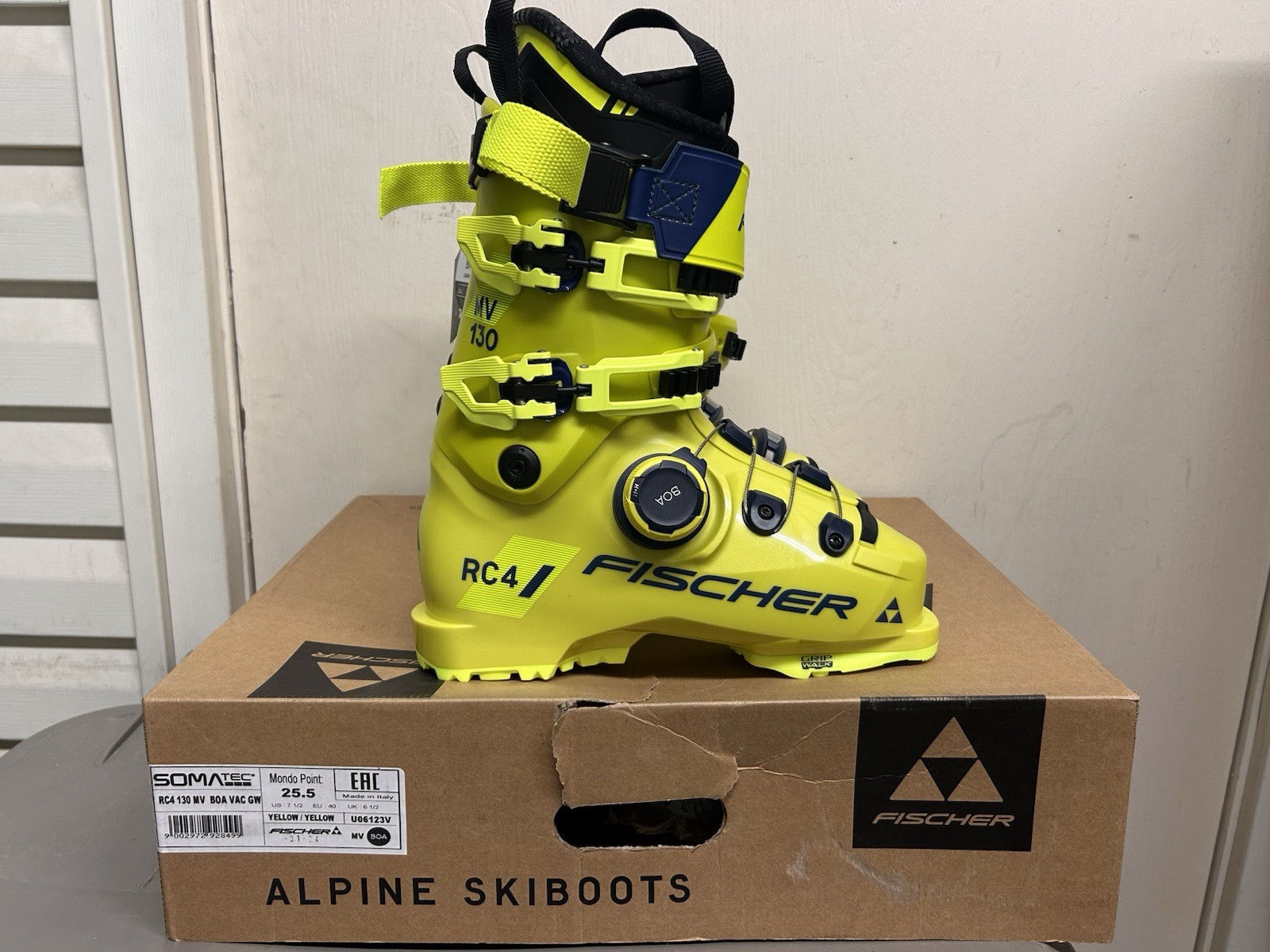 NEW 2025 FISCHER RC4 130 BOA MV GW SKI BOOTS (25.5)$289.99View on eBay
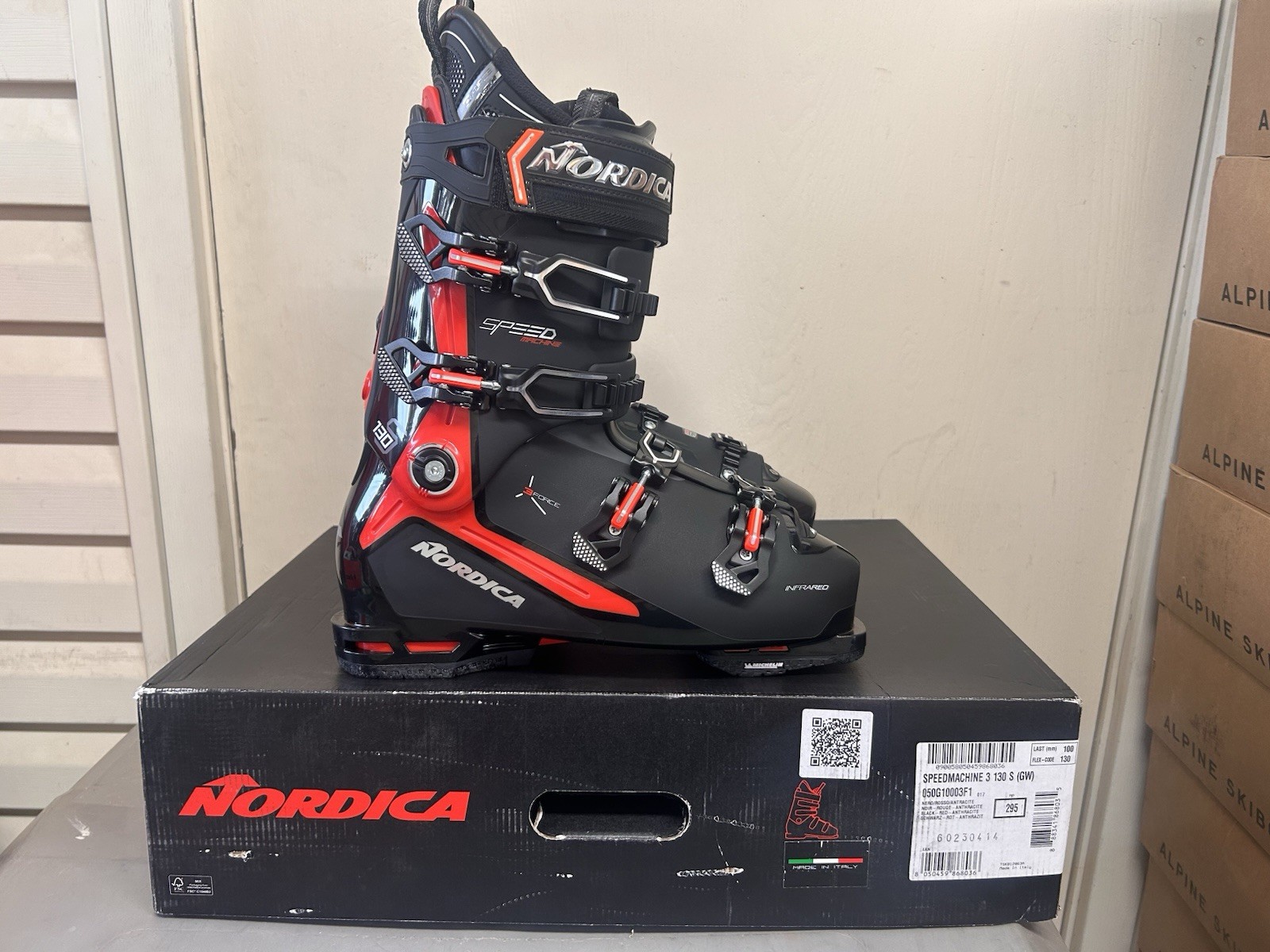 NEW 2025 NORDICA SPEEDMACHINE 130 S SKI BOOTS (29.5)$429.99View on eBay
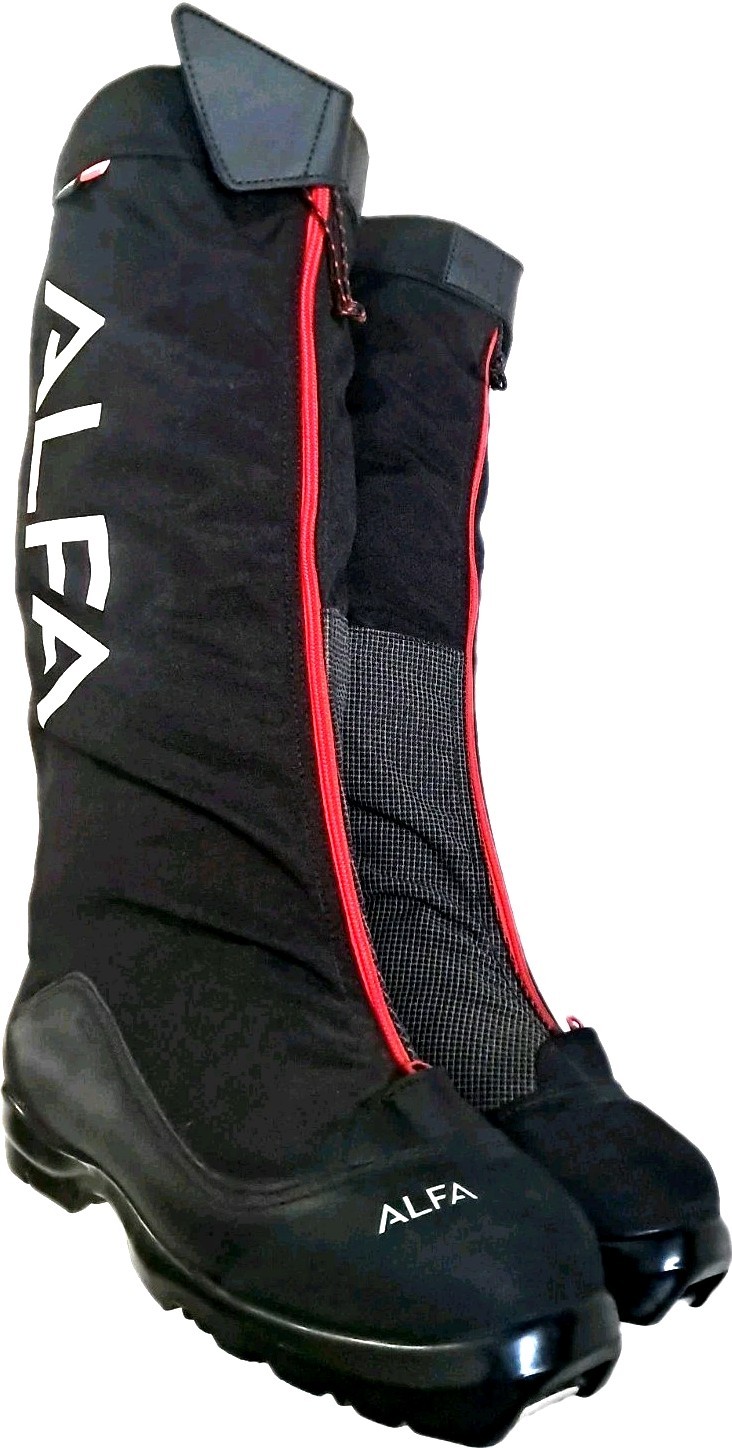 Alfa Outback 2.0 A/P/S GTX M Back Country Ski Boot W Gaiter Gortex Recco Rescue$549.99View on eBay
Highlights
- Flex index drives energy transfer: 60–90 suits beginners and park, 100–120 all-mountain, 130+ race/expert; stiffer boots punish poor technique.
- Last width defines fit family: narrow (~98 mm), medium (~100–102 mm), wide (~104–106 mm); MV/HV labels map to these ranges.
- GripWalk (GW) soles require compatible GW or MNC bindings; standard ISO 5355 soles do not release correctly in GW-only bindings.
- BOA Fit System replaces two lower buckles with a cable dial for even instep pressure; it is a fit mechanism, not a flex rating.
Best use cases
- Best fit: all-mountain intermediate—choose a 100–110 flex boot in a 100–102 mm last with GripWalk soles for walking ease.
- Best fit: expert/race—pick a 130 flex, 98 mm narrow-last boot with a race or plug shell and ISO 5355 soles for maximum edge precision.
- Wrong fit: wide-footed beginner in a 98 mm race boot—skip stiff narrow shells; choose a 104–106 mm last at 80–90 flex instead.
- Wrong fit: buying a boot for a growing child in size 16/34—skip adult flex ratings; choose a soft junior boot with adjustable shell length.
Buying tips
- Measure both feet in centimeters (Mondo) at end of day; shell size equals your longest foot's cm rounded to the nearest half-size, not your street shoe size.
- Check shell fit by removing the liner: you need 10–15 mm behind the heel for all-mountain, 5–10 mm for race fit; more means a larger shell.
- Match sole standard to bindings: ISO 5355 for traditional alpine, GripWalk for walkable soles—verify binding is GW or MNC compatible before mounting.
- Stiffer is not better: choose the lowest flex that supports your weight and terrain; a 100 flex all-mountain boot outperforms a 130 race boot for most recreational skiers.
Specs
| Flex Index | 60–130+ (soft to race-stiff) |
|---|---|
| Last Width | 98 / 100–102 / 104–106 mm |
| Sole Standard | ISO 5355 vs GripWalk (GW/MNC) |
| Closure System | 4-buckle vs BOA dial + buckles |
Related searches
What to check before buying
- Measure foot length and width in cm; confirm your Mondo size, last width, and flex before selecting a model tier.
- Verify your bindings accept the boot's sole standard (ISO 5355 vs GripWalk) and adjust release settings to boot sole length.
- Confirm calf volume and instep height—high insteps need a boot with a removable tongue or heat-moldable liner.
- Check climate: cold feet need a liner with reflective or heated zones; boot heaters require a power source and compatible liner.
FAQ
Data sources: eBay / Amazon listings and product attribute feeds Data updated Nov 16, 2026.
Some links on this page are affiliate links. If you buy after clicking one, we may earn a commission at no extra cost to you. This does not change which products appear here or their order. Affiliate disclosure.