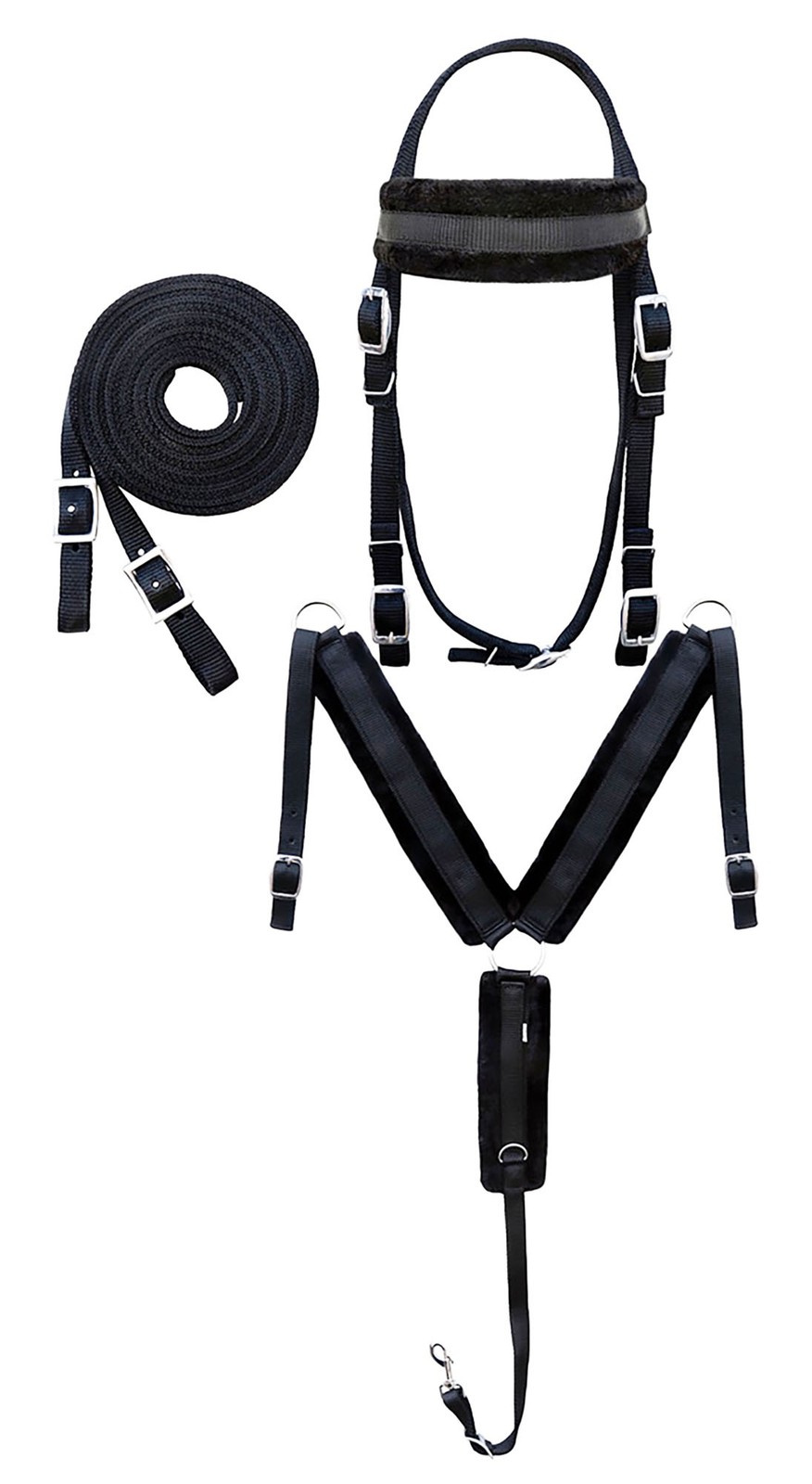

Photos from current listings. Actual item, color, and included accessories may vary.
Bridle And Rein Set Buying Guide
A bridle and rein set combines the headstall, bit hangers, and reins into one matched unit, so the primary trade-off is material stiffness and hardware strength versus suppleness and weight. Durable sets use vegetable-tanned leather or doubled nylon with solid brass or stainless hardware; compromises show up as single-ply leather, painted edges, and thin rein leather that stretches under pull.


At a glance
- Category
- Bridles, Bits & Reins
- Data updated
- Nov 16, 2026
Current offers
Highlights
- Leather bridles: full-grain vegetable-tanned hide in 3–4 mm thickness holds shape; single-ply or bonded leather delaminates at bit loops and rein ends.
- Nylon bridles: double-layer 1-inch webbing with box-X stitching at stress points outlast single-layer webbing, which frays at buckle holes.
- Rein length: split reins run roughly 7–8 feet per side; loop or roping reins are a single continuous length sized to the rider's arm span.
- Hardware: solid brass or stainless steel buckles and bit hooks resist rust; plated or painted alloys flake and seize at the tongue.
Best use cases
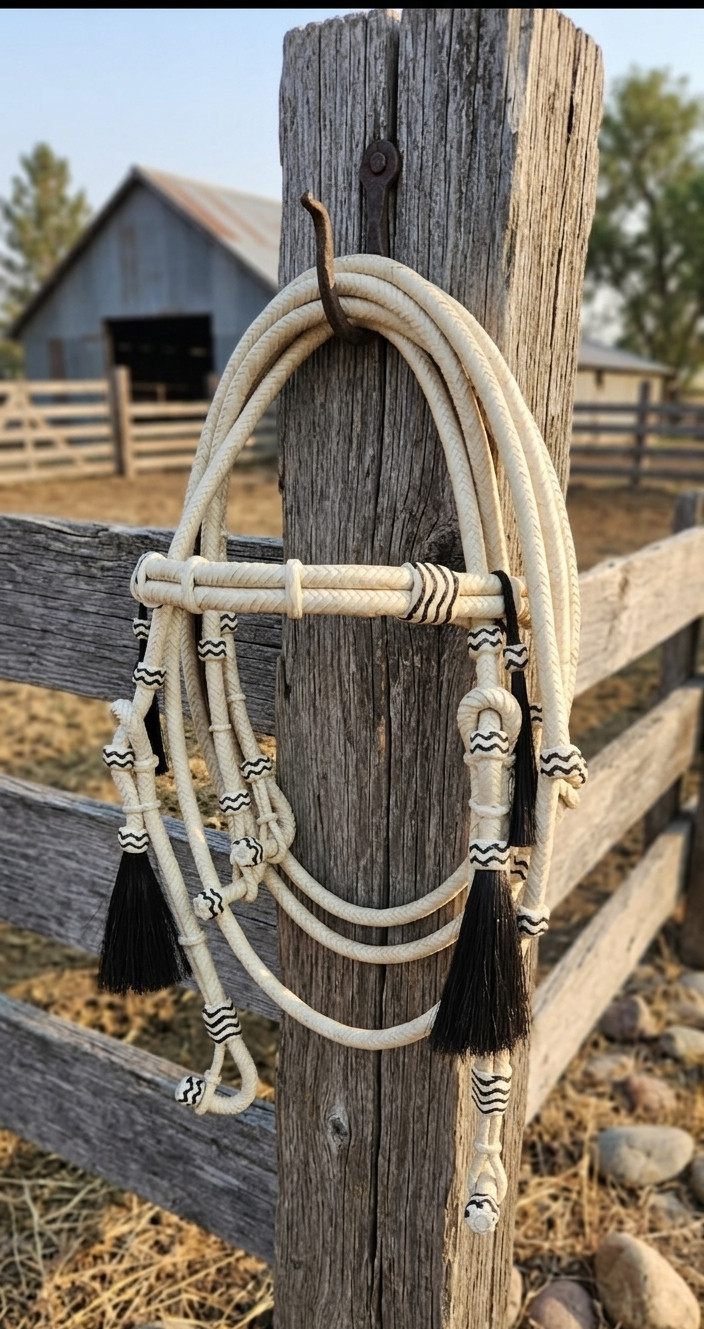
- Best fit: Western trail or ranch work — pick a rawhide or heavy leather headstall with split reins and a breast collar option for security on rough ground.
- Best fit: Everyday schooling or lesson strings — choose a double-layer nylon set with stainless hardware for easy cleaning and low maintenance.
- Wrong fit: Show-ring English or dressage — skip Western browband headstalls and breast collars; those classes require a plain caveson or crank noseband bridle with a compatible bit.
- Wrong fit: Young or green horses — avoid single-ply leather and thin roping reins until the horse accepts the bit; use a heavier, wider rein the rider can hold securely.
Buying tips
- Match headstall size to the horse: cob fits roughly 14–15 hh, full fits 15–16 hh, and warmblood/oversize covers 16 hh and up; measure browband and cheekpiece length, not the horse's height alone.
- Check rein width: 5/8-inch to 3/4-inch leather reins are standard for adult hands; 1/2-inch reins suit small hands but cut into fingers on a hard pull.
- Confirm the bit hanger style: Chicago-screw bit ends allow quick bit changes, while stitched or buckled ends are stronger but need a screwdriver or punch to swap bits.
- For nylon sets, verify box-X stitching and doubled webbing at the bit loops; single-stitched loops are the first failure point under a bolting horse.
Specs
| Material | Leather, nylon, or rawhide |
|---|---|
| Rein Style | Split, loop, or roping |
| Hardware | Solid brass vs stainless vs plated |
| Size Class | Cob, full, oversize/warmblood |
Related searches
What to check before buying
- Measure the horse's browband width and cheekpiece length, plus poll-to-bit distance, before choosing cob, full, or oversize.
- Confirm the bit mouthpiece width matches the bridle's bit hanger spacing; a too-narrow or too-wide bit pinches or slides.
- Check legal requirements for your discipline: some Western show classes ban breast collars, and English dressage prohibits certain noseband and rein configurations.
- Verify hardware metal type and rein attachment style (buckle, Chicago screw, or loop) so the set works with the bits and reins you already own or plan to buy.
FAQ
Data sources: eBay / Amazon listings and product attribute feeds Data updated Nov 16, 2026.
Some links on this page are affiliate links. If you buy after clicking one, we may earn a commission at no extra cost to you. This does not change which products appear here or their order. Affiliate disclosure.