Photos from current listings. Actual item, color, and included accessories may vary.
Western Bridle Buying Guide
A Western bridle is a headstall-and-reins system built for neck-reining and one-handed riding, where the main trade-off is leather grade and hardware strength versus decorative cost. Durable options use harness-grade leather or braided rawhide with solid brass or stainless buckles; compromises use thin split leather or plated hardware that stretches and corrodes. Choose a leather weight and headstall style matched to daily work or show, and skip fashion-first sets with light hardware.


At a glance
- Category
- Bridles, Bits & Reins
- Data updated
- Nov 16, 2026
Current offers
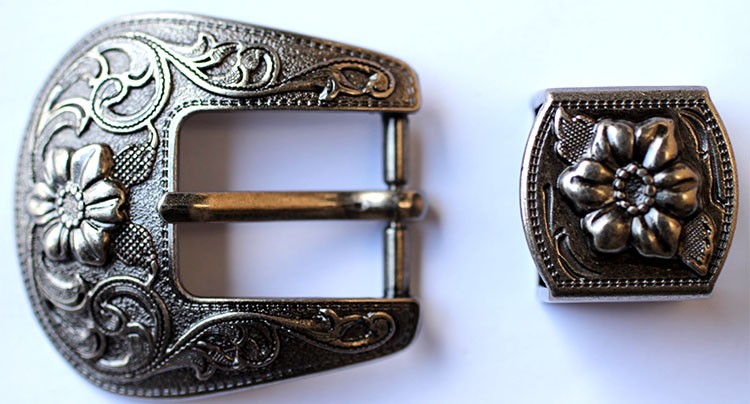 Set 2 Buckle Horse Saddle Western Headstall Bridle Tack Antique 5814$24.99
 View on eBay
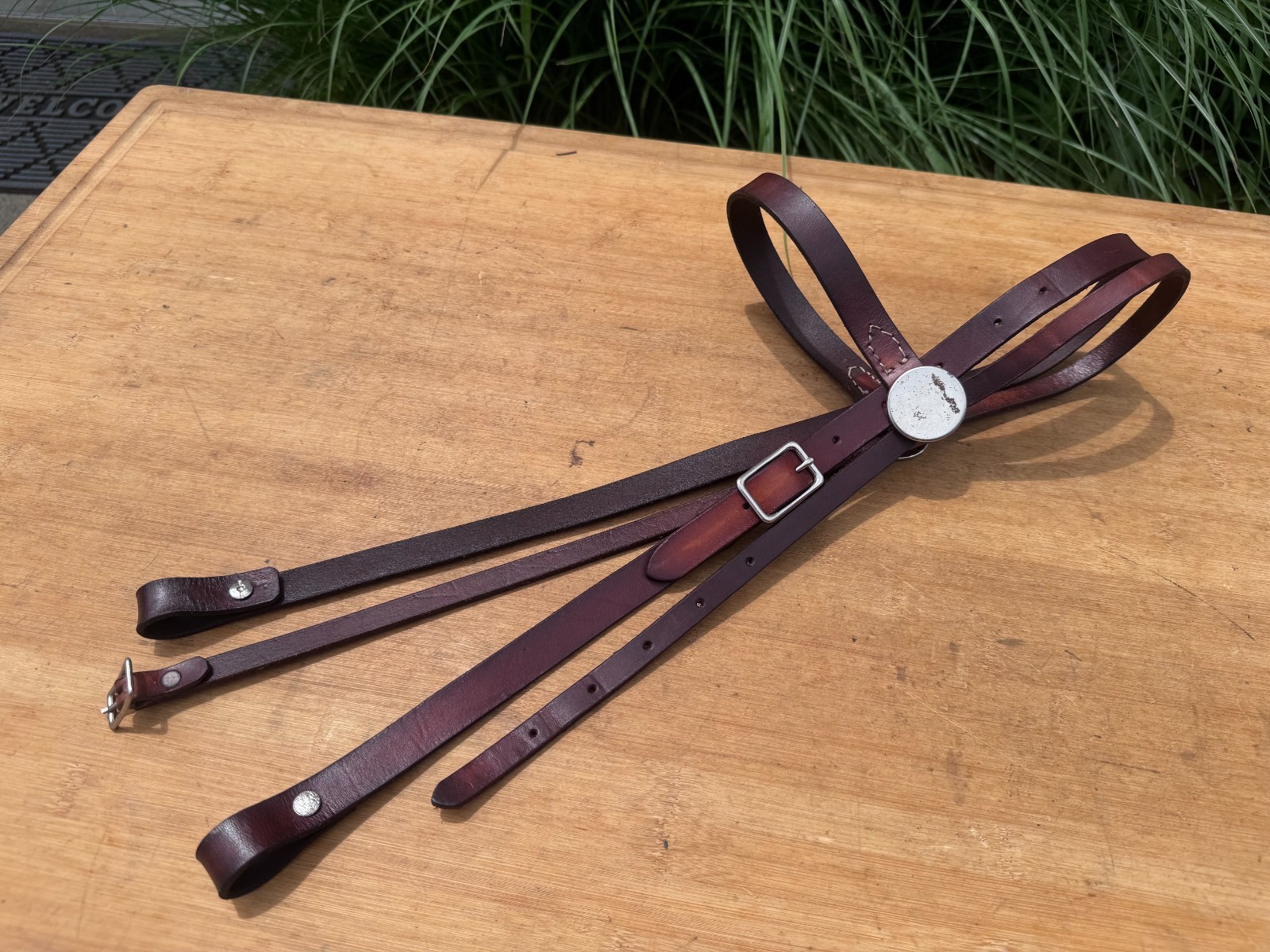 3/4" Wide Western Horse Browband Headstall w Rosettes$28.00View on eBay
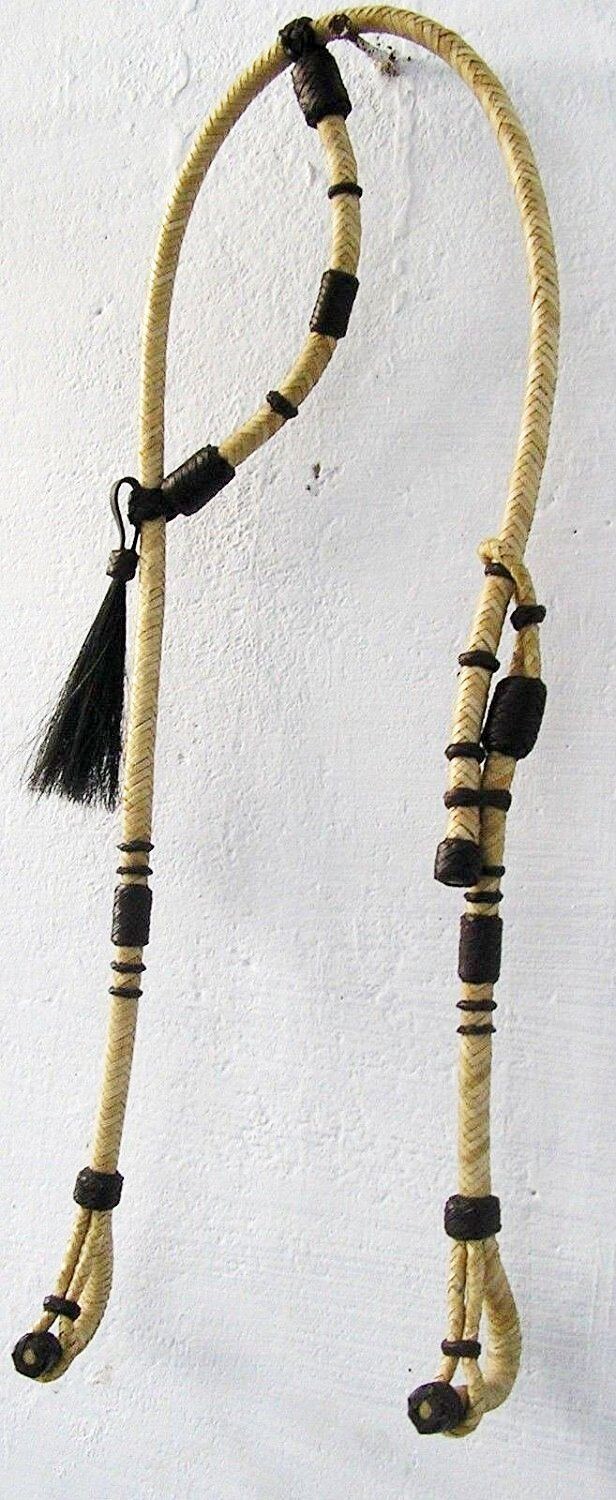 Western One Single Ear Headstall Rawhide Hand Braided Bridle Horse Tack Futurity$35.99View on eBay
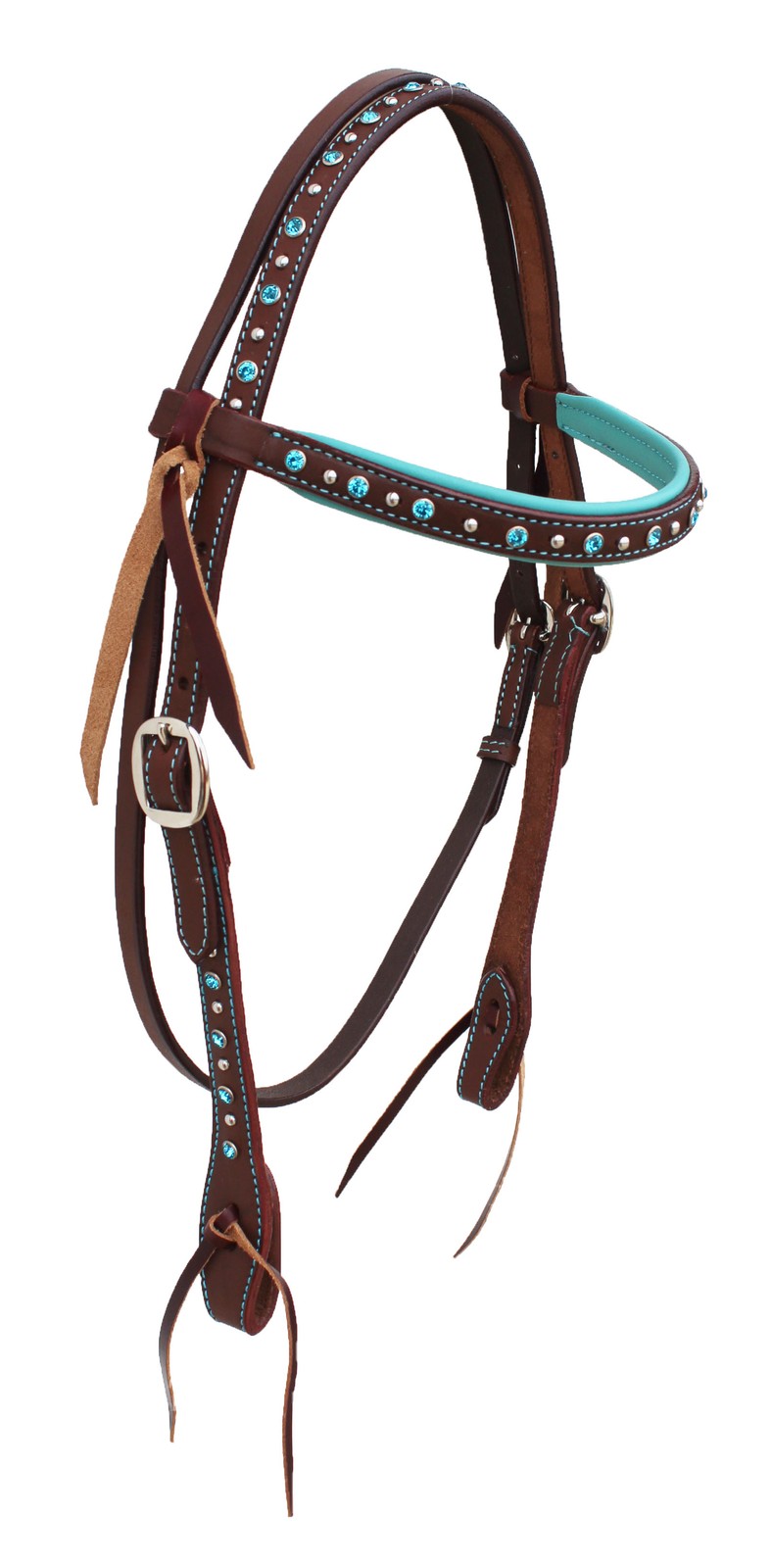 Horse Western Tack Turquoise Padded Leather Bridle Rhinestones 78AD12HB$39.99View on eBay
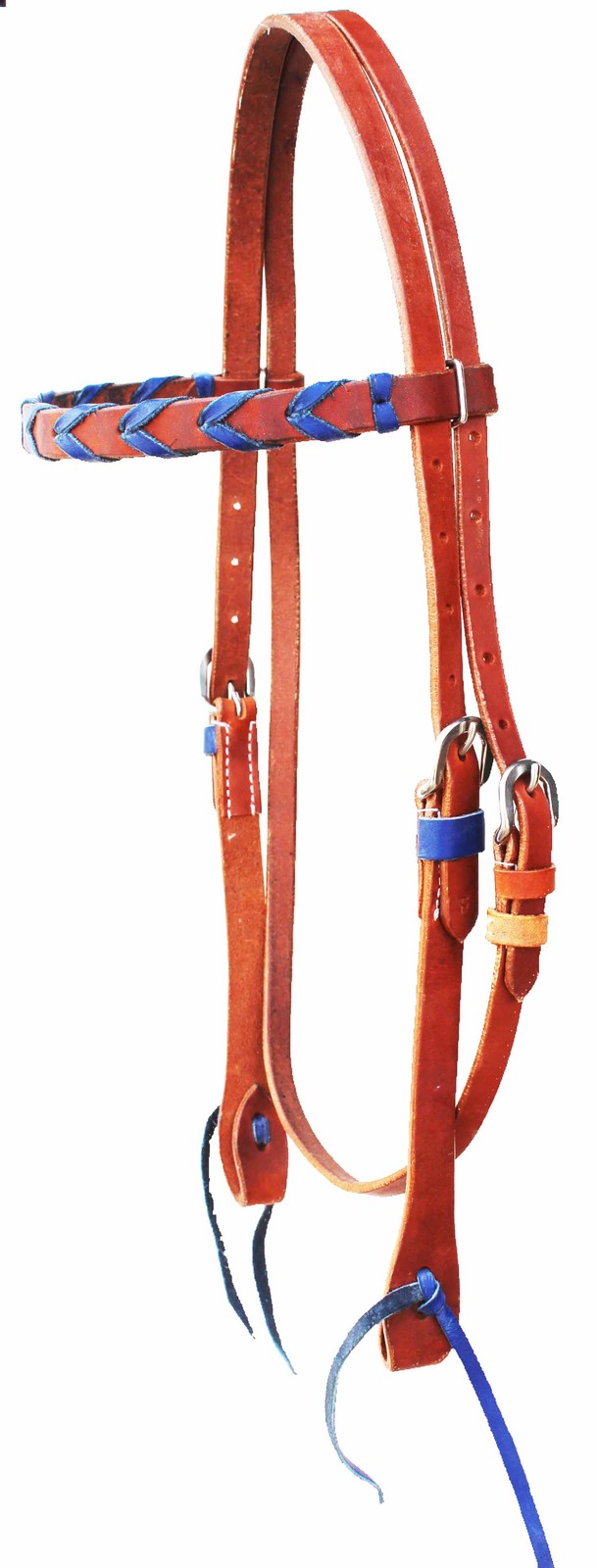 Horse Horse Western Show Tack Laced Browband Headstall 78AD13RB$39.99View on eBay
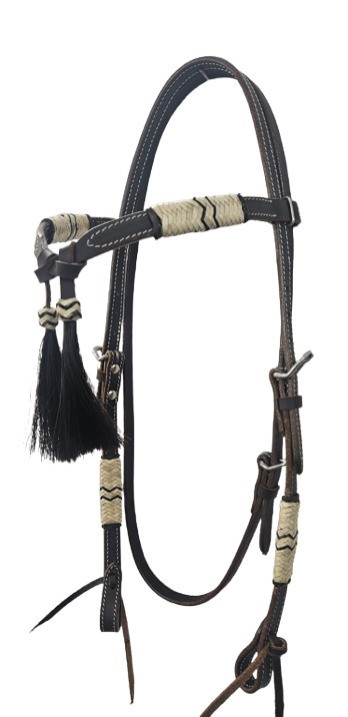 Western Leather Headstall Bridle Rawhide Braided Futurity Knot Browband Tassles$40.49View on eBay
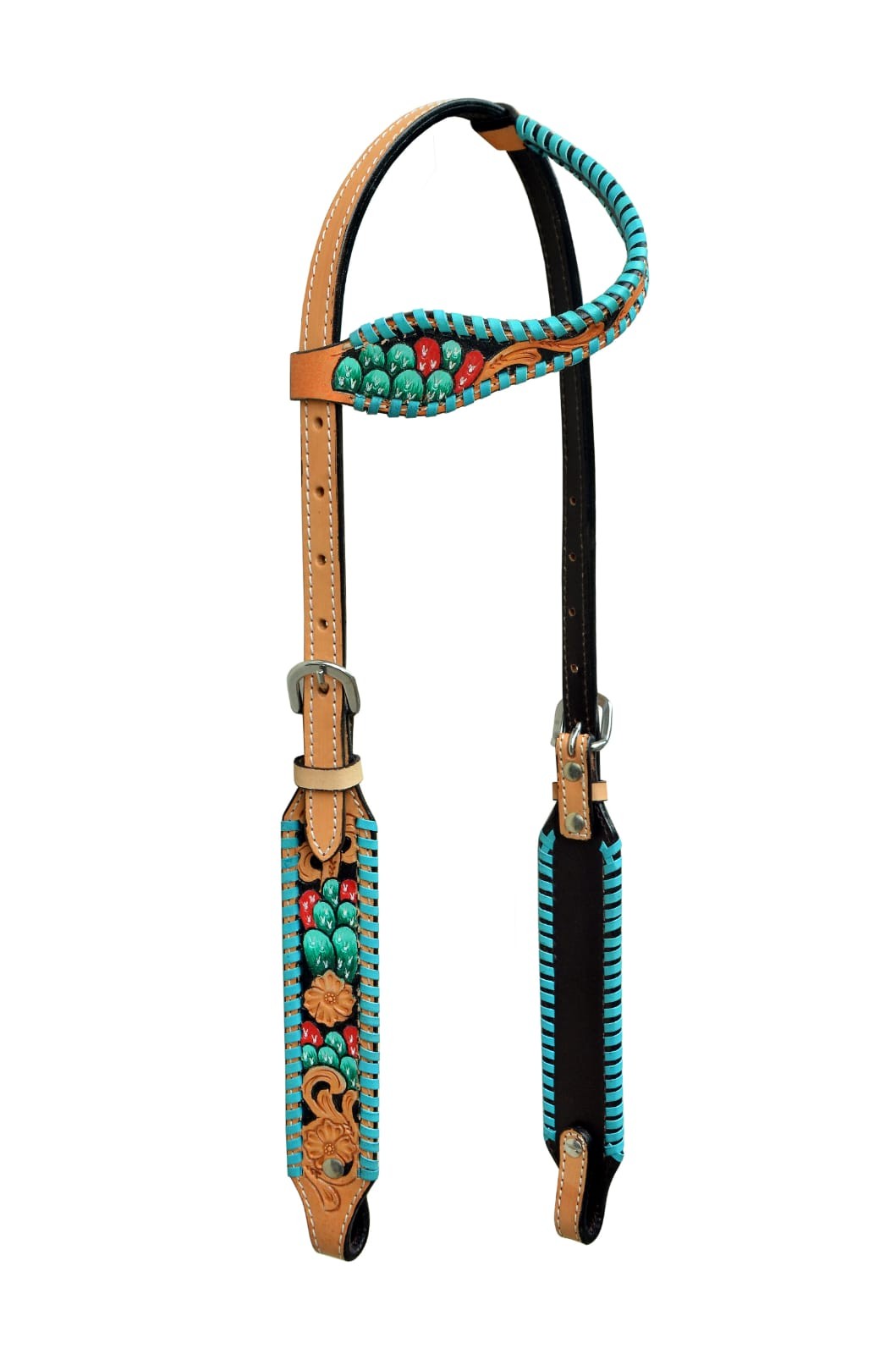 Horse Western Tack Cactus Tooled Leather One Ear Headstall Show Bridle 78AD20HA$48.99View on eBay
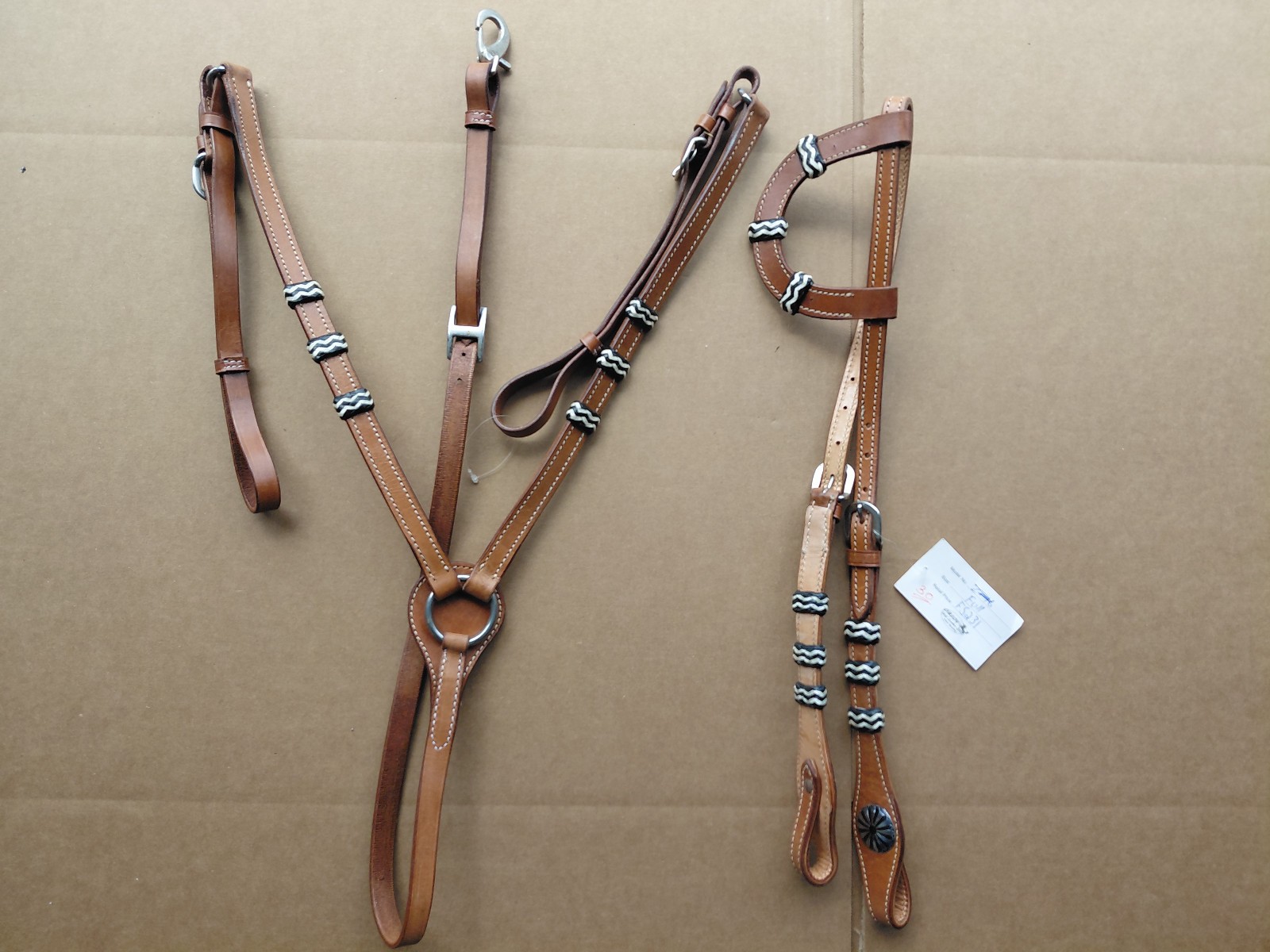 WESTERN ONE EAR HEADSTALL BREAST COLLAR BLACK INLAY CONCHO RAWHIDE FULL SIZE$49.99View on eBay
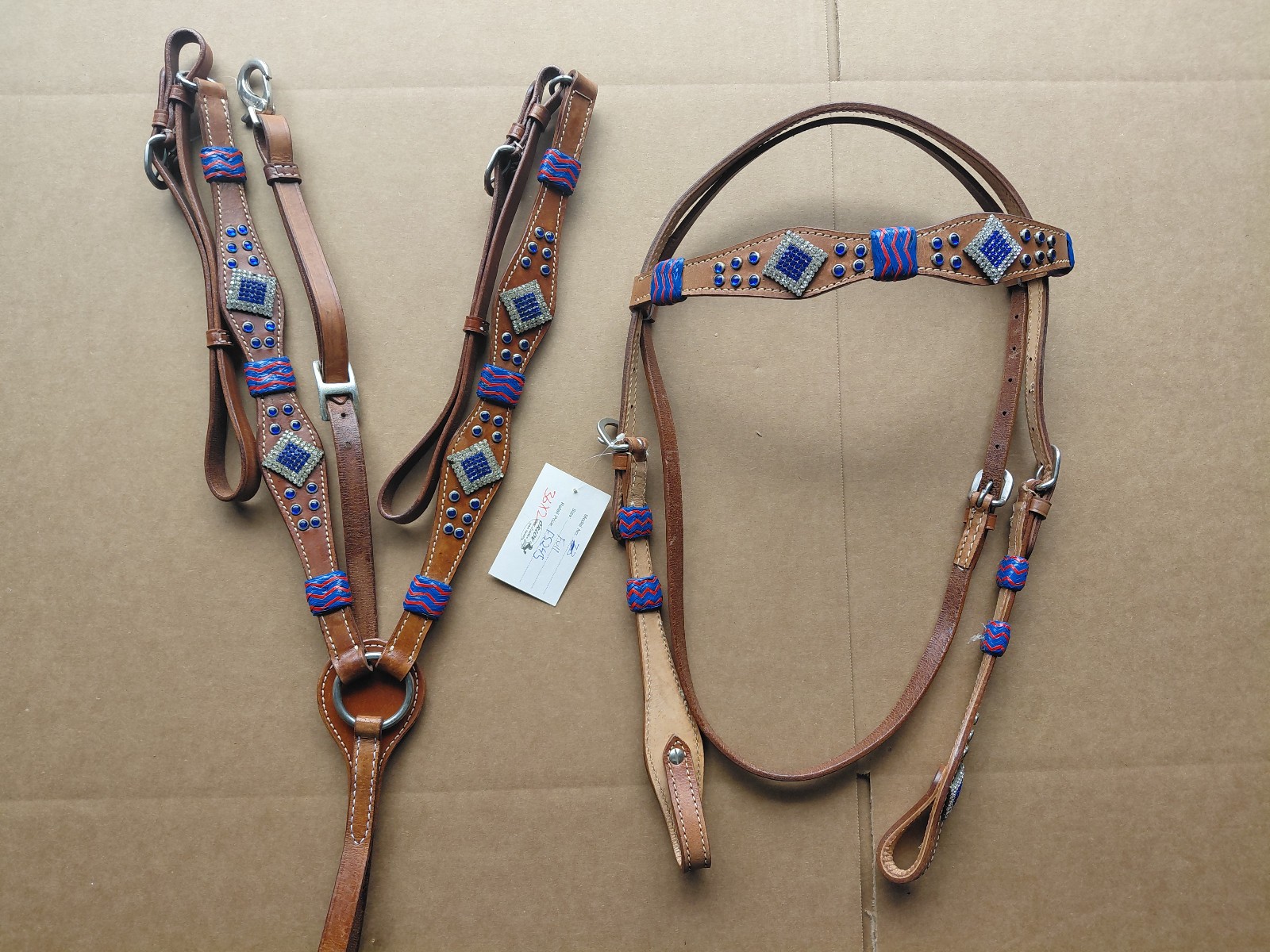 WESTERN HEADSTALL BREAST COLLAR BLUE RHINESTONE RAWHIDE KNITTED FULL SIZE$49.99View on eBay
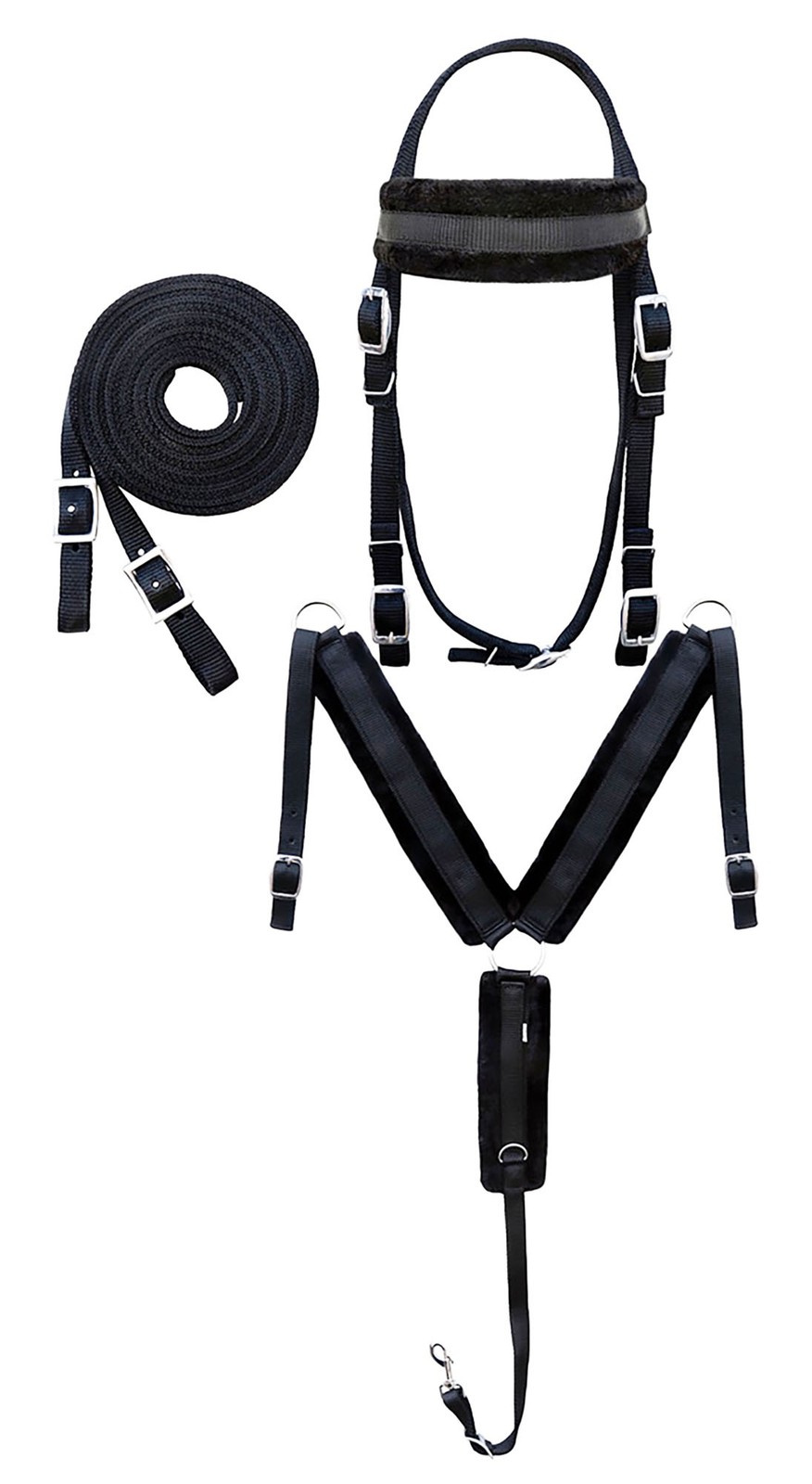 Horse Western 3-Piece Nylon Bridle Breast Collar Reins Tack Set 601J03$54.99View on eBay
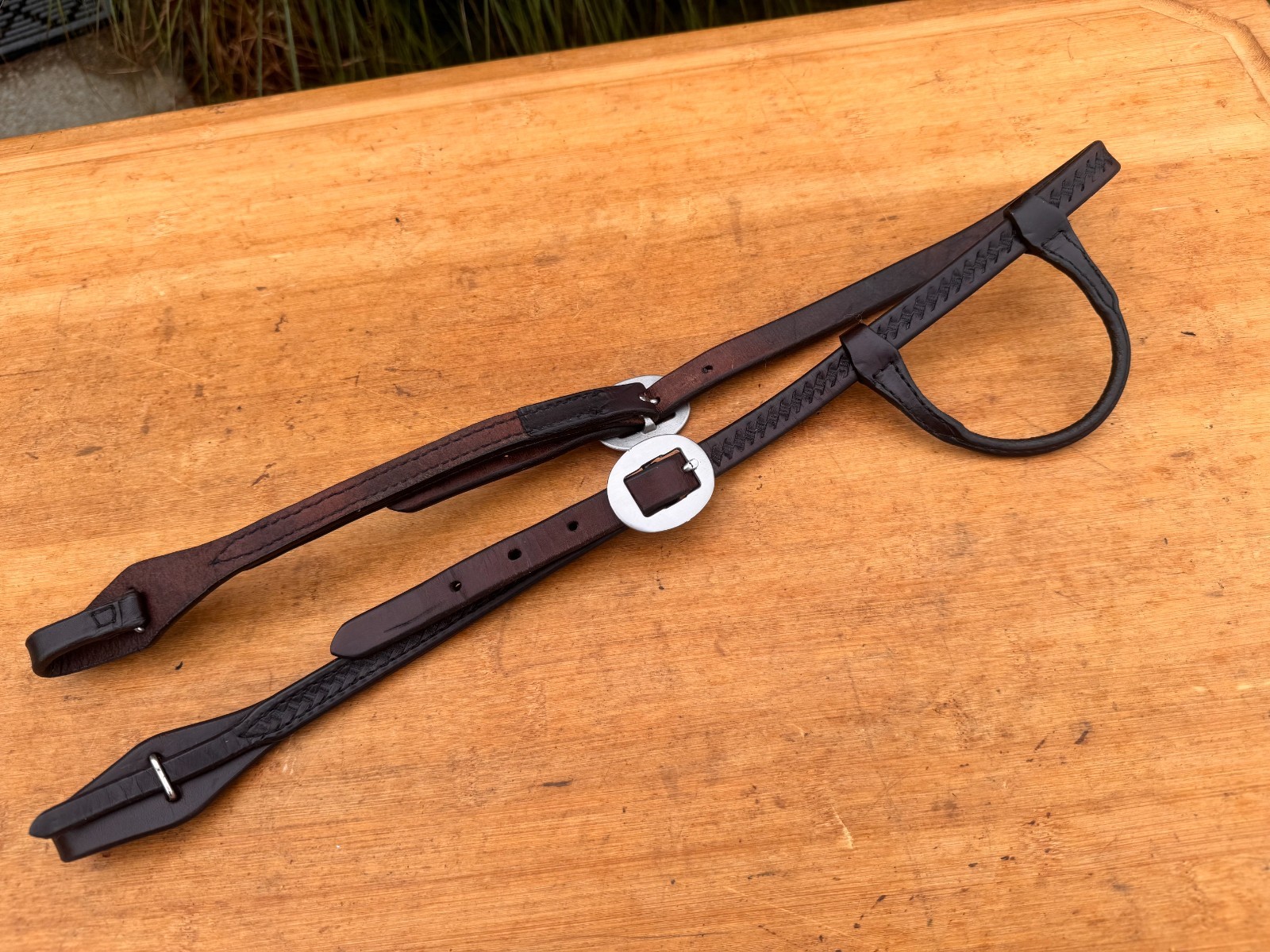 TOP QUALITY Tooled One Ear Western Horse Headstall w Quick Change Ends$55.00View on eBay
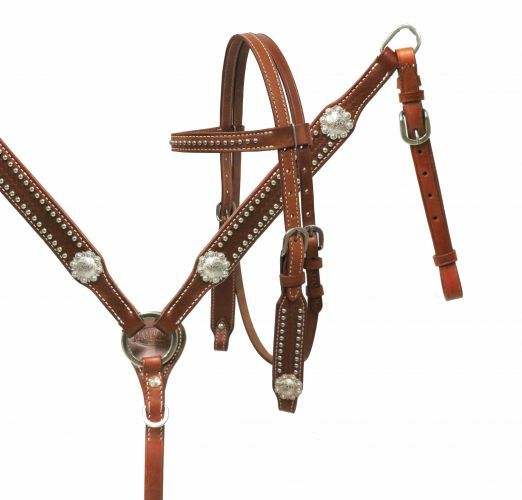 Western Pony Size Horse Bridle + Breast Collar Leather Tack Set w/Silver Conchos$59.80View on eBay
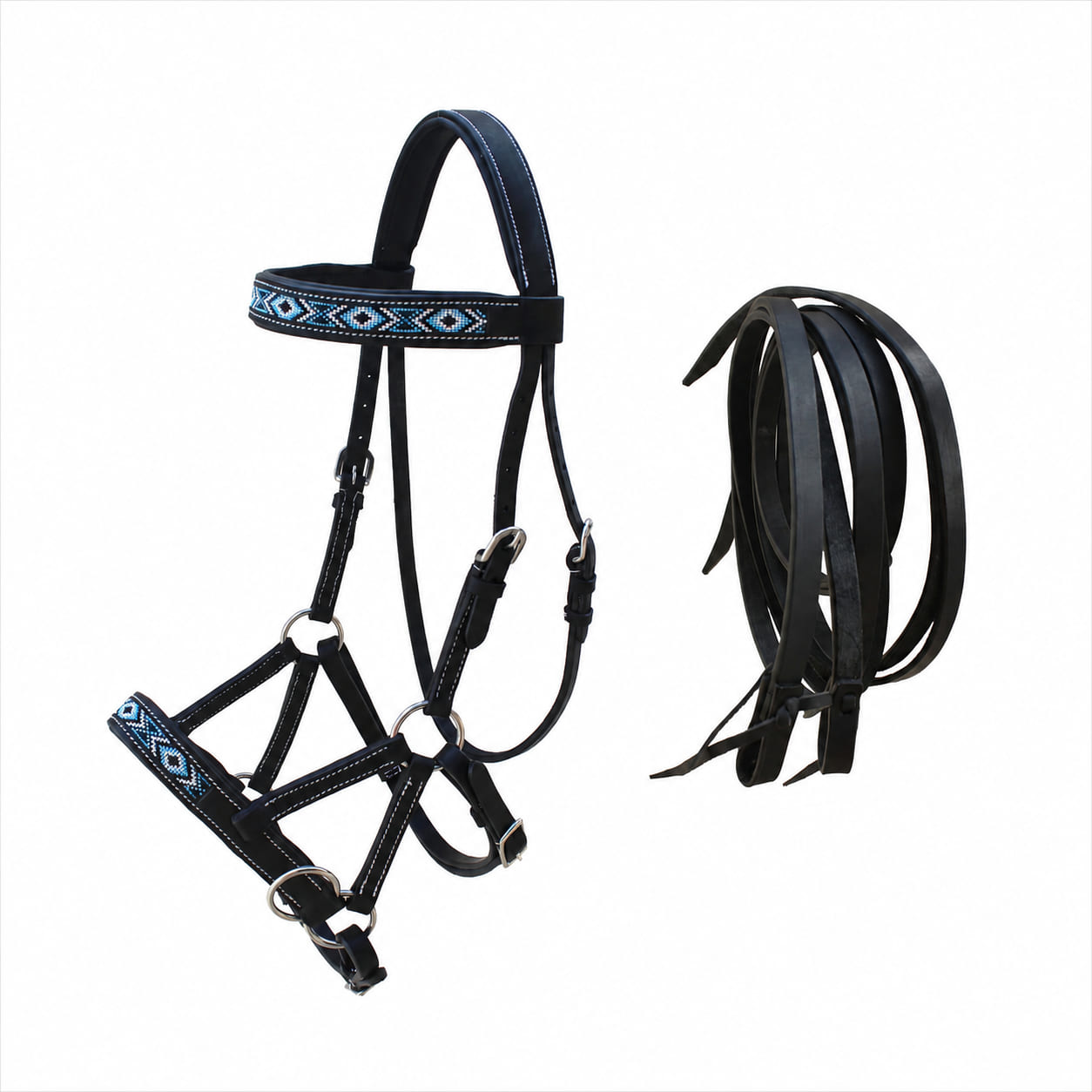 Horse Western English Leather Bitless Sidepull Bridle w/ Split Reins 77RS11$59.99View on eBay
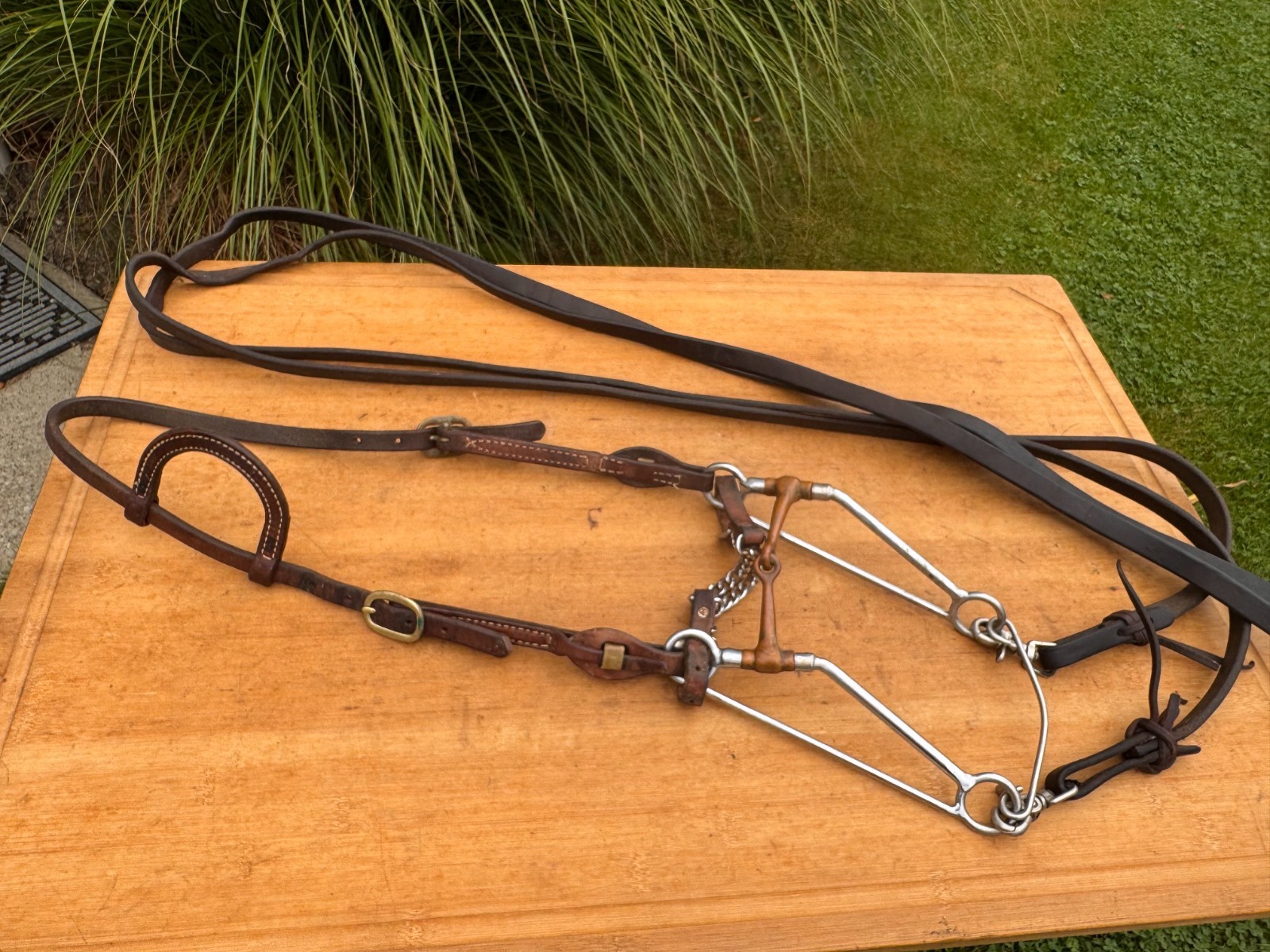 Quick Change Western Horse Bridle w Long Shank Copper Mouth Bit & Split Reins$75.00View on eBay
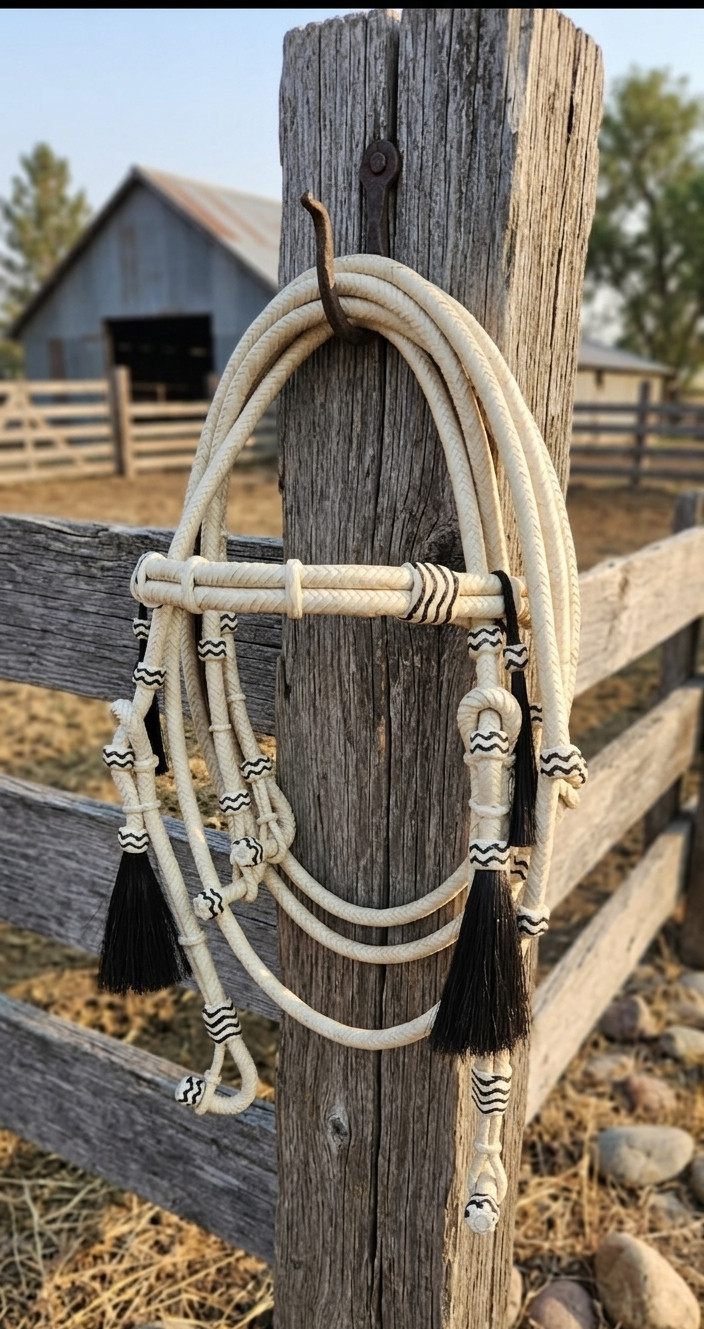 Natural Rawhide Western Leather Headstall Handmade Horse Bridle with Reins Set$89.99View on eBay
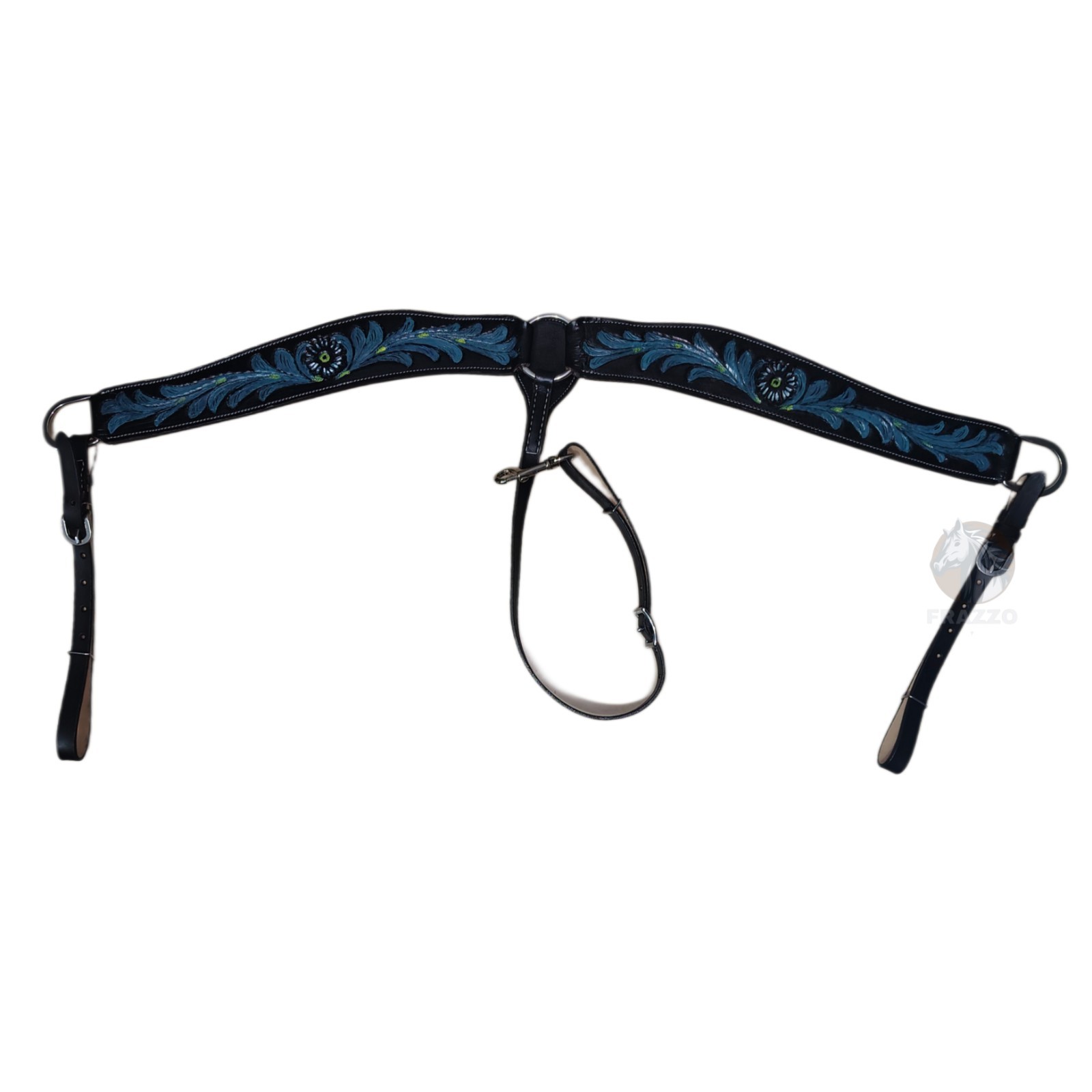 Western Tack Set, Headstall And Breast Collar With leather Reins$91.60View on eBay
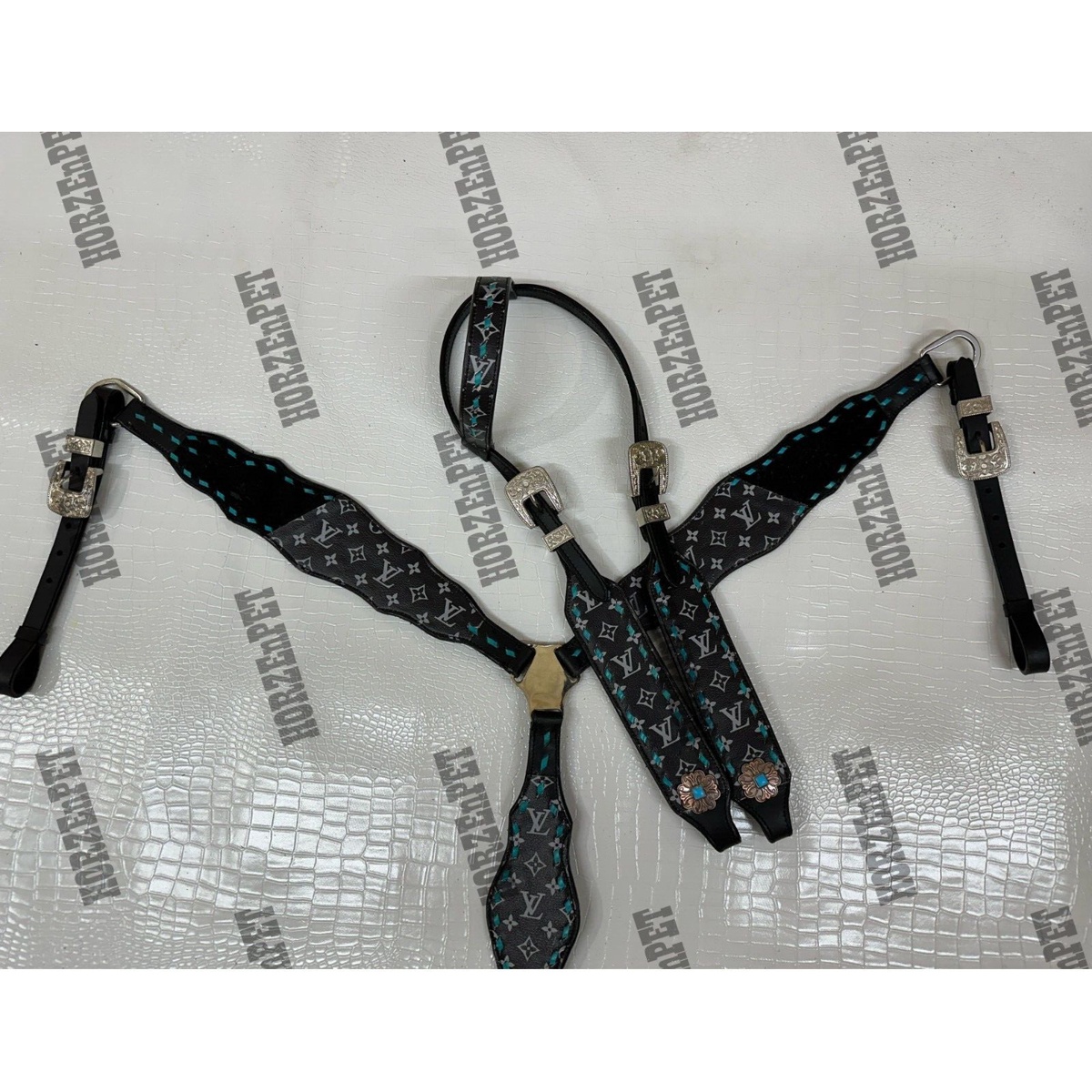 Black Leather Western One Ear Horse Headstall Breast Collar Turquoise Tack Set$119.00View on eBay
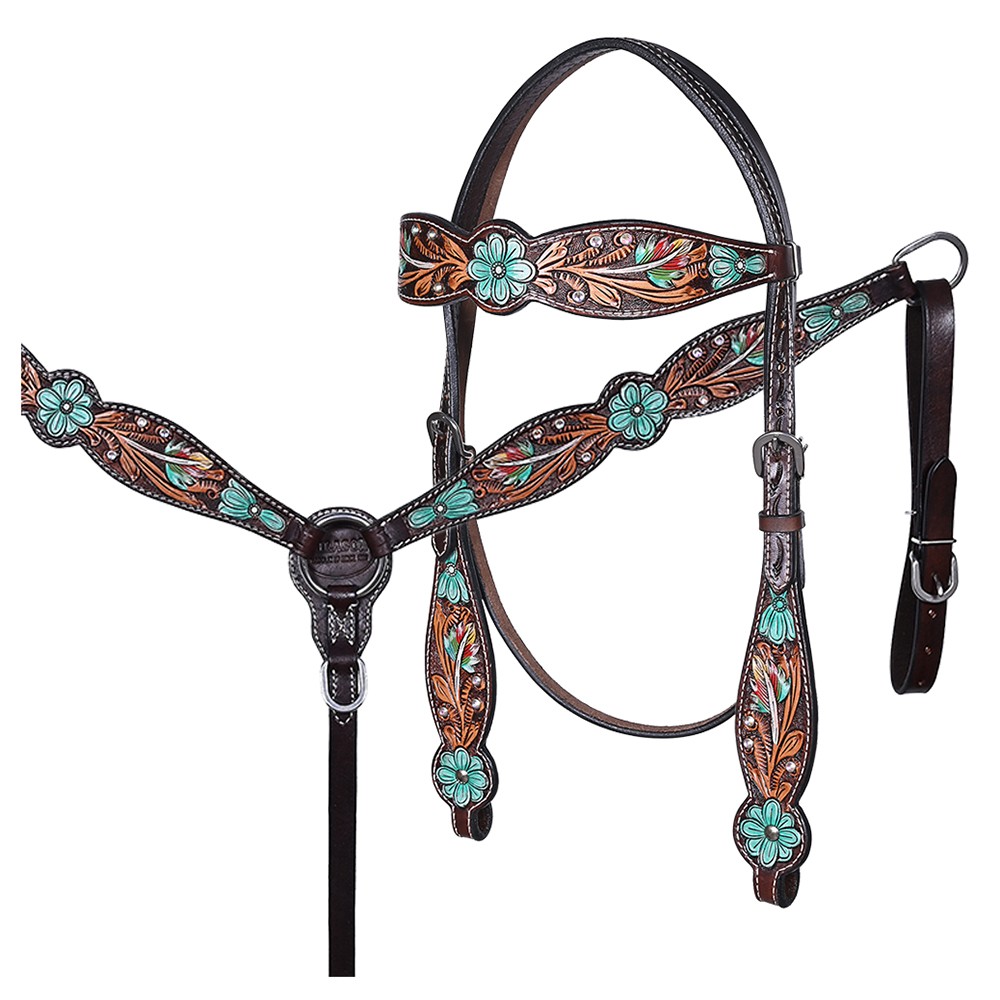 Western Headstall and Breast Collar Set HILASON Tooled Leather Horse Bridle Tack$119.95View on eBay
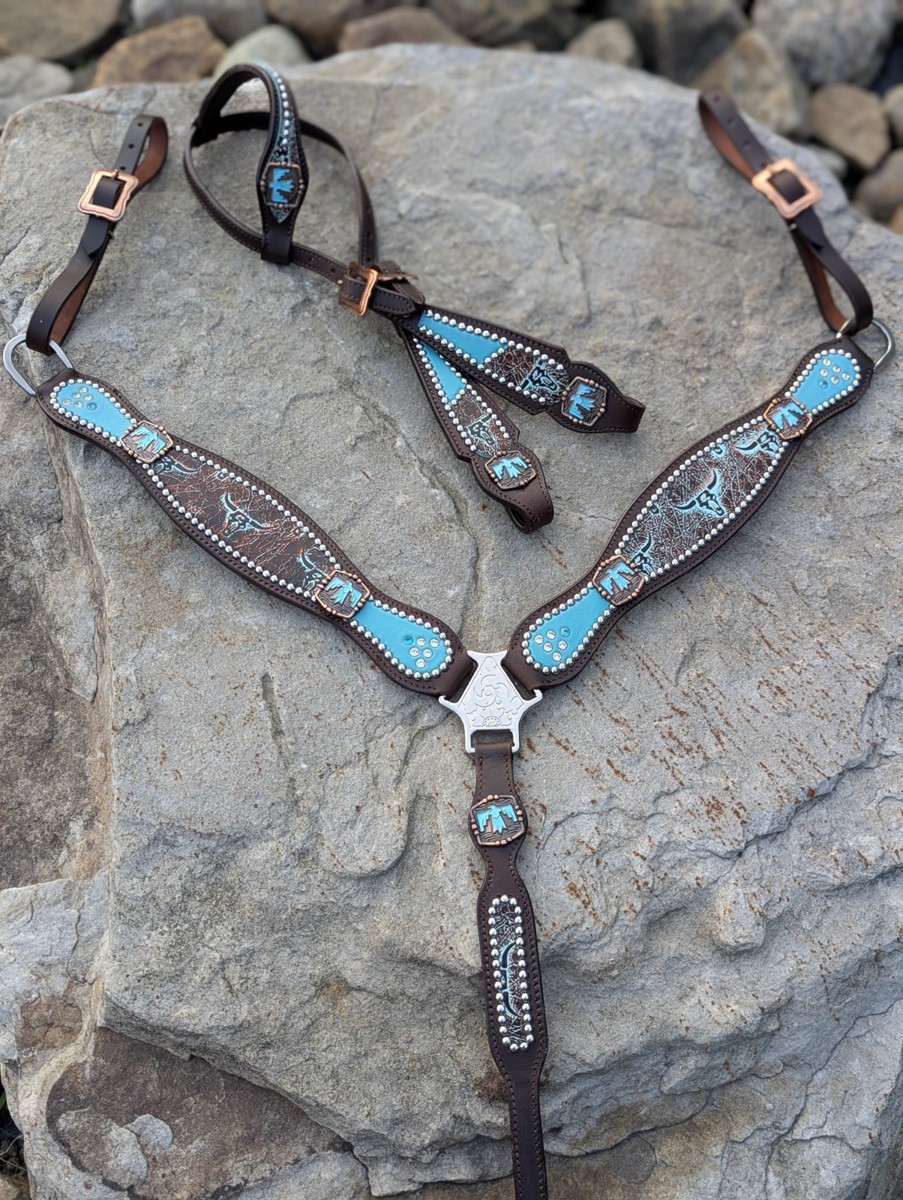 Teal Longhorn Pattern Tack Set Breast Collar Headstall Western Horse$175.00View on eBay
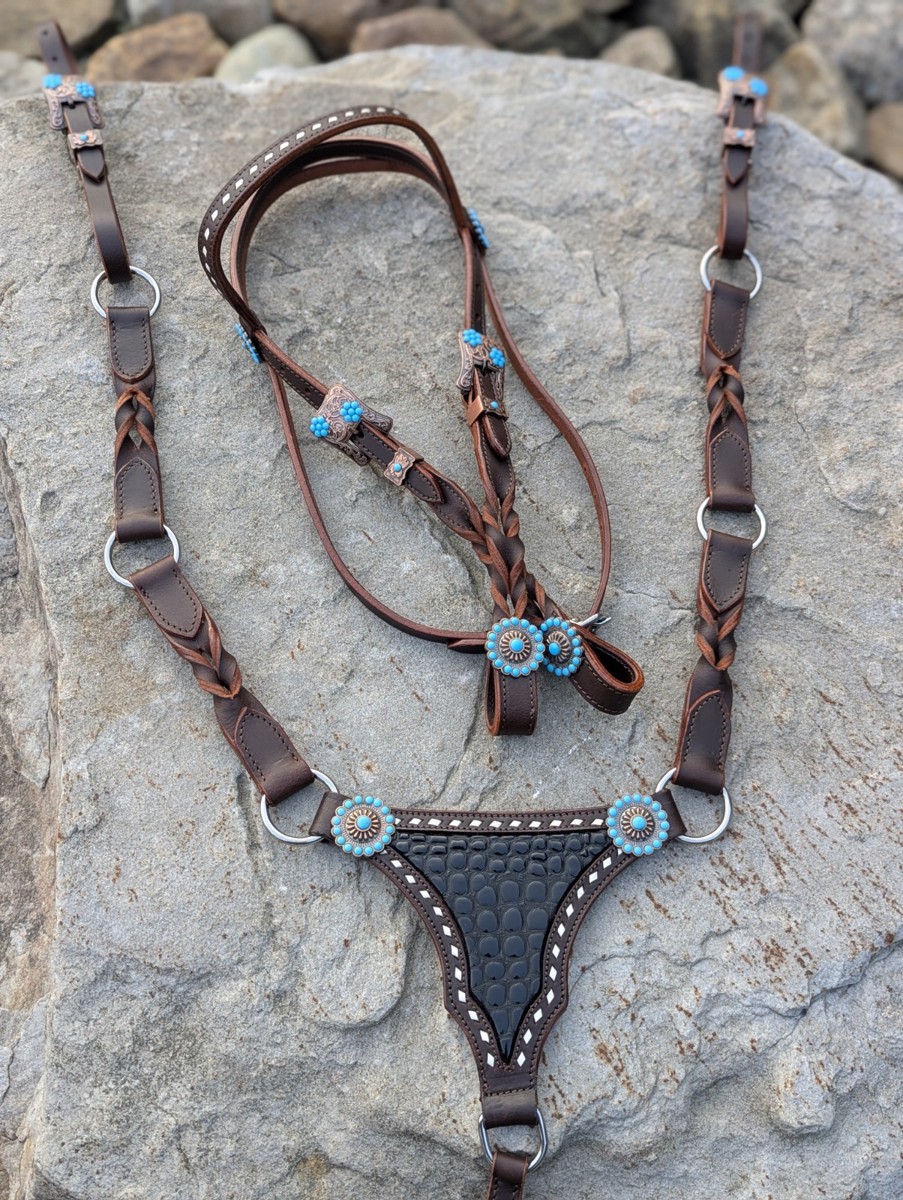 Braided leather Turquoise Accent Tack Set Collar Headstall Western Horse$175.00View on eBay
Highlights
- Headstall style changes fit and function: one-ear keeps the browband clear for heavy forelocks, browband distributes pressure for show, and two-ear locks the crown for roping.
- Harness leather (usually 8-10 oz) outlasts split or bonded leather; braided rawhide adds stiffness and abrasion resistance for futurity and working setups.
- Hardware material decides lifespan: solid brass or stainless steel buckles and conchos resist rust, while plated zinc or painted alloy flakes and seizes.
- Cheek length and bit hangers set bit height: average horse headstalls fit roughly 14-15 hand ponies to full-size horses, with cob and full sizing covering the extremes.
Best use cases
- Pick a one-ear rawhide or harness-leather headstall for daily trail and working riding — it clears the forelock, resists sweat, and takes a breast collar cleanly.
- Choose a browband show headstall with silver or laced accents for western pleasure and show classes; skip heavy roping hardware for arena pattern work.
- Use a nylon or leather three-piece bridle-and-breast-collar set for lesson programs and wet climates; skip thin decorative leather for anything ridden several times a week.
- For futurity or snaffle-bit training, select a braided rawhide headstall with rein chains or slobber straps rather than a padded show bridle.
Buying tips
- Measure from the corner of the mouth over the poll to the other corner; add 2-4 inches for buckle adjustment, then match to cob, average, or full headstall sizing.
- Choose 8-10 oz harness leather for working bridles and thinner 6-7 oz leather for show; leather under 1/8 inch thick stretches under a tied horse.
- Match hardware to climate: stainless steel or solid brass in wet, coastal, or sweat-heavy use; avoid plated alloy that pits within a season.
- Confirm bit compatibility: a standard 5-inch cheek fits most average headstalls, while one-ear and two-ear styles need correct cheek length to set bit height.
Specs
| Headstall Style | One-ear / Browband / Two-ear |
|---|---|
| Leather Grade | Harness 8-10 oz vs Show 6-7 oz |
| Hardware | Solid brass / Stainless vs Plated alloy |
| Size Range | Cob / Average / Full horse |
Related searches
What to check before buying
- Measure your horse's head length and width before ordering: cob fits smaller 13-14 hand stock, average fits 14-15 hand horses, full fits 15-16 hand and larger heads.
- Check your bit's cheek length and ring size so the headstall's bit hangers set the bit at the correct height without pinching.
- For breast-collar sets, measure heart-girth and confirm the collar adjusts to your horse's shoulder width; ill-fitting collars restrict stride.
- Verify hardware finish against your climate and wash routine — solid brass and stainless survive sweat and rain; painted or plated alloy does not.
FAQ
Data sources: eBay / Amazon listings and product attribute feeds Data updated Nov 16, 2026.
Some links on this page are affiliate links. If you buy after clicking one, we may earn a commission at no extra cost to you. This does not change which products appear here or their order. Affiliate disclosure.