Photos from current listings. Actual item, color, and included accessories may vary.
Horse Bridle Buying Guide
A horse bridle is the headgear that connects the bit and reins to the horse's head, and the core trade-off is leather quality and hardware strength versus low-cost nylon or rawhide construction. Durable bridles use vegetable-tanned leather with solid brass or stainless buckles and stitched joints, while compromises rely on thin split leather, glued seams, or lightweight nylon that stretches under pressure.


At a glance
- Category
- Bridles, Bits & Reins
- Data updated
- Nov 16, 2026
Current offers
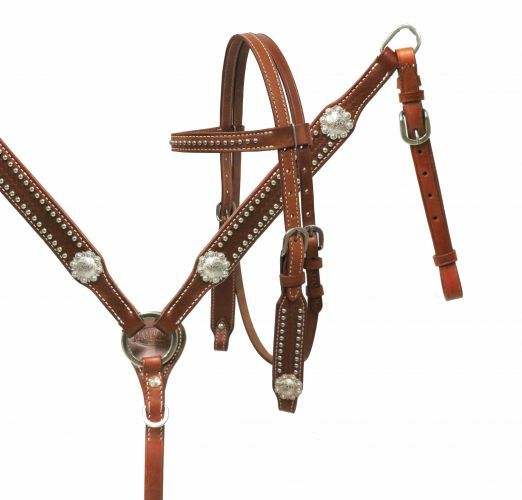 Western Pony Size Horse Bridle + Breast Collar Leather Tack Set w/Silver Conchos$59.80
 View on eBay
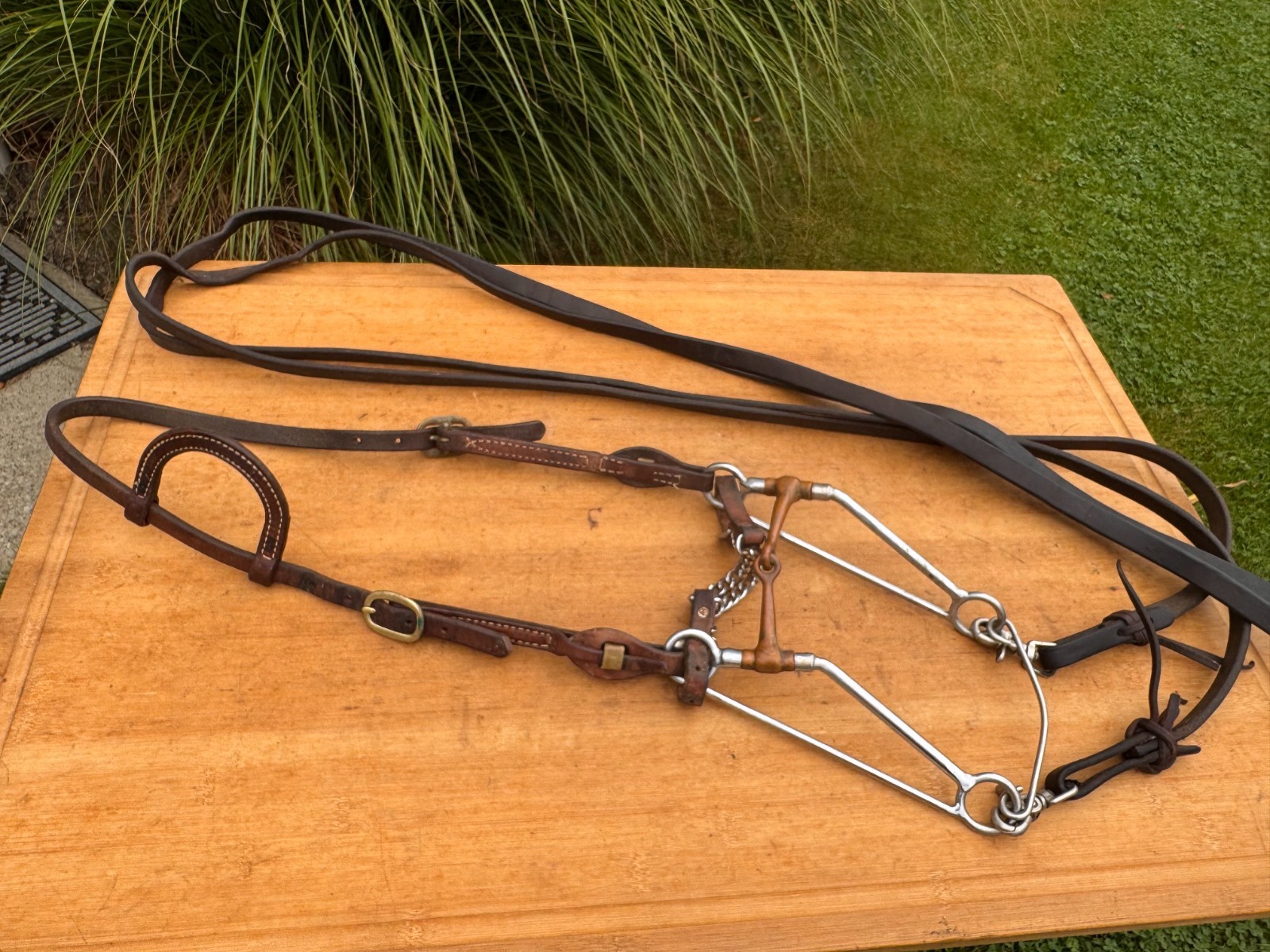 Quick Change Western Horse Bridle w Long Shank Copper Mouth Bit & Split Reins$75.00View on eBay
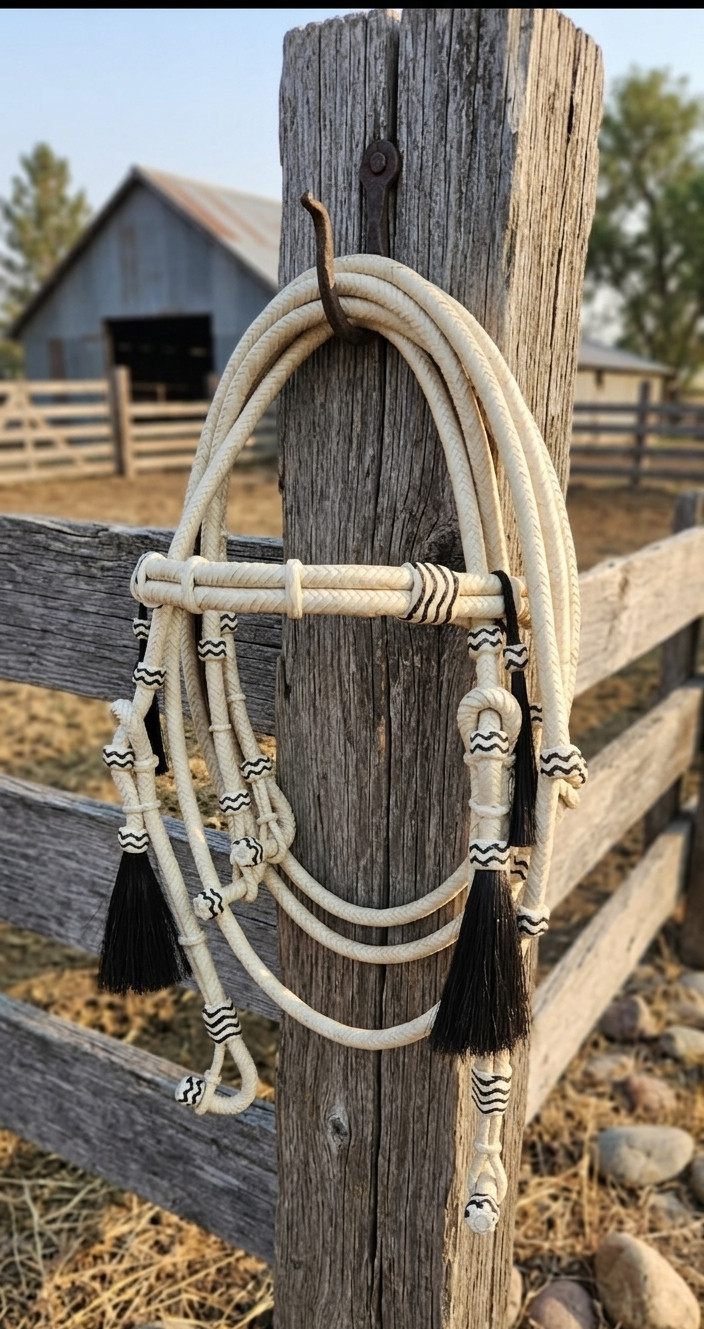 Natural Rawhide Western Leather Headstall Handmade Horse Bridle with Reins Set$89.99View on eBay
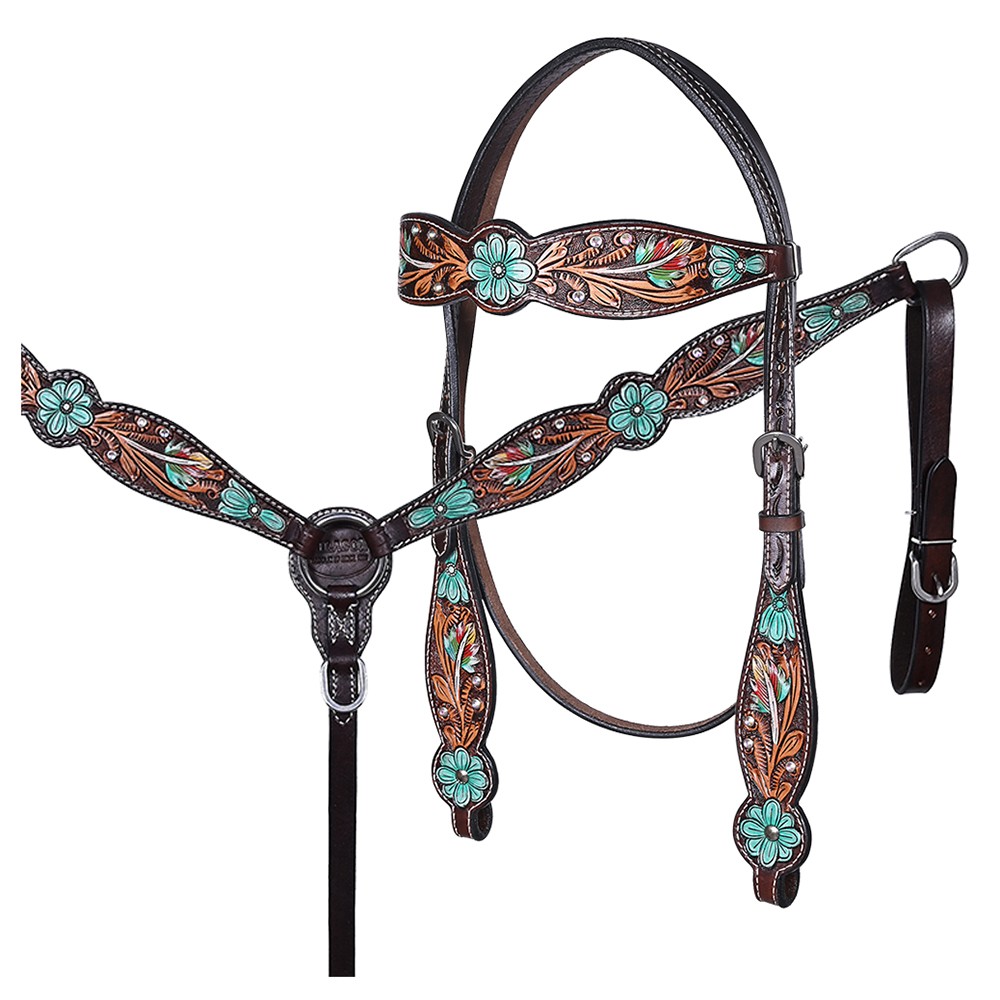 Western Headstall and Breast Collar Set HILASON Tooled Leather Horse Bridle Tack$119.95View on eBay
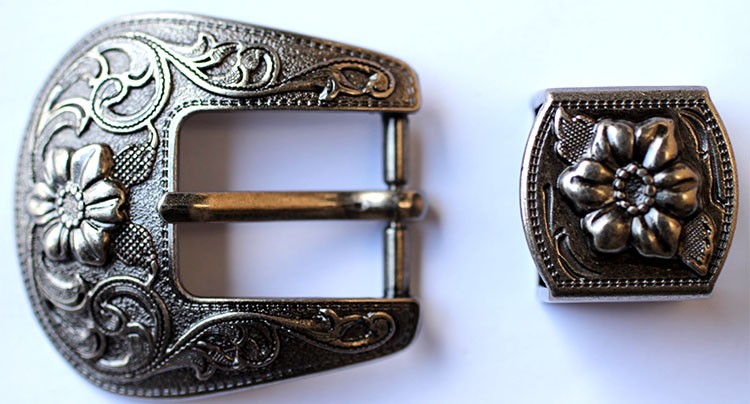 Set 2 Buckle Horse Saddle Western Headstall Bridle Tack Antique 5814$24.99View on eBay
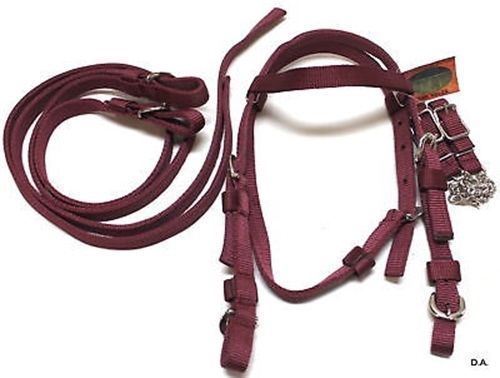 D.A. Brand Burgundy Pony Size Poly Nylon Bridle Set horse tack equine$28.99View on eBay
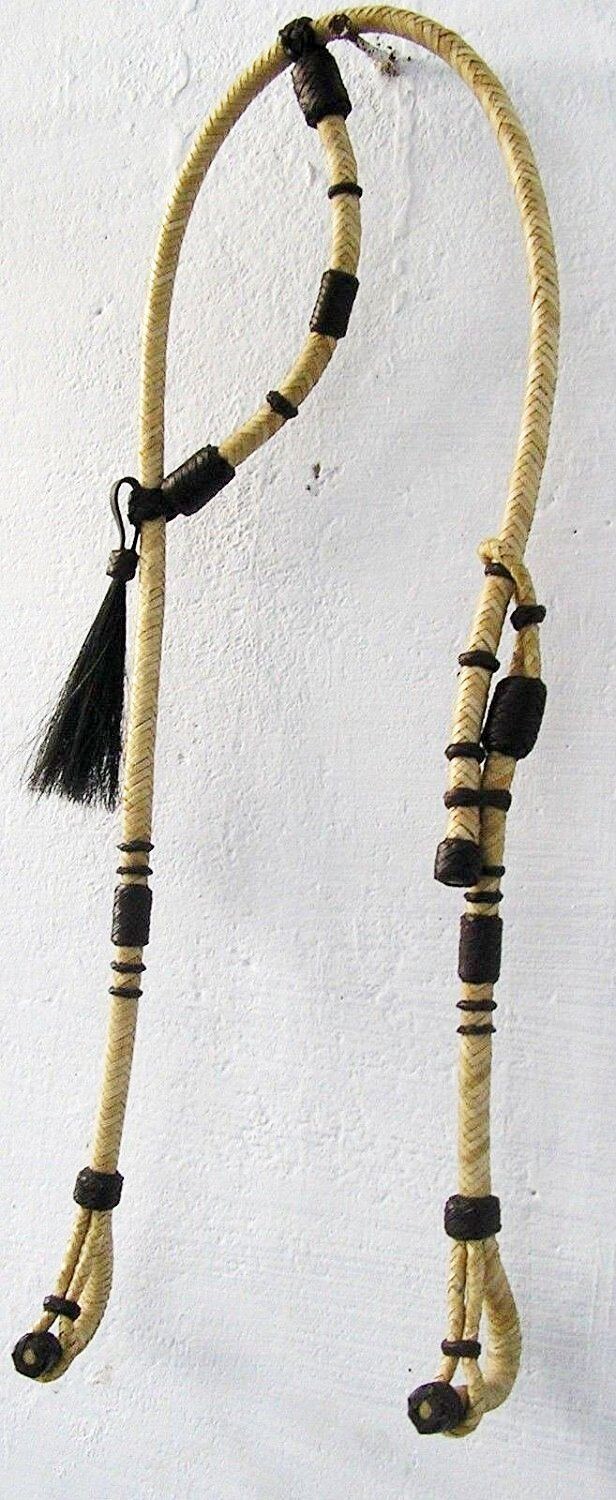 Western One Single Ear Headstall Rawhide Hand Braided Bridle Horse Tack Futurity$35.99View on eBay
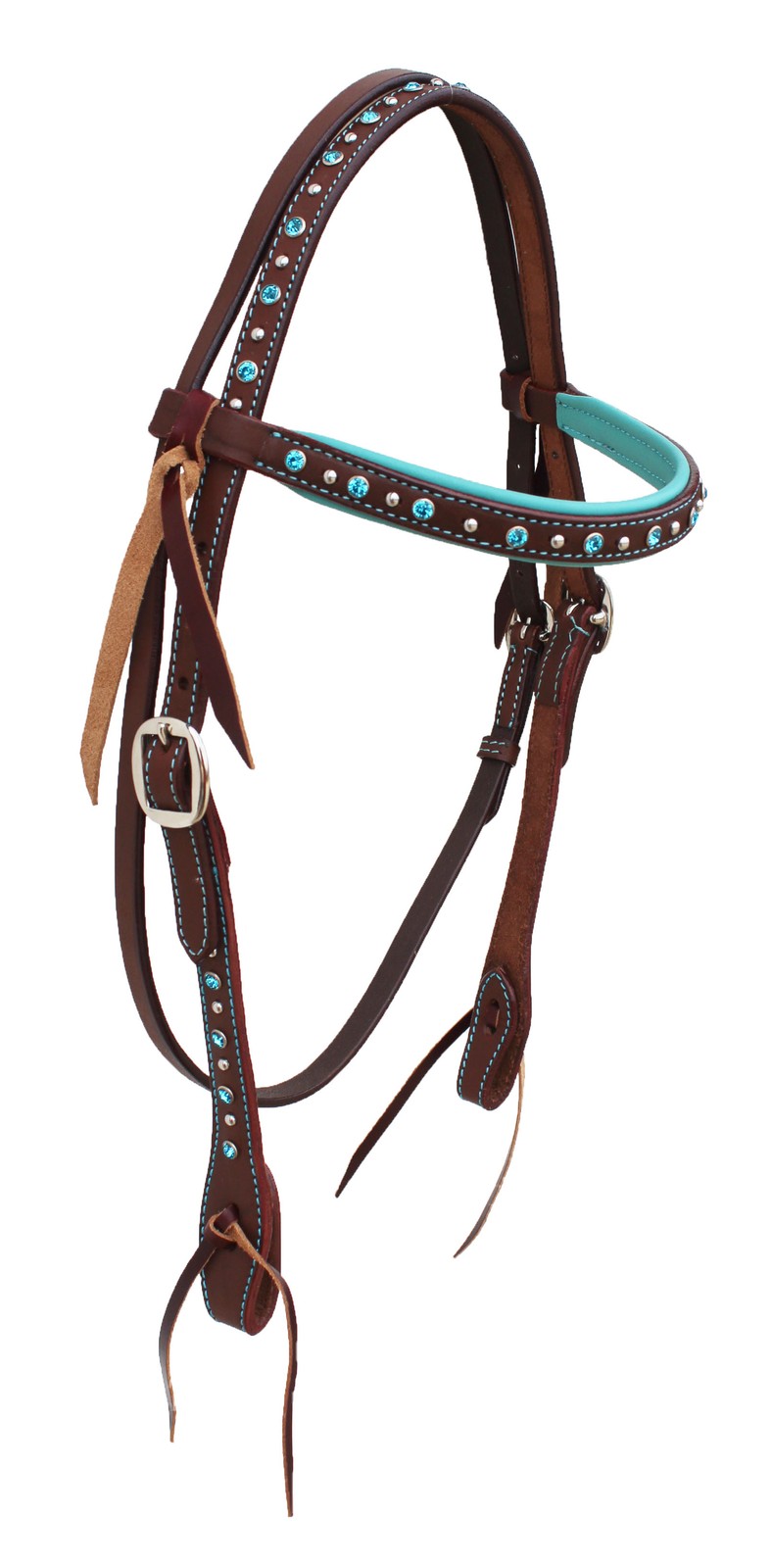 Horse Western Tack Turquoise Padded Leather Bridle Rhinestones 78AD12HB$39.99View on eBay
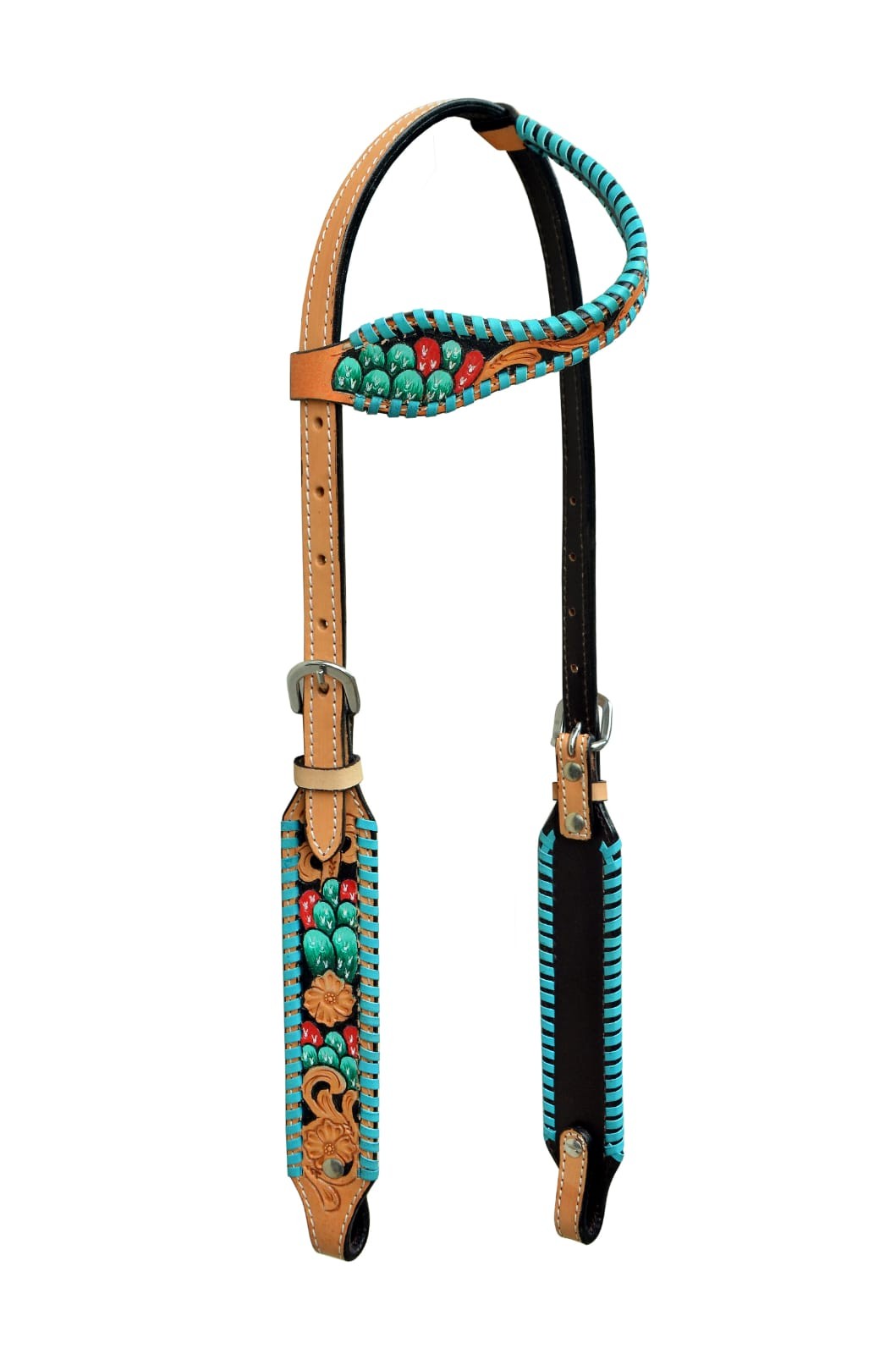 Horse Western Tack Cactus Tooled Leather One Ear Headstall Show Bridle 78AD20HA$48.99View on eBay
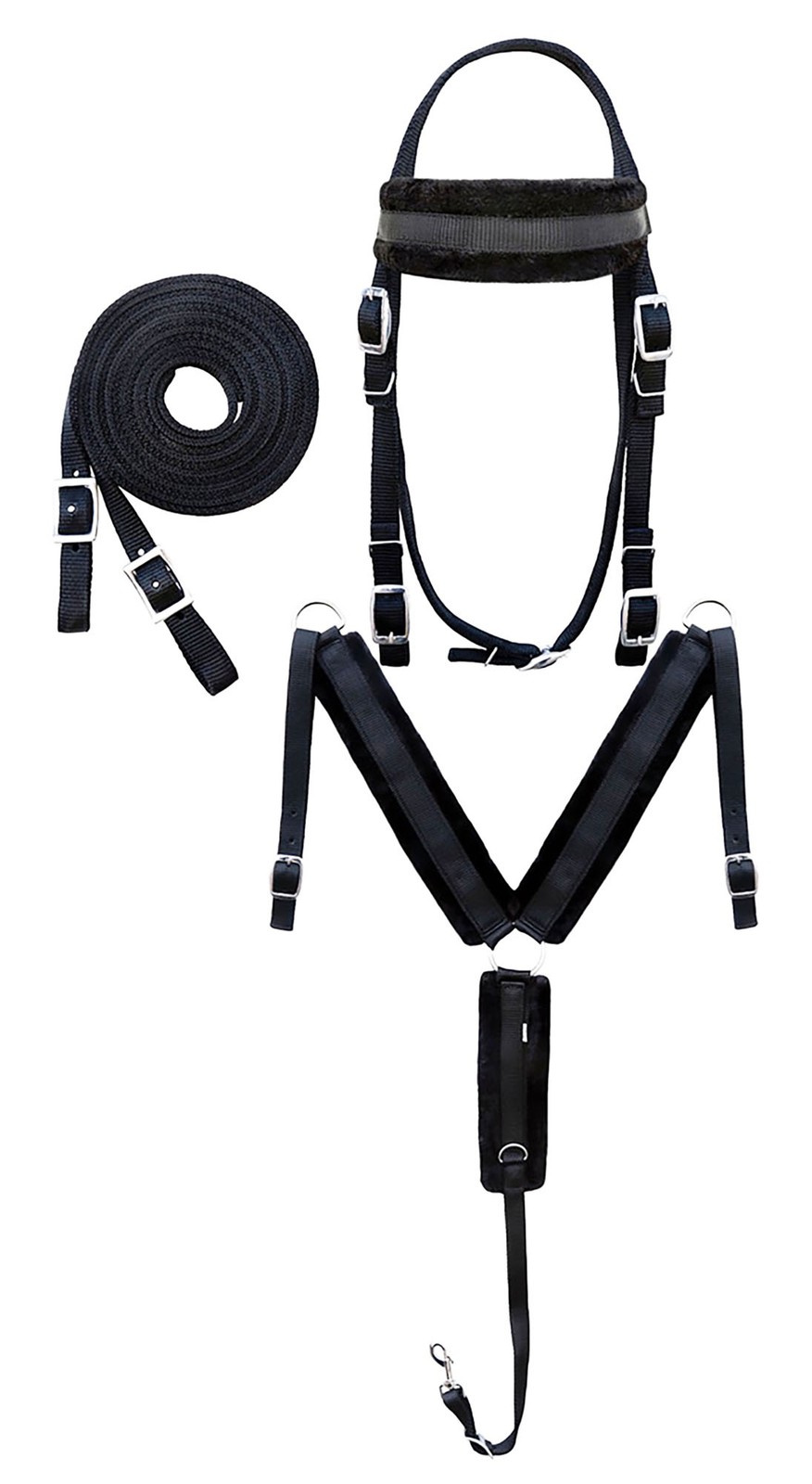 Horse Western 3-Piece Nylon Bridle Breast Collar Reins Tack Set 601J03$54.99View on eBay
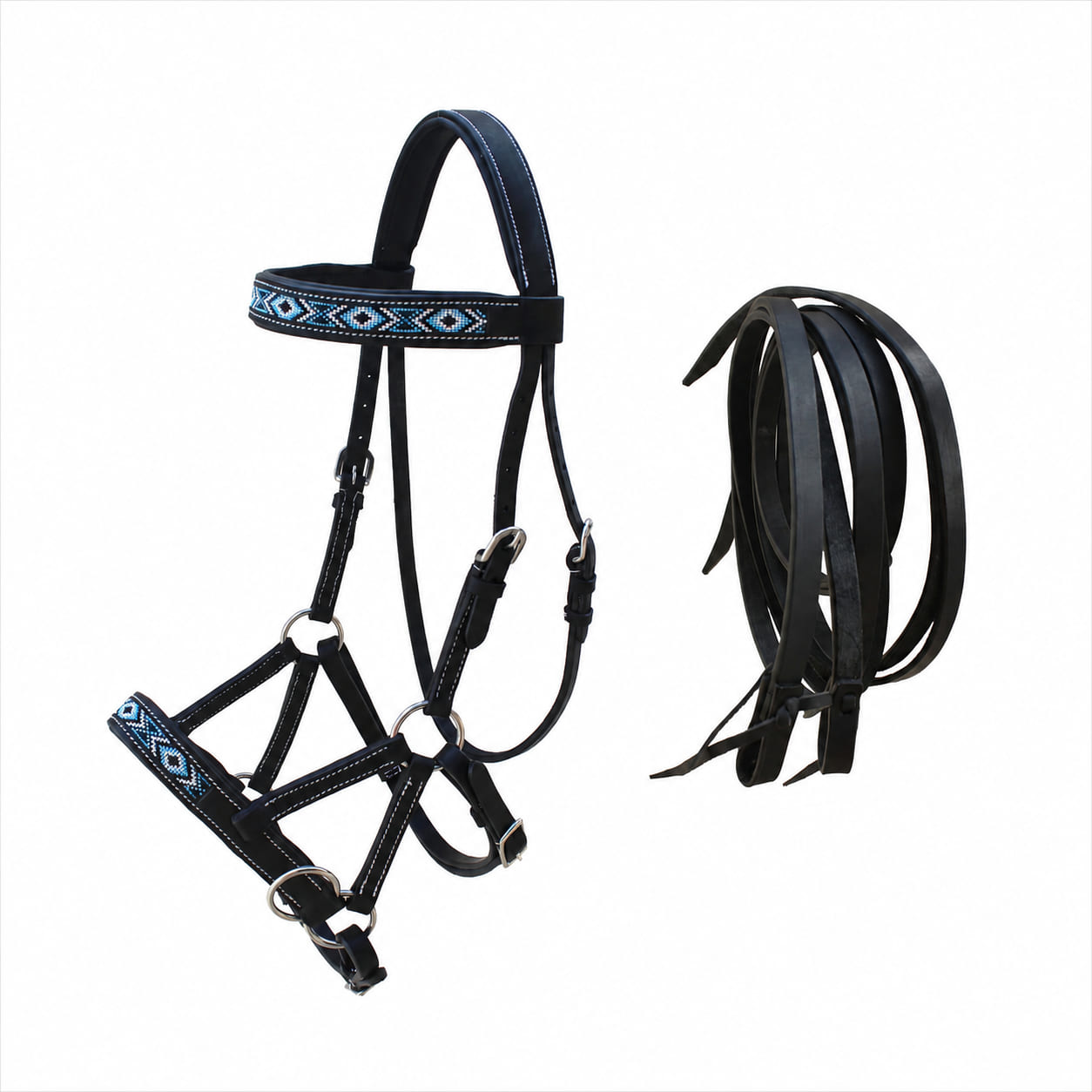 Horse Western English Leather Bitless Sidepull Bridle w/ Split Reins 77RS11$59.99View on eBay
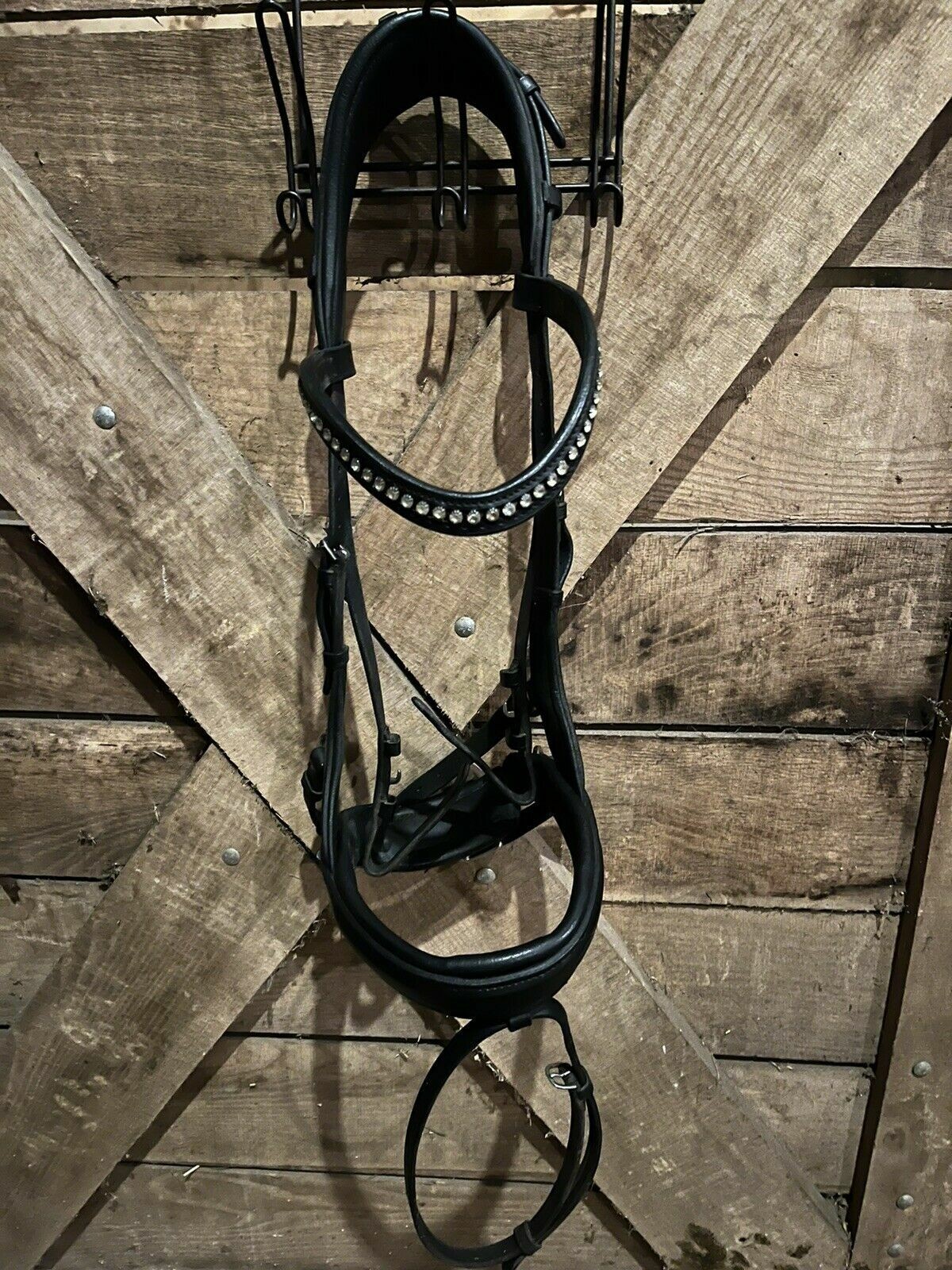 HORSE DRESSAGE BLACK BRIDLE WITH COMFORT LEATHER AND SOFT PADDED$94.29View on eBay
Highlights
- Leather bridles should use vegetable-tanned, 8-10 oz (3-4 mm) harness leather with stitched and riveted joints; bonded or split leather delaminates under rein pressure.
- Nylon bridles use 1-inch (25 mm) double-layer webbing with box-X stitching; single-layer nylon stretches and abrades quickly at bit and buckle contact points.
- Western headstalls split into one-ear, two-ear, and browband styles; one-ear designs offer quick bit changes but concentrate pressure on one ear, so fit must be precise.
- Hardware grade determines lifespan: solid brass and stainless steel resist rust and bend, while plated zinc buckles flake and deform at rein pressure points.
Best use cases
- Best fit: trail and ranch work — choose a leather headstall with reins and breast collar set in full horse size; skip decorative rhinestone or lacing bridles that snag on brush.
- Best fit: show and western pleasure — pick a tooled leather one-ear or browband show bridle with silver conchos; skip nylon sets that lack the finished look judges expect.
- Best fit: quick bit changes and training — use a one-ear headstall with buckle bit ends; skip browband bridles that require full disassembly for bit swaps.
- Wrong fit: pony or cob horses — full-size bridles run 5-6 inches too long on cheek pieces; select pony or cob sizing rather than punching extra holes that weaken straps.
Buying tips
- Measure your horse's head: crown to bit corner, then bit corner to noseband; a full horse bridle fits roughly 15-16 inch cheek pieces, cob 13-14 inches, pony 11-12 inches.
- Choose vegetable-tanned leather over chrome-tanned for bridles; it molds to the horse's head without cracking and accepts conditioning oil.
- Match bit hardware: 5-inch mouth bits need 1-inch cheek straps; long-shank bits paired with split reins require a headstall rated for leverage pressure.
- For nylon, insist on double-layer 1-inch webbing with reinforced box-X stitching at all stress points; single-layer nylon fails at buckle holes within a season.
Specs
| Headstall Style | One-ear / Browband / Two-ear |
|---|---|
| Material Grade | Veg-tan leather / Nylon / Rawhide |
| Size Range | Pony / Cob / Full horse |
| Hardware | Solid brass / Stainless / Plated zinc |
Related searches
What to check before buying
- Confirm horse size category — pony, cob, or full horse — by measuring crown-to-bit-corner length before ordering any bridle set.
- Verify bit compatibility: cheek strap width and bit-end style (buckle, Chicago screw, or quick-change) must match your existing bit.
- Check hardware material — solid brass or stainless steel only; plated zinc buckles deform and flake under rein tension.
- Measure your horse's head width for browband and noseband clearance; one-ear headstalls require exact ear placement and cannot be adjusted sideways.
FAQ
Data sources: eBay / Amazon listings and product attribute feeds Data updated Nov 16, 2026.
Some links on this page are affiliate links. If you buy after clicking one, we may earn a commission at no extra cost to you. This does not change which products appear here or their order. Affiliate disclosure.