Photos from current listings. Actual item, color, and included accessories may vary.
Climbing Shoe Buying Guide
Climbing shoes are specialized footwear with sticky rubber and a snug fit that balances edging precision, smearing friction, and comfort. The primary trade-off is between aggressive downturn and softness for steep terrain versus a flatter, stiffer last for all-day wear and support. Durable options use unlined leather or synthetic uppers with high-friction rubber and a tensioned rand, while compromises show thin soles, weak heel tension, and sloppy sizing.


At a glance
- Category
- Climbing & Bouldering Shoes
- Data updated
- Nov 16, 2026
Current offers
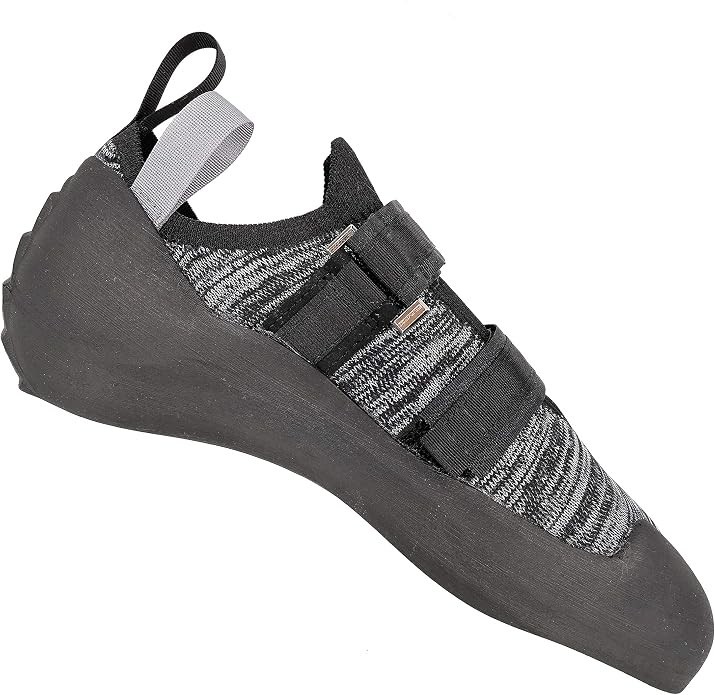 Climb X Icon Rock Climbing Shoe Knit Grey Size 10$24.99
 View on eBay
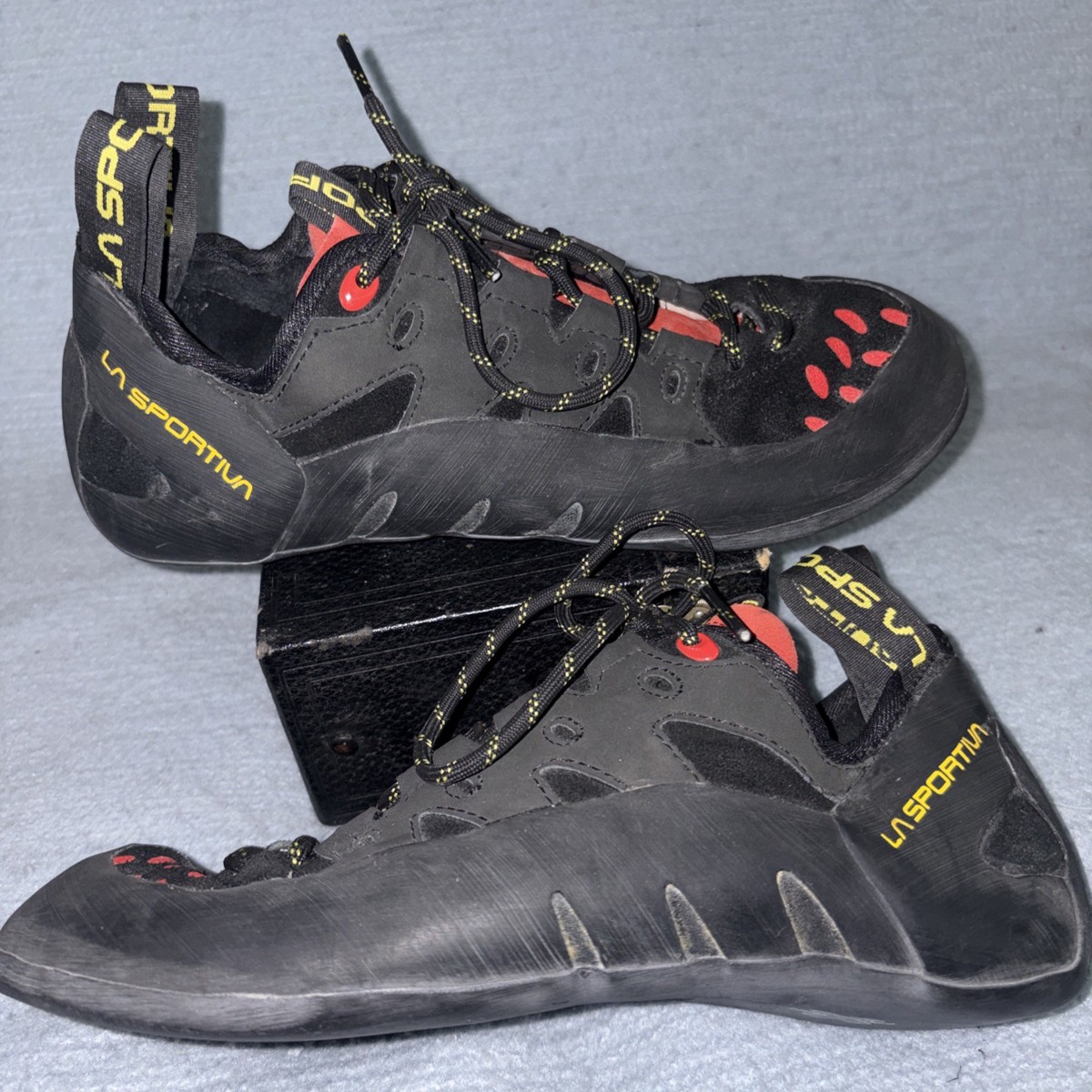 La Sportiva Tarantulace Climbing Shoe Mens 11 EU 44.5 Black Lace Up Shoes$29.00View on eBay
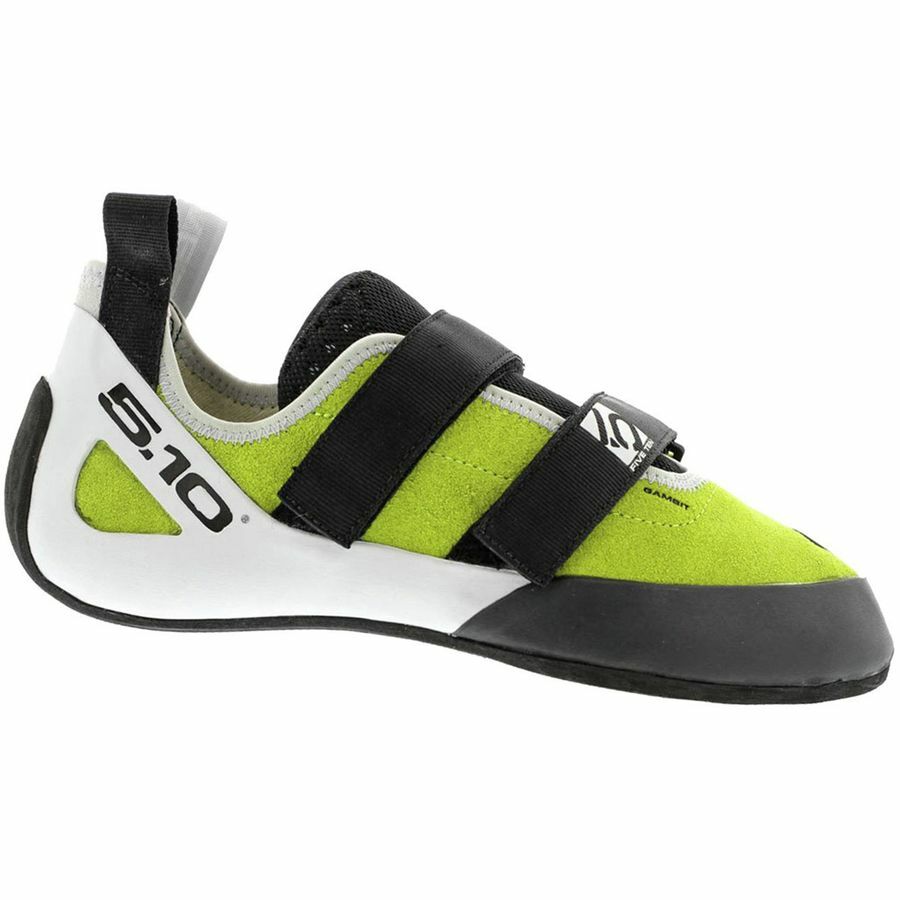 Five Ten Gambit VCS Men's Climbing Shoe$29.88View on eBay
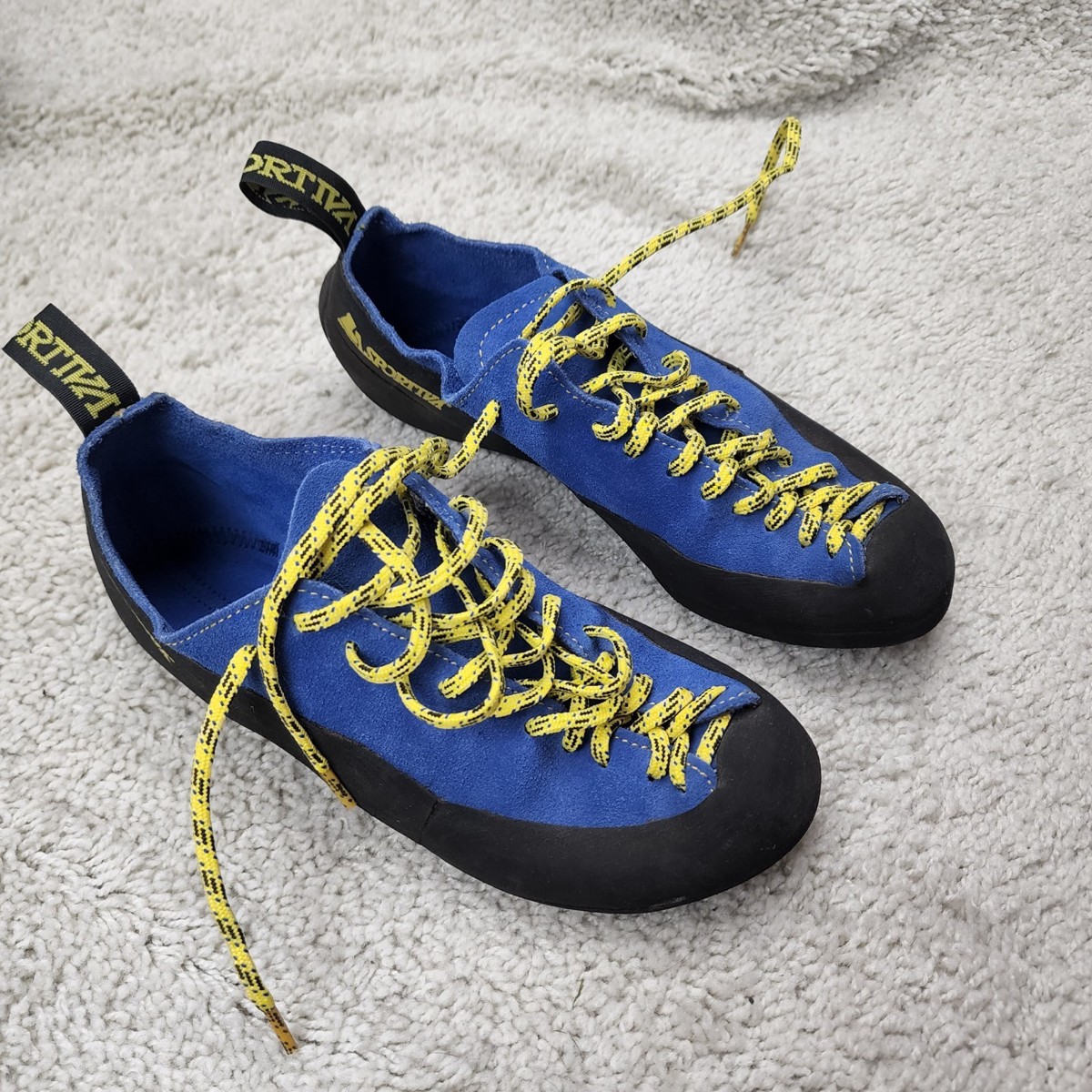 La Sportiva CLIFF Kaukulator Rock Climbing Shoe Retro Bouldering Gear Size 6 VTG$40.00View on eBay
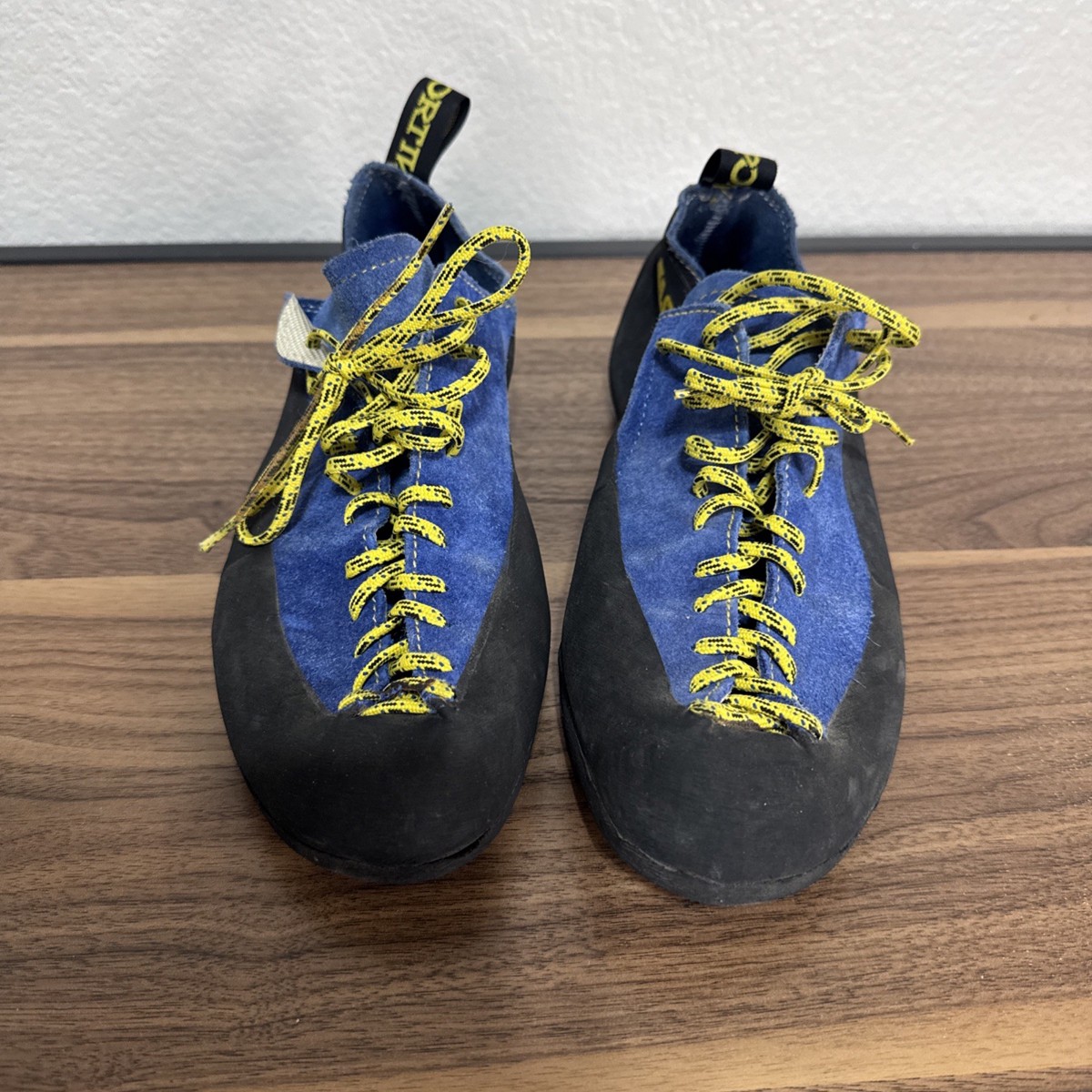 La Sportiva Rock Climbing Cliff Unisex Shoes Suede Blue Black Sz EU 42 US 9$29.99View on eBay
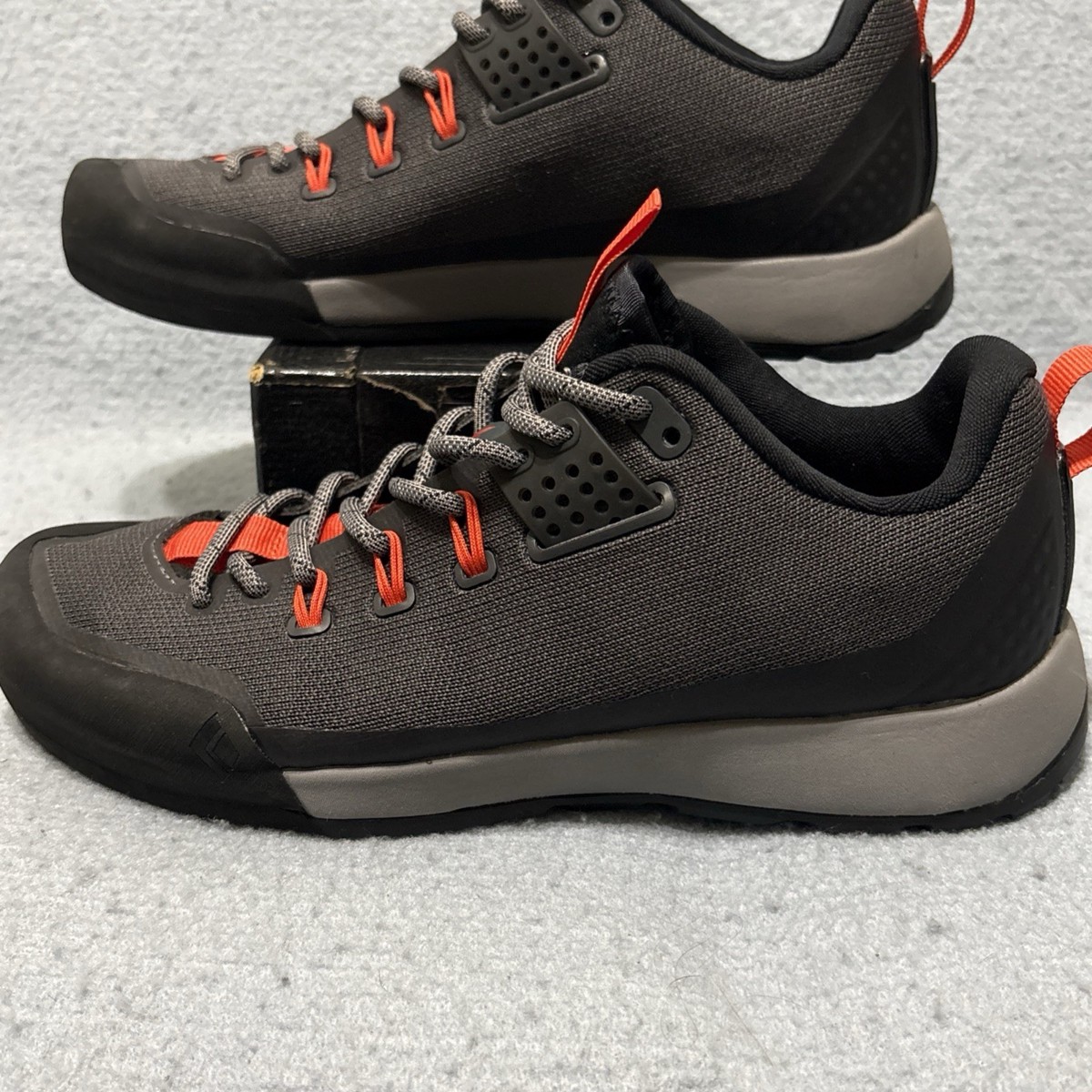 NEW Black Diamond Technician Approach Climbing Hiking Shoes Mens 8.5 Gray NEW$35.50View on eBay
Highlights
- Rubber thickness and compound determine friction and durability: 3.5–4.5 mm Vibram XS Grip or Stealth C4 balances grip and wear; thinner 3 mm soles excel on plastic but wear faster.
- Last shape and asymmetry: aggressive downturned (camber 15–25°) and asymmetric lasts suit overhangs; flat, symmetric lasts suit cracks, slabs, and beginner comfort.
- Closure systems: lace offers adjustable volume for wide feet; hook-and-loop speeds changes; slippers maximize sensitivity but stretch more.
- Upper materials: unlined leather stretches 1–1.5 sizes and molds; synthetic linings reduce stretch but resist odor; knit uppers breathe but abrade faster.
Best use cases
- Bouldering and steep sport: choose a downturned, soft shoe with a strong heel hook rand and 3.5–4 mm rubber; skip flat, stiff all-day models.
- Trad, cracks, and long routes: pick a flat, stiff last with lace closure and 4–5 mm rubber for support and crack protection; avoid aggressive downturn.
- Wide feet or high volume: select lace-up or hook-and-loop with a wide toe box and unlined leather that stretches; skip narrow slippers and low-volume lasts.
- Gym beginners and budget: choose a flat, moderately stiff synthetic shoe with 4 mm rubber and comfortable fit; skip high-end downturned models until foot strength develops.
Buying tips
- Fit snug but not painful: toes should be flat to slightly curled, heel snug without dead space; downsizing more than 1 EU size from street shoes causes hot spots and poor edging.
- Match rubber to use: 4–5 mm for outdoors durability; 3–3.5 mm for indoor plastic sensitivity; soft compounds grip better but wear faster on rough rock.
- Closure and volume: lace-ups adjust for wide feet and high insteps; hook-and-loop for quick changes; slippers stretch most and suit narrow, low-volume feet.
- Replace when rand is worn: resole before rubber wears through to the rand or midsole; a worn rand changes the last shape and fit permanently.
Specs
| Last Shape | Flat / Moderate / Aggressive downturn |
|---|---|
| Rubber Thickness | 3–5 mm (3 mm soft, 4–5 mm durable) |
| Closure Type | Lace / Hook-and-loop / Slip-on |
| Upper Material | Leather / Synthetic / Knit |
Related searches
What to check before buying
- Measure both feet in the afternoon and size to the larger foot; climbing shoes should be tight but not restrict circulation.
- Check gym or crag rock type: rough granite favors thicker rubber; plastic holds favor softer compounds.
- Confirm closure and upper compatibility with foot volume: wide feet need lace or adjustable hook-and-loop, not elastic slippers.
- Budget for resoles: quality shoes with 4–5 mm rubber can be resoled 1–2 times before the rand fails.
FAQ
Data sources: eBay / Amazon listings and product attribute feeds Data updated Nov 16, 2026.
Some links on this page are affiliate links. If you buy after clicking one, we may earn a commission at no extra cost to you. This does not change which products appear here or their order. Affiliate disclosure.