Photos from current listings. Actual item, color, and included accessories may vary.
Outdoor Wood Stove Buying Guide
Outdoor wood stoves split into two distinct architectures: ultralight foldable biomass cookstoves for backpacking and heavyweight tent stoves with chimney pipe for heating and cooking in camp. The primary trade-off is weight and pack size versus heat output, burn control, and chimney draft capability. Buy titanium or thin stainless folding stoves only when carried weight is the deciding constraint; buy carbon or stainless steel tent stoves with sectional flue and air sliders whenever you need sustained heat, overnight burns, or smoke routed out of a shelter.

At a glance
- Category
- Camp Kitchen & Stoves
- Data updated
- Nov 16, 2026
Current offers
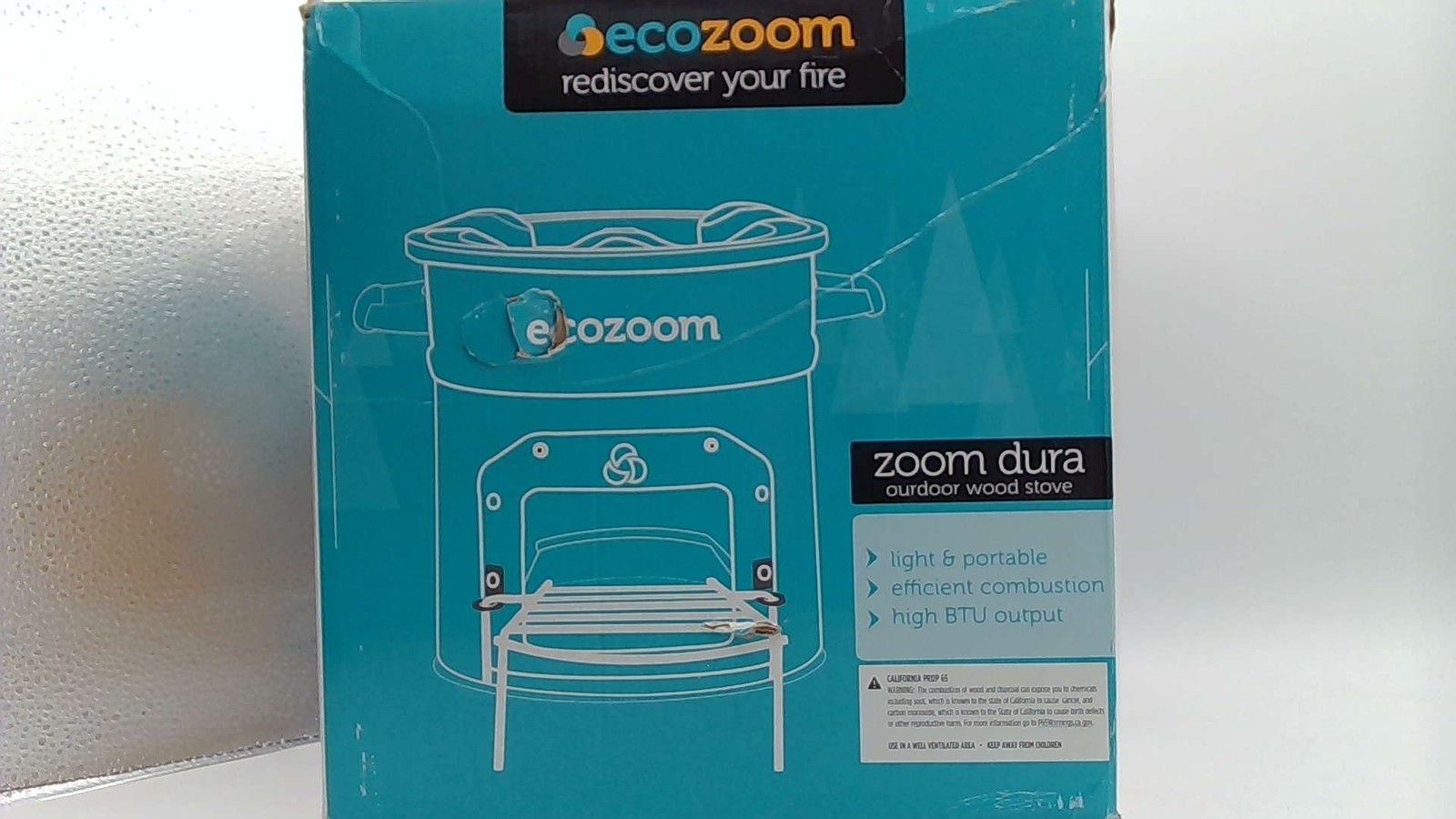 EcoZoom Zoom Dura Outdoor Wood Stove Blue$119.91
 View on eBay
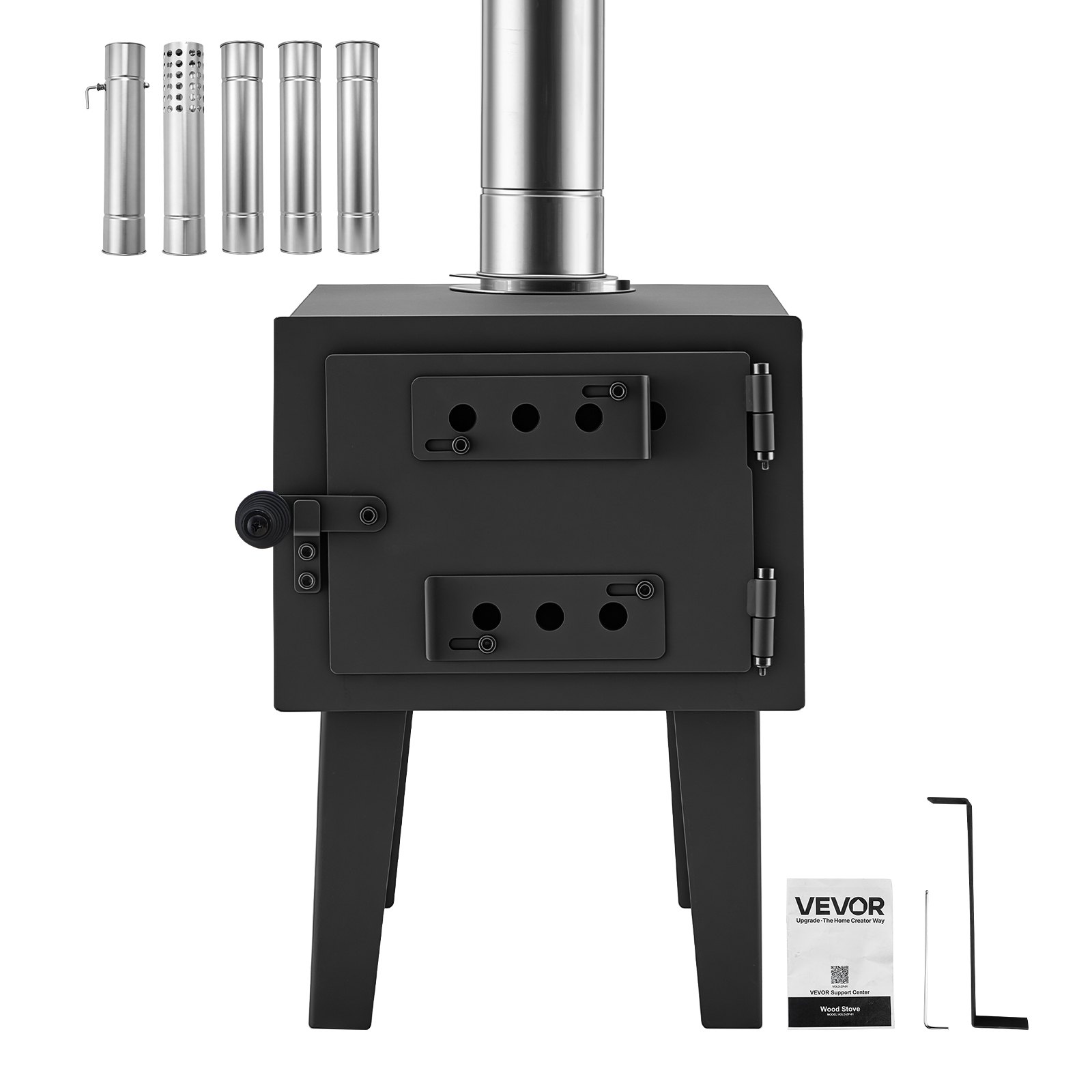 Wood Stove with Dual Sliders Control Burning Camping Tent for Outdoor Heating Cooking Drying, Carbon Steel, Extended Chimney Pipes, Retractable Bracket, and Spark Arrest Tube$170.99
 View on Mallflare
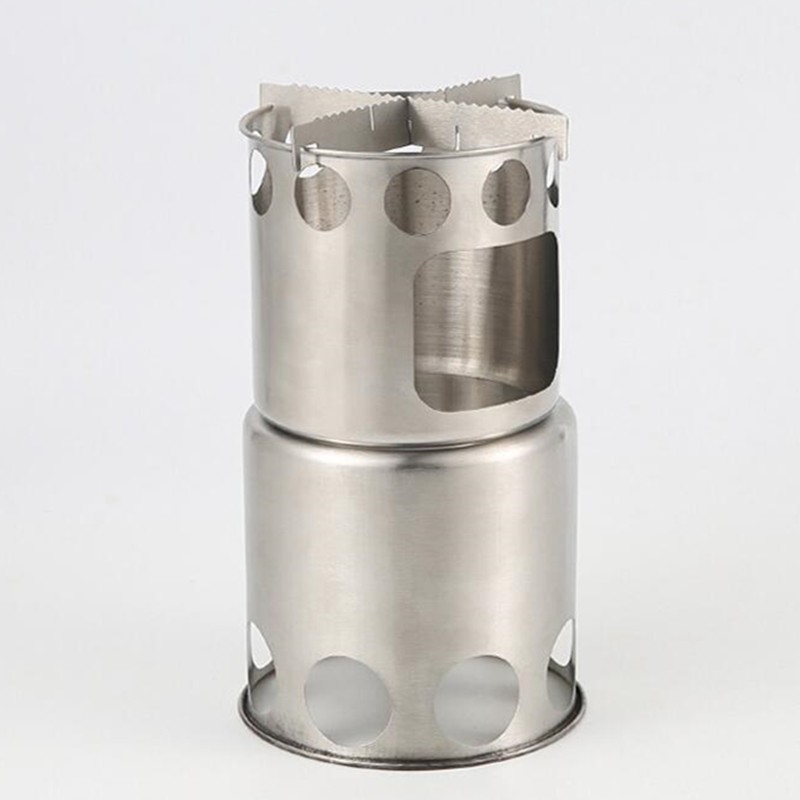 Outdoor 304 Stainless Steel Camping Cookware Mess Set Wood Stove Pot Hiking Tool$21.15View on eBay
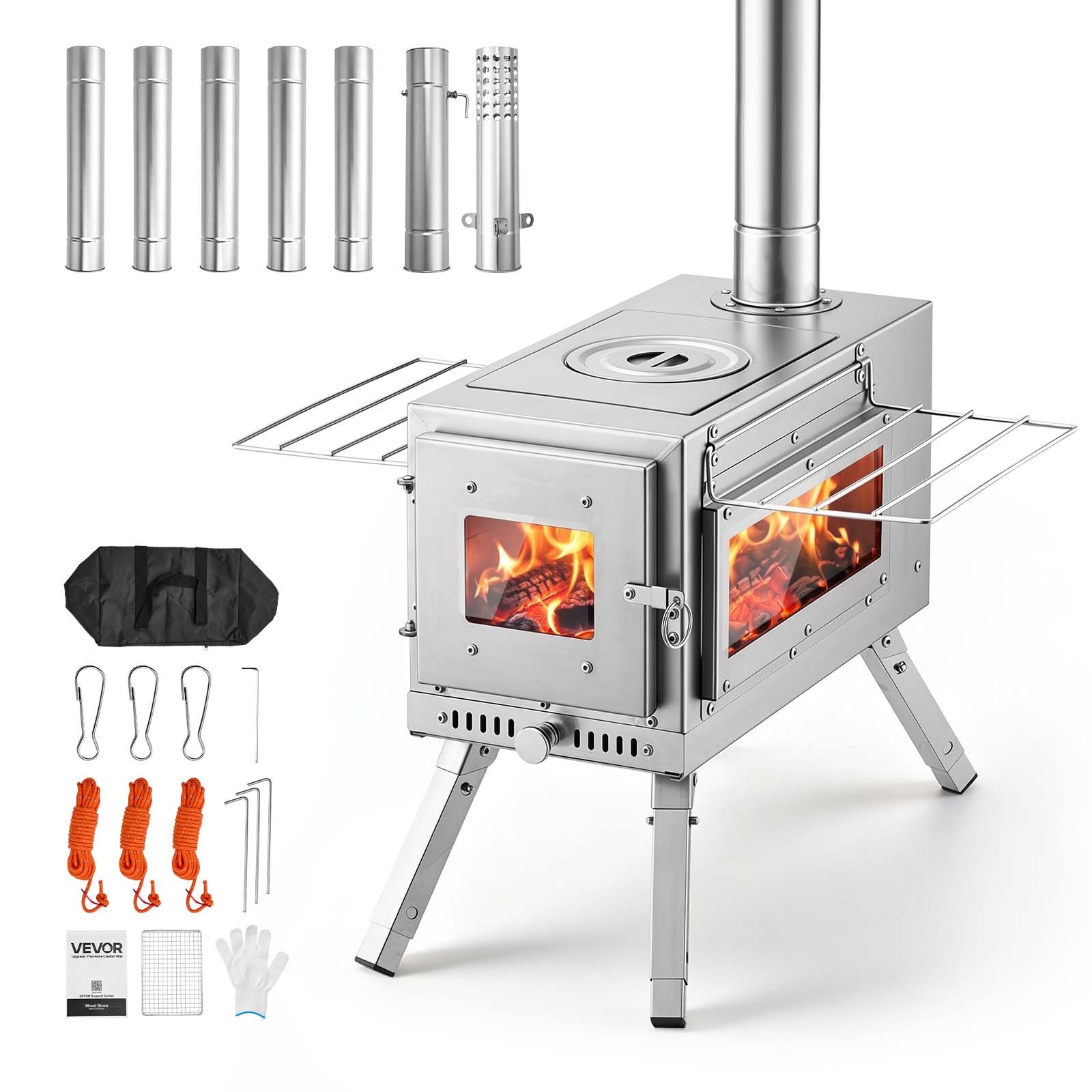 Wood Stove Portable Burning Camping Tent Stainless Steel, for Outdoor Heating Cooking Drying, with Extended Chimney Pipes, Ash Drawer, Heat-Resistant Glass Window, Gloves, Carry Bag$174.99View on Mallflare
- Outdoor 304 Stainless Steel Camping Cookware Mess Set Wood Stove Pot Hiking Tool$21.38View on eBay
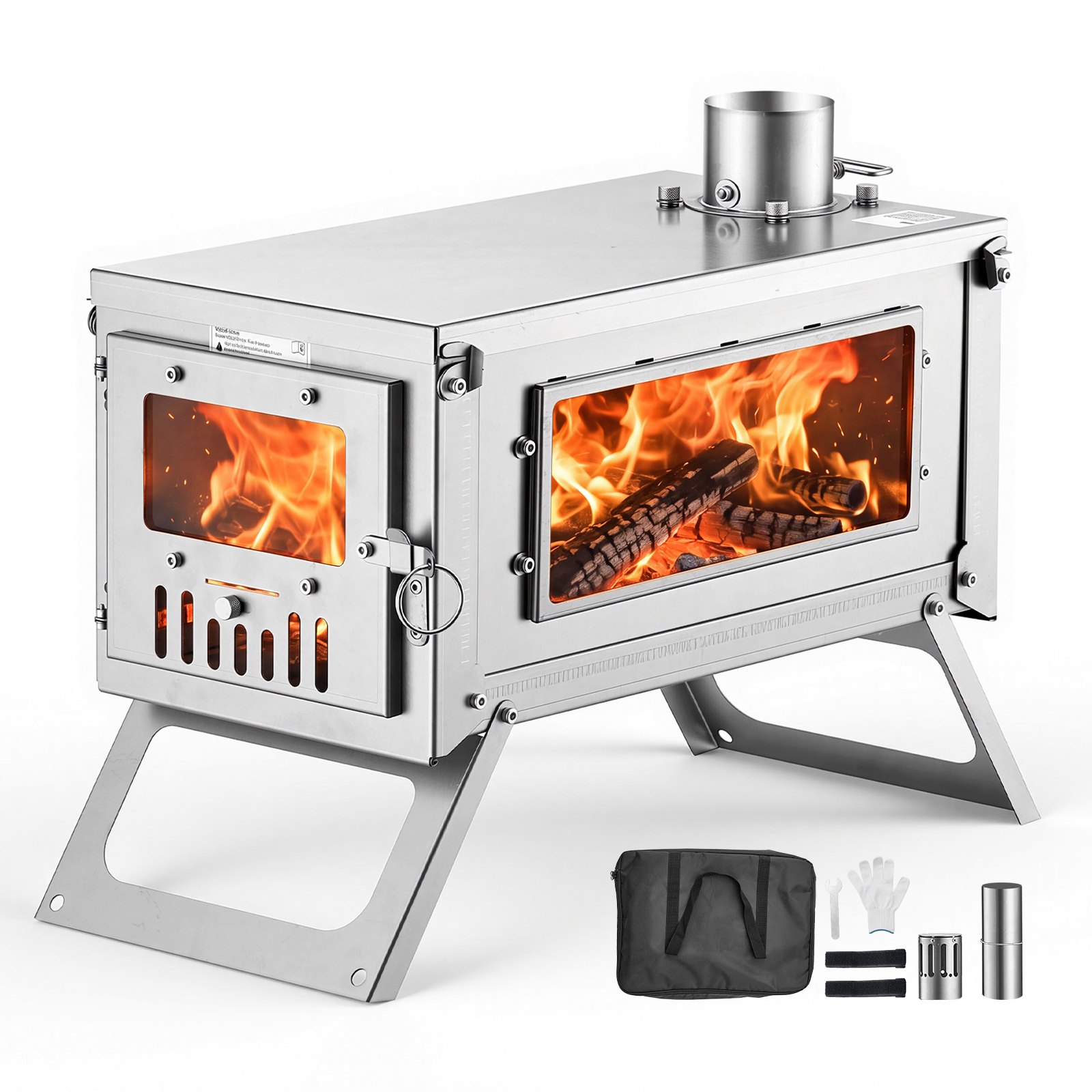 Wood Stove Foldable Portable Titanium Burning Camping Tent for Outdoor Heating and Cooking, 7.05 lbs Lightweight, with Telescopic Retractable Chimney and Heat-Resistant Glass Window$243.99View on Mallflare
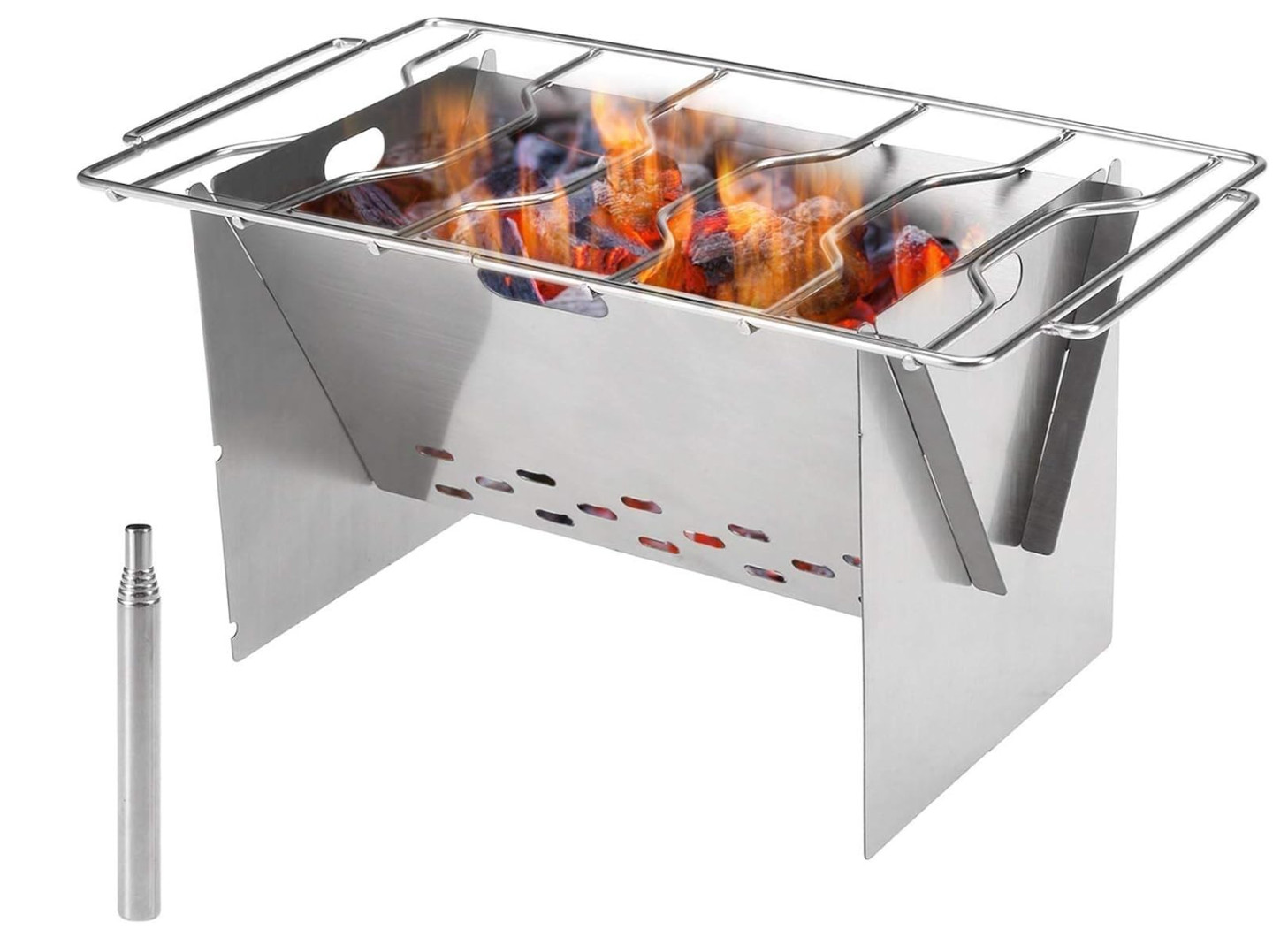 Ultralight Collapsible Outdoor Portable Folding Wood Stove Stainless Steel Grill$22.99View on eBay
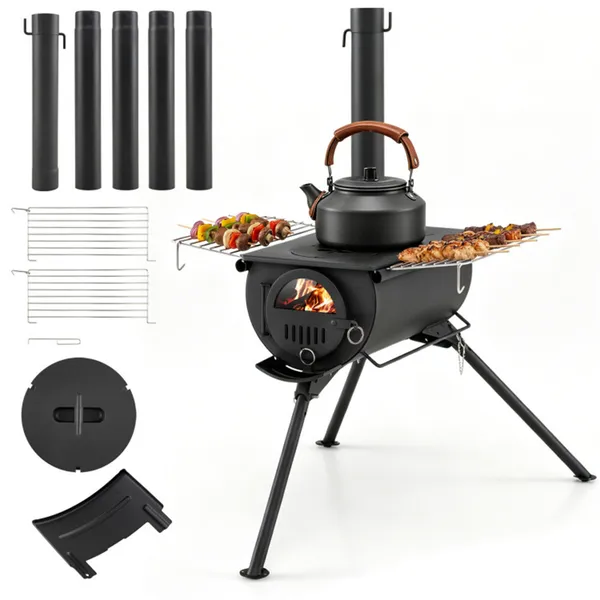 Portable Foldable Wood Burning Tent Stove With 5 Sections Chimney, Heavy Duty Carbon Steel Camping View Window & Cooking Racks For Outdoor Hunting$244.99View on Mallflare
 Portable Stainless Steel Wood Burning Camping Stove Folding Hiking Outdoor Cook$27.99View on eBay
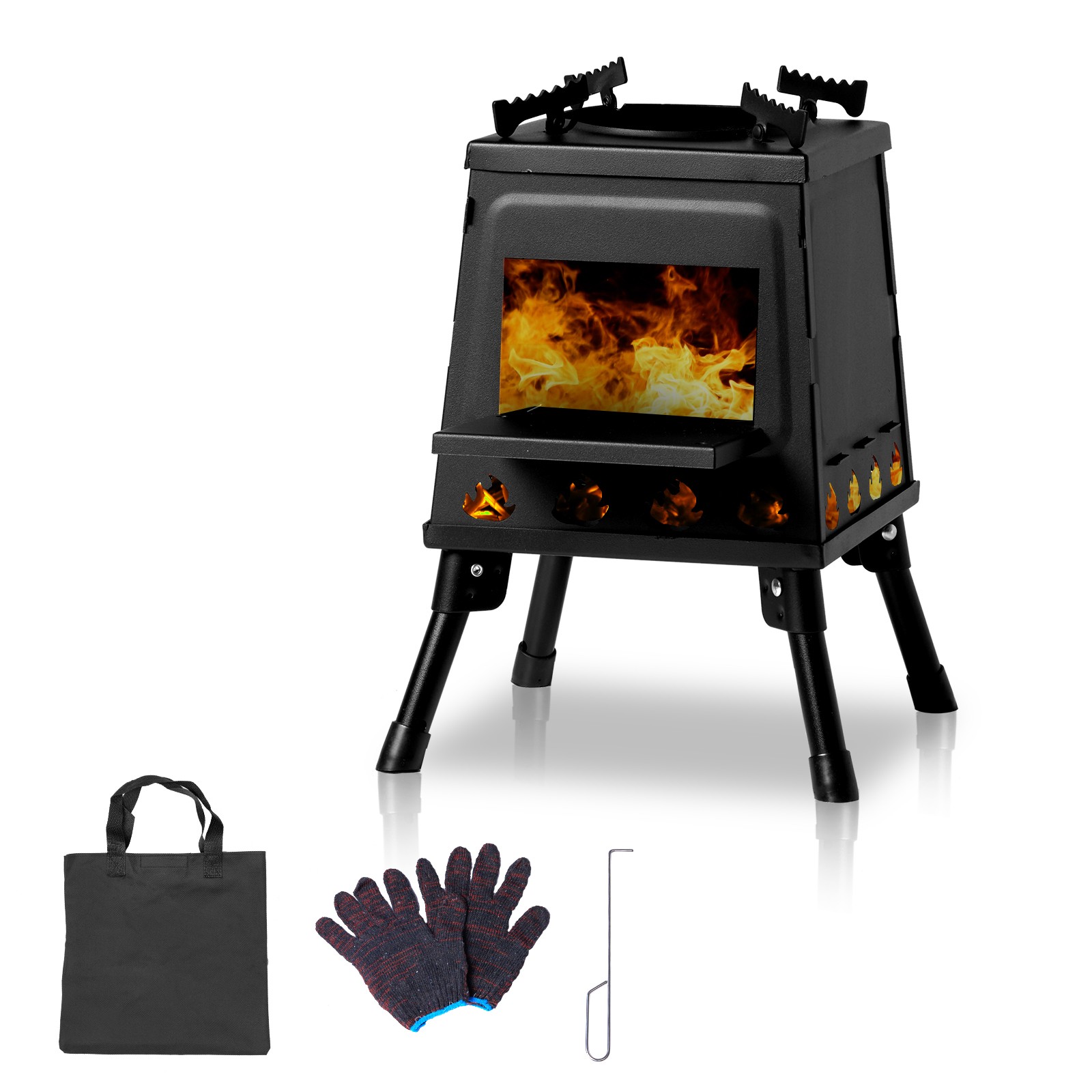 Wood Burning Tent Stove Portable, for Camping, Outside Outdoor Camping Stove$30.99View on eBay
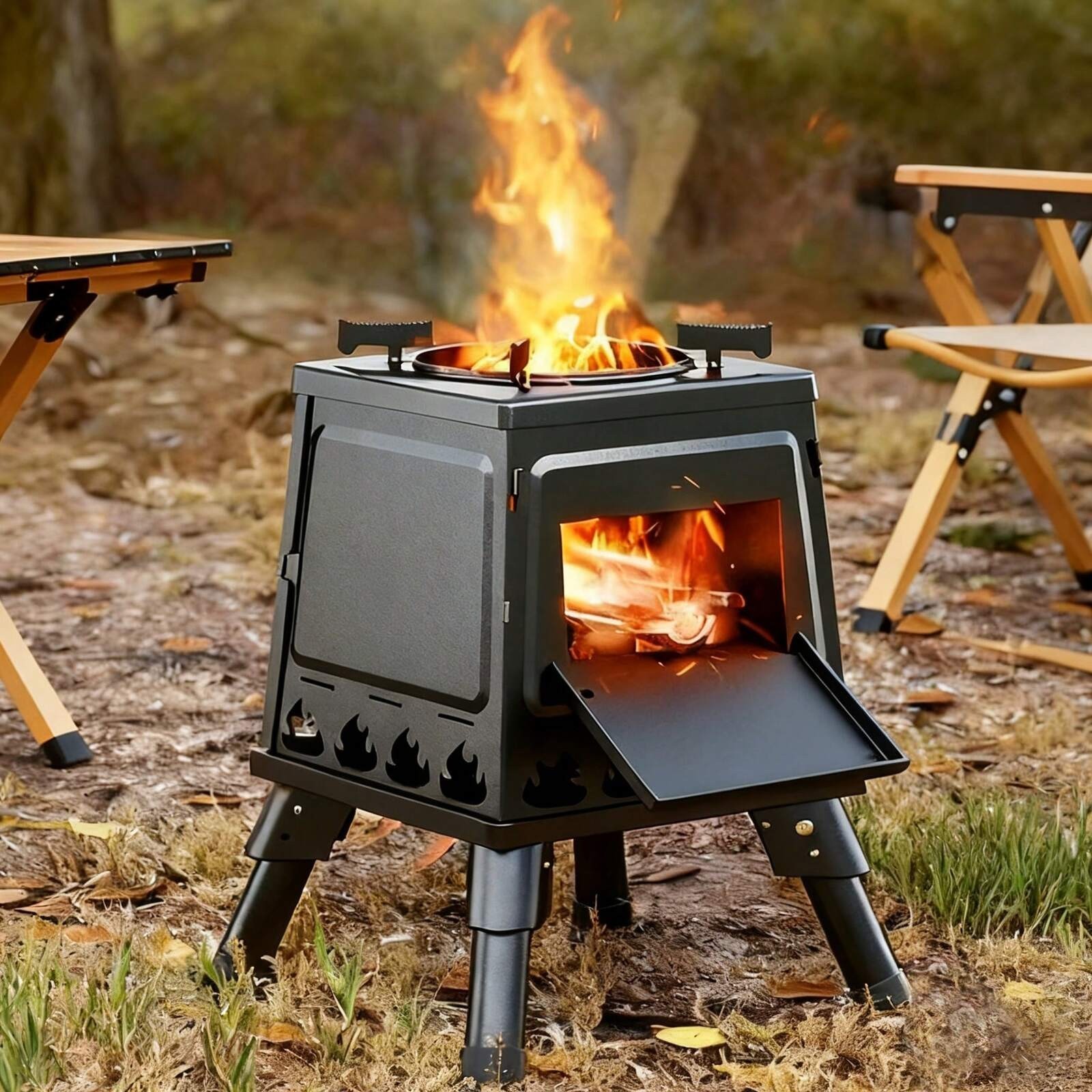 New Portable Wood Burning Camp Stove Folding Outdoor Cooking Stove Black$32.68View on eBay
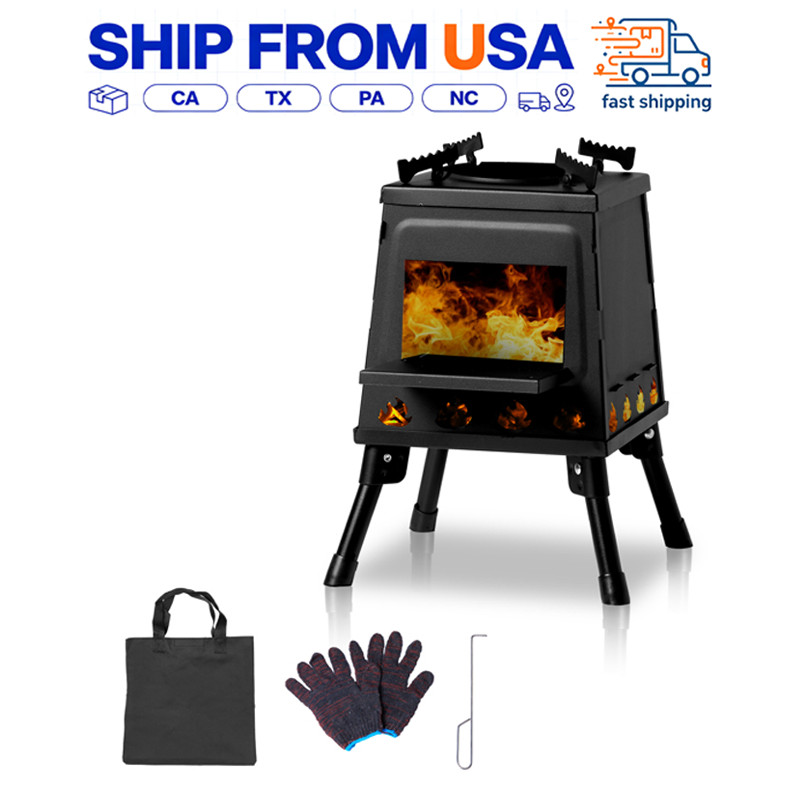 Portable BBQ Folding Wood Camping Stove Multi-Function Outdoor Cooking Equipment$34.99View on eBay
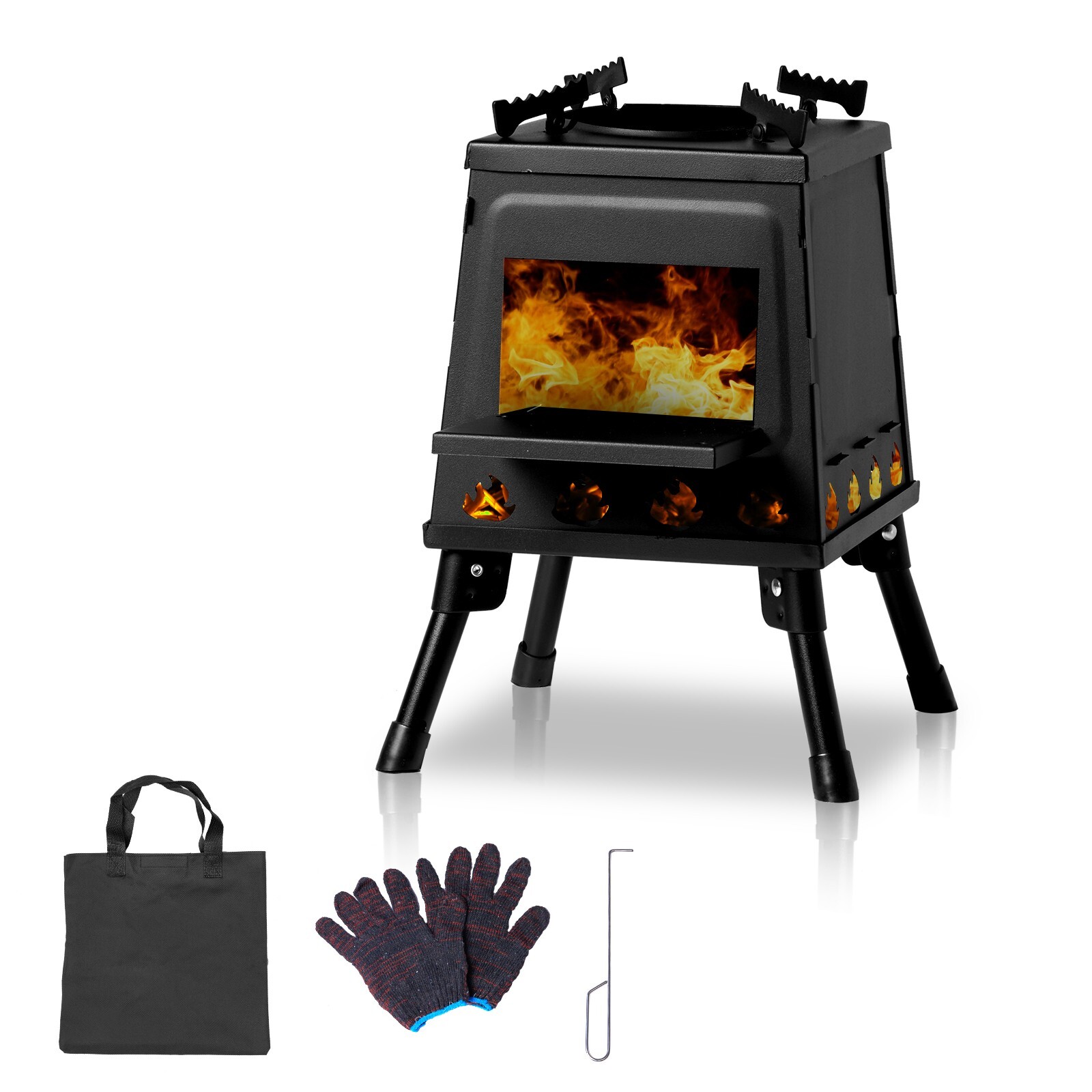 Portable Wood Stove, Camping Tent BBQ Stove, Outdoor Cooking Burning Equipment$35.99View on eBay
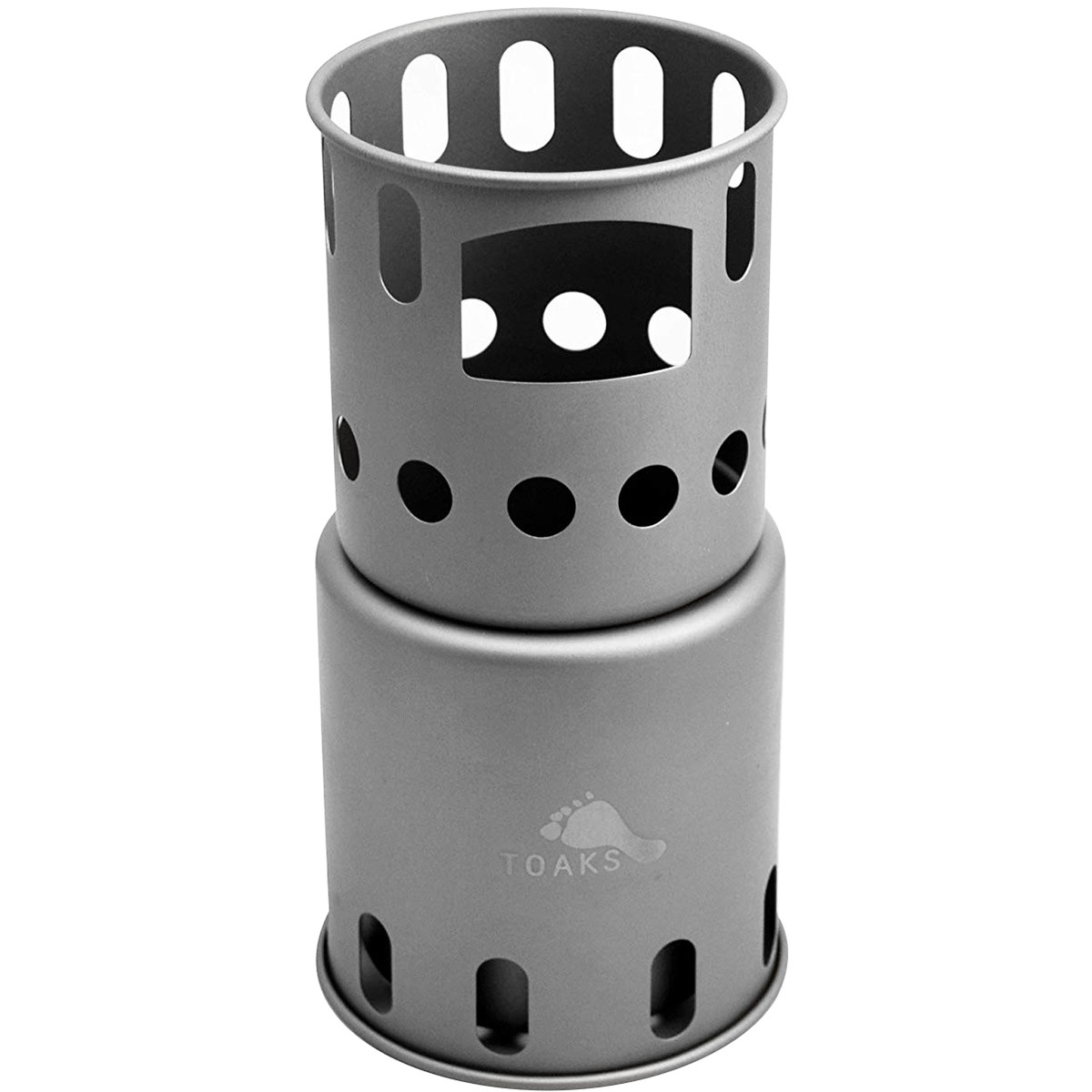 TOAKS Titanium Backpacking Wood Burning Stove STV-12 - Small - Outdoor Camping$44.95View on eBay
- Portable Folding Wood Camping Stove Multi-Function Outdoor BBQ Cooking Equipment$49.99View on eBay
 USA Portable Folding Wood Camping Stove Multi-Function Outdoor Cooking Equipment$53.63View on eBay
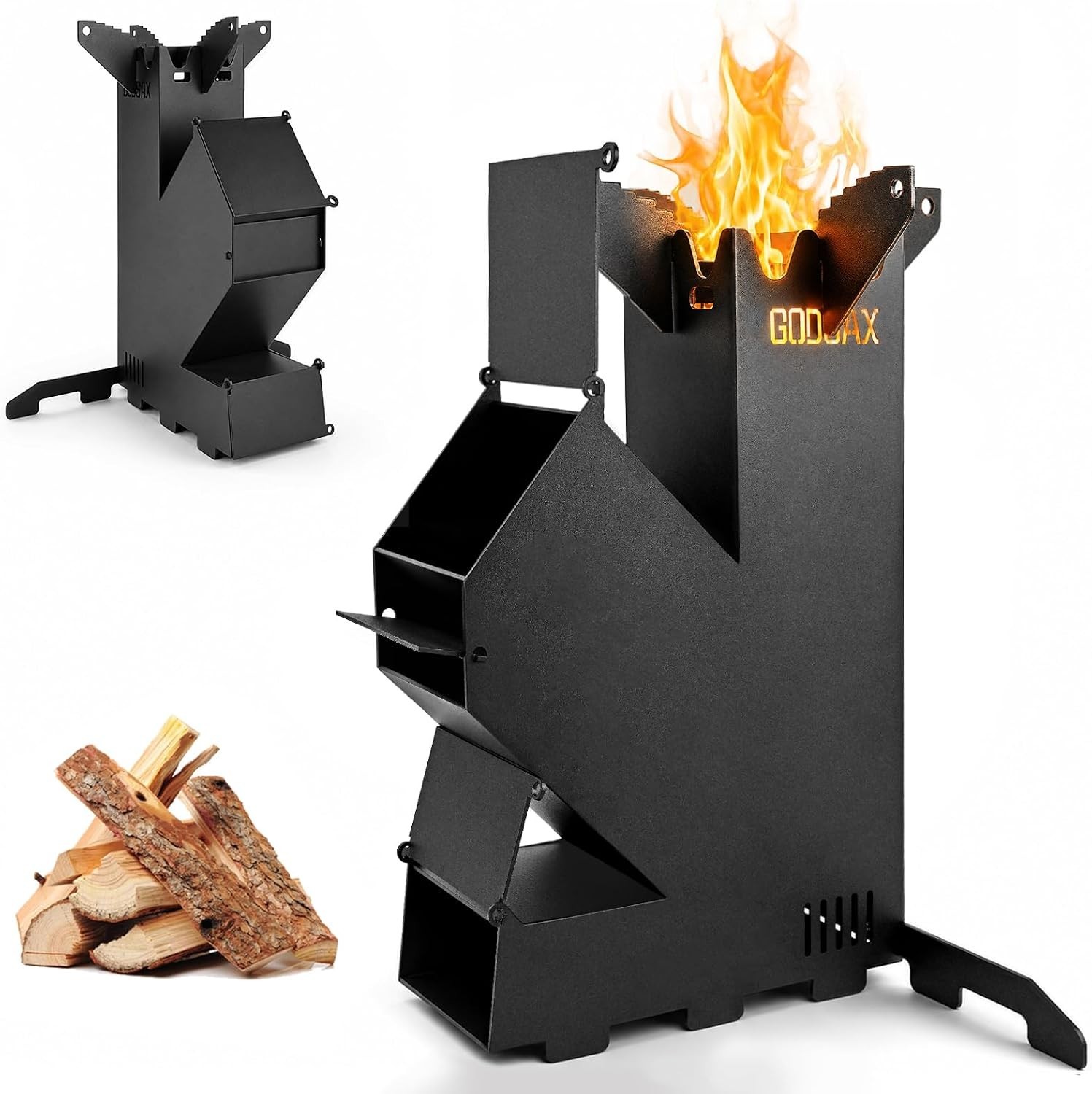 5.62 lb Rocket Stove - 3000 Watts Portable Wood-Burning Outdoor Cooking Solution$54.99View on eBay
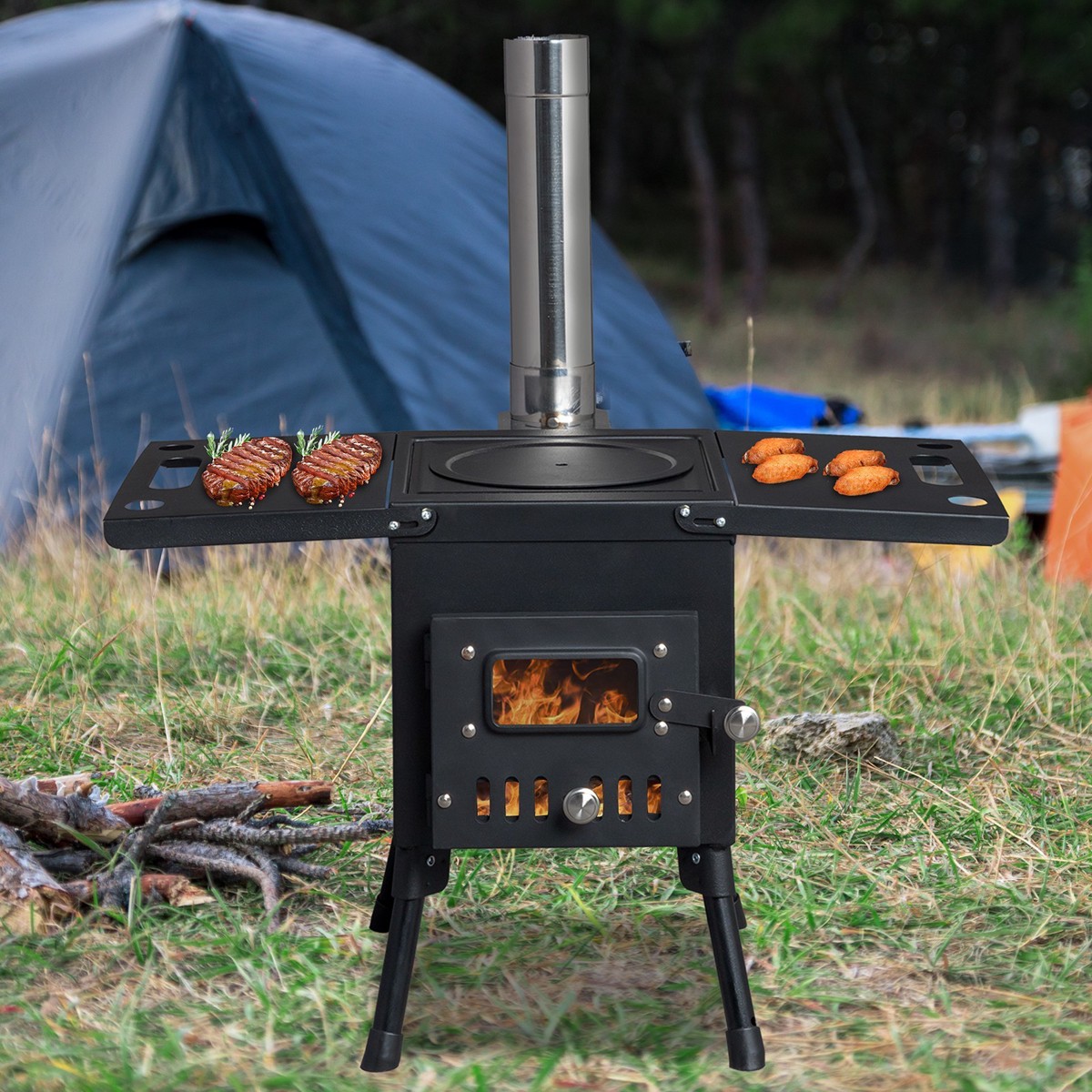 Portable Wood Camping Stove, Outdoor Cooking BBQ Tent Picnic Wood Burning Stove$54.99View on eBay
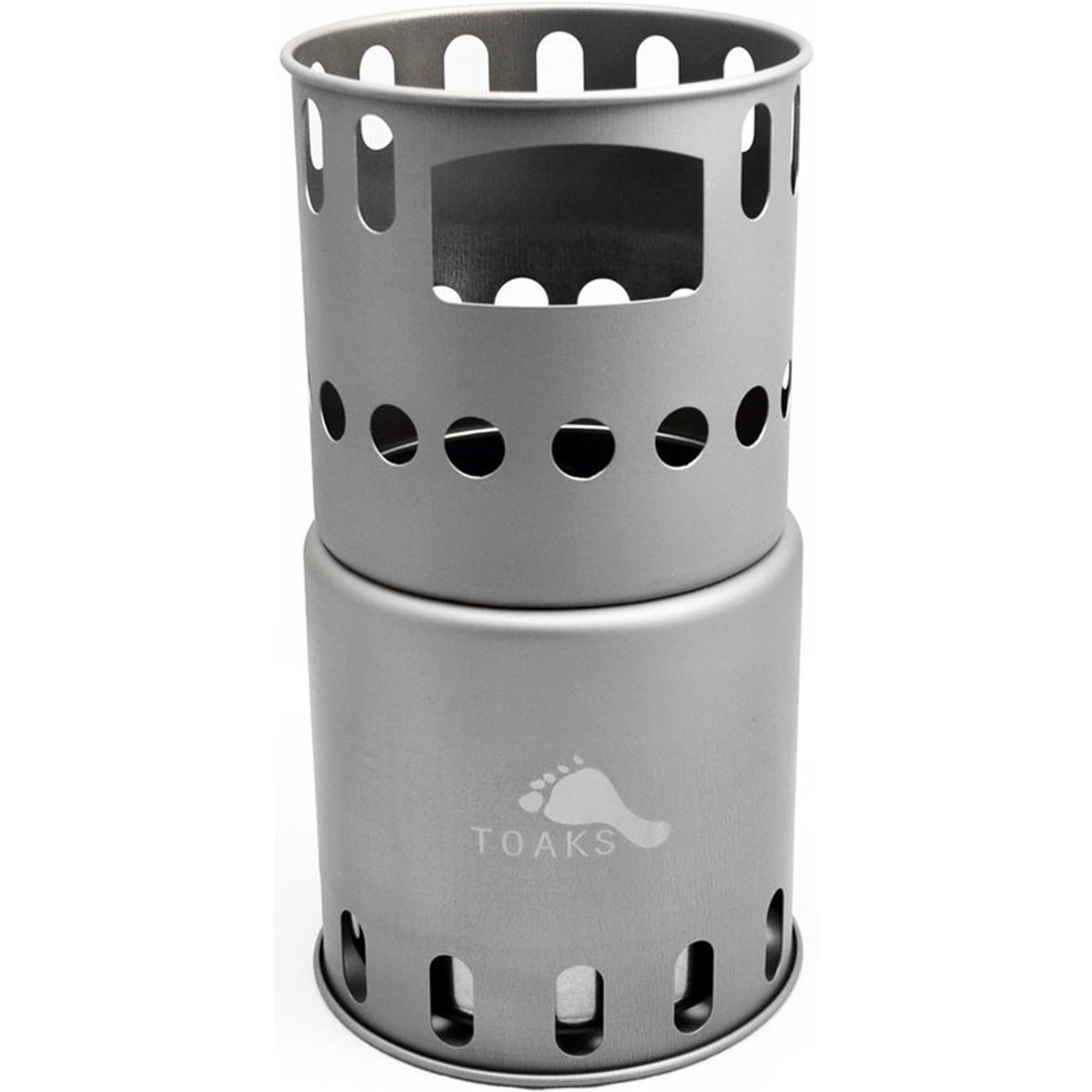 TOAKS Titanium Backpacking Wood Burning Stove STV-11 - Outdoor Camping$59.95View on eBay
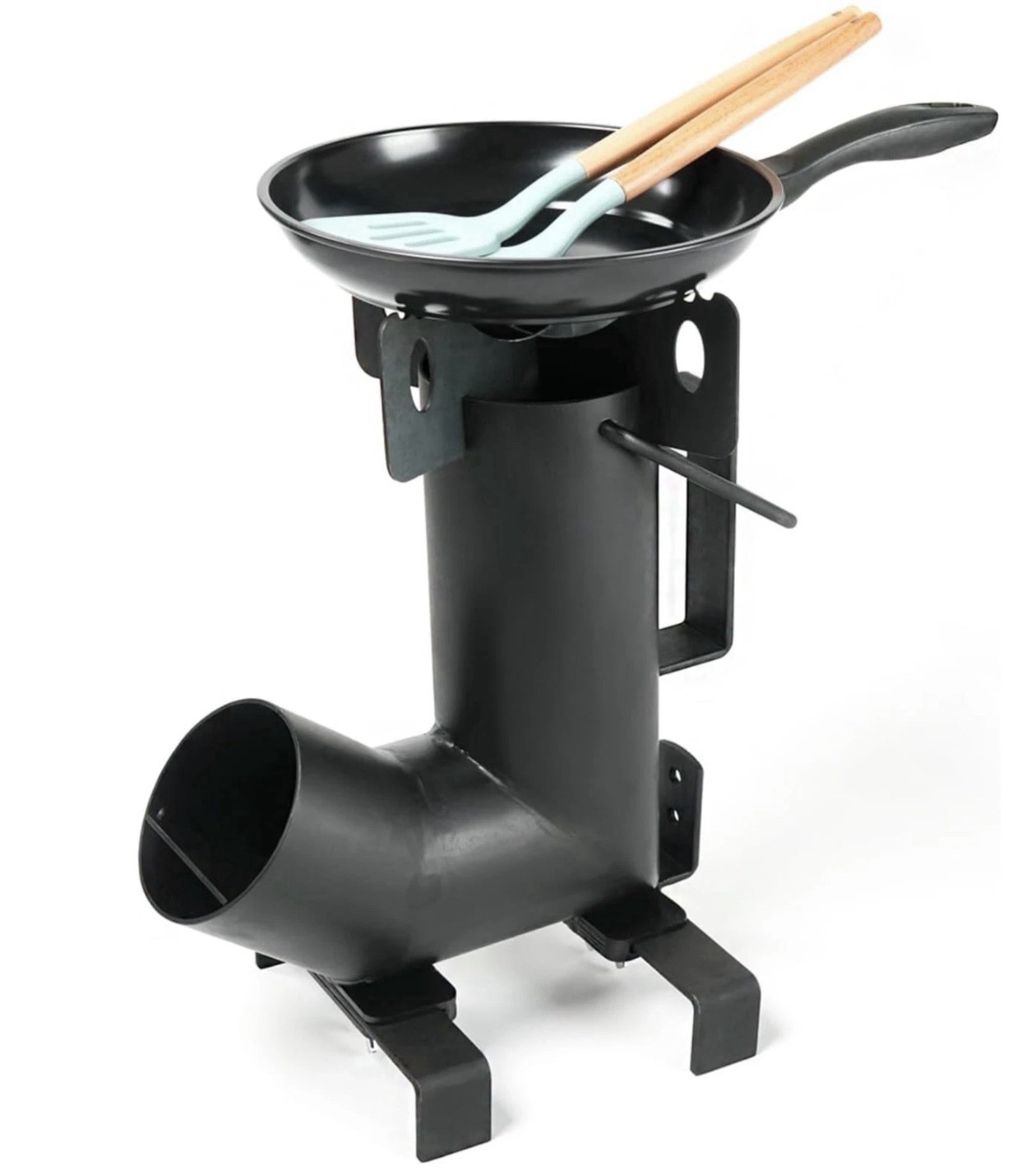 Wood Burning Rocket Stove, Camping Rocket Stove for Outdoor Cooking with Skillet$59.99View on eBay
Highlights
- Titanium folding stoves weigh roughly 100-200 g and burn twigs and pinecones; steel tent stoves weigh several kilograms and run split hardwood or pellets for hours.
- Tent stoves require a 5-6 section chimney (typically 2-3 in diameter) plus a spark arrestor; flue length must exceed roofline height to draft properly.
- Dual air sliders (primary and secondary) on carbon steel bodies give controllable burn rates; single-damper ultralight stoves are on/off only.
- 304 stainless and carbon steel resist warping at sustained high heat; thin alloy steel folding stoves deform permanently if overheated without fuel.
Best use cases
- Backpacking and fast-and-light: choose a titanium or thin stainless folding wood stove under 300 g with a pot-support grill; skip tent stoves entirely.
- Hot-tent, hunting, and winter basecamp heating: choose a carbon or stainless tent stove with 5+ chimney sections, dual sliders, and a spark arrestor; skip ultralight folding models.
- Cooking-focused car camping: choose a pellet-capable stainless stove with an oven or detachable shelf and stable pot supports; skip windowless pocket stoves.
- Emergency or patio backup: choose a 304 stainless body with a spark arrest tube and extended pipe; skip titanium folding stoves that cannot route smoke.
Buying tips
- Match flue diameter to stove outlet exactly: 2 in pipe on a 2.5 in collar leaks smoke; sectional pipe counts of 5-6 reach typical tent roof heights.
- Titanium folds flat to under 1 in and weighs under 200 g; carbon steel tent stoves need a carry bag and vehicle transport at several kilograms.
- For shelters, total pipe length should exceed peak roof height by at least 12 in so the spark arrestor clears the fabric and drafts correctly.
- Choose 304 stainless or carbon steel over thin alloy steel when burning hot hardwood; alloy steel folding stoves are for twigs and light use only.
Specs
| Architecture | Folding cookstove vs tent stove + flue |
|---|---|
| Body Material | Titanium / 304 stainless / carbon steel |
| Chimney Sections | 5-6 sections, 2-3 in diameter |
| Burn Control | Dual sliders vs single damper |
Related searches
What to check before buying
- Measure tent peak height and stove jack diameter; chimney sections must reach above the roof and match the jack collar size.
- Confirm fuel type available at your site: twigs for folding stoves, split hardwood or pellets for tent stoves with grates.
- Check floor and clearance: tent stoves need a heat shield or hearth pad and at least 18 in clearance from fabric walls.
- Verify the stove includes a spark arrestor, gloves, and carry bag; pipe sections and damper are commonly sold as part of the kit.
FAQ
Data sources: eBay / Amazon listings and product attribute feeds Data updated Nov 16, 2026.
Some links on this page are affiliate links. If you buy after clicking one, we may earn a commission at no extra cost to you. This does not change which products appear here or their order. Affiliate disclosure.