Photos from current listings. Actual item, color, and included accessories may vary.
Portable Camping Stove Buying Guide
A portable camping stove is a packable cooking appliance that pairs a burner with a fuel system—canister, liquid fuel, wood, or dual-fuel—and the core trade-off is heat output versus fuel efficiency and wind resistance. Durable stoves use brass or stainless-steel valves, sealed piezo igniters, and pressure-regulated fuel delivery; compromises show up as plastic valve bodies, unregulated burners, and thin pot supports that deform under load. The decision rule: match the fuel architecture to your trip length and altitude, then demand a metal valve and a rated output of at least 8,000 BTU for group cooking.

At a glance
- Category
- Camp Kitchen & Stoves
- Data updated
- Nov 16, 2026
Current offers
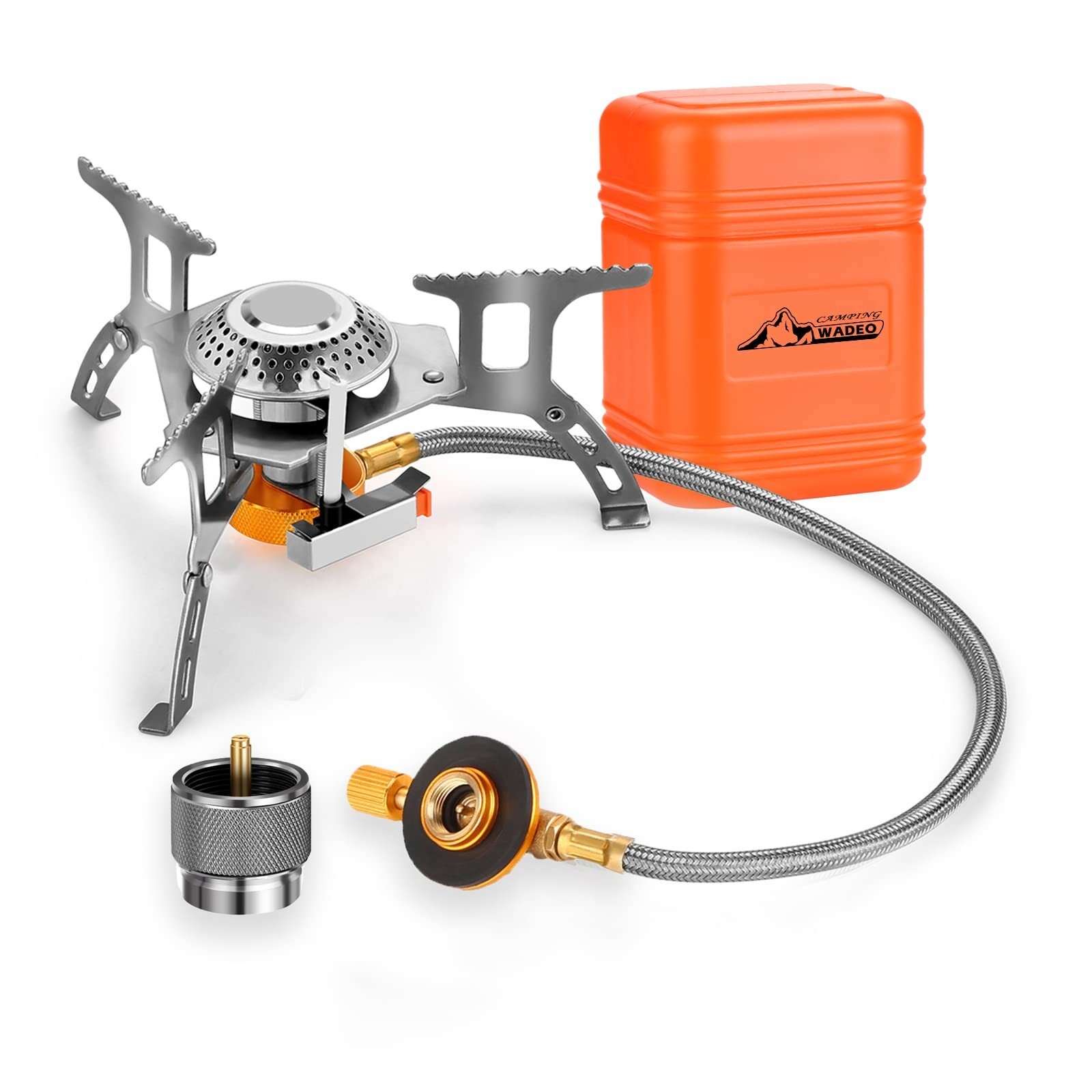 3700W Portable Camping Stove Kit with Accessories for Outdoor Cooking$21.98
 View on eBay
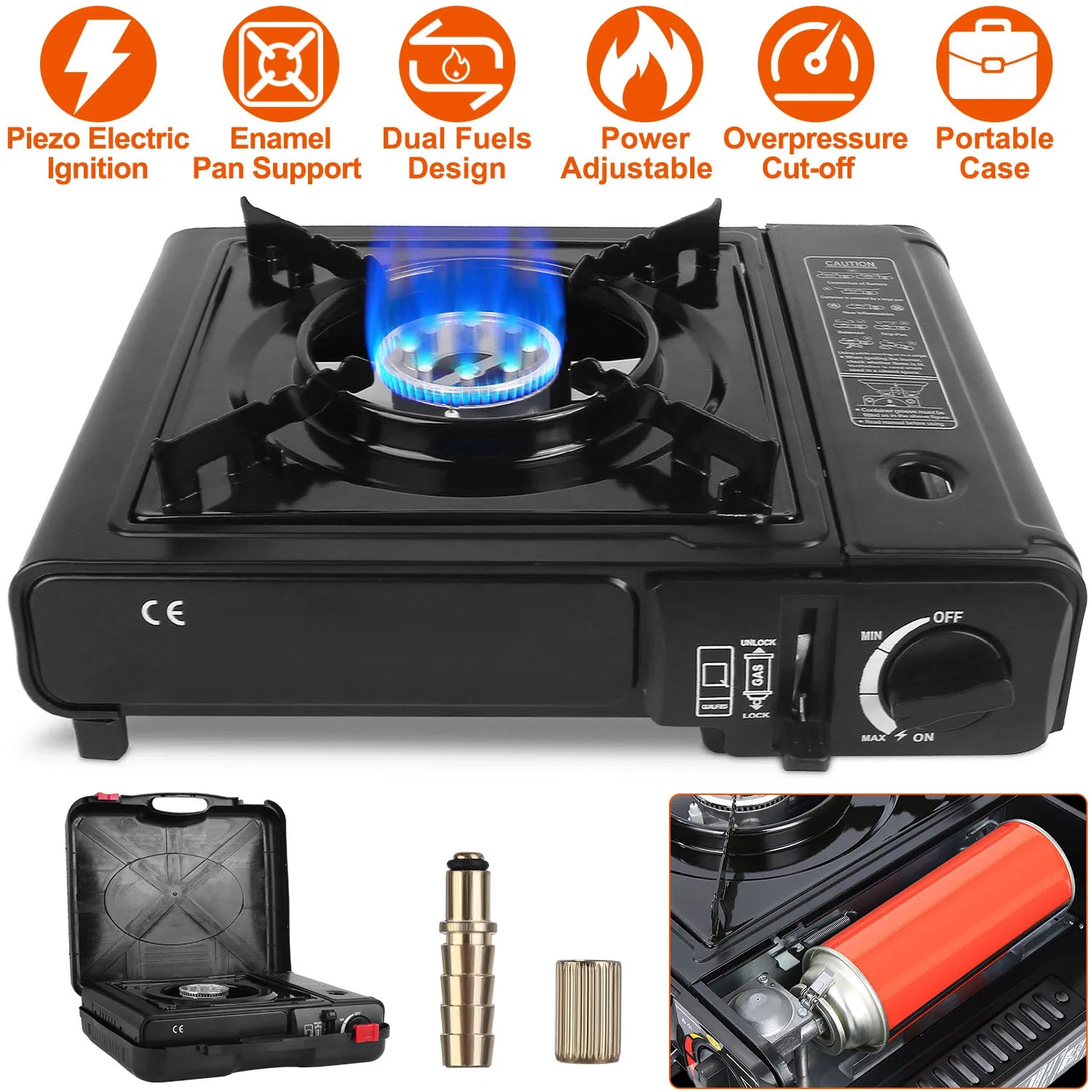 3300W Portable Camping Stove Butane Canister Dual Fuel Burner Piezo Electric Ignition Single with Automatic Tank Ejection Overpressure Cut Off Carry Case for Hiking Picnic Fishing BBQ$58.99
 View on Mallflare
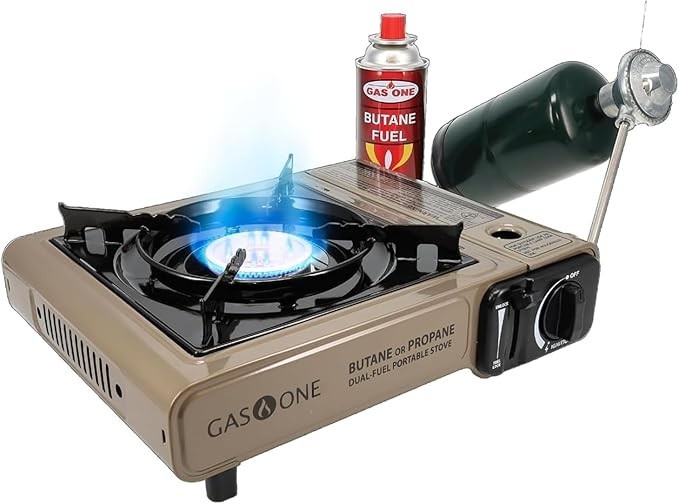 Gas One GS-3400P Propane or Butane Stove Dual Fuel Stove Portable Camping Stove$26.99View on eBay
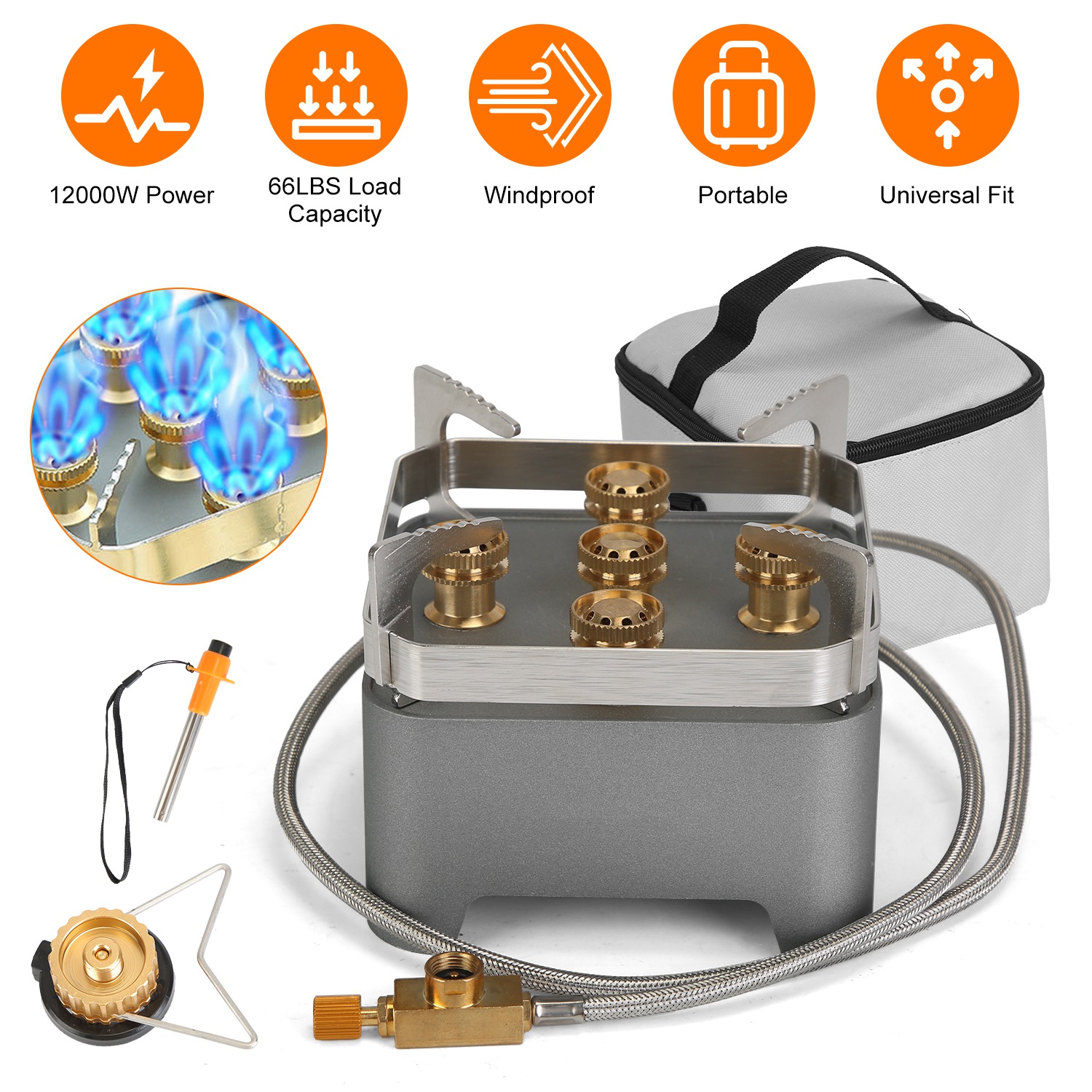 12000W Portable Camping Stove With Cassette Adapter Windproof Outdoor Backpacking Burner Carrying Case Igniter for Hiking Picnic$85.99View on Mallflare
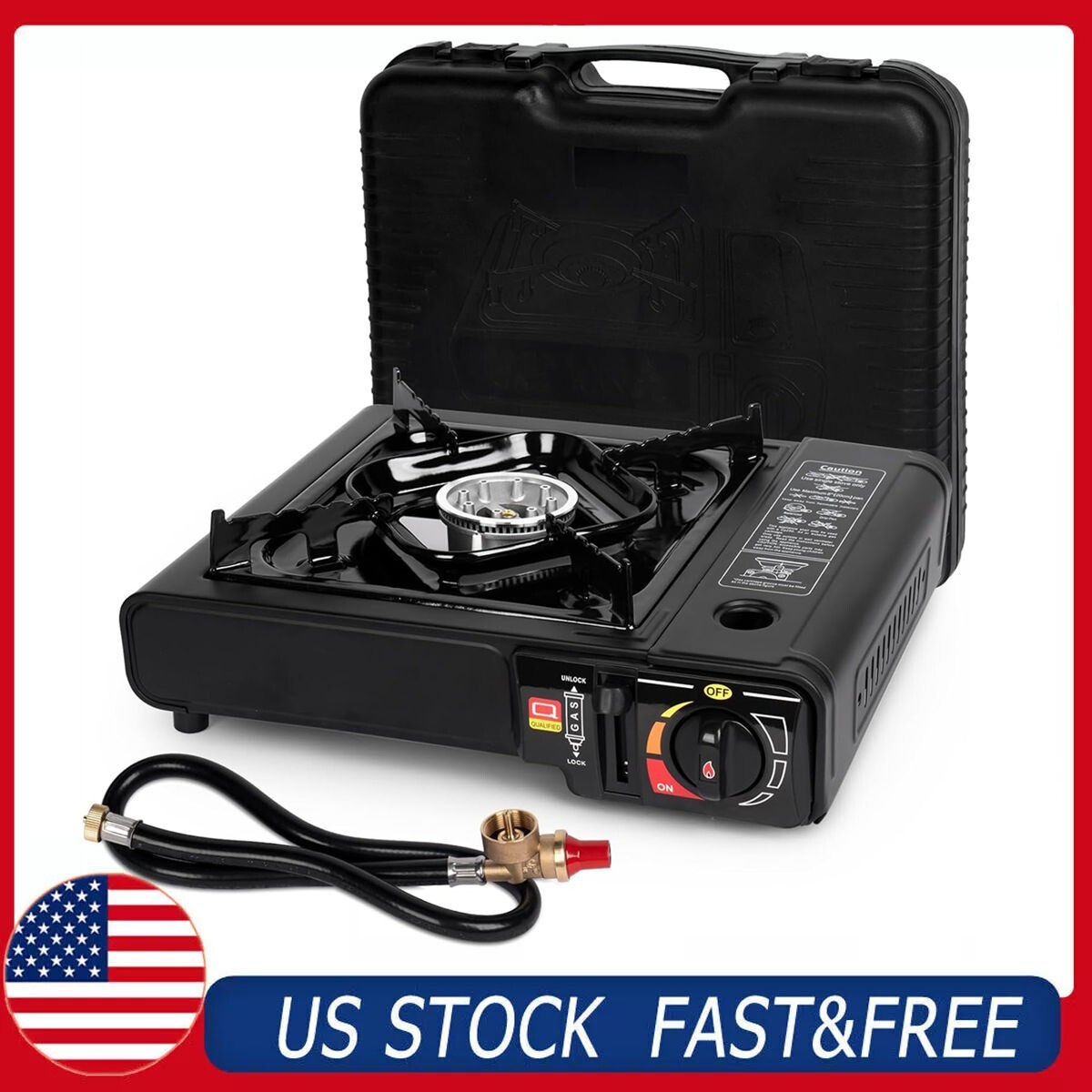 Black Dual Fuel Stove Portable Camping Stove W/ Case & Propane Regulator Hose US$32.15View on eBay
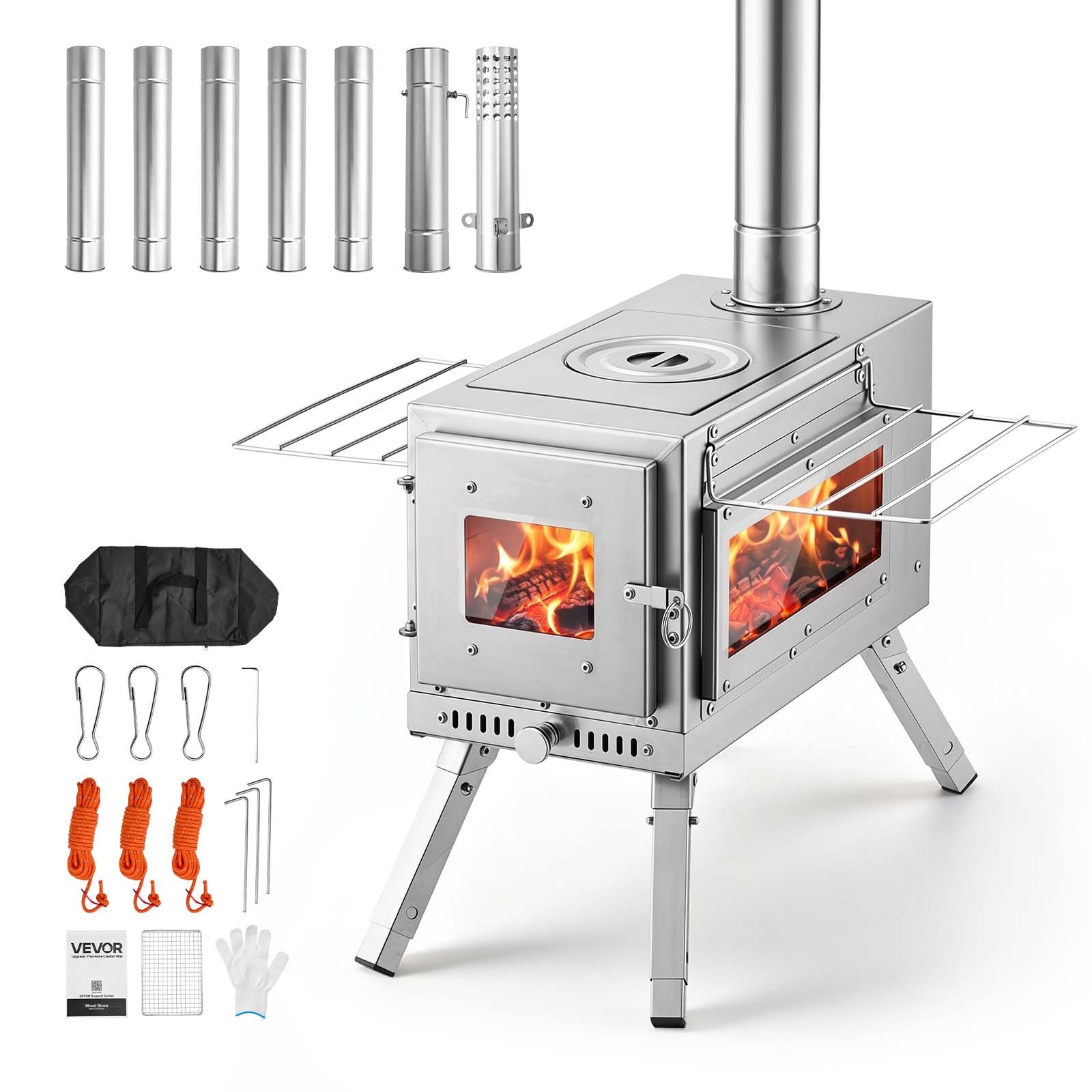 Wood Stove Portable Burning Camping Tent Stainless Steel, for Outdoor Heating Cooking Drying, with Extended Chimney Pipes, Ash Drawer, Heat-Resistant Glass Window, Gloves, Carry Bag$174.99View on Mallflare
- Black Dual Fuel Stove Portable Camping Stove W/ Case & Propane Regulator Hose #$33.20View on eBay
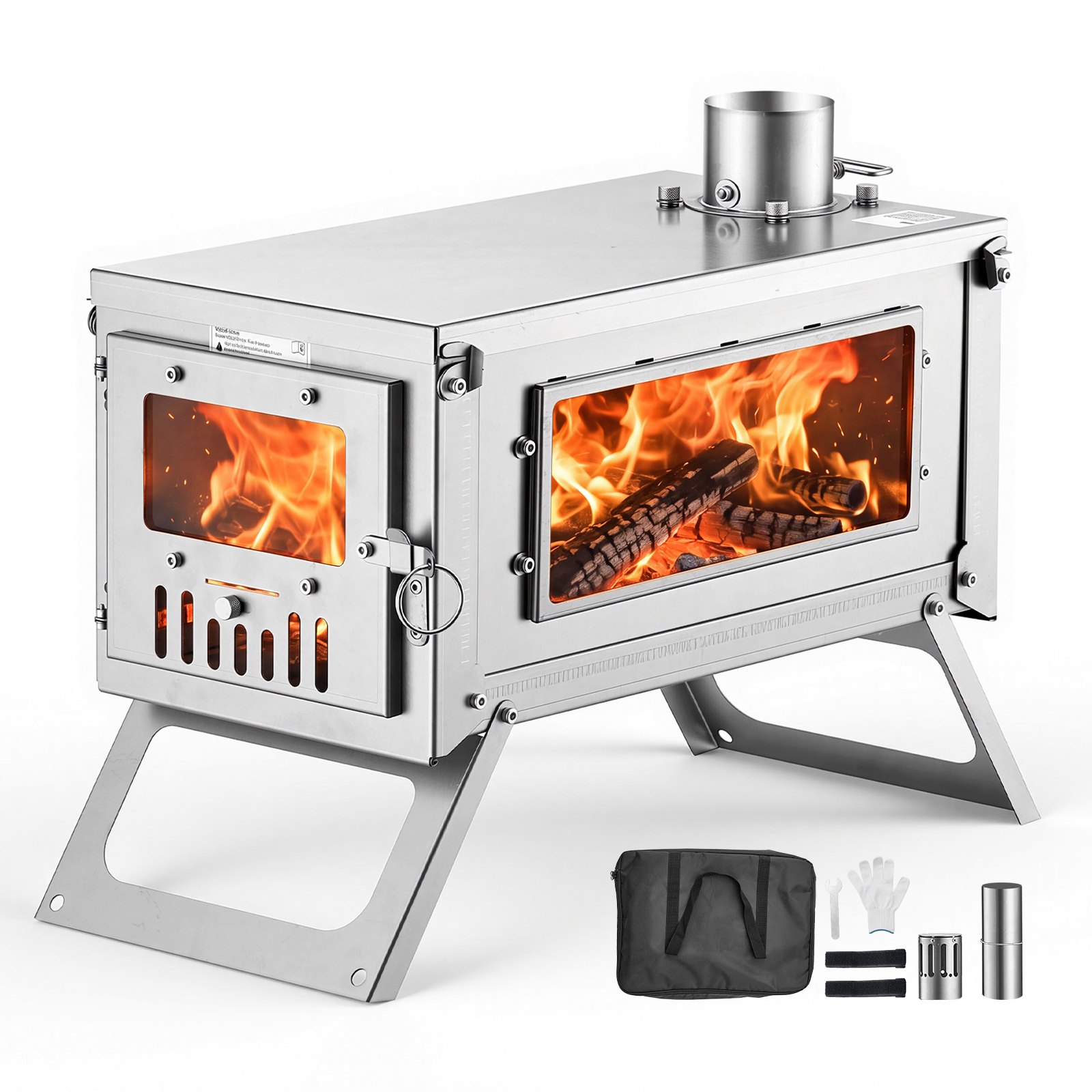 Wood Stove Foldable Portable Titanium Burning Camping Tent for Outdoor Heating and Cooking, 7.05 lbs Lightweight, with Telescopic Retractable Chimney and Heat-Resistant Glass Window$243.99View on Mallflare
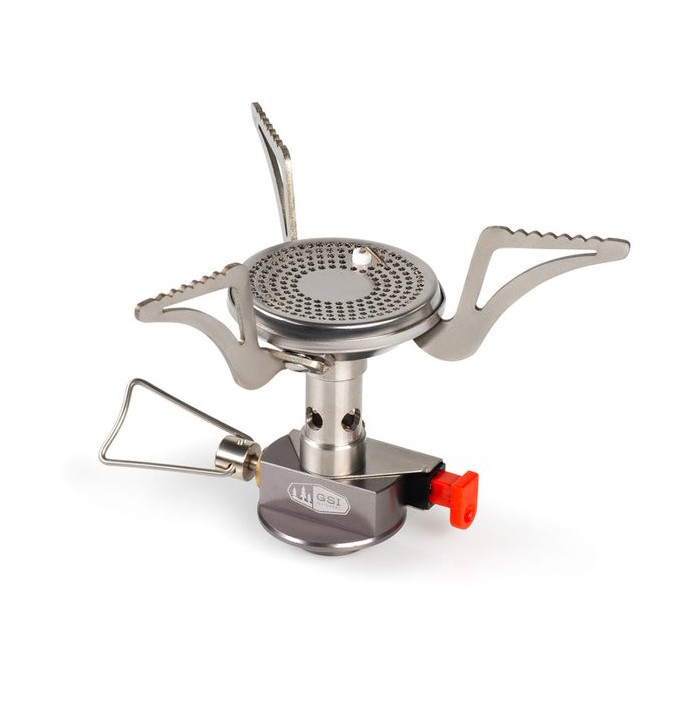 Glacier Canister Top Portable Camping Stove with Piezo Ignition$44.97View on eBay
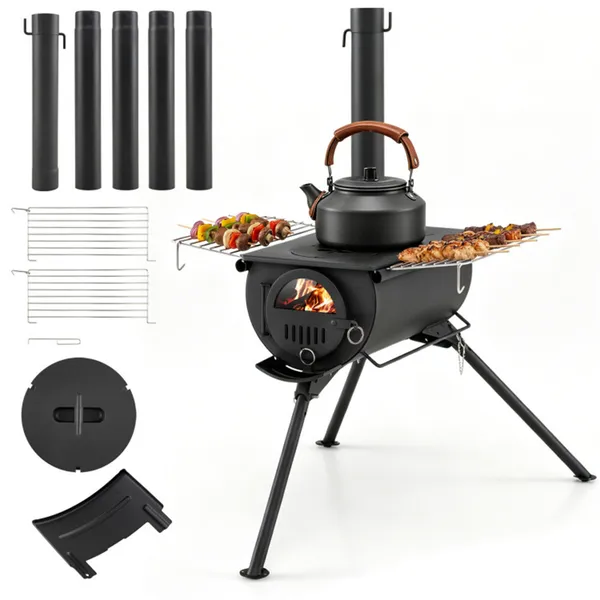 Portable Foldable Wood Burning Tent Stove With 5 Sections Chimney, Heavy Duty Carbon Steel Camping View Window & Cooking Racks For Outdoor Hunting$244.99View on Mallflare
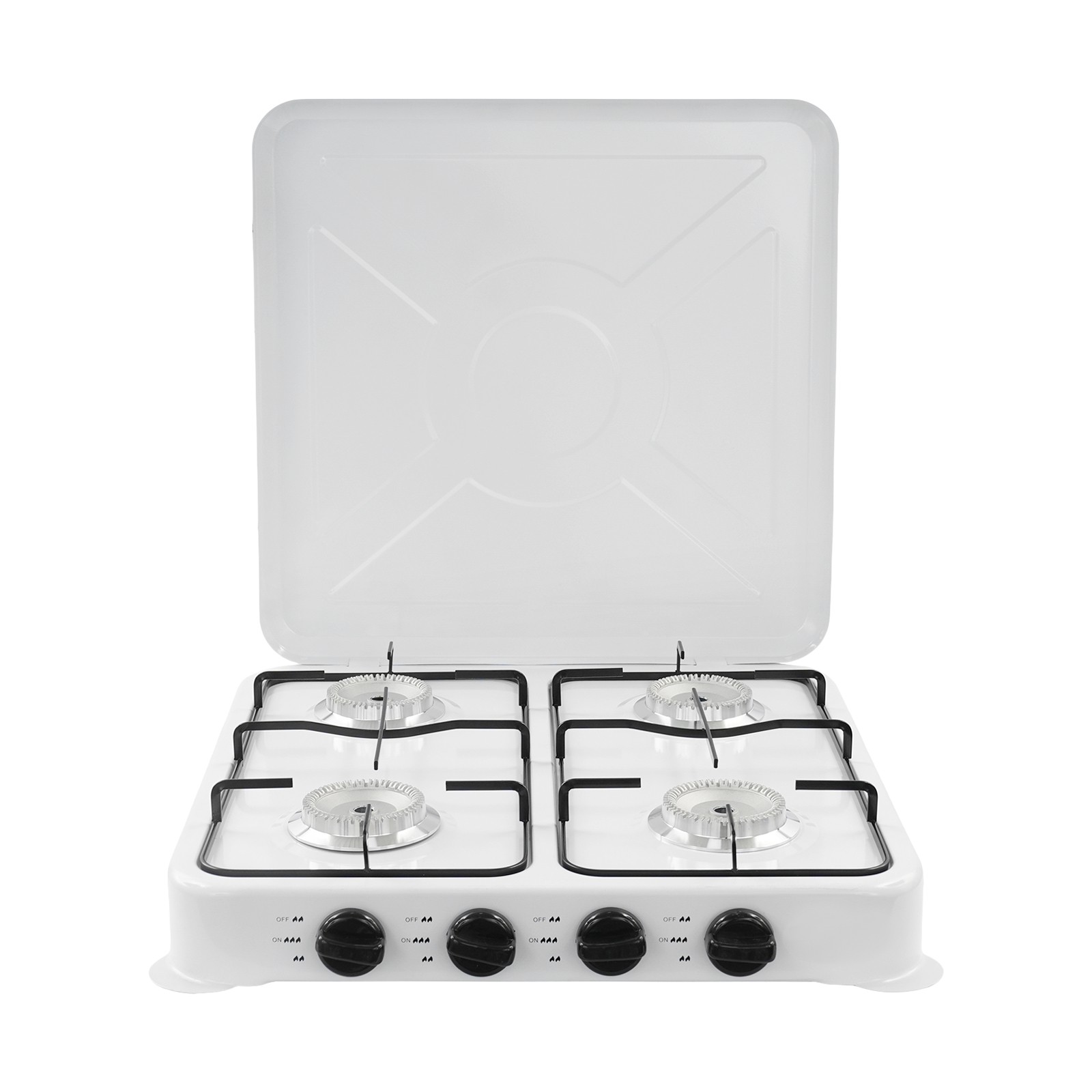 Camping Gas Stove, 4 Burner Gas Camping Stove, Portable Camping Stove$71.12View on eBay
 VEVOR Foldable Camping Oven Stainless Steel Portable Camping Stove 3 Tier Grill$72.90View on eBay
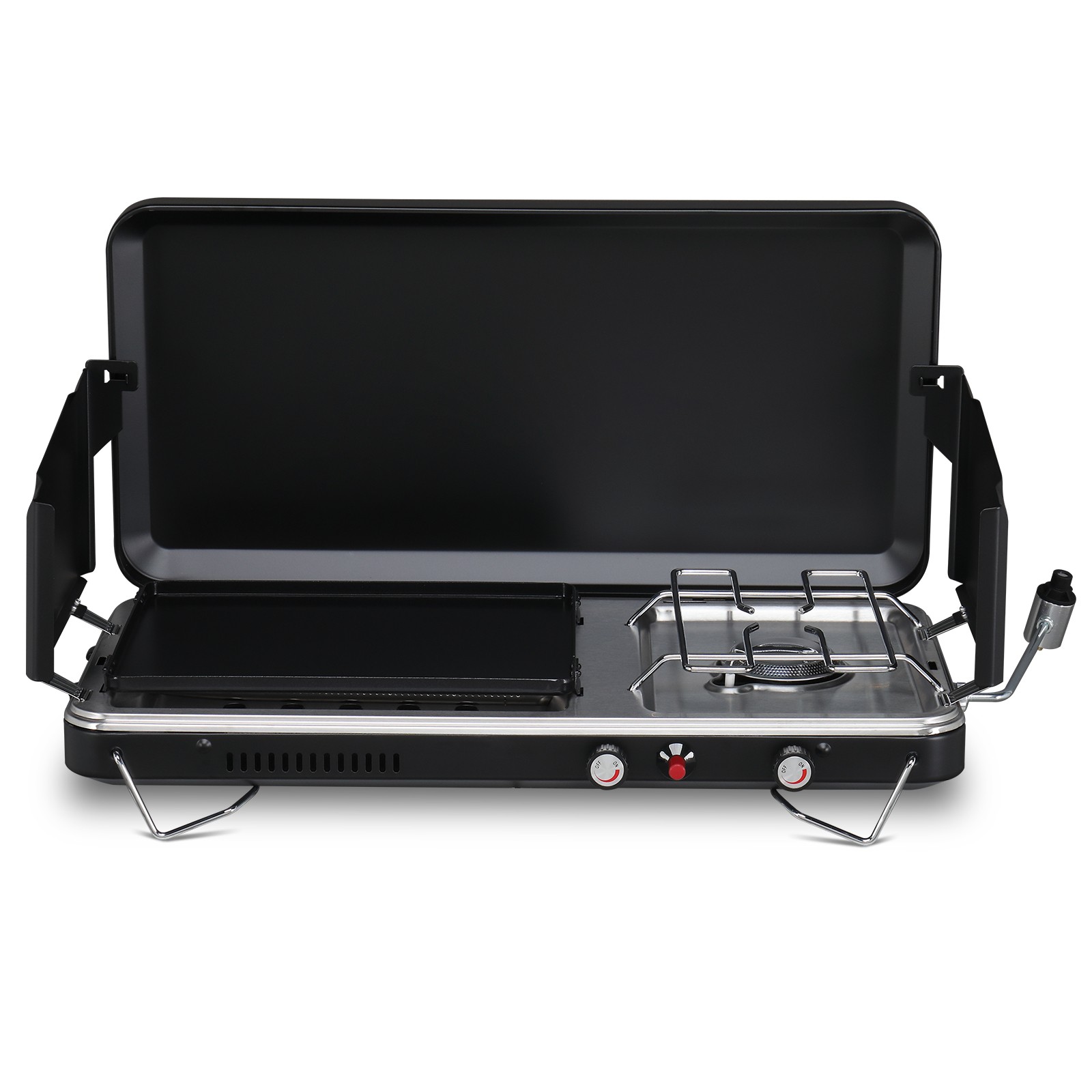 2-in-1 Portable Camping Stove Propane Grill with Enamel Griddle & Piezo Lgniter$89.89View on eBay
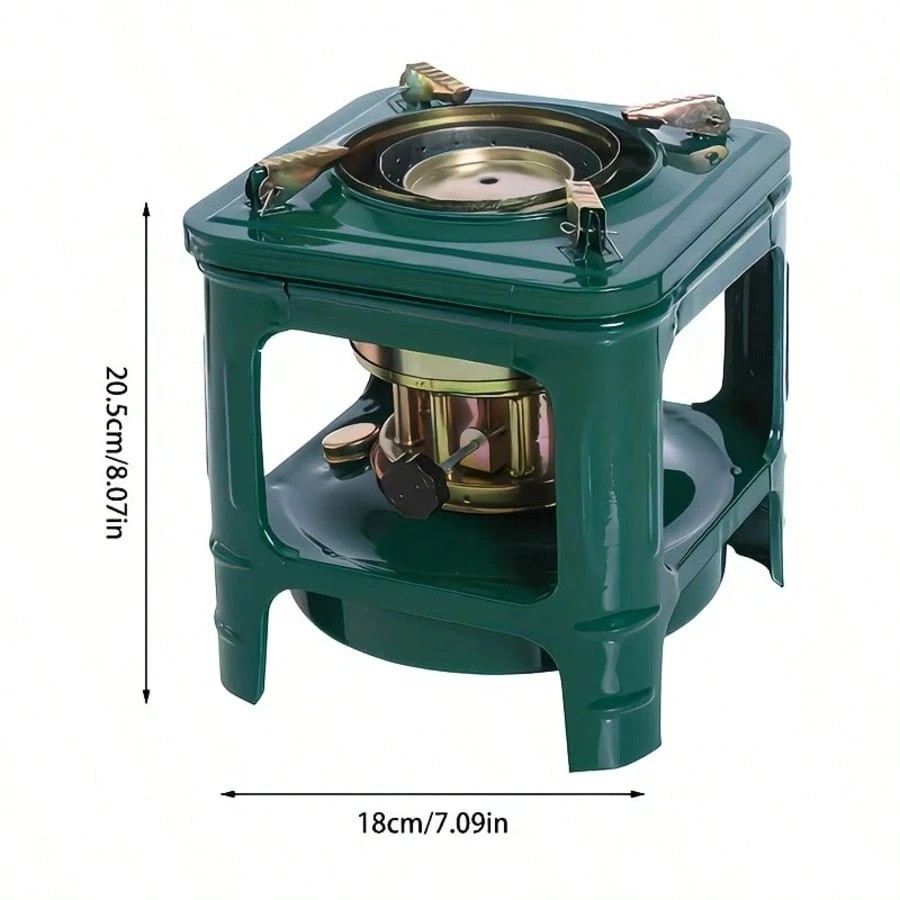 New 16 Core Kerosene Camping Stove Portable Outdoor Cooking Burner Green$20.80View on eBay
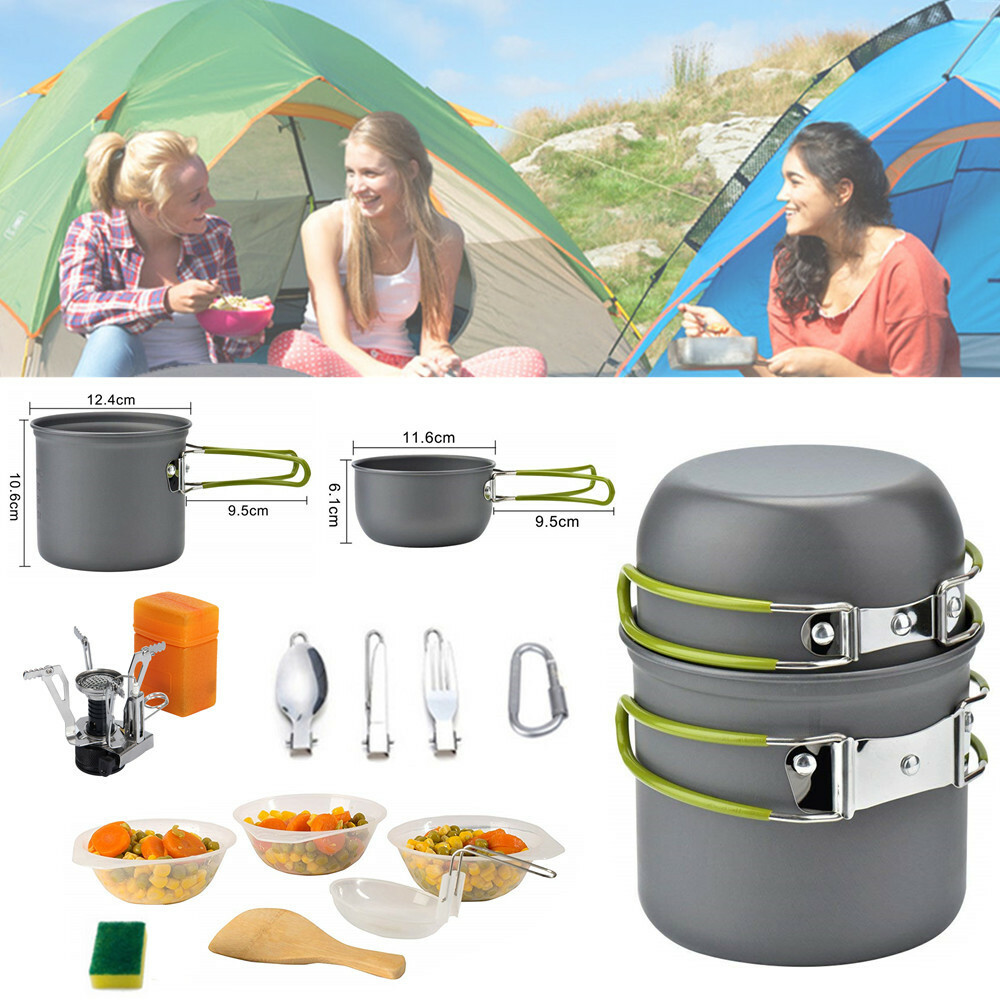 Portable Gas Camping Stove Butane Propane Burner Outdoor Hiking Picnic+Cookware$23.62View on eBay
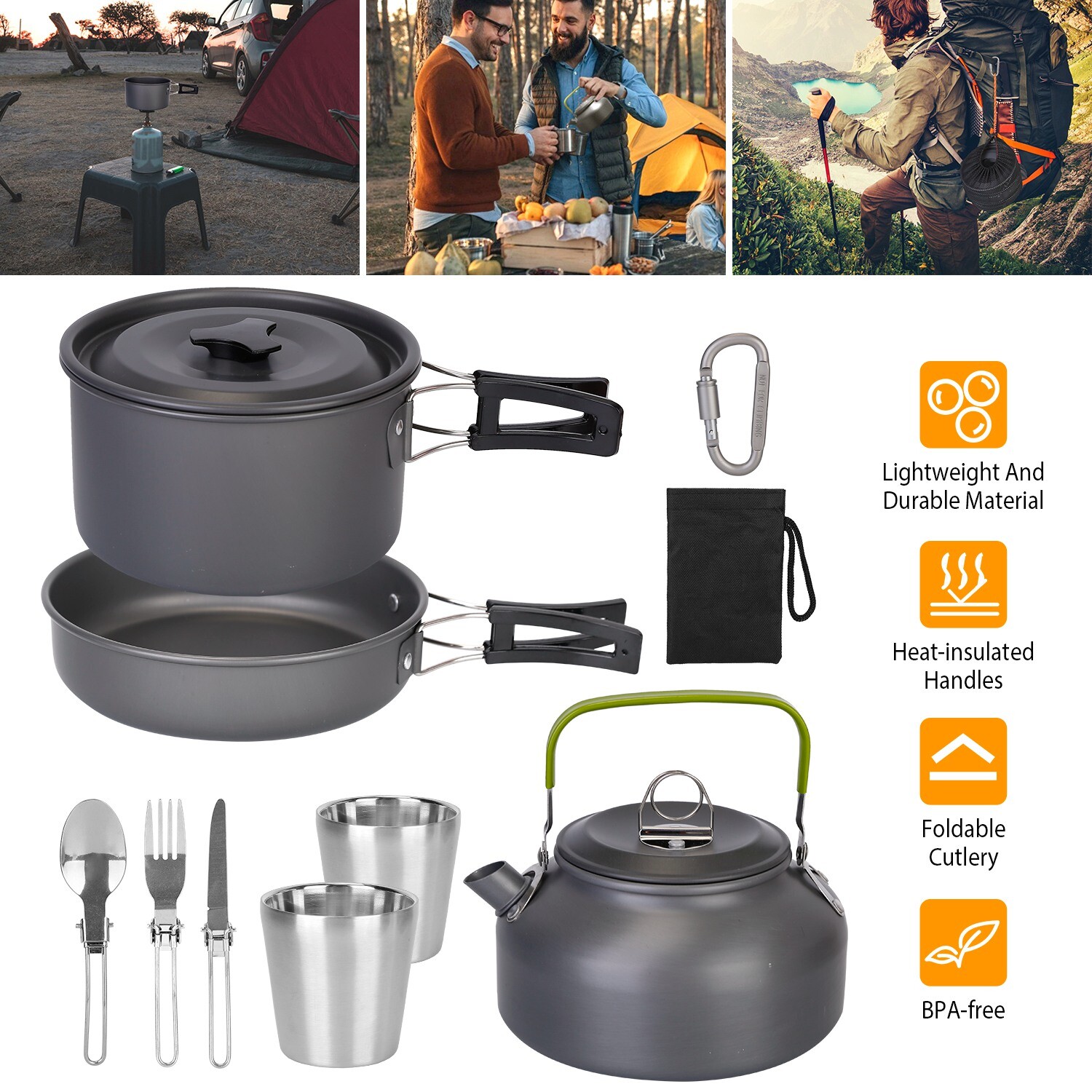 12Pcs Camping Cookware Set Camping Survival Stove Pot Pans Kit Portable Mess Kit$24.91View on eBay
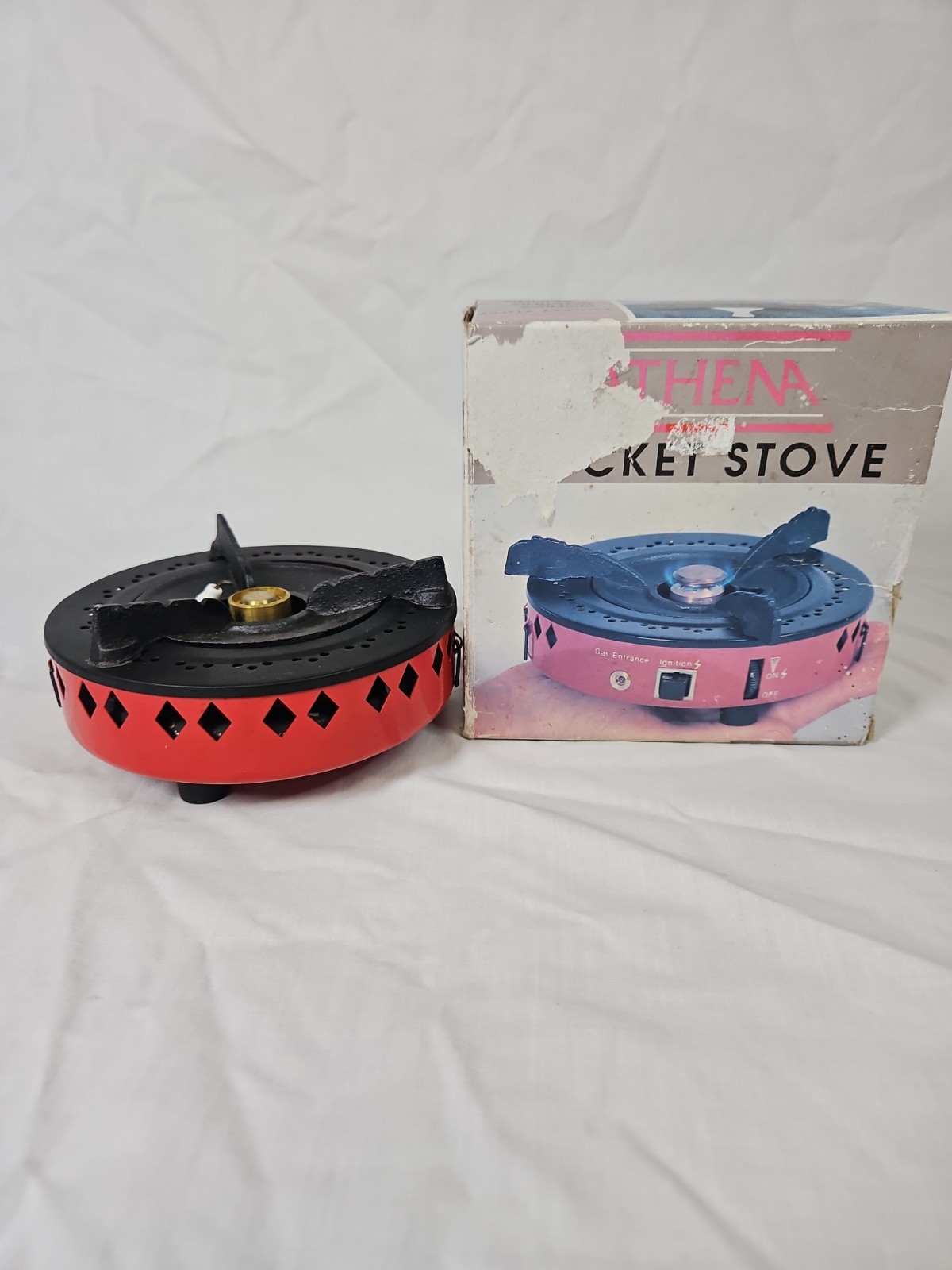 Vintage Athena Portable Pocket Stove - Isobutane Great For Camping Or Emergency$24.95View on eBay
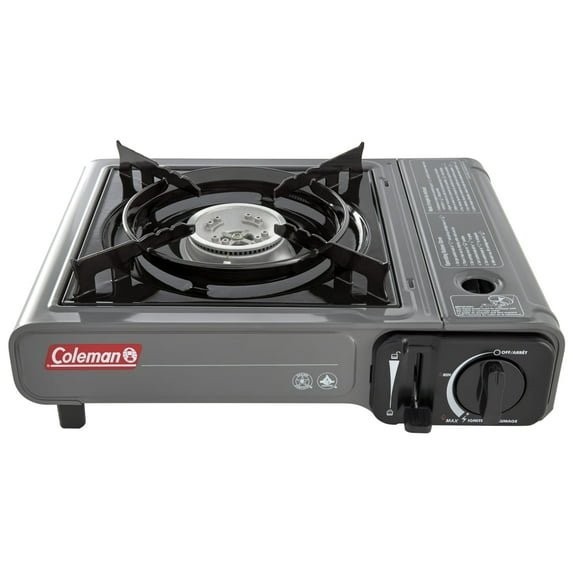 Coleman Tabletop Portable Butane Gas Camping Stove, 1 Burner, Gray$25.00View on eBay
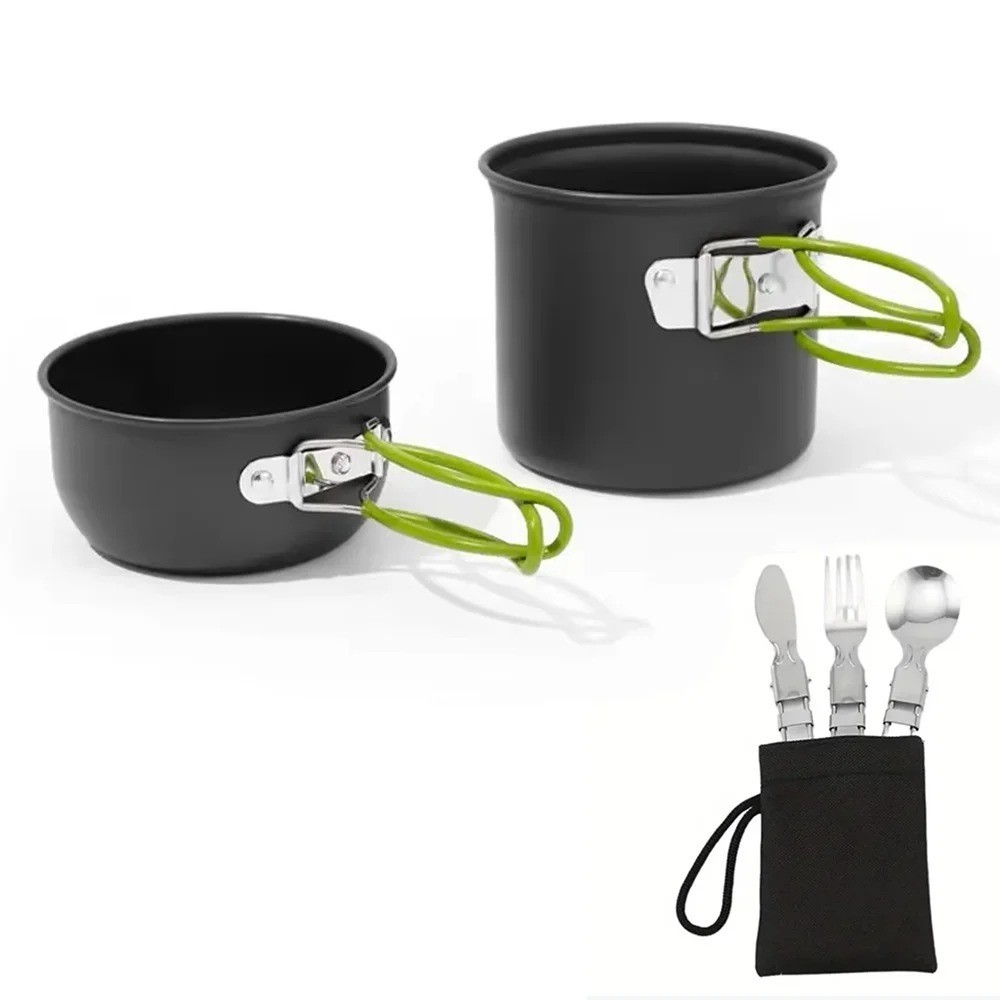 Portable Gas Camping Stove Butane Propane Burner Outdoor Hiking Picnic+Cookware$26.89View on eBay
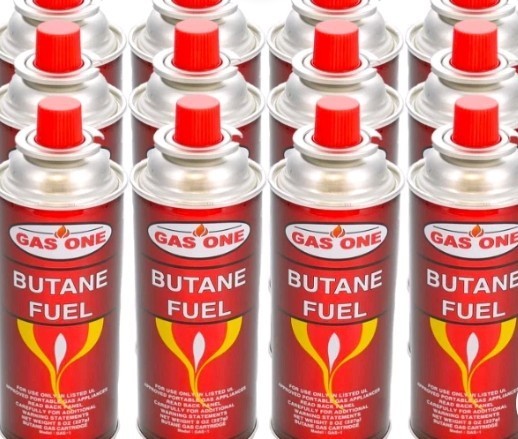 Gas One Butane Fuel Canisters 8 oz 12 Pack Camping Portable Stove Gas Refill Lot$26.98View on eBay
Highlights
- Canister-top stoves run on isobutane/propane mix (70/30 or 80/20) and lose pressure below 20°F; liquid-fuel and dual-fuel stoves (propane/butane) maintain output in cold and at altitude.
- Burner output tiers separate models: pocket stoves deliver 6,000–8,000 BTU, mid-size canister stoves 8,000–11,000 BTU, and dual-fuel/propane cooktops 10,000–15,000 BTU for group pots.
- Dual-fuel stoves accept a 1 lb propane cylinder via regulator hose or a butane canister via lever lock; the fuel selector and O-ring material determine long-term reliability.
- Wood-burning tent stoves use 304 stainless or carbon steel with 5-section chimneys; heat output depends on firebox volume and gasketed door seals, not on pipe length.
Best use cases
- Solo backpacking and fast-and-light trips: choose a 6,000–8,000 BTU canister-top pocket stove under 3 oz with a piezo igniter and fold-out pot supports—skip dual-fuel and wood stoves.
- Car camping and group cooking for 3–6 people: pick a 10,000–15,000 BTU dual-fuel or 4-burner propane cooktop with a regulator hose and wind screens—skip ultralight pocket stoves that can't boil a group pot.
- Cold-weather and high-altitude basecamp: use a liquid-fuel or dual-fuel stove with a pump or regulated valve; skip isobutane canister stoves below 20°F unless you use a canister with a pressure-regulating valve.
- Hot tenting and emergency heating: choose a stainless-steel wood stove with a 5-section chimney, spark arrestor, and heat-resistant glass window—never use a gas canister stove for tent heating due to carbon monoxide risk.
Buying tips
- Match burner BTU to pot size: 8,000 BTU boils 1L in about 3–4 minutes; 12,000+ BTU is needed for 4L group pots or windy conditions.
- Fuel math: a 100g isobutane canister yields roughly 60–90 minutes of full-output burn; a 1 lb propane cylinder yields about 2.5–4 hours at mid output—plan one canister per 2–3 days of cooking.
- Check valve material and ignition: brass or stainless valve bodies and sealed piezo igniters outlast plastic valves and flint sparkers; a manual override is essential if the piezo fails.
- For dual-fuel stoves, confirm the included regulator hose threads match US-standard 1 lb propane cylinders (CGA 600) and that the butane lever lock has an overpressure cut-off.
Specs
| Fuel Type | Canister / Dual-fuel / Wood / Liquid |
|---|---|
| Burner Output | 6,000–15,000 BTU |
| Ignition | Piezo electric / Manual flint |
| Valve Material | Brass / 304 stainless steel |
Related searches
What to check before buying
- Measure your largest pot diameter (typically 8–10 in for groups) and confirm the stove's pot supports span it without tipping—pocket stoves often max out at 6 in.
- Confirm fuel availability locally: isobutane canisters, 1 lb propane cylinders, or white gas; wood stoves require dry hardwood and a fire-safe base.
- Check wind and altitude: unregulated canister stoves lose output above 6,500 ft or in gusts over 10 mph—budget for a windscreen and a regulated valve.
- Verify tent or shelter clearance for wood stoves: 5-section chimneys need 6–8 ft of vertical clearance and a heat shield; gas stoves require 3 ft clearance from walls and overhead.
FAQ
Data sources: eBay / Amazon listings and product attribute feeds Data updated Nov 16, 2026.
Some links on this page are affiliate links. If you buy after clicking one, we may earn a commission at no extra cost to you. This does not change which products appear here or their order. Affiliate disclosure.