Photos from current listings. Actual item, color, and included accessories may vary.
Arborist Rope Buying Guide
Arborist rope is a purpose-built lifeline and rigging line for tree climbing, rigging, and aerial work, where the core trade-off is static strength and abrasion resistance versus handling and knotability. The decisive split is between double-braid polyester climbing lines (low stretch, splicable, 11–13 mm) and hollow-braid or twisted rigging lines for load hauling. Buy certified double-braid for life-safety climbing; treat generic braided cord as rigging-only unless it carries a known tensile rating and consistent diameter.


At a glance
- Category
- Climbing Harnesses, Ropes & Quickdraws
- Data updated
- Nov 17, 2026
Current offers
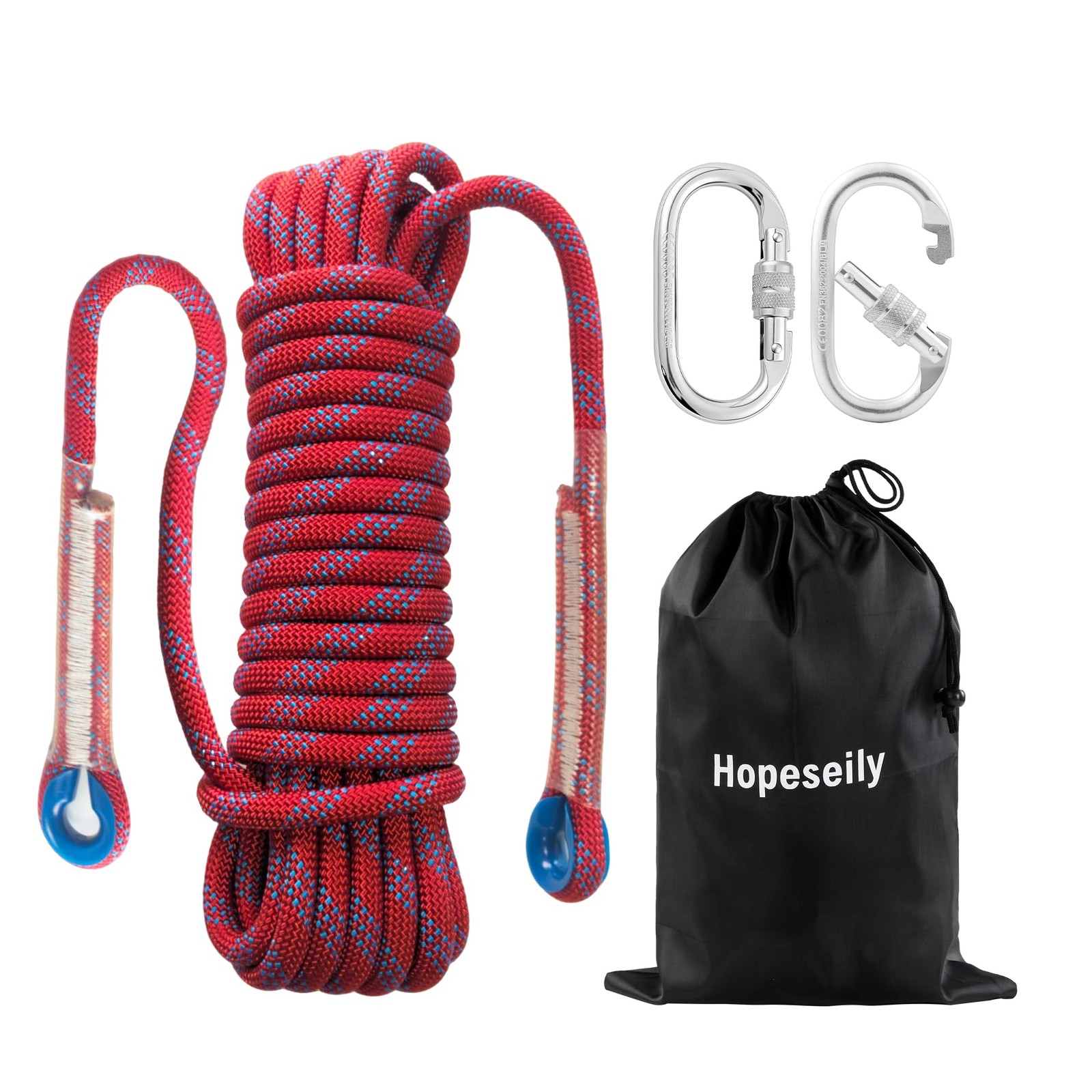 Static Rock Climbing Rope, 8mm x 32FT Arborist Rope with 2 Heavy Duty Carabin...$23.03
 View on eBay
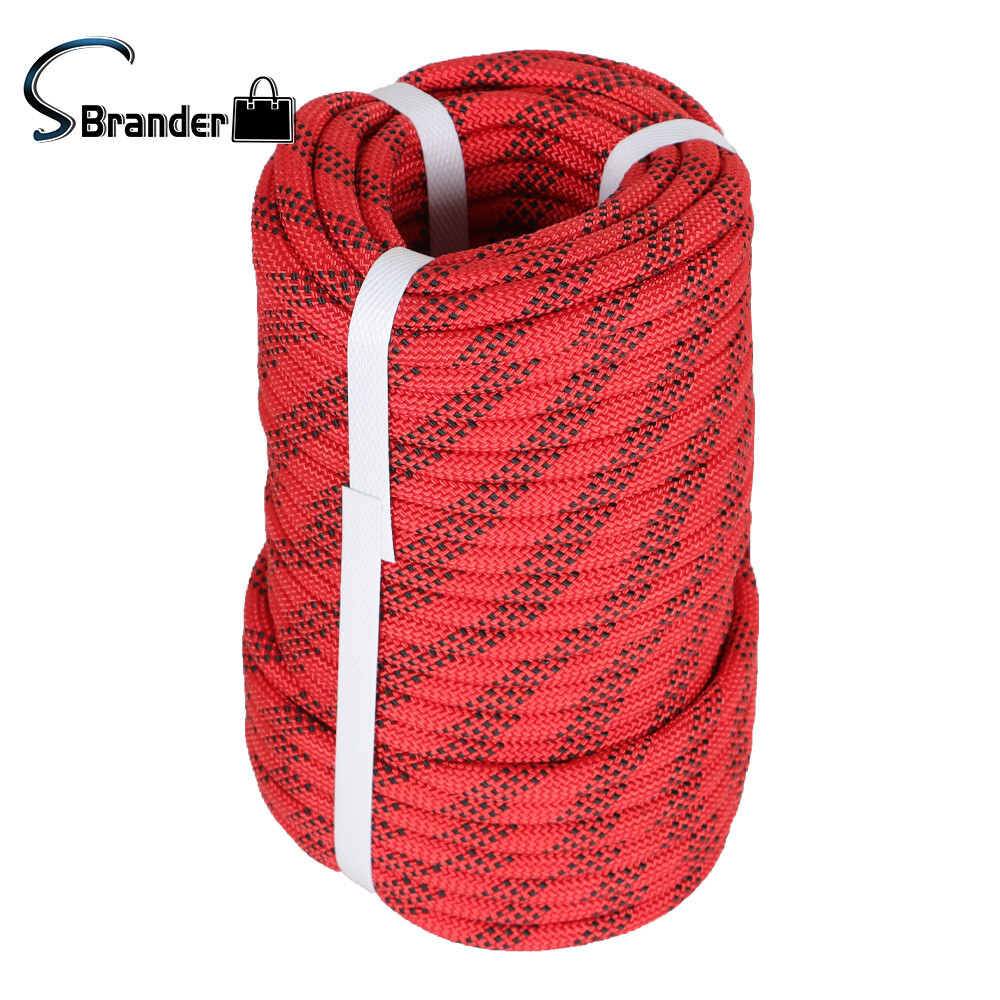 100 Feet 3520Lbs Braided Rope Arborist Tree Rope 3/8 In Diameter$20.08View on eBay
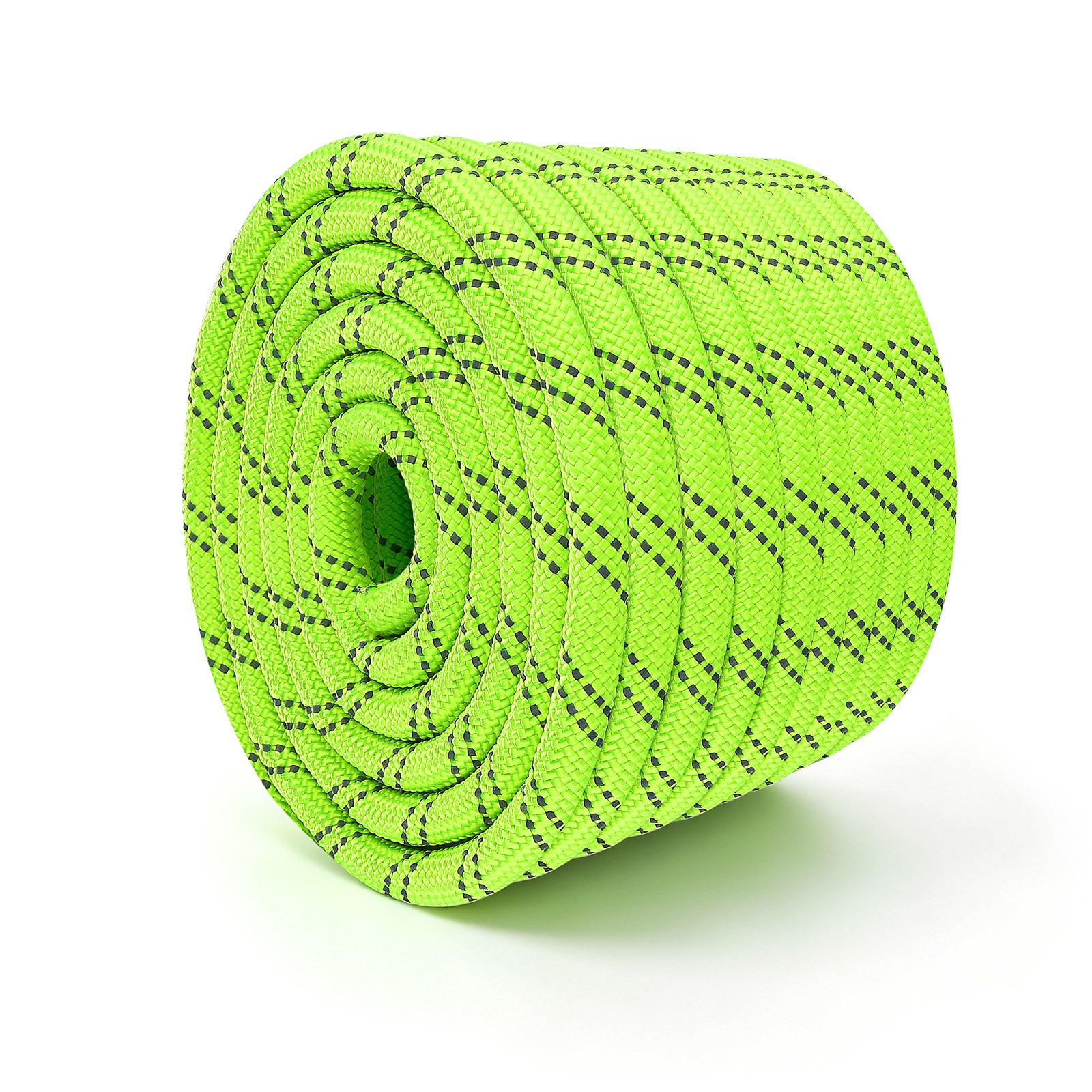 VEVOR Double Braided Polyester Rope 1/2in x 120ft Arborist Rigging Climbing Rope$29.99View on eBay
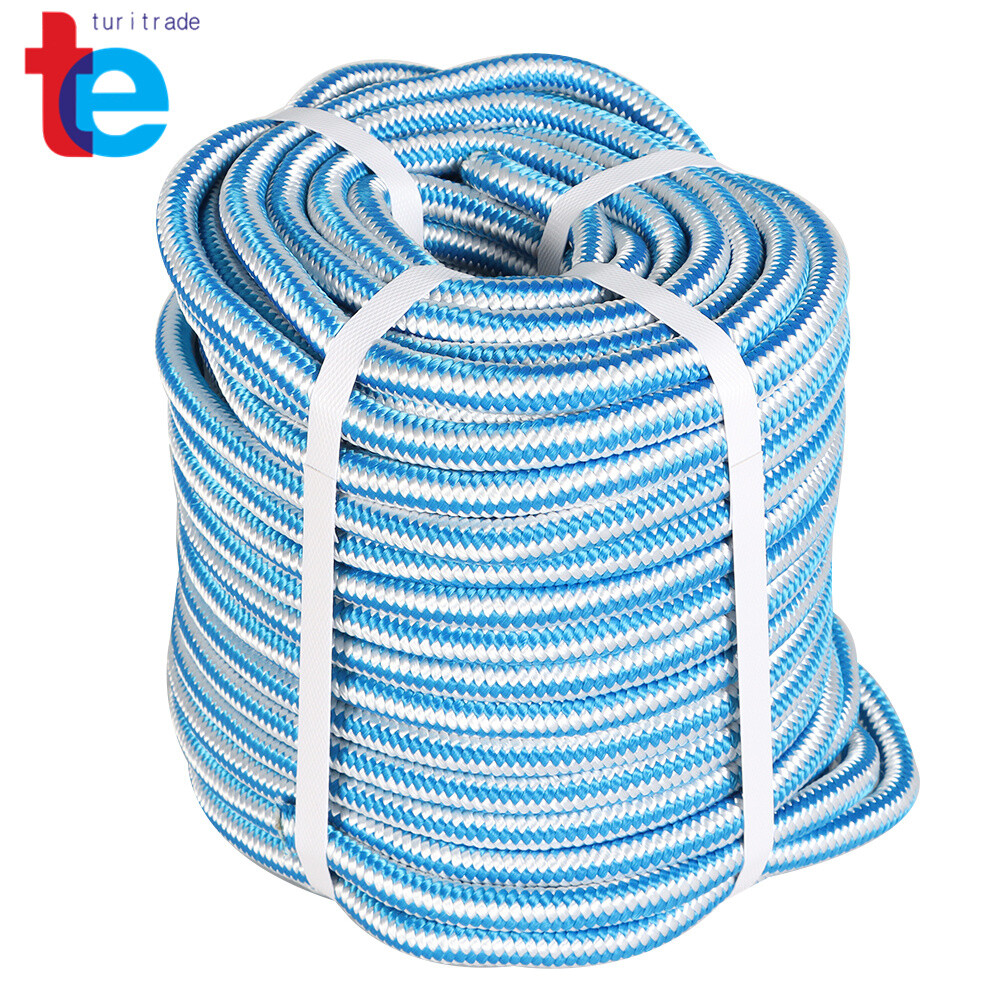 16 Strand Braided Nylon Core Polyester 1/2" × 150' Arborist Tree Rope$32.59View on eBay
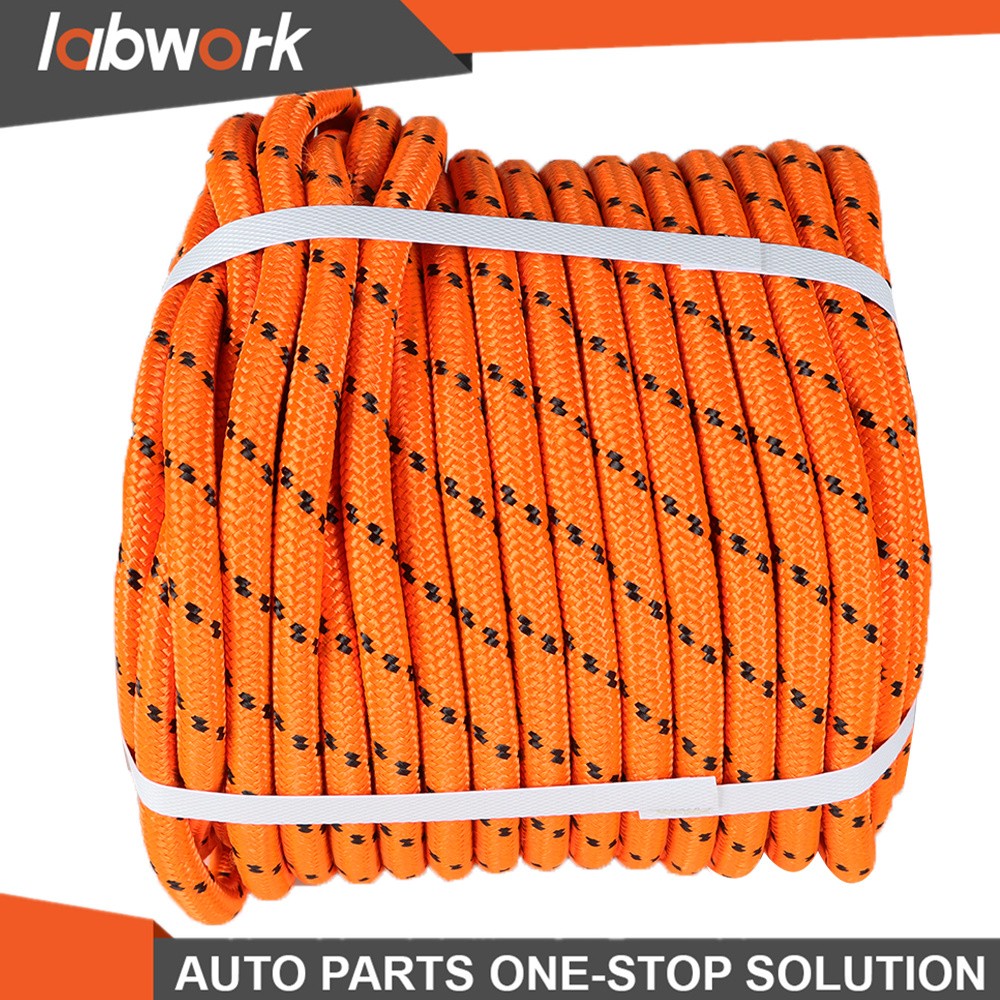 Labwork 1/2" x 150 FT Double Braid-Yacht Arborist Tree Rope Nylon Polyester$33.76View on eBay
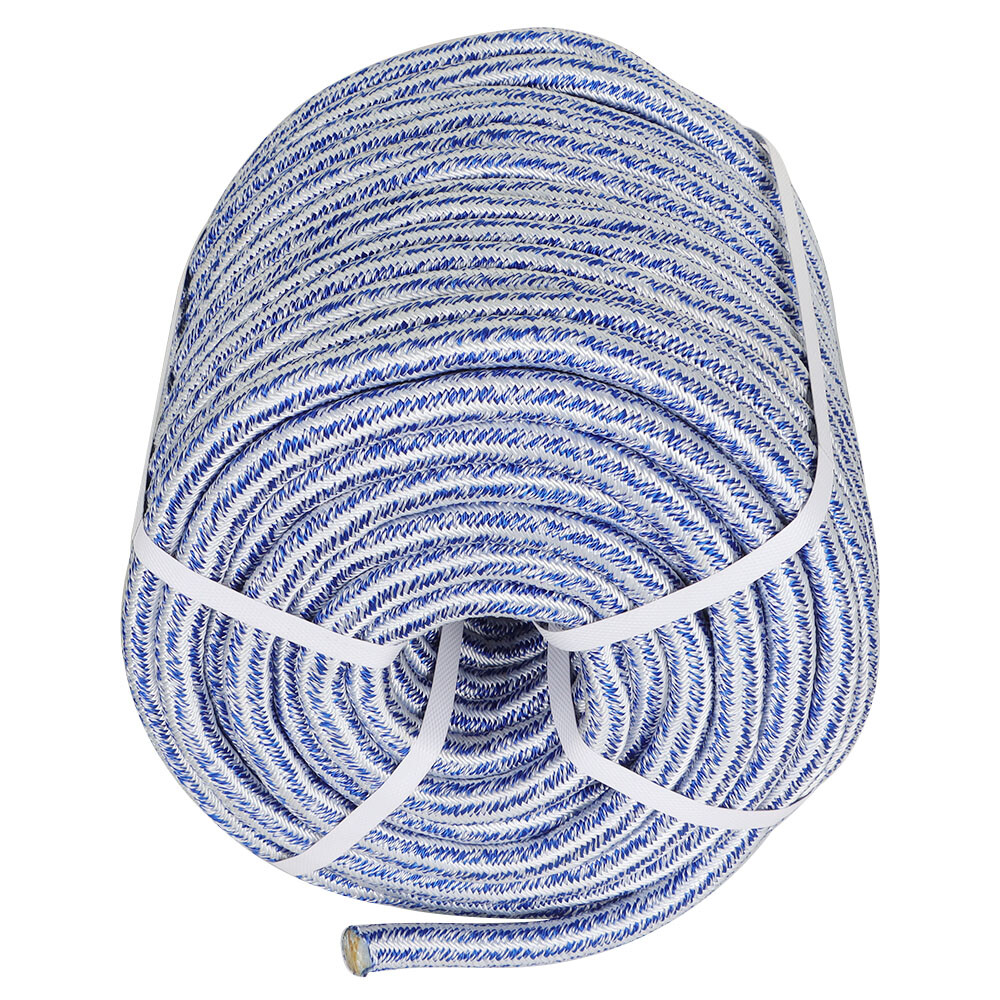 3/4"x100/150/200‘ 24 Arborist Bull Rope Utility Rope Tensile Strength 20000 lbs$82.67View on eBay
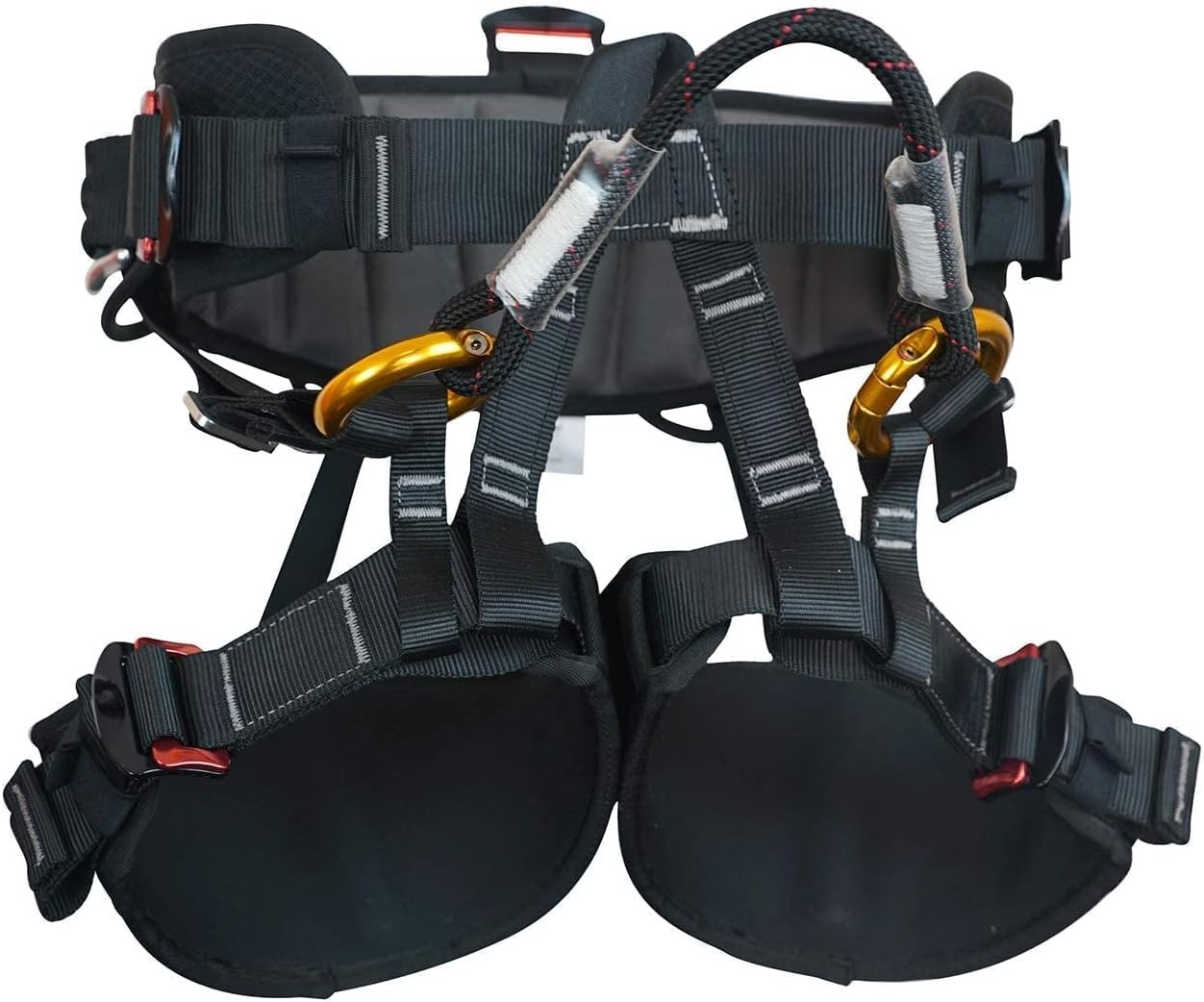 Climbing Half Body Harness Rope Arborist Saddle Tree Bridge Caving Rescue CE$87.50View on eBay
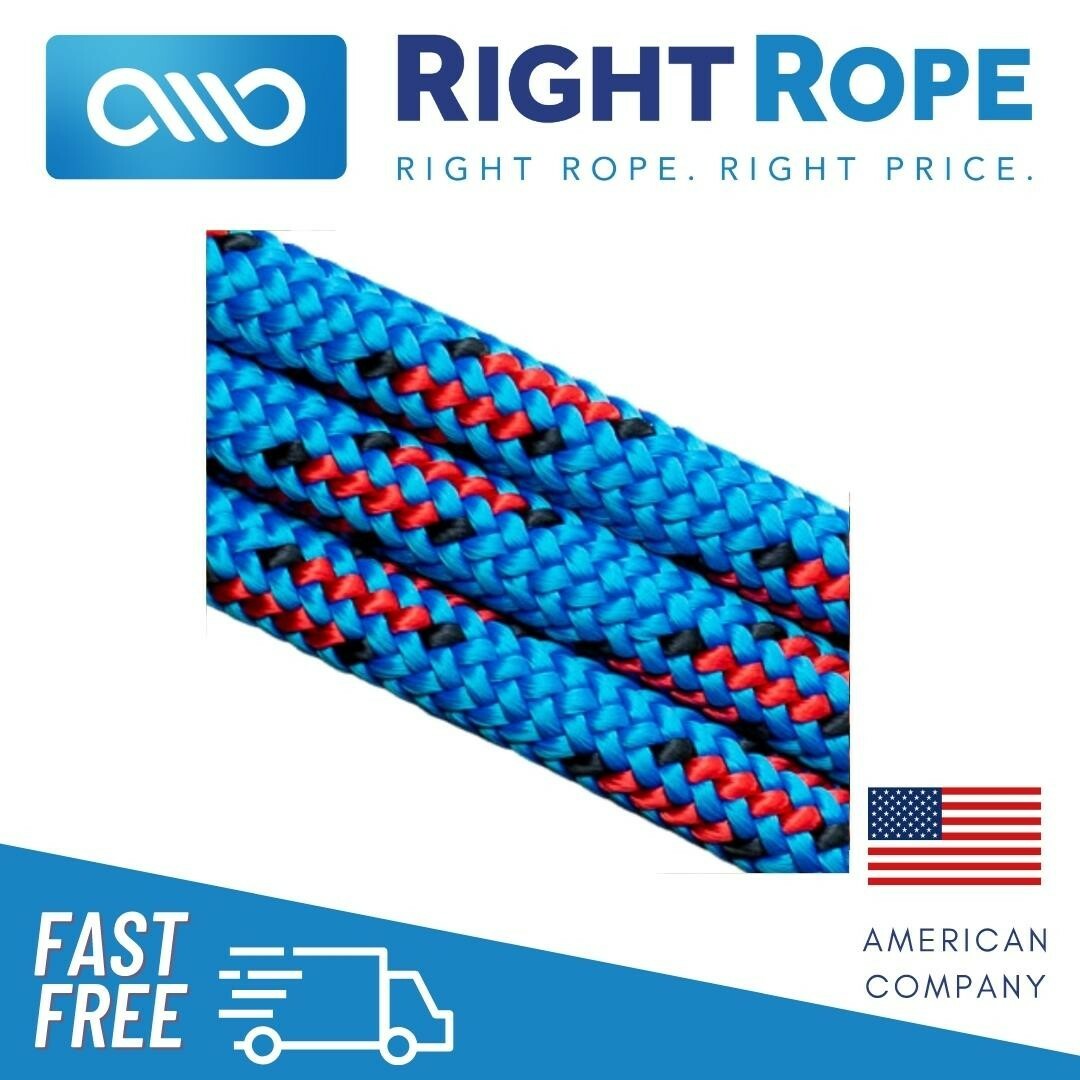 Arborist Climbing Line Rope 24-Strand 11.7mm Blue Moon Yale XTC-24 6200# tensile$124.99View on eBay
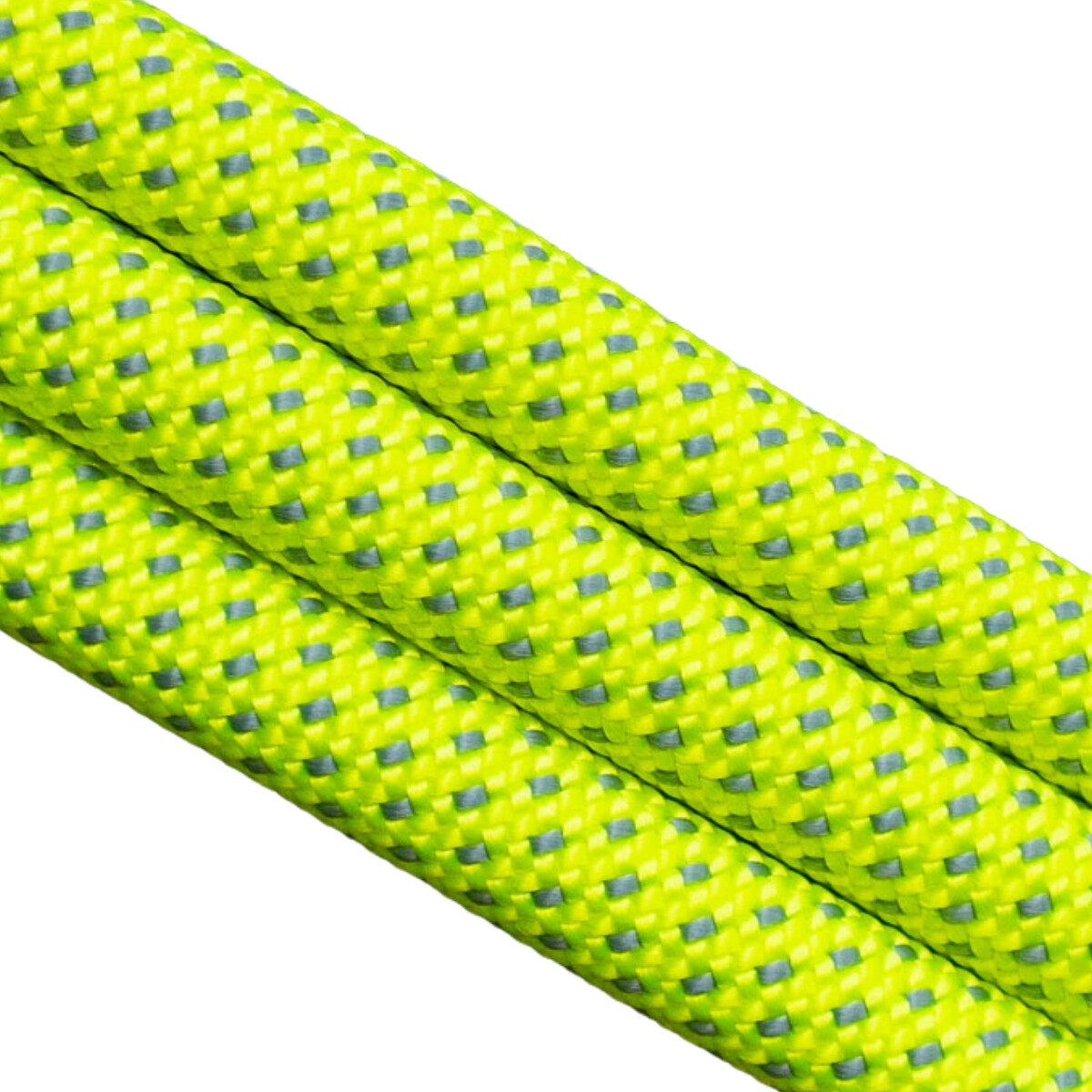 Arborist Climbing Line Rope 48-Strand 11.7mm Yale Scandere 7100# tensile$189.99View on eBay
Highlights
- Double-braid polyester climbing lines in 11.7 mm (approx. 7/16 in) deliver 6,200–7,100 lb tensile with 24- or 48-strand jackets for abrasion resistance and spliceability.
- 1/2 in (12.7 mm) double-braid is the standard rigging size, balancing strength near 7,000–9,000 lb with manageable weight for block-and-tackle systems.
- 16-strand braided nylon-core polyester is a common budget construction: strong and affordable but more stretch and less splice-friendly than true double-braid.
- Bull ropes at 3/4 in and 20,000 lb tensile are for heavy rigging and mechanical advantage, not for climbing or ascending systems.
Best use cases
- Climbing and work positioning: choose a 11.7 mm double-braid polyester line (24- or 48-strand) with a known tensile rating above 5,000 lb; skip hardware-store braid.
- Rigging and limb lowering: pick 1/2 in double-braid polyester at 150 ft for block-and-tackle control; skip climbing-specific static lines for shock-loaded rigging.
- Heavy pulling and mechanical advantage: use 3/4 in bull rope rated near 20,000 lb with a port-a-wrap; do not use it as a climbing lifeline.
- Casual utility or hauling only: 3/8 in braided rope at 100 ft and 3,500 lb is fine for dragging brush; never use it for life-safety climbing.
Buying tips
- Match diameter to system: 11.7 mm for climbing hitches and ascenders, 1/2 in for rigging blocks, 3/4 in for bull-rope mechanical advantage.
- Demand a stated tensile rating and construction (double-braid, 16-strand, 24/48-strand); unrated braid is utility cord, not arborist line.
- Choose polyester jacket over nylon core for low stretch and UV/abrasion resistance; nylon-core lines stretch more under load.
- Buy length for your canopy: 150 ft suits most residential trees; 100 ft is a short-line or rigging-only choice; 200 ft is for tall canopy work.
Specs
| Rope Construction | Double-braid vs 16-strand braid |
|---|---|
| Climbing Diameter | 11.7 mm (7/16 in) standard |
| Tensile Strength | 5,000–7,100 lb climbing lines |
| Rigging Size | 1/2 in / 3/4 in bull rope |
Related searches
What to check before buying
- Confirm your climbing system's rope diameter range: most mechanical ascenders and hitches specify 11–13 mm, so 3/8 in falls below spec.
- Measure your highest anchor point and add 30–50 ft for knots, tail, and ground tie-off before choosing 100, 150, or 200 ft.
- Check that the rope is spliceable or hitch-compatible with your hardware; 16-strand and double-braid take splices, generic braid may not.
- Verify UV and abrasion exposure: polyester jacket for sunny, rough-bark work; retire any line with glazing, flat spots, or core exposure.
FAQ
Data sources: eBay / Amazon listings and product attribute feeds Data updated Nov 17, 2026.
Some links on this page are affiliate links. If you buy after clicking one, we may earn a commission at no extra cost to you. This does not change which products appear here or their order. Affiliate disclosure.