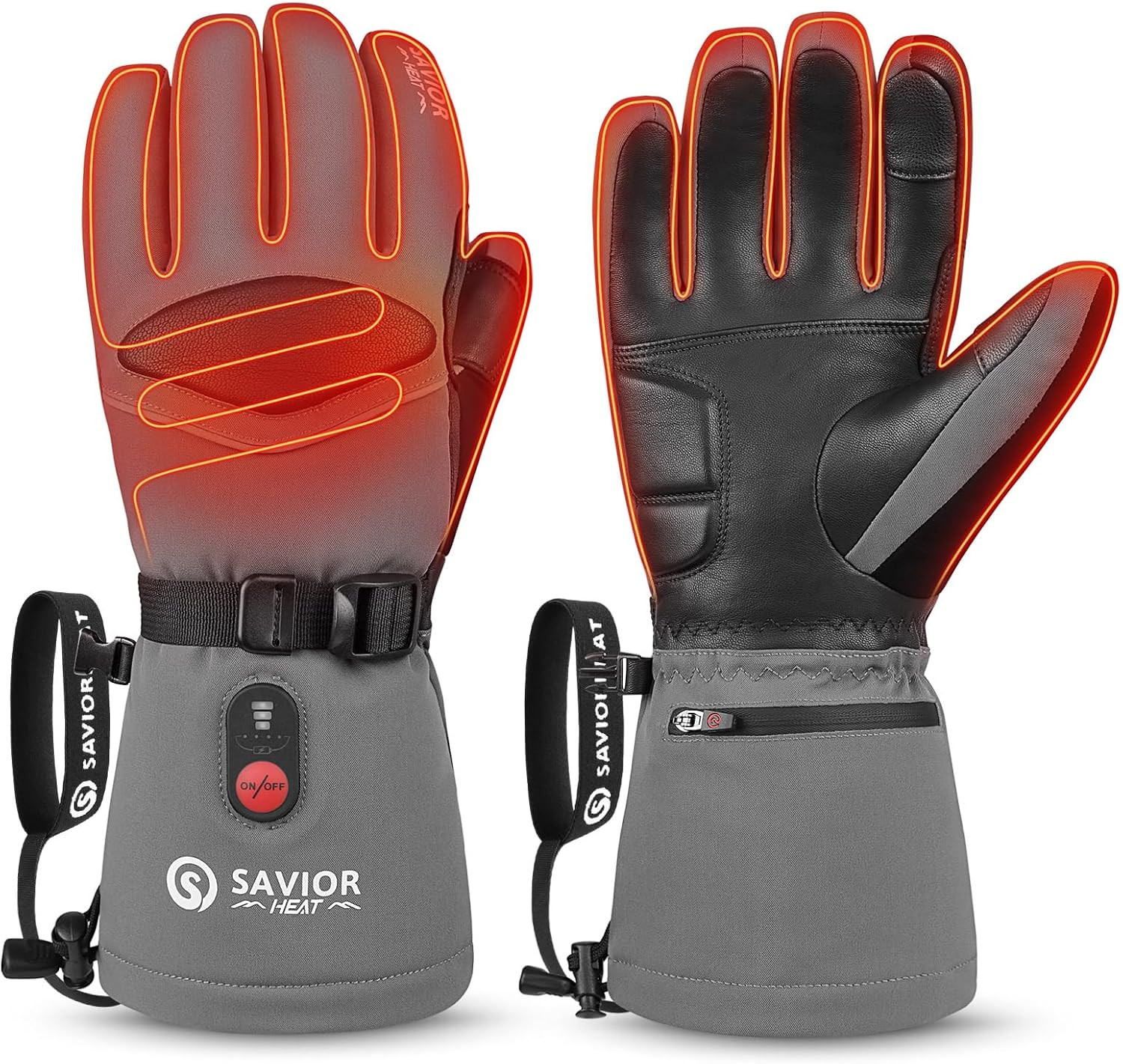

Photos from current listings. Actual item, color, and included accessories may vary.
Heated Ski Glove Buying Guide
Heated ski gloves are battery-powered gloves that actively warm the hands via embedded heating elements, primarily defined by battery capacity/placement, heating-element coverage, and waterproof/breathable membrane quality. The key trade-off is bulk and dexterity versus thermal endurance—higher-capacity batteries add weight and cost while low-profile batteries sacrifice run time. A durable option uses a minimum 2000 mAh per-glove battery, at least three heat zones (back of hand plus fingertips), and a genuinely waterproof membrane; compromises skimp on battery capacity, omit fingertip heating, or seal only with water-resistant coatings.


At a glance
- Category
- Snow Helmets, Goggles & Apparel
- Data updated
- Nov 16, 2026
Current offers
Highlights
- Battery capacity per glove: 2000–3000 mAh (7.4V) delivers 4–10 hours; 1500 mAh or lower drops below 3 hours at high heat.
- Heating zones: premium gloves heat back of hand plus all five fingers; budget models heat only the back of hand, leaving fingertips cold.
- Membrane standard: a waterproof/breathable insert (e.g., 10K/10K rating) is required for wet snow; DWR-coated shells alone wet out in 1–2 hours.
- Palm material: goatskin or synthetic leather palms with reinforced grip zones outlast thin polyurethane palms that crack at flex points.
Best use cases
- Resort skiing with chairlift rides: pick gloves with 3000 mAh batteries and full-finger heating—back-of-hand-only heat leaves fingers numb on long lifts.
- Backcountry touring or high-output skiing: choose lighter 2000 mAh gloves with breathable membranes; bulky high-capacity gloves cause overheating and sweat, which then freezes.
- Extreme cold (below -20°C / -4°F) or Raynaud's: select gloves rated for 10-hour runtime at medium heat with heated fingertips and a gauntlet cuff that seals over the jacket sleeve.
- Skip heated gloves for mild weather (above -5°C / 23°F) or wet-weather skiing where unheated waterproof gloves with liners perform better and cost less.
Buying tips
- Sizing: measure dominant hand circumference at the knuckles; heated gloves fit snugly—add 0.5 cm to your normal glove size to accommodate battery bulk.
- Battery placement: batteries in the cuff add wrist bulk but keep heat wires short; batteries on the back of the hand distribute weight better but can interfere with pole grips.
- Check the heating-element type: carbon-fiber heating elements are more durable and flexible than wire-based elements, which can break at flex points after repeated use.
- Compatibility: confirm the glove's USB charging standard (USB-C is now standard) and whether batteries are removable—removable batteries let you carry spares and extend a ski day.
Specs
| Battery Capacity | 1500–3000 mAh per glove |
|---|---|
| Heating Zones | Back-of-hand only vs full-finger |
| Waterproof Rating | DWR coating vs 10K/10K membrane |
| Palm Material | Goatskin leather vs synthetic/PU |
Related searches
What to check before buying
- Measure hand circumference and length; match to the glove's size chart—heated gloves run small due to battery compartments.
- Verify your jacket cuff fits over or under the glove's gauntlet; a gauntlet that seals over the sleeve prevents snow entry and heat loss.
- Confirm battery voltage and charger plug match your region (USB-C 5V input is universal; wall adapters may be region-specific).
- Check that replacement batteries and chargers are available for the model—proprietary batteries with no spares turn the glove into a disposable item.
FAQ
Data sources: eBay / Amazon listings and product attribute feeds Data updated Nov 16, 2026.
Some links on this page are affiliate links. If you buy after clicking one, we may earn a commission at no extra cost to you. This does not change which products appear here or their order. Affiliate disclosure.